 EN
ENDEALER
37.786 US$DEALER
37.937 US$
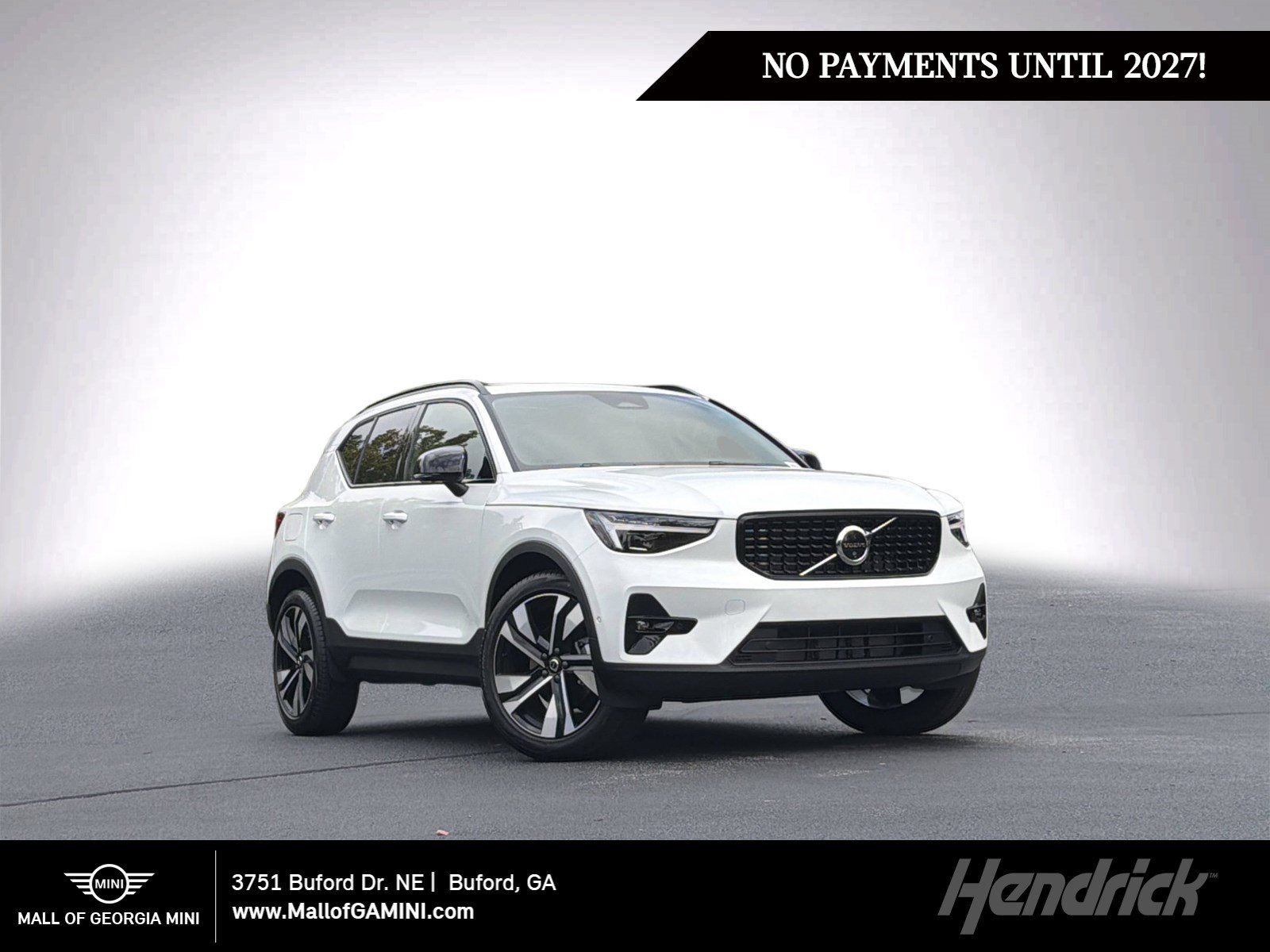
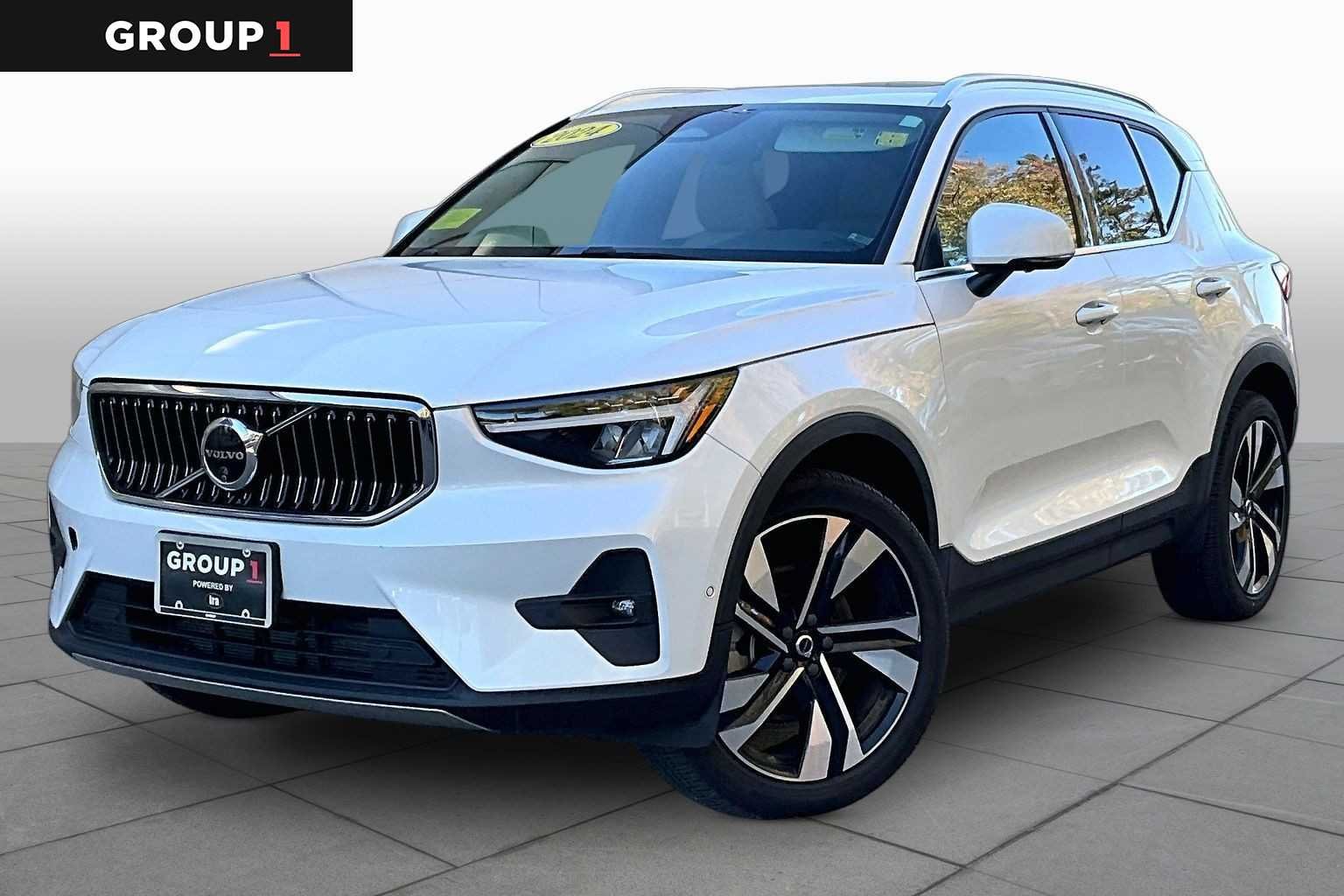
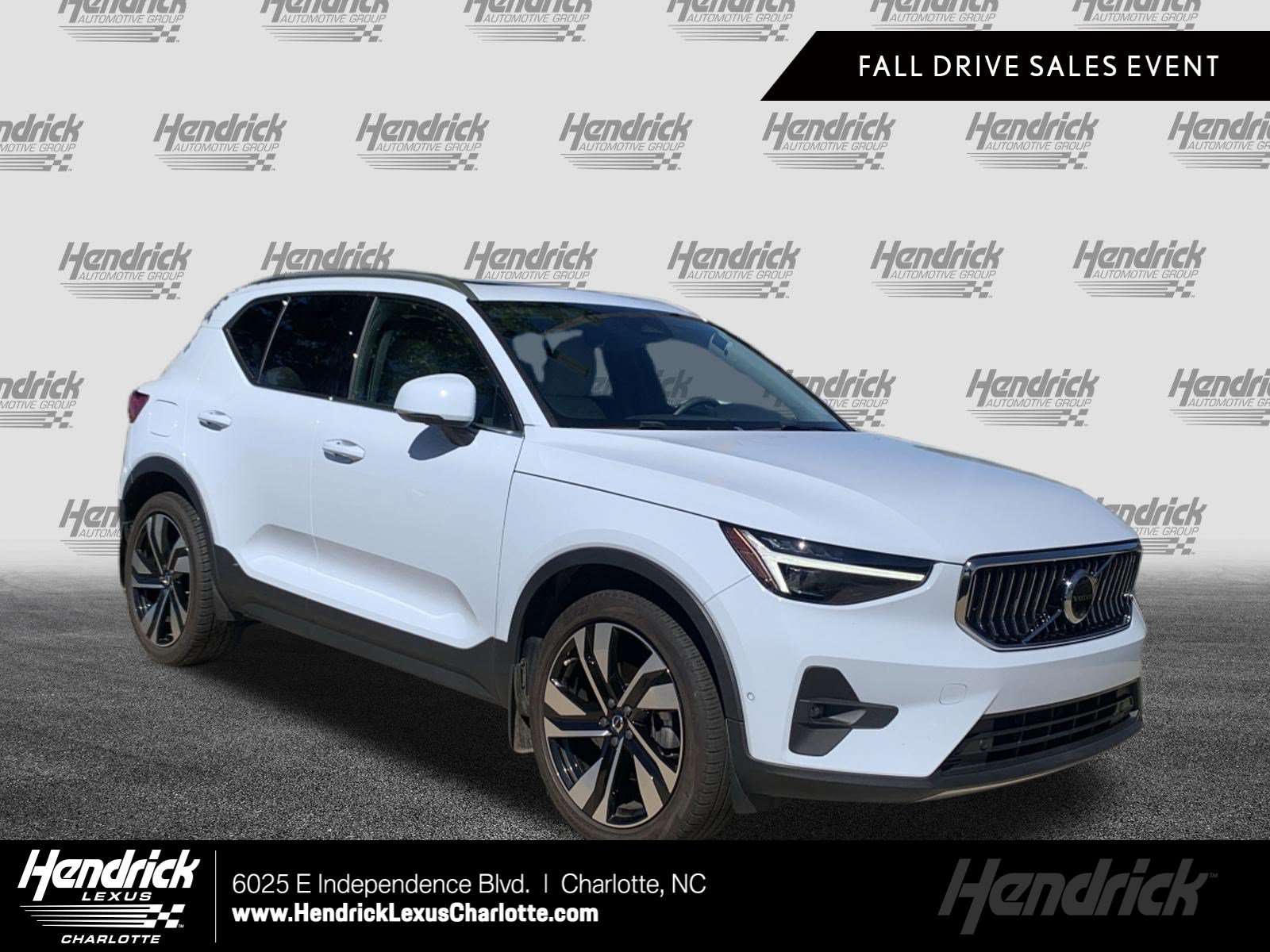
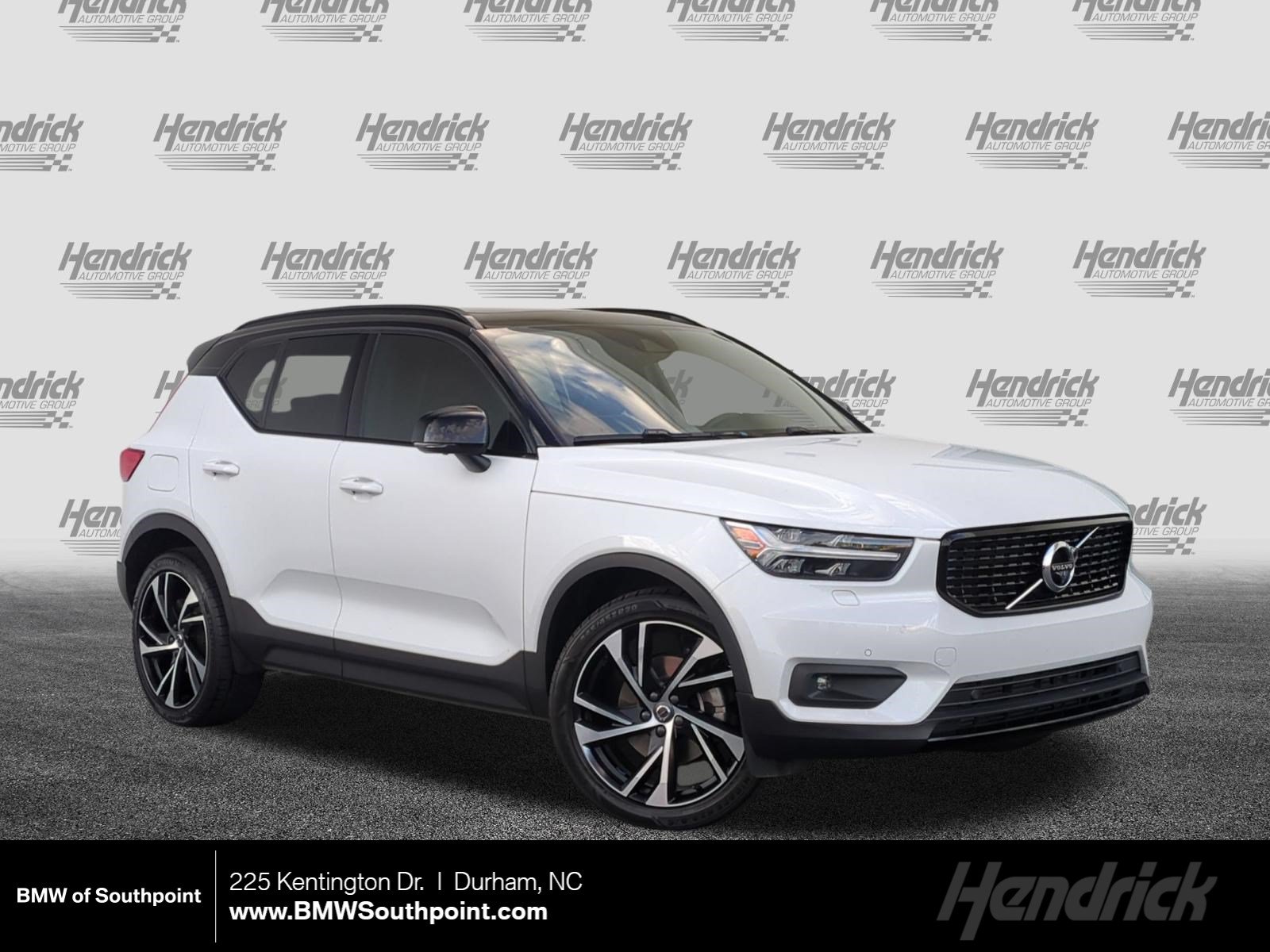
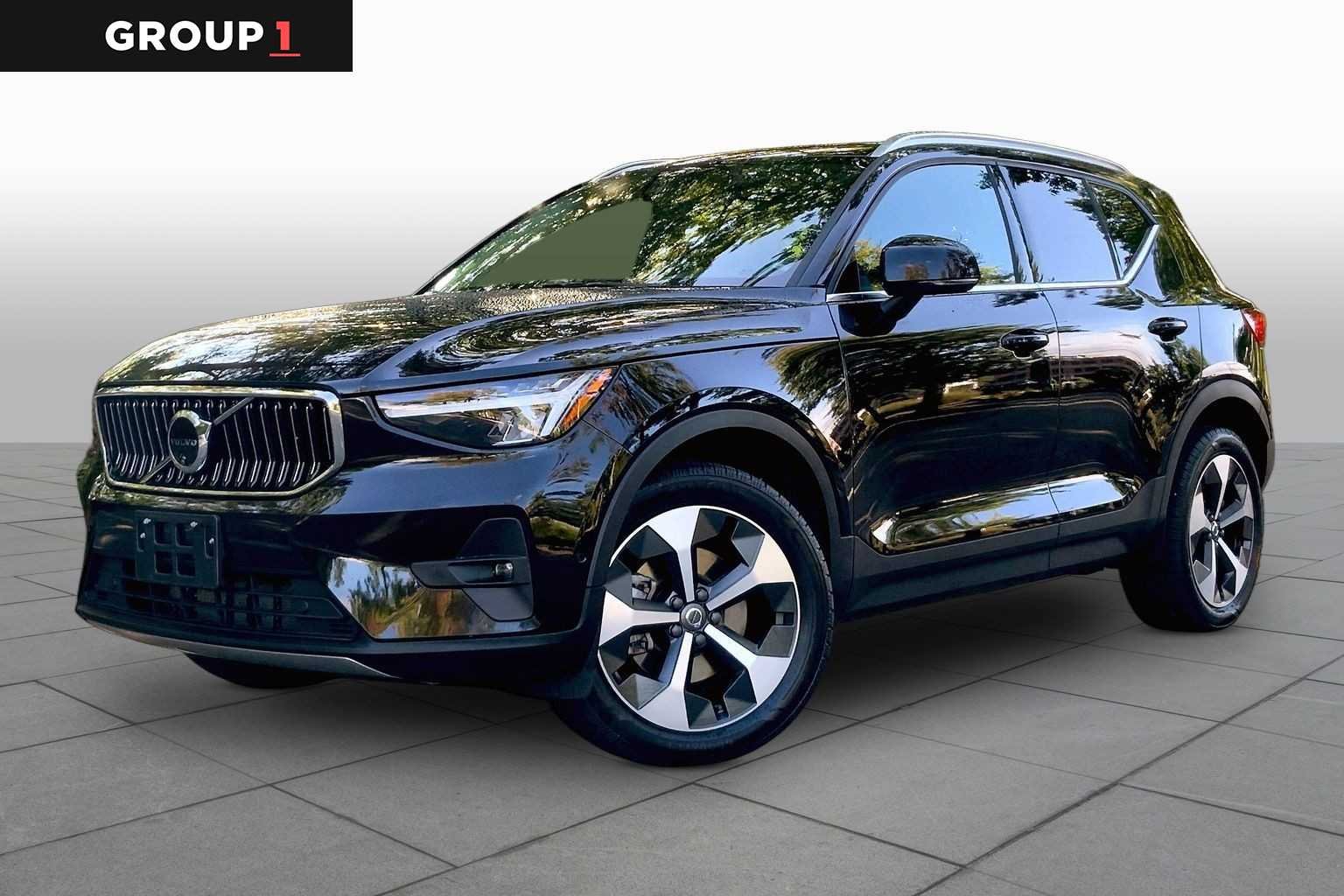
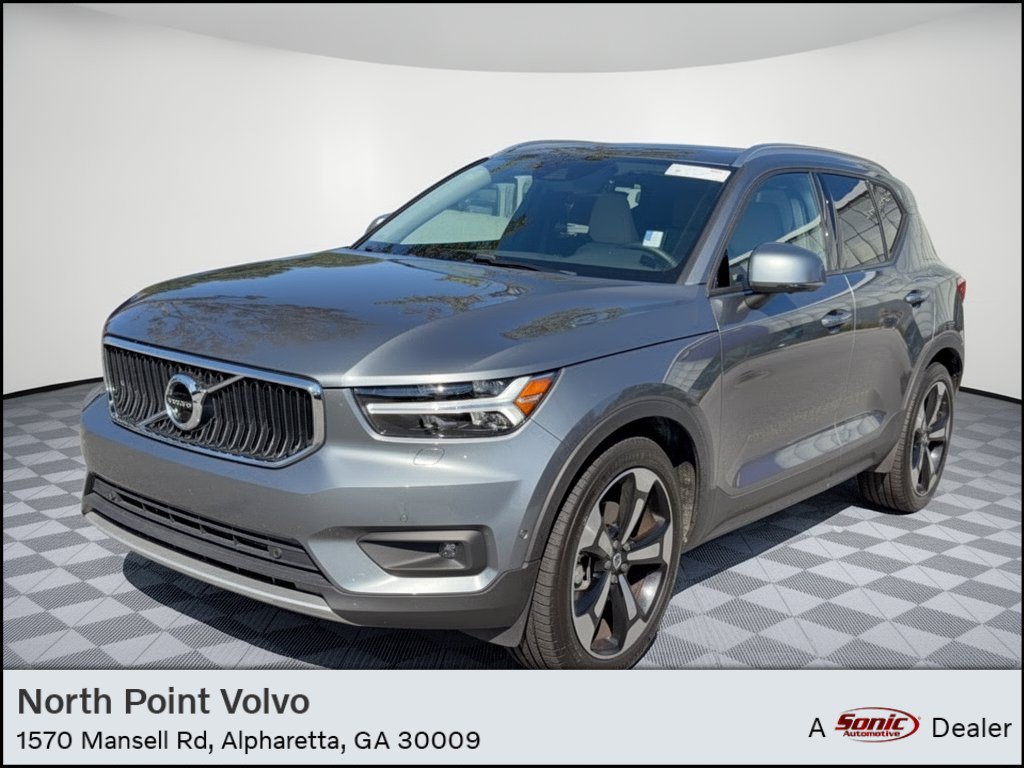
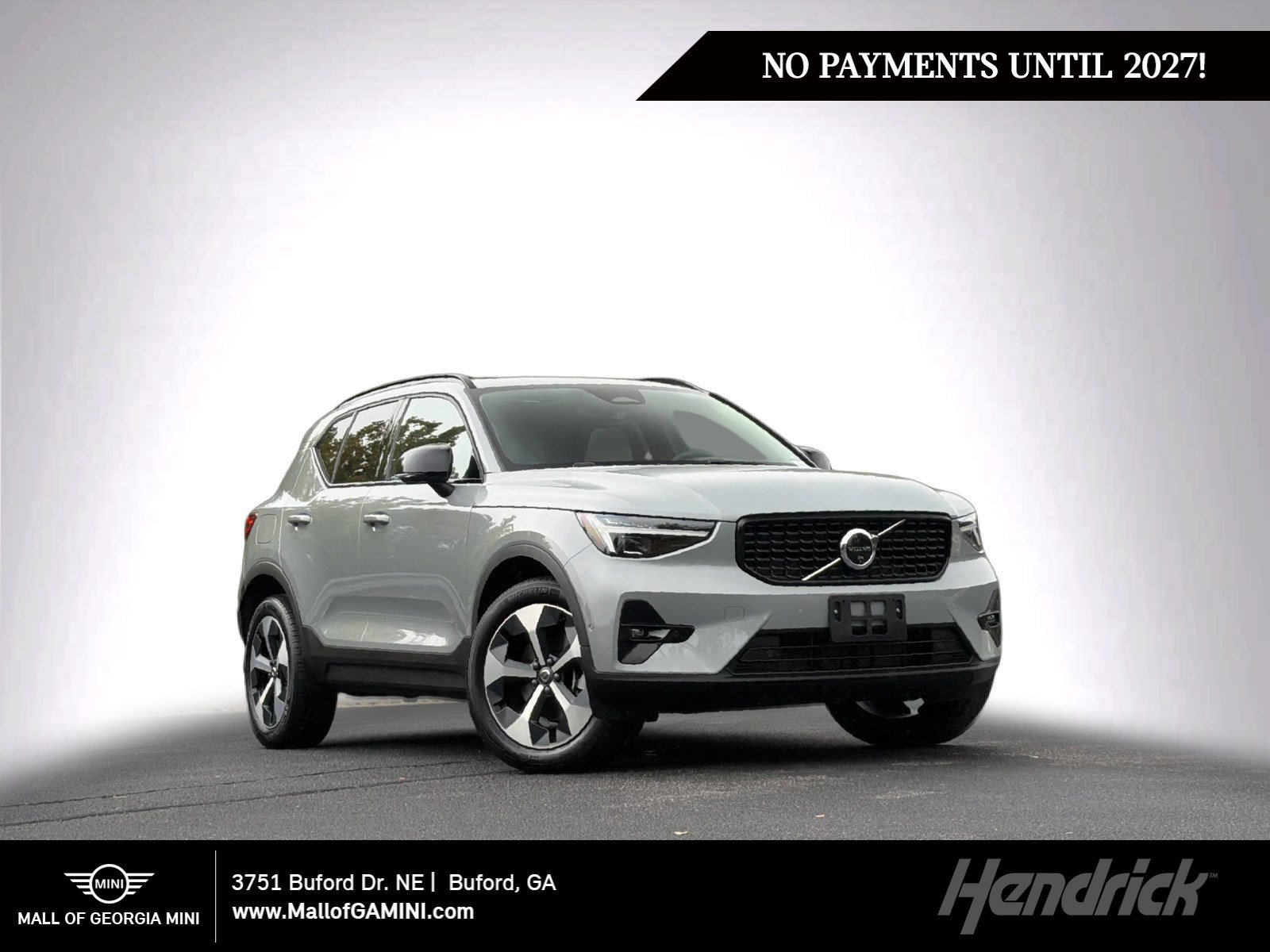
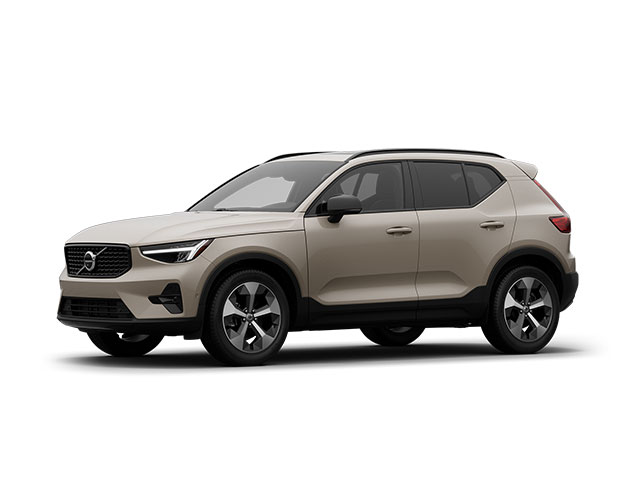
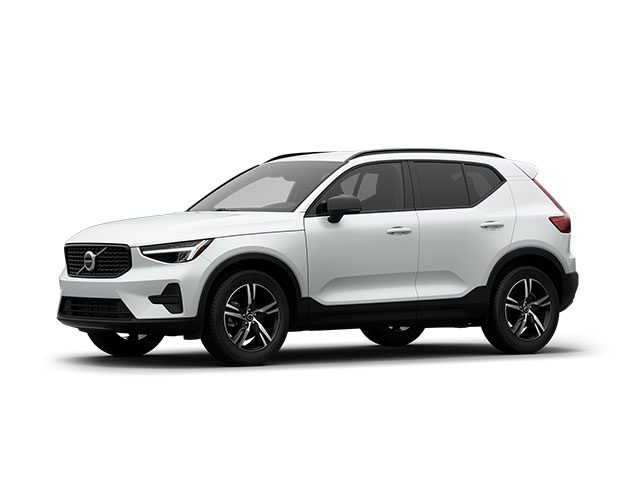
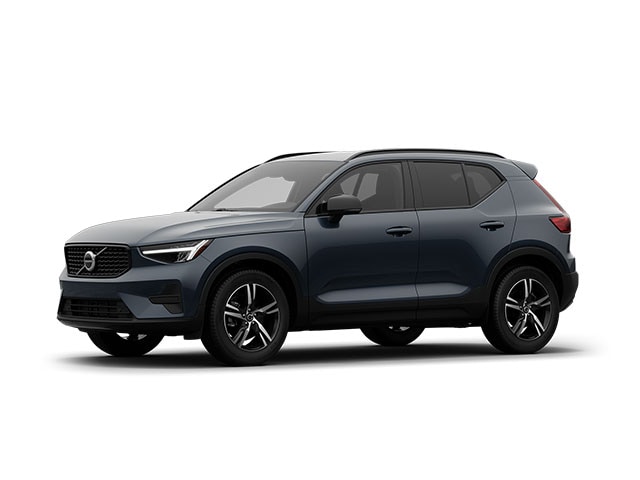
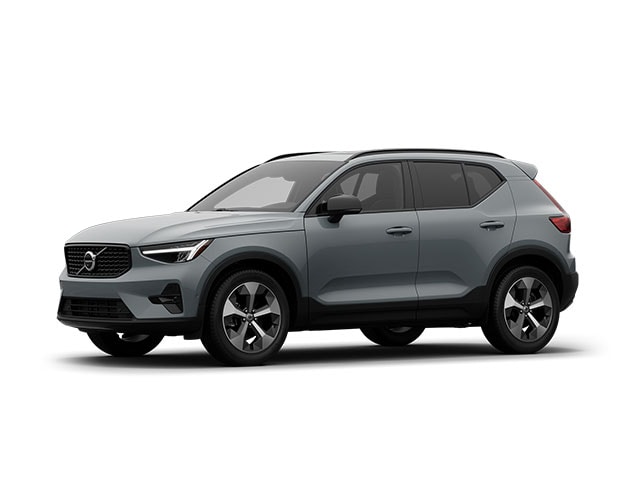
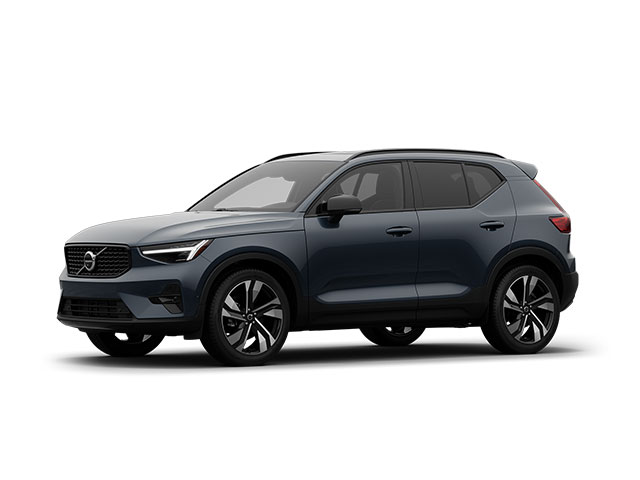
hybrid, automatic, 12K km, SUV, All Wheels Drive, 2,000 cm3, 247 hp, grey, Plus Dark Theme, Used condition, Europa, In stock

HendrickCars.com
 Buford, United States
 Buford, United StatesBuford, United States
 Chevrolet, United States
 Manchester, United StatesT B, United StatesCharlotte, United StatesDurham, United StatesRockland, United States
 Alpharetta, United StatesAlpharetta, United States
 Alpharetta, United StatesAlpharetta, United States
 Alpharetta, United StatesAlpharetta, United StatesAlpharetta, United States
 Alpharetta, United States
 Alpharetta, United StatesAlpharetta, United StatesAlpharetta, United StatesAlpharetta, United States
 Alpharetta, United States
 Alpharetta, United States
 Alpharetta, United States
 Alpharetta, United States
 Alpharetta, United States
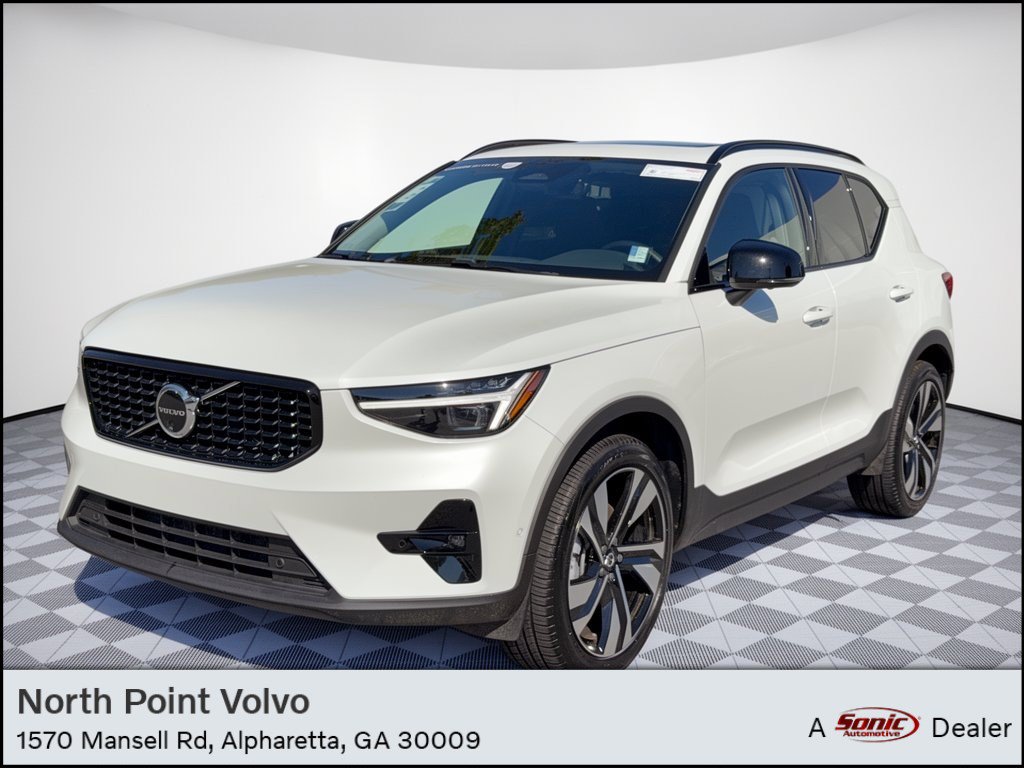
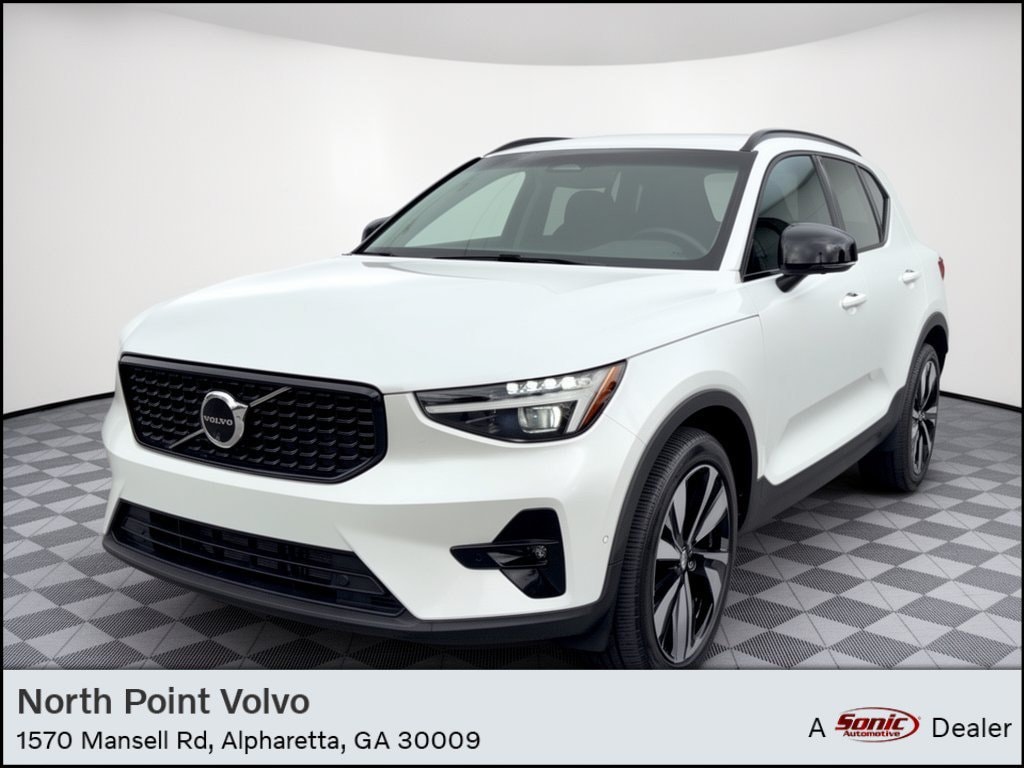
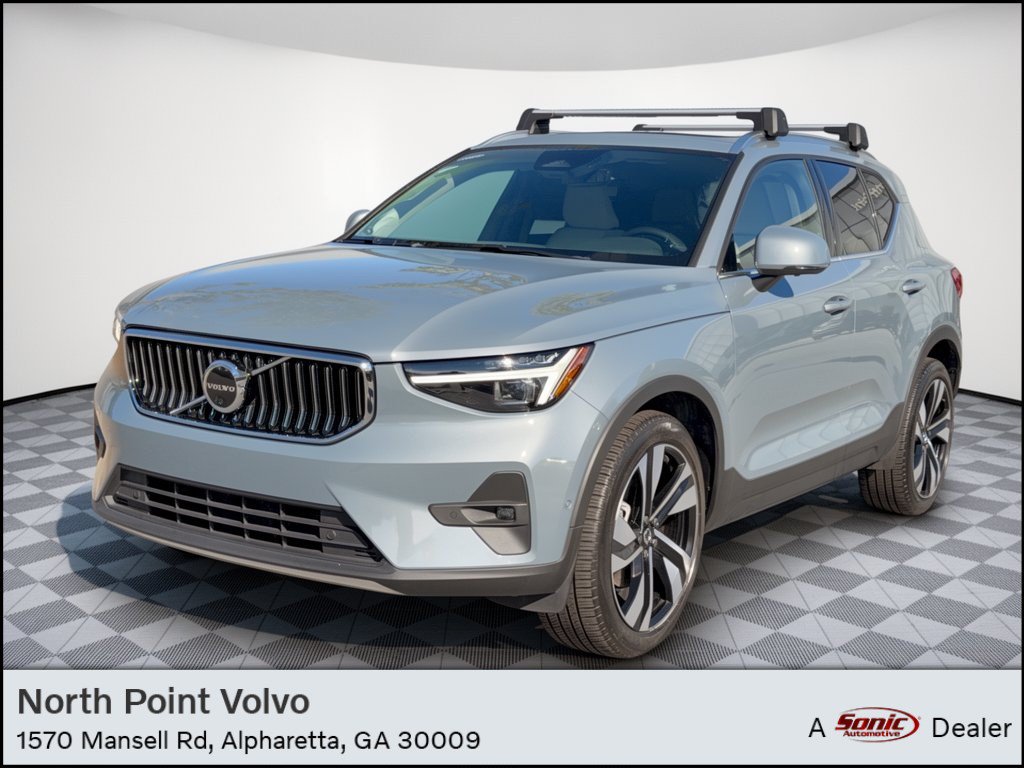
The Volvo XC40 stands out in the compact SUV segment with its Scandinavian design, solid safety features, and practical interior. Buyers in local markets look for a balance between style, efficiency, and daily usability, while sellers want to present a compelling package that highlights value and reliability. Below we explore common questions and practical considerations when choosing or selling a Volvo XC40, including model generations, engine options, body types, mileage expectations, and typical price ranges.
The XC40 is a compact SUV that fits urban lifestyles and small families. Pros often cited by buyers include a premium interior, comfortable ride, strong safety credentials, and a well-organized infotainment system. Common concerns involve fuel economy in certain configurations and depreciation relative to newer models. In markets where emissions rules are important, the plug-in hybrid and mild-hybrid variants can be an attractive middle ground.
When buying or selling a Volvo XC40, several factors matter most:
In summary, the Volvo XC40 remains a versatile choice for those seeking a refined compact SUV with strong safety credentials and practical everyday usability. Whether buying for daily commuting or selling with a strong value proposition, understanding the generation, engine options, and local market dynamics will help you make a smart decision.
 Add as preferred sourceSee more from zvelta in Google Search Add as preferred source