 EN
ENDEALER
1.678 US$DEALER
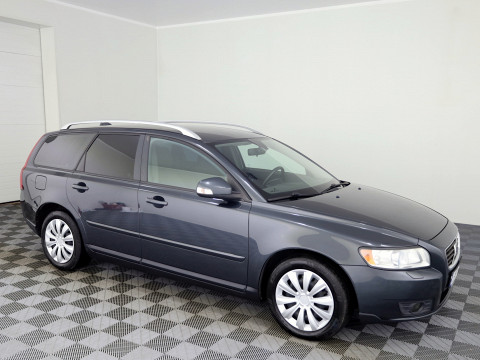
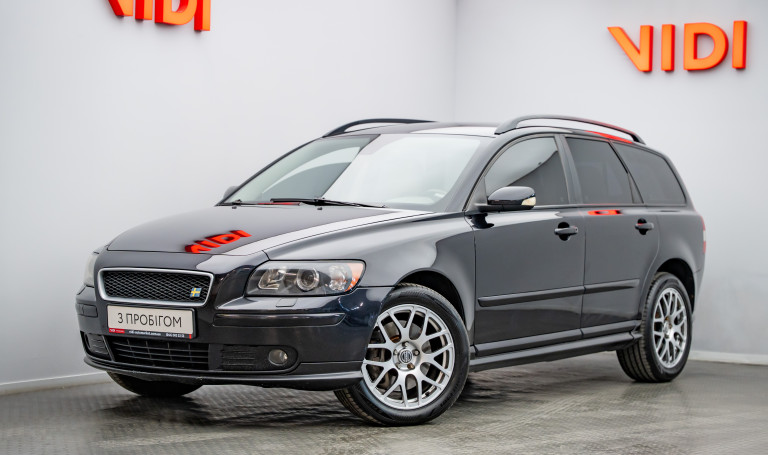
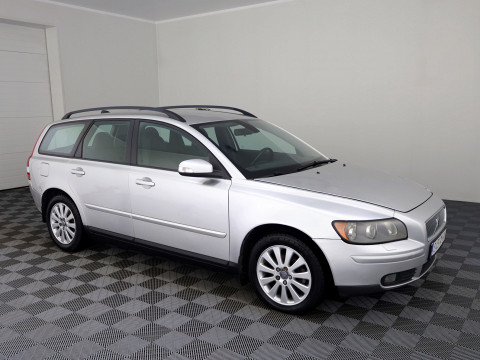
2007, gasoline, manual, 266K km, wagon, Front Wheels Drive, 2,000 cm3, silver, Used condition, Europa, In stock

BaltiCar.com
 Estonia, Harjumaa
 Estonia, HarjumaaEstonia, HarjumaaEstonia, HarjumaaEstonia, HarjumaaEstonia, Harjumaa
 Sofiyivska Borschagivka, Ukraine
 Bacau, Romania
 Romania, Prahova
 Ukraine
 Ukraine
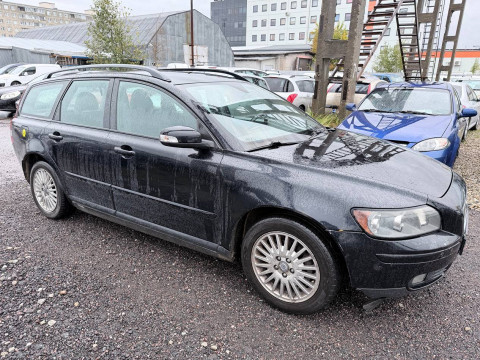
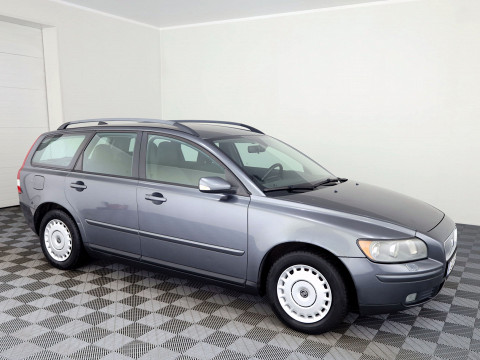
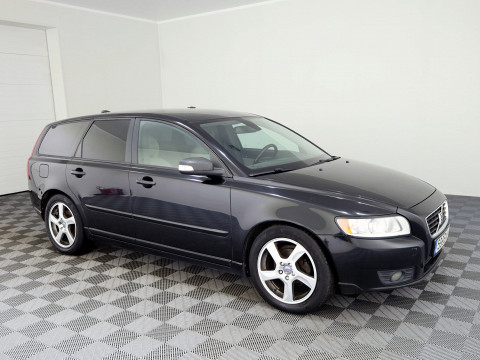
When you’re in the market for a compact wagon that combines practicality with Swedish engineering, the Volvo V50 stands out as a strong choice. This generation of the V50, often seen in model years around the 2000s and early 2010s, is commonly searched by buyers in cities and countries where road trips and daily commutes demand a roomy interior, good safety features, and reasonable running costs. If you’re exploring options in urban areas and nearby suburbs, you’ll want to understand the core details that influence value: model year, mileage, engine type, body style, and price range.
The Volvo V50 comes in several generations, with a focus on a compact estate body that offers ample cargo space without sacrificing driveability. Buyers typically compare configurations such as petrol versus diesel engines, and some markets saw trims that emphasize comfort features like leather seats, dual-zone climate control, and advanced audio systems. When you’re evaluating a used V50, consider how you intend to use the car: daily commuting, weekend trips, or a mix of both. A lower-mileage example with solid maintenance history often presents the best balance of reliability and resale value in the long term.
Key factors to check when shopping for a Volvo V50 include:
Price ranges for a Volvo V50 in the used market vary by country and city, influenced by mileage, condition, and the specific generation. In urban centers with higher demand, you might see prices that reflect better maintenance records and more complete documentation. If you’re comparing models, create a short list of priorities: cargo space, fuel economy, and reliability. A well-documented maintenance history is often as important as the car’s current condition when you plan to negotiate a price.
Pros of choosing a Volvo V50 include solid safety credentials, comfortable ride quality for longer trips, and a versatile cargo bay. Cons can involve newer features being scarce in older trims, and some components may require more frequent attention in high-mileage examples. For buyers in cities and nearby communities, a V50 with a clean history and reasonable miles can offer dependable daily transport with the flexibility of extra cargo room when needed.
If you’re selling a Volvo V50, highlight service records, any recent maintenance work, and the overall condition of the interior and exterior. Clear documentation helps buyers feel confident about the purchase and can support a fair asking price. Whether you’re buying or selling, take the time to compare similar Volvo wagons and other compact estate models in your area to ensure you’re getting a fair deal that matches your needs.
 Add as preferred sourceSee more from zvelta in Google Search Add as preferred source