 EN


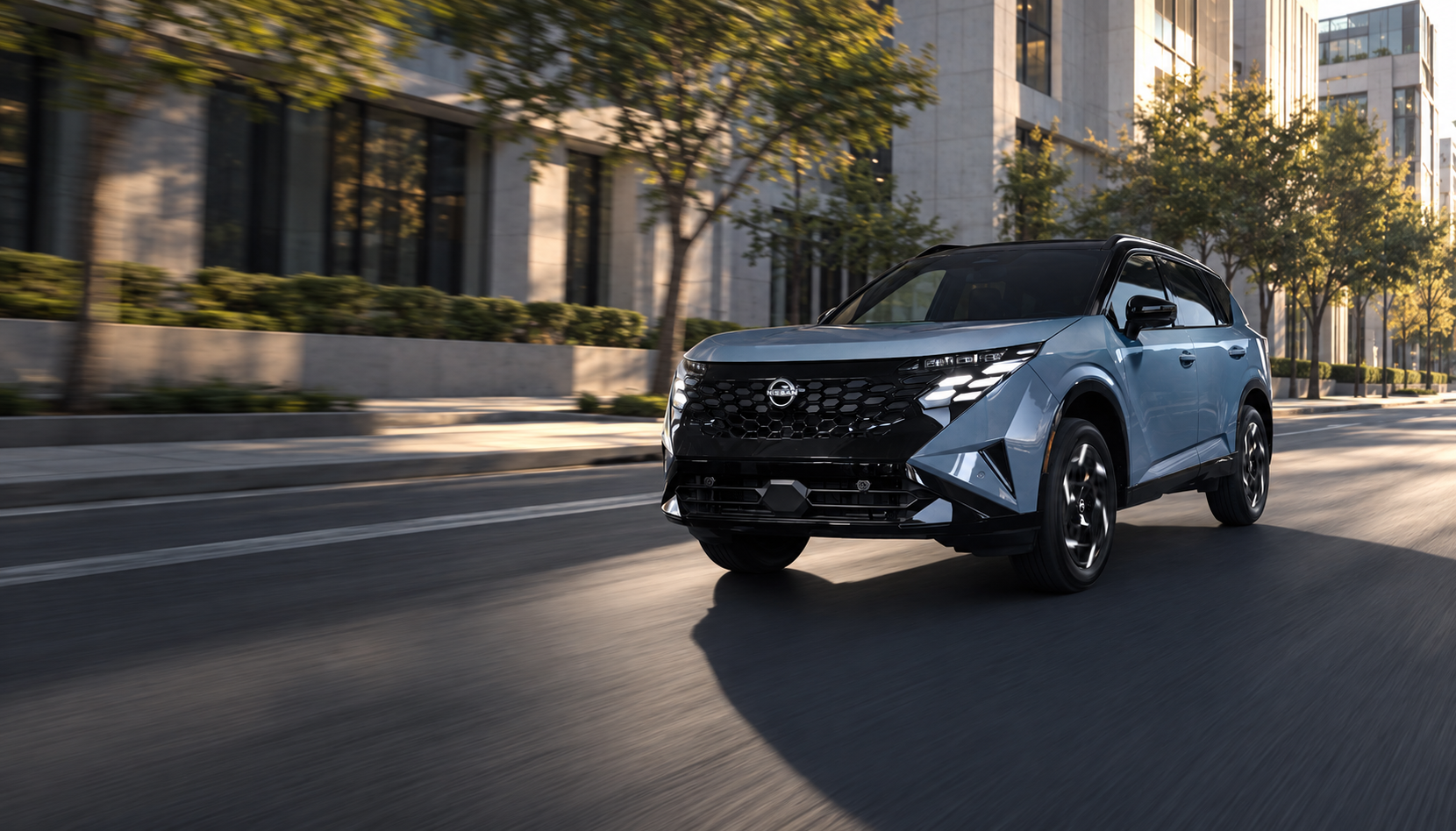
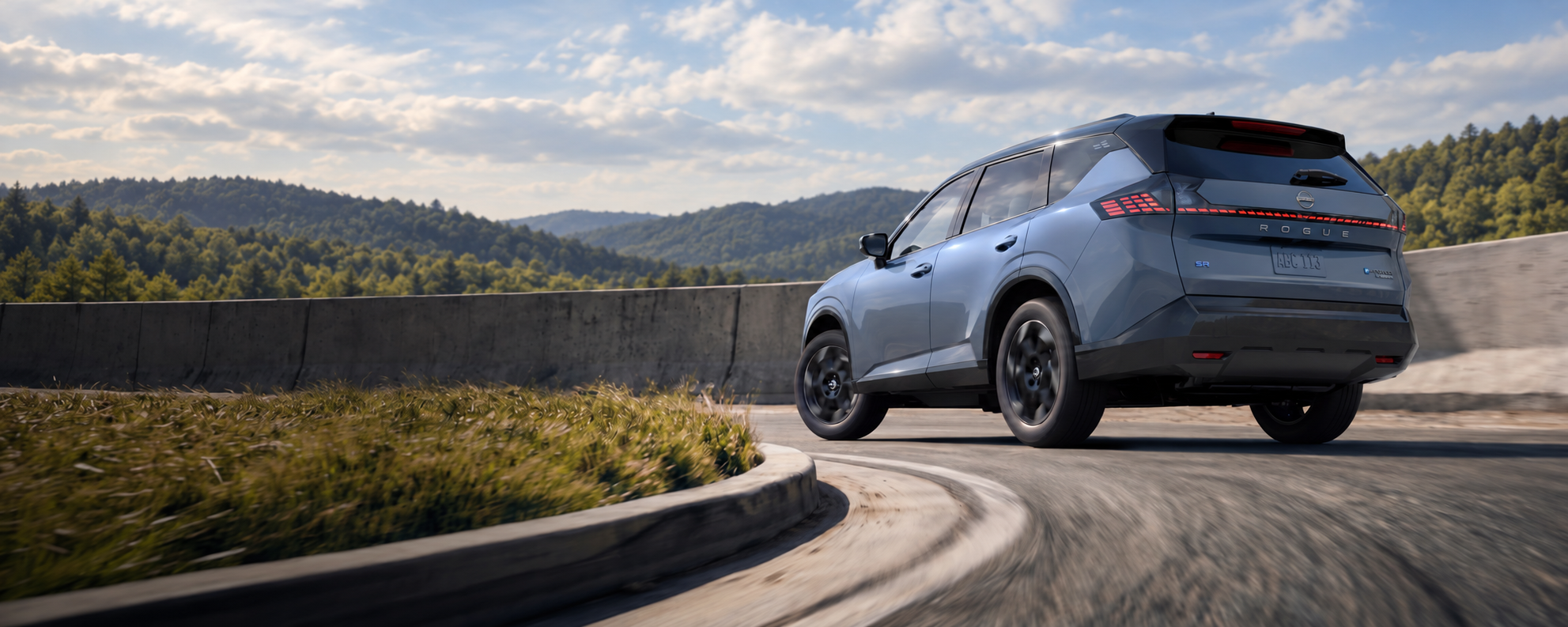
The Nissan Rogue Hybrid runs on petrol, but only electric motors turn its wheels. In the e-POWER system, a combustion engine generates electricity for the front and rear electric drives. For the driver, that means smooth electric response and familiar fuel stops without looking for a charging station.
On 21 September 2026, Nissan introduced the 2027 Rogue Hybrid for the US. On 30 October it announced the crossover's market launch. Why turn petrol into electricity when it could drive the wheels directly?
How e-POWER works
This is a series hybrid. The petrol engine has no mechanical connection to the wheels: it works with a generator. Electricity goes to the traction motors and a small battery, while electronics manage energy flows according to demand and charge level.
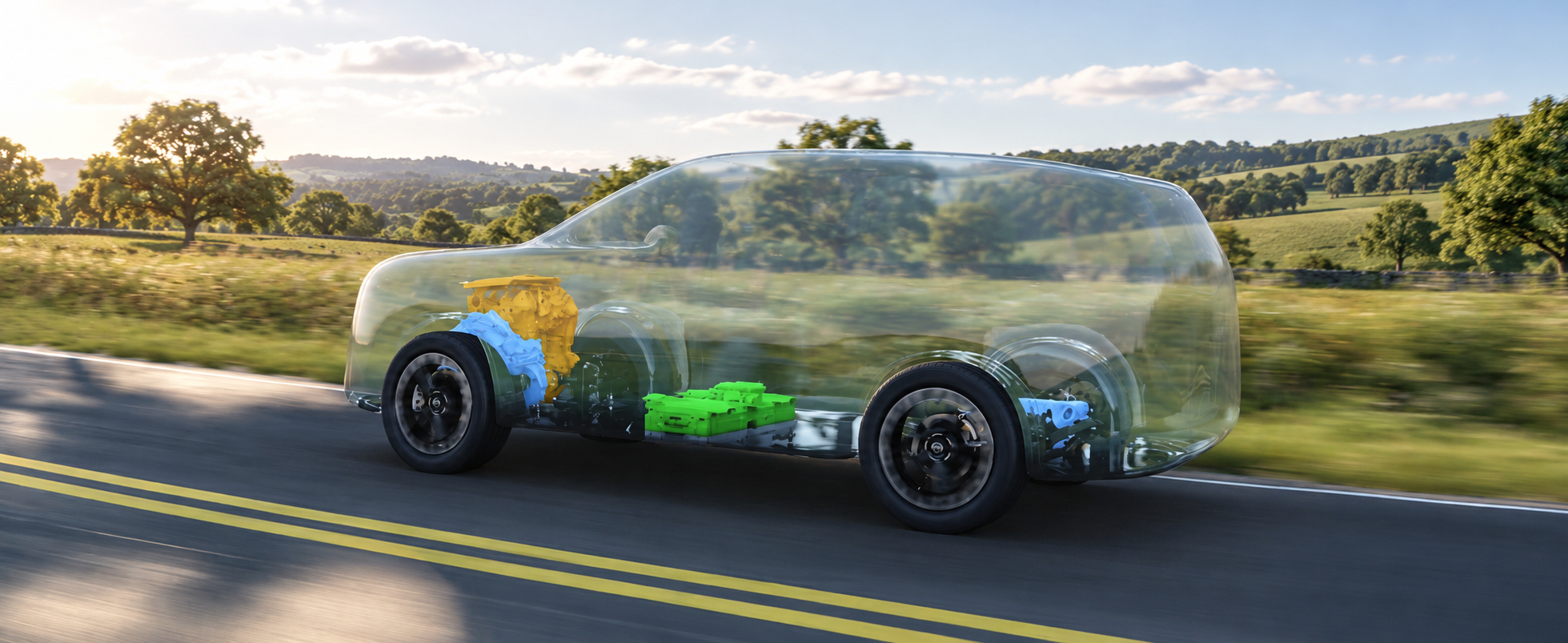
At low power demand, the car can use battery energy with the petrol engine switched off.
When electricity is needed, the engine and generator start to supply the electric system.
During deceleration, regenerative braking returns some kinetic energy to the battery.
Separating these jobs gives the combustion engine more freedom to operate at different points than if it were directly connected to the wheels, while the driver gets electric-drive response. The Rogue Hybrid remains a petrol hybrid: it makes its electricity on board. It cannot be plugged in for regular driving on household electricity like a PHEV.
Why is the battery only 1.67 kWh?
It acts as a buffer between electricity production and use, receiving energy under braking and helping power the motors. It supports the hybrid system rather than storing energy for a long trip without the engine. Comparing 1.67 kWh with an EV battery without considering its purpose is misleading.
Powertrain specifications
The official Rogue Hybrid press kit lists US specifications. System output is a separate figure: the rated outputs of the petrol engine and two motors cannot simply be added together.
2027 Nissan Rogue Hybrid: key US figures | |
|---|---|
Item | Specification |
Petrol engine | 1.5-litre turbocharged three-cylinder; generates electricity |
Traction motors | Two, one on each axle |
System output | 225 hp in US specification, about 228 metric PS |
Traction battery | Lithium-ion, 1.67 kWh |
Drive | All-wheel drive, standard on every trim |
Seats | Five |
How much petrol does the electric drive use?
In its 30 October announcement, Nissan gave the SR an EPA estimate of 41 mpg city, 36 mpg highway and 38 mpg combined. That is approximately 5.7, 6.5 and 6.2 L/100 km respectively, using the US gallon.
About 6.2 L/100 km is the EPA combined rating for the SR, not a promise for every trip. It does not automatically apply to every trim. The city estimate is better than the highway figure; an electric drive does not mean equal efficiency on every route.
What to check on a test drive
Listen for the petrol engine starting during acceleration and on hills. Check whether you can comfortably control deceleration by lifting off the accelerator. Compare fuel use on the same route under similar conditions: a short city trip and a long highway journey answer different questions.
Two ways to make stops smoother
Rogue Hybrid has e-Pedal: in certain conditions the driver can accelerate, slow down and stop by changing the accelerator pedal position. This can help in stop-and-go traffic. The brake pedal remains available and must be used when traffic conditions require additional braking.
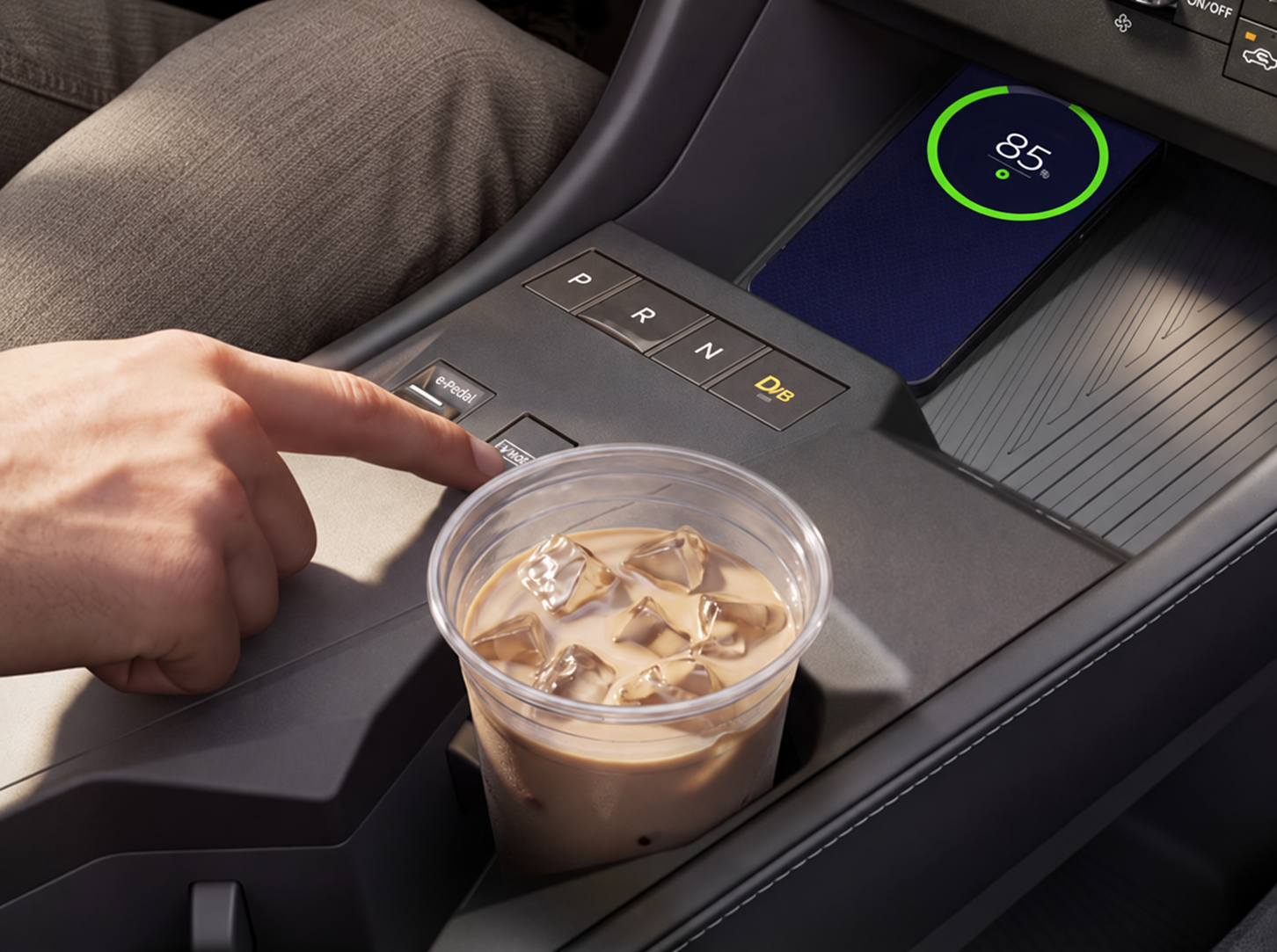
A separate feature, Smooth Stop, helps during conventional two-pedal braking. Nissan says it reduces brake pressure in the final phase of a stop to soften body pitch. One function changes how the driver controls deceleration; the other adjusts the end of the stop.
Journalists' first drives on 30 October added context to the manufacturer's description. MotorTrend noted the unobtrusive petrol engine and calm chassis. Car and Driver praised the smooth power delivery but said the route included little broken pavement, making a final judgment on suspension comfort premature. These are initial impressions, not long-term ownership results.
Family features beyond the hybrid system
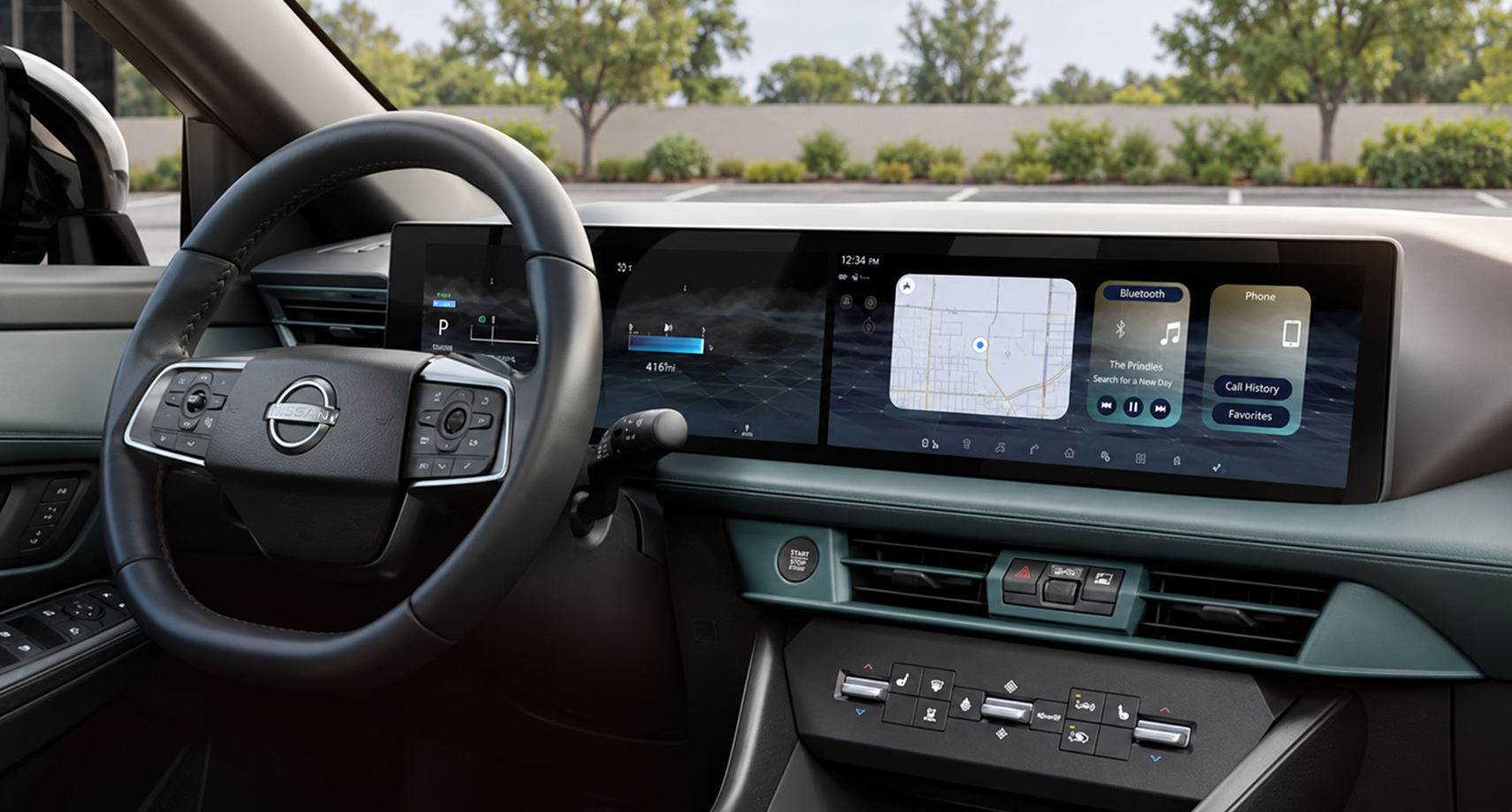
The rear doors open almost 90 degrees, making child-seat installation easier. Physical climate controls remain. The standard central screen measures 12.3 inches; a 14.3-inch display is optional on SR and standard on Platinum. Check the equipment of the particular vehicle for the larger screen.
When does Rogue Hybrid arrive, and what about X-Trail?
In its 30 October 2026 release, Nissan named the SR with SR Technology Package as the first version. The full SV, SR and Platinum range is scheduled for early 2027. A public show debut in Los Angeles is planned for 20–29 November 2026.
These dates and specifications apply to the US. They should not be treated as the specification of a future European X-Trail: equipment, economy figures and launch dates for another market need separate confirmation.
Rogue Hybrid may suit a driver who likes electric-drive character but prefers filling up with petrol. Anyone wanting to charge at home and cover most daily trips without fuel needs a different type of powertrain. Here, e-POWER's advantage lies in the way the car drives and manages energy, not in replacing petrol with electricity from the grid.