 EN
ENDEALER

27.995 US$DEALER
28.995 US$
Nissan: Patrol, 1982, manual, 4,000 cm3, 4.0 Liter I6

StreetSideClassics.com
 Atlanta, United States
 Atlanta, United States

 Mérina Dakar, Senegal
 Romania, Mureș County
 Romania, Suceava
 Romania, Suceava
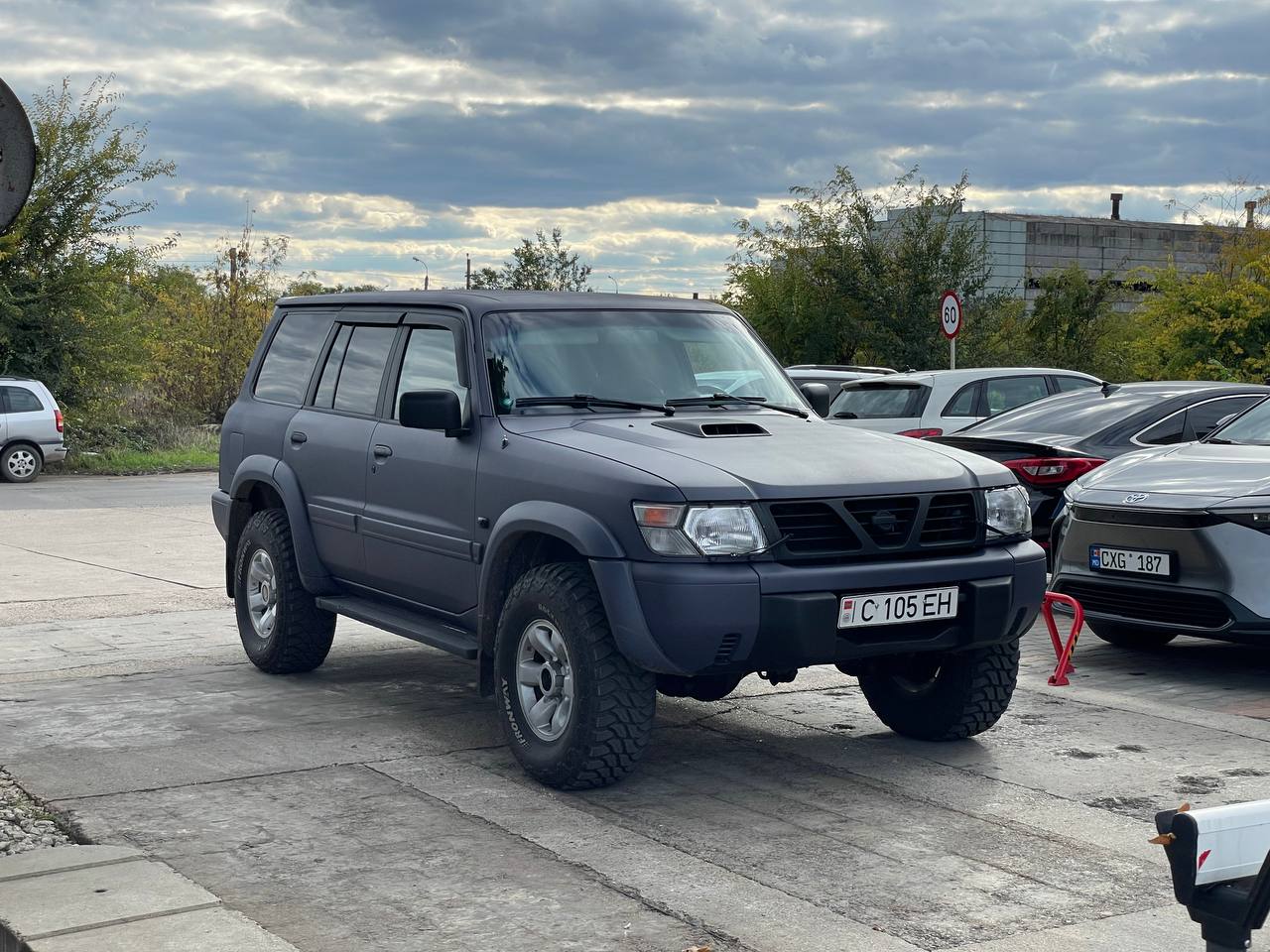
 Moldova, Chișinău Municipality
 Ukraine
 Tiraspol, Moldova
 Dnipro, Ukraine
 United Arab Emirates, Dubai
 United Arab Emirates, DubaiUnited Arab Emirates, DubaiUnited Arab Emirates, DubaiUnited Arab Emirates, DubaiUnited Arab Emirates, DubaiUnited Arab Emirates, DubaiUnited Arab Emirates, DubaiUnited Arab Emirates, DubaiUnited Arab Emirates, DubaiUnited Arab Emirates, DubaiUnited Arab Emirates, Dubai
 United Arab Emirates, Dubai
 United Arab Emirates, Dubai
 United Arab Emirates, Dubai
 United Arab Emirates, Dubai
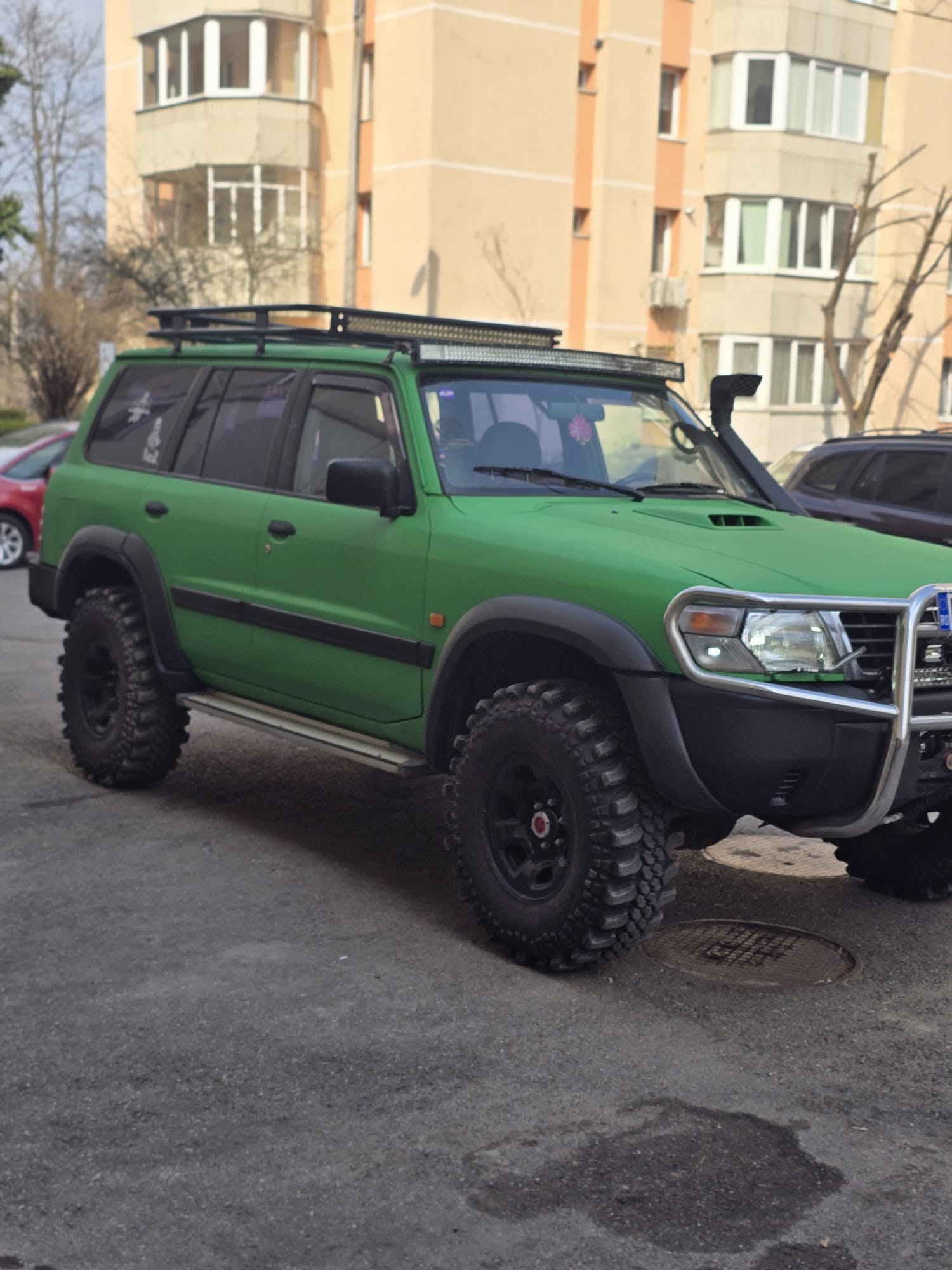
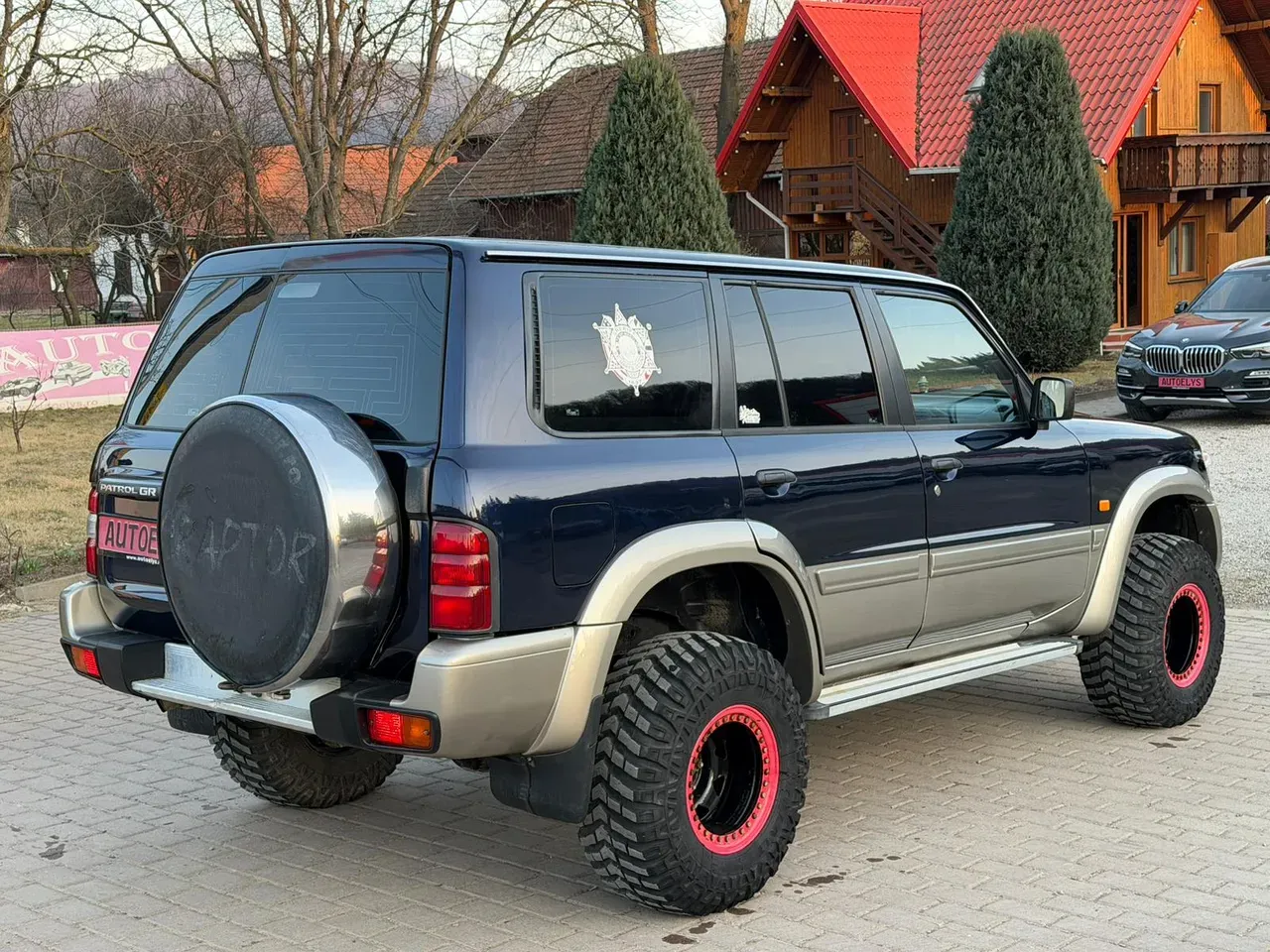
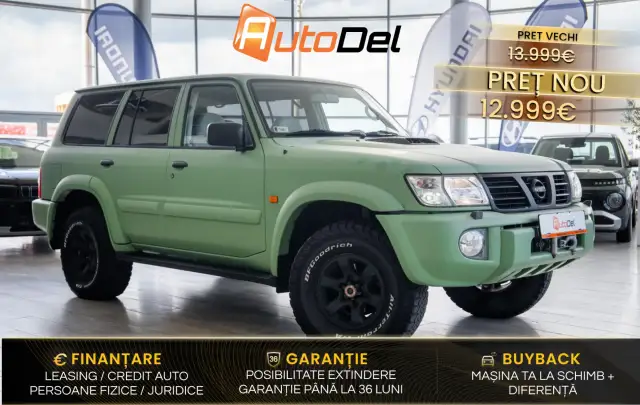
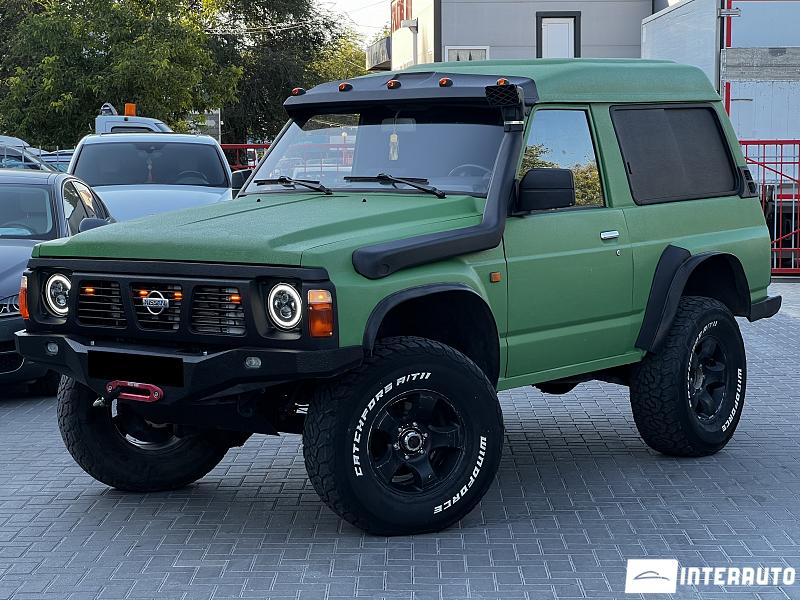
The Nissan Patrol stands out as a robust SUV with off-road credentials and family-friendly practicality. If you’re considering a Nissan Patrol, you’ll want to know how different generations compare, what engines are available, and how body styles affect comfort and capability. This guide focuses on common questions people ask when they decide to buy or sell a Patrol, including choosing the right configuration for your country, city, and driving needs.
Patrol generations span multiple decades, with core options including sturdy V8 and V6 engines, four-wheel drive systems, and a traditional SUV silhouette. Buyers often compare Patrol models by year, mileage, and regional availability. When evaluating a specific car, consider the year of manufacture, mileage, and whether the vehicle has retained its original drivetrain and interior features. Body types range from practical two-row configurations to spacious three-row wagons, commonly used for family trips or outdoor adventures.
Prices vary by country and city due to taxes, availability, and local demand. When buying, compare patrols in your area by year, mileage, and condition. If you’re selling, highlight recent maintenance, tire health, brake condition, and any aftermarket upgrades to increase buyer interest. In many markets, Patrols with lower mileage and full service history fetch premium prices, while those with extensive off-road use may appeal to enthusiasts who value rugged reliability.
Patrols are known for durability and off-road prowess, yet some buyers note higher operating costs and heavier handling compared with more urban-focused SUVs. If you need pulling power, load capacity, and long-haul comfort, a Patrol can be a solid match. Buyers should balance maintenance costs against expected usage, especially if you live in regions with challenging terrain or limited service coverage.
For sellers, providing clear documentation, high-quality photos, and a detailed description of recent maintenance can shorten the time on market. Highlight miles per year, service intervals, and any upgrades that improve reliability. By presenting a Patrol as ready for both everyday driving and weekend adventures, you’ll attract buyers who value toughness and practicality.
 Add as preferred sourceSee more from zvelta in Google Search Add as preferred source