 EN
ENDEALER
31.894 US$DEALER
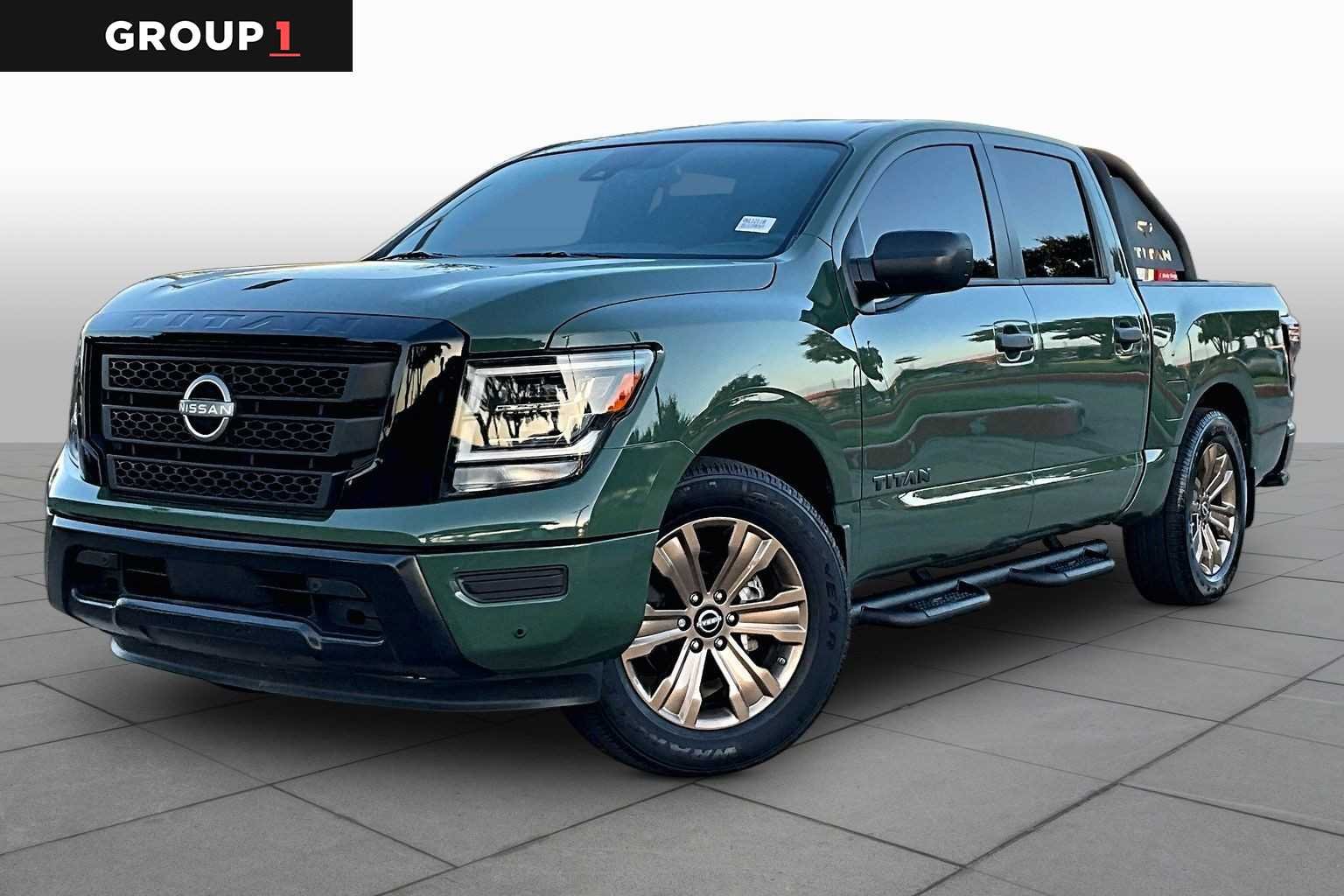
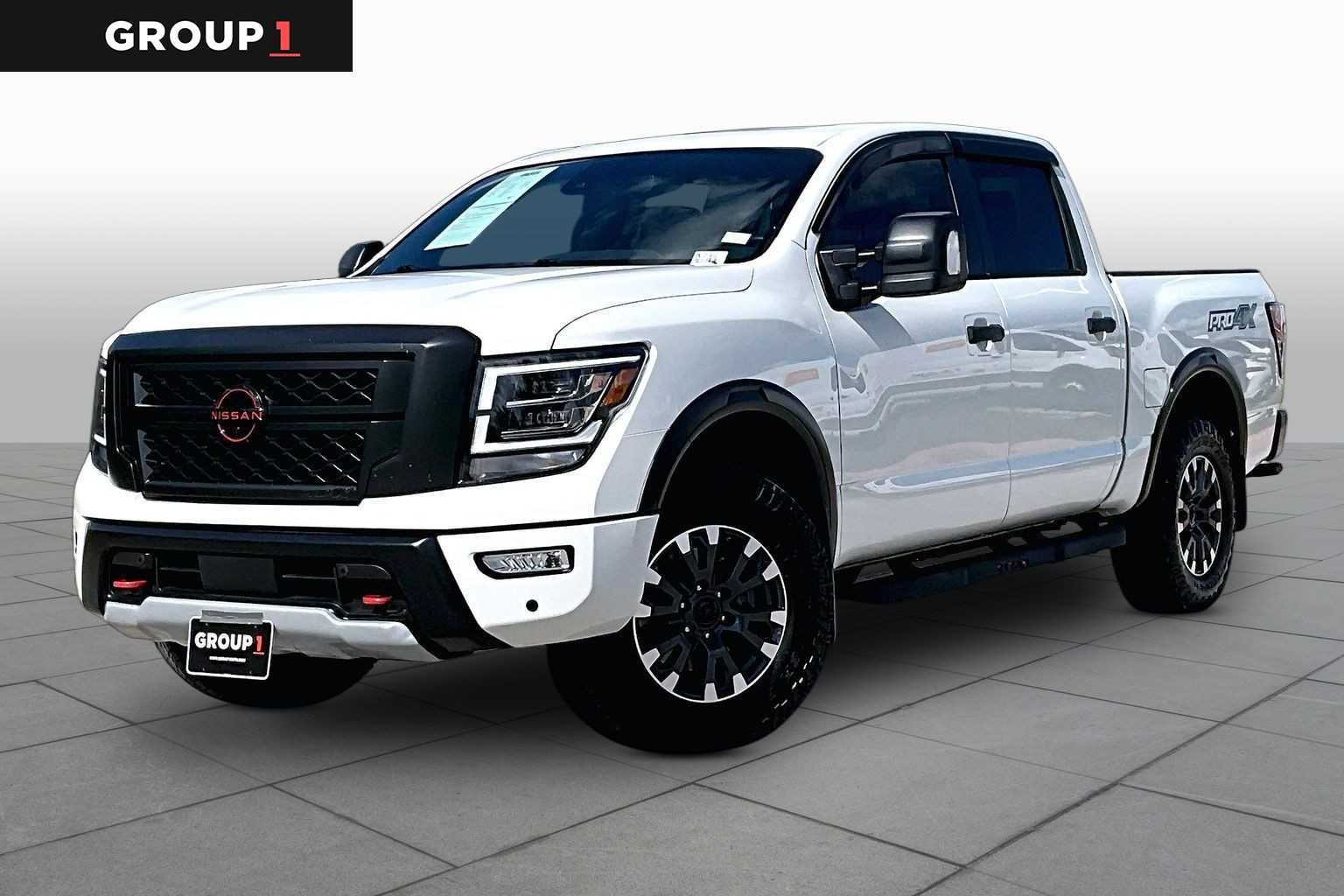
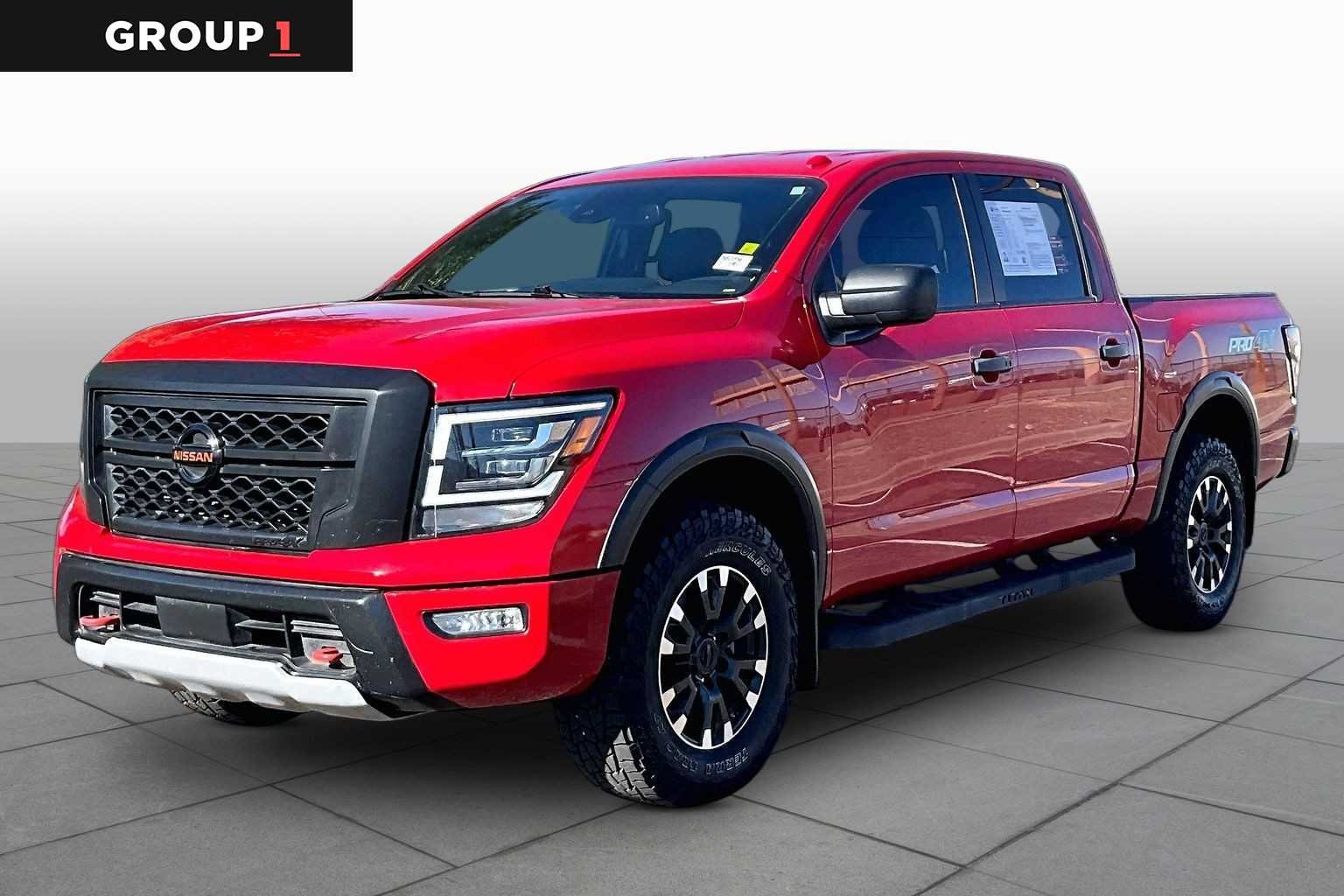
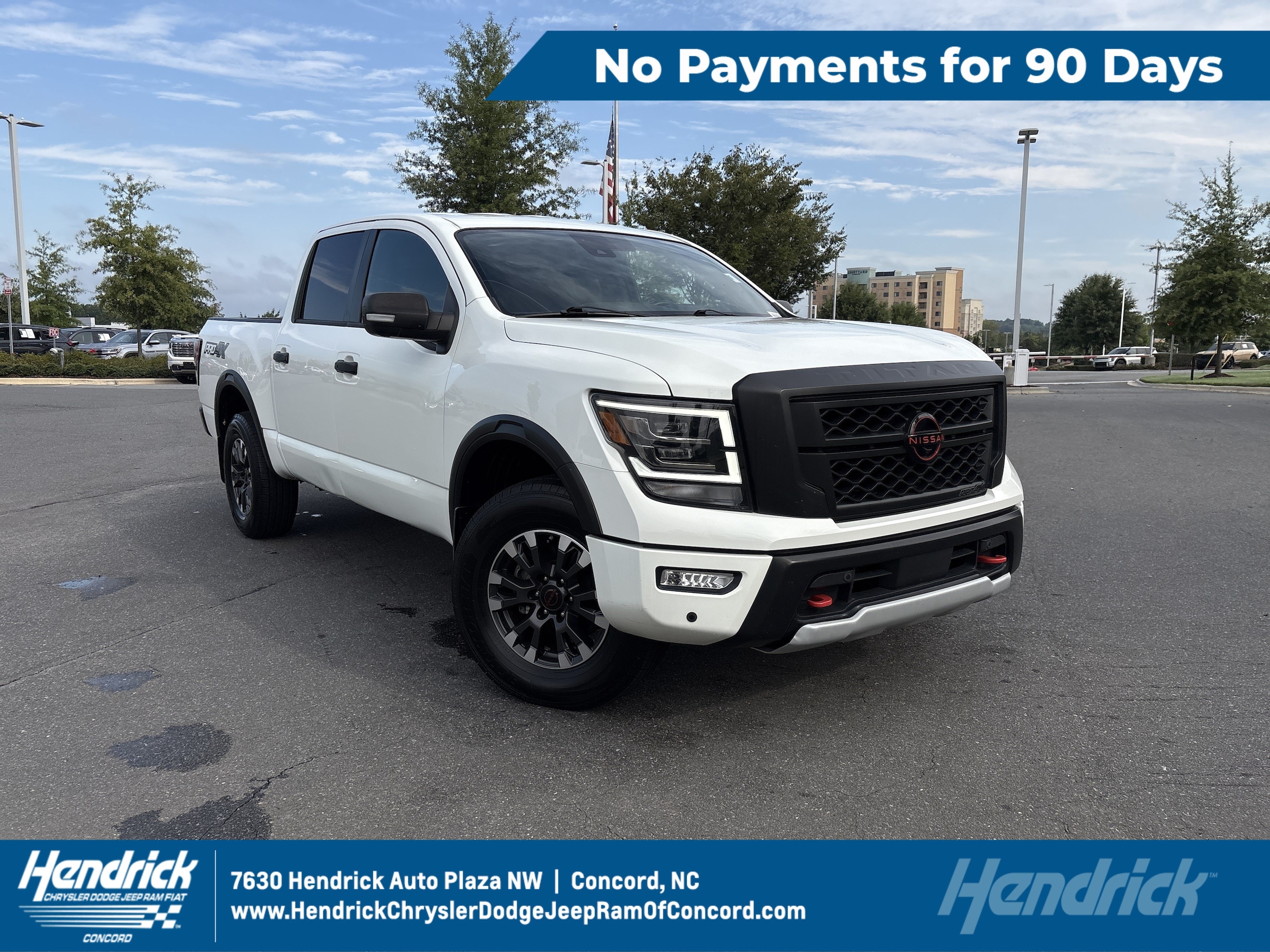
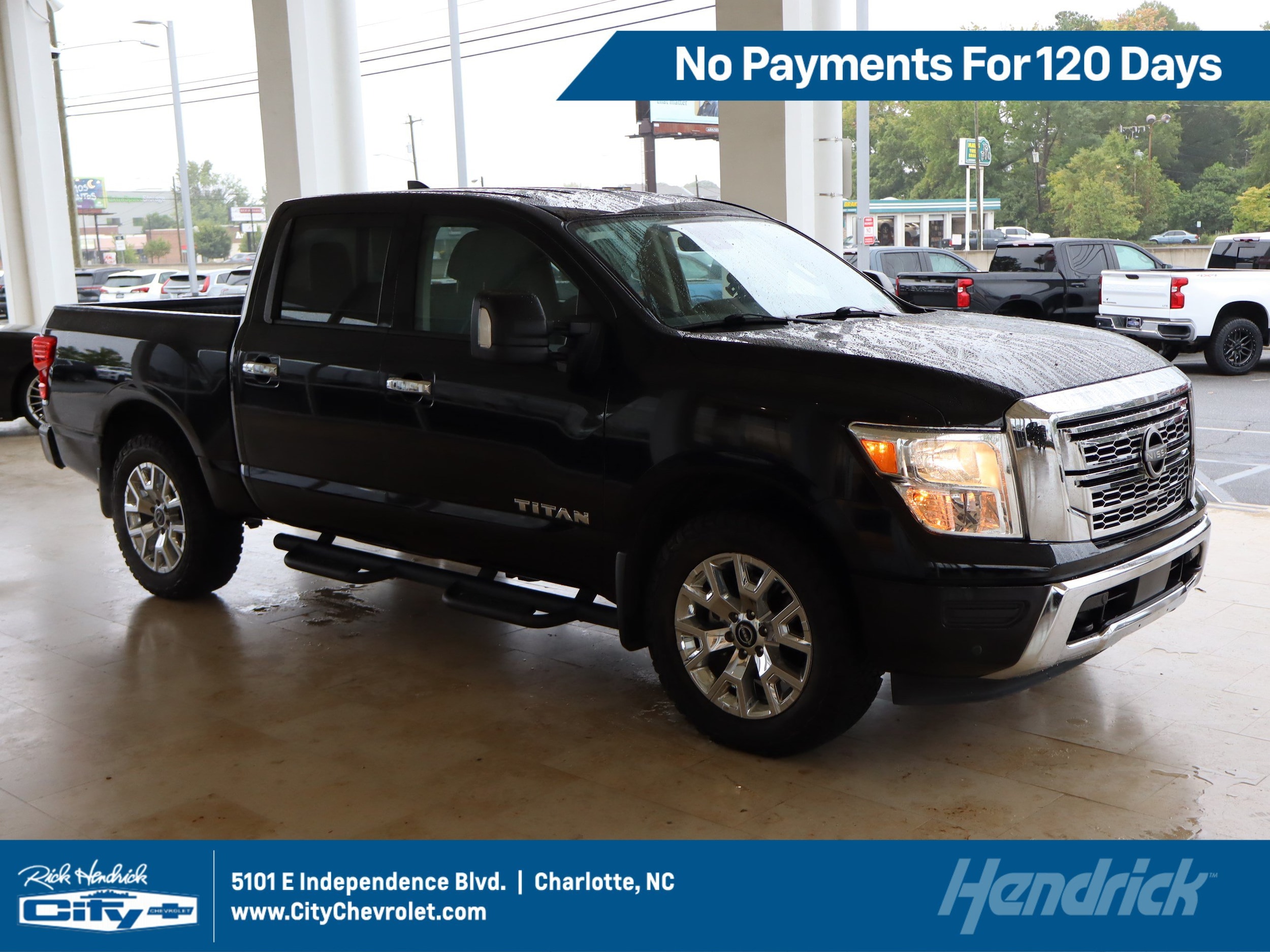
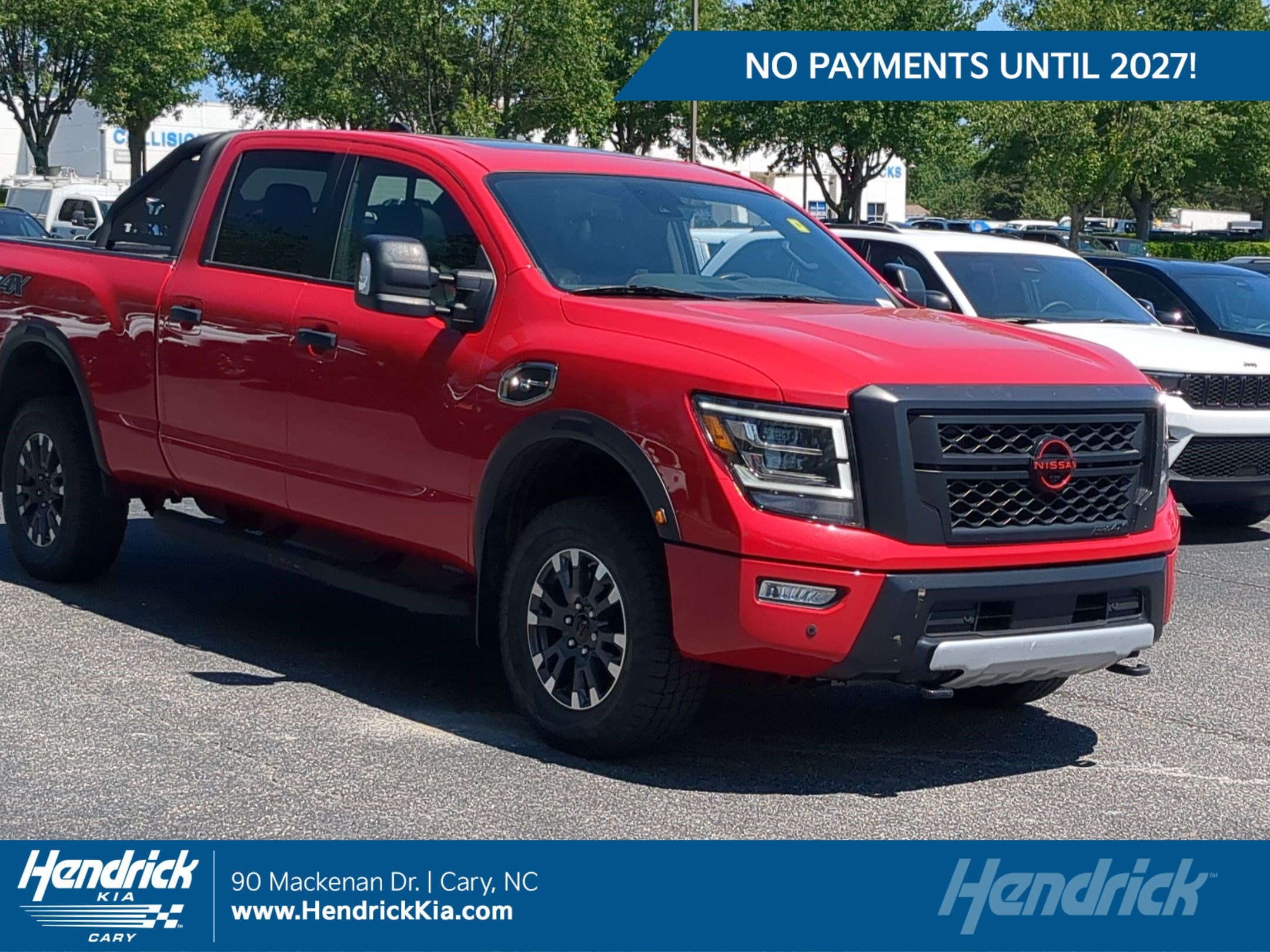
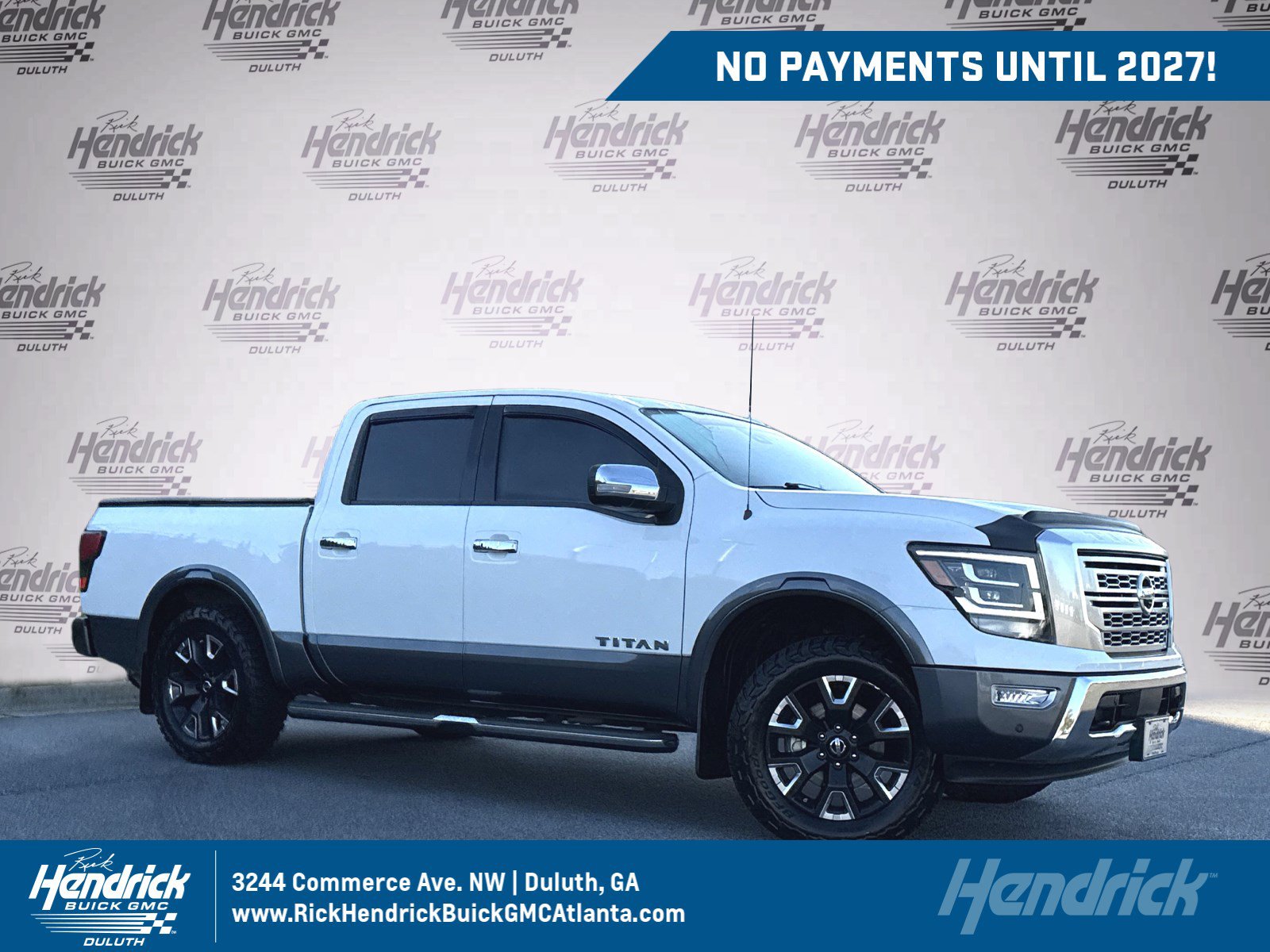
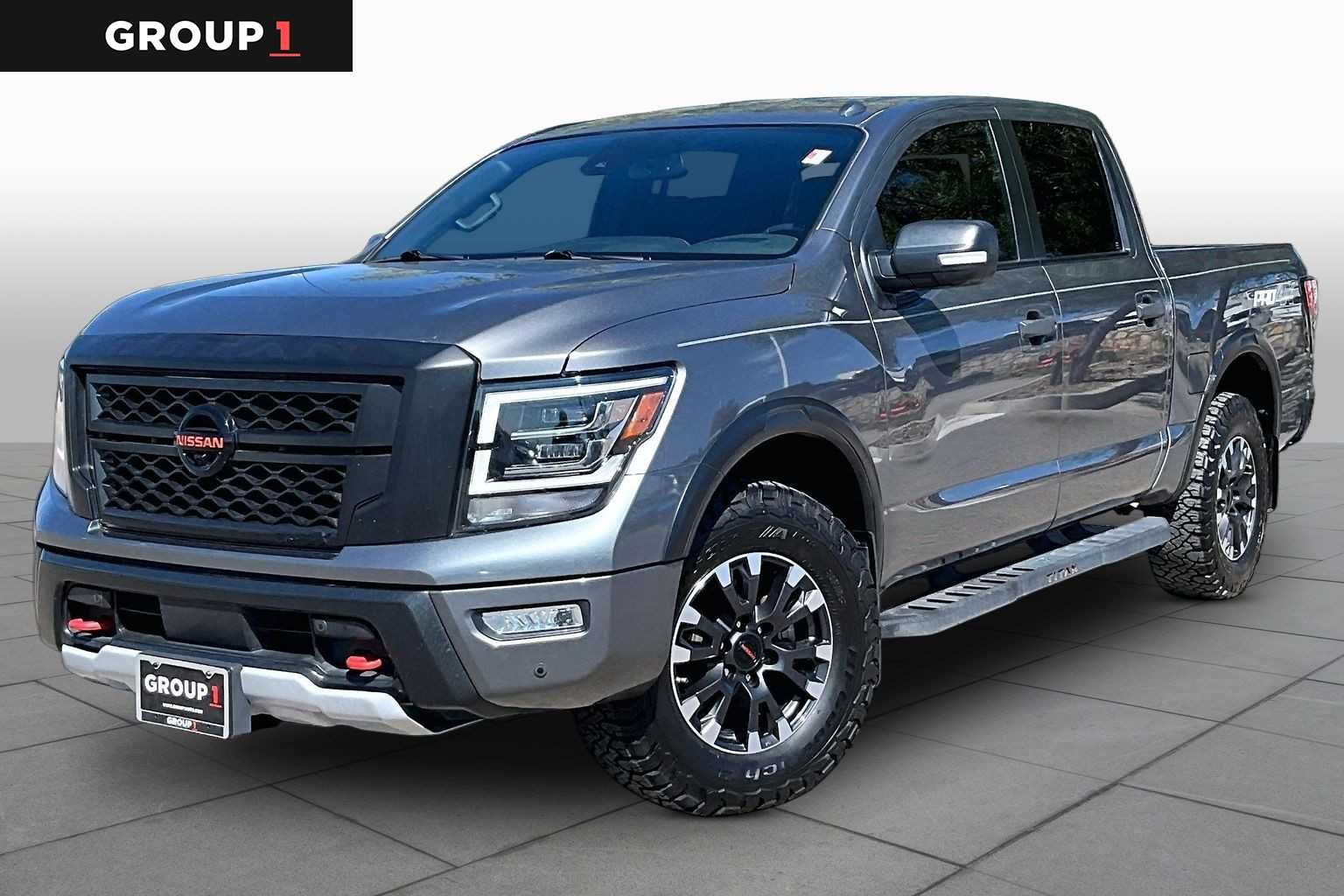
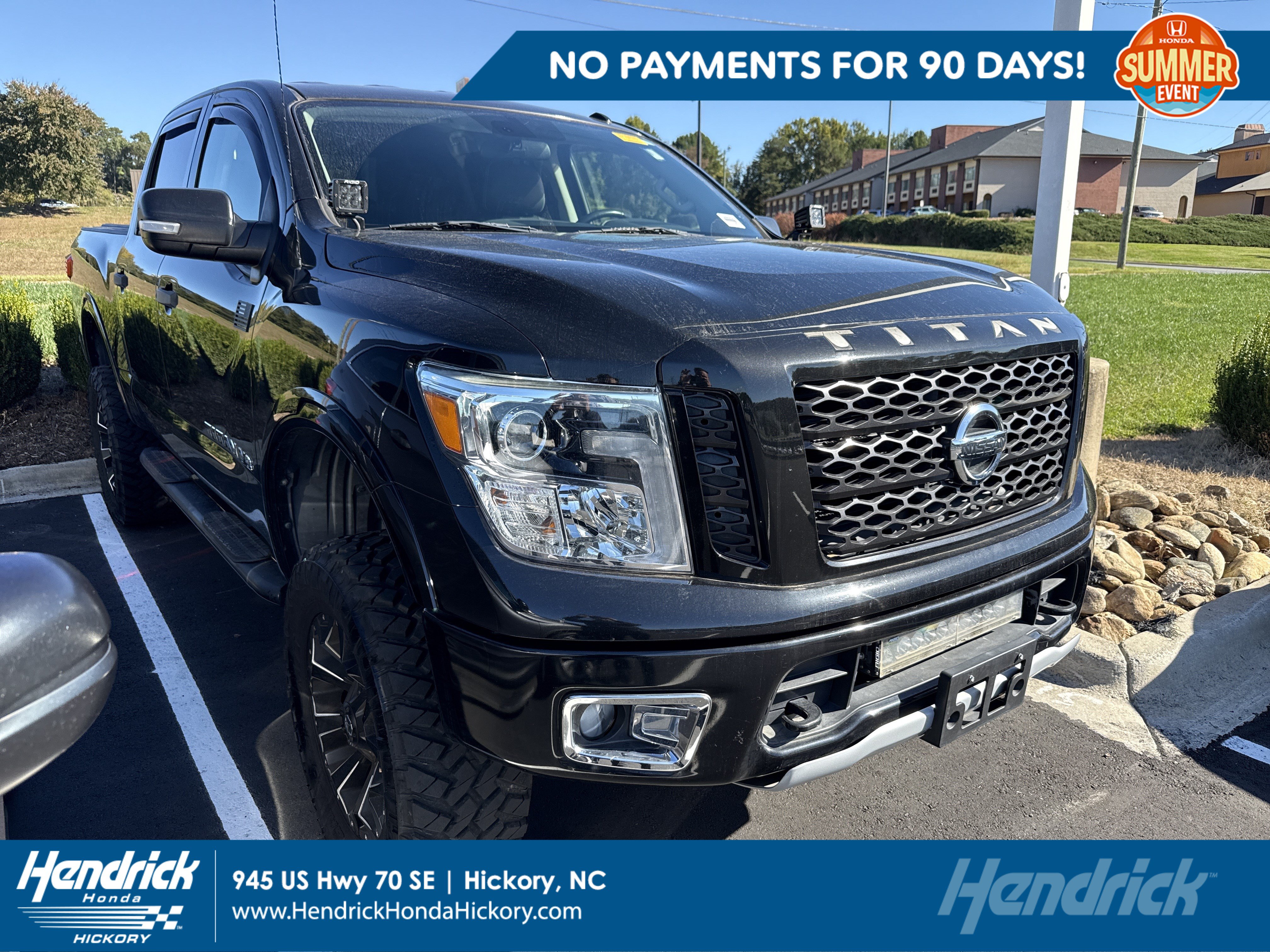
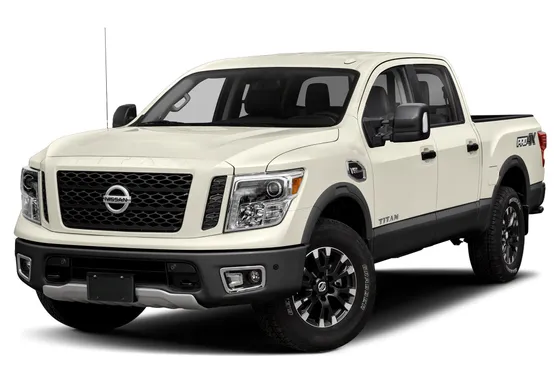
gasoline, automatic, 24K km, All Wheels Drive, 5,600 cm3, 390 hp, black, PRO-4X, Used condition, USA, In stock

HendrickCars.com
 Hickory, United States
 Hickory, United States
 Southwest, United StatesLot, United StatesAustin, United States
 Main Settlement, United StatesMain Settlement, United States
 Main Settlement, United StatesSag Bridge, United StatesConcord, United StatesCharlotte, United StatesCary, United StatesDuluth, United StatesRivertown, United States
 Shady Acres Trailer Park, United StatesNorth Charleston, United StatesDenver, United States
 Montgomery, United StatesFord, United StatesComplete, United StatesHoward, United StatesMerriam, United StatesChrysler, United StatesChrysler, United States
 Nashville, United StatesRichardson, United States
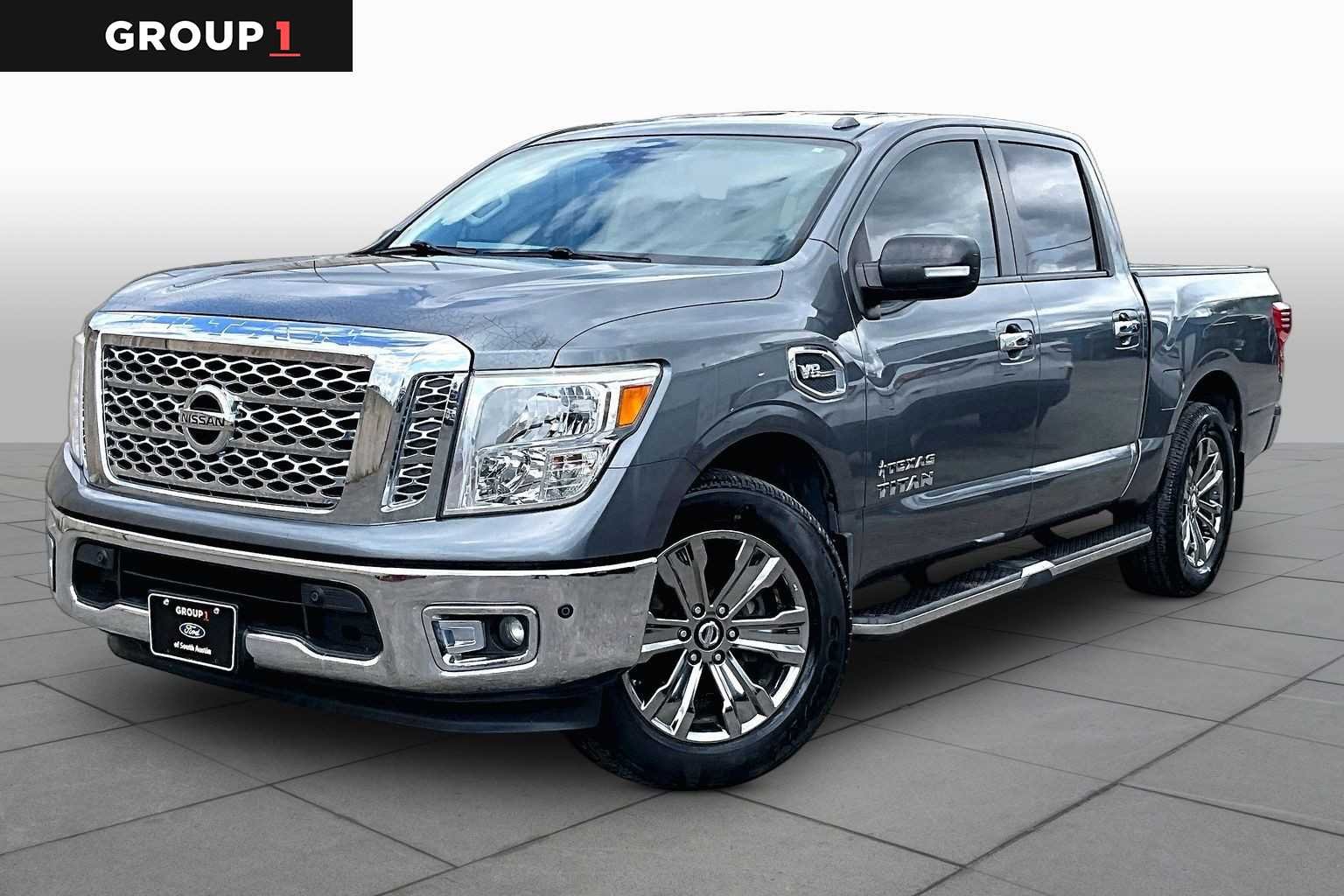
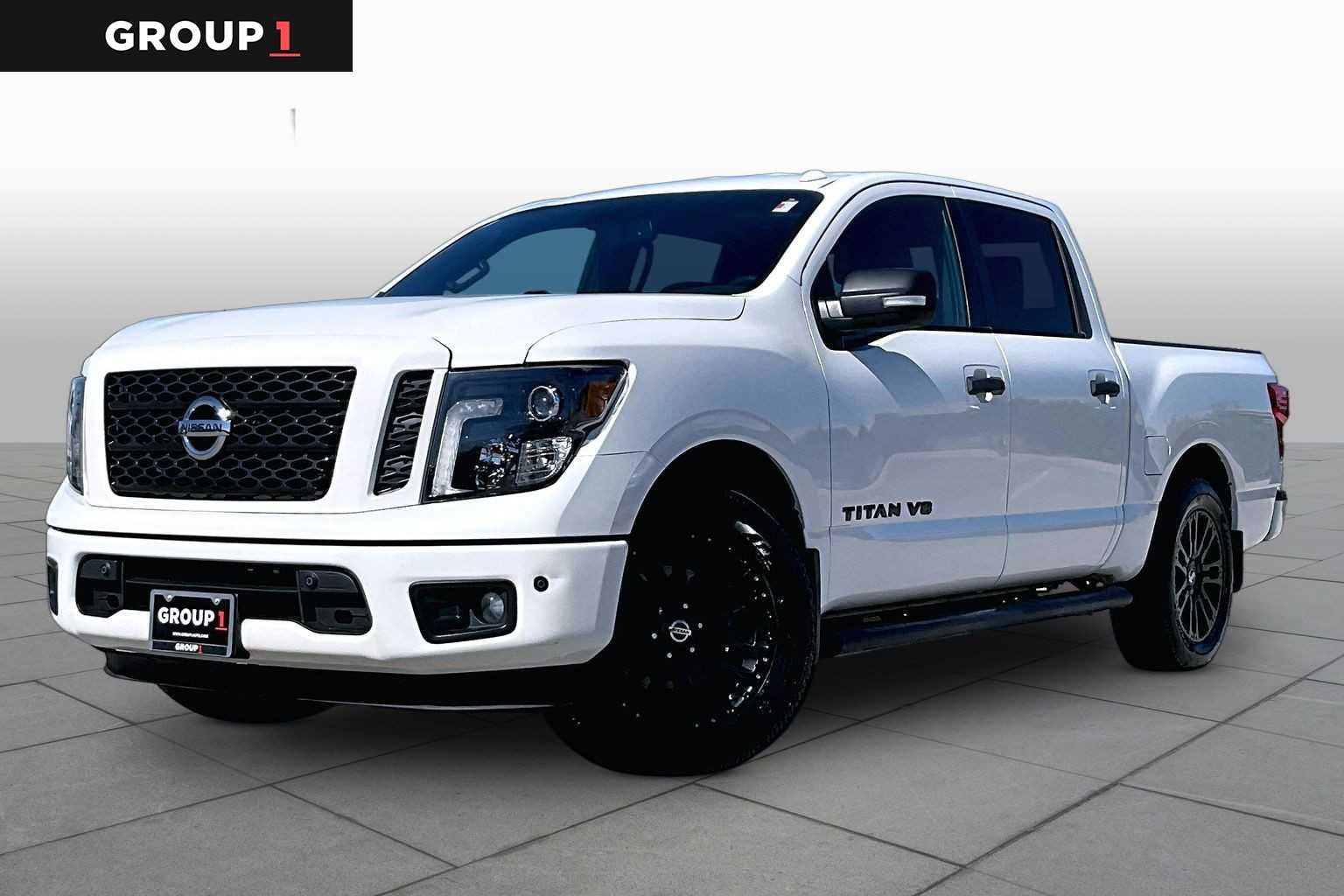
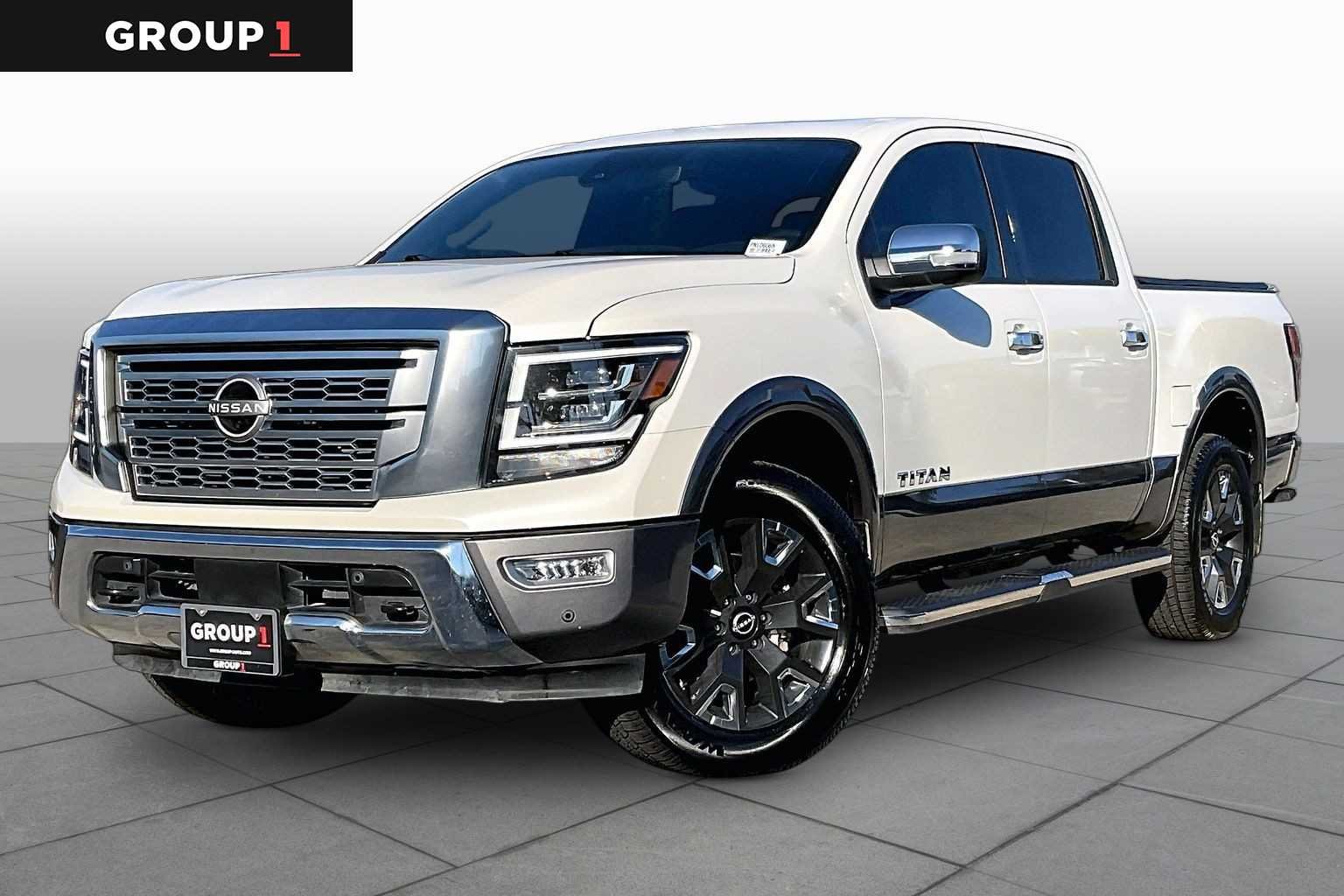
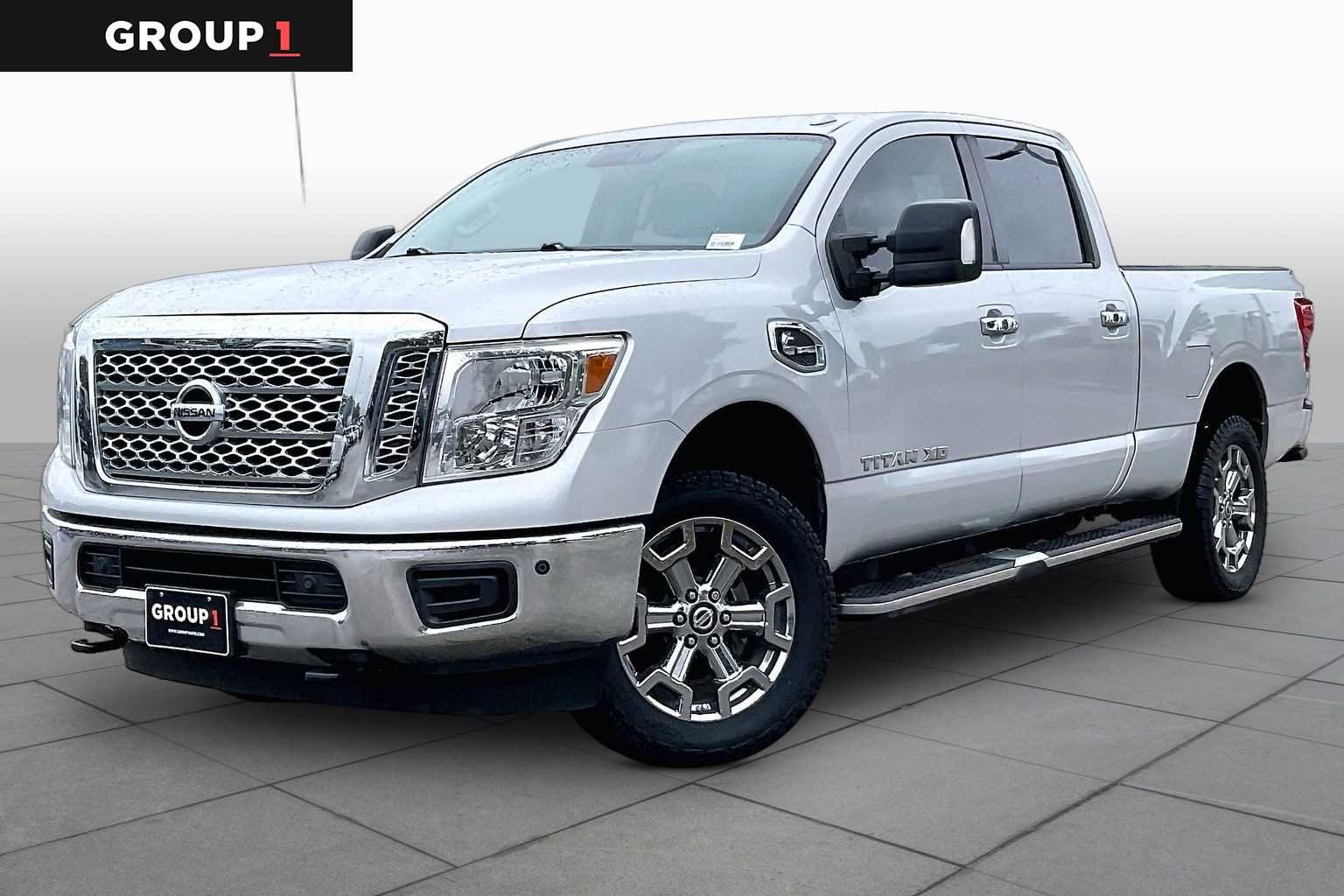
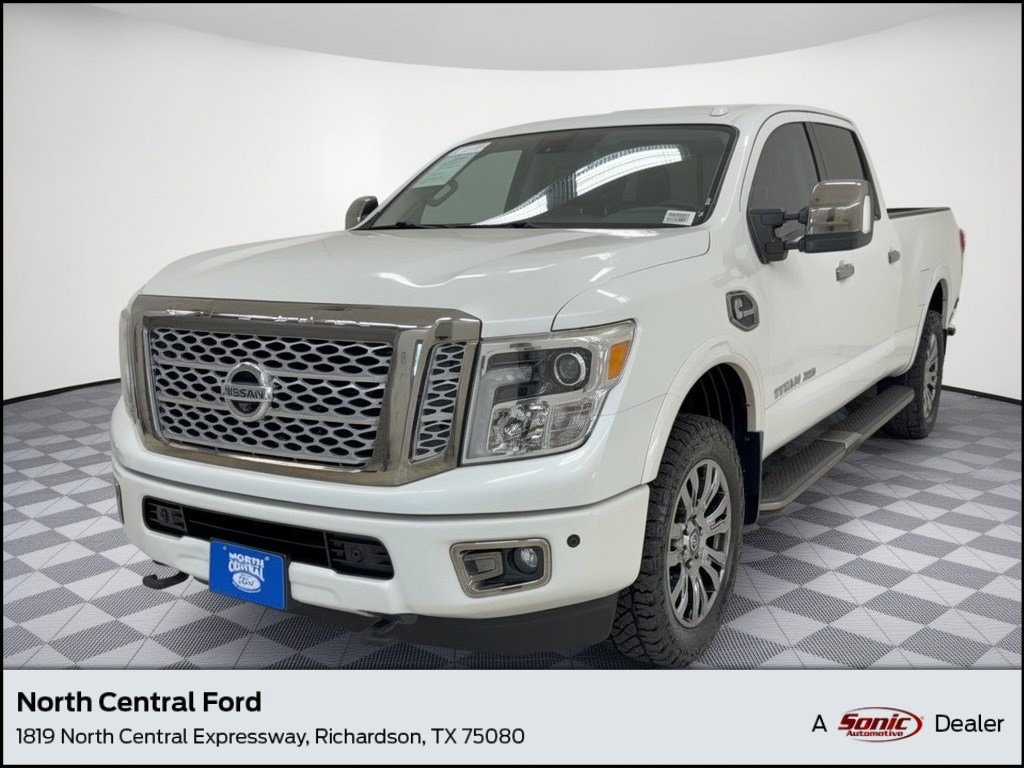
If you’re considering a Nissan Titan, you’re looking at a rugged pickup that blends workhorse capability with daily practicality. This guide helps buyers and sellers understand what to look for in different generations, engine options, and configurations, as well as how to navigate the market in key cities and countries where the Titan is popular. Whether you’re eyeing a newer model for daily driving or a used version for a budget-friendly work truck, this article will highlight important factors, including price ranges, typical mileage, body styles, and common pros and cons.
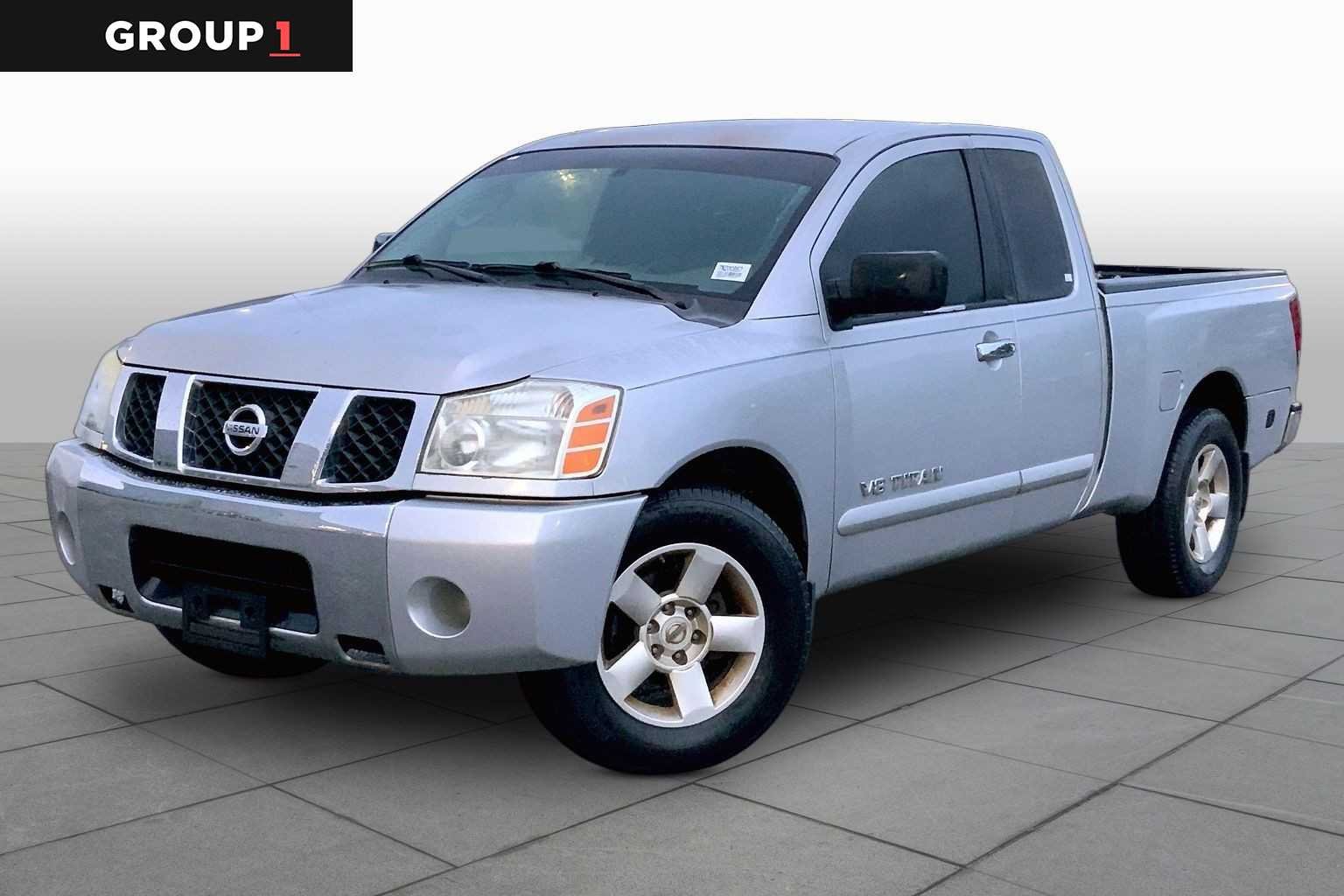
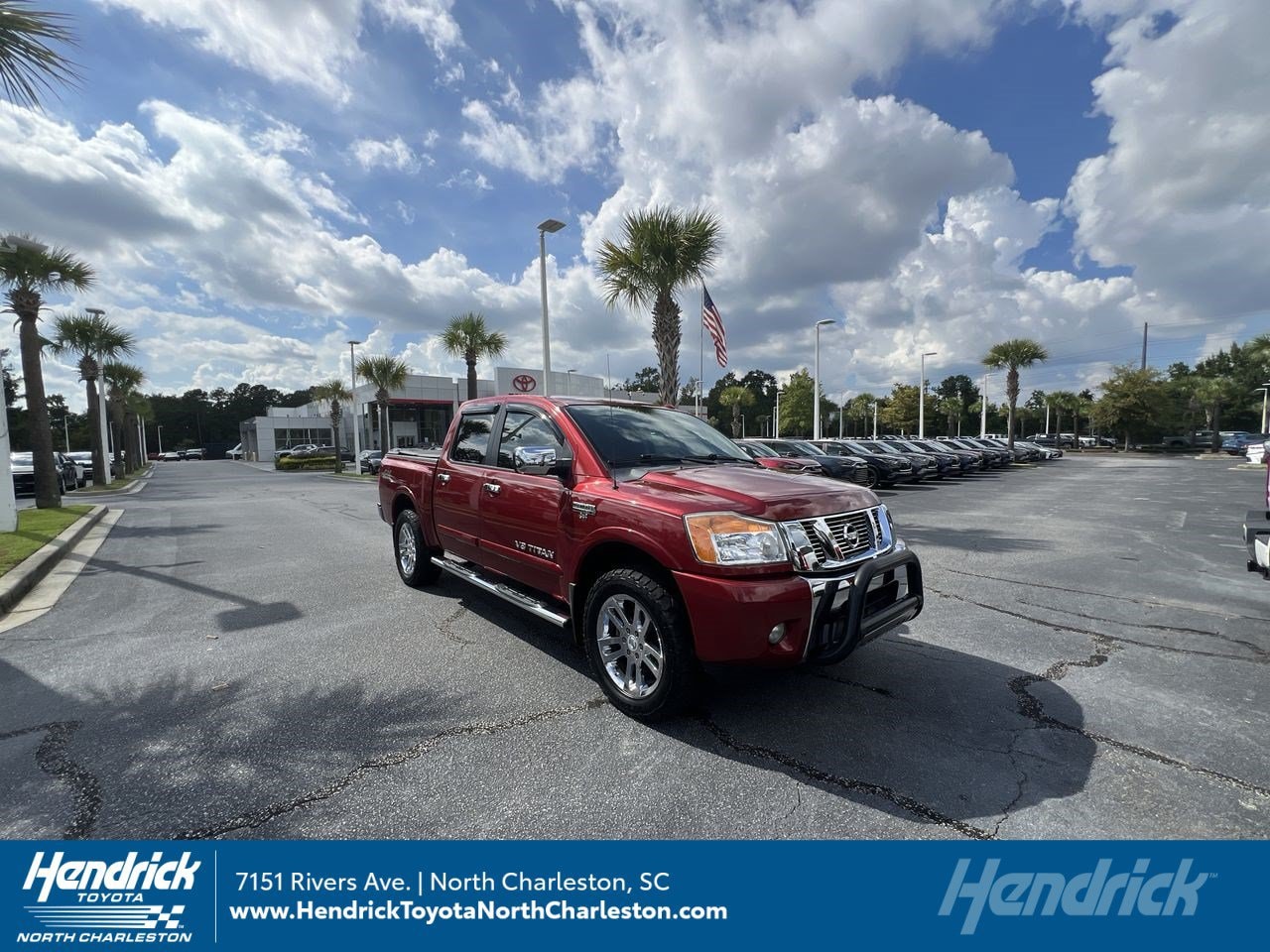
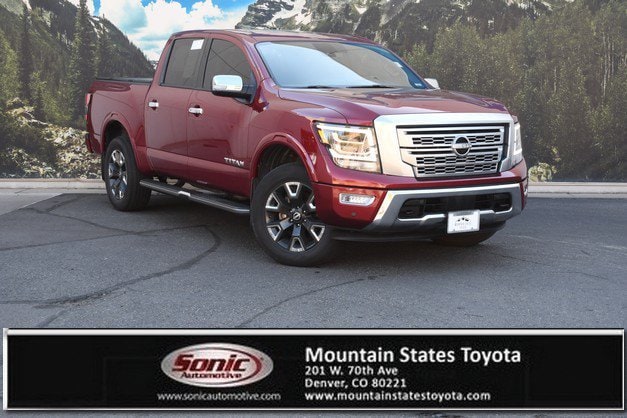
The Titan has gone through several generations, with key differences in engine choices and payload capacity. Early models often featured V8 options with robust towing figures, while newer iterations focus on improved efficiency and on-road comfort. When evaluating a Titan, consider the generation, engine displacement, fuel type (gasoline or diesel in certain markets), and transmission type. Common body styles include regular cab, crew cab, and multiple bed lengths. For buyers in cities with strong highway driving, a V8 might offer better torque for towing heavy loads, whereas urban drivers may prefer a balanced V6 or newer injected engines for fuel efficiency.
For a used Titan, inspect the frame, suspension, and drivetrain for wear, especially if the vehicle has seen tough work duties. Look at service history, including timing belt/chain status, radiator and cooling system maintenance, and any previous payload-related repairs. Check the tires and brakes, and test the four-wheel-drive system if it’s equipped. For new models, verify warranty terms and optional tech packages, including driver-assistance features and infotainment setups. Pay attention to transmission smoothness and exhaust emissions, as these can influence long-term reliability and resale value.
Pros and cons to consider:
Pricing for the Nissan Titan varies by generation, trim level, mileage, and local demand. In many markets, a newer Titan with lower mileage commands a premium, while older models may be priced attractively for work-focused buyers. Typical mileage ranges can influence buyer perception of remaining life and maintenance costs. When selling, highlight recent service records, any upgrades or aftermarket equipment, and proof of ownership. In cities with robust pickup culture, such as major hubs in the country you’re in, buyers often prioritize payload capacity and bed features. If you’re buying, compare maintenance costs, fuel economy, and available local service centers to ensure accessibility and ongoing reliability.
Whether you are in a metropolitan area with high demand for pickups or in a region where the Titan serves as a reliable work vehicle, understanding the model’s generations, engine options, and typical market expectations will help you make a confident decision. This approach applies whether you are buying a used Titan for daily tasks or selling a well-maintained example to a buyer who needs dependable capability.
 Add as preferred sourceSee more from zvelta in Google Search Add as preferred source