EN
ENDEALER
20.225 US$DEALER
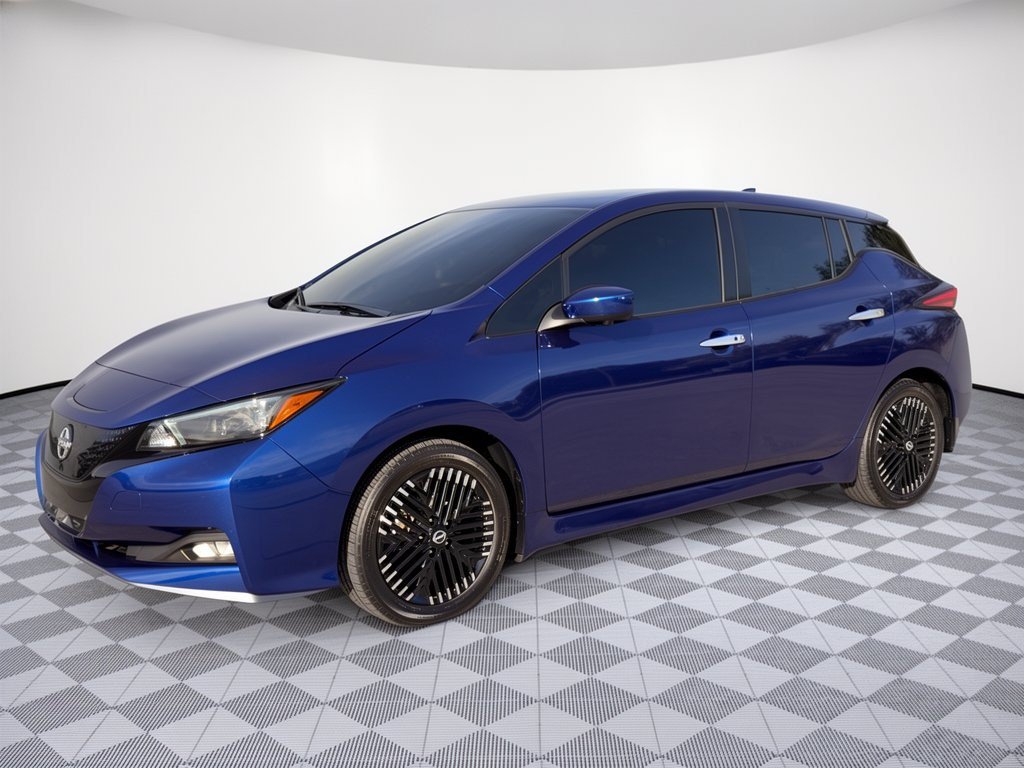
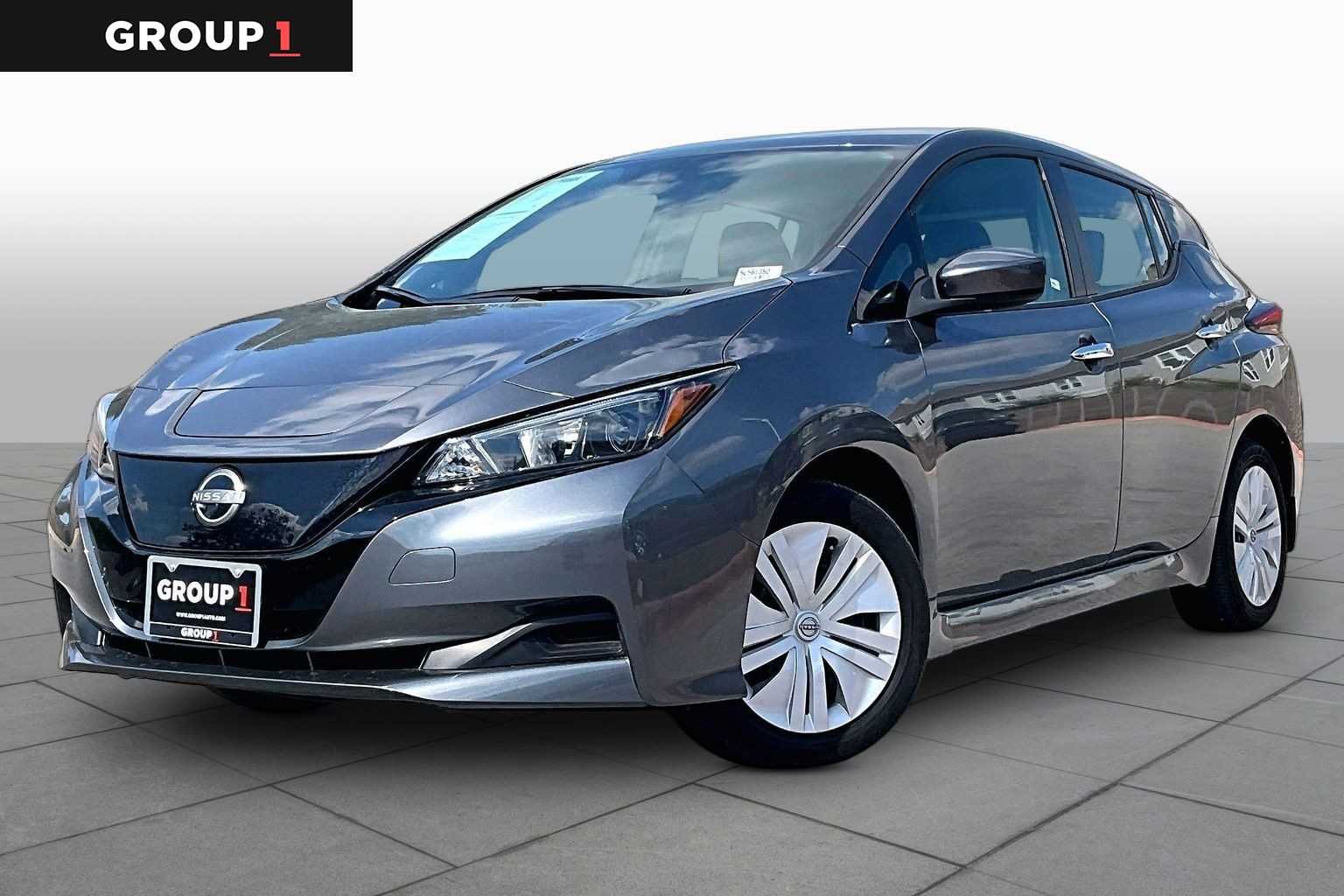
electric, automatic, 14K km, Front Wheels Drive, 214 hp, two colors, SV PLUS, Used condition, USA, In stock

Group1Auto.com
 Southwest, United States
 Southwest, United StatesSouthwest, United StatesSouthwest, United StatesSouthwest, United StatesSouthwest, United StatesSouthwest, United StatesSouthwest, United StatesSouthwest, United StatesMain Settlement, United StatesMain Settlement, United States
 Weldon, United StatesChamblee, United StatesHouston, United StatesHouston, United StatesDenver, United States
 United States
 United States
 United StatesCity of Grand Prairie, United StatesGrove West, United StatesRound Rock, United StatesRound Rock, United StatesGrand Junction, United StatesPecan Tree Park Mobile Home Park, United StatesPecan Tree Park Mobile Home Park, United States
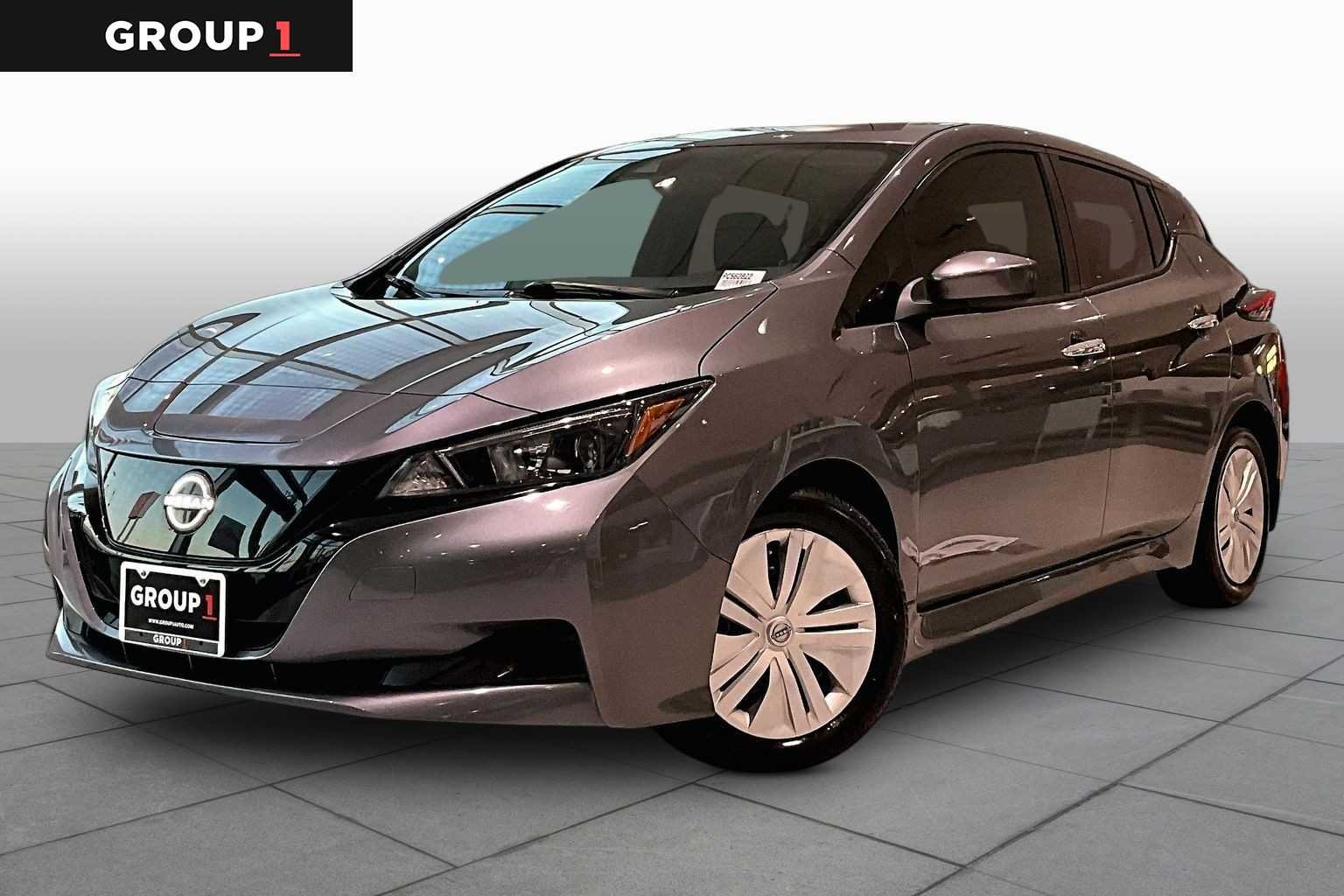
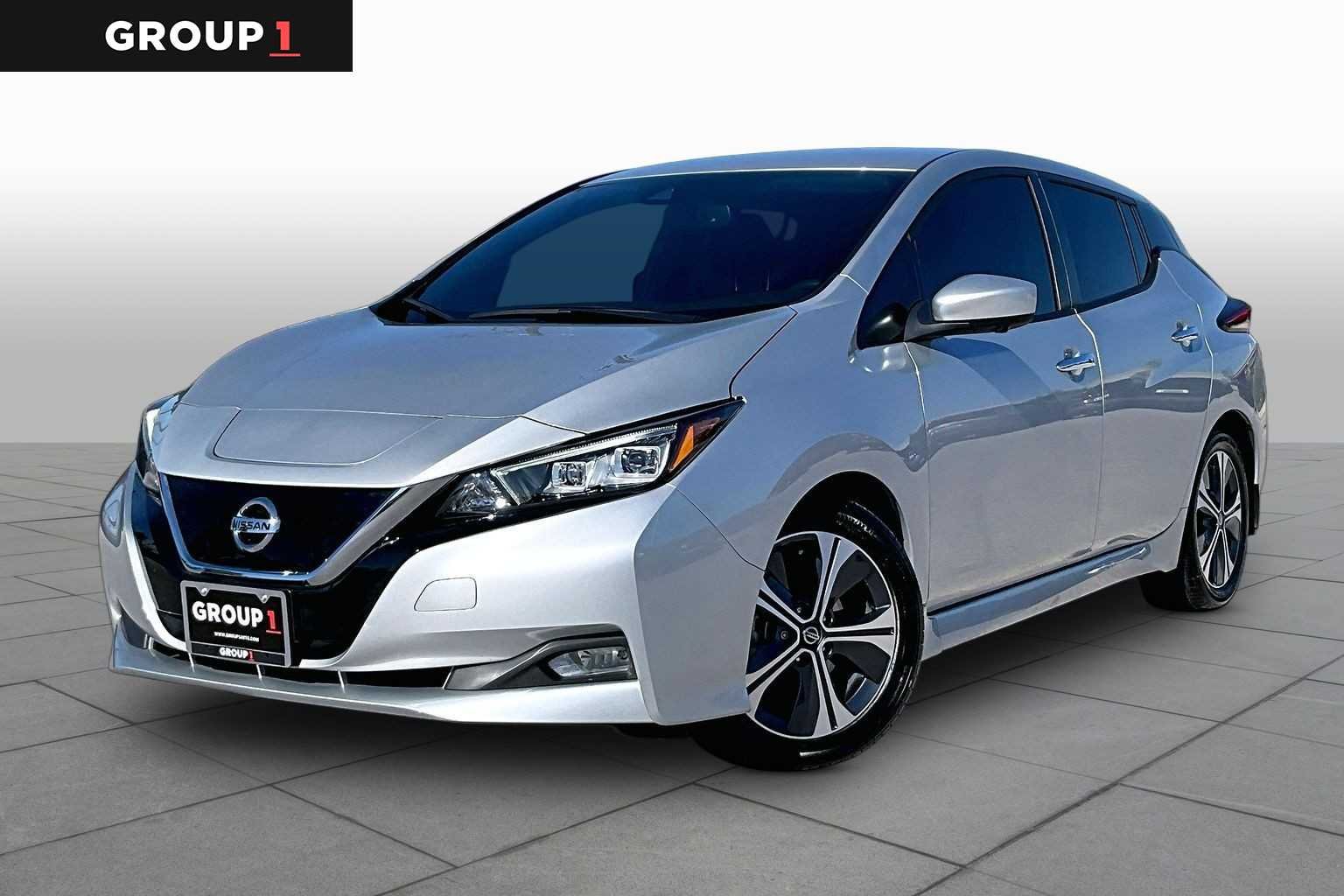
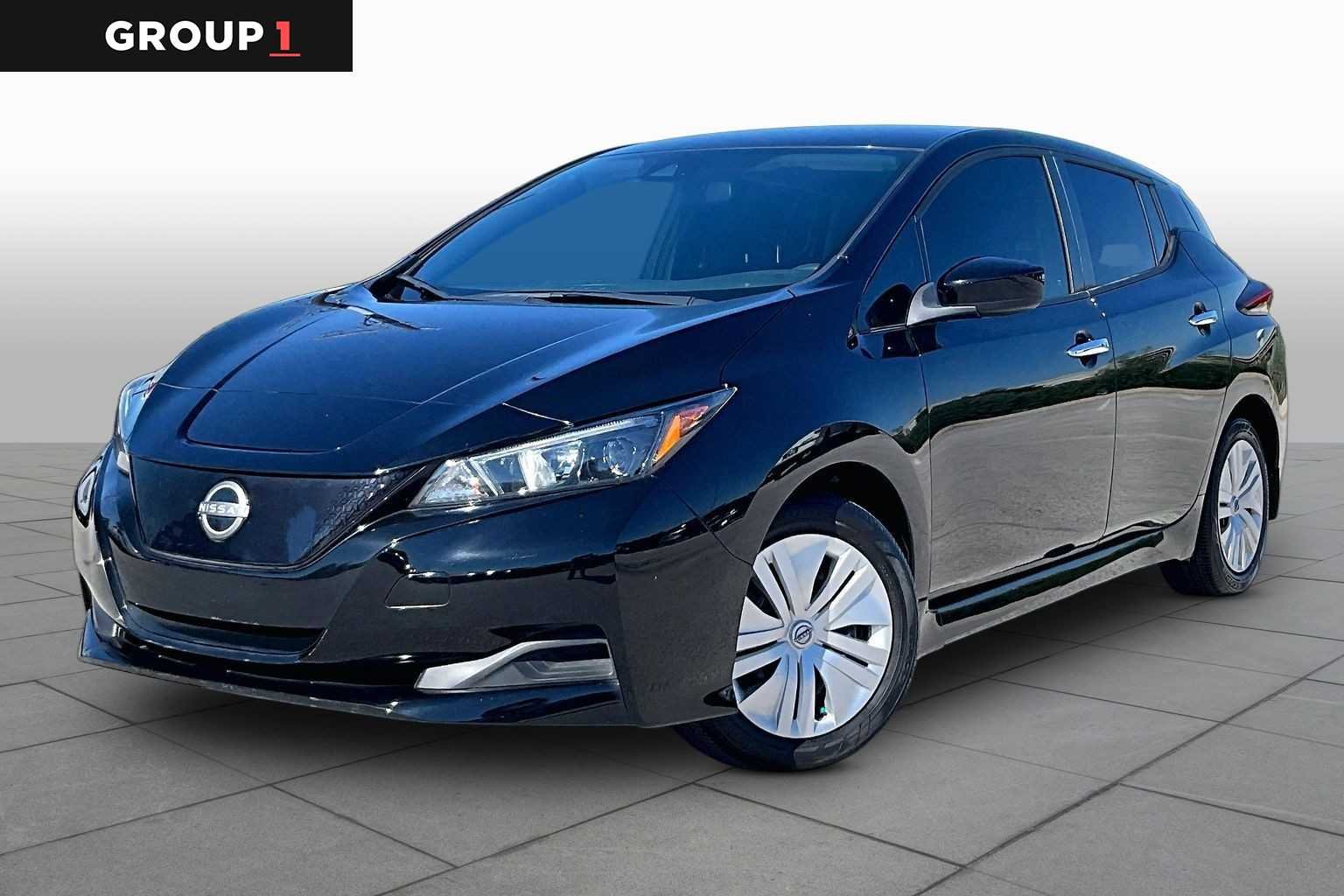
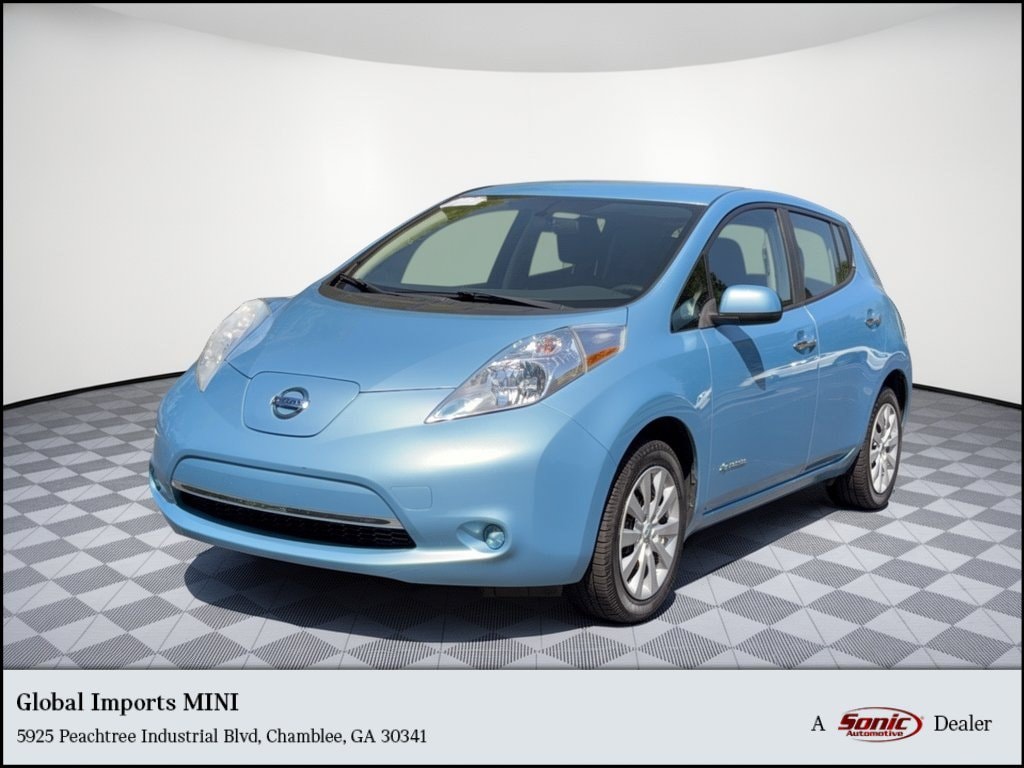
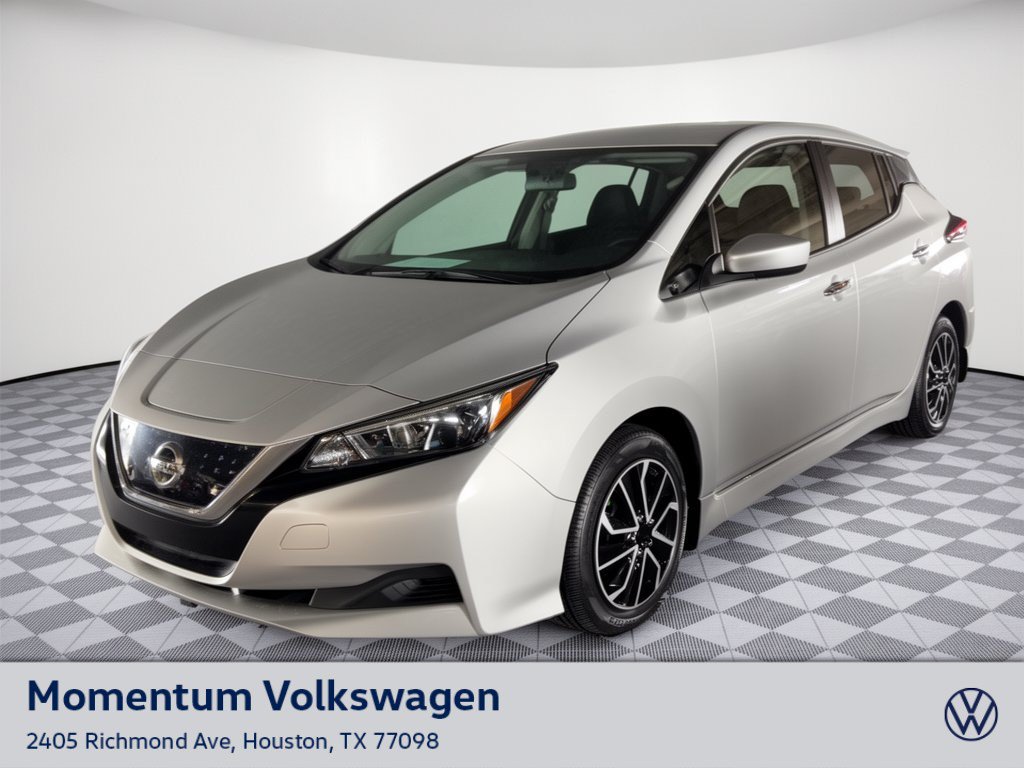
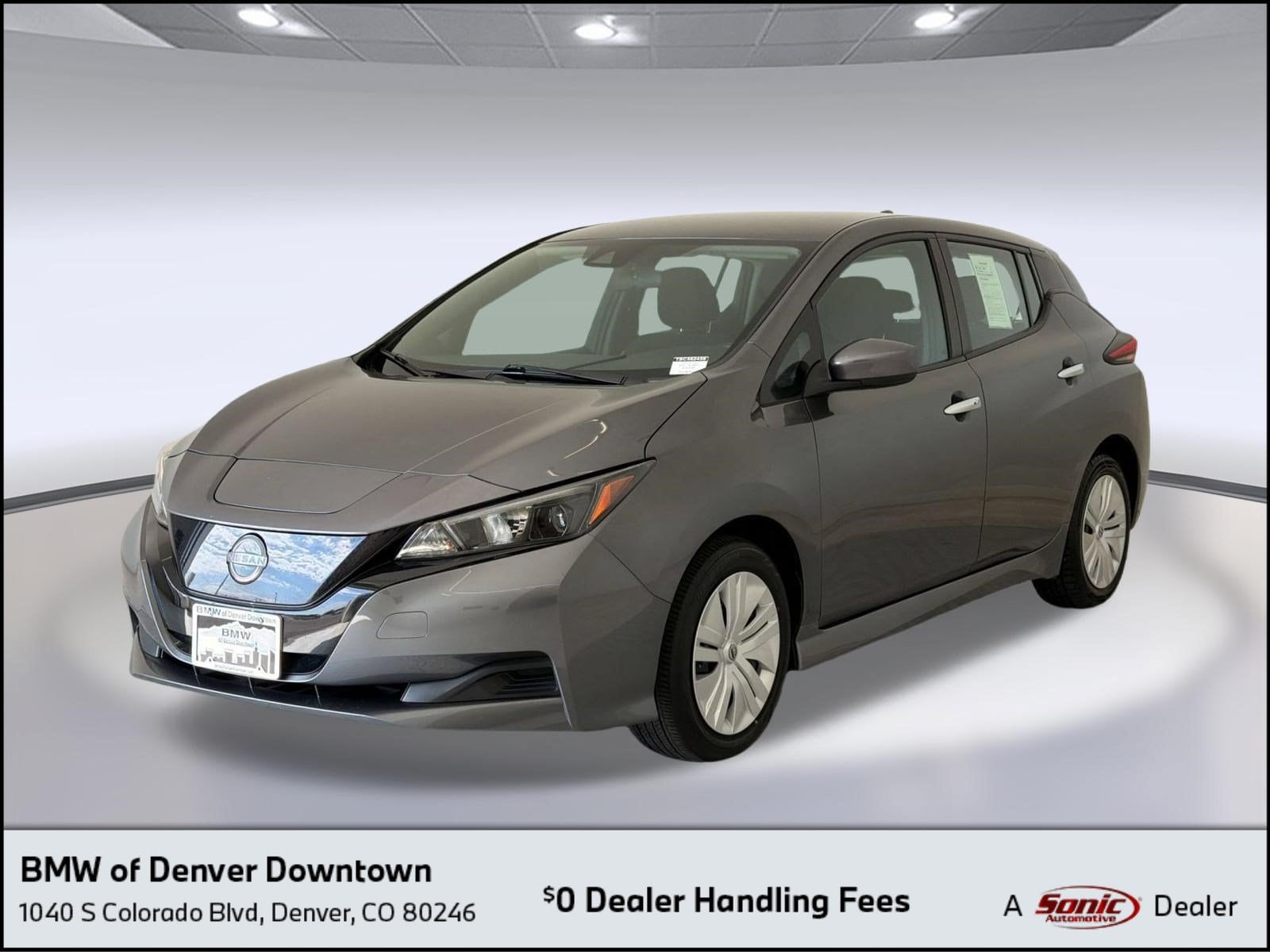
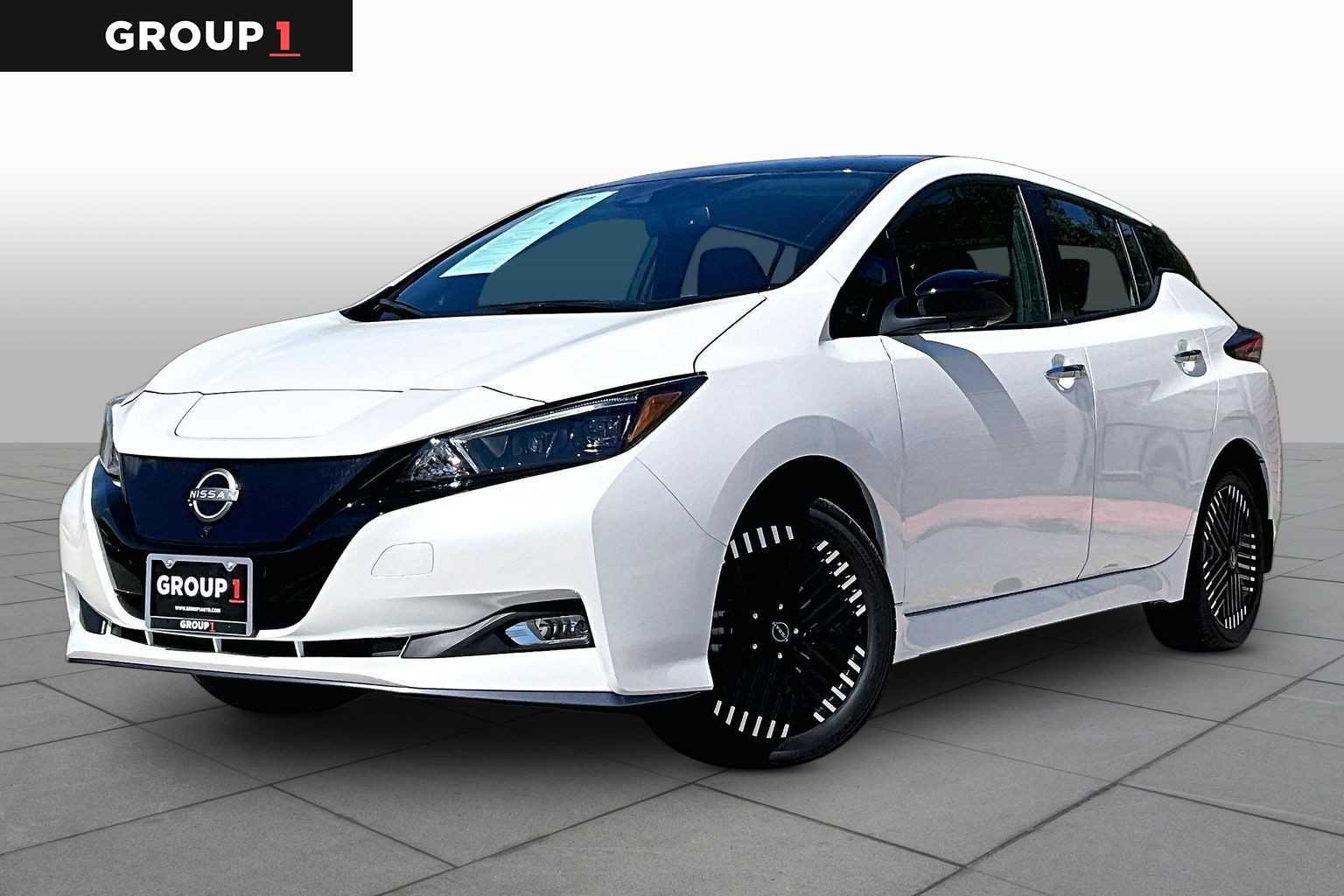
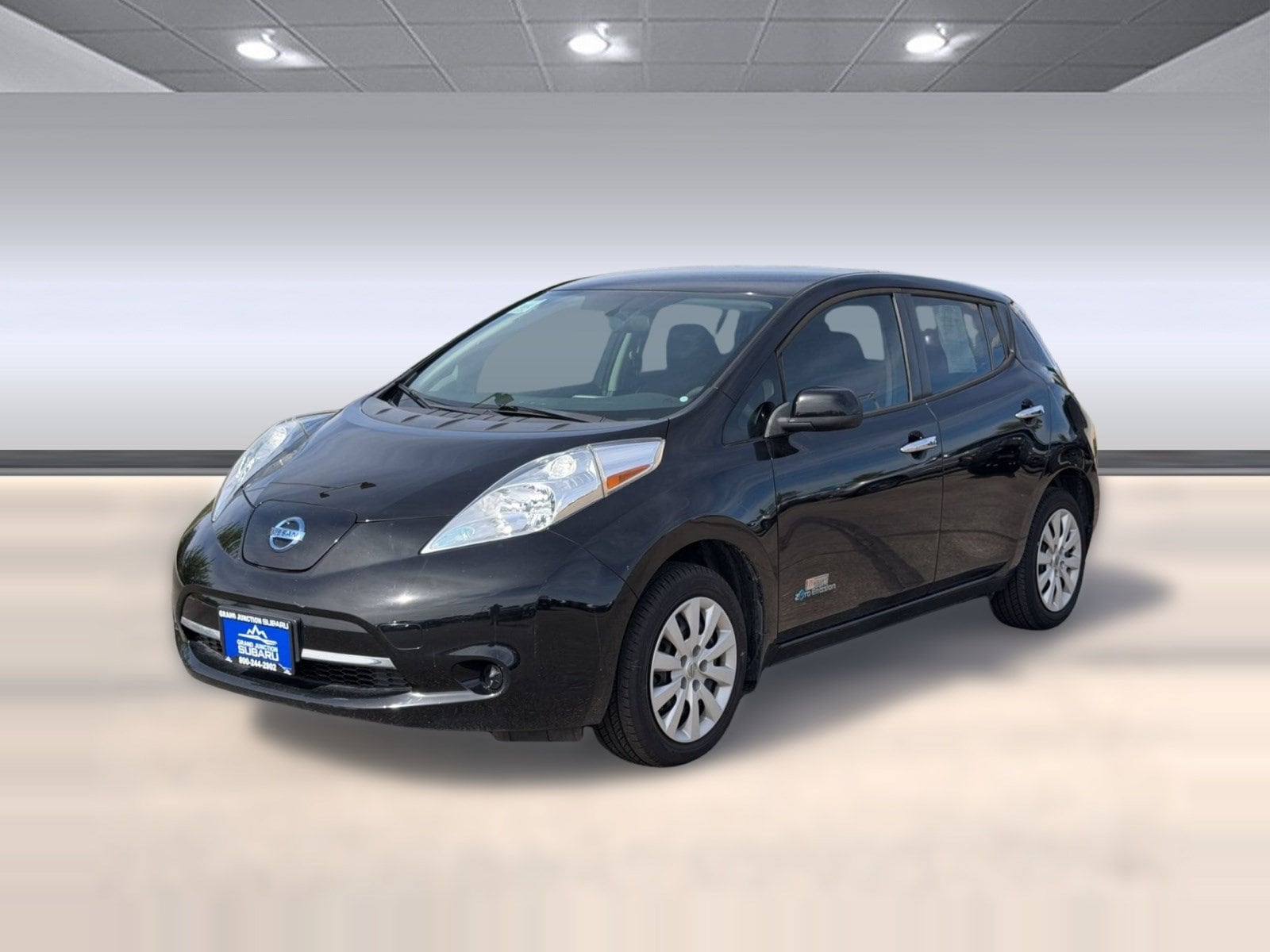
The Nissan Leaf stands out as a practical electric hatchback designed for everyday driving. If you’re searching for a compact, efficient car that’s easy to own, the Leaf is worth considering. In many markets, you’ll find different generations, with varying ranges, battery sizes, and features. This guide helps you evaluate what to expect from a Nissan Leaf, especially if you’re buying in urban areas like major cities where charging infrastructure matters, or selling to move on to your next electric vehicle.
The Leaf has evolved through multiple generations, but the core appeal remains the same: a compact body, roomy interior for its size, and a focus on efficiency. Key details buyers often compare include the battery capacity, real-world range, and charging options. For a typical urban driver, even older Leaf models deliver reliable city-range performance, with improvements in acceleration, regenerative braking, and cabin technology as you move to newer generations.
When you buy in a city, consider the following:
If you’re ready to upgrade or switch to another electric model, outlining the Leaf’s strengths helps you attract buyers. Emphasize:
Choosing a Nissan Leaf means weighing efficiency, practicality, and total cost of ownership. Whether you’re buying for daily urban commutes or planning occasional longer trips, the Leaf’s balance of compact size, efficient electric power, and affordable operation makes it a strong contender in the growing market for electric hatchbacks.
 Add as preferred sourceSee more from zvelta in Google Search Add as preferred source