 EN
EN

Frequently asked questions
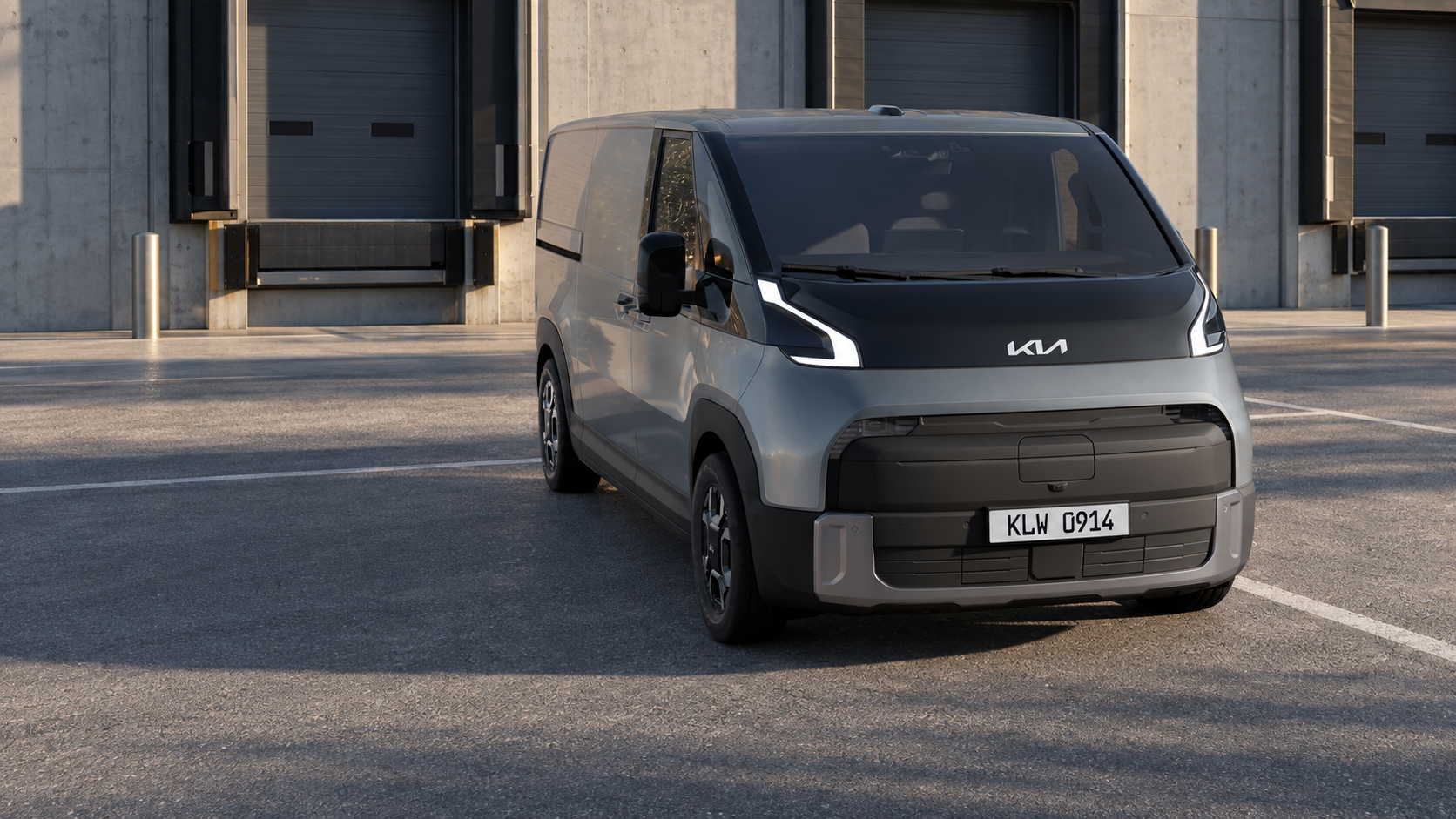
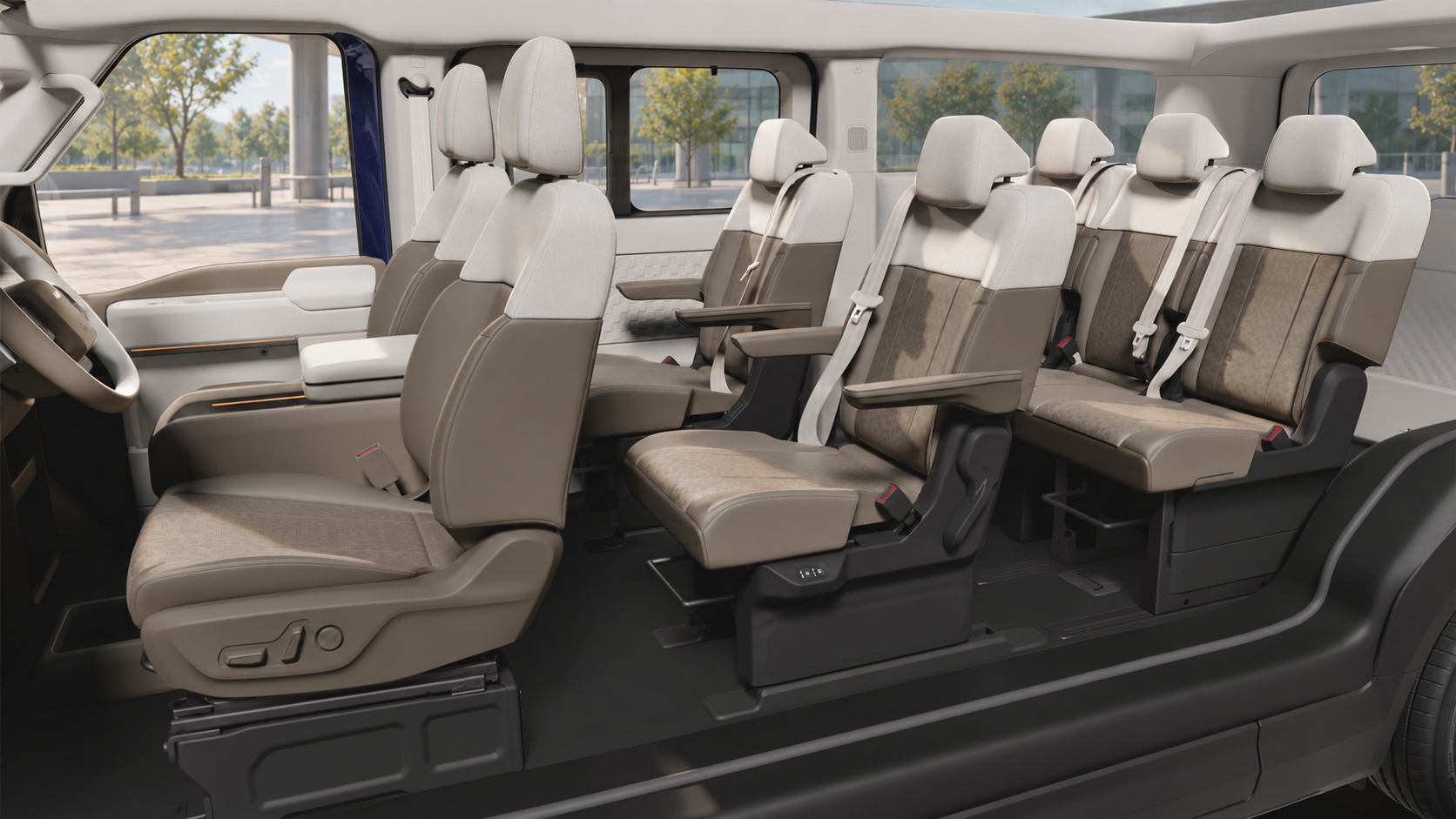
The Passenger Long is designed to carry up to nine people in most markets. Kia plans a configuration for up to 11 people in South Korea. The Cargo Long has two or three seats.
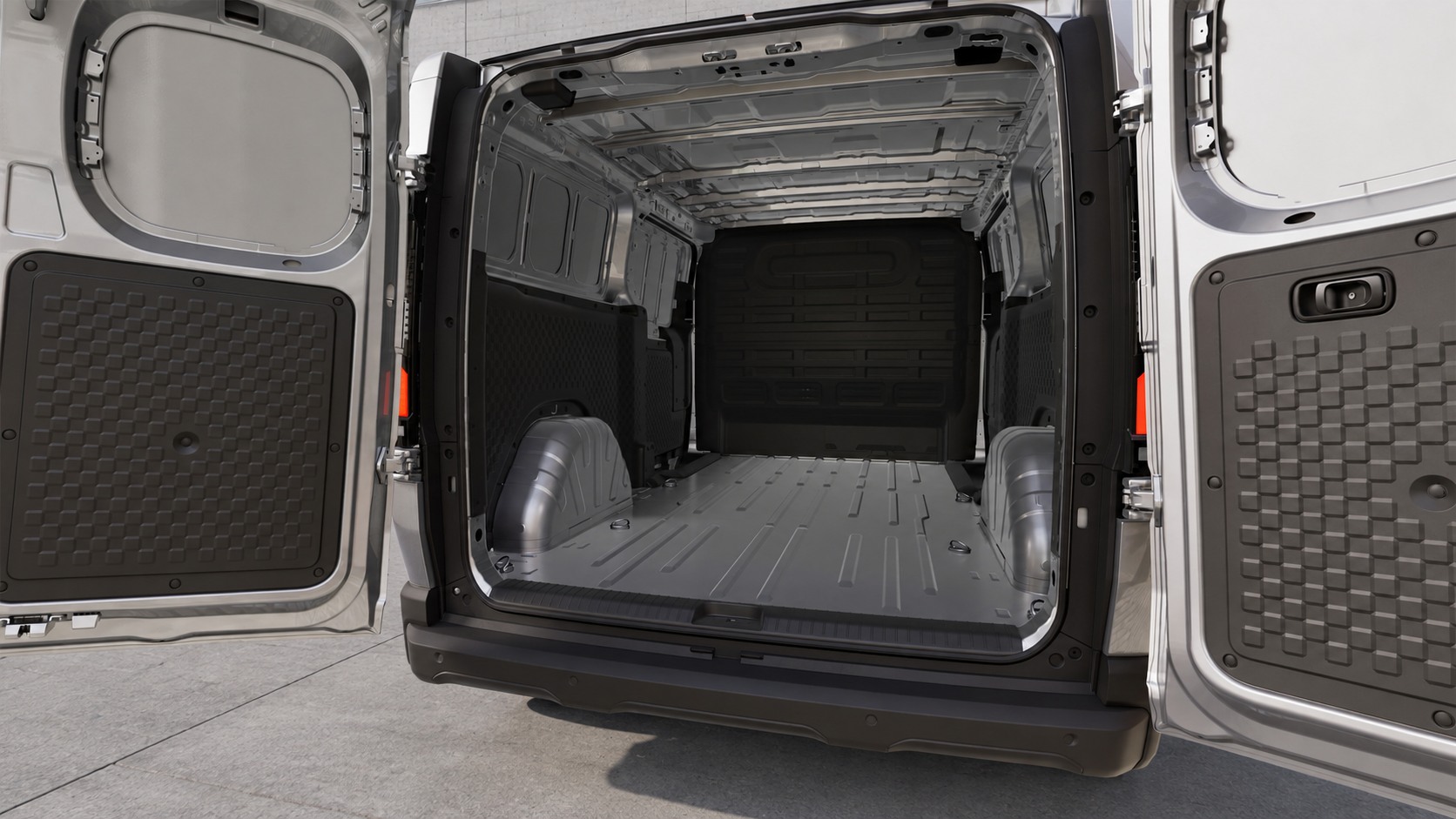
The Cargo Long can hold up to 6.1 m³ and has a payload of up to 1165 kg. Kia also plans a Cargo High Roof with up to 8.0 m³ of space, but its payload and seating have not yet been specified.
Kia claims more than 460 km for the PV7 Cargo Long Range based on internal WLTP testing, but final certification has not yet been completed. This figure does not apply to the Passenger PV7, the smaller battery, or different loads.
On September 14, 2026, Kia unveiled the PV7 at IAA Transportation in Hanover. It is the second model in Kia's electric PBV lineup after the more compact PV5. The PV7 is designed for two primary uses: carrying cargo in the Cargo version and passengers in the Passenger version. Kia plans to launch both versions in European and South Korean markets in the second half of 2027.
PV7 at a glance
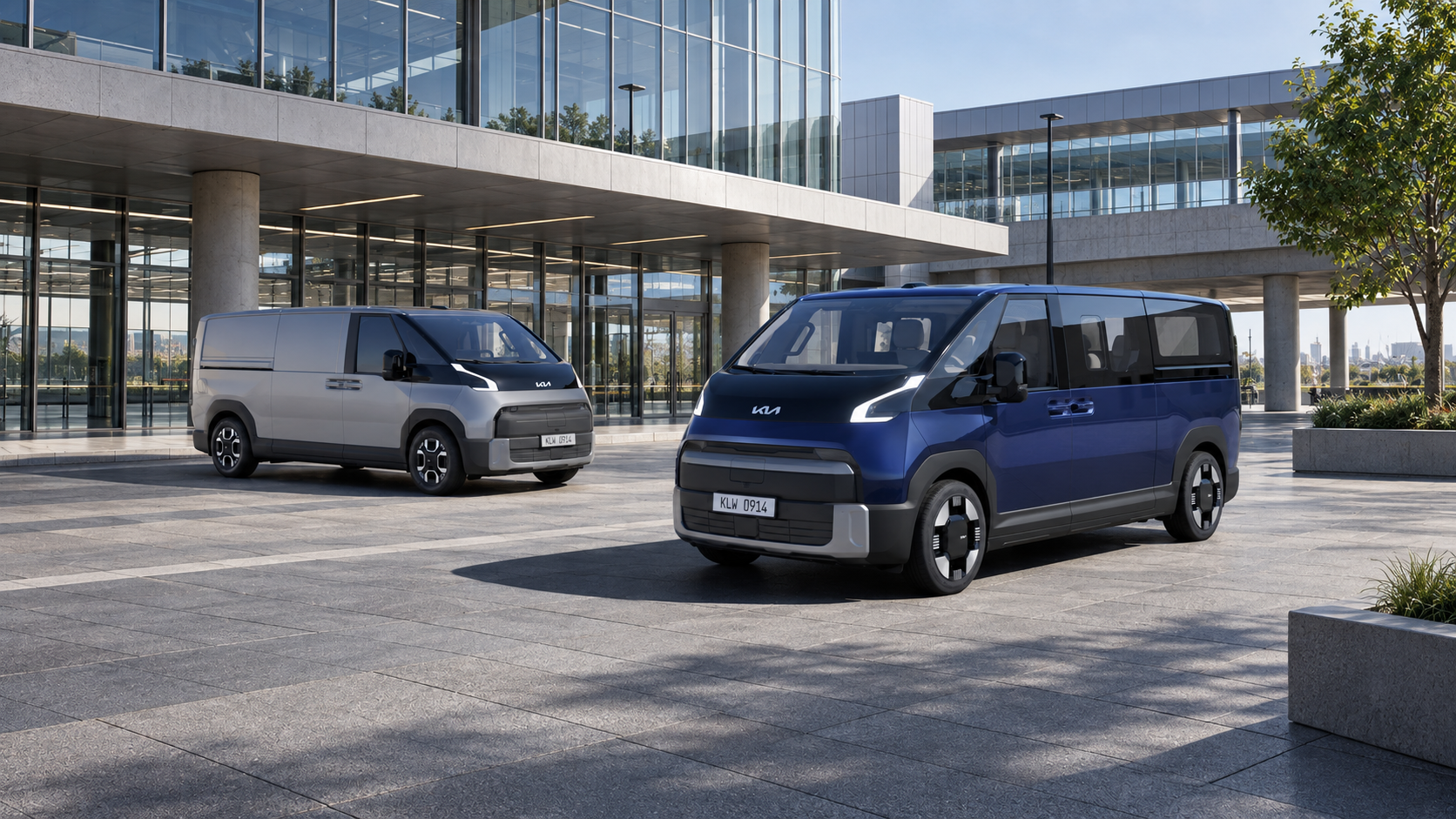
The premiere featured long-wheelbase Cargo and Passenger versions measuring 5350 mm in length.
They will be offered with 71.5 and 96.2 kWh batteries; front-wheel drive will come first, with all-wheel drive promised later by Kia.
The long-wheelbase Cargo can hold up to 6.1 m³ of cargo, while the Passenger is designed to carry up to nine people in most markets.
The claimed range of more than 460 km applies to the Cargo Long Range and still requires confirmation during certification.
Cargo and Passenger: What Buyers Get
The long-wheelbase versions shown at the premiere share the E-GMP.S platform with a flat floor. Their preliminary dimensions are identical: 5350 mm long, 1995 mm wide without mirrors and door handles, and 1990 mm high without the antenna. The wheelbase is 3500 mm. However, the usable space is arranged differently.
Version | Seats | Usable space | Status |
|---|---|---|---|
Cargo Long | 2 or 3 | Up to 6.1 m³ according to the VDA standard; payload up to 1165 kg | Shown at the premiere |
Passenger Long | Up to 9; a configuration for up to 11 is planned for South Korea | Various seating layouts, including a seven-seat configuration | Shown at the premiere |
Cargo High Roof | Not yet specified for this version | Up to 8.0 m³ according to the VDA standard | Planned version |
The Cargo Long has a loading height of 550 mm. Kia says it can accommodate three Euro pallets measuring 800 × 1200 mm. The rear can be fitted with either barn doors or a liftgate, depending on the version and market. Some less obvious details may also matter in daily operation, including a separate lock for the cargo door and a driving mode for heavy loads.
Do Not Combine Maximum Figures From Different Versions
8.0 m³ is the figure planned for the Cargo High Roof, while 1200 kg is the maximum payload of the future compact Cargo. For the Cargo Long shown at the premiere, Kia quotes up to 6.1 m³ and up to 1165 kg. These figures should not be combined into a single vehicle specification until the details of a specific trim level are published.
The Passenger is intended for employee transport, shuttle services, and private use. In the seven-seat version, Kia describes seats that can slide along long rails and be removed. The nine-seat version will be available with layouts either with or without a fourth row. A separate climate-control unit for the rear section and USB-C ports rated at up to 100 W are included in the list of available equipment, but the equipment levels for individual countries have not yet been published.
Batteries, Range, and Charging
Kia has announced two nickel-cobalt-manganese batteries rated at 71.5 and 96.2 kWh. The electric motor in front-wheel-drive versions develops up to 200 kW and 420 N·m, depending on the market and configuration. The manufacturer plans to add an all-wheel-drive version later, but has not given a specific date.
Kia's range claim of more than 460 km applies specifically to the PV7 Cargo Long Range. This result comes from the company's internal tests conducted using the WLTP method; final certification has not yet been completed. It should not be applied to the passenger PV7, the smaller battery, or a van carrying a different load. Real-world range will also depend on speed, temperature, and cargo weight.
The 800-volt platform is designed to charge from 10 to 80% in approximately 25 minutes when using a 350 kW DC fast-charging station. On the PV7 premiere page, Kia describes this speed as a target rather than a guarantee for every station. Another practical feature is a front charging port for AC and DC charging, along with an additional rear AC charging port. Drivers can choose the connection point based on how the van is parked.
The V2L function will allow the battery to power tools and other equipment through outlets inside and outside the vehicle. This could be useful for mobile work with the cargo version, but the outlet power rating and availability on specific trim levels should be checked once local specifications are published.
Other Features for Everyday Work
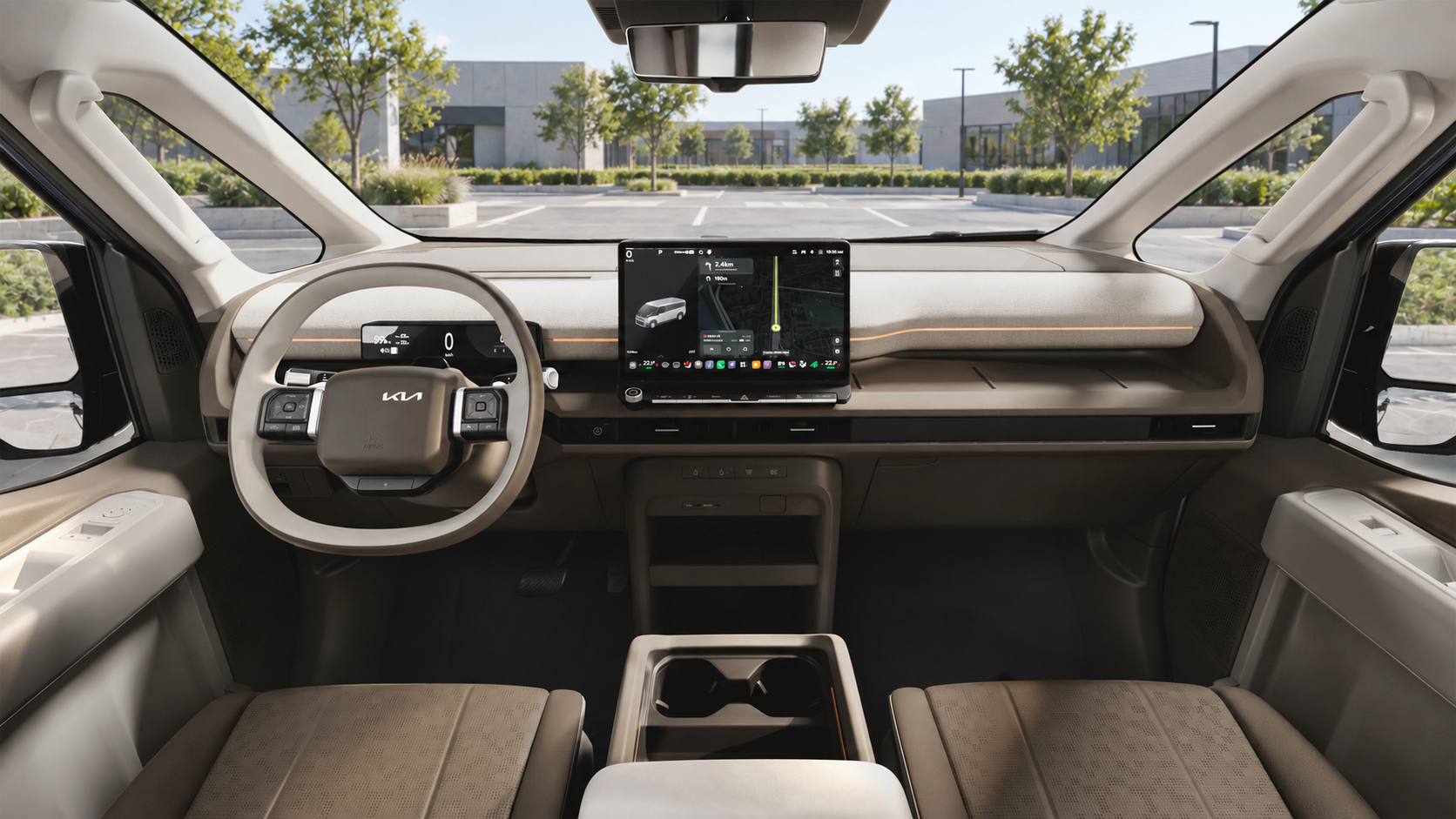
The PV7 will feature the Pleos Connect system based on Android Automotive OS, with navigation, apps, wireless updates, and Gleo AI voice control. For businesses, Kia describes a dedicated portal that combines vehicle, charging, and fleet maintenance data. At the same time, some frequently used cabin functions remain controlled by physical buttons. The capabilities of connected services and the terms of access to them may vary by market.
When Will the PV7 Arrive, and What Do We Still Need to Know?
The premiere took place on September 14, during the press day at IAA Transportation. According to the event organizers' schedule, the public show in Hanover is planned for September 15–20, 2026. Kia is targeting the second half of 2027 for the launch of the Cargo and Passenger versions in European and South Korean markets. The company then plans to expand the lineup with short-wheelbase versions, a high-roof body, a cab chassis, and converted vehicles. The plan covers 23 versions, but they will not all arrive at the same time.
What to Check When Orders Open
The price and delivery date for the desired version in your country.
The final certified range for the selected battery and body style.
The permitted cargo weight, seating capacity, and door layout of the specific vehicle.
Whether the rear charging port, V2L, and the required connected services are available.
As of September 16, 2026, Kia had not disclosed PV7 pricing or the full list of country-specific trim levels. For now, the most reliable basis for comparison is the purpose of each version, its preliminary dimensions, and the separately stated status of the range and charging figures.