 EN
EN
14.898 US$
gasoline, automatic, 82K km

DakarLuxuryCars.sn
 Senegal
 Senegal
 Senegal
 Mérina Dakar, Senegal
 Albania, Durrës CountyAlbania, Durrës County
 Ukraine
 Ukraine

 Sangnyongsangdong, South KoreaSangnyongsangdong, South KoreaJangan-dong, South KoreaSeongsu-dong, South KoreaBalsan, South KoreaSaeteo, South KoreaGajwa-dong, South KoreaWŏlsong-dong, South KoreaYonghŭng, South KoreaDokjeong, South KoreaSeongsu-dong, South KoreaYangpyeong-dong, South KoreaTaech’u-ri, South KoreaBalsalli, South KoreaSeongsu-dong, South KoreaGaesan, South KoreaYangpyeong-dong, South KoreaGajwa-dong, South Korea
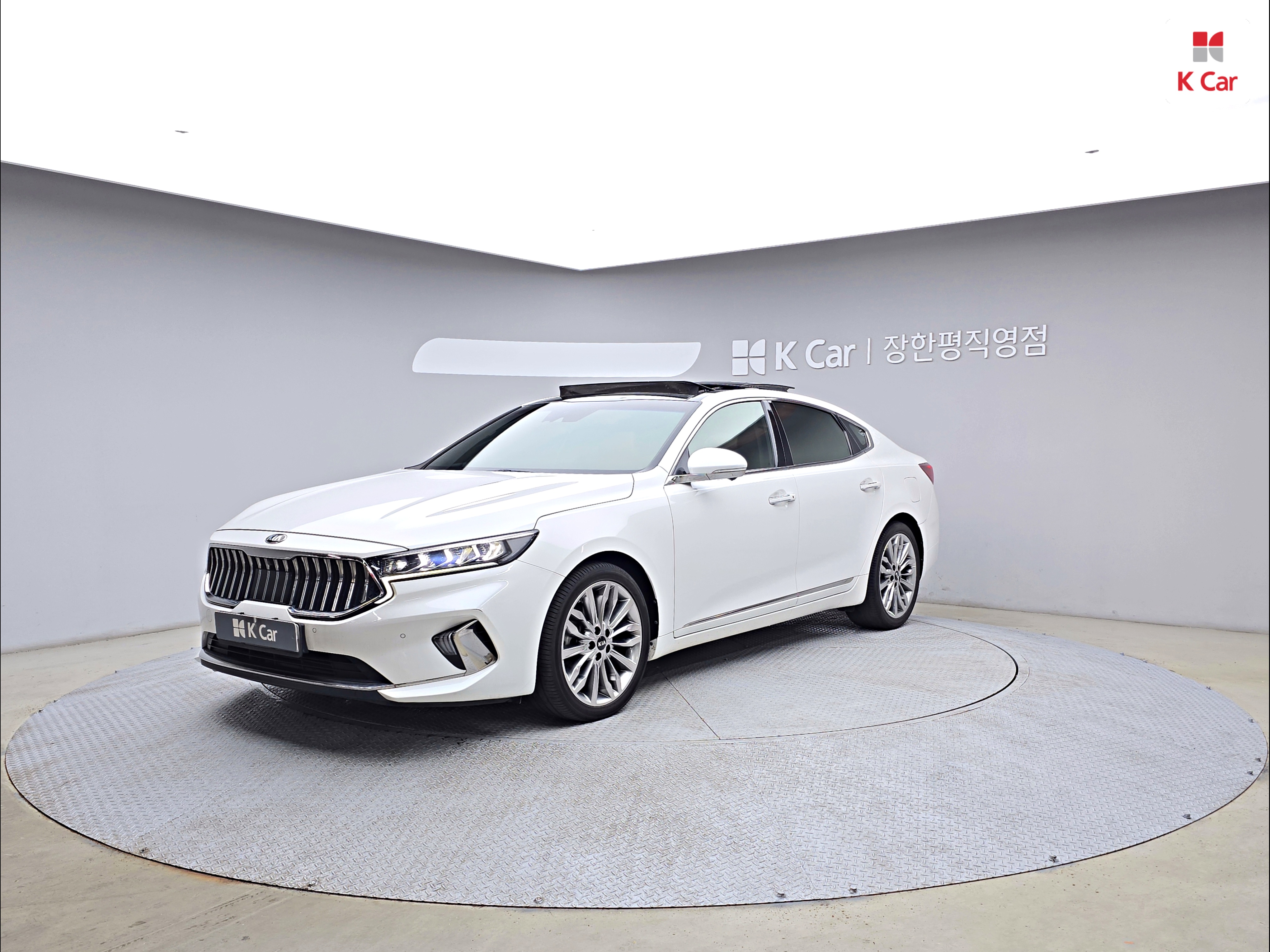
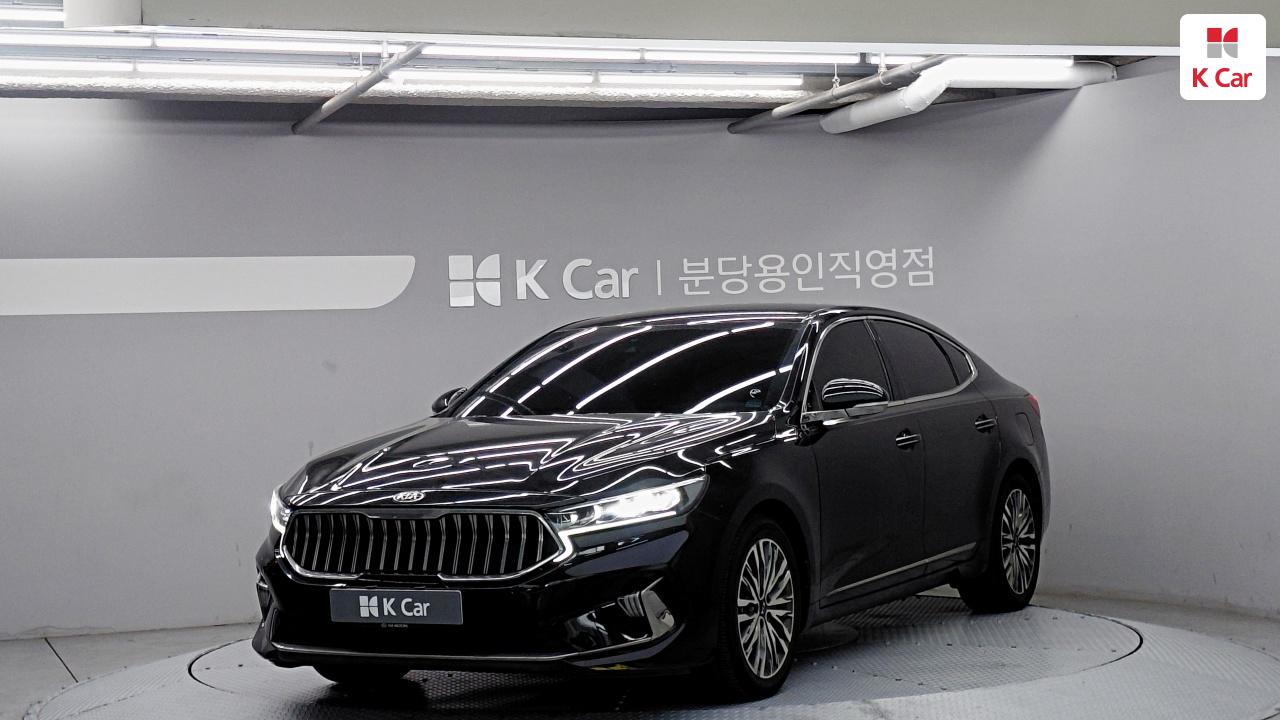
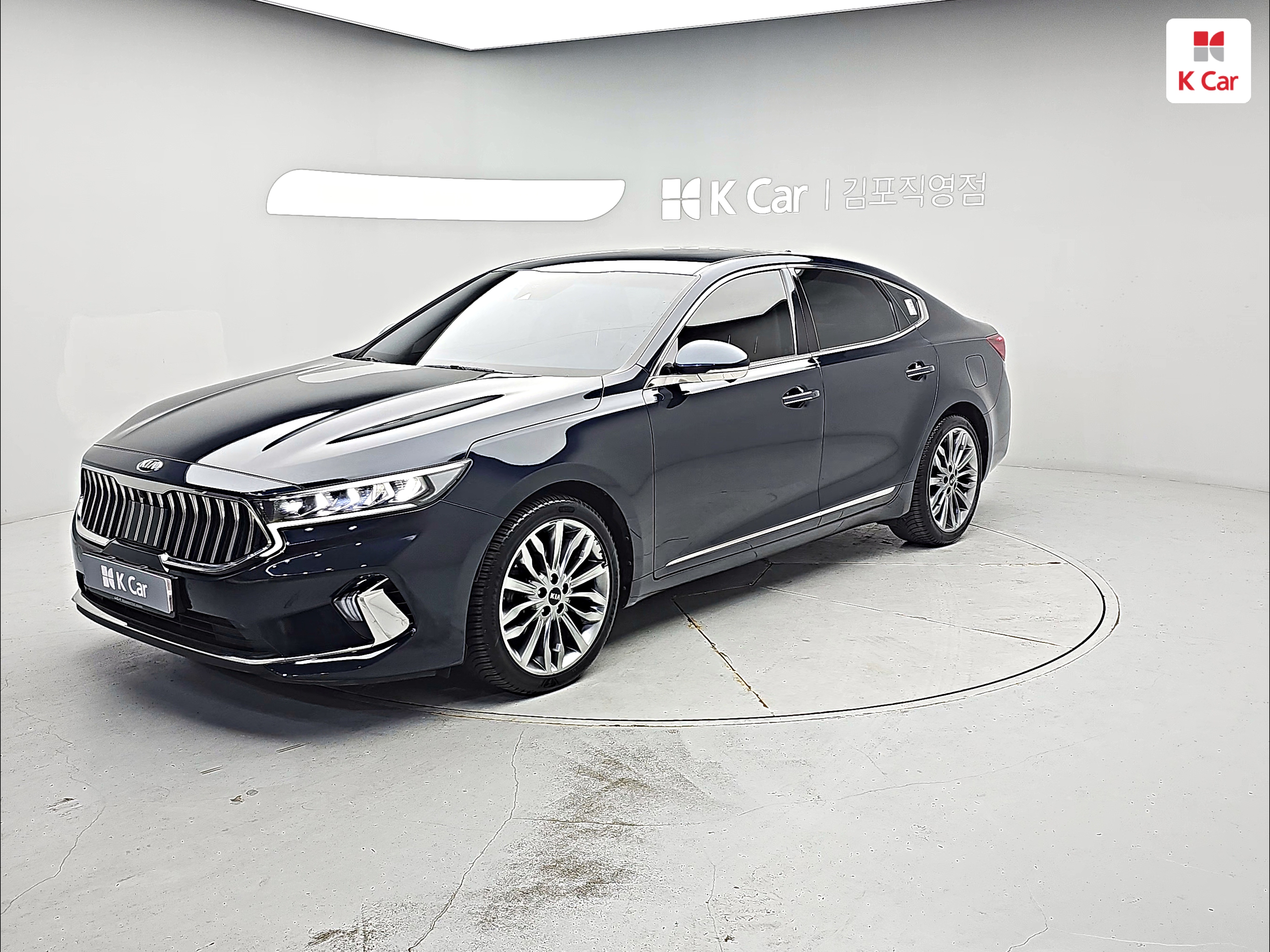
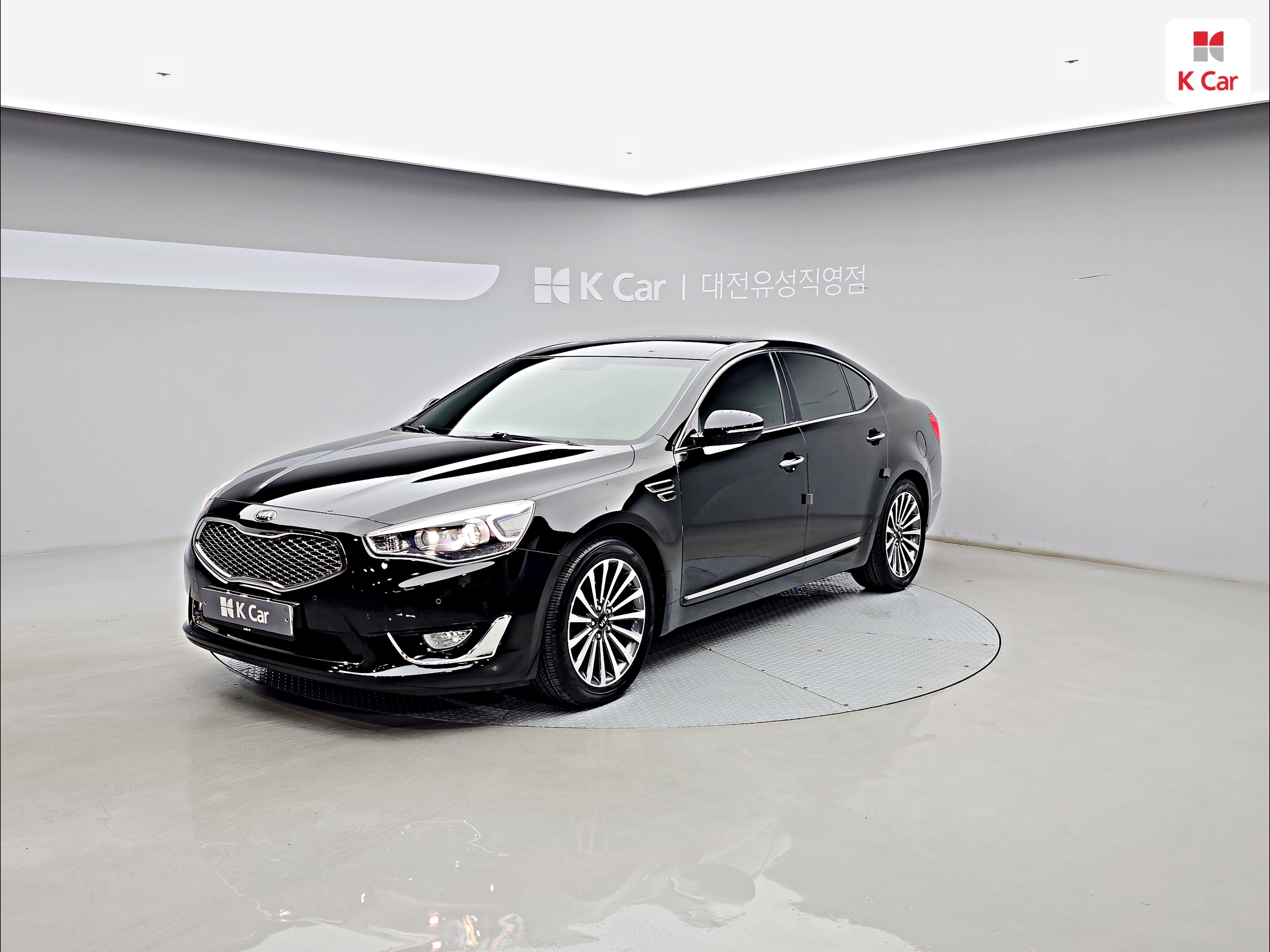
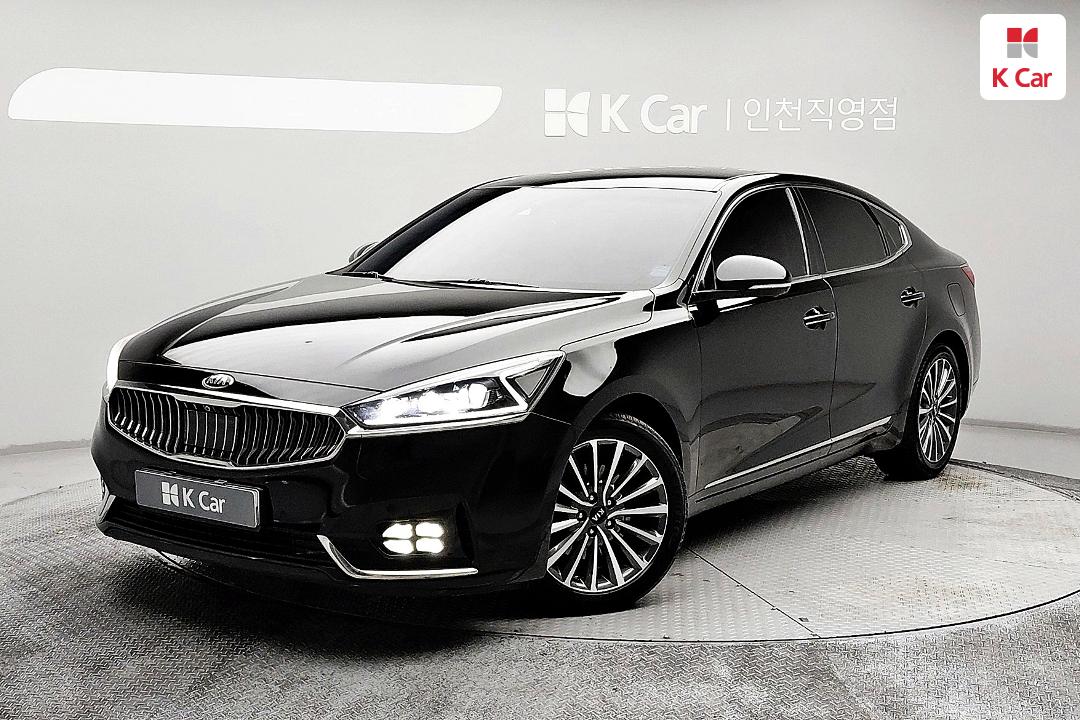
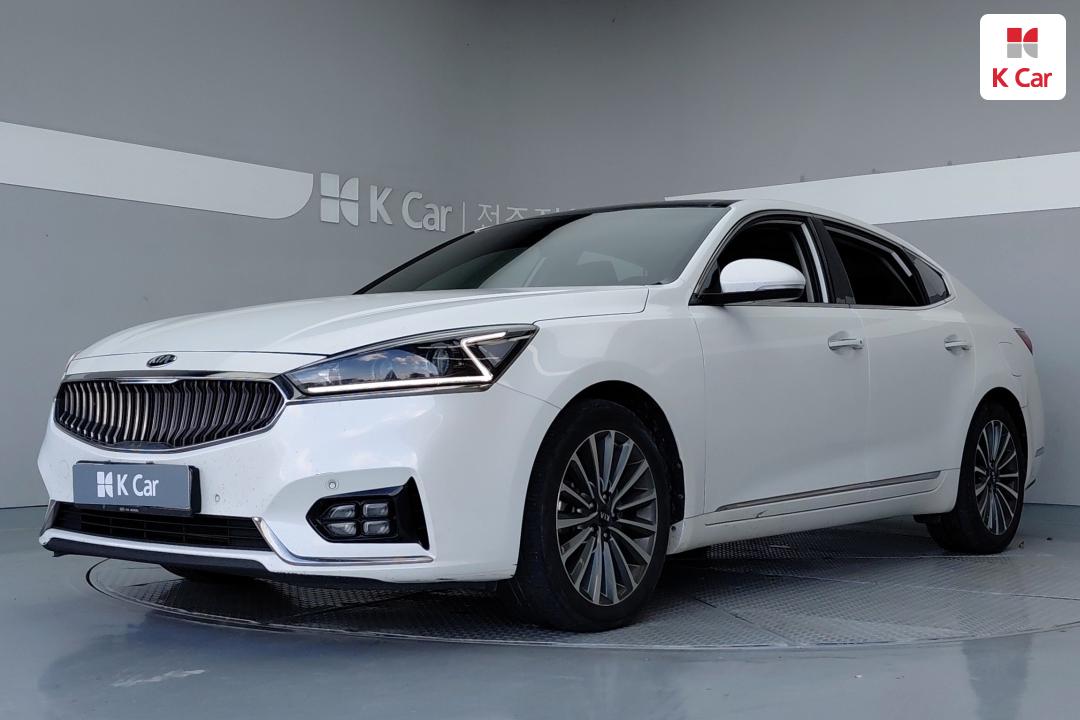
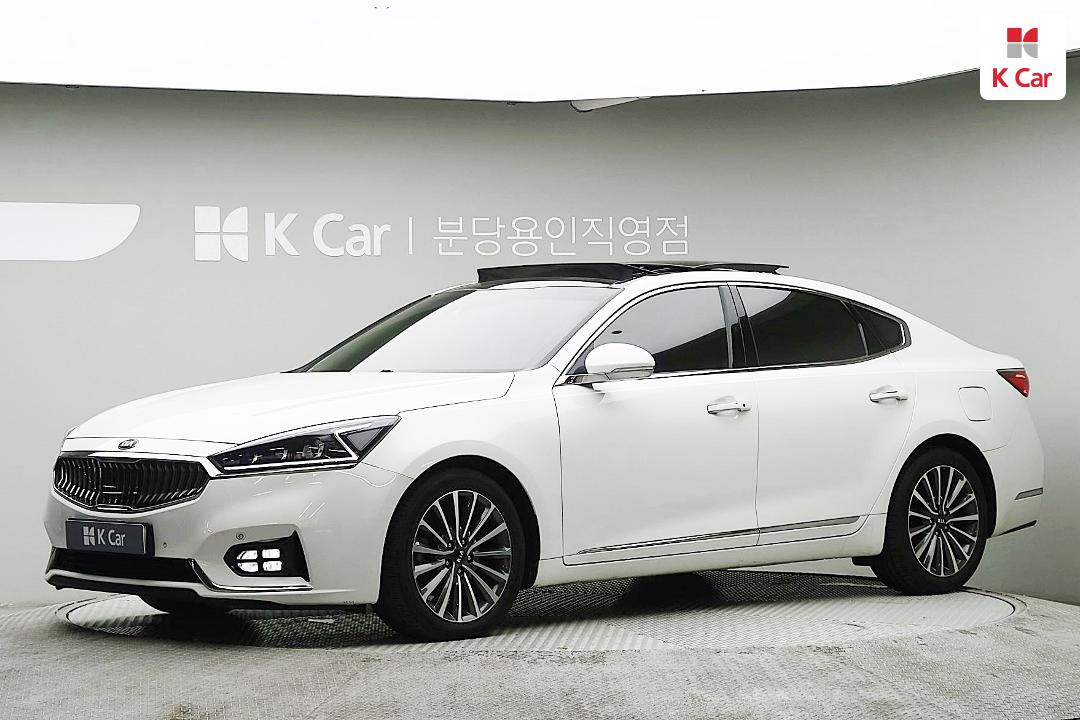
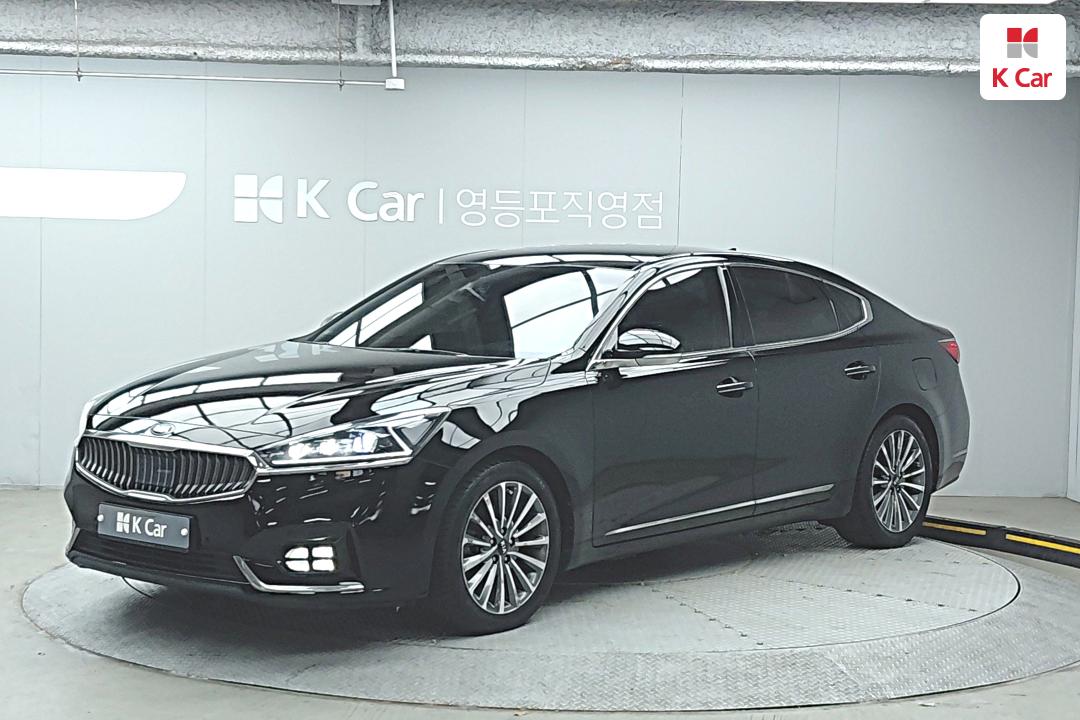
If you’re in the market for a Kia K7, you’re likely balancing comfort, technology, and value across a few key choices. The K7, depending on generation, can vary in features, engine options, and body style, but the core goal remains the same: find a car that fits your daily needs and budget. Whether you are looking to buy a newer model in a crowded market or sell a well-kept Kia K7, this guide helps you focus on what matters most in your city and country.
The Kia K7 comes in several generations, with options for sedan configurations and varying fuel types. When comparing, consider:
In your city, you’ll want to assess typical mileage and the price segment that matches your budget. A well-cared-for K7 with 60,000–100,000 km might sit in a mid-range bracket, while lower-mileage examples can command higher prices—especially in good condition with documented service history.
For buyers, price is important, but reliability and maintenance costs often determine long-term value. When reviewing listings, ask:
For sellers, presenting a clear history helps you reach serious buyers faster. Gather service receipts, confirm ownership parity, and provide a recent inspection report if possible. In many markets, listing a fair price based on local comps for a similar generation and mileage level improves interest.
Local market norms influence how you price a Kia K7. In urban centers, higher demand for comfortable sedans can push prices up slightly, while suburban markets may favor older generations with lower mileage. Consider:
If you’re undecided between two K7 configurations, run a side-by-side comparison of fuel economy, insurance costs, and potential maintenance. A balanced choice often depends on your daily routes and parking possibilities in the city where you’ll drive.
With these considerations, you can move confidently toward a fair purchase or an efficient sale of a Kia K7 in your local market.
 Add as preferred sourceSee more from zvelta in Google Search Add as preferred source