EN
ENDEALER

35.435 US$DEALER
35.584 US$
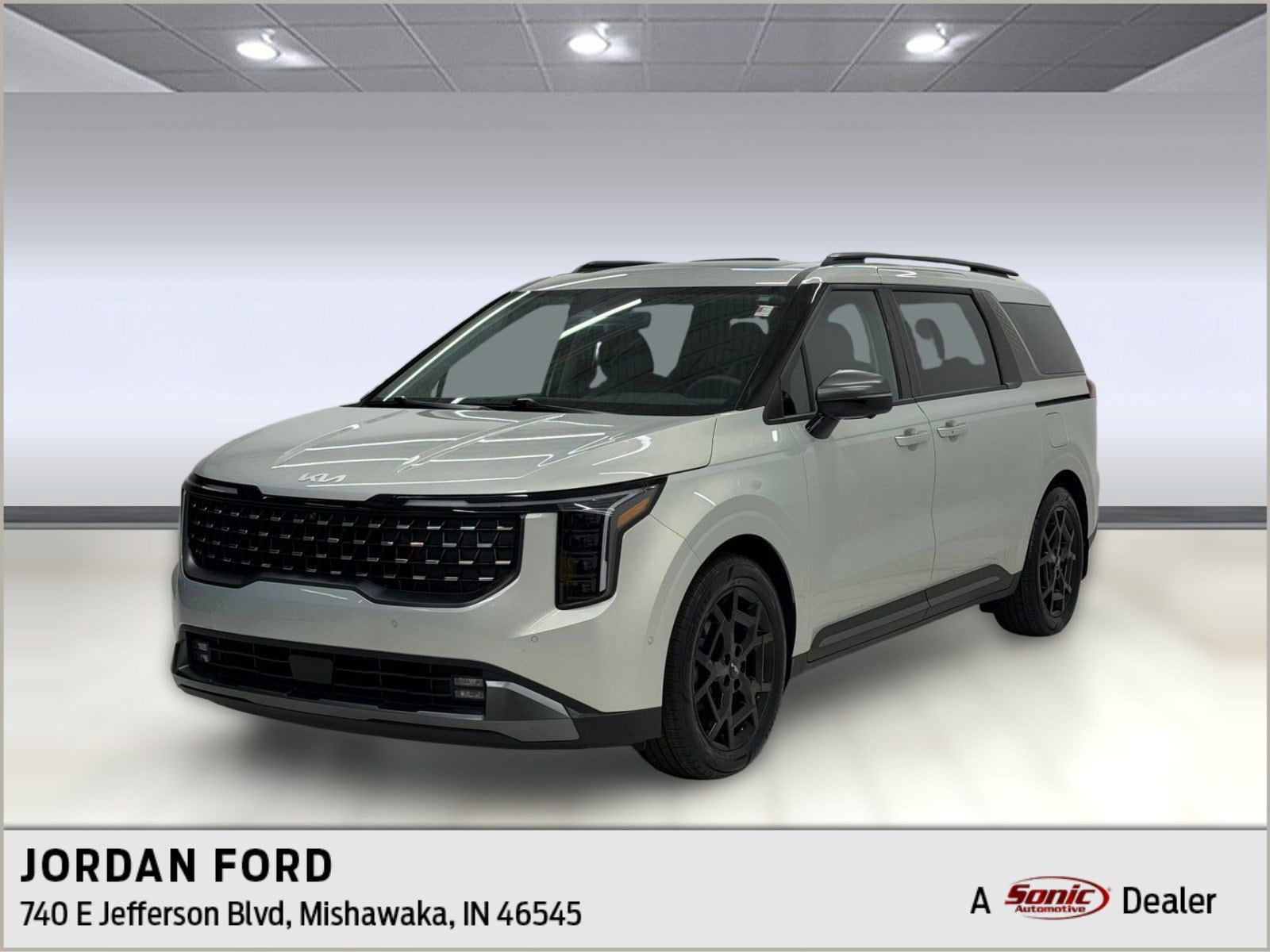
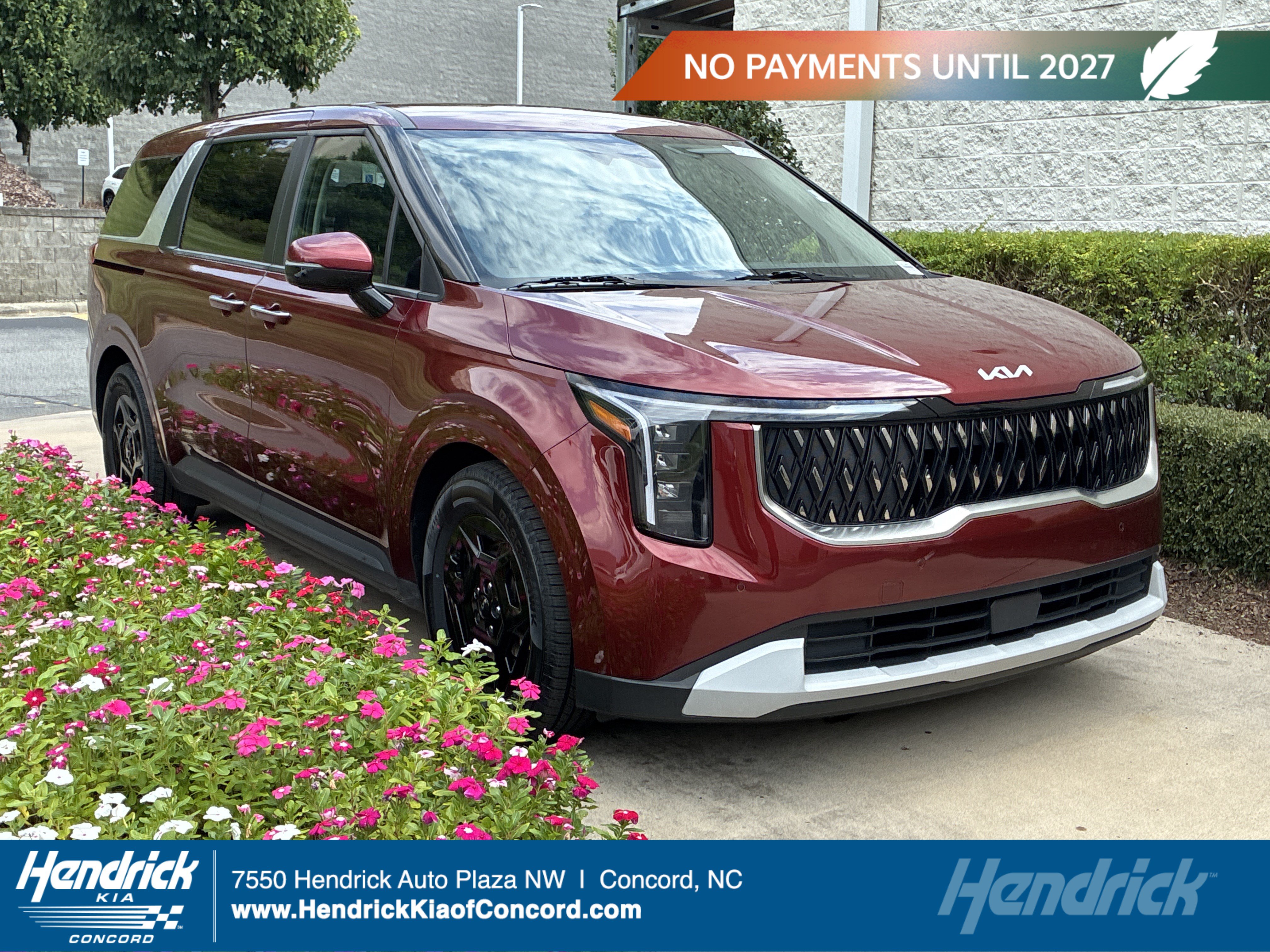
gasoline, automatic, 40K km, 3,500 cm3, silver, Used condition, South Korea, In stock
SonicAutomotive.com
 Orlando, United States
 Orlando, United StatesMishawaka, United States
 Main Settlement, United StatesMain Settlement, United StatesMain Settlement, United States
 Concord, United StatesConcord, United States
 Concord, United StatesConcord, United StatesConcord, United StatesConcord, United StatesConcord, United StatesConcord, United StatesConcord, United StatesConcord, United StatesConcord, United StatesConcord, United StatesConcord, United StatesConcord, United StatesConcord, United StatesConcord, United StatesConcord, United StatesConcord, United StatesConcord, United StatesConcord, United States
The Kia Carnival has established itself as a versatile family and passenger minivan, balancing comfort, space, and practicality. If you’re considering a Kia Carnival for purchase or planning to sell one, knowing the specific generation, engine options, body style, and local market dynamics can save time and money. This guide focuses on practical steps to choose the right Carnival, compare configurations, and navigate price ranges in your country and city.
The Carnival blends a roomy interior with modern tech and a smooth ride. Depending on the year, you can find options with a 3.5-liter V6 or newer turbocharged engines in some markets, paired with automatic transmissions. Common body styles include standard nine- or eight-seat layouts, with family-focused features such as rear entertainment systems, advanced driver assistance, and flexible seating. When evaluating a Carnival, consider factors like mileage, maintenance history, and whether the vehicle is a first or second owner. Local pricing varies by year, trim level, and overall condition.
Kia Carnival generations differ in onboard technology, safety features, and interior design. In many markets, you’ll encounter:
To attract buyers quickly, present a clear, honest description with photos covering exterior, interior, and undercarriage condition. Highlight recent service, new tires, brake work, or recent maintenance. Price competitively based on your Carnival’s year, mileage, and trim. Offer transparent history reports and a clean title to foster trust. In busy markets, a well-photographed listing with a concise but thorough description often yields faster responses and better offers.
Car listings for Kia Carnival vary by city and country. Compare prices for similar years and mileages, and note any common wear points reported by local owners. If you’re unsure about history or condition, consider a professional inspection. When you’re ready to buy or sell, use a trusted platform that streamlines communication with buyers or sellers and provides a clear view of market pricing in your area.
 Add as preferred sourceSee more from zvelta in Google Search Add as preferred source