 EN
ENDEALER
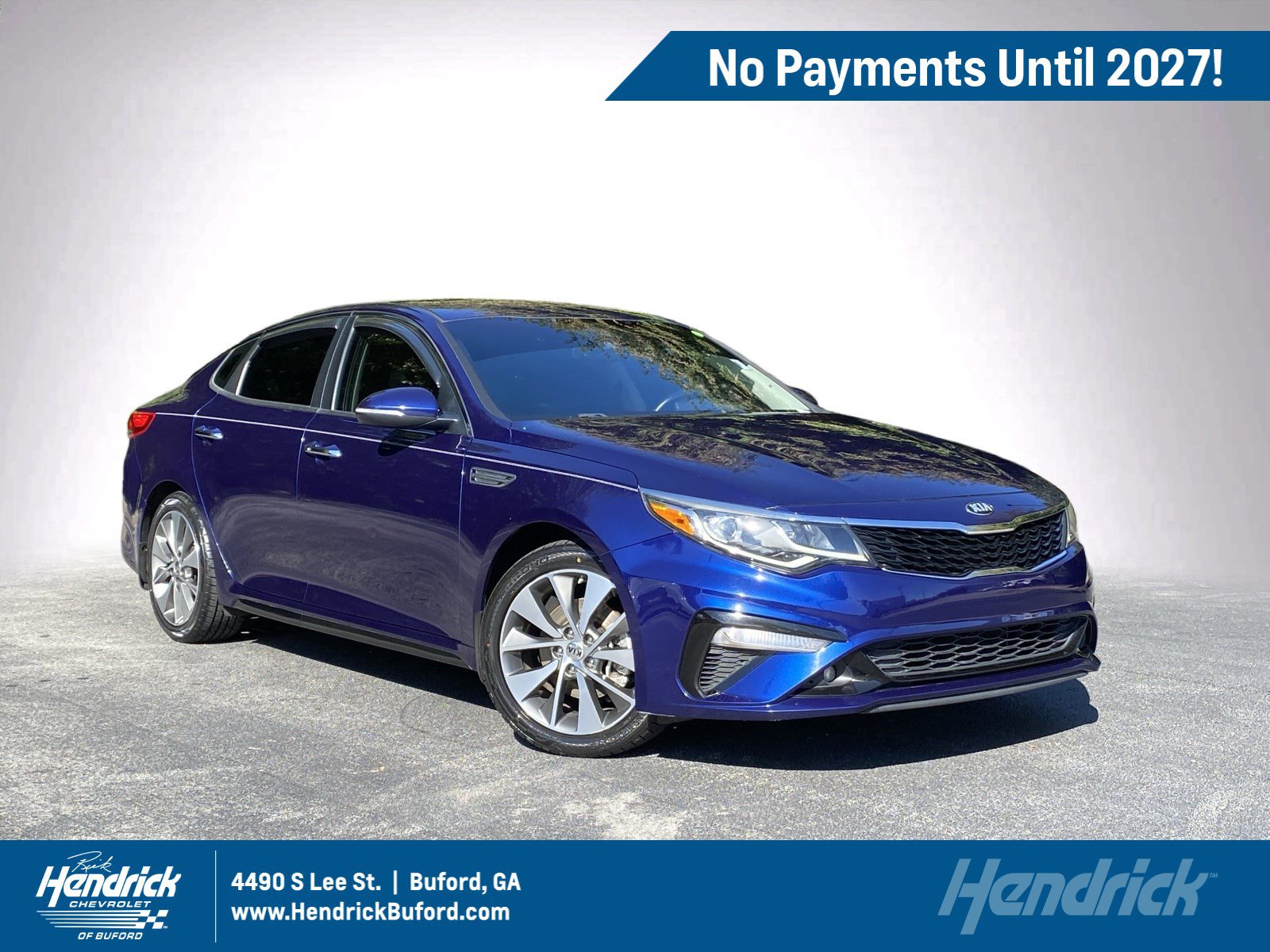
15.719 US$DEALER
15.845 US$
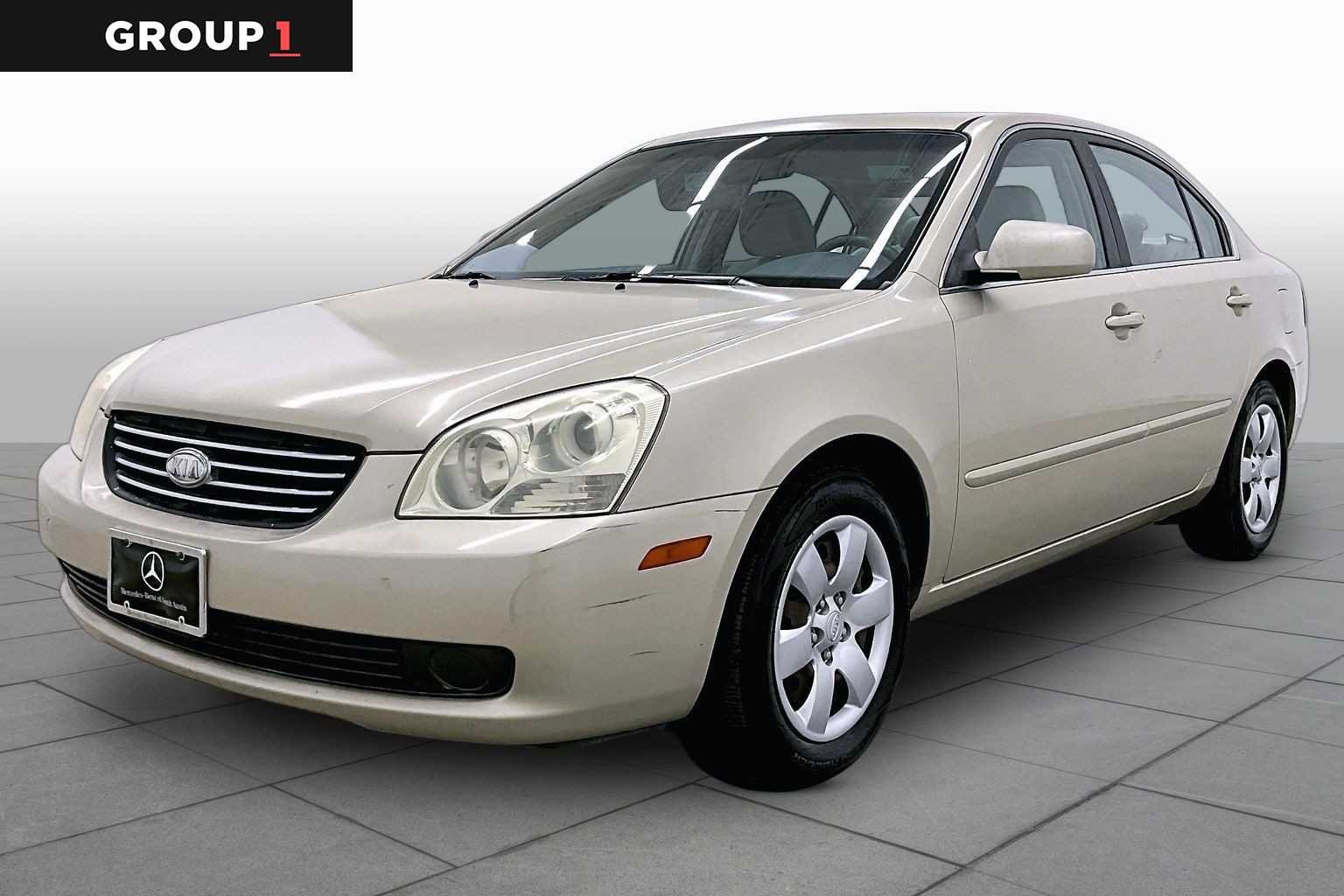
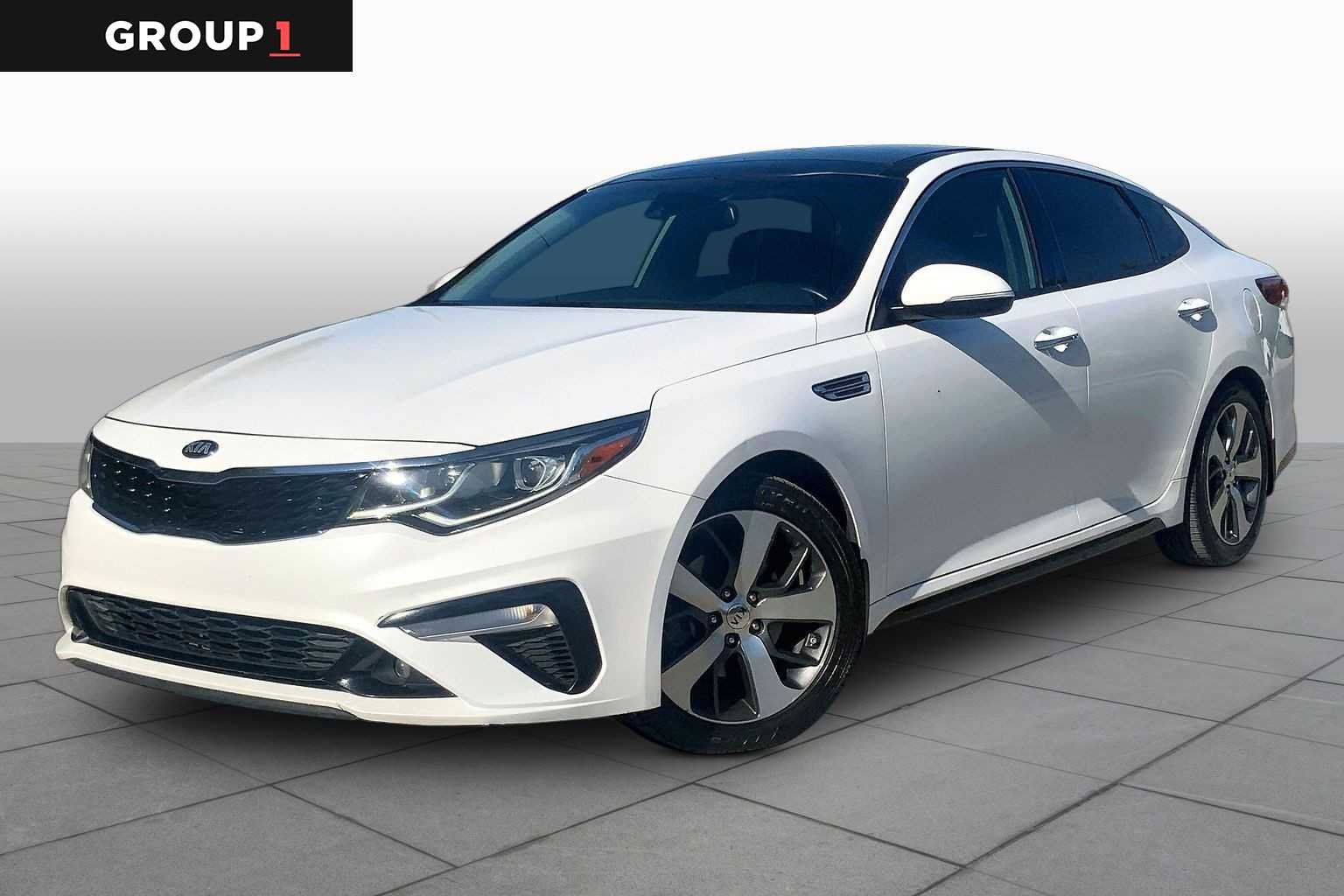
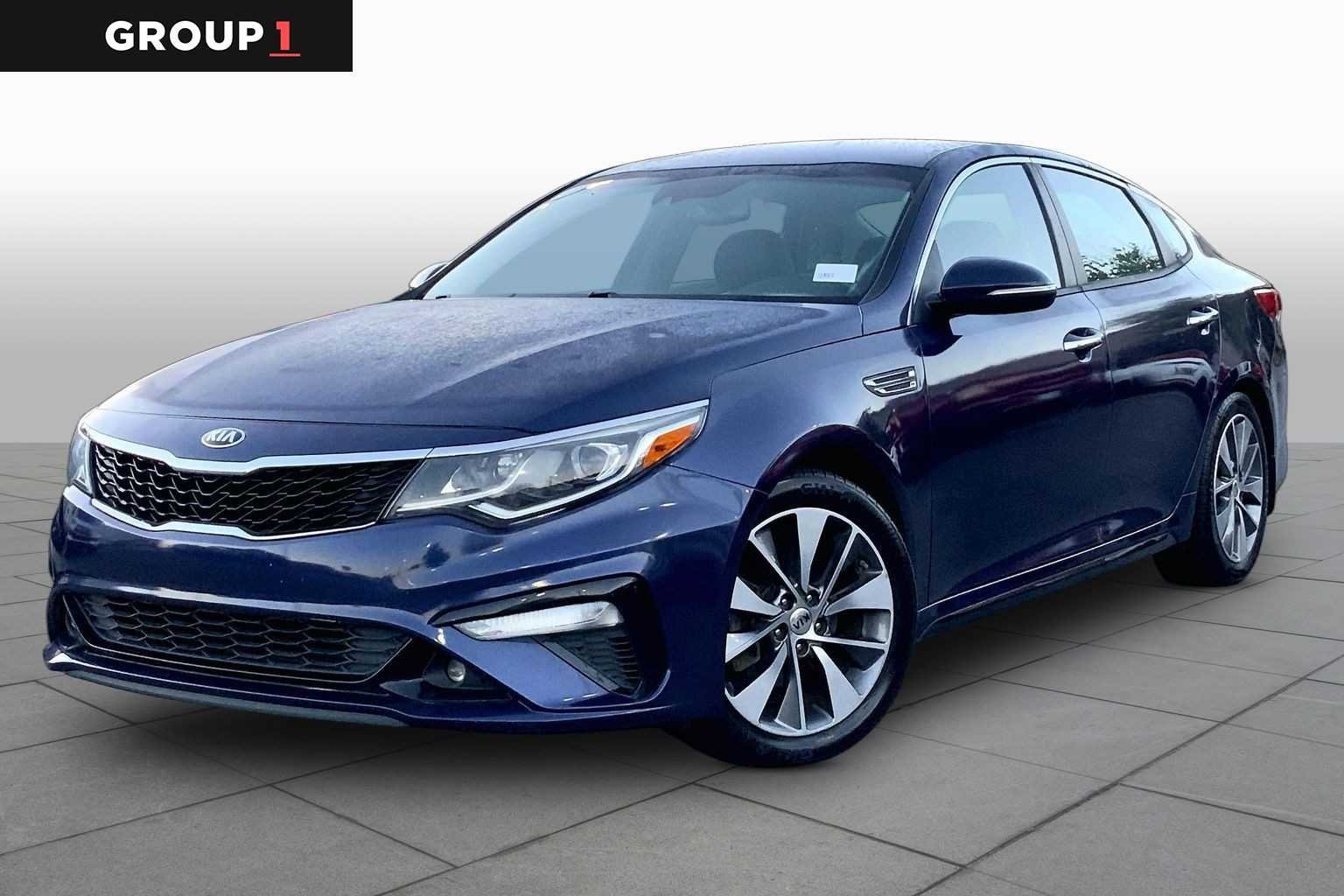
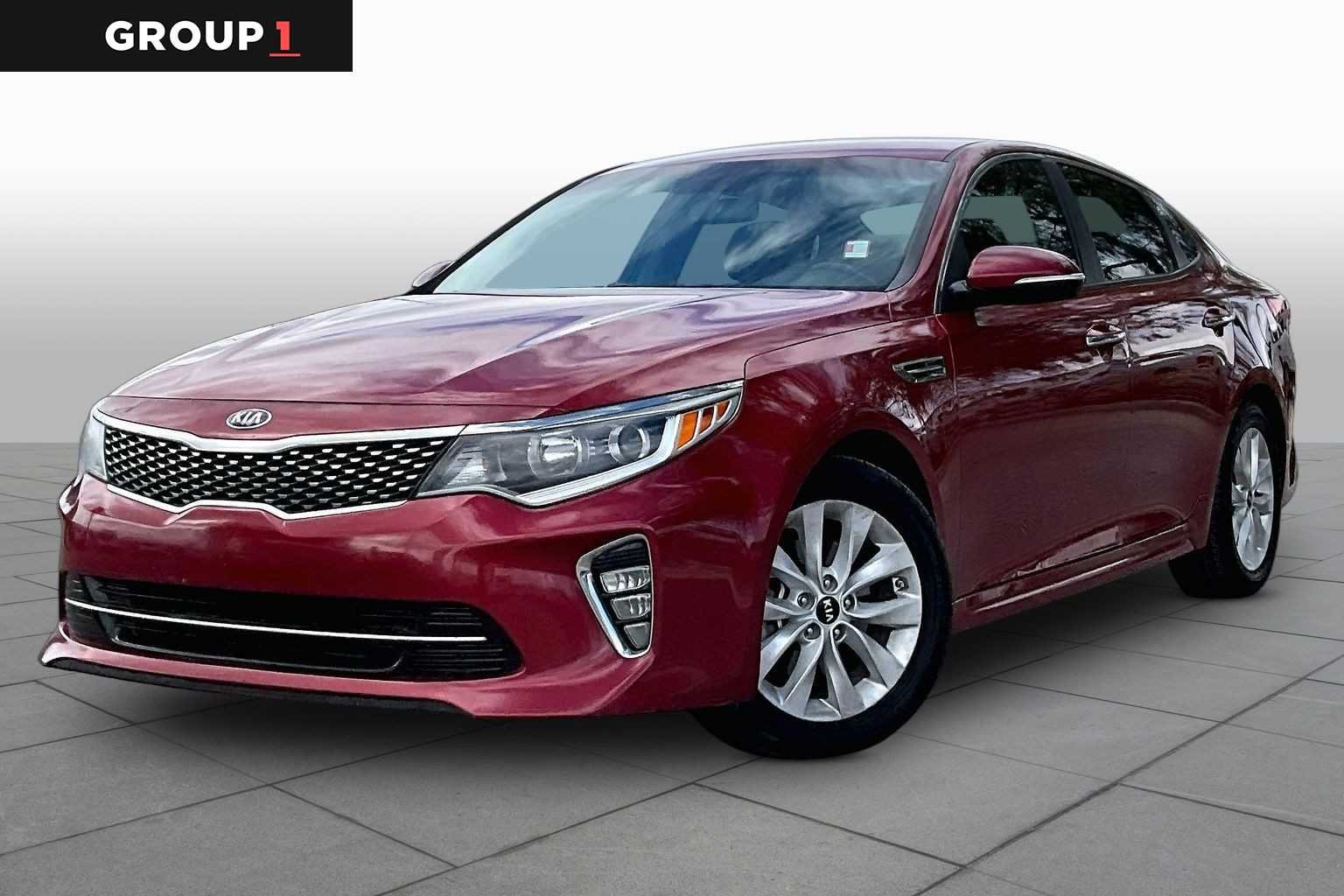
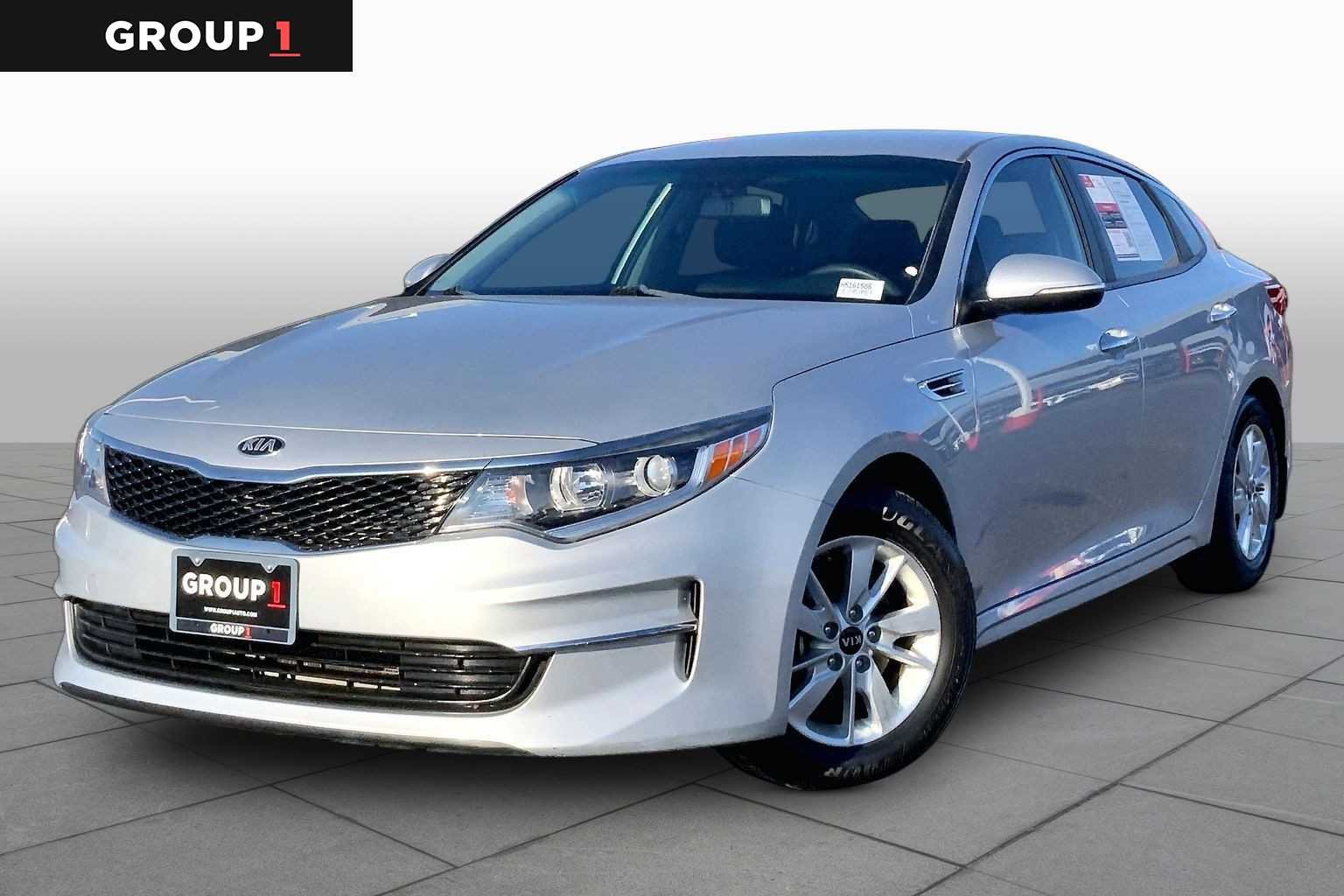
gasoline, automatic, 144K km, sedan, Front Wheels Drive, 2,400 cm3, 185 hp, blue, Used condition, USA, In stock

HendrickCars.com
 Buford, United States
 Buford, United States
 Austin, United StatesShawnee, United States
 Ontario, United States
 Columbia, United StatesRivertown, United StatesFord, United StatesHub, United States
 Nashville, United States
 United States
 United States
 United States
 United States
 United States
 United States
 United States
 Grove West, United StatesSugar Land, United StatesIra, United States
 San Jose, United States
 Bowie, United StatesEast Las Vegas, United States
 Netherlands
 Dąbrowa, Poland
 Estonia, Harjumaa
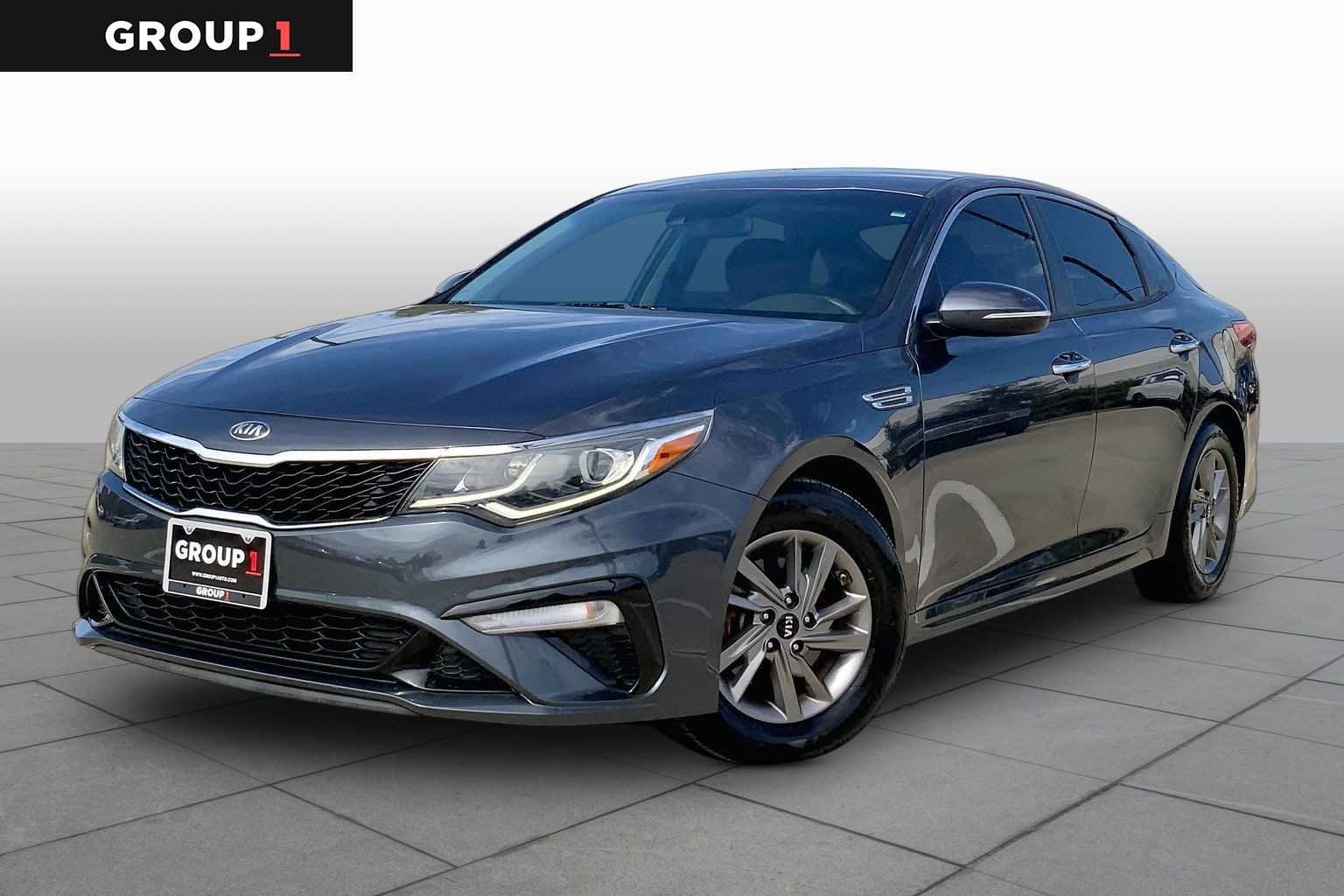
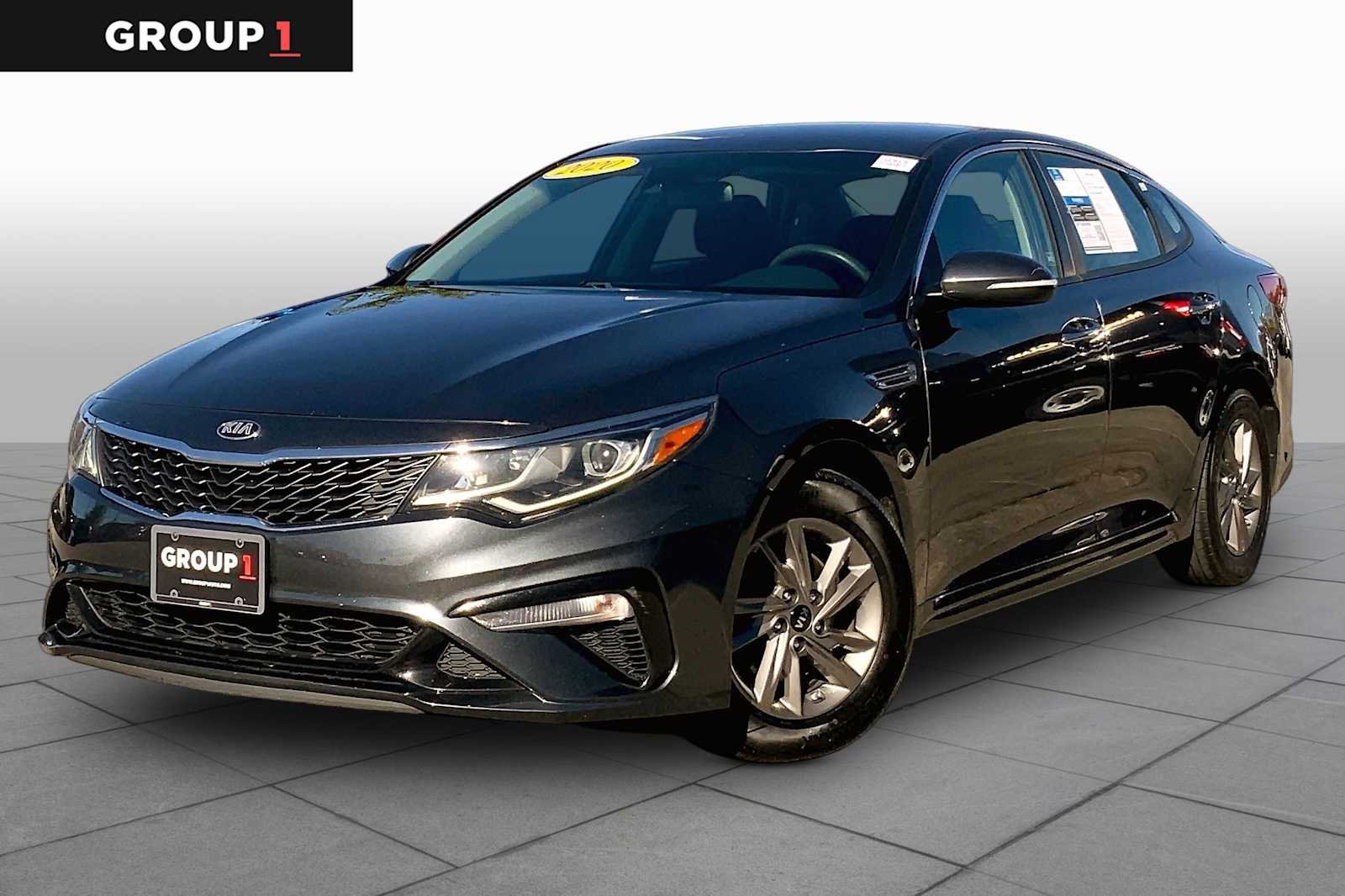
Kia Optima is a stalwart choice for buyers who want a balanced sedan with solid reliability, comfortable ride, and strong value. Whether you are shopping in big cities or smaller towns, the Optima offers a compelling mix of design, efficiency, and features across generations. In this guide, we’ll walk through what to look for when buying or selling a used Kia Optima, including model generations, engine choices, body styles, typical mileage, price ranges, and practical pros and cons.
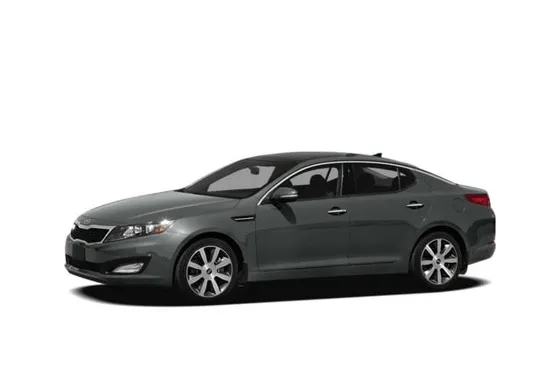
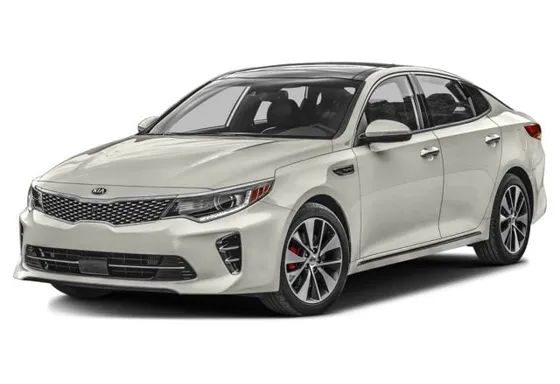
The Optima has evolved through several generations, each bringing refinements to design, technology, and safety. Common body styles include four-door sedans with roomy interiors and trunk space suitable for daily commuting and family trips. Engines vary from efficient four-cylinders to more powerful options in higher trims, with fuel types predominantly gasoline.
When evaluating a specific Optima, note the generation, year, and trim level, as these influence maintenance costs, available features, and resale value. For example, newer generations often offer updated infotainment, driver-assistance tech, and improved fuel economy. Check for model-year specific issues such as transmission behavior, suspension wear, or electronics in older vehicles.
Prices for a Kia Optima vary by year, generation, mileage, and condition, as well as local demand in your city. A well-maintained Optima with moderate mileage could fall within a balanced price segment for used sedans in many markets. When comparing offers, consider not only the sticker price but also remaining warranty, maintenance costs, and potential depreciation.
If you’re selling, highlight recent maintenance, clean records, and any recent upgrades. For buyers, look for vehicle history reports, verified service entries, and a test drive that focuses on shifting, braking, and steering responsiveness. The Optima’s value comes from its all-around package: comfortable seating, adequate trunk space, decent fuel economy, and dependable reliability across many years of production.
In any market, the Kia Optima remains a sensible choice for buyers seeking a dependable sedan with a comfortable ride and sound value. By focusing on mileage, maintenance history, and the specific generation, you’ll be well-positioned to buy or sell an Optima that matches your needs.
 Add as preferred sourceSee more from zvelta in Google Search Add as preferred source