 EN
EN

Frequently asked questions
Ford lists 325 hp and 400 lb-ft of torque, with peak torque at 2,250 rpm. Its maximum published towing capacity is 8,400 pounds with rear-wheel drive, a Regular Cab, a 6.5-foot bed, and the proper equipment; Ford also lists 8,200 pounds with four-wheel drive.
No. The 10,000-pound figure is the limit for using BlueCruise with a trailer, not a new towing capacity. The truck’s lower published towing limit applies, so an F-150 rated for 8,400 pounds cannot tow 10,000 pounds because of the software.
Ford says it operates only on approved Blue Zone sections of divided highways, with the driver watching the road and ready to take control. A separate trailer profile is required, automatic lane changes with a trailer are unavailable, operation is limited to 75 mph and may be restricted further, and an active subscription or trial is required.
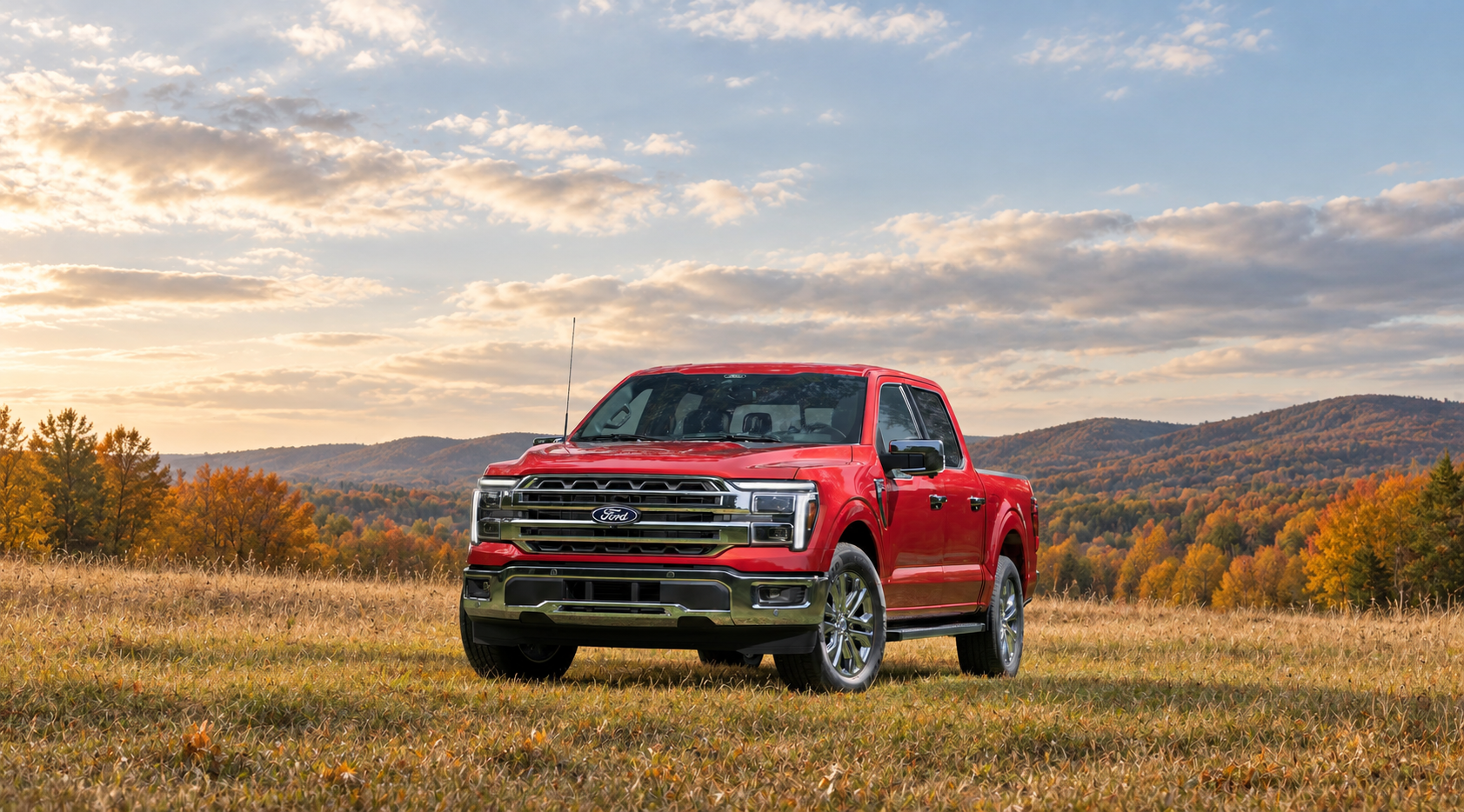
On September 15, 2026, Ford unveiled updates for the next model year of the F-150. Instead of the 2.7-liter turbocharged base V6, the pickup now gets a 3.0-liter EcoBoost. Ford has also introduced BlueCruise with Towing, which allows drivers to travel hands-free with a trailer on eligible highways. These changes serve different purposes. The new engine changes the way the truck delivers torque, while BlueCruise provides assistance on part of a route; neither feature overrides the limits of a specific pickup and trailer.
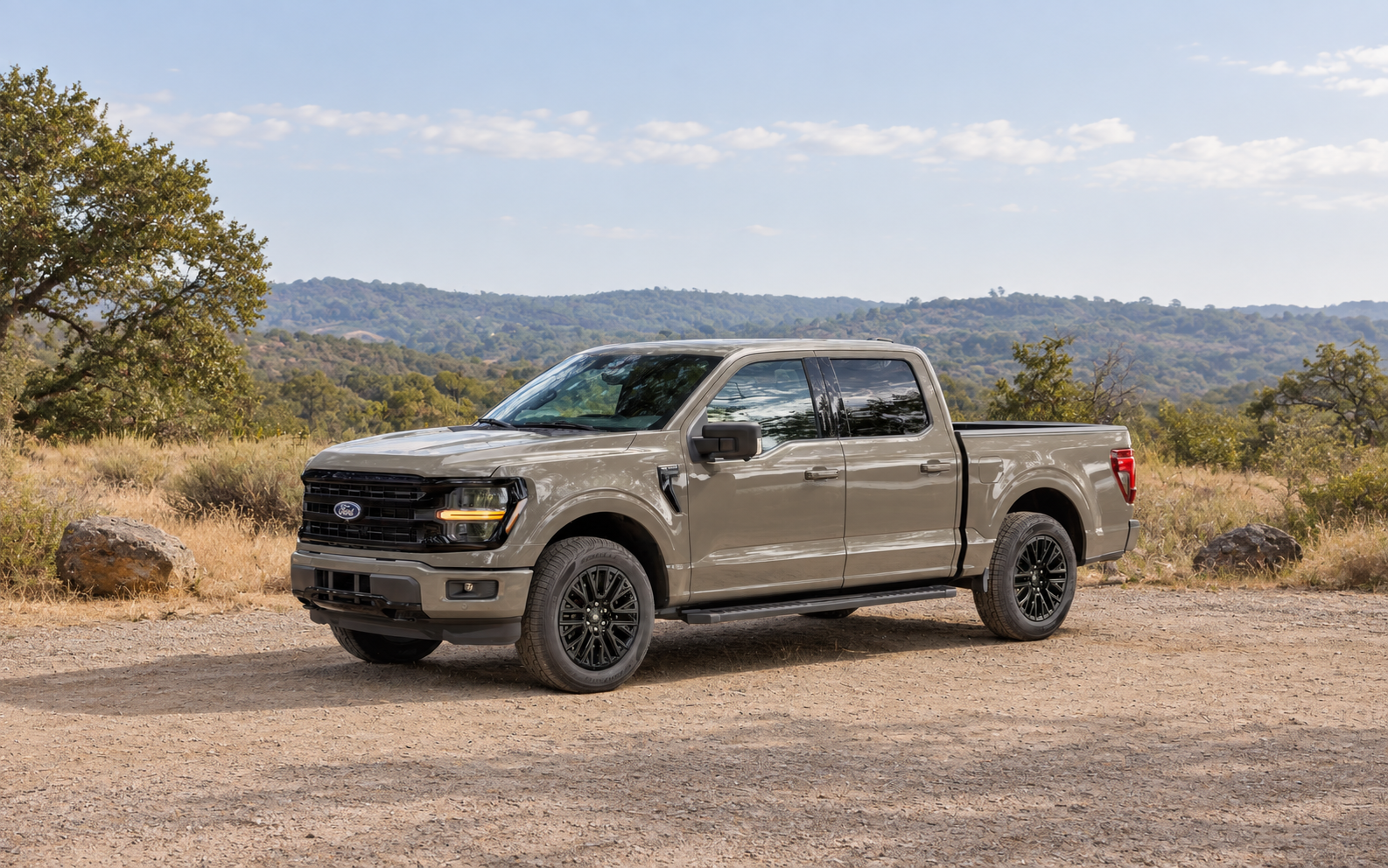
What the switch to a 3.0-liter V6 changes
According to Ford's September 15 announcement, the new 3.0-liter EcoBoost replaces the former 2.7-liter V6 while retaining the same peak figures: 325 hp and 400 lb-ft of torque (about 542 Nm). That means the update cannot be judged by peak horsepower alone. Ford says the engine delivers approximately 10–11% more torque across the rev range used in everyday driving.
In the 2027 F-150 technical specifications, the new engine's peak torque of 400 lb-ft is listed at 2,250 rpm. This explains Ford's approach: torque should be more readily available without requiring high engine speeds, including when accelerating with a load. The stated 10–11% figure is the manufacturer's estimate for a specific operating range, not the result of an independent fuel-economy test or a trailer acceleration test.
How much the F-150 can tow with each engine
The top figures in Ford's specifications apply to different cab, drivetrain, axle, and towing-package configurations. They cannot be applied to every F-150 equipped with the same engine.
Engine | Power and torque | Maximum towing capacity | Configuration for the stated maximum |
|---|---|---|---|
3.0-liter EcoBoost V6 | 325 hp; 400 lb-ft | 8,400 pounds (about 3.81 metric tons) | Rear-wheel drive, Regular Cab, 6.5-foot bed, when properly equipped |
5.0-liter V8 | 400 hp; 410 lb-ft | 12,800 pounds (about 5.81 metric tons) | SuperCrew with the required towing equipment and axle; available with both 4×2 and 4×4 |
3.5-liter EcoBoost V6 | 400 hp; 500 lb-ft | 13,500 pounds (about 6.12 metric tons) | Four-wheel drive, SuperCrew, Tow/Haul package, and optional Max Tow axle |
For the base V6, Ford also lists a maximum of 8,200 pounds with four-wheel drive. The 8,400-pound figure applies to a specific rear-wheel-drive Regular Cab configuration; it does not mean that this particular truck is equipped with BlueCruise. The permitted trailer weight must be checked for the selected configuration and its actual payload.
Two limits that are easy to confuse
10,000 pounds is the limit for using BlueCruise with a trailer, not a new F-150 towing capacity. If the pickup itself is rated for less, its lower limit applies. Therefore, the base V6 with a published maximum of 8,400 pounds does not gain permission to tow 10,000 pounds through the software. Conversely, an F-150 rated to tow 13,500 pounds cannot use BlueCruise with Towing with a trailer that heavy.
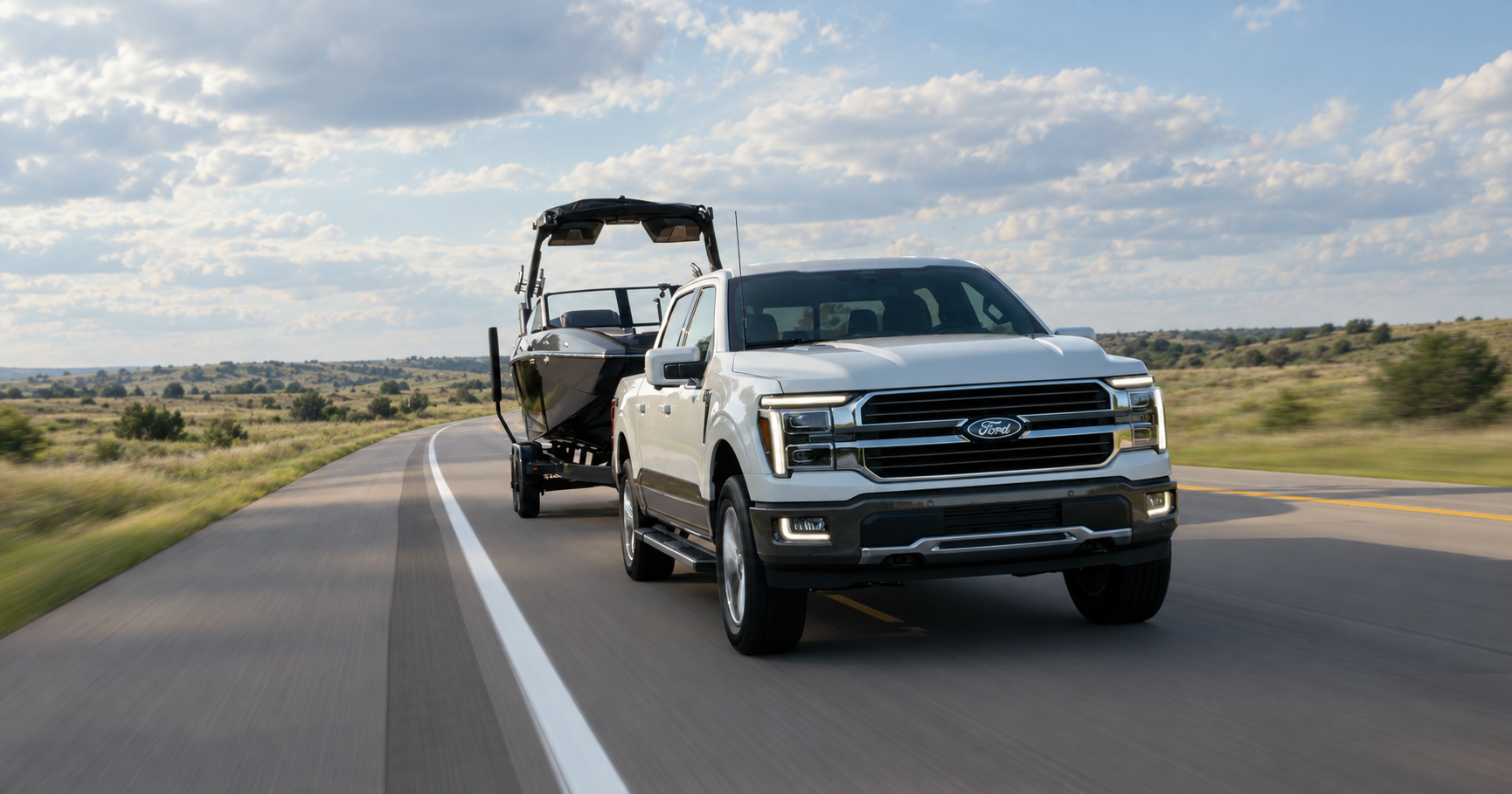
How BlueCruise works with a trailer
Ford is allowing this feature to be used while towing for the first time on the 2027 F-150. According to Ford's description of the BlueCruise with Towing operating conditions, the feature is available on pre-approved sections of divided highways known as Blue Zones. Ford says these roads cover more than 130,000 miles. Within its operating zone, the system controls steering and speed, but the driver must continue watching the road and be ready to take control.
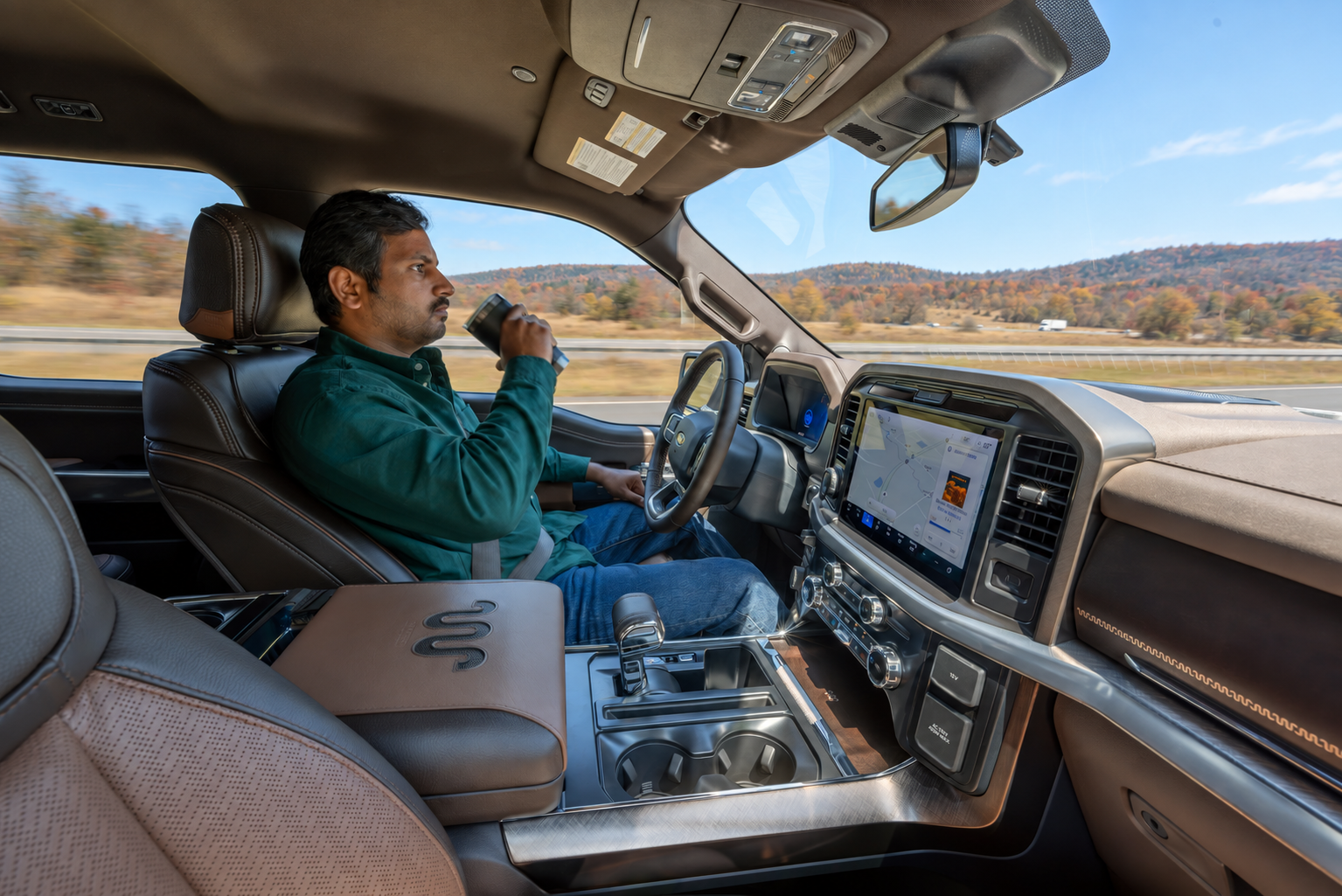
Before setting out, the driver must create a separate trailer profile and enter its dimensions correctly. The maximum for using the feature is 10,000 pounds (about 4.54 metric tons), or the vehicle's lower limit if applicable. To reach the upper limit, Ford requires the Tow/Haul package and optional Max Tow axle. BlueCruise also requires an active subscription or trial period; Ford does not charge owners of suitably equipped 2027 F-150 models an additional fee for the towing mode itself.
While towing, BlueCruise operation is limited to 75 mph (approximately 121 km/h) and may be restricted further. If the trailer begins to sway continuously, the system may slow the vehicle, limit its speed, or require the driver to resume control with hands on the wheel. The mode will not operate if a tire-pressure warning is active or if the system detects that the vehicle-and-trailer combination exceeds its permitted weight. Automatic lane changes with a trailer are unavailable: the driver must perform them. The system will also request manual control when it detects a roadwork zone.
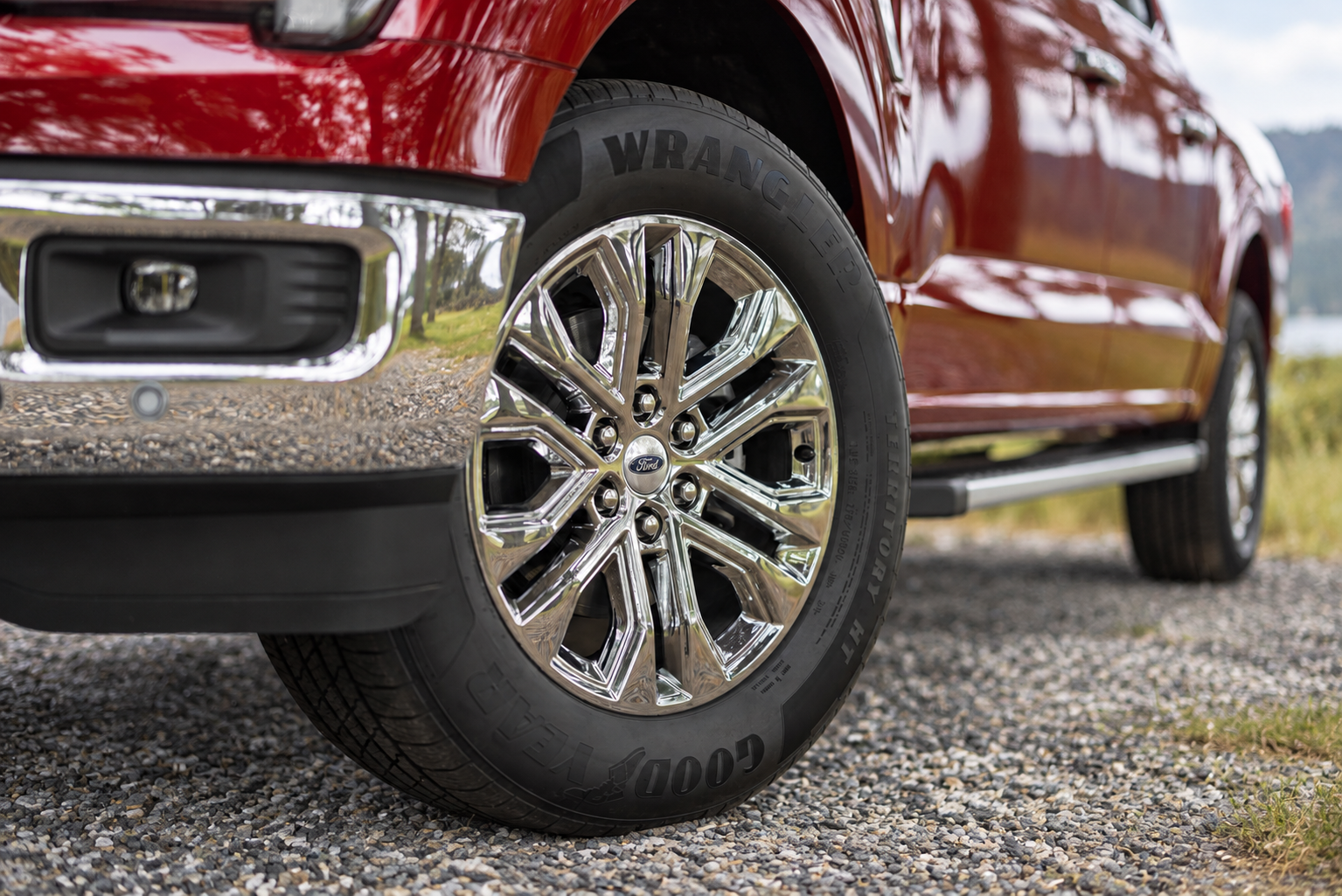
What it looks like on a trip
A driver is towing a trailer to a vacation destination. Before leaving, they check the permitted weight for their F-150, load the trailer within that limit, and create its profile in the system. On ordinary roads, they drive themselves. On a Blue Zone section, they can activate BlueCruise while continuing to watch the road; they take the wheel again for lane changes and roadwork zones. If the route runs outside Blue Zones, having the feature does not change the journey.
What to check before choosing a pickup
The permitted trailer weight for the specific cab, drivetrain, engine, axle, and Tow/Haul package, taking passengers and cargo into account.
Whether BlueCruise is available on the selected configuration and what subscription terms apply in the relevant market.
Whether the trailer's type and weight are suitable for BlueCruise with Towing; the system limit may be lower than the vehicle's towing limit.
Which parts of the regular route are covered by Blue Zones: highway assistance is useful only where the system is permitted to operate.
The new 3.0-liter base V6 retains the previous peak figures of 325 hp and 400 lb-ft, but Ford promises more readily available torque in the engine's normal operating range. BlueCruise with a trailer adds assistance on approved highways, without increasing the vehicle's published towing limit. For buyers, the decisive factors are the specifications of the exact configuration and the routes they actually drive.