EN
ENDEALER
29.347 US$DEALER
29.739 US$
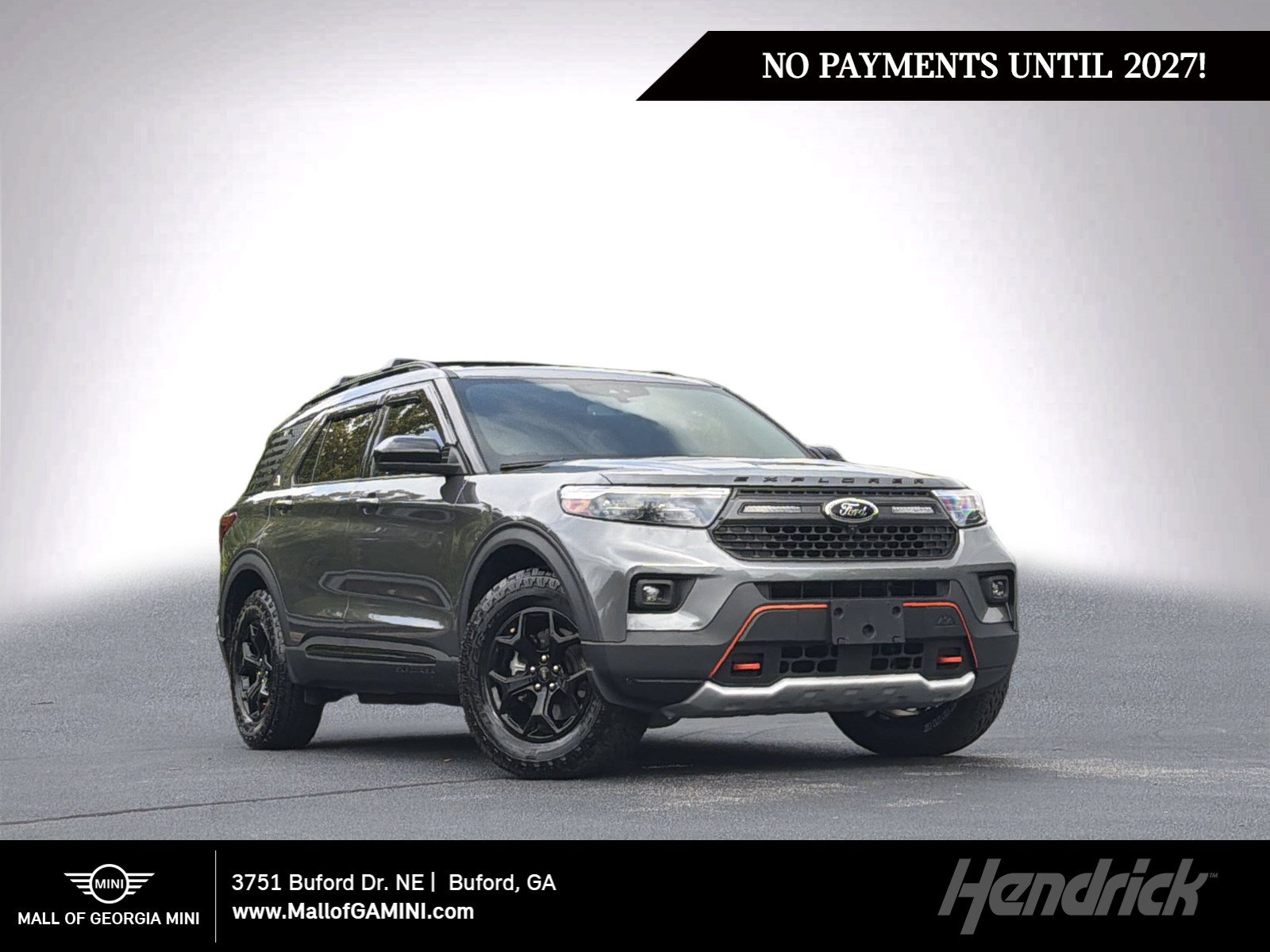
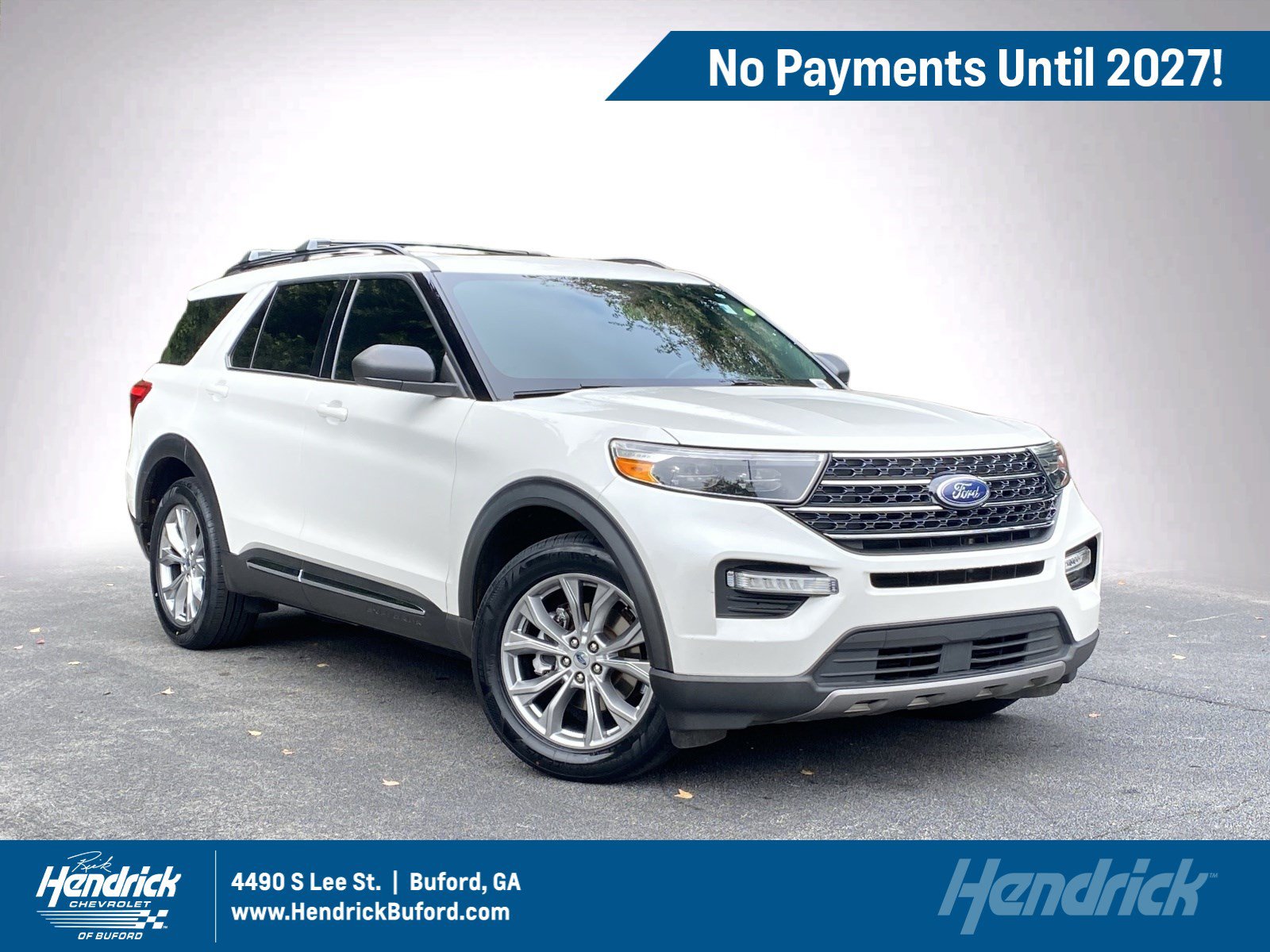
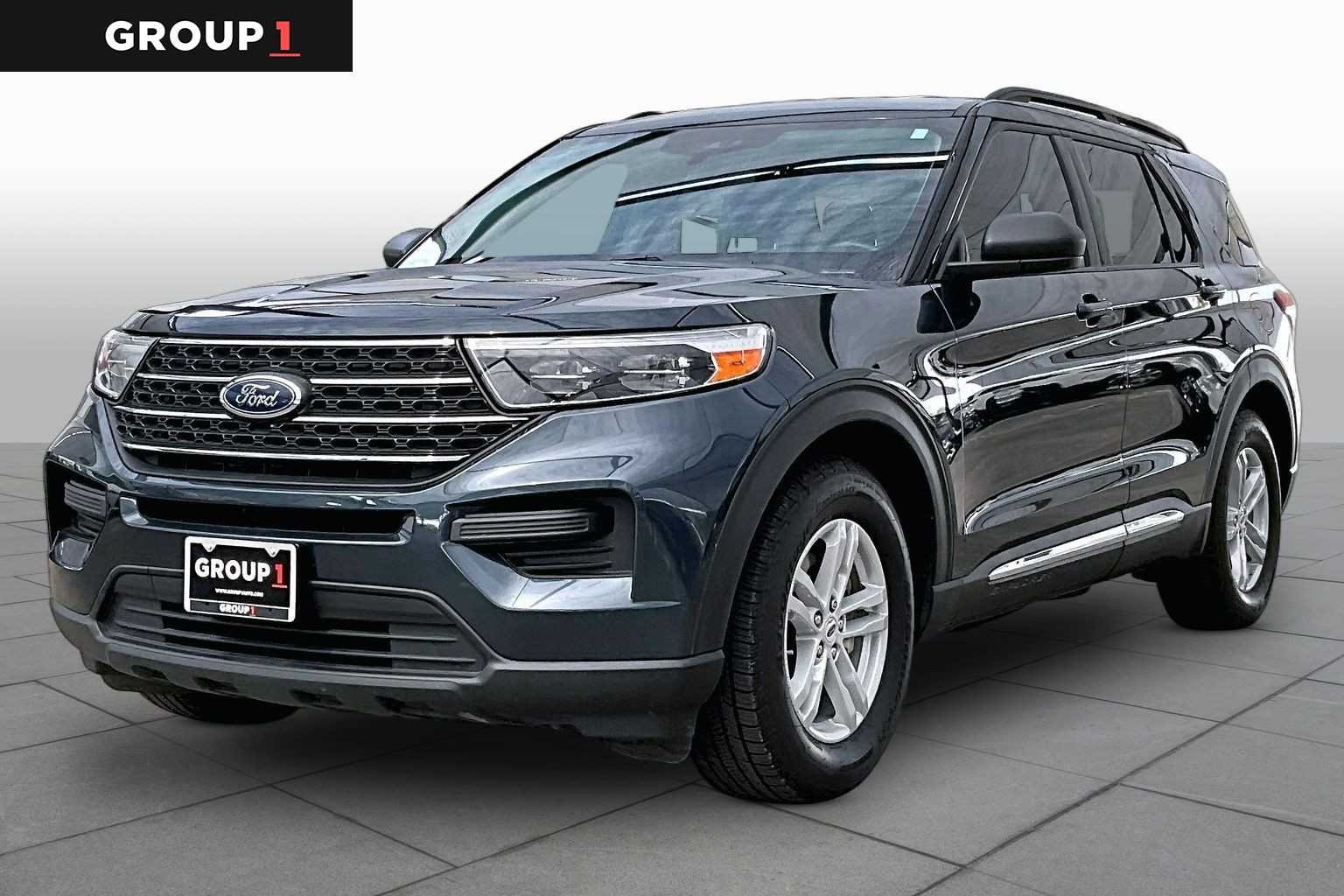
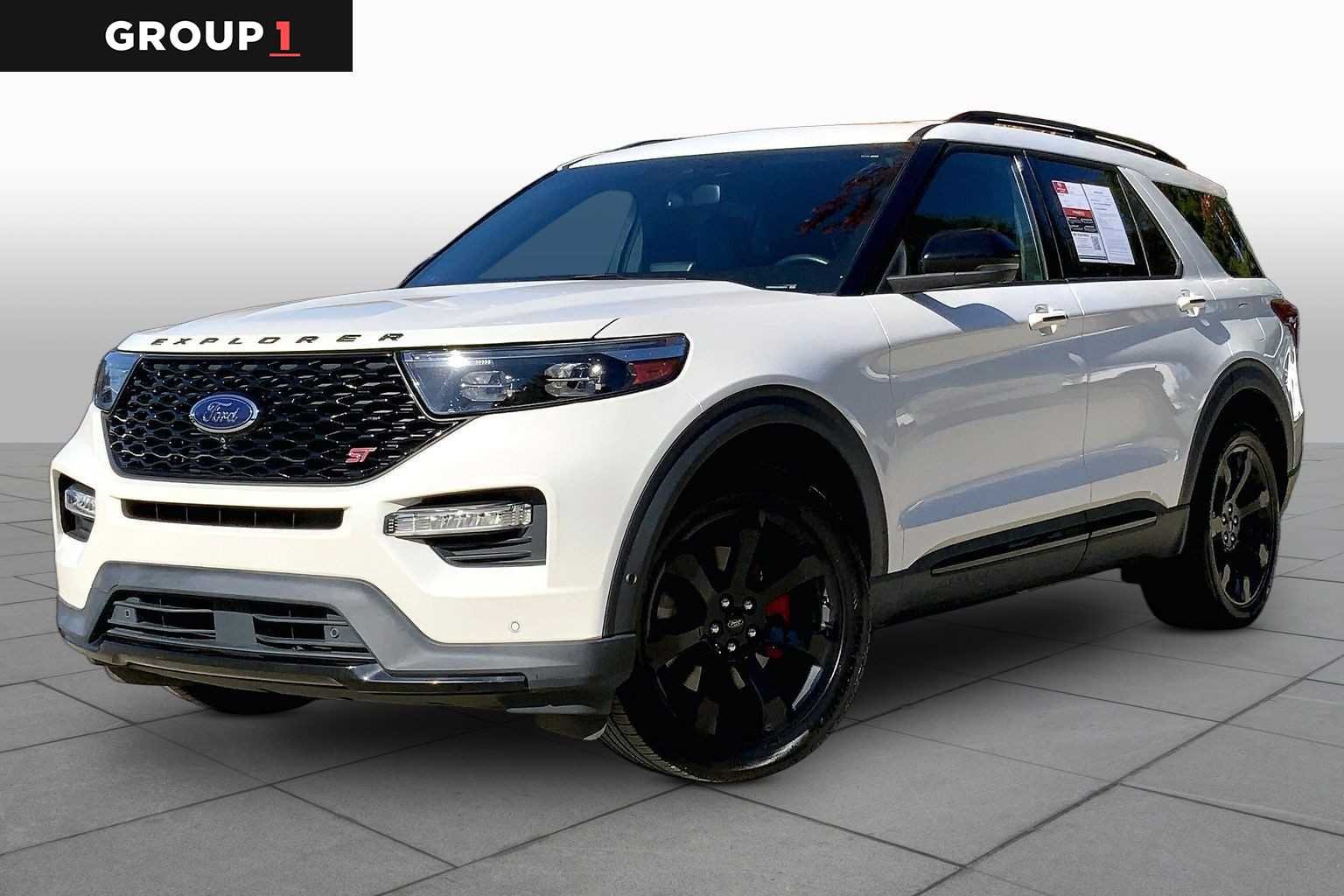
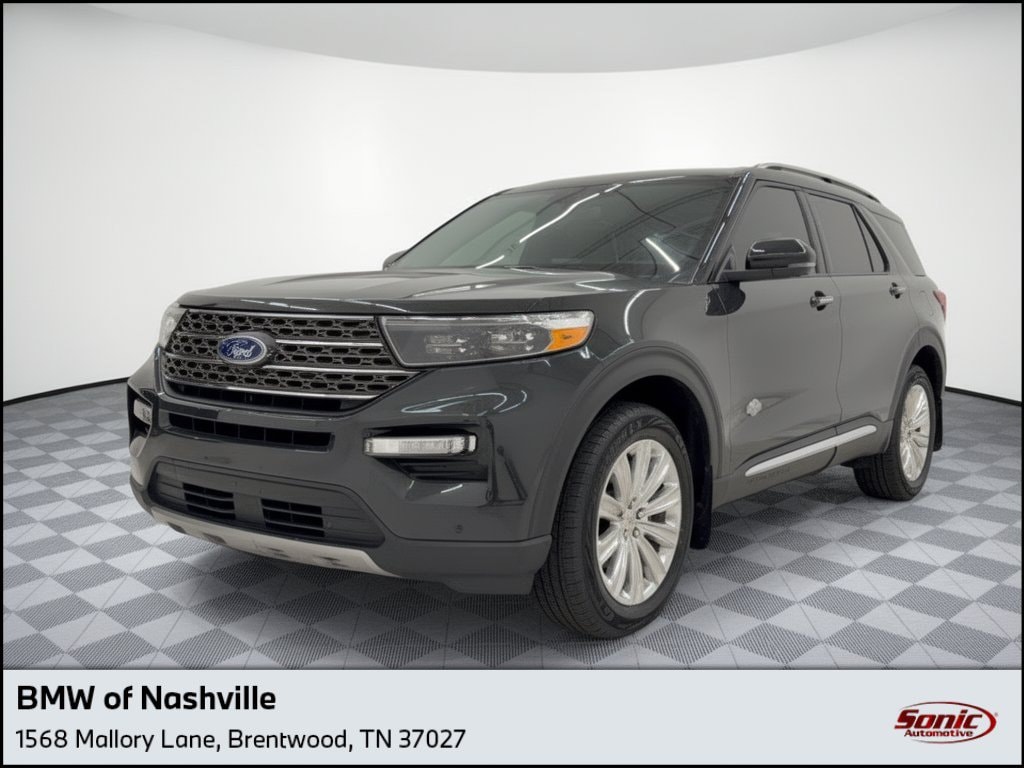
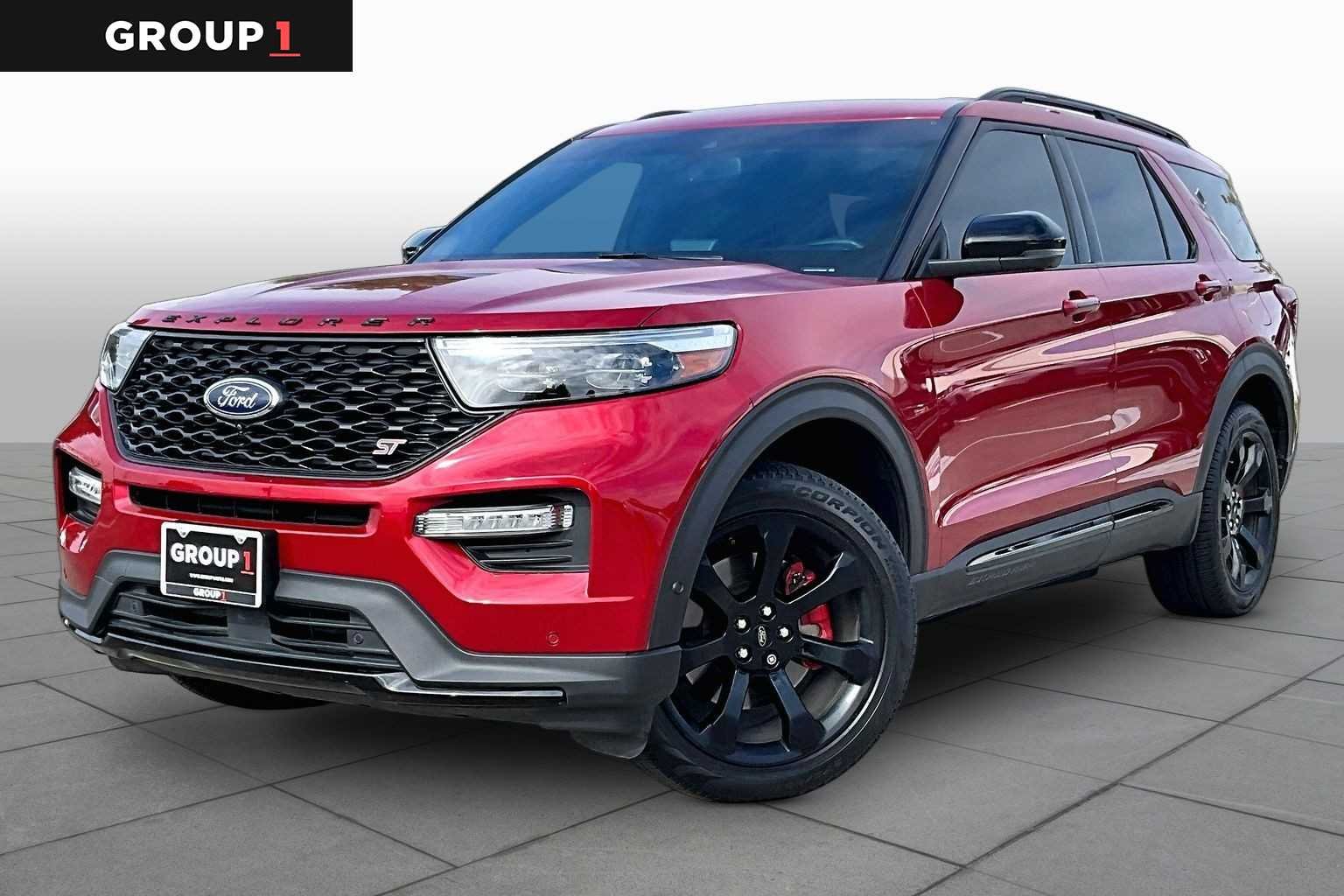
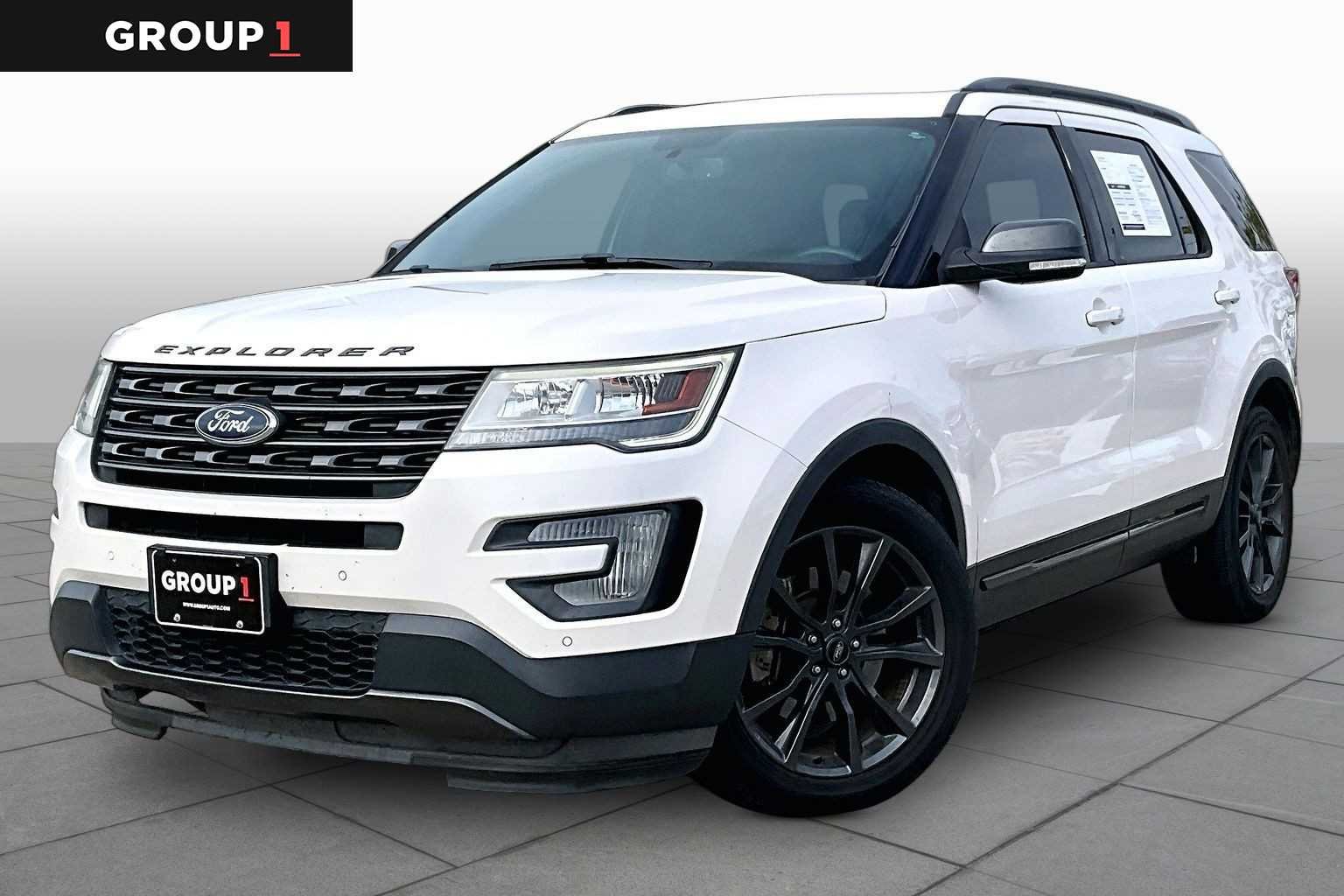
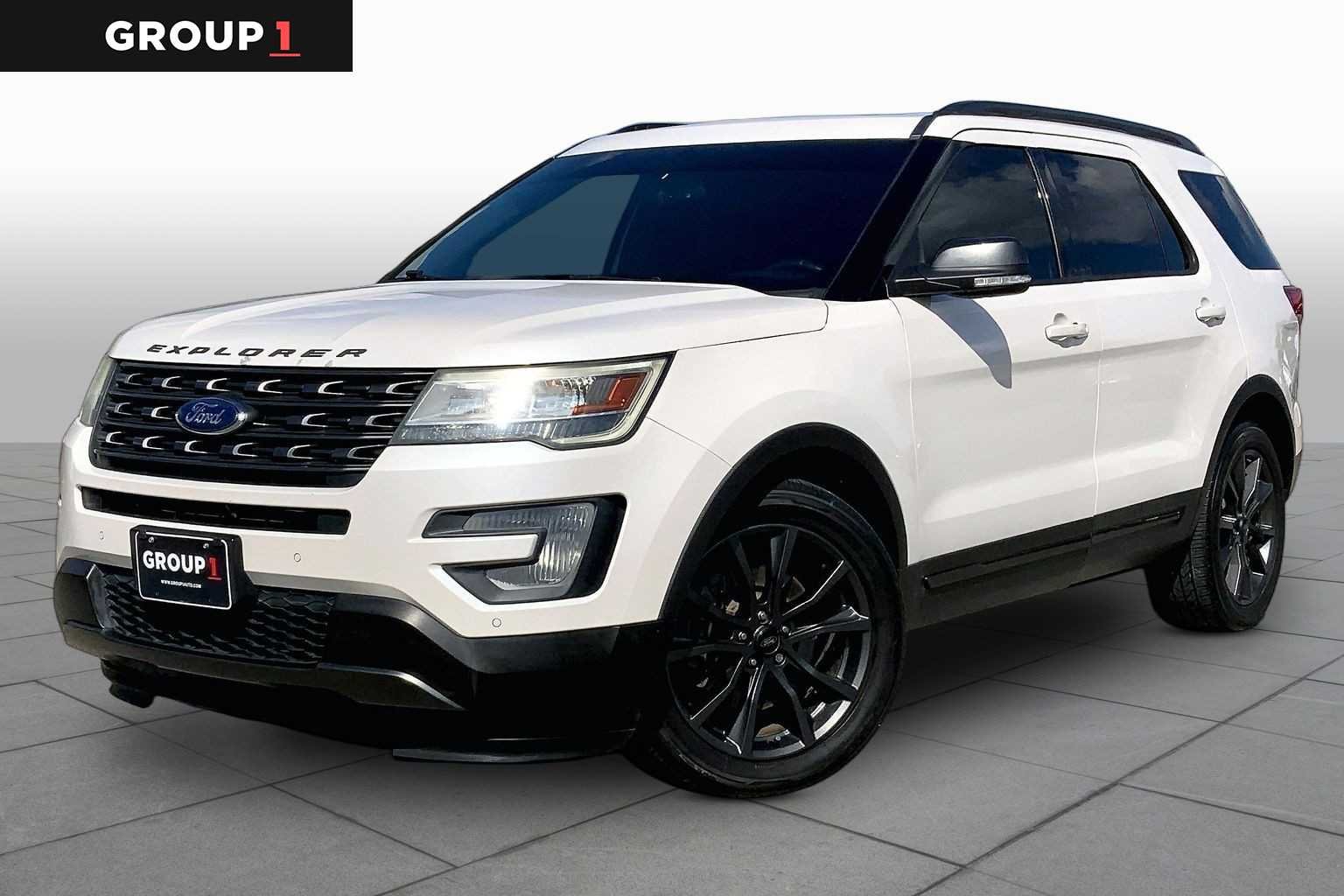
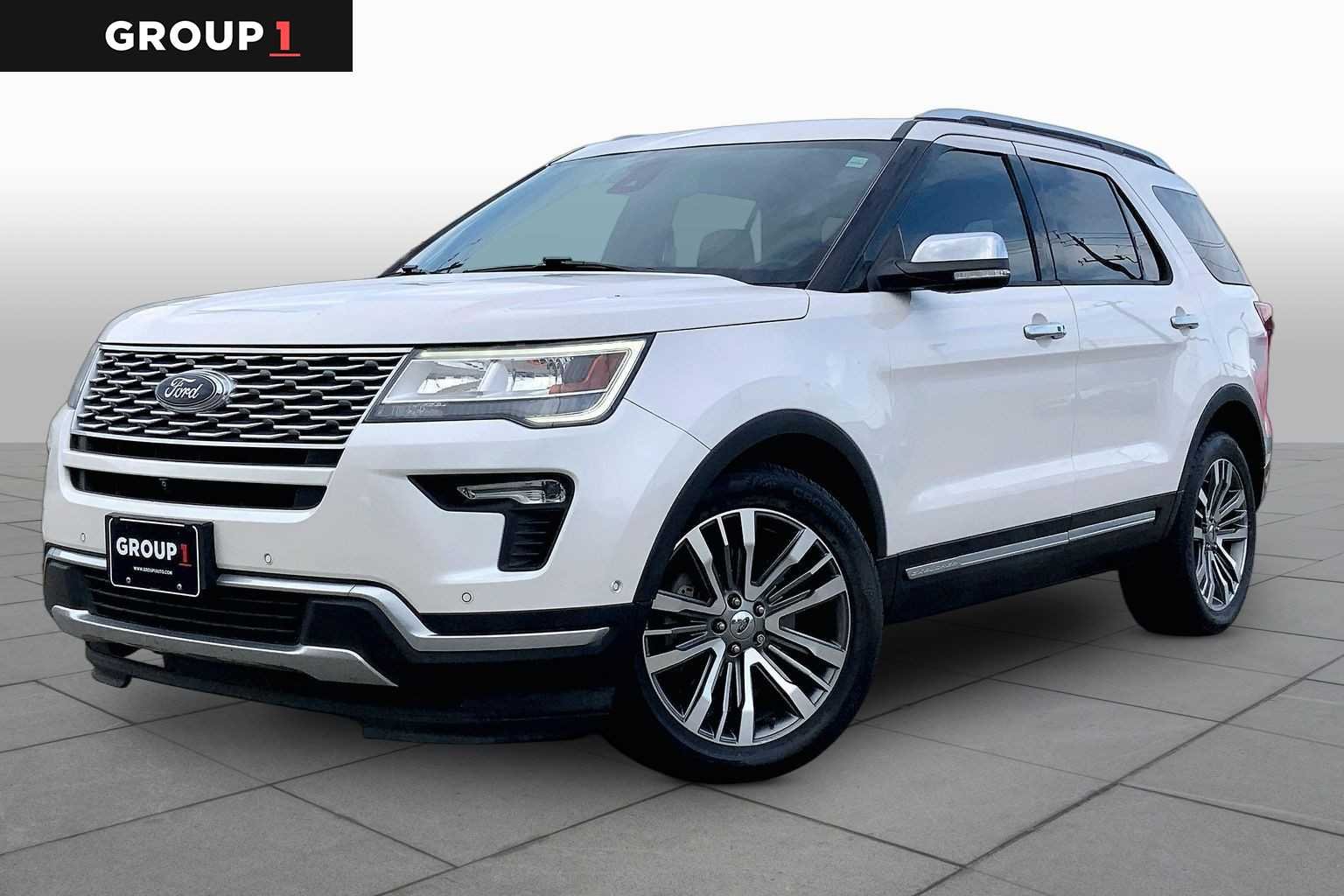
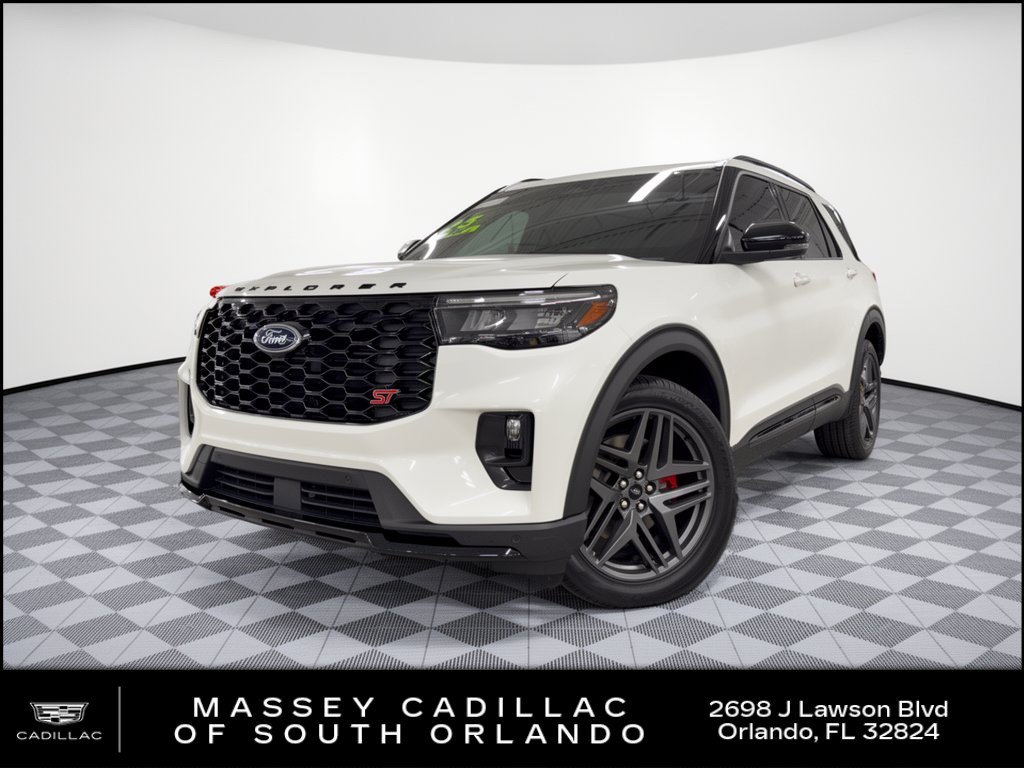
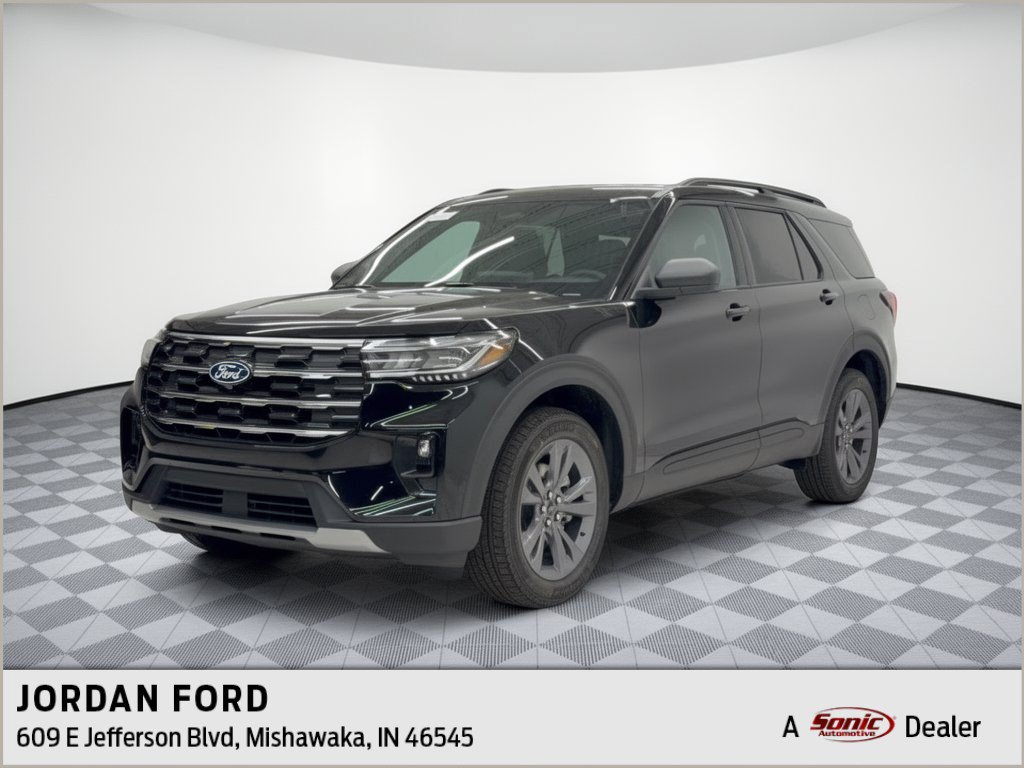
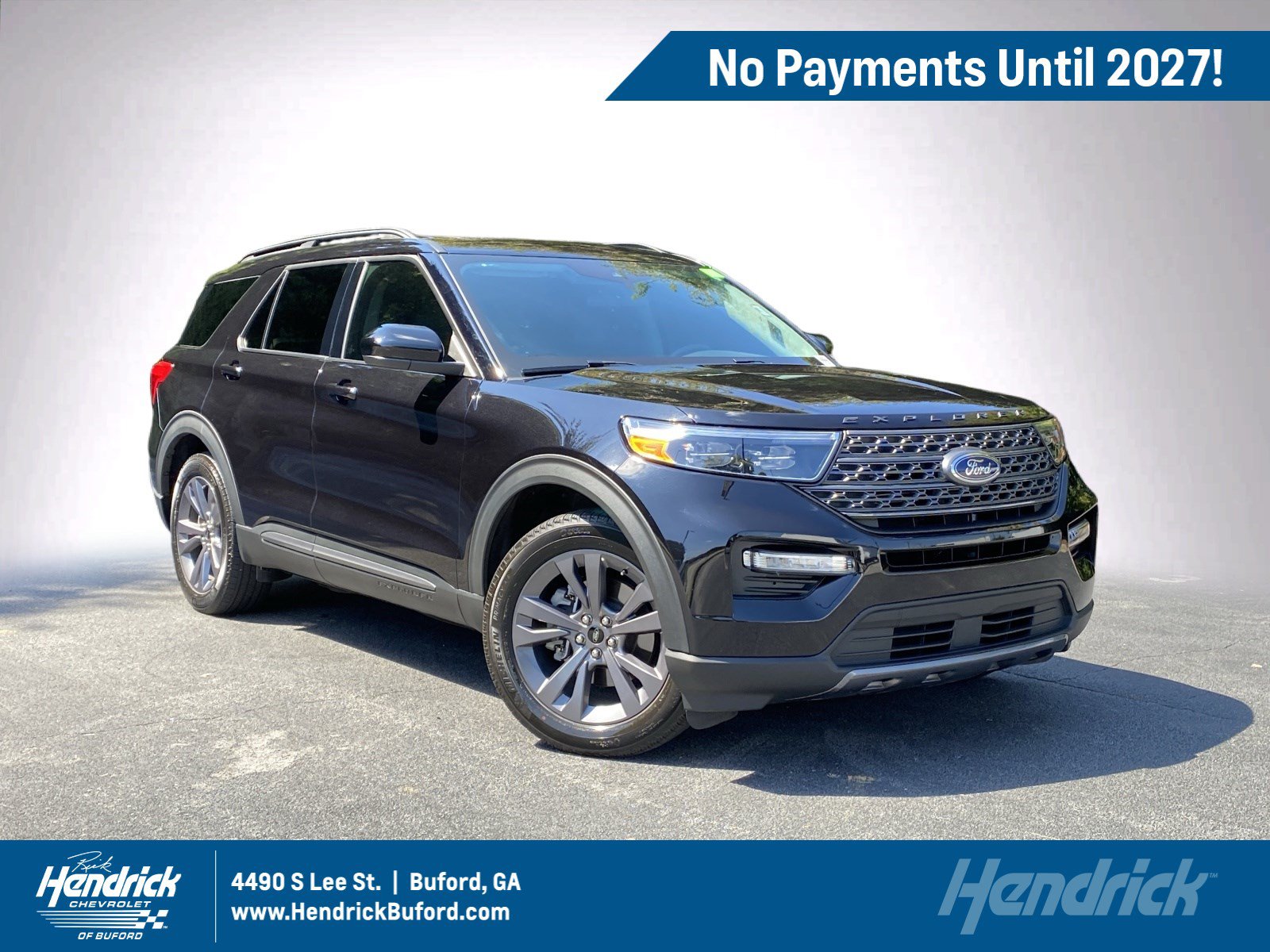
gasoline, automatic, 50K km, SUV, Rear Wheels Drive, 2,300 cm3, 300 hp, black, Used condition, USA, In stock

HendrickCars.com
 Buford, United States
 Buford, United StatesBuford, United StatesBuford, United States
 Georgetown, United StatesRock Hill, United StatesHickory, United StatesBrentwood, United States
 Southwest, United StatesSouthwest, United StatesSouthwest, United StatesSouthwest, United StatesSouthwest, United StatesOrlando, United StatesOrlando, United StatesMishawaka, United StatesMishawaka, United StatesMishawaka, United StatesMishawaka, United StatesMishawaka, United StatesMishawaka, United StatesMishawaka, United StatesMishawaka, United StatesMishawaka, United StatesMishawaka, United StatesMishawaka, United States
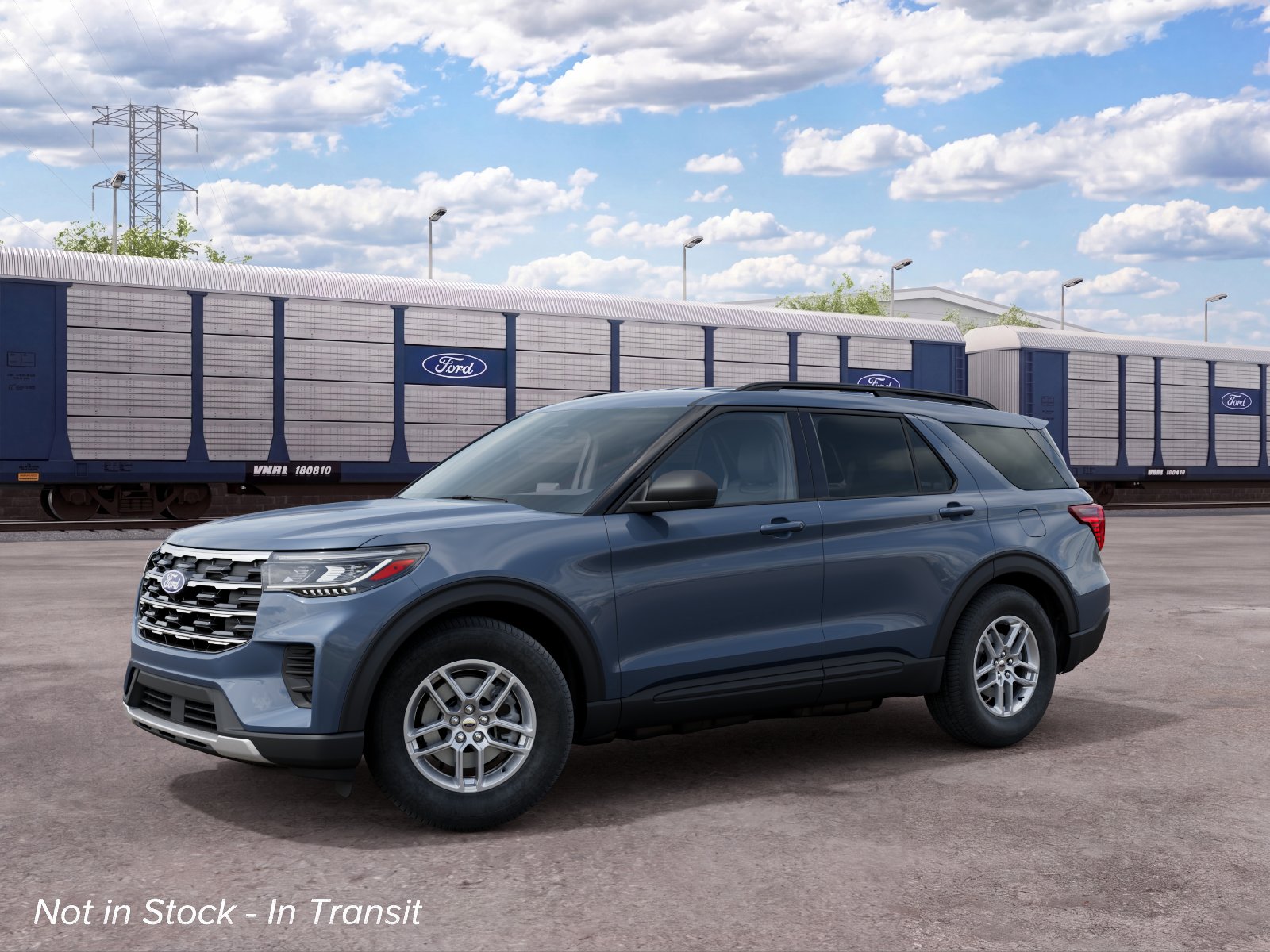
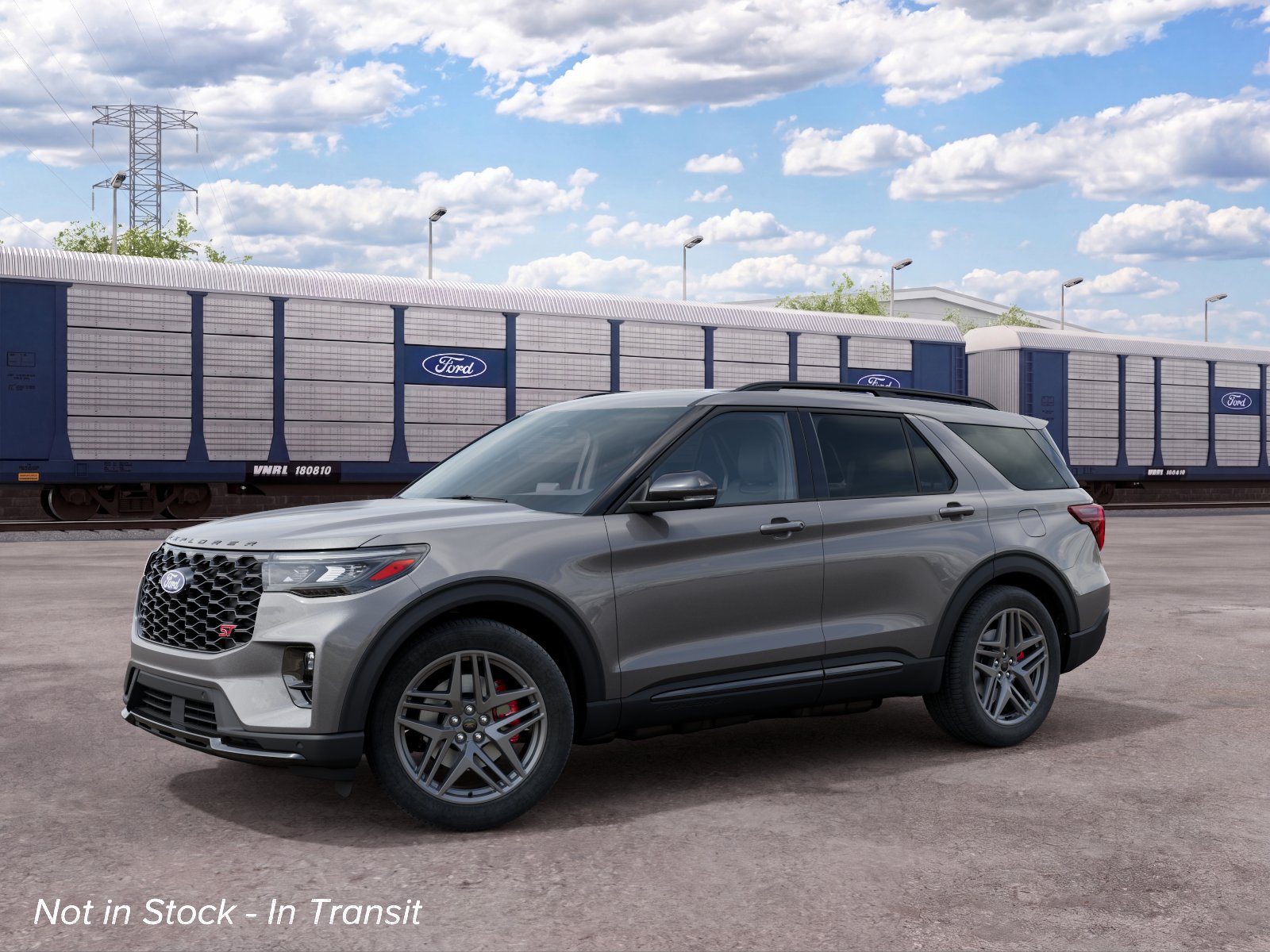
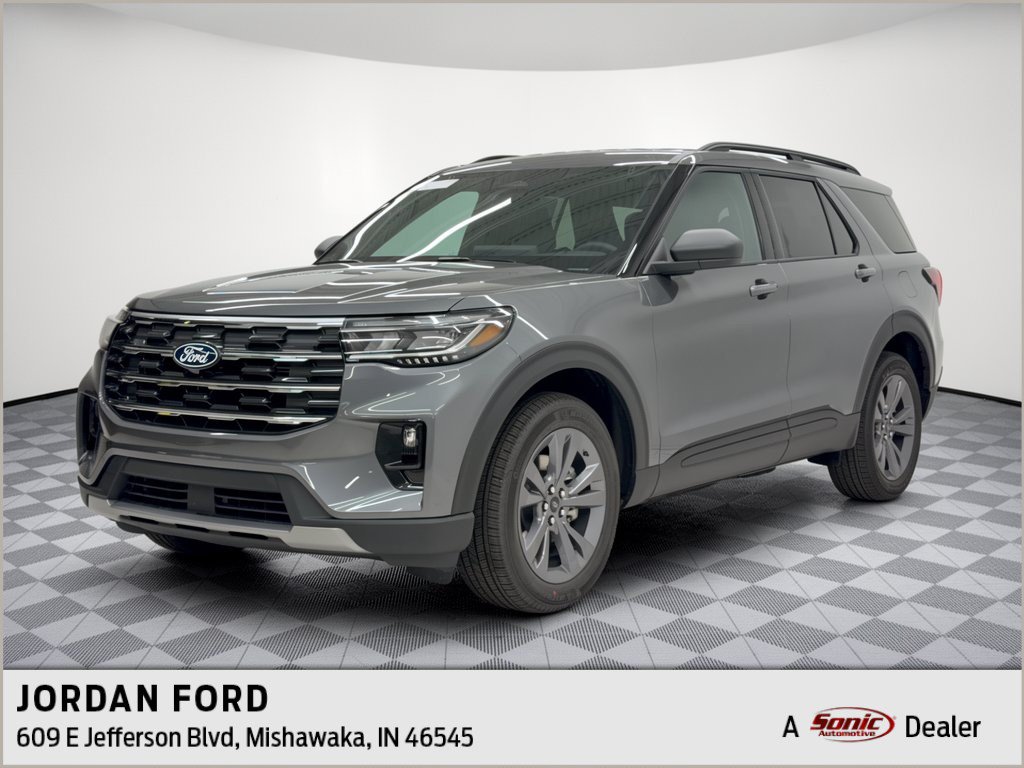
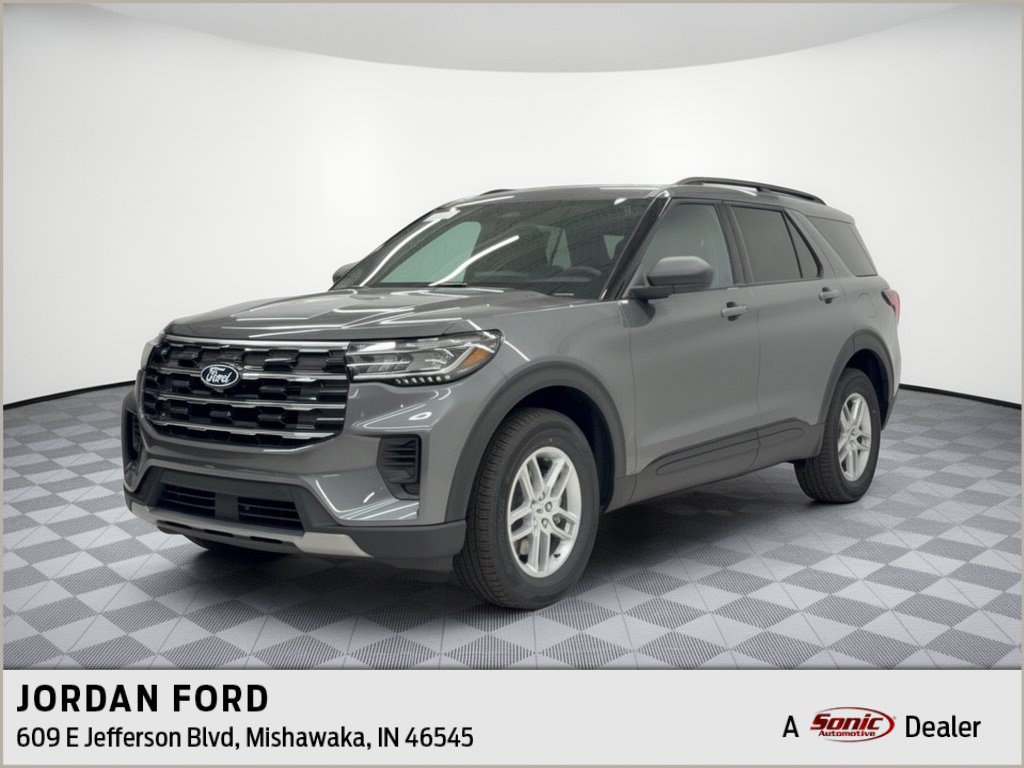
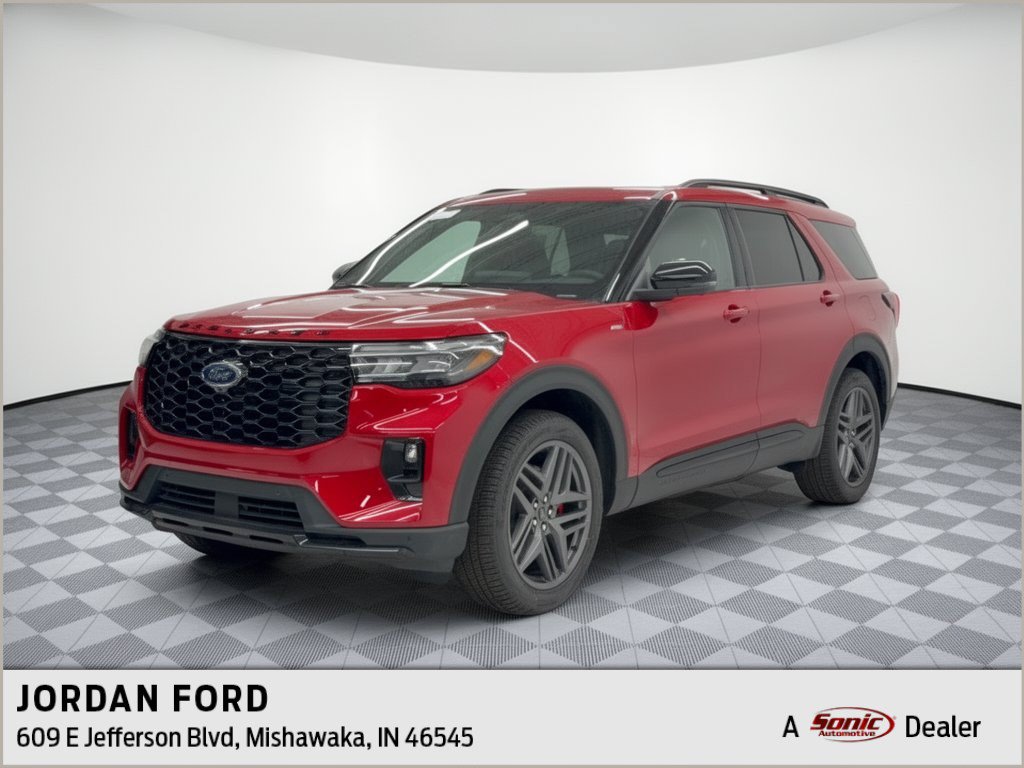
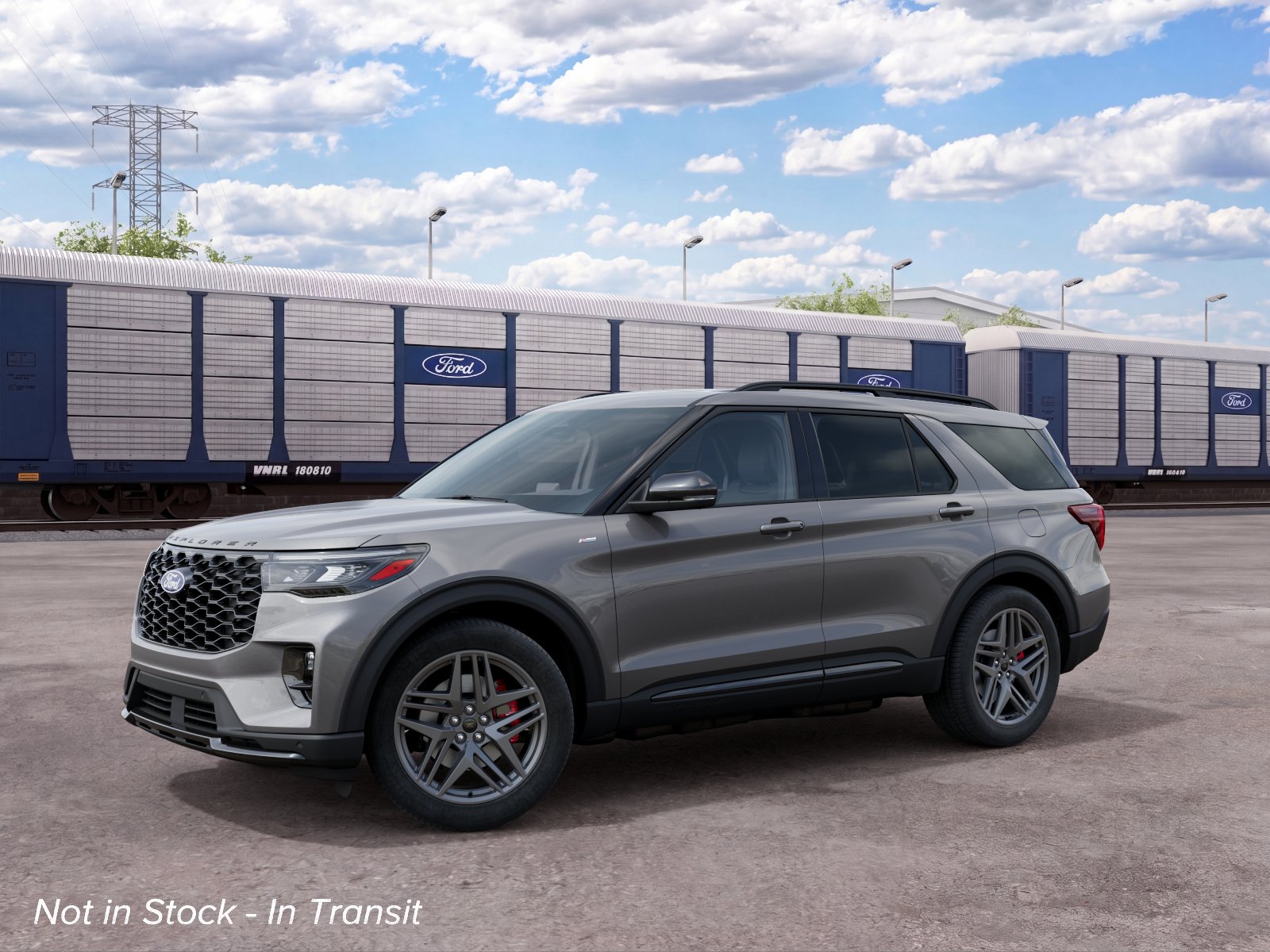
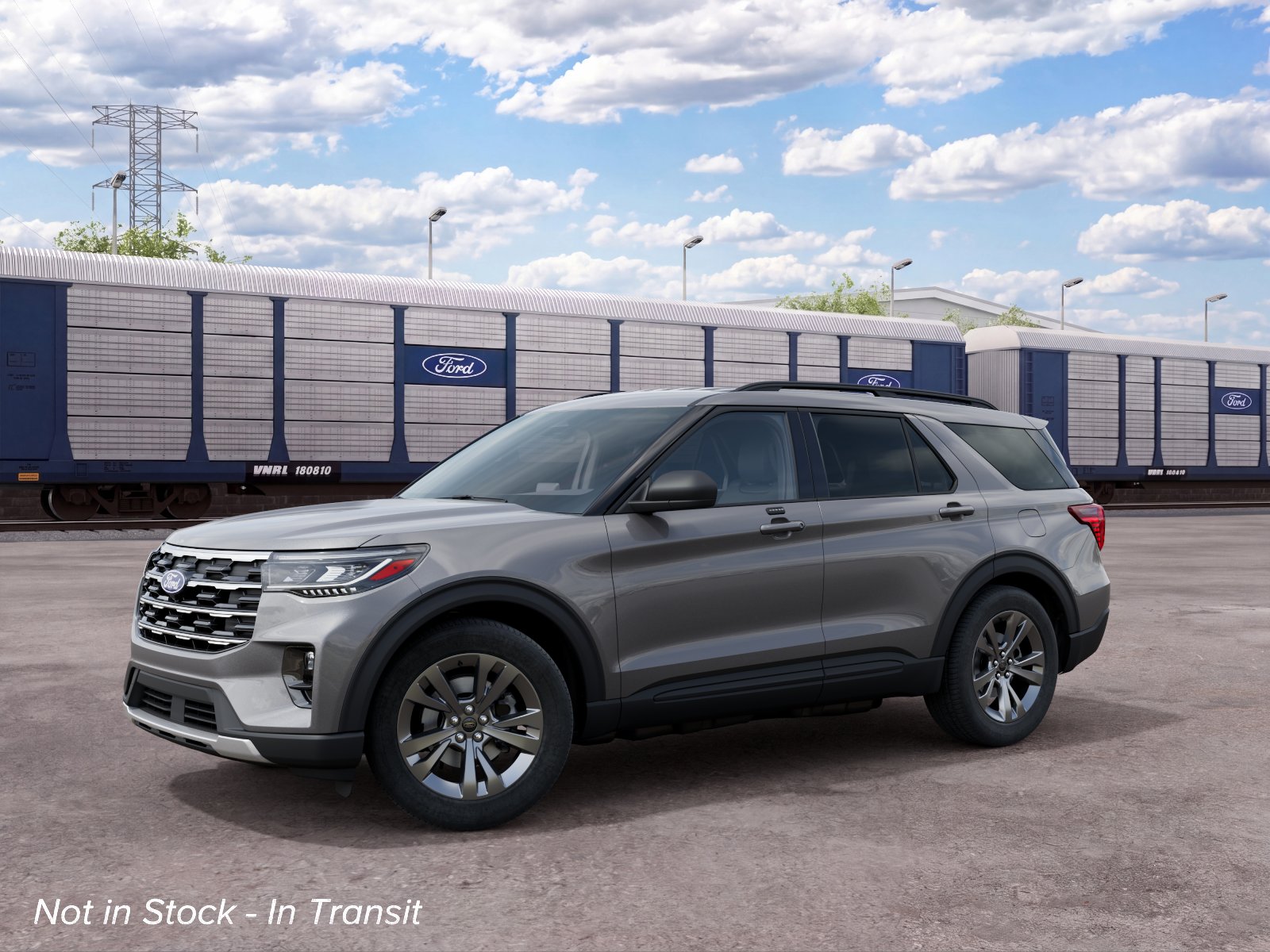
If you’re in the market for a versatile SUV, the Ford Explorer is a familiar choice. This guide helps buyers and sellers navigate the decision process, focusing on practicality, condition, and market options across key cities and countries. Whether you’re curious about the latest generation, fuel options, or how mileage affects resale value, you’ll find practical steps to compare trims, assess reliability, and secure a fair deal.
The Explorer blends family-friendly space with capable performance. It’s offered in multiple generations, with gasoline engines and, in some markets, hybrid variants. Body styles include traditional three-row SUVs that fit comfortably for daily commutes, road trips, or weekend adventures. Pros include spacious interiors, strong towing potential, and a well-known service network. Cons to consider are above-average fuel consumption on older engines and a higher purchase price compared with compact crossovers.
When you plan to buy, check the year, mileage, and maintenance history. A newer generation will often deliver improved safety features and updated infotainment. If you’re selling, a well-documented service history can help you command a better price, especially if the vehicle has modern driver-assist systems and low mileage.
For buyers, request a vehicle history report, inspect the tires, brakes, and suspension, and consider a test drive that checks engine smoothness, gearbox response, and steering feel. For sellers, prepare a complete file: service receipts, inspection results, and documentation of any upgrades or repairs. A clear listing with high-quality photos, accurate mileage, and transparent condition notes builds trust and can speed up the sale.
If you’re browsing in major markets, look for local dealerships offering certified pre-owned Explorer models or reputable independent sellers with strong service records. Compare financing options, warranty coverage, and post-sale support to ensure you’re making a solid investment in a reliable SUV that fits your daily needs.
 Add as preferred sourceSee more from zvelta in Google Search Add as preferred source