 EN
ENDEALER
30.666 US$DEALER
31.295 US$
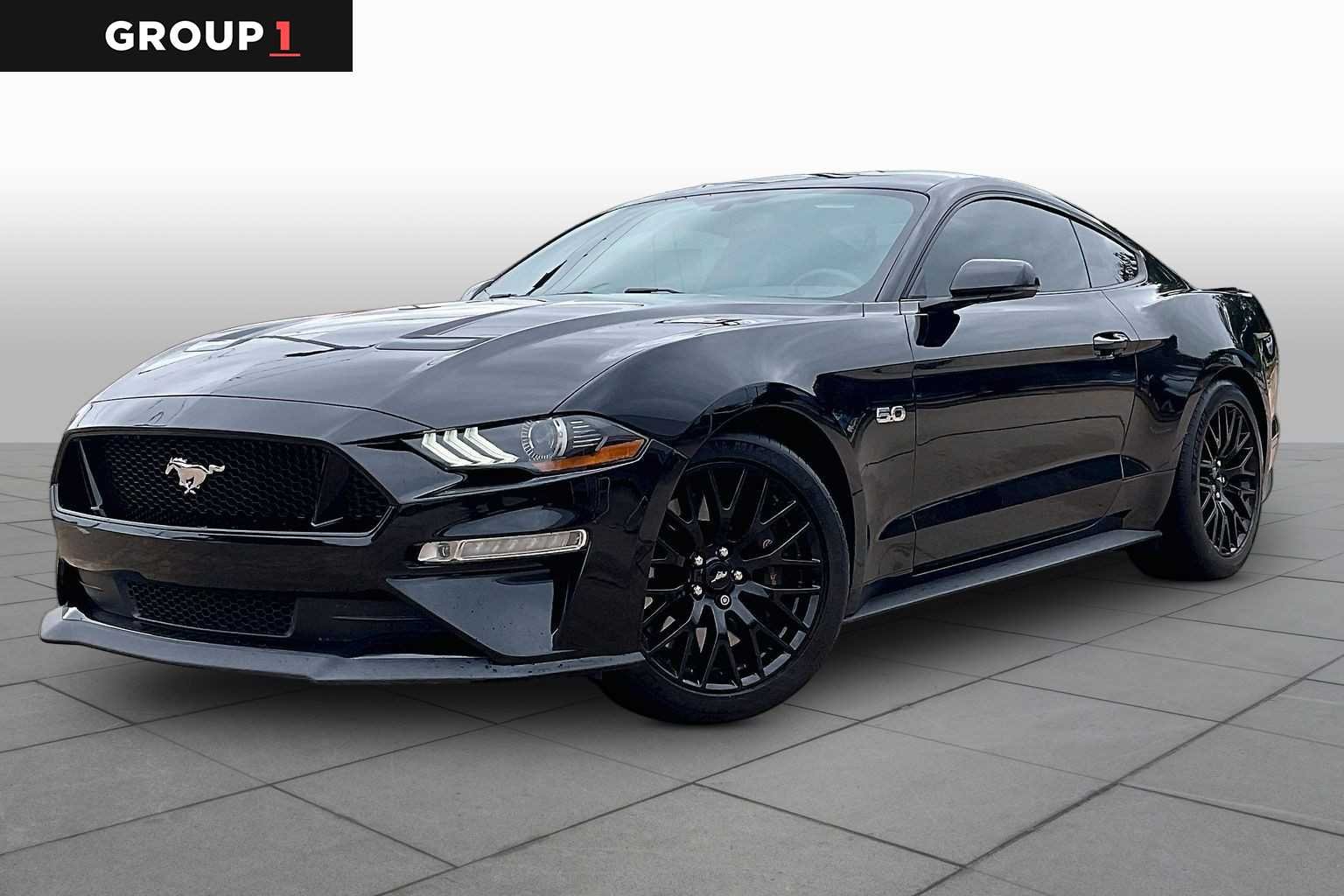
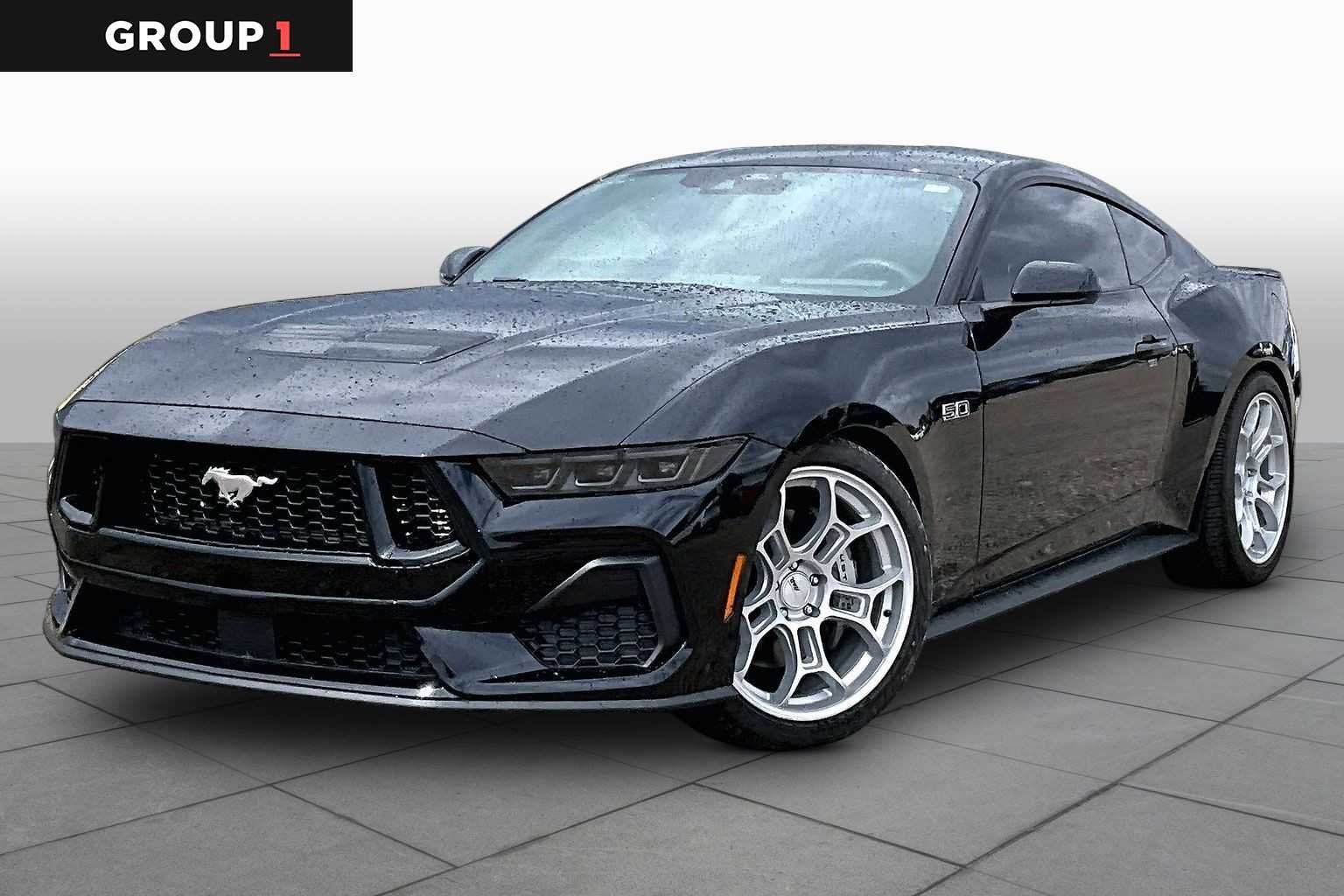
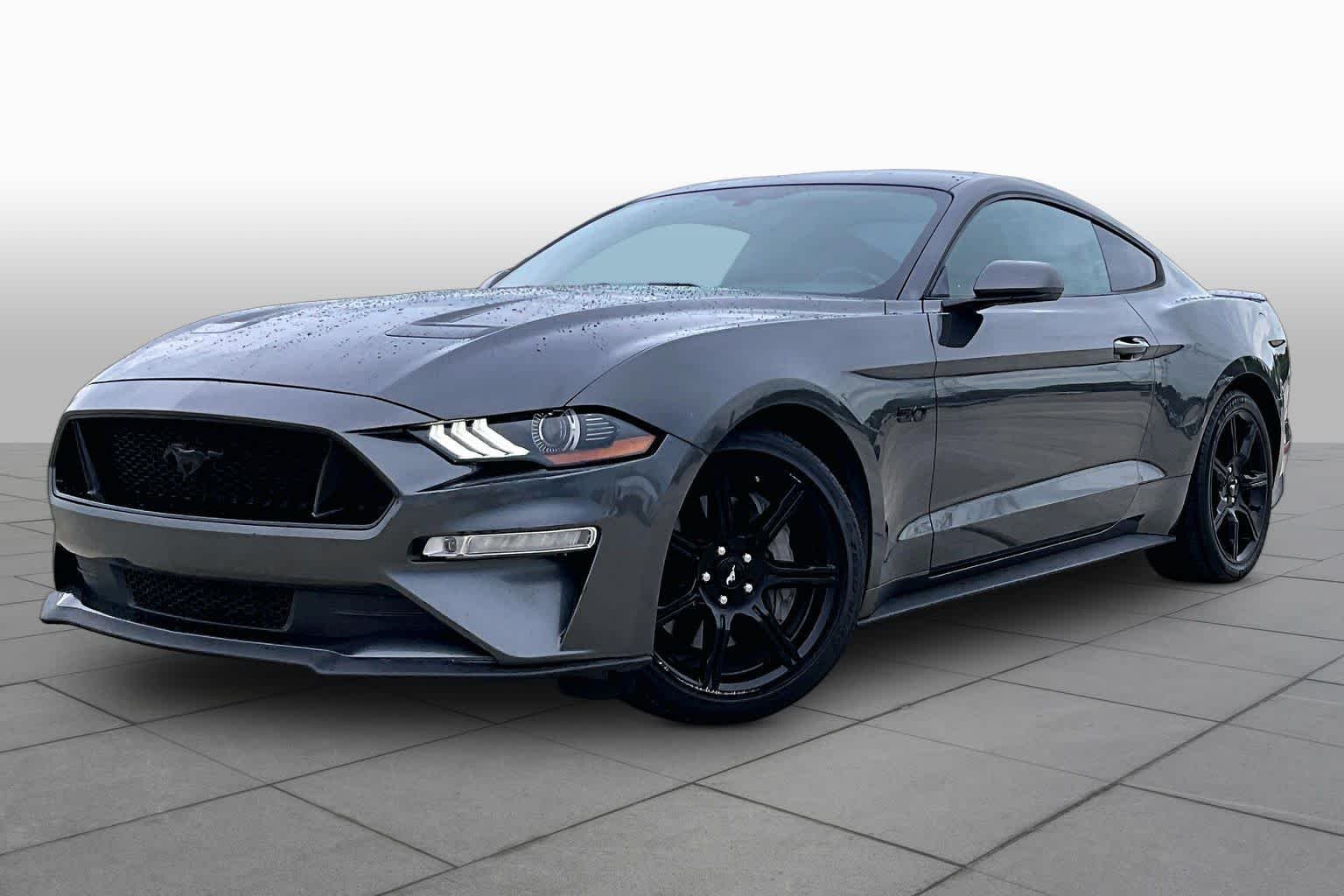
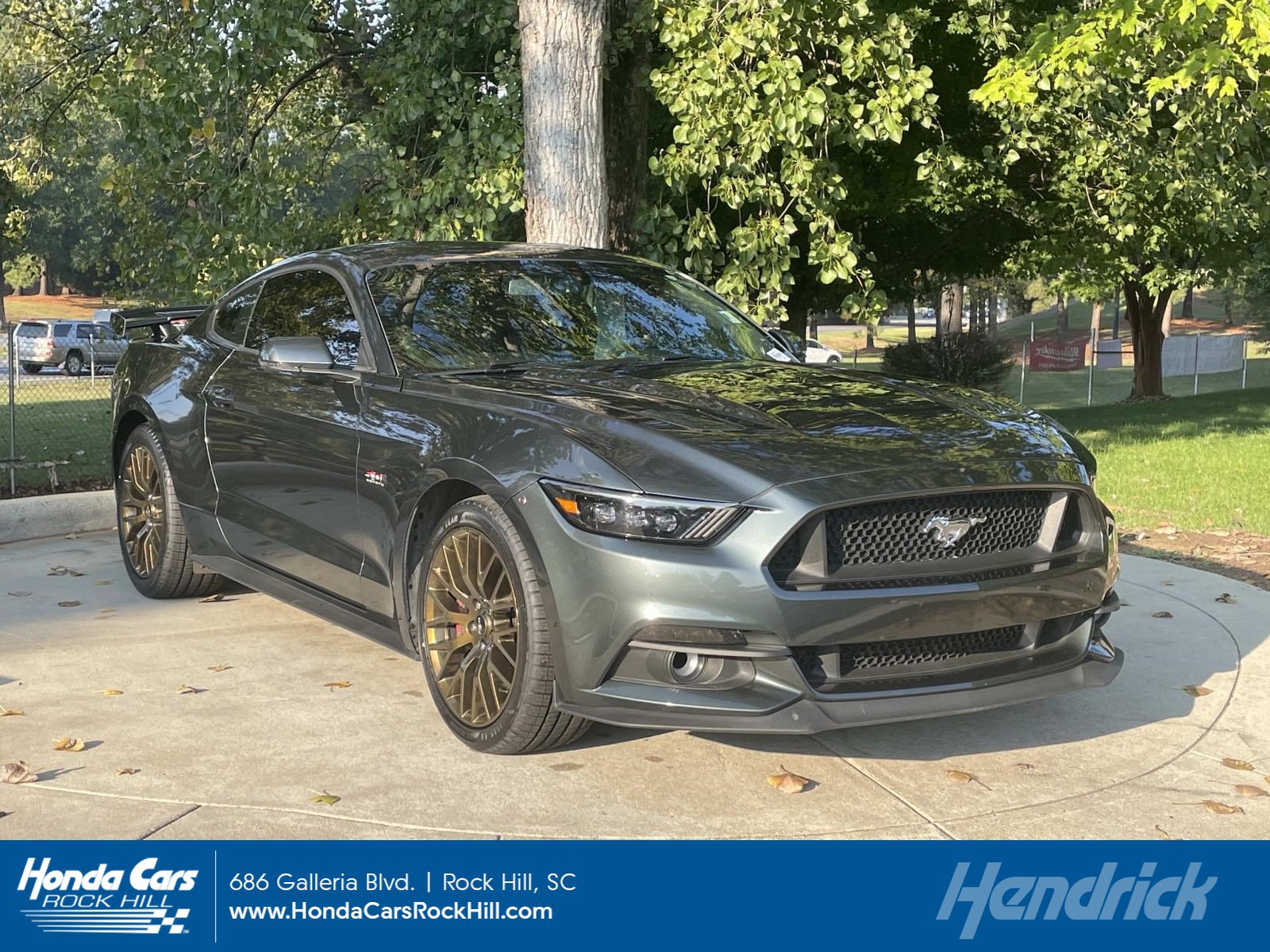
gasoline, manual, 58K km, coupe, Rear Wheels Drive, 5,000 cm3, 435 hp, GT Premium, Used condition, USA, In stock

HendrickCars.com
 Rock Hill, United States
 Rock Hill, United StatesBrentwood, United StatesBrentwood, United States
 Wayne, United StatesWayne, United StatesWayne, United StatesWayne, United StatesWayne, United States
 Southwest, United StatesSouthwest, United StatesLot, United States
 Trade, United StatesAustin, United StatesAustin, United StatesAustin, United StatesAustin, United StatesMain Settlement, United StatesMain Settlement, United StatesMain Settlement, United StatesMain Settlement, United StatesMain Settlement, United StatesMain Settlement, United StatesMidtown, United StatesDistrict 18 (historical), United StatesDistrict 101, United States
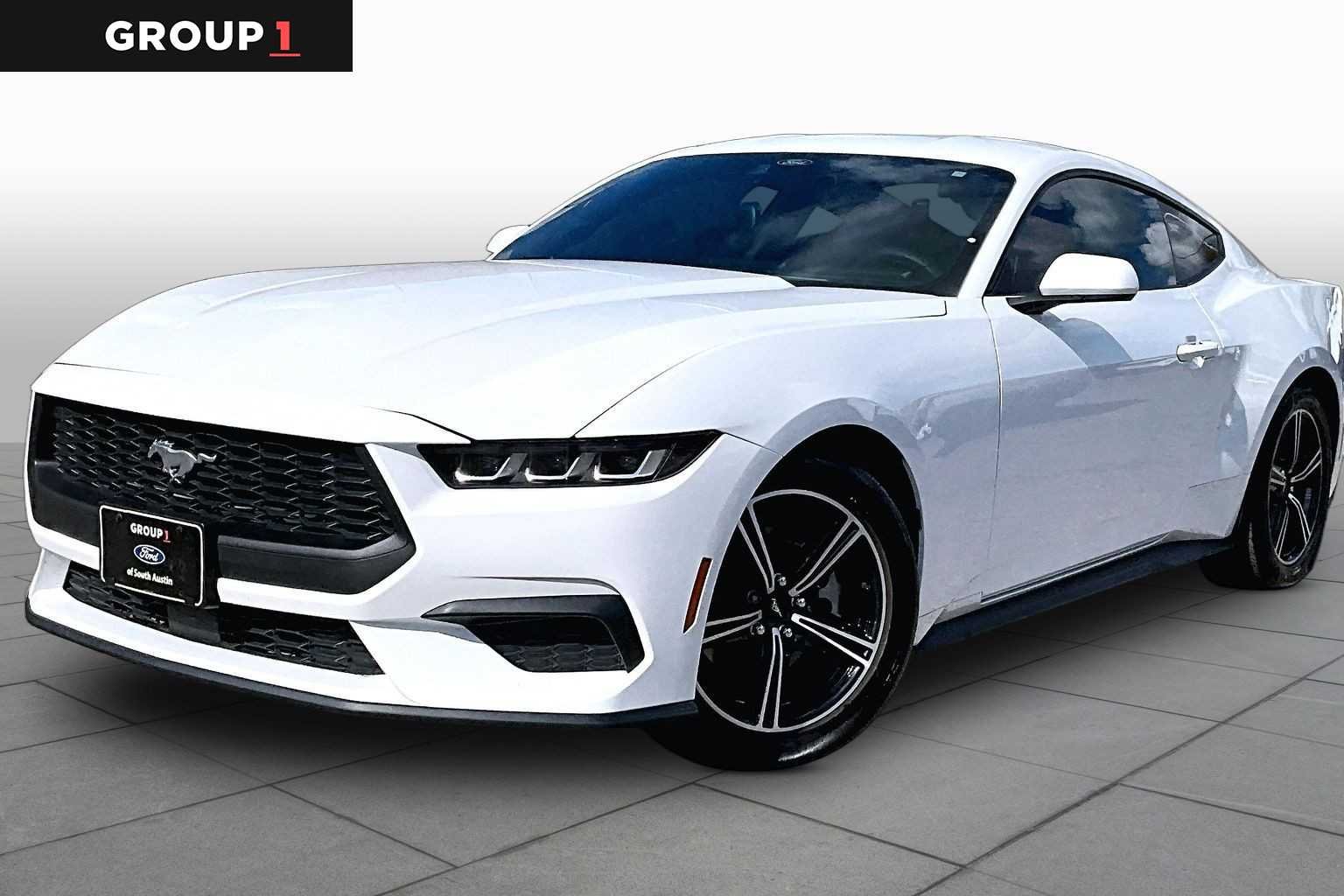
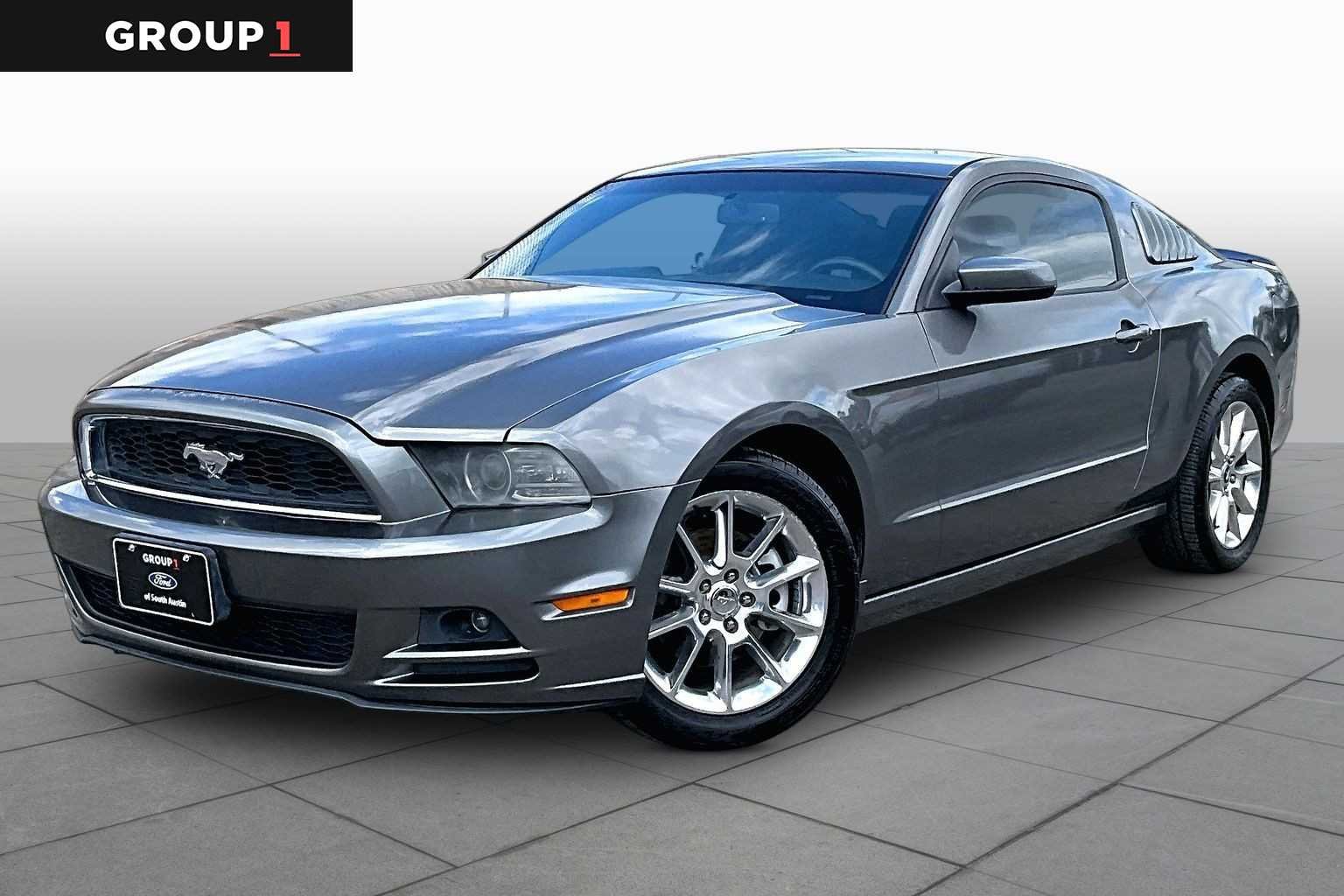
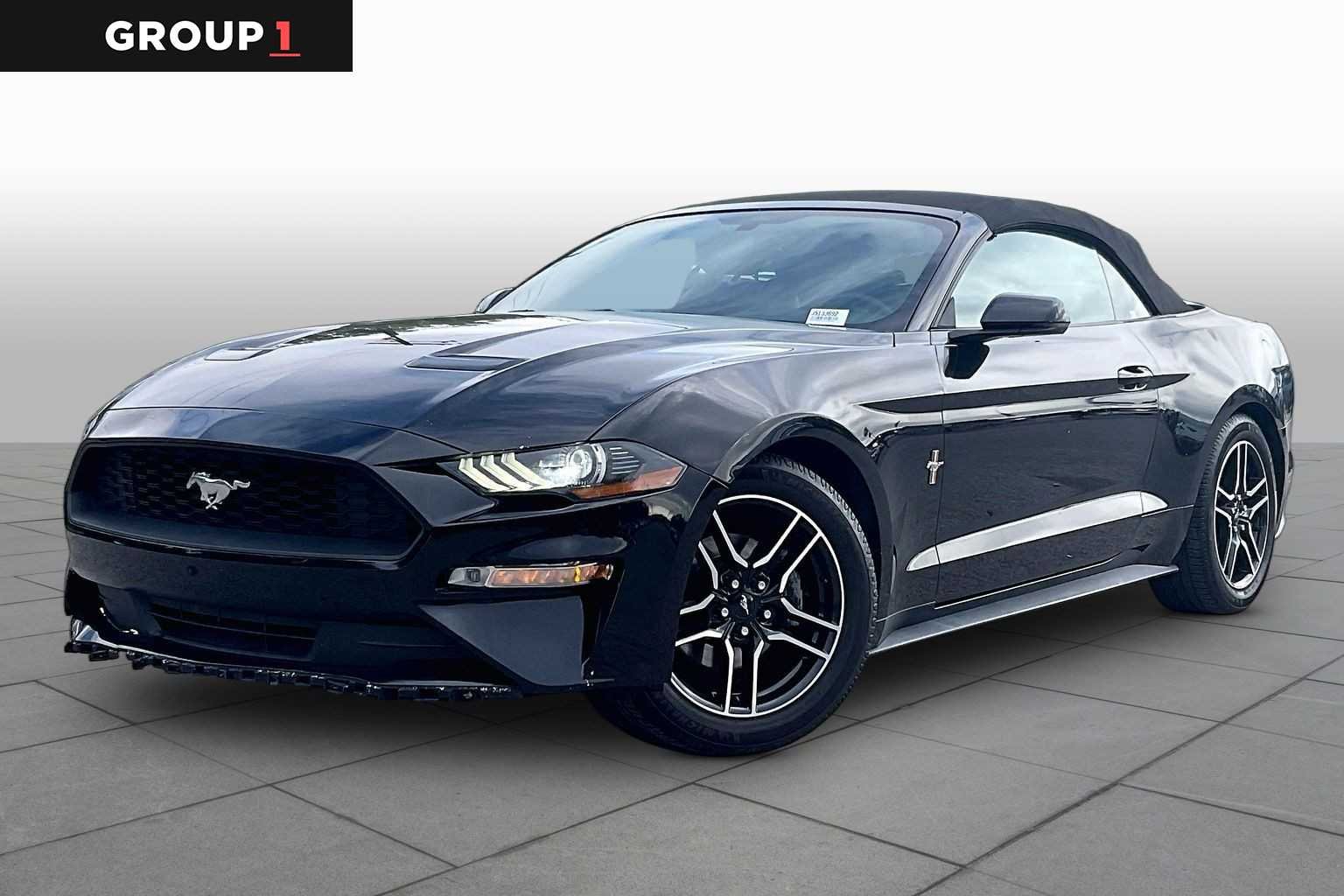
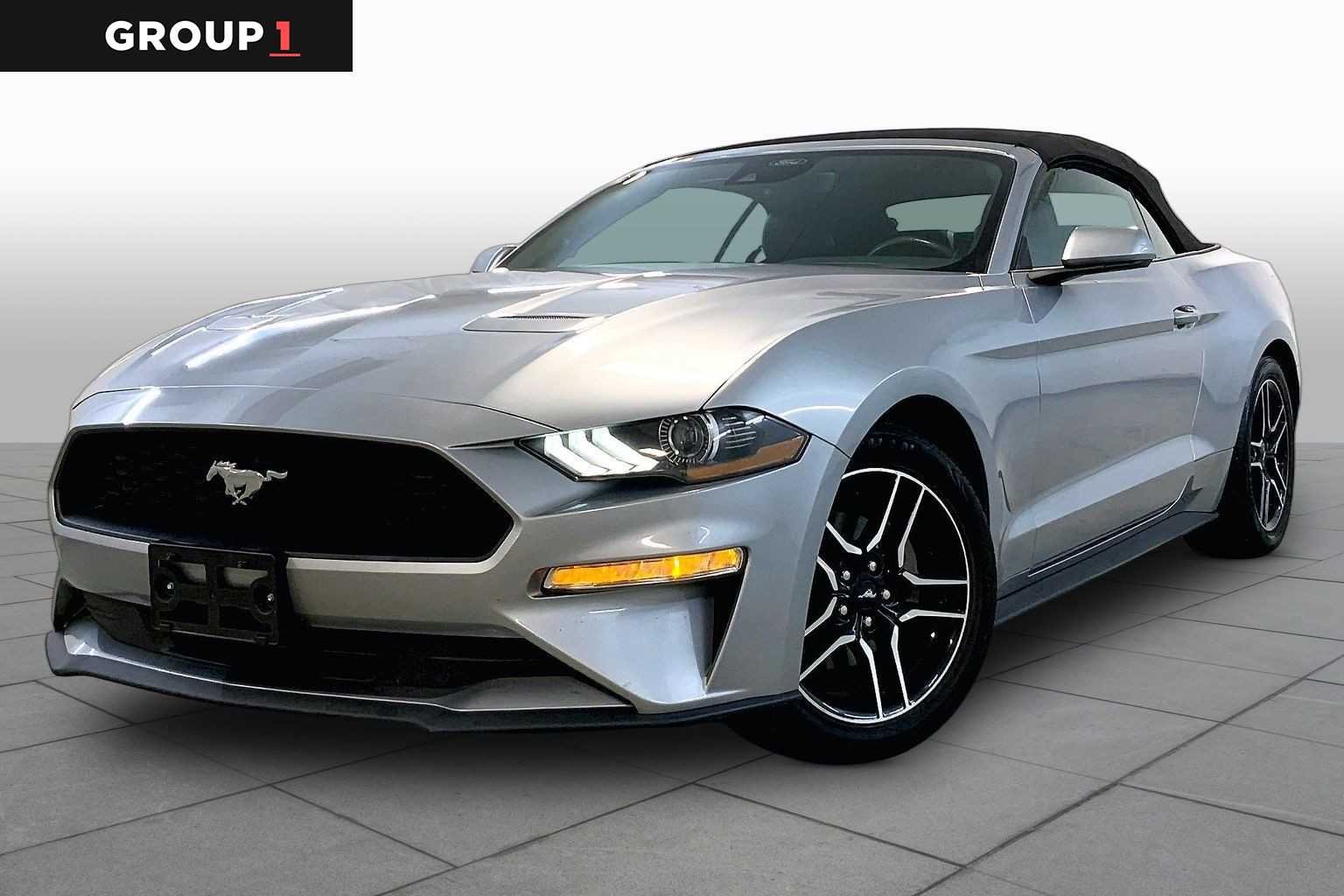
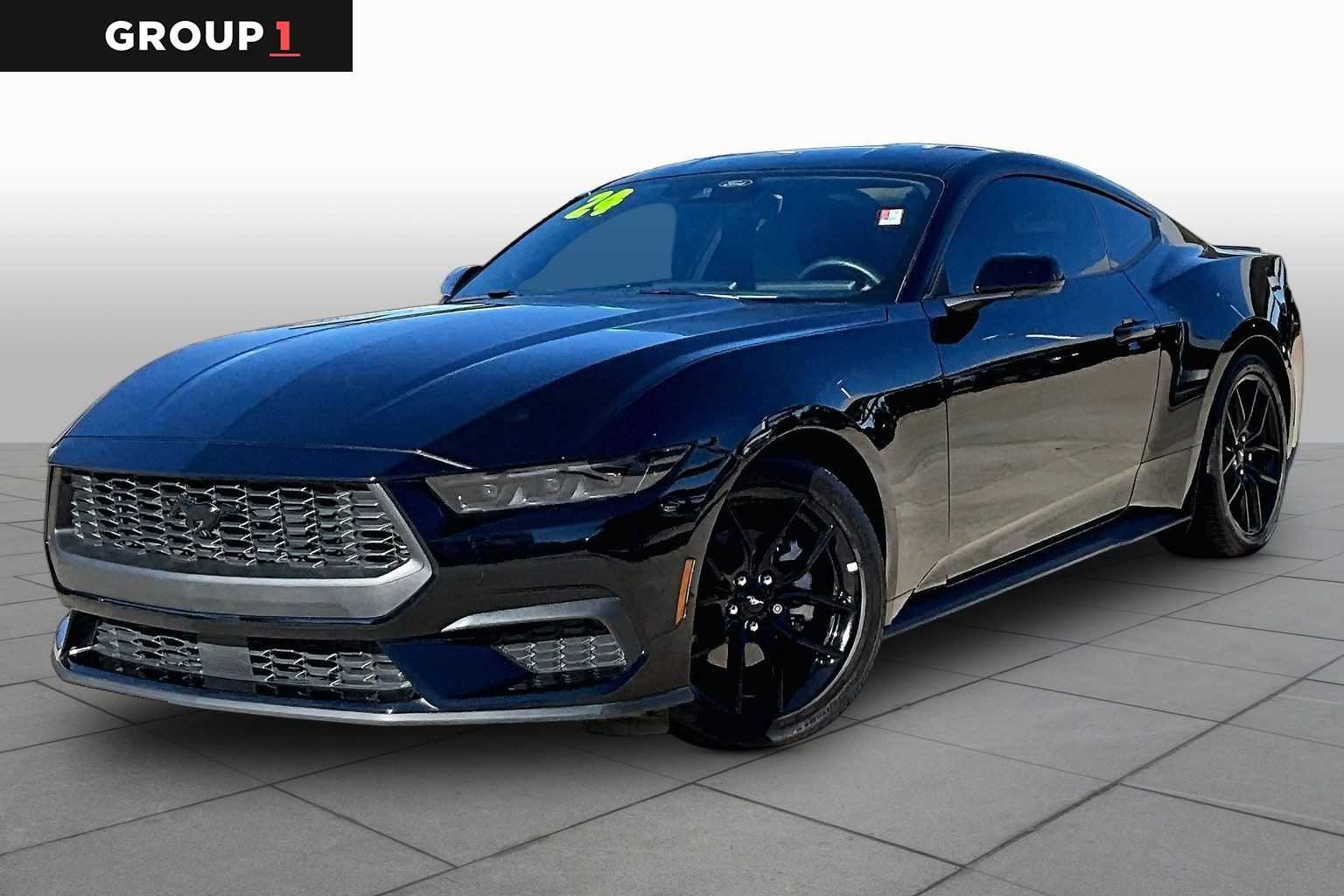
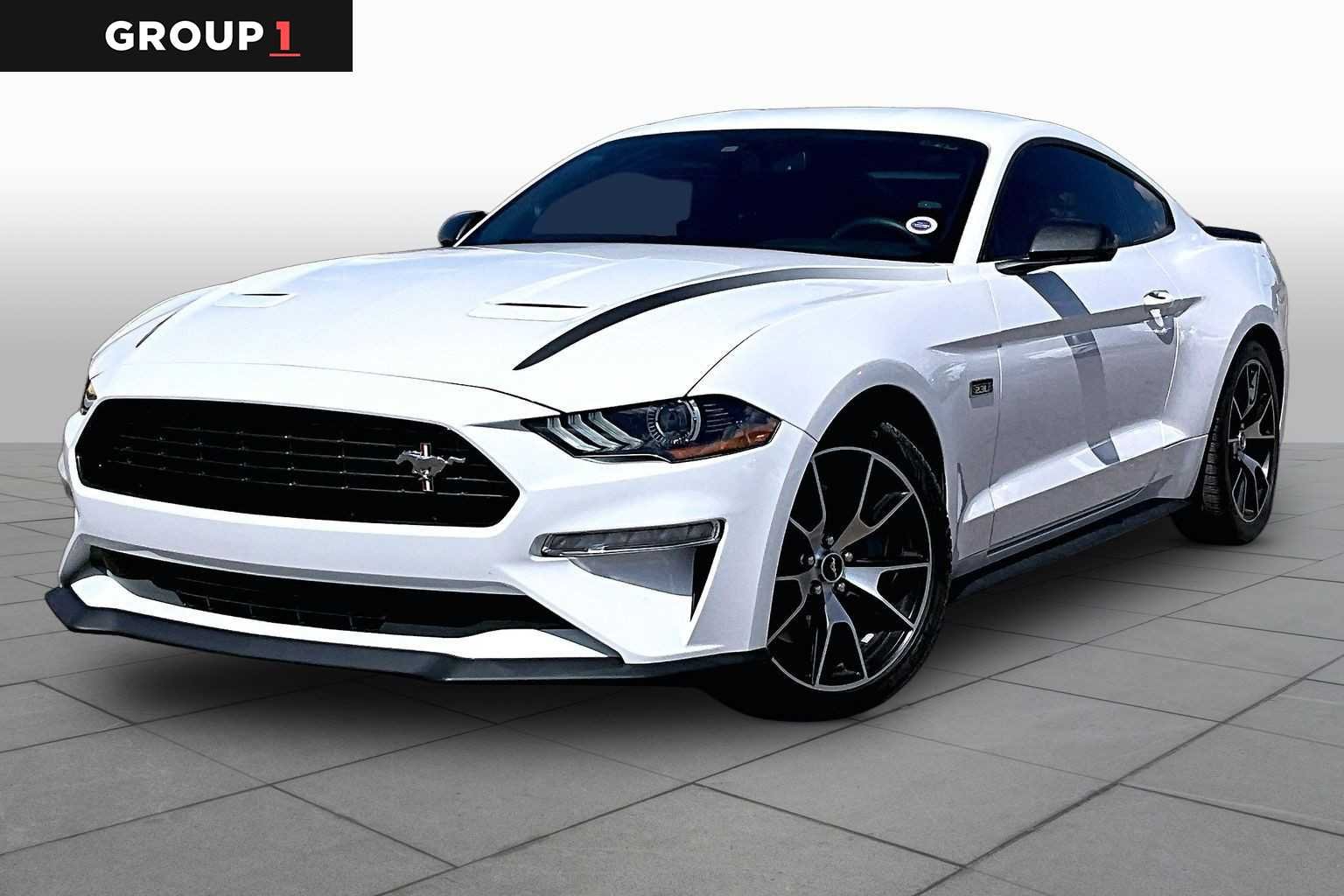
If you’re in the market for a Ford Mustang, you’re aiming for a car that blends classic style with modern performance. This guide helps you understand what to look for when buying or selling a Mustang, whether you’re chasing a coupe for daily driving or a convertible for weekend thrills. We’ll cover generations, engines, body styles, common issues, price ranges, and practical steps to close a fair deal in key markets.
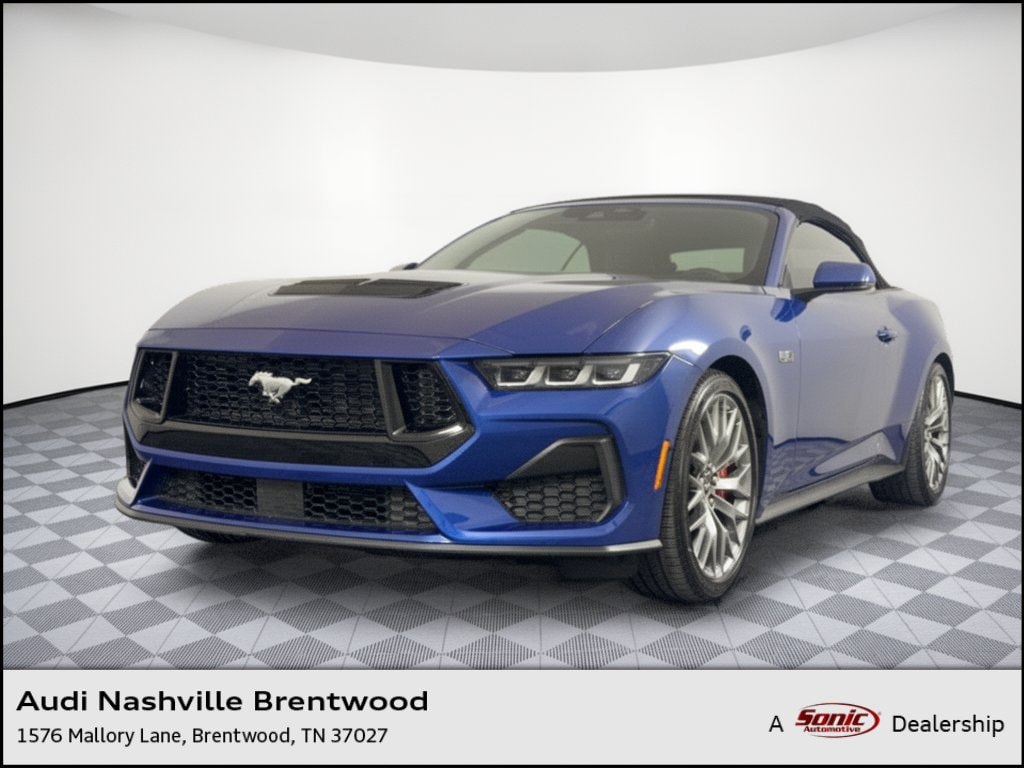
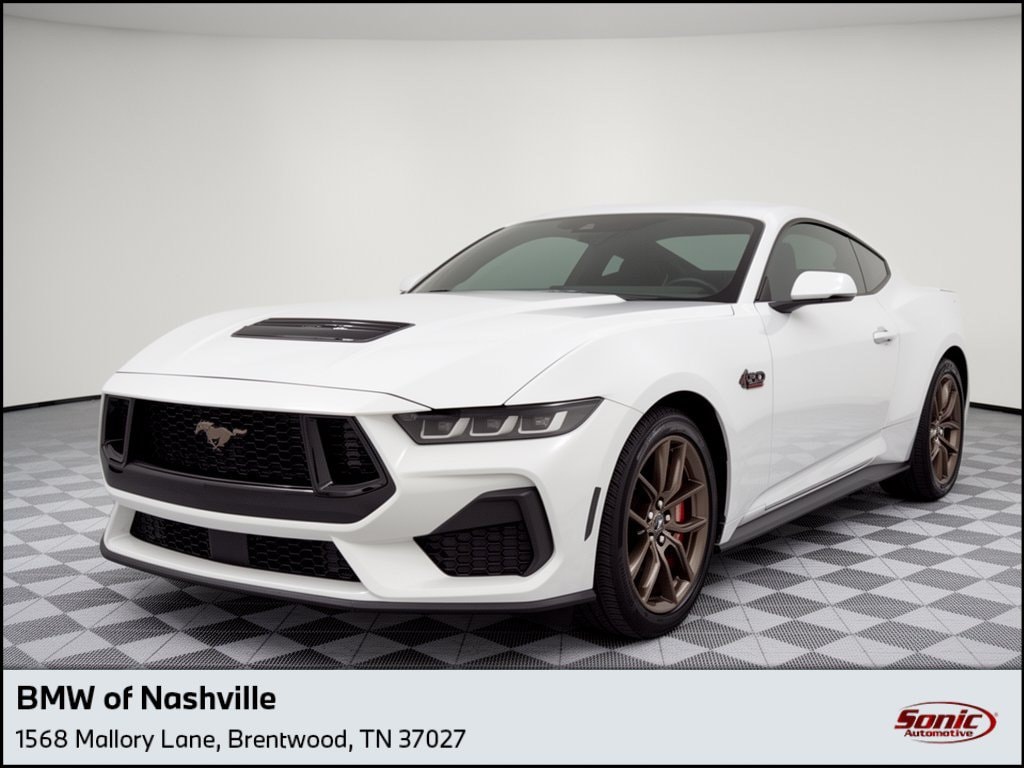
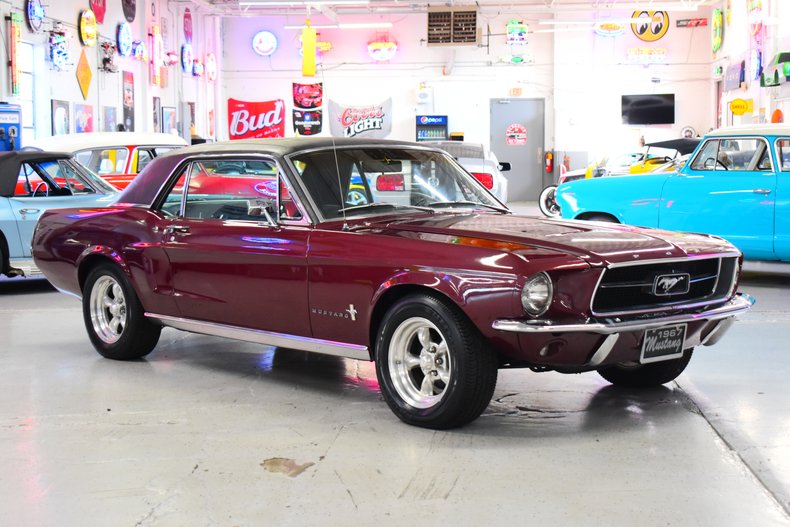
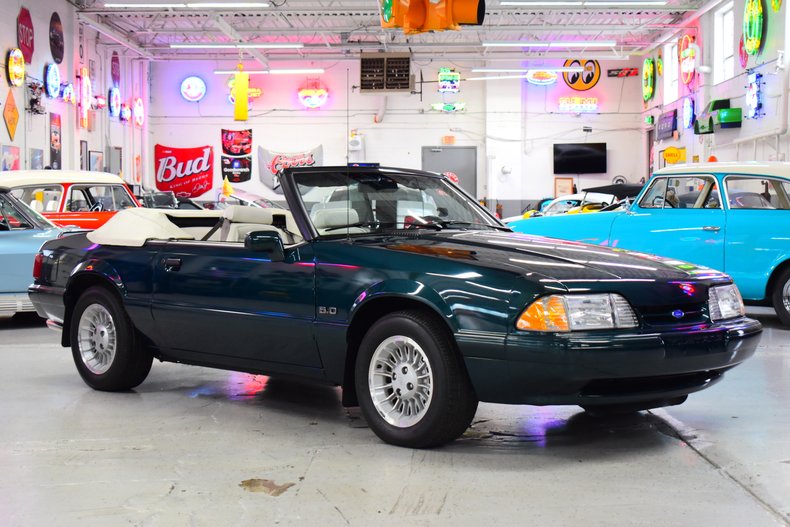
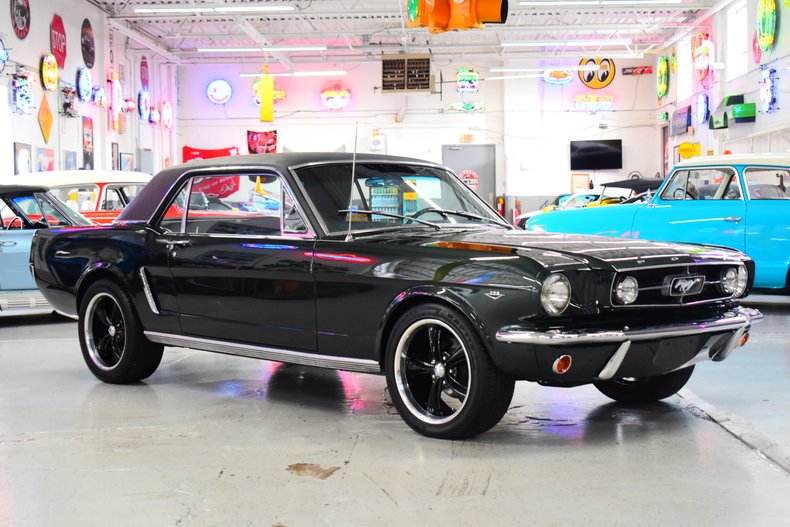
The Mustang has evolved through several generations, each bringing its own charm and mechanical tweaks. Common configurations include fastback coupes and convertibles, with a range of engines from efficient V6 to powerful V8 variants. When reviewing listings, pay attention to the year, mileage, and service history. A well-documented maintenance record can be the difference between a reliable purchase and ongoing repair costs. Decide your priorities—daily usability, performance, or a weekend toy—and align them with the right generation and trim.
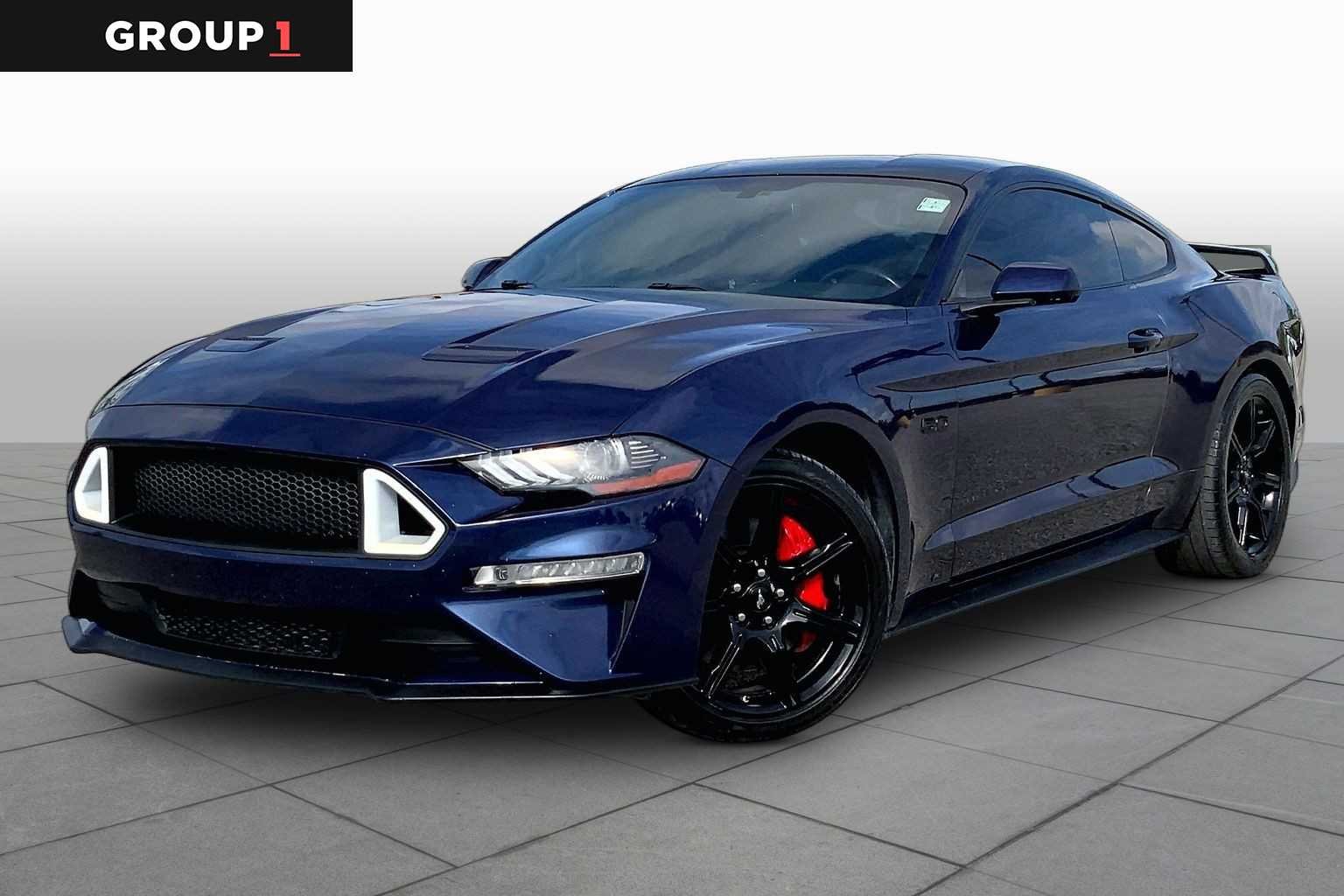
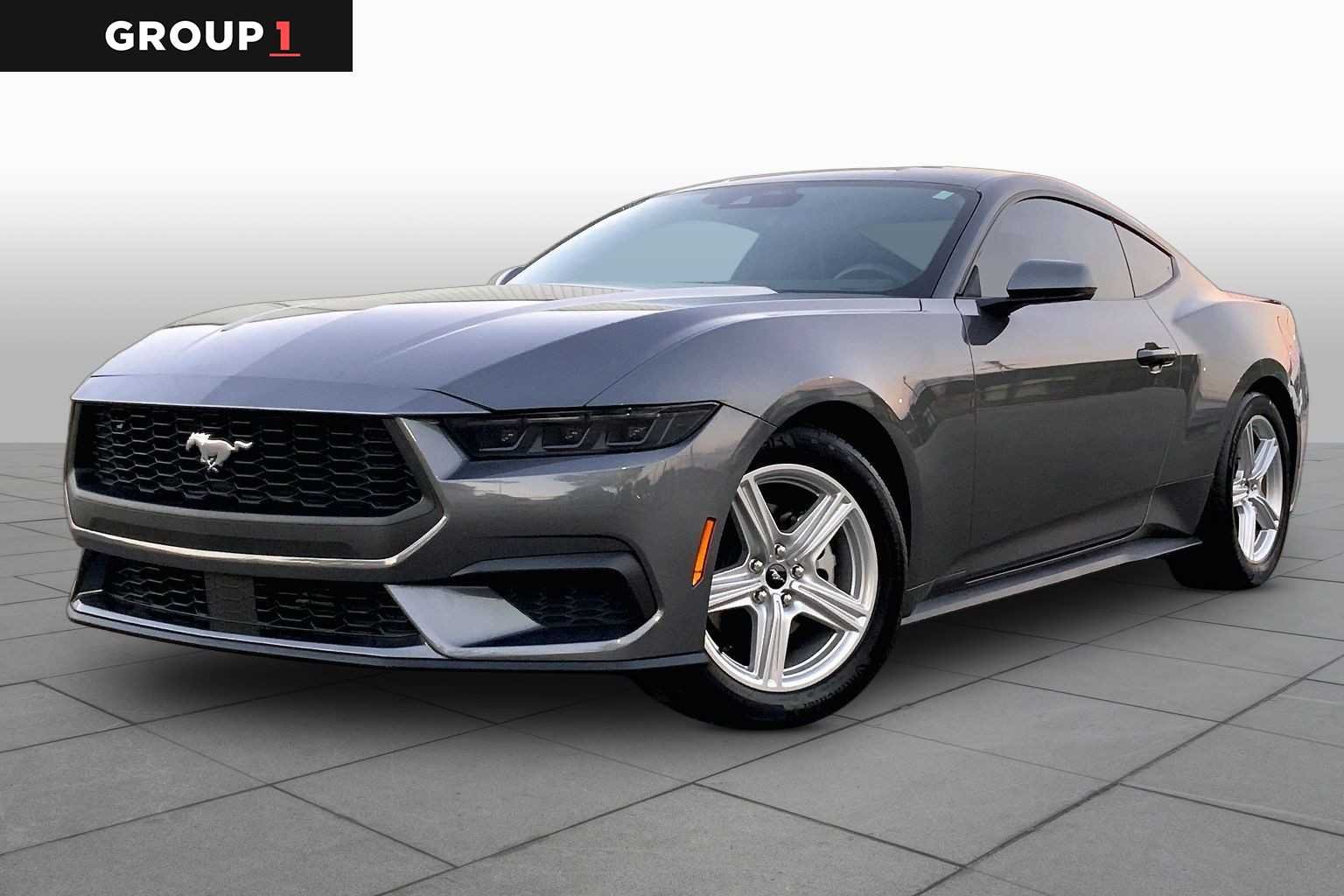
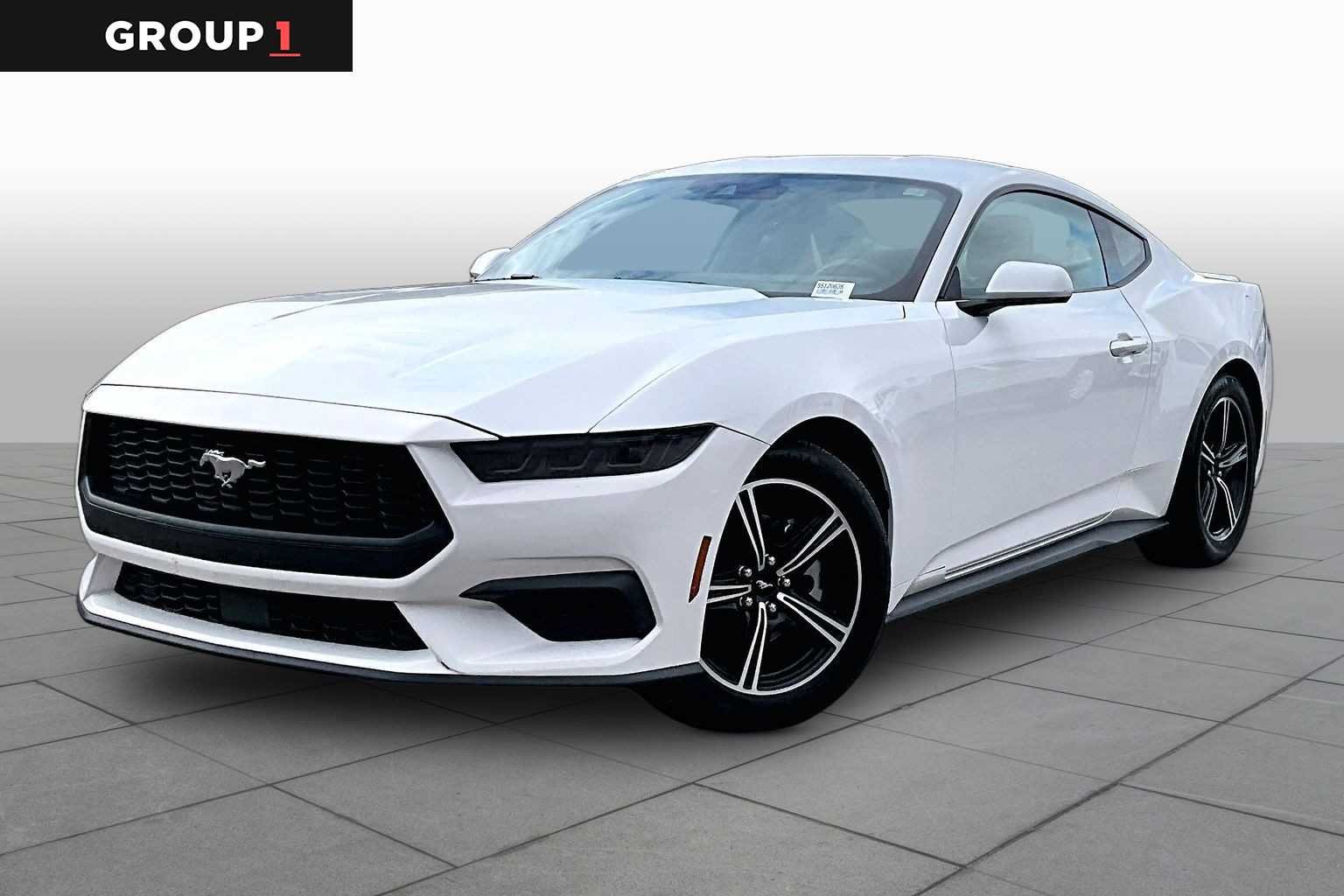
When looking at listings in your city, filter for the body type you prefer (coupe or convertible) and the generation that matches your budget. In many markets, a well-kept sixth-generation Mustang can offer modern electronics and safer handling, while older generations may appeal to classic car enthusiasts. Focus on:
In the end, buying or selling a Ford Mustang comes down to balancing performance with value. By focusing on the right generation, verifying the engine and maintenance history, and comparing listings in your city, you’ll be positioned to find a solid deal that matches your goals.
 Add as preferred sourceSee more from zvelta in Google Search Add as preferred source