EN
ENDEALER

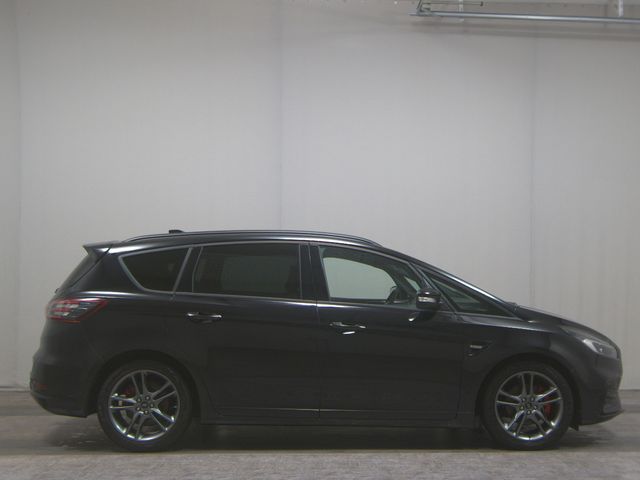
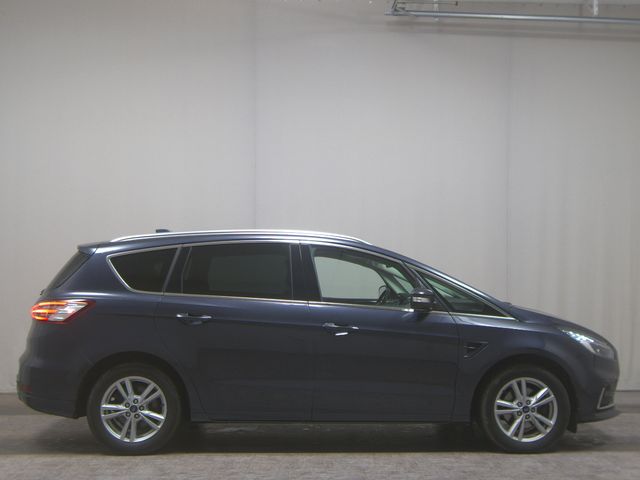
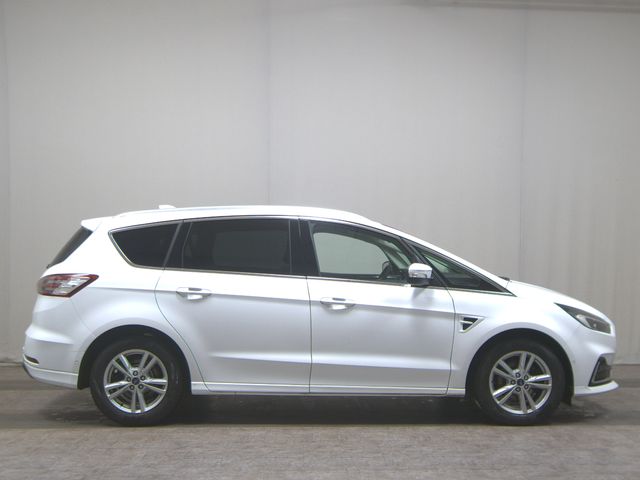
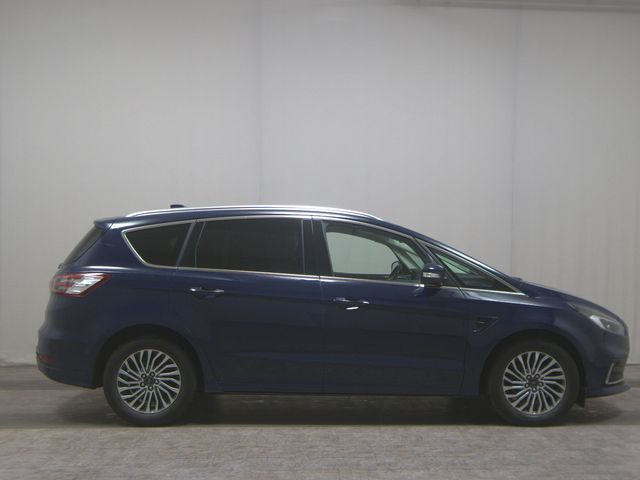
2023, hybrid, manual, 117K km, VAN, 190 hp, silver, 2.5 Duratec Atkin. FHEV 140kW Titanium 7, Used condition, Europa, In stock, sale date 23.10.2026 06:45

CarOutlet.eu
 Spain
SpainAuction starts · 23 Oct, 06:45
Current bid€13,100
 SpainSpain
 BelgiumBelgiumBelgiumBelgiumBelgiumBelgium
 Netherlands
 Germany, Lower SaxonyGermany, Lower SaxonyGermany, Lower SaxonyGermany, Lower SaxonyGermanyGermany
 GermanyGermanyGermanyGermanyGermanyGermanyGermanyGermanyGermanyGermany
The Ford S-MAX has long been a favorite for families and active drivers who need space, reliability, and versatile seating. If you’re considering a Ford S-MAX, whether to buy or to sell, it helps to understand how different generations, engines, and body configurations affect value and practicality in your city. This guide covers what to look for, common questions, and practical steps for buyers and sellers in today’s market.
The S-MAX comes in multiple generations and body configurations that influence comfort, fuel economy, and resale value. When evaluating a specific model, pay attention to:
Common questions buyers ask include whether a specific engine option offers better long-term reliability, which year models have the most advanced safety features, and how much to expect for maintenance in the first few years after purchase. Sellers often want to know how to present mileage and service history to maximize offers and shorten time on market.
Pricing depends on year, mileage, trim, and overall condition. Start by narrowing down to a generation and engine you prefer, then compare:
In markets where the S-MAX is commonly used for family transport or business travel, you’ll often see price brackets that reflect the vehicle’s versatility and the availability of spare parts. When you’re researching, search phrases like “Ford S-MAX price by year,” “S-MAX mileage value,” or “Ford S-MAX fuel economy by engine.”
If you’re selling, transparency wins more offers. Prepare a detailed listing that includes:
Highlight practical strengths: seven-seat practicality, comfortable ride, and fuel options. If maintenance is up-to-date and the vehicle has a clean title, emphasize these points to reassure buyers. For buyers, negotiate based on documented maintenance and the vehicle’s condition rather than sticker price alone.
Whether you’re targeting a family looking for daily versatility or a corporate buyer needing reliable transport, the Ford S-MAX remains a compelling option when you consider generation, fuel type, and mileage in light of local market conditions.
 Add as preferred sourceSee more from zvelta in Google Search Add as preferred source