 EN
EN

Frequently asked questions
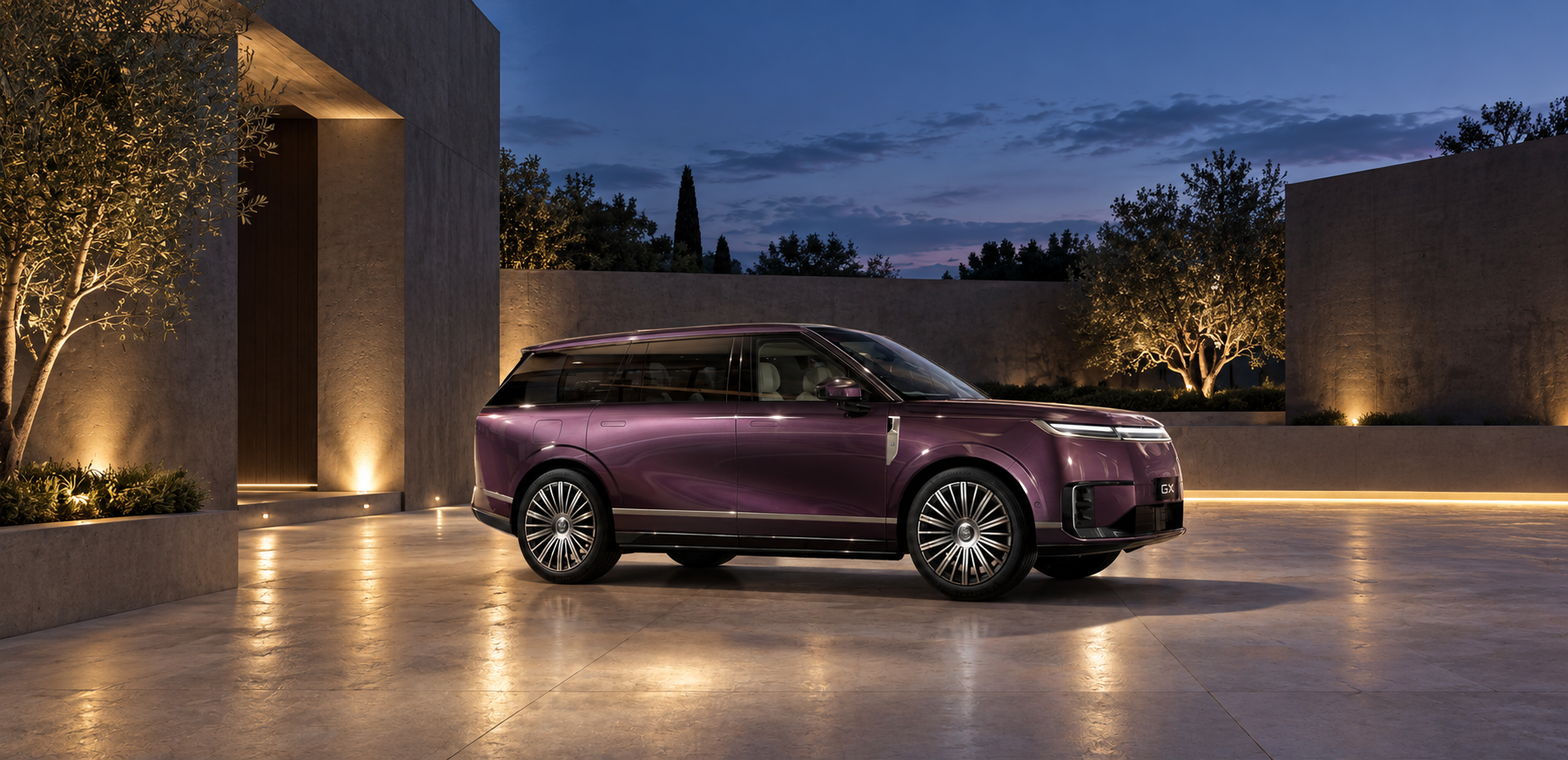
The vehicle received Range Rover badges, bronze body, wheel and roof details, U-shaped door inserts, and a Range Rover nameplate on the steering wheel. The materials describe it as a one-off exterior conversion.
The published materials do not confirm changes to the engine, battery, suspension, powertrain, chassis, software or other electronic systems. The images also do not establish whether the metal body panels, wheel size or roof structure were replaced or modified.
No. The article states that XPeng has not presented this specification and describes it as a one-off styling exercise based on a production XPeng GX, not a new model or factory package.
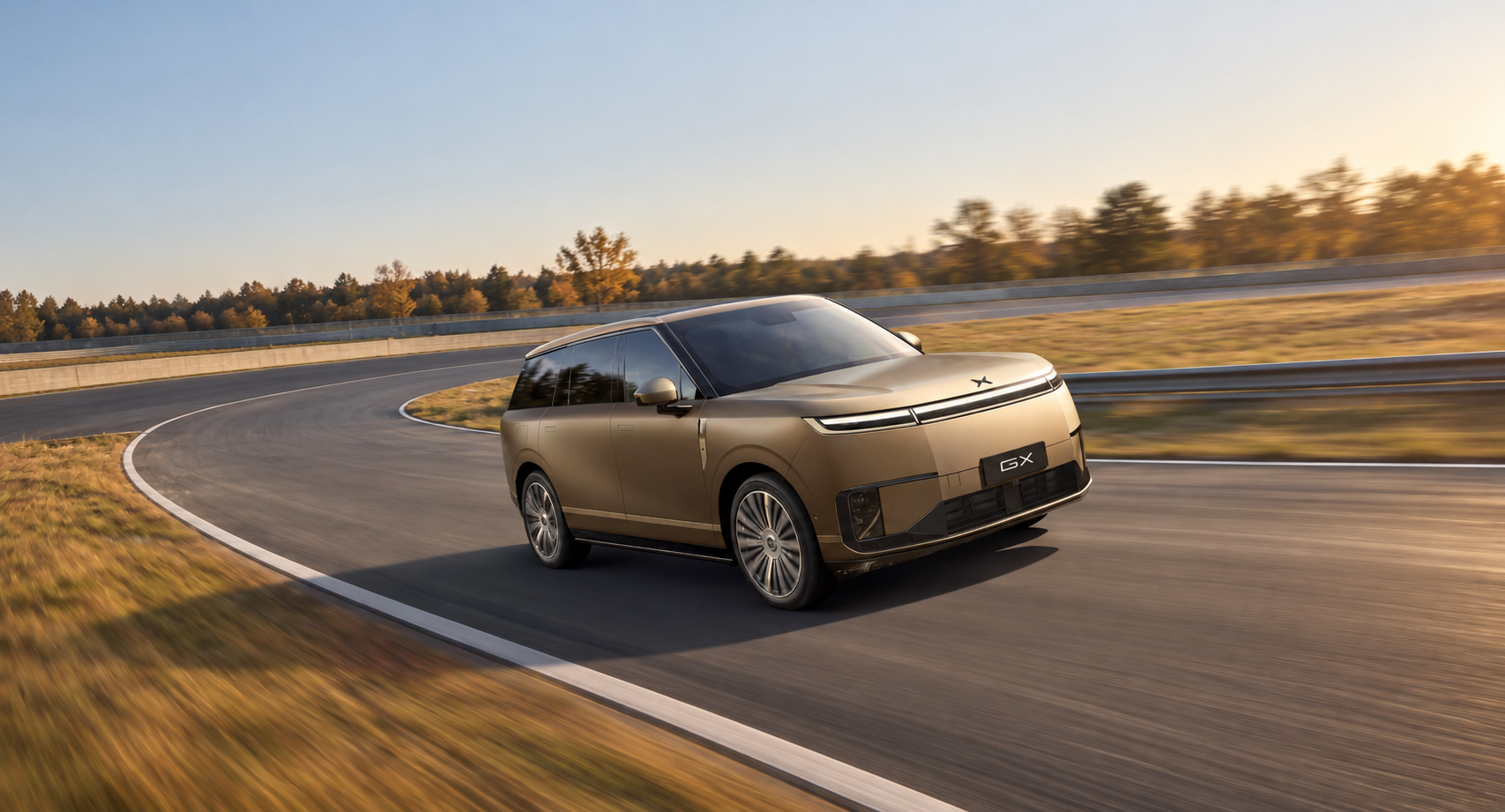
On September 13, 2026, CarNewsChina published photos of an XPeng GX styled as a Range Rover. The original source was identified as the Sugar Design account on Weibo. Range Rover badges were installed on the body, bronze details were added, and the British model’s name even appeared on the steering wheel. The available materials present the vehicle as a one-off exterior conversion, not as a new XPeng version.
The story attracted attention because the production GX had already been compared with the Range Rover without tuning, thanks to its body proportions, straight roofline and rear-pillar design. On the vehicle shown, several highly visible details made the resemblance stronger. However, the published materials provide no confirmation of changes to the engine, battery, suspension or electronic systems.
Which Details Made the XPeng GX Look Like a Range Rover
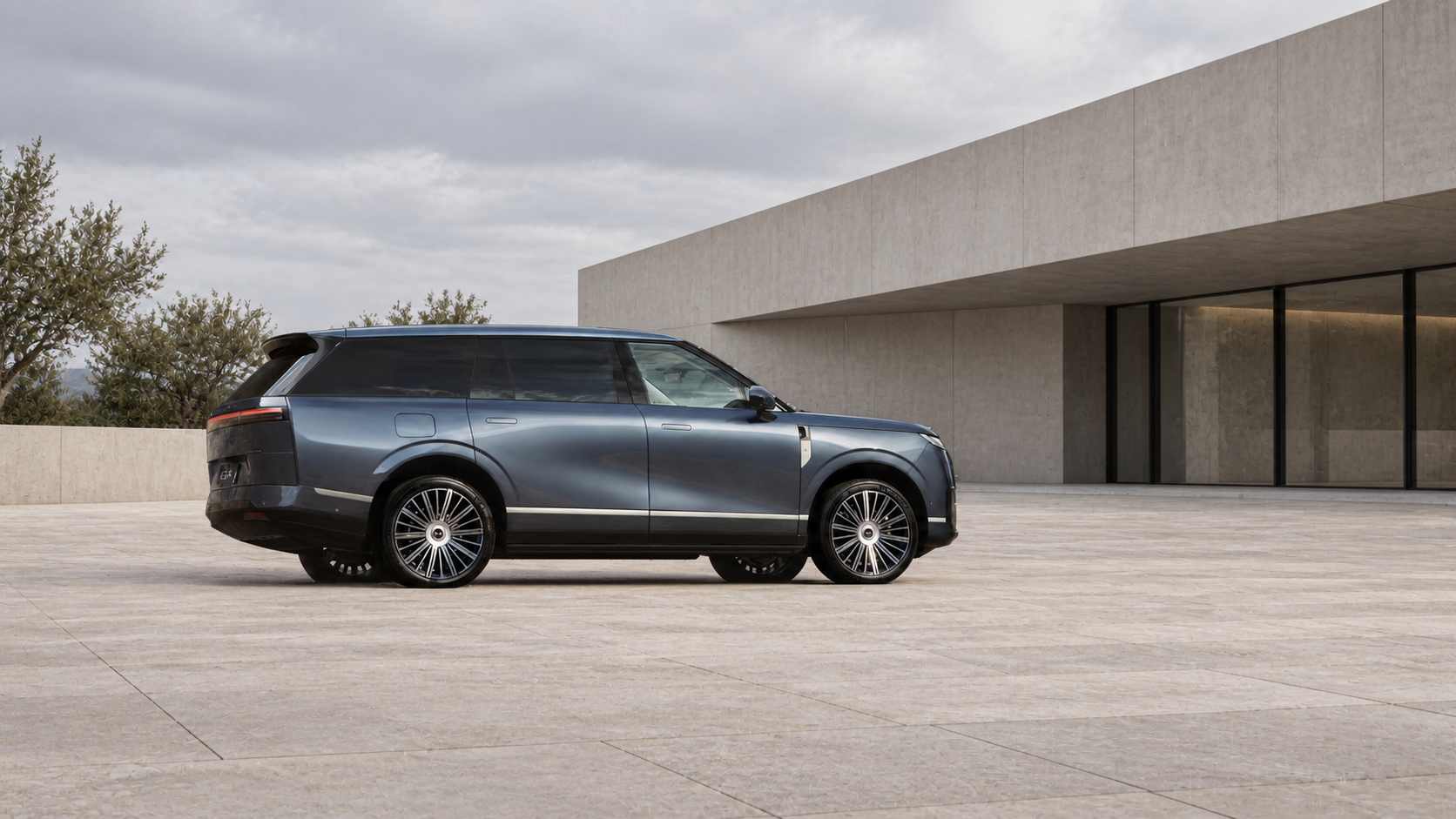
The photos show bronze inserts around the body, accents on the wheels and roof, and U-shaped elements on the front doors. The latter repeats a distinctive decorative motif used on the current Range Rover. Large Range Rover badges also appeared at the front and rear, changing the car’s apparent brand identity at a quick glance.
Inside, the conversion affected the center section of the two-spoke steering wheel, which also carries the Range Rover name. Other visible interior elements in the published images remain recognizable GX components. The source does not report any replacement of the seats, screens or onboard electronics.
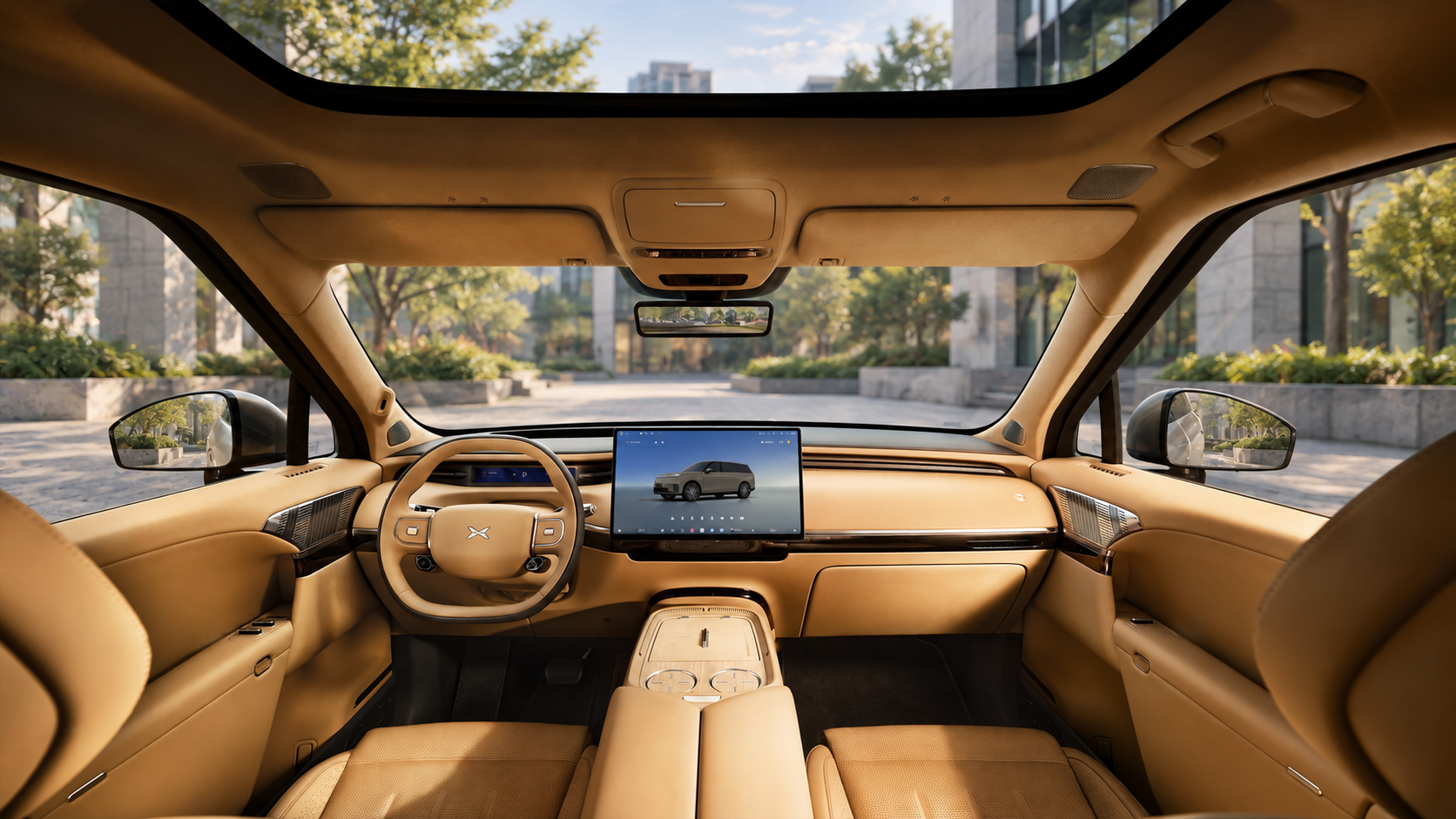
Area | What is visible | What has not been confirmed |
|---|---|---|
Body | Bronze accents and U-shaped inserts on the doors | Replacement of the metal body panels |
Badges | Range Rover badges at the front, rear and on the steering wheel | Any involvement or approval from Range Rover |
Wheels and roof | Additional bronze elements | Any change to the wheel size or roof structure |
Mechanical and electronic systems | No reliable visual signs of a conversion | Changes to the powertrain, chassis or software |
What the Photos Cannot Confirm
New badges do not change the vehicle’s origin. The images also cannot establish the quality of the installation, the composition of the parts used or the conversion’s effect on the warranty. The cost of the work, the owner’s identity and the workshop that completed the project have not been disclosed. It is therefore more accurate to describe the vehicle as an XPeng GX styled as a Range Rover, rather than a full technical transformation from one model into another.
What the Production XPeng GX Is
On April 15, 2026, XPeng opened pre-orders for the GX, followed by the model’s official launch in China on May 20. In its XPeng GX launch announcement, the manufacturer describes it as a full-size six-seat SUV and offers two powertrain options: a fully electric version and a range-extender hybrid with a gasoline generator.
The GX is 5265 mm long, 1999 mm wide and 1800 mm high, with a wheelbase of 3115 mm. For comparison, the official Range Rover brochure lists a length of 5252 mm for the Long Wheelbase version. That makes the Chinese crossover 13 mm longer. Their similar dimensions help explain the visual resemblance, but the two models use different platforms and powertrains.
The factory XPeng GX specifications table lists a 63.3 kWh battery, two electric motors with a combined output of 370 kW and all-wheel drive for the range-extender version. Its official electric range is 430 km under the CLTC, while the total range is 1585 km. These laboratory figures cannot be transferred directly to real-world driving: temperature, speed, load and driving mode all affect the result.
The electric GX is available with rear-wheel drive or all-wheel drive. The maximum claimed range reaches 750 km under the CLTC for the all-wheel-drive version. The vehicle also features two-chamber air suspension and rear-wheel steering; the manufacturer gives a minimum turning radius of 5.4 m.
Why the Conversion Date Matters
By September, the GX was no longer a one-off show car. On July 1, 2026, XPeng announced that production had reached 10,000 units, while June deliveries totaled 6739 vehicles. These figures appear in the company’s official report. This means the conversion was carried out on a production model that was already being built by the thousands.
Why Changing the Badges Was Enough
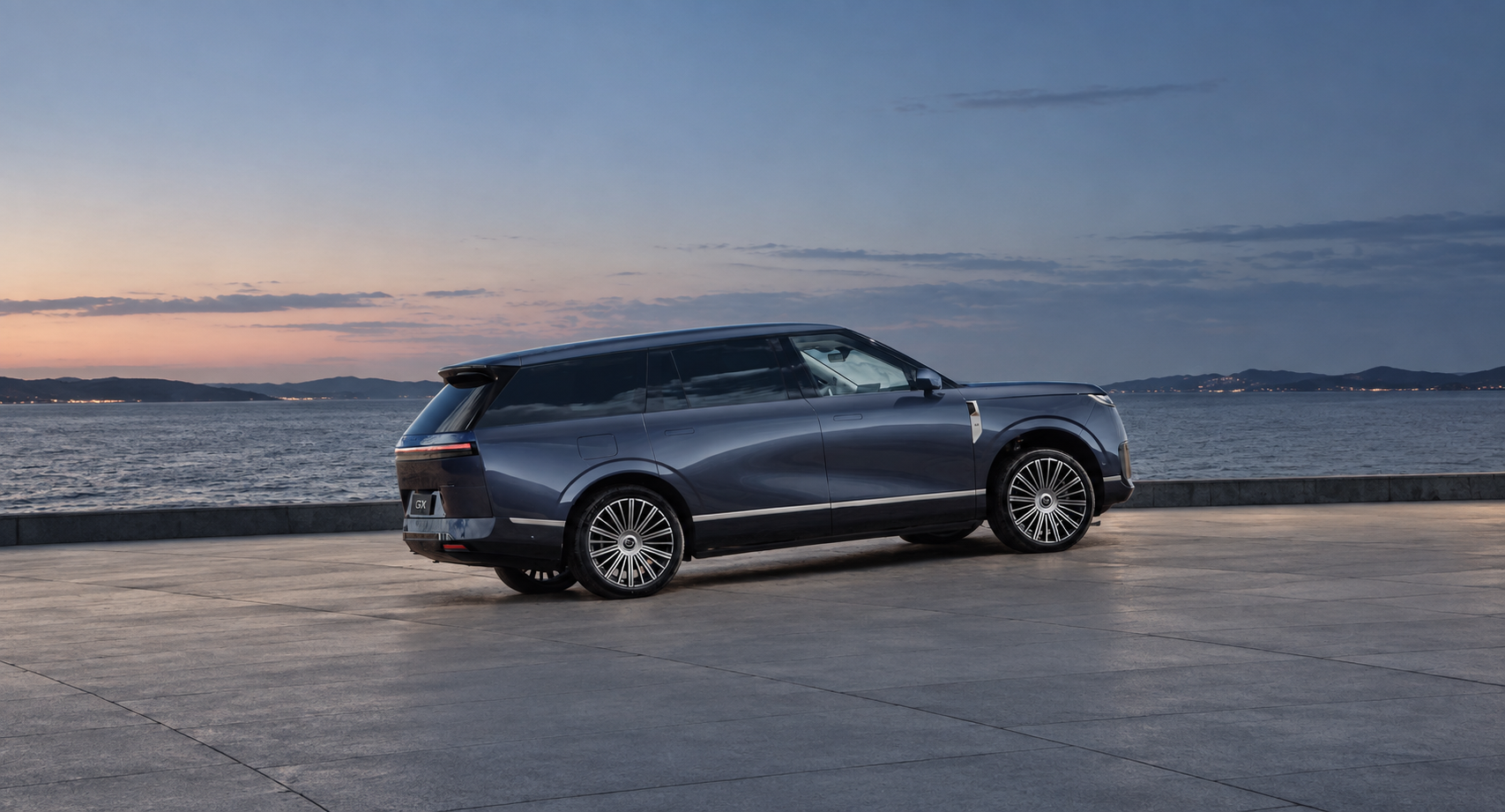
The conversion works visually because of the GX’s original proportions. Both vehicles have tall, rectangular bodies, an almost horizontal roof and a substantial rear section. The bronze trim and badges do not recreate that shape; they direct the viewer’s perception toward a familiar design.
A closer look reveals that the differences remain. XPeng has its own lighting, a different front-end design and a distinct cabin architecture. The GX was developed as either an electric vehicle or a range-extender hybrid with an extensive suite of digital systems. The Range Rover uses a different platform and its own range of powertrains. Visual similarity does not make the vehicles technical equivalents.
What We Know About the Project So Far
The only reliable conclusions concern the vehicle shown in the Sugar Design photos and the visual changes listed above. XPeng has not presented this specification, and Range Rover has not announced any involvement in the project. There is no confirmation that the parts kit will be sold commercially or that other vehicles with the same treatment exist.
The main value of this story is that it clearly demonstrates how a few decorative elements can change the way an already familiar design is perceived. The production XPeng GX remains an independent Chinese model with its own powertrains and electronics. For now, this is a one-off styling exercise, not a new model or a factory package.