
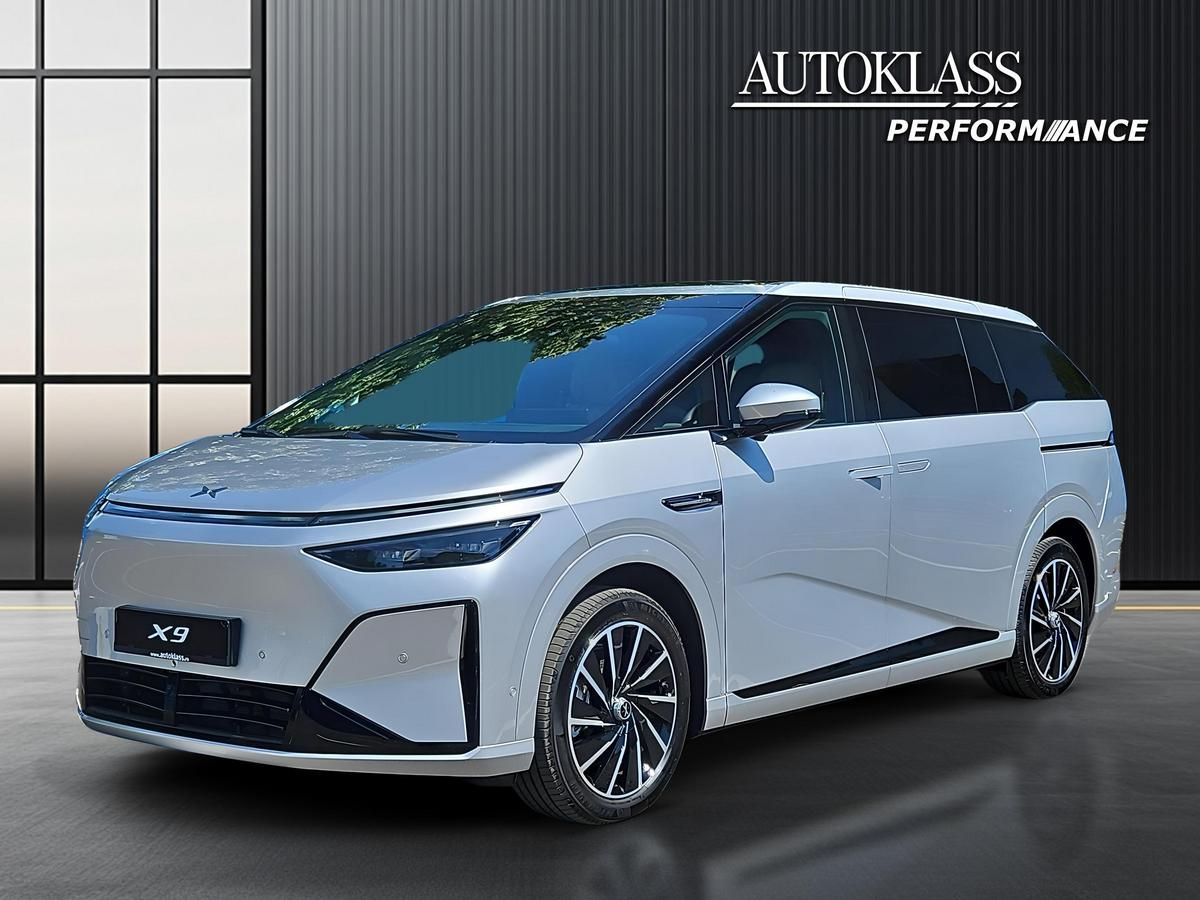
The Xpeng X9 is a modern electric SUV that draws attention with its bold design, advanced tech, and practical versatility. If you’re evaluating whether to buy or sell a used or new X9, you’ll want to understand the key aspects that influence value and satisfaction: model generation, motor options, body type, country or city availability, year, mileage, and price range. In this guide, we cover practical considerations for buyers and sellers, with a focus on realistic questions people ask when researching this specific model.
What to know about the Xpeng X9
The X9 comes in several generations and configurations that can affect performance and price. Common choices include different engines or electric powertrains, all-wheel-drive capability, and variations in interior equipment. For a buyer, typical questions are: what is the range on a full charge, how long does it take to charge, and which trims offer the best value for money? For a seller, considerations include how mileage and recent maintenance impact resale appeal, and which markets have the strongest demand.
Key factors to compare when evaluating the X9
- Generation and model year: Newer generations often bring longer range, faster charging, and improved driver-assist features.
- Fuel and drivetrain: While the X9 is electric in most markets, confirm the exact powertrain configuration and available battery sizes for your region.
- Body type and options: Look at seating capacity, cargo space, wheel sizes, and exterior styling options that influence desirability.
- Mileage and service history: Lower mileage and a well-documented maintenance log generally improve resale value.
- Price segment: Identify a realistic budget range based on local listings and compare like-for-like configurations.
- Country and city availability: Some trims or options may be restricted to certain markets; consider import costs if buying abroad.
How to decide between different trims and configurations
When you’re comparing the Xpeng X9 in different markets, consider:
- Real-world range and efficiency in your climate and driving style.
- Charging infrastructure: home charging feasibility and access to fast-charging networks.
- Warranty coverage and service options in your country or city.
- Interior comfort, tech features, and driver-assist systems that matter to you.
- Total cost of ownership, including insurance, maintenance, and potential depreciation.
Practical tips for buyers
- Check if the vehicle has any recent battery health diagnostics or replacement history.
- Verify that the model year aligns with the generation you’re researching to avoid feature gaps.
- Compare similar X9 configurations side-by-side in your area to gauge value and resale potential.
- Consider test driving in urban and highway conditions to assess ride quality and efficiency.
- Use reputable sources to confirm price ranges and verify the accuracy of mileage and condition.
Practical tips for sellers
- Prepare maintenance records, battery health checks, and any recent software updates.
- Highlight features that competitors may lack, such as advanced driver assistance or interior tech.
- Be transparent about mileage and past accidents or repairs to build buyer trust.
- Price competitively by reviewing local listings for similar year, mileage, and trim.
- Highlight charging speed, warranty status, and availability of service centers in the buyer’s region.