 EN
ENDEALER
120.005 US$DEALER
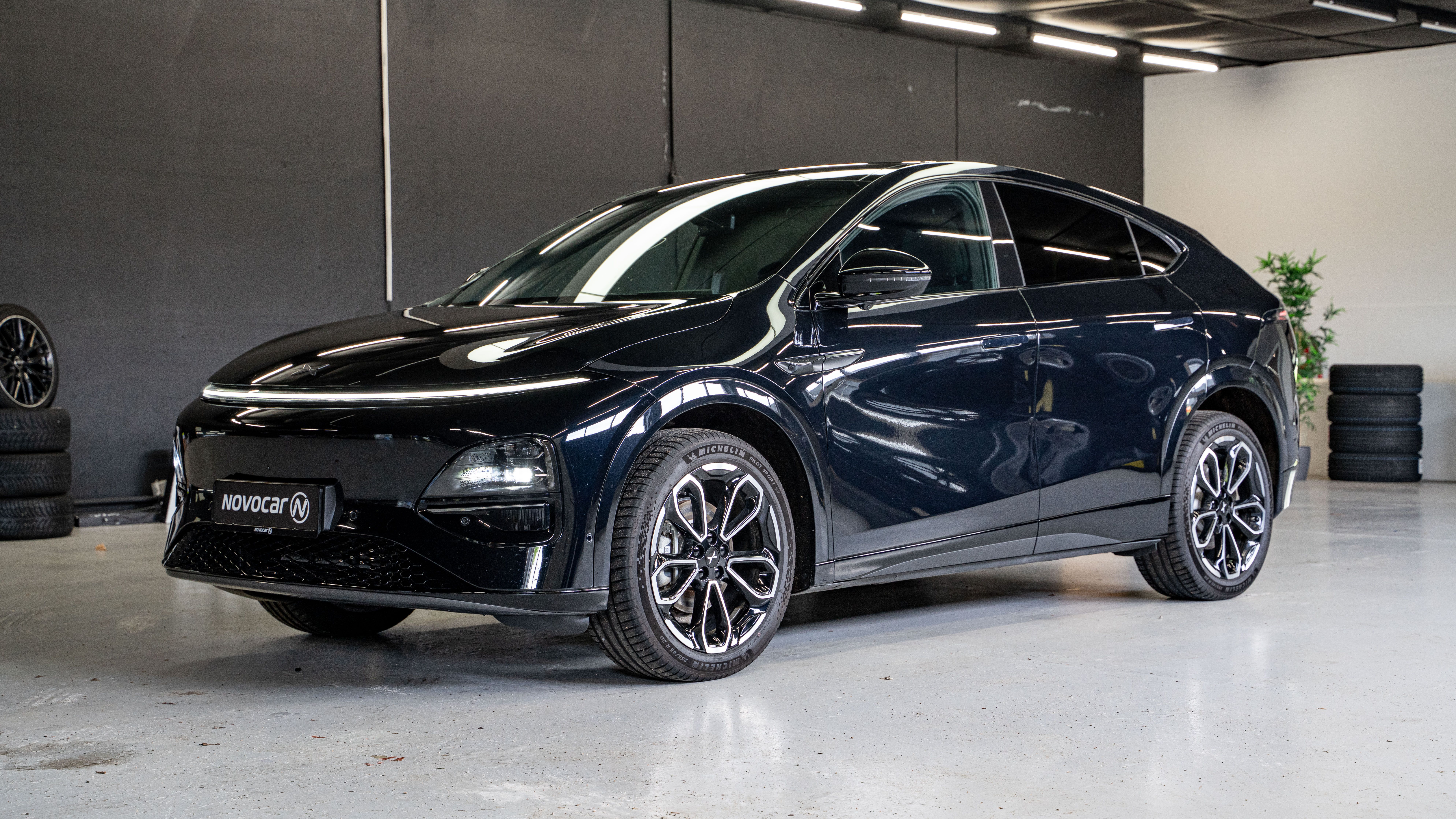
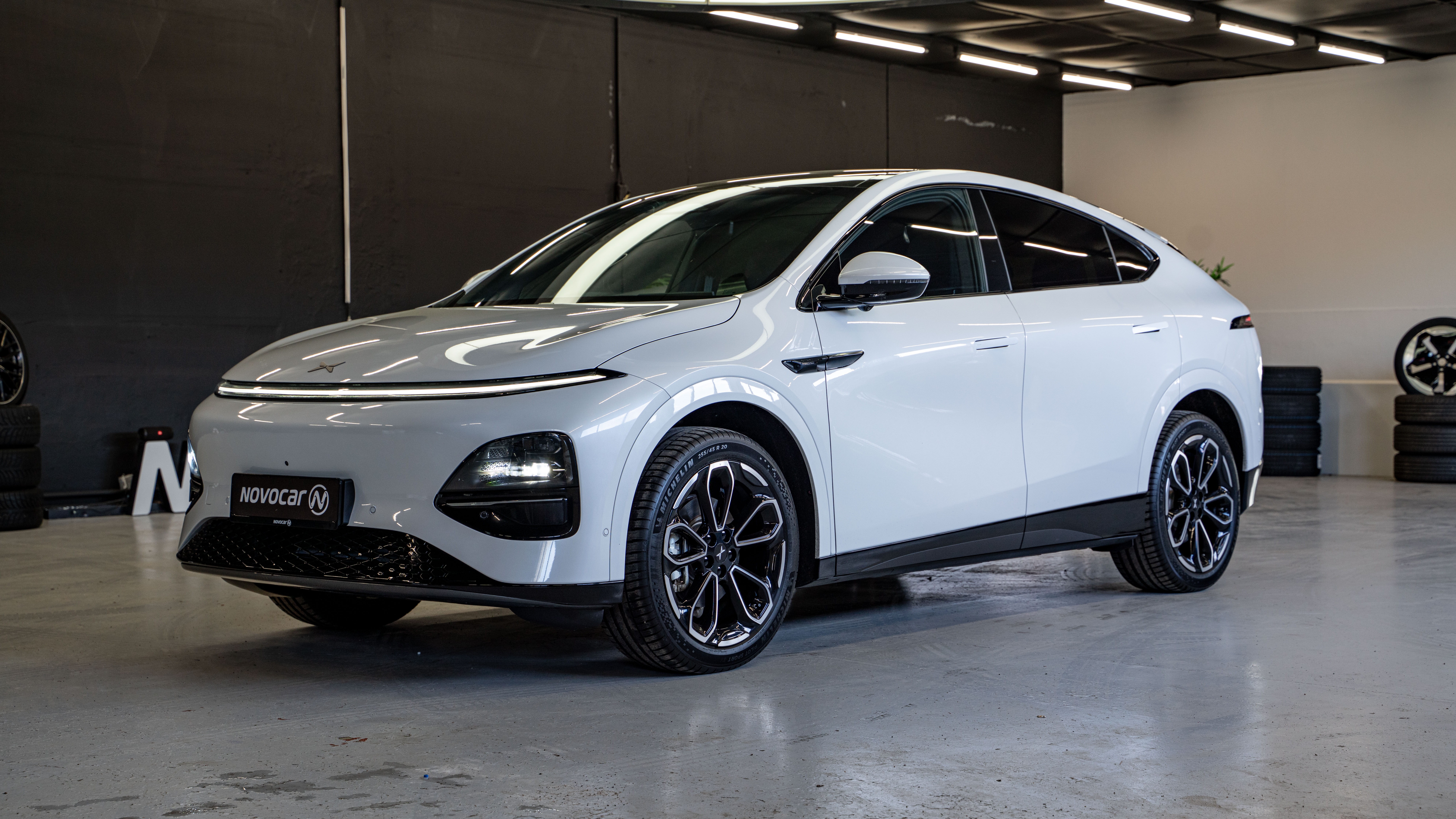
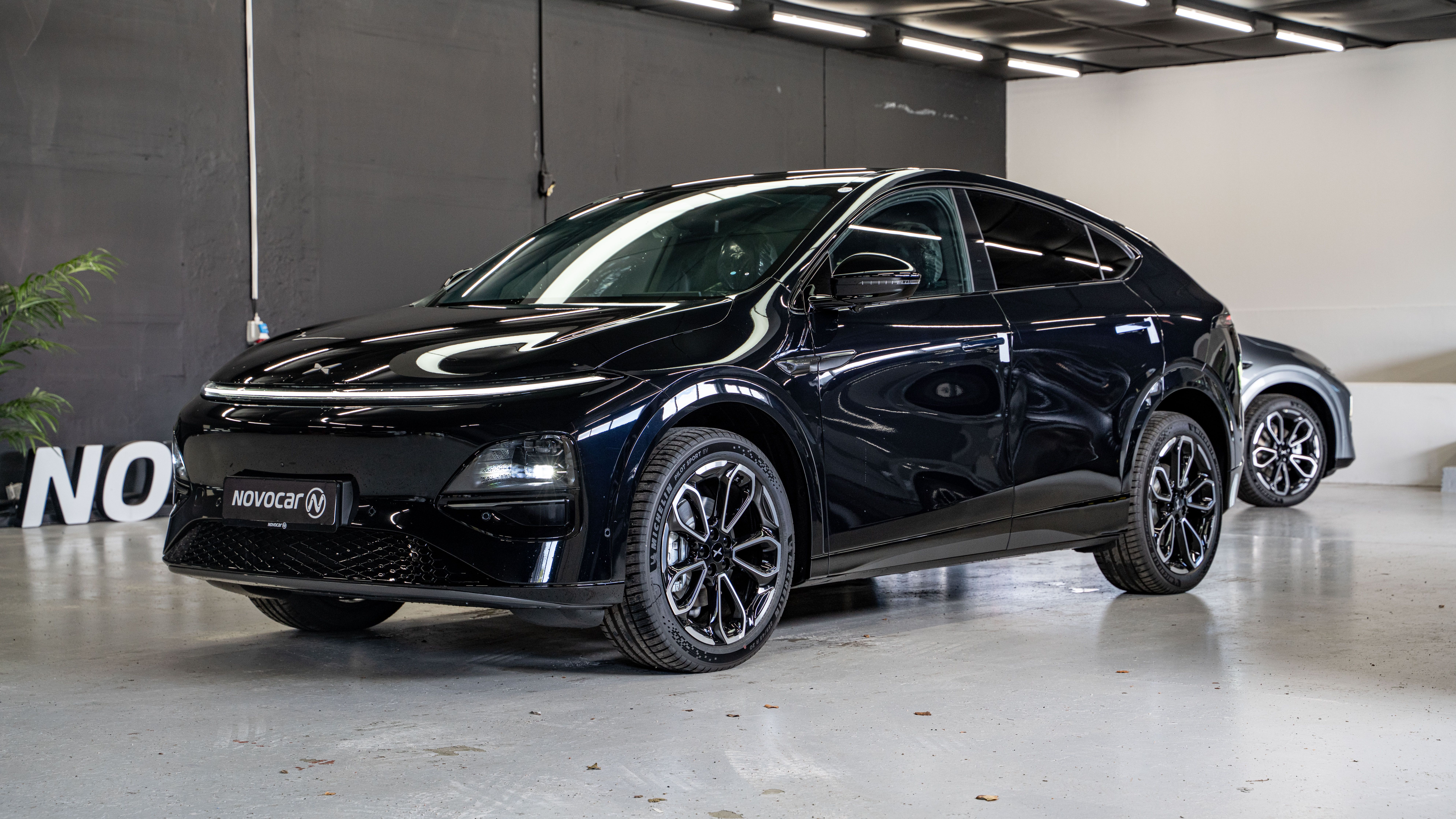
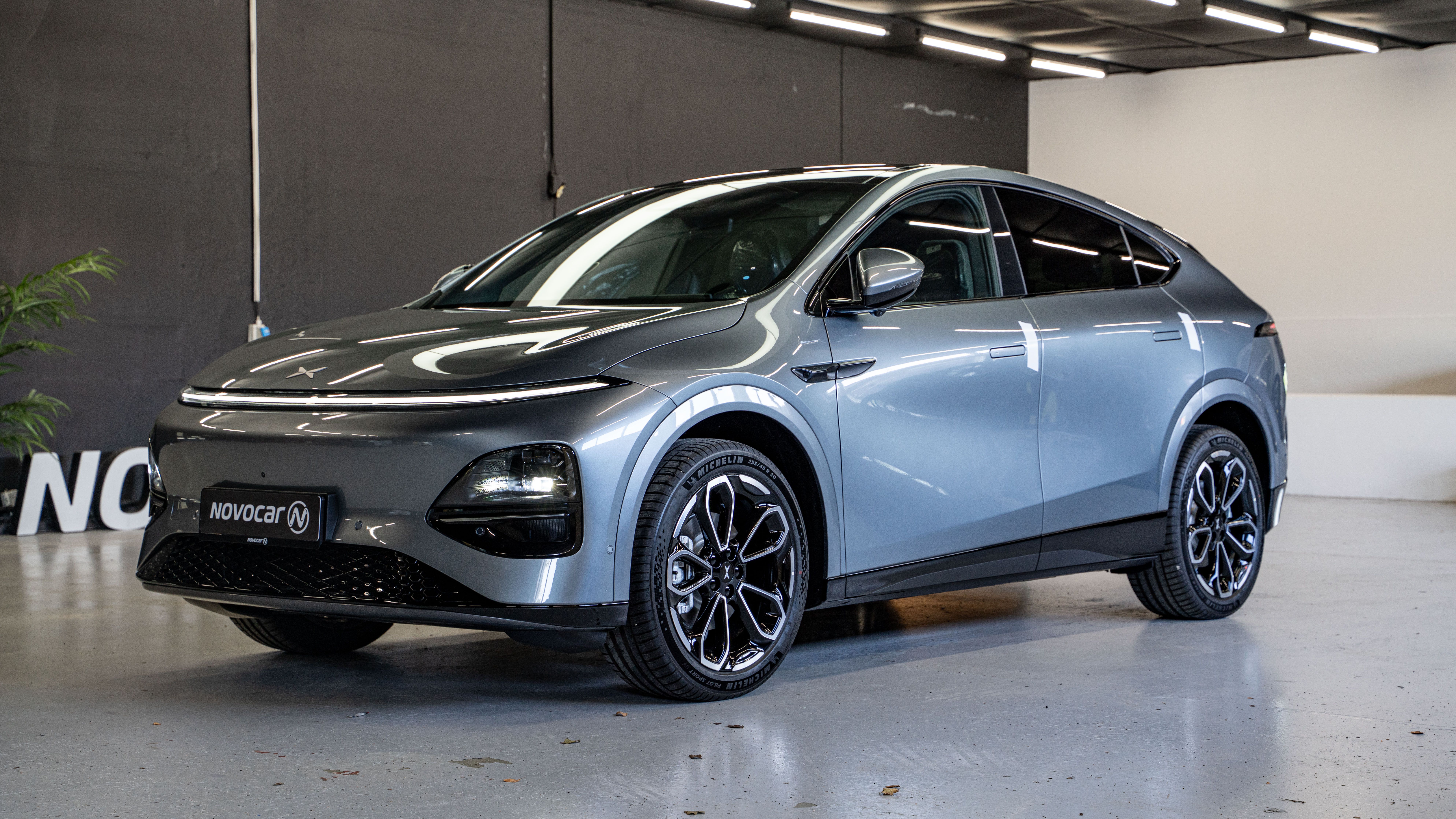
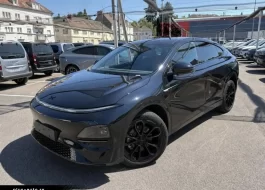
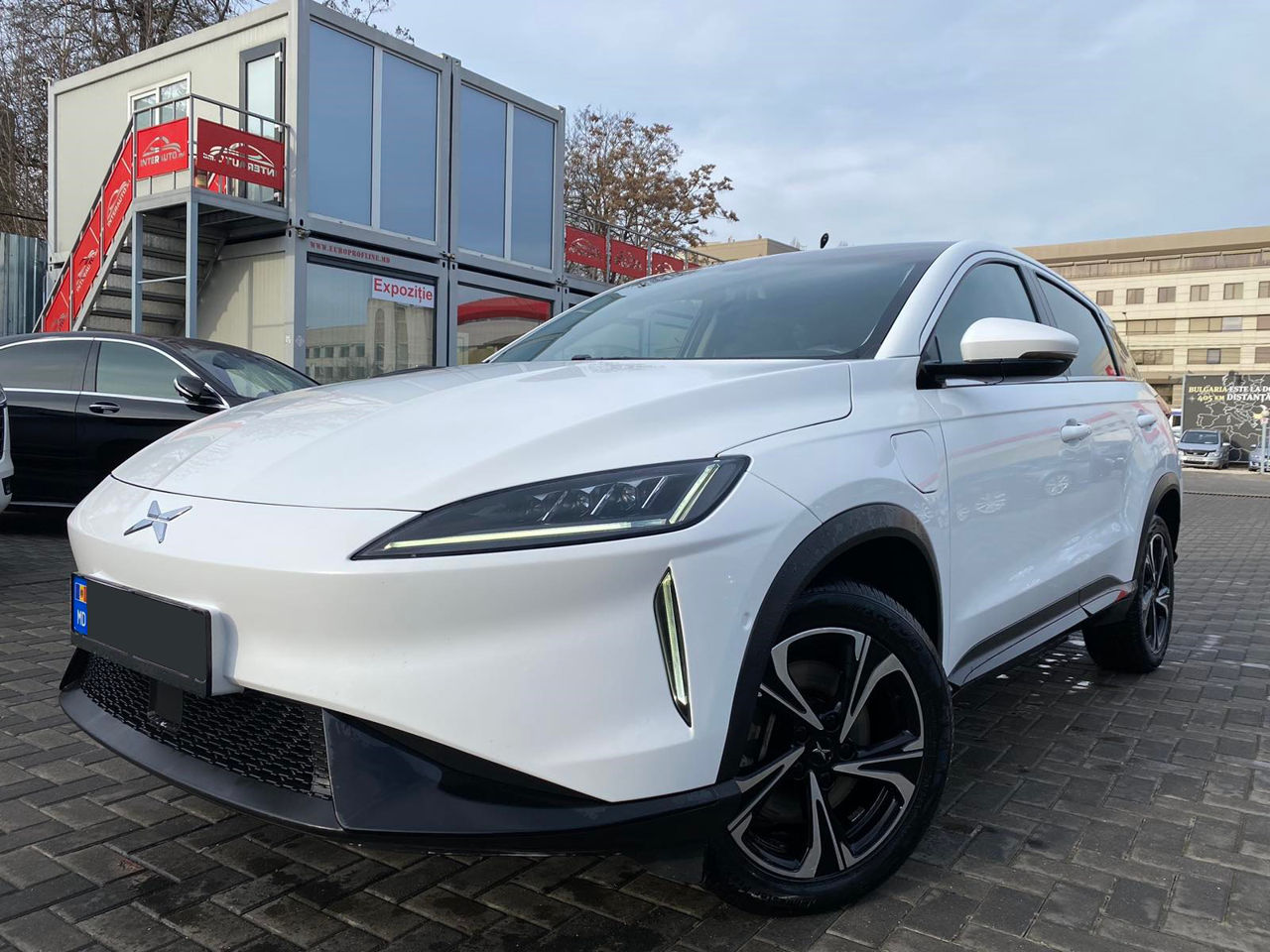
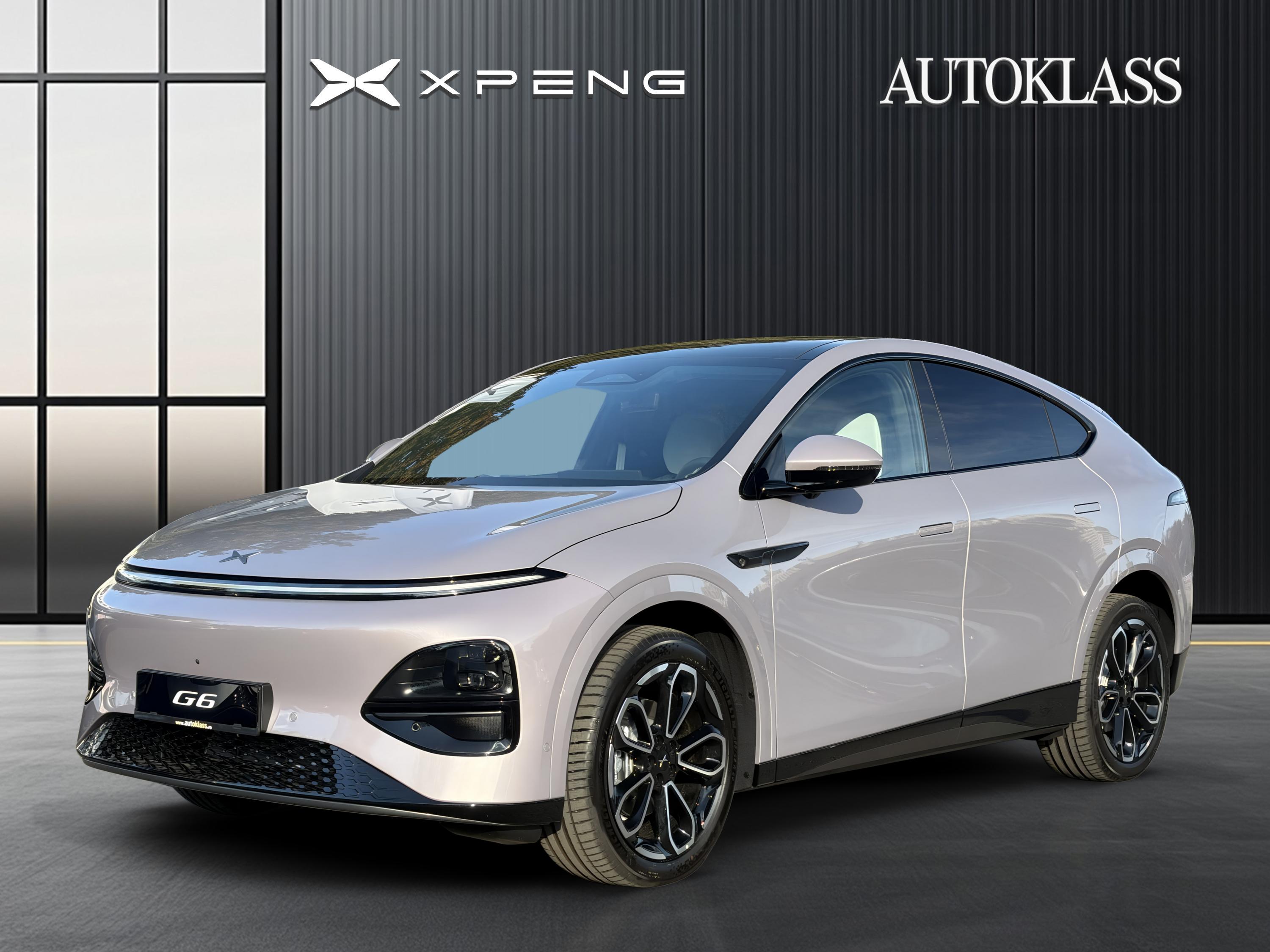
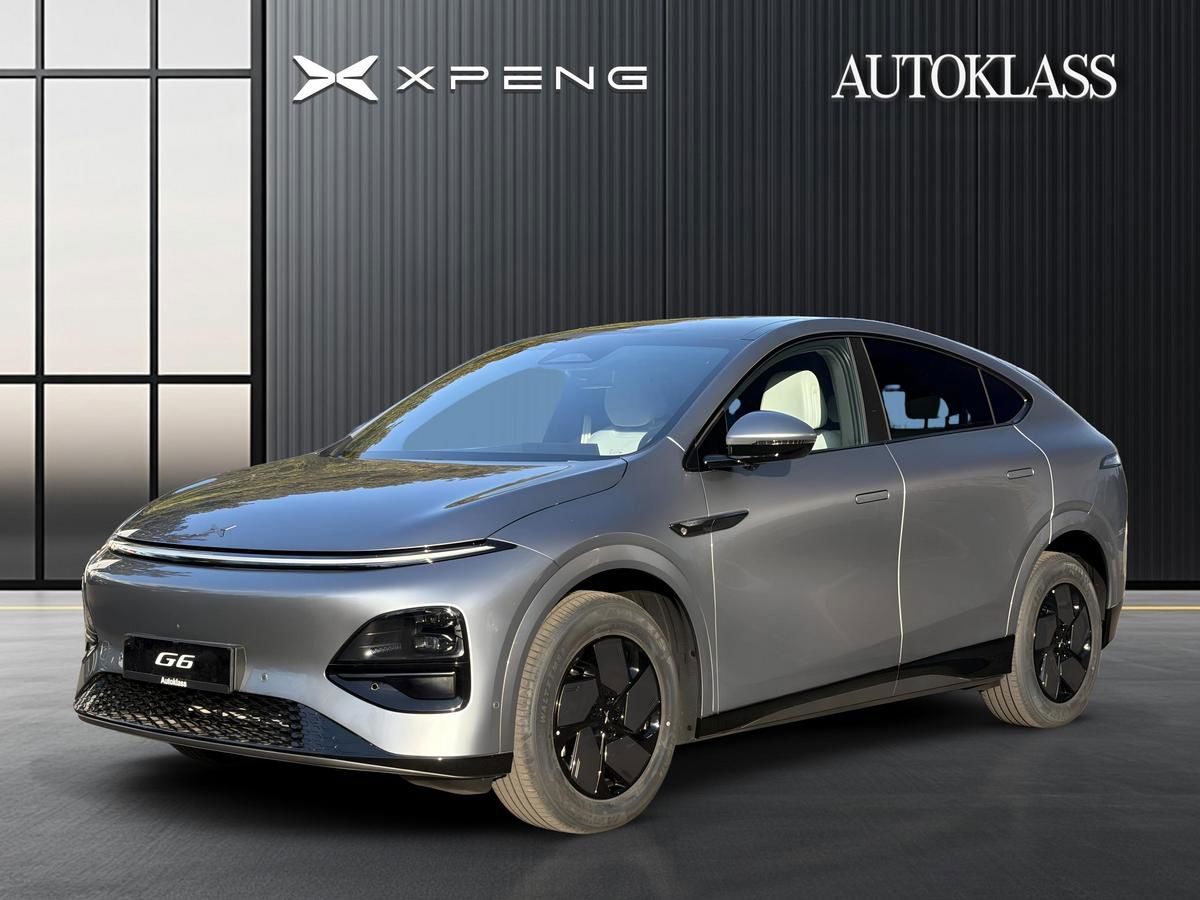
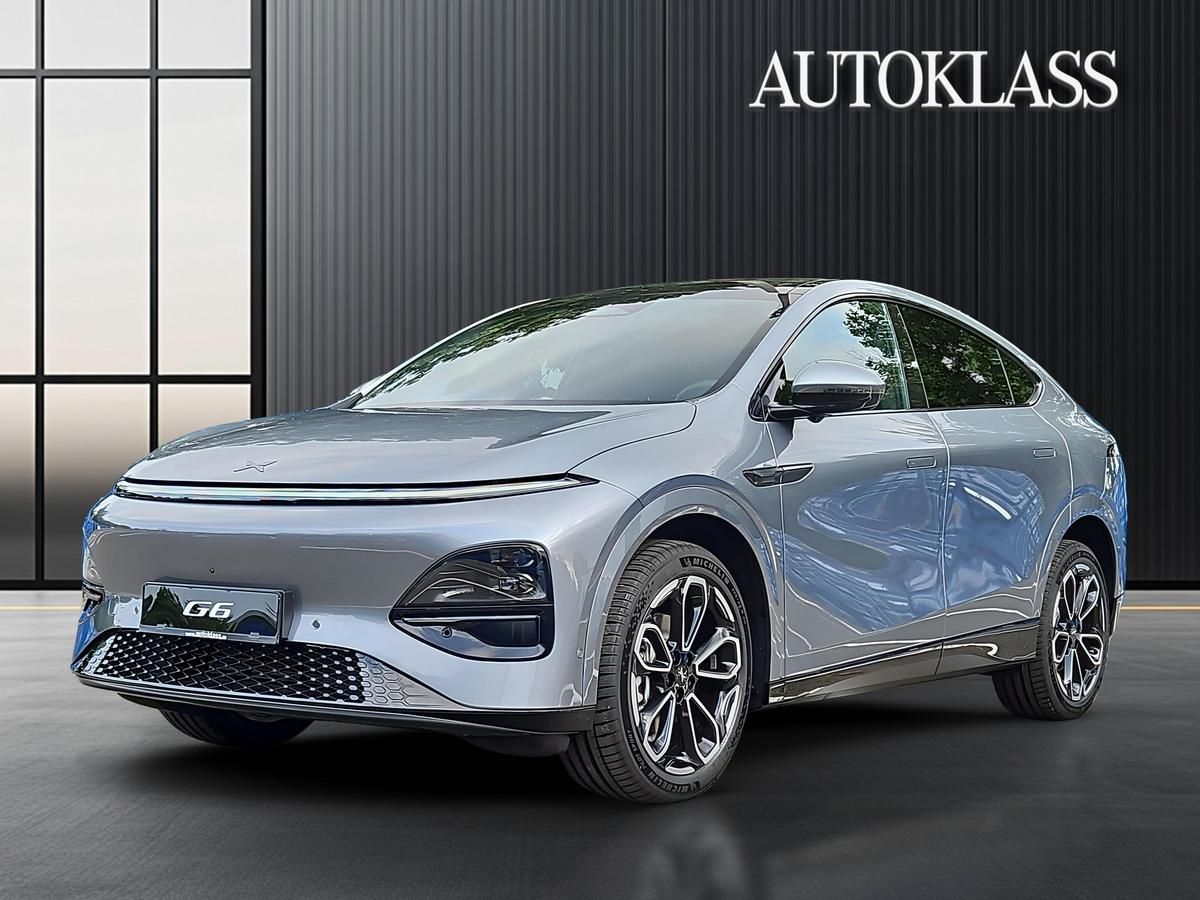
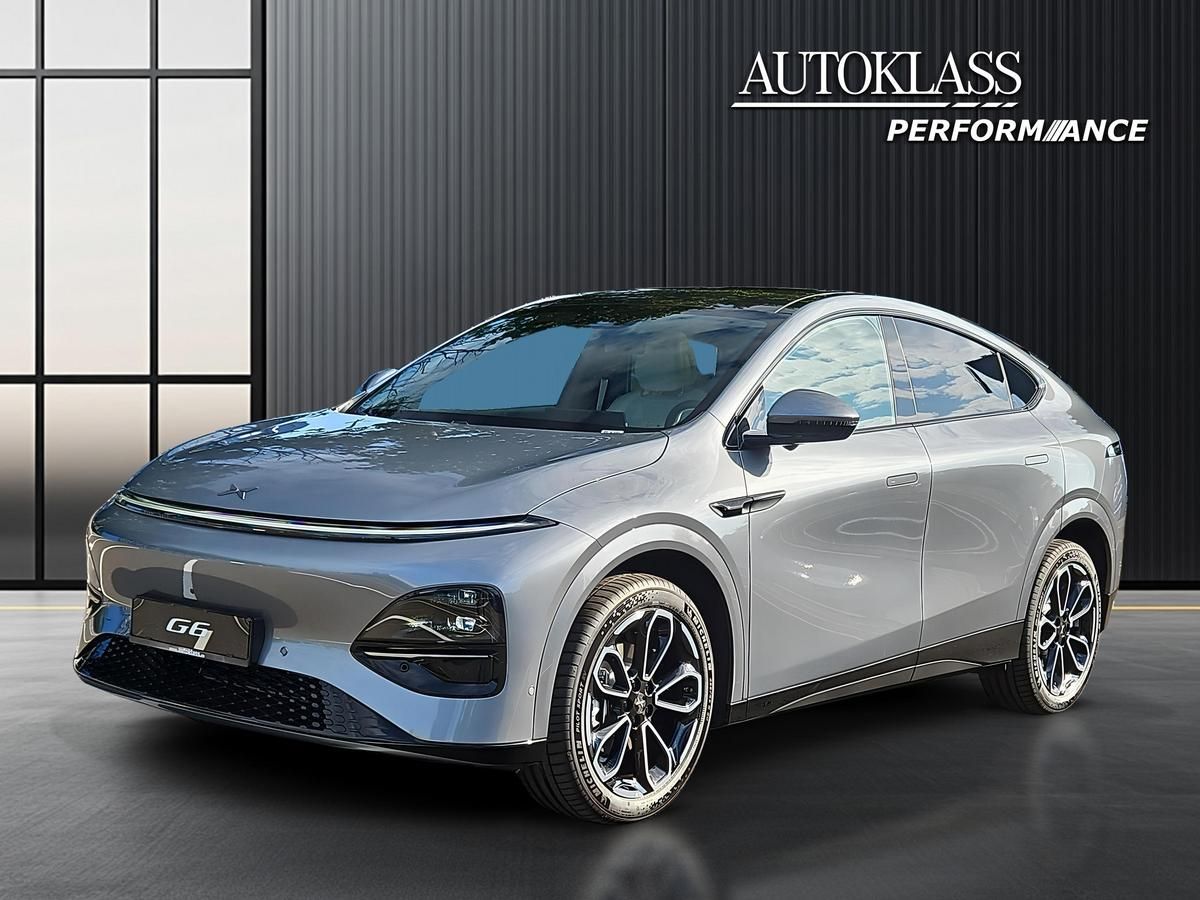
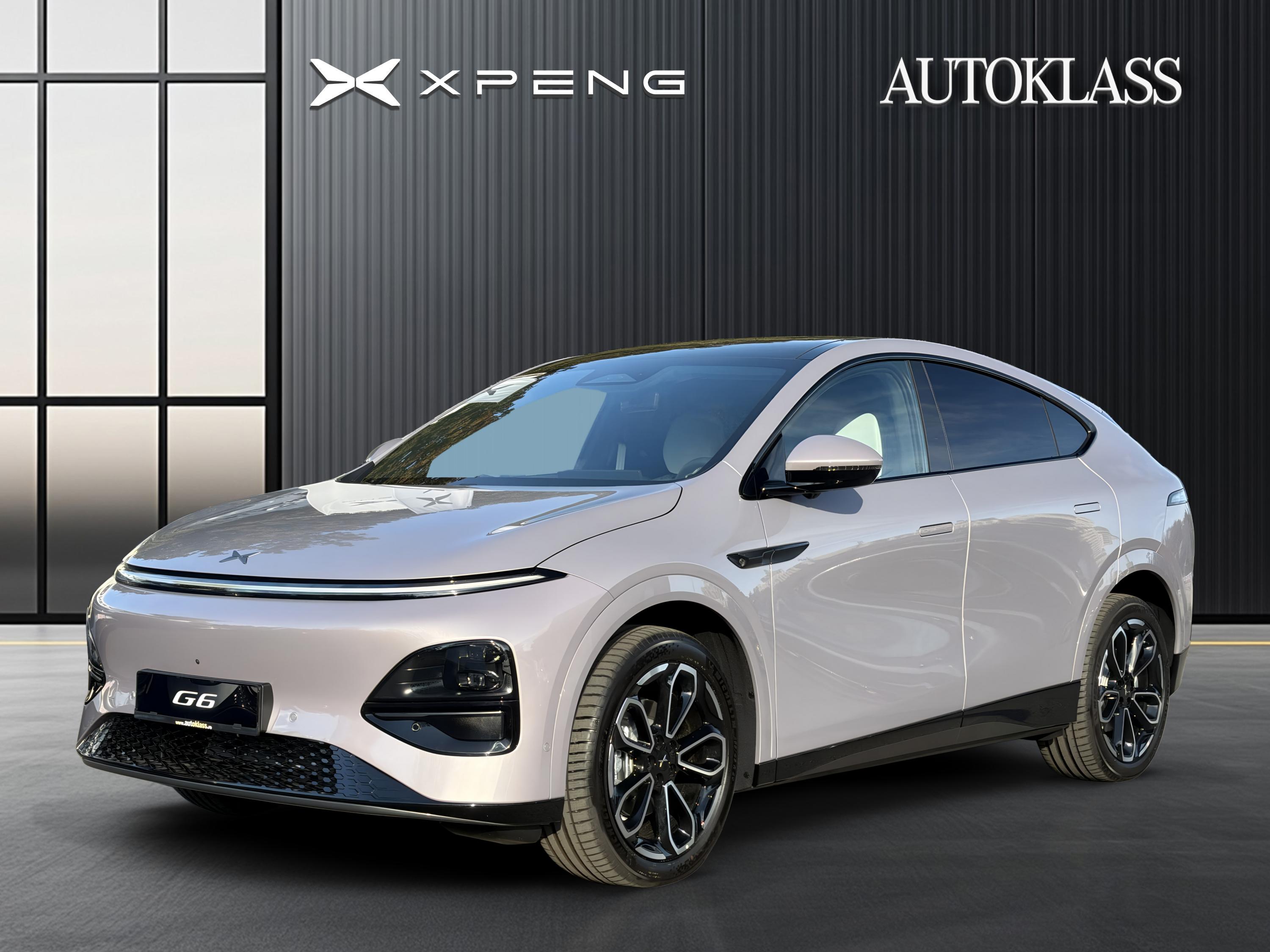
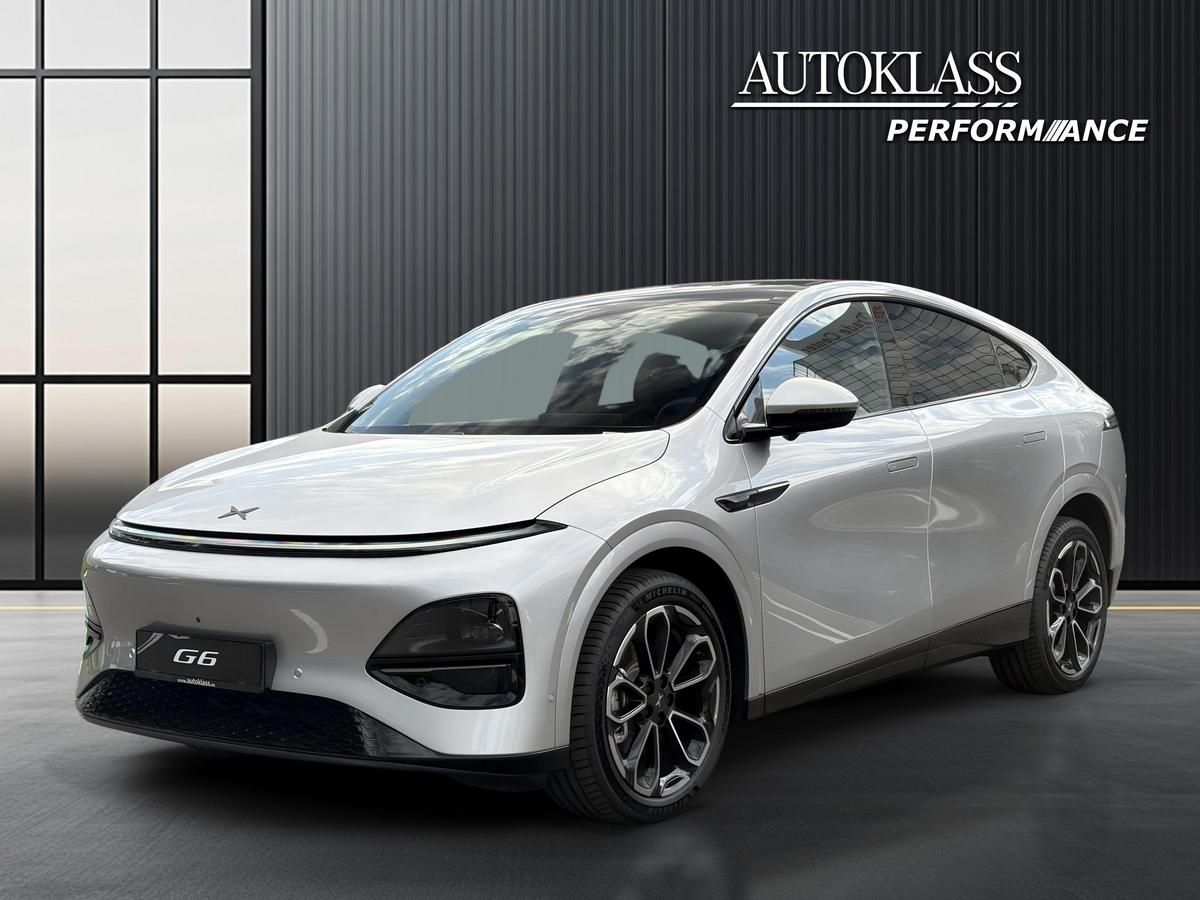
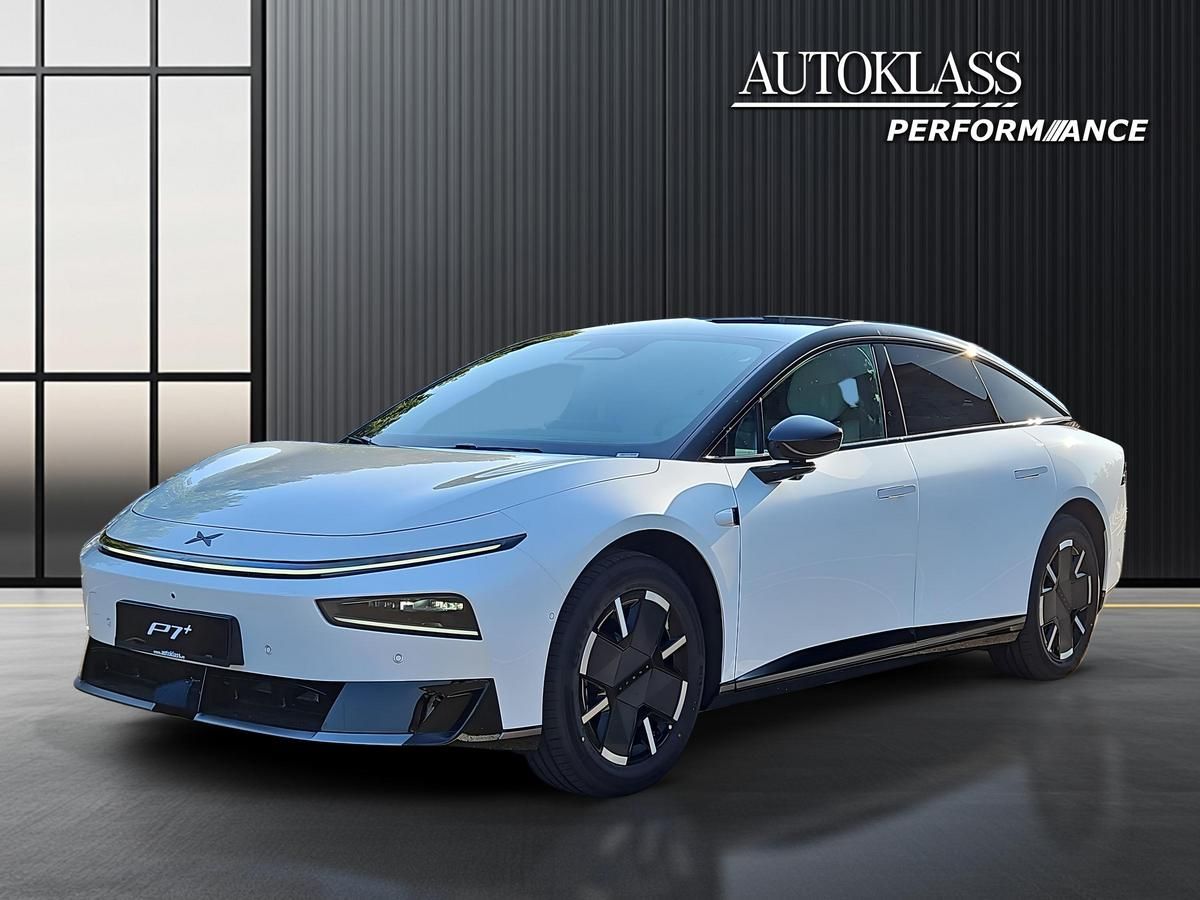
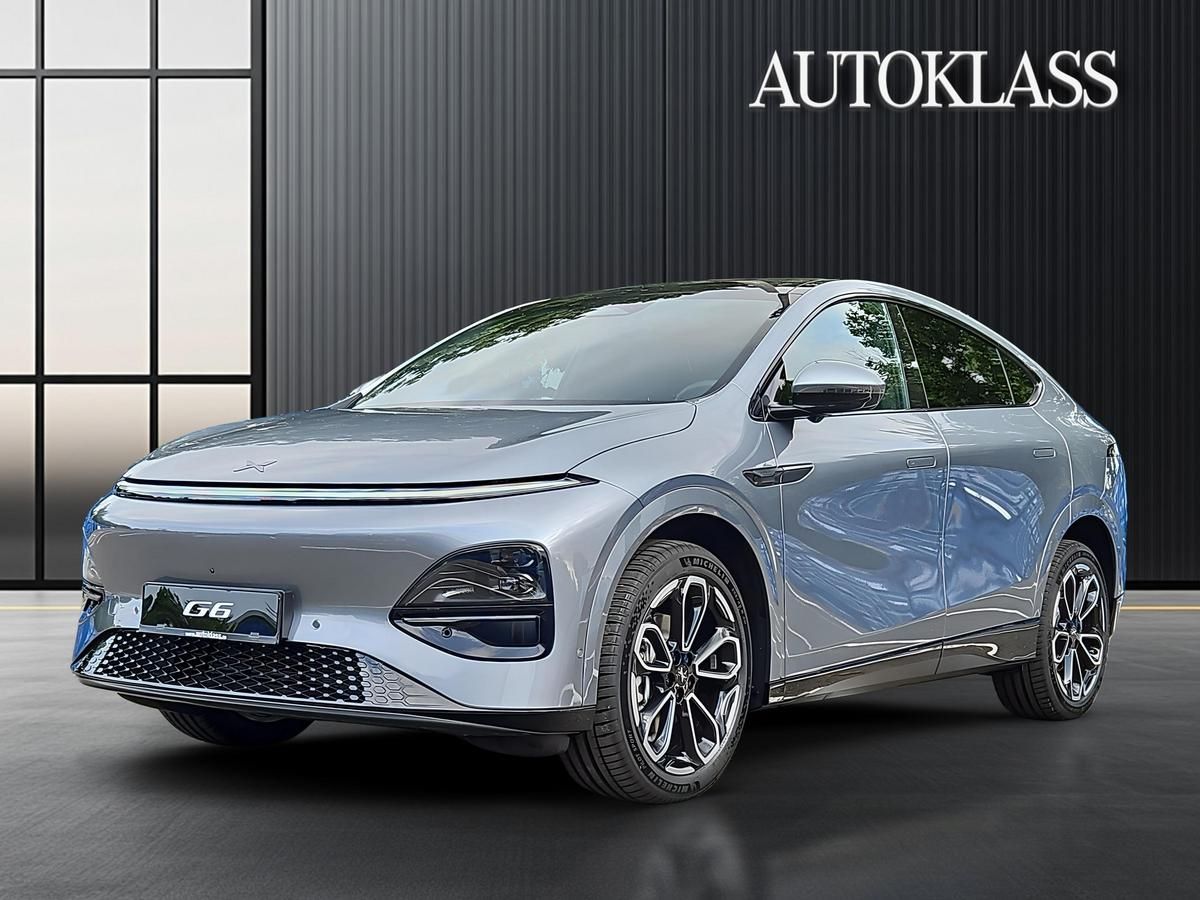
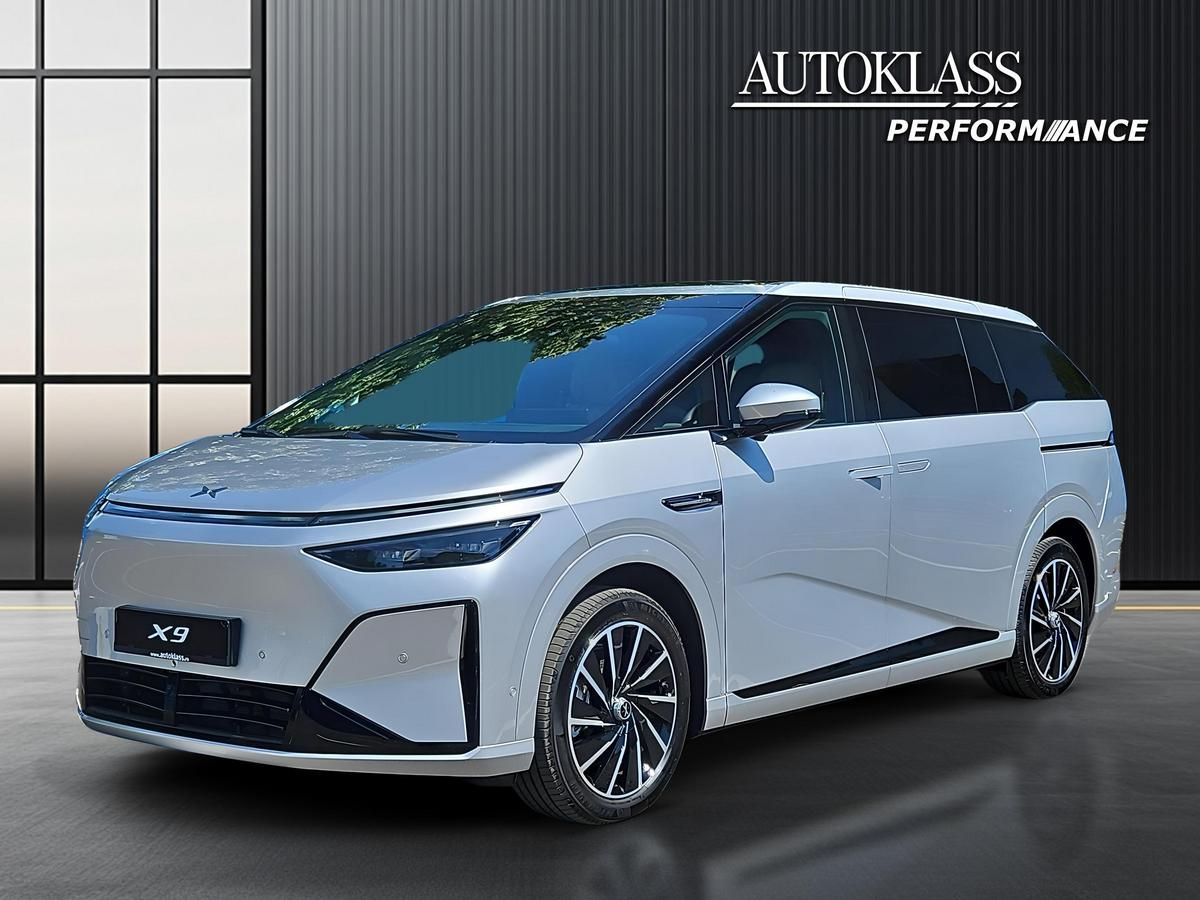
2026, electric, automatic, 10K km, Used condition, In transit

NovoCar.dk
 Denmark, South Denmark
 Denmark, South Denmark
 Denmark, South DenmarkDenmark, South DenmarkDenmark, South DenmarkDenmark, South DenmarkDenmark, South DenmarkDenmark, South DenmarkDenmark, South DenmarkDenmark, South DenmarkDenmark, South DenmarkDenmark, South DenmarkDenmark, South Denmark
 Romania, Bacău County
 Moldova, Chișinău Municipality
 Sector 1, RomaniaSector 1, RomaniaSector 1, RomaniaSector 1, RomaniaSector 1, RomaniaSector 1, RomaniaSector 1, RomaniaSector 1, RomaniaSector 1, RomaniaSector 1, RomaniaSector 1, Romania
When you’re in the market for an Xpeng, understanding the lineup and the local market can make a big difference. Whether you’re aiming to buy a new or used Xpeng, or you’re considering selling a car you already own, it helps to know the key details that influence value, performance, and overall satisfaction. This guide covers common questions buyers and sellers have, with practical advice tailored to different cities and countries where Xpeng models appear in everyday life.
Xpeng, a brand known for its electric vehicles, offers several models that appeal to different lifestyles. Typical considerations include the generation of the model, the body type (compact sedan, crossover, or SUV), and the propulsion setup. When evaluating a specific Xpeng, check the generation and the main configuration: battery size, motor setup, and whether the vehicle uses front- or all-wheel drive. For example, you may see models with modern electric drivetrains, significant range, and fast charging capabilities, which are important factors for daily use and resale value.
Pricing for Xpeng cars varies by country, city, year, mileage, and condition. When researching, consider:
In many markets you’ll find a price spectrum from affordable used examples to newer, higher-spec variants. Compare several listings in your city and nearby regions to gauge what a fair price looks like for the specific model and year you’re considering. If you’re buying, consider total cost of ownership, including maintenance, insurance, and charging costs, rather than just the sticker price.
Before purchasing an Xpeng, inspect the vehicle history, battery health, and charging compatibility. Key questions to ask the seller include:
For test drives, focus on braking feel, regenerative braking intensity, suspension comfort, and quietness inside the cabin. A smooth drive with minimal road noise and strong acceleration can indicate good overall condition. If you’re selling, provide clear service records, recent maintenance, and honest mileage to build trust with potential buyers.
When setting a price for your Xpeng, be realistic about market demand in your country or city. Highlight the model, year, mileage, battery health, and any recent upgrades. High-quality photos, a detailed description of features and the charging setup, and transparent maintenance history can boost buyer confidence. Consider offering a flexible viewing schedule and a clean, well-presented vehicle to improve the chances of a quick sale.
Buying or selling an Xpeng requires a balanced approach: know the model’s strengths, understand how local market dynamics affect price, and be transparent about the car’s condition. With careful research and clear communication, you can find a good deal that matches your needs or move your car efficiently in your city.
 Add as preferred sourceSee more from zvelta in Google Search Add as preferred source