EN
EN

Frequently asked questions
No. The 1,278.36 km figure is the total route from Wolfsburg to Vienna, and the prototype stopped once to recharge. Volkswagen did not state how far it traveled before the charging stop.
Volkswagen reported 6.89 kWh/100 km for energy used while driving and 7.51 kWh/100 km including charging losses. These figures describe the route and should not be treated as a single range claim.
No. The prototype was built to test technologies and was not on sale. As of September 17, 2026, Volkswagen had not announced a price, sales start date or production version of this specific model.
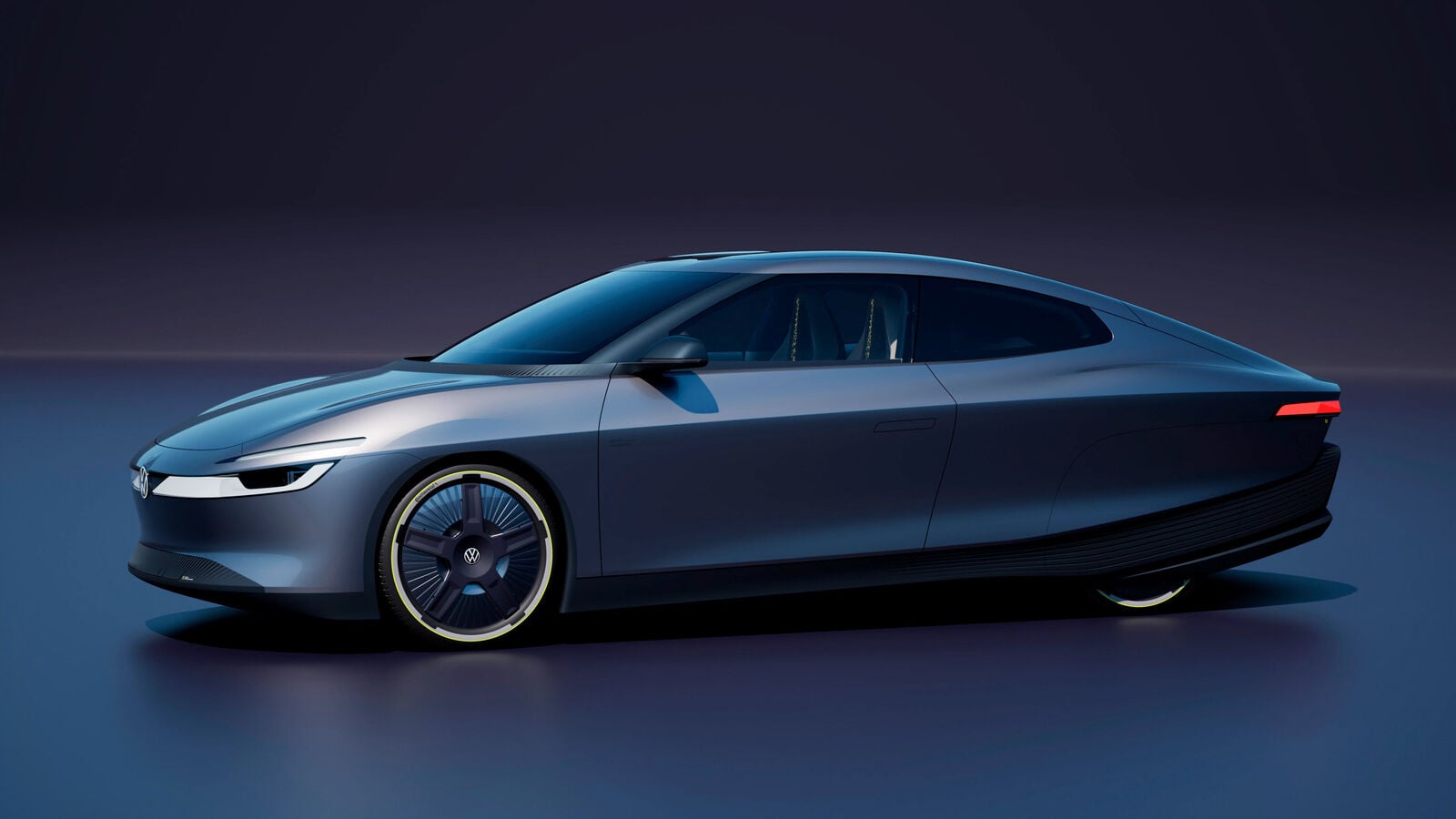
On September 14, 2026, Volkswagen published the results of a drive by the Mission Efficiency electric car from Wolfsburg to Vienna. The prototype covered 1278.36 km through Poland and the Czech Republic, stopping once to recharge along the way. The 1278 km refers to the total route distance, not the range on a single charge. The car was built to test technologies and is not currently on sale.
The route in four figures
1278.36 km — the distance from Volkswagen’s development center in Wolfsburg to Vienna via Poznań and Olomouc.
One charging stop — the battery was topped up during the journey, but Volkswagen did not specify how long the stop lasted.
6.89 kWh/100 km — energy consumption for driving; 7.51 kWh/100 km — the figure including charging losses.
164 km — the estimated remaining range shown by the car on arrival.
How the journey unfolded
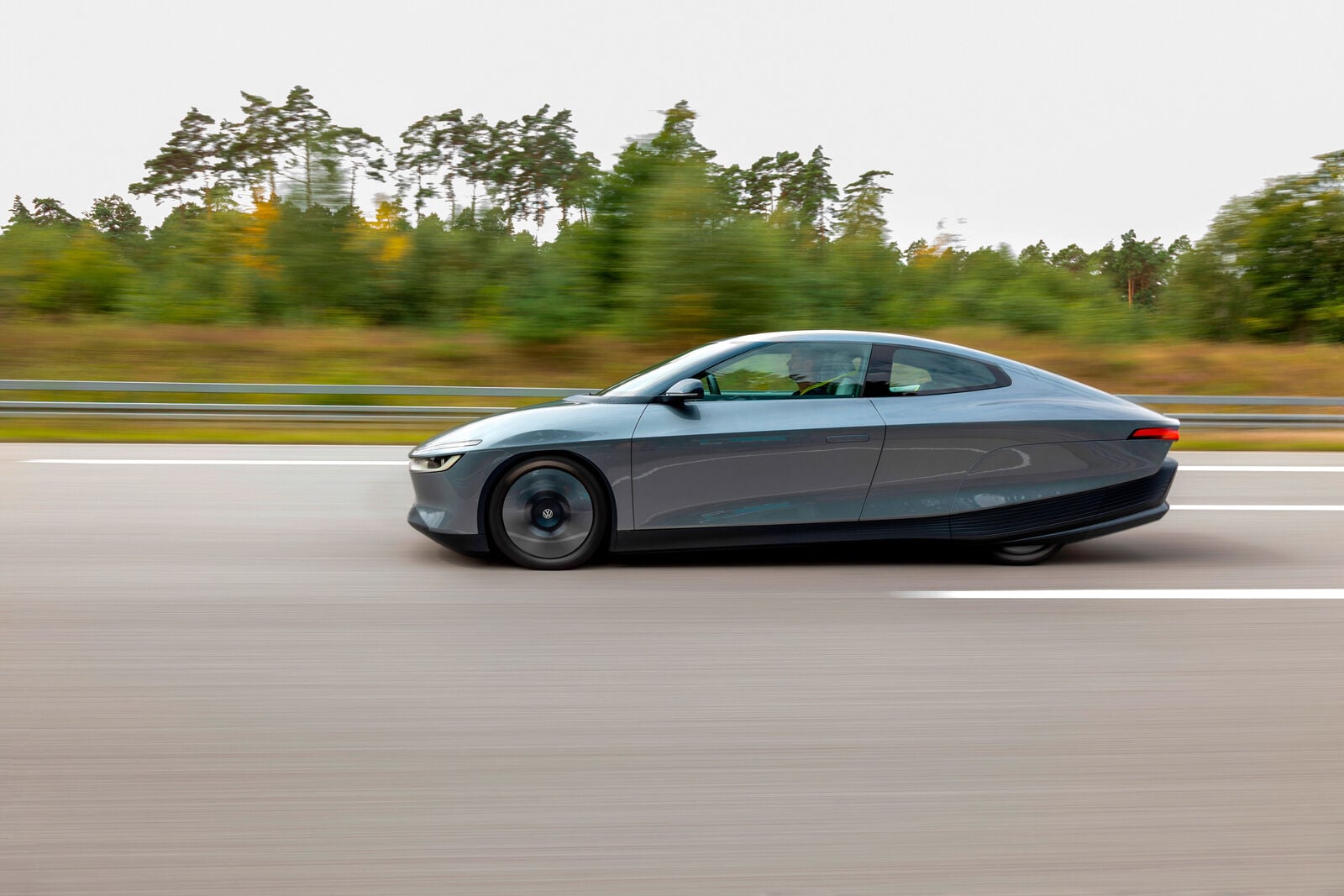
The route began in Wolfsburg, Germany, continued through Poznań in Poland and Olomouc in the Czech Republic, and ended in the Austrian capital. According to Volkswagen, the average speed was 67.72 km/h, while the highest speed recorded on the route was 138 km/h. The company said the test was documented, but its press release did not state the date of the actual drive, the location of the charging stop, its duration or the amount of energy added. The exact distance covered in each of the two sections therefore cannot be determined from the published data.
Why one battery would not have been enough for the entire route
The Mission Efficiency’s usable battery capacity is 54.9 kWh. Multiplying the route length by the stated consumption of 6.89 kWh/100 km gives approximately 88.1 kWh of energy used for driving over the entire journey. This is a calculation based on the manufacturer’s data, not the result of a separate range test. It explains why recharging was necessary, but it does not show how many kilometers the car covered before the stop.
Four consumption figures: which ones can be compared
Volkswagen lists several figures for different conditions. In the prototype’s technical summary, they refer to two tests and the calculated WLTP cycle. They should not be treated as a single range claim.
Figure | Consumption | Conditions and meaning |
|---|---|---|
“Ideal drive” | 6.48 kWh/100 km | A constant 68 km/h, no inclines; the air conditioning and some other consumers were switched off. |
Wolfsburg–Vienna route | 6.89 kWh/100 km | Energy used by the car for driving, excluding charging losses. |
The same route including charging losses | 7.51 kWh/100 km | Energy including losses incurred while replenishing the battery. |
Stated WLTP figure | 8.4 kWh/100 km | A separate standardized cycle; not the result of the drive to Vienna. |
The difference between 6.89 and 7.51 kWh/100 km matters when estimating electricity costs: some energy is lost during charging, so the grid must supply more than the car ultimately uses on the road. The 6.48 kWh/100 km figure was achieved under easier conditions and does not describe normal motorway driving.
How consumption was reduced
The prototype’s main feature is its aerodynamics. Volkswagen quotes a drag coefficient of Cd 0.158 and a frontal area of 2.08 m². Both figures matter: a low drag coefficient alone does not show how much energy a large vehicle will need to travel at high speed. The Mission Efficiency has a long, tapering body that is 1392 mm high, covered rear wheels, a flat underbody and cooling shutters that open when required.
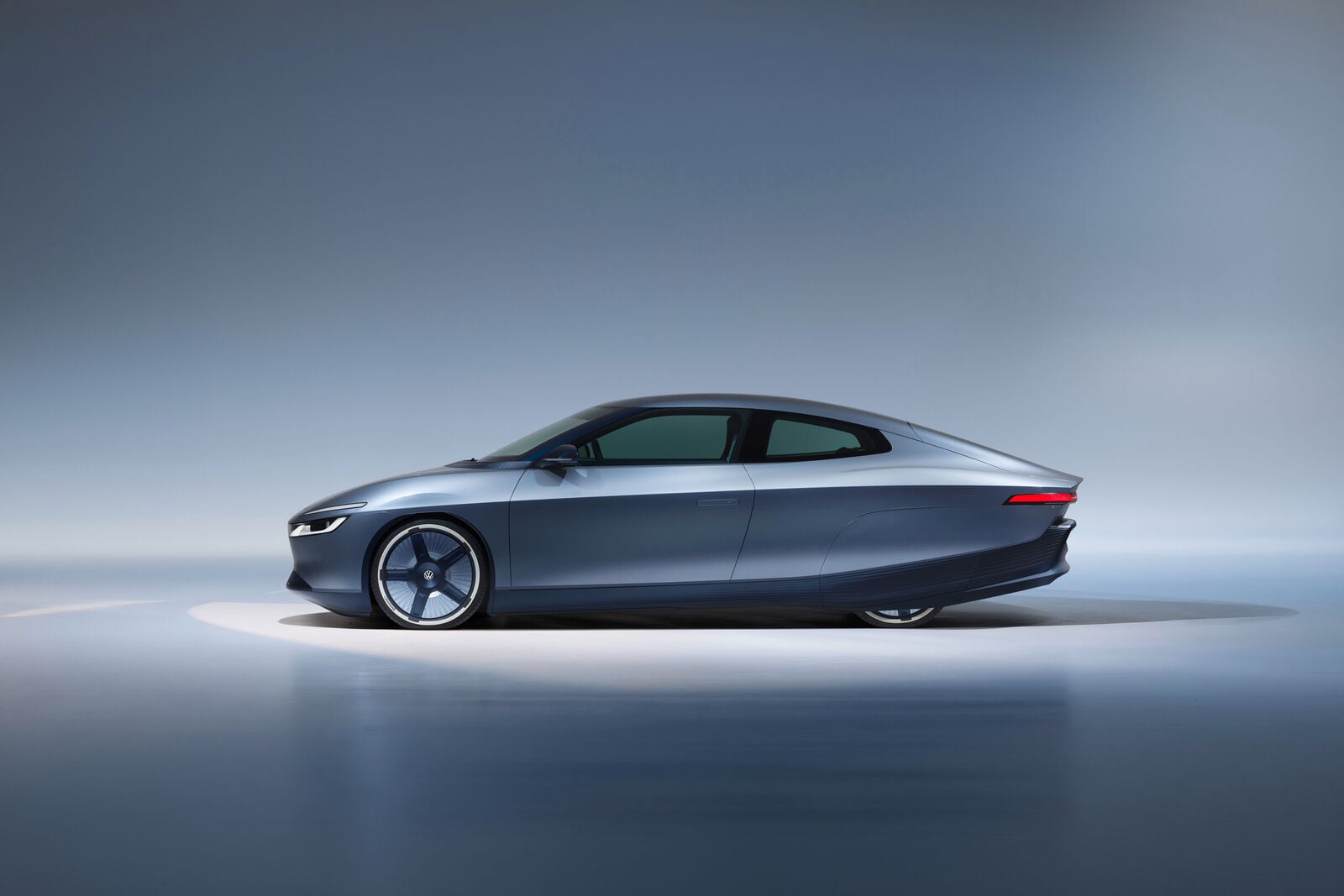
The company says that at speeds above 80 km/h, the prototype uses more than 30% less energy than a production ID. Polo in comparable conditions. This is Volkswagen’s comparison, not a promise that every future electric car from the brand will achieve the same consumption. Special low-rolling-resistance tires, lightweight body panels and electromechanical brakes on the rear axle also contribute by reducing mechanical losses.
What comes from the ID. Polo—and what was developed specifically for the prototype
The Mission Efficiency uses the front-wheel-drive MEB+ architecture and a 99 kW electric motor. The battery is also based on the ID. Polo’s unit. In its description of the ID. Polo’s drive system dated April 29, 2026, Volkswagen stated that its NMC battery had a usable capacity of 52 kWh. The prototype offers 54.9 kWh; according to separate Mission Efficiency technical data, an additional 2.9 kWh was made available through software.
Using the same drive system does not make the cars identical. To achieve its streamlined shape, the prototype received a different body and a narrower rear track. Its peak DC charging power is stated as 105 kW, but Volkswagen did not disclose the charging speed during the record journey. The 1278 km figure and the 6.89 kWh/100 km consumption figure cannot be transferred to the ID. Polo.
What remains practical—and where the compromises are
The two-door coupe has four seats in a 2+2 layout and a 481-liter trunk. The front seats are designed for normal use, while Volkswagen estimates that the rear seats are suitable for passengers up to approximately 1.60 m tall. Instead of a built-in central multimedia screen, the car has a mount for the owner’s smartphone or tablet. This allowed the engineers to reduce weight and the number of permanent components, but it is too early to assess how practical the solution would be in a production car.
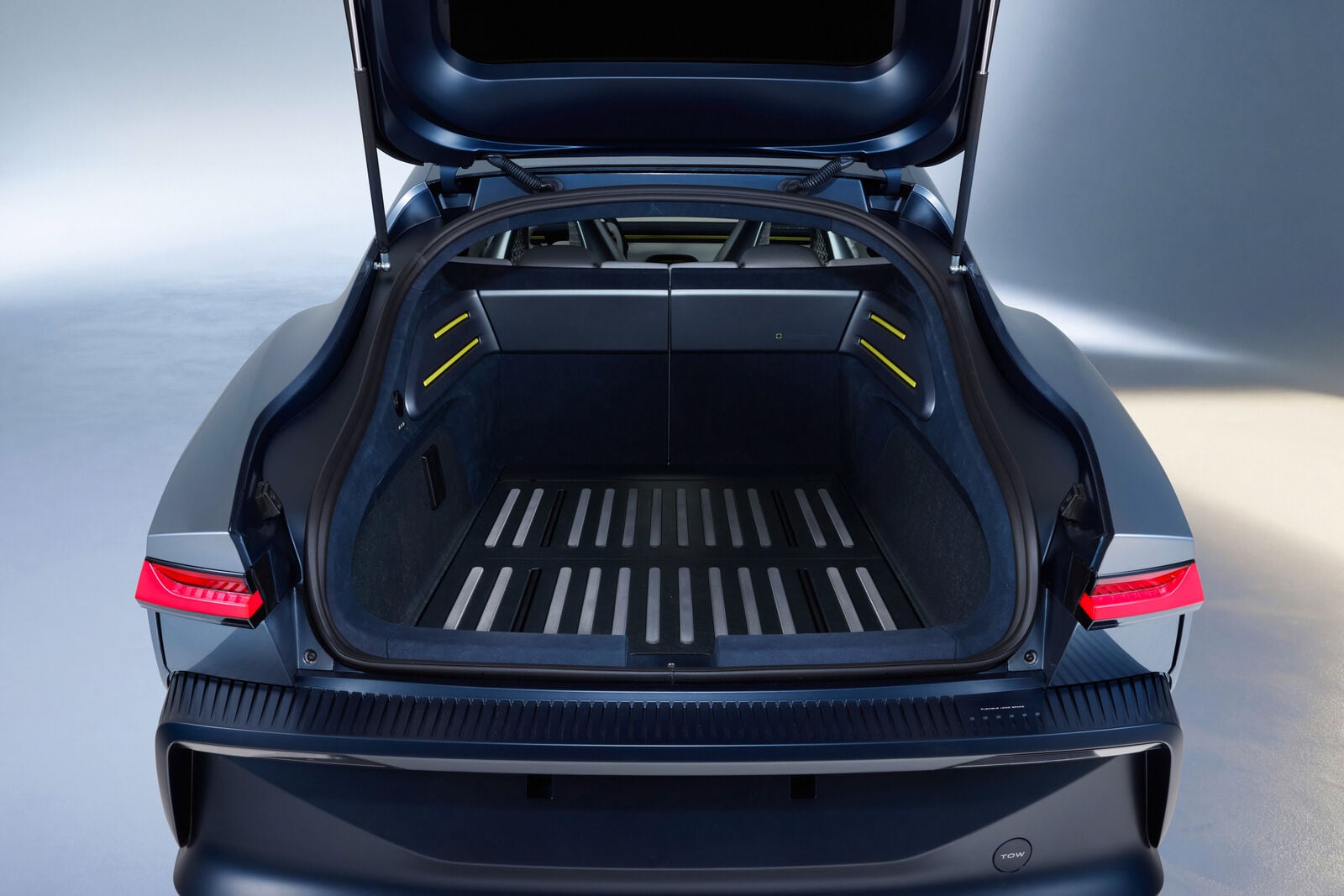
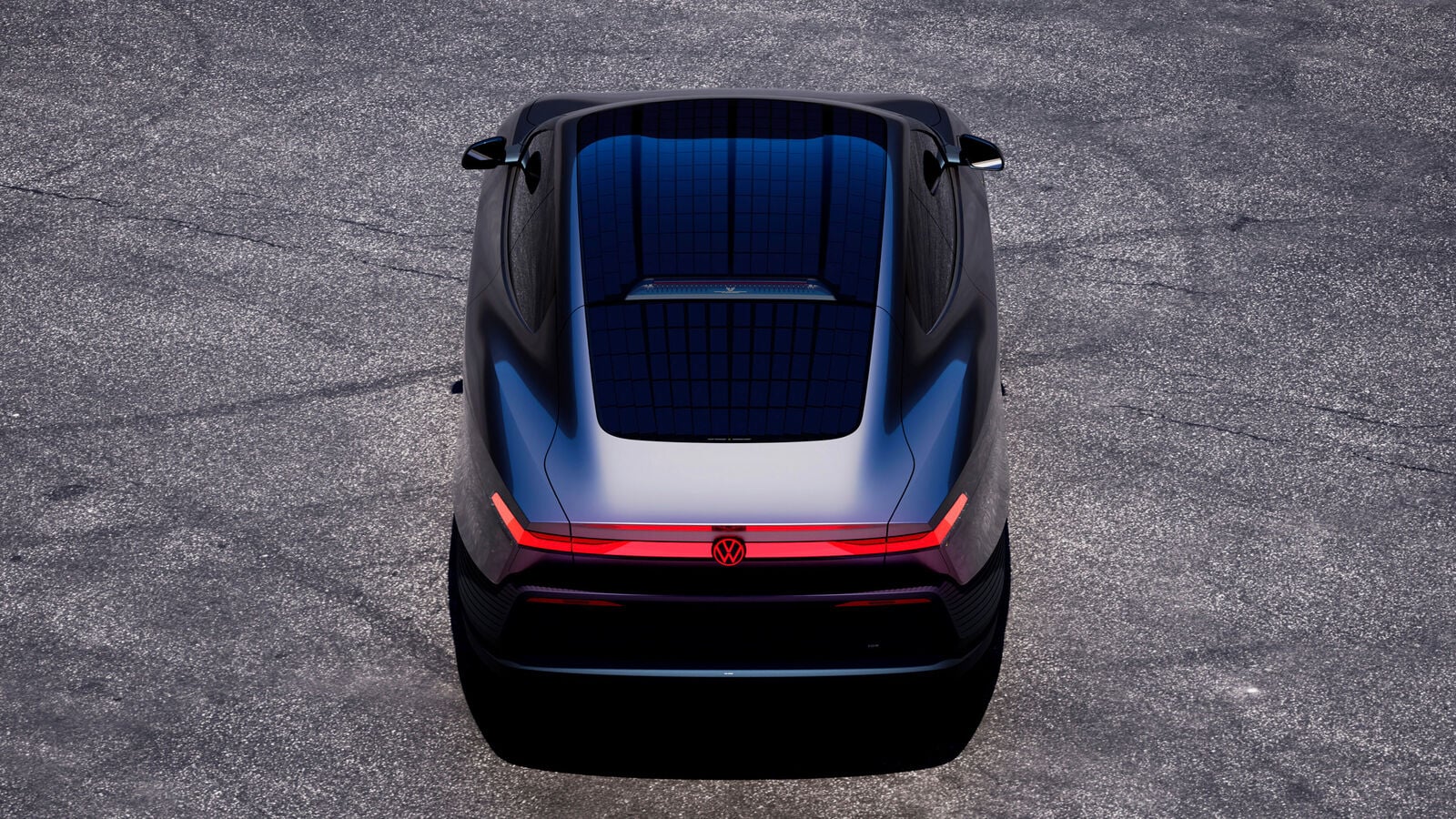
A 370 W solar system is integrated into the glass roof and tailgate. It powers the vehicle’s auxiliary systems and, according to Volkswagen, can add up to 30 km of range per day in suitable weather and during the right season. This is an upper estimate for specific conditions, not an increase that can be expected every day regardless of the weather.
What the result means for buyers
Mission Efficiency shows how much energy can be saved through work on the body, tires and losses in the drivetrain without increasing the battery to an unusual size. However, it is a concept with a highly specialized body shape and four seats. As of September 17, 2026, Volkswagen had not announced a price, sales start date or production version of this specific model. For anyone choosing a car, it is more useful to watch which of its solutions appear in vehicles available to buy and what consumption they achieve in independent real-world drives.