EN
ENDEALER
46.263 US$DEALER
46.602 US$
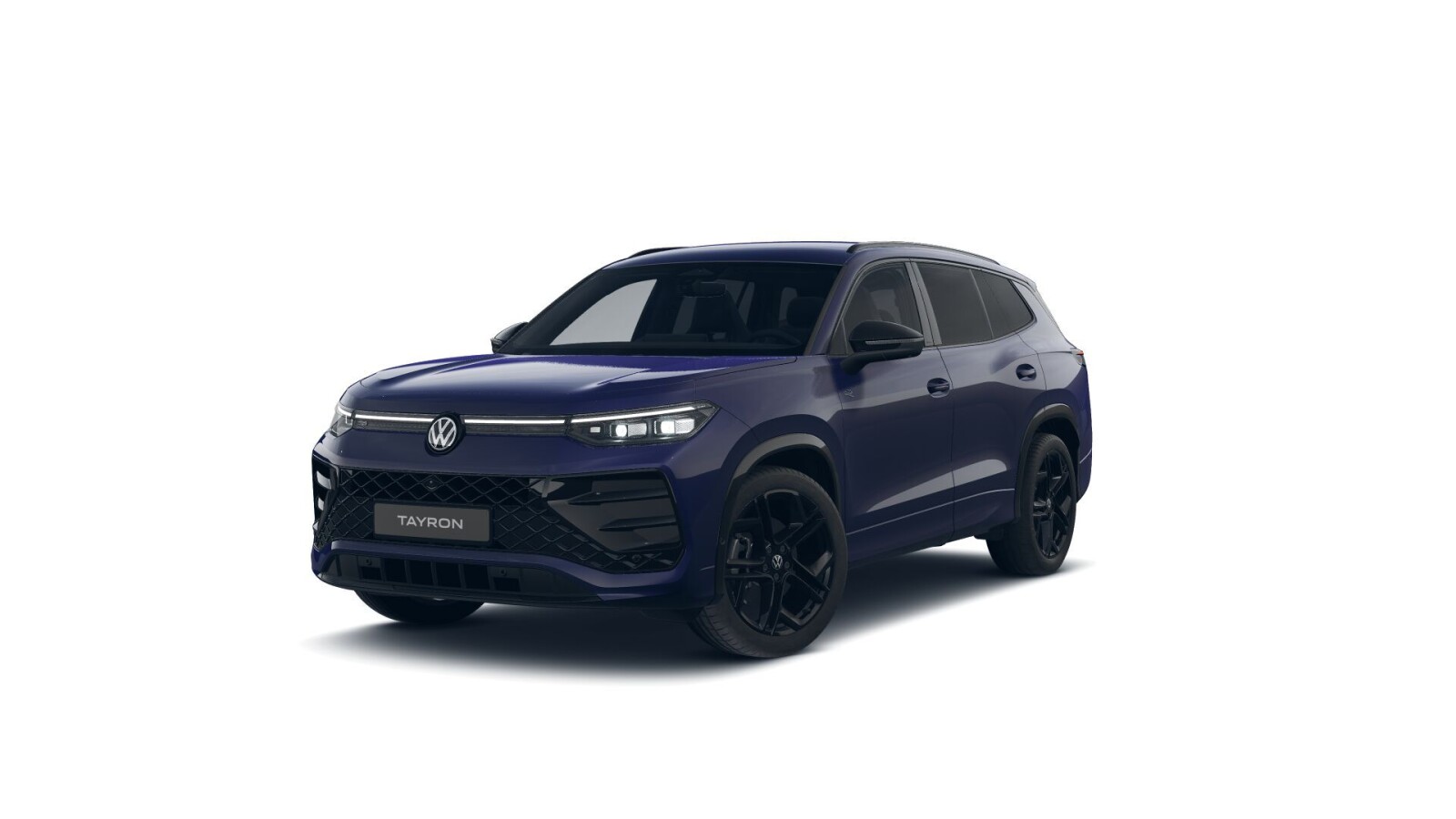
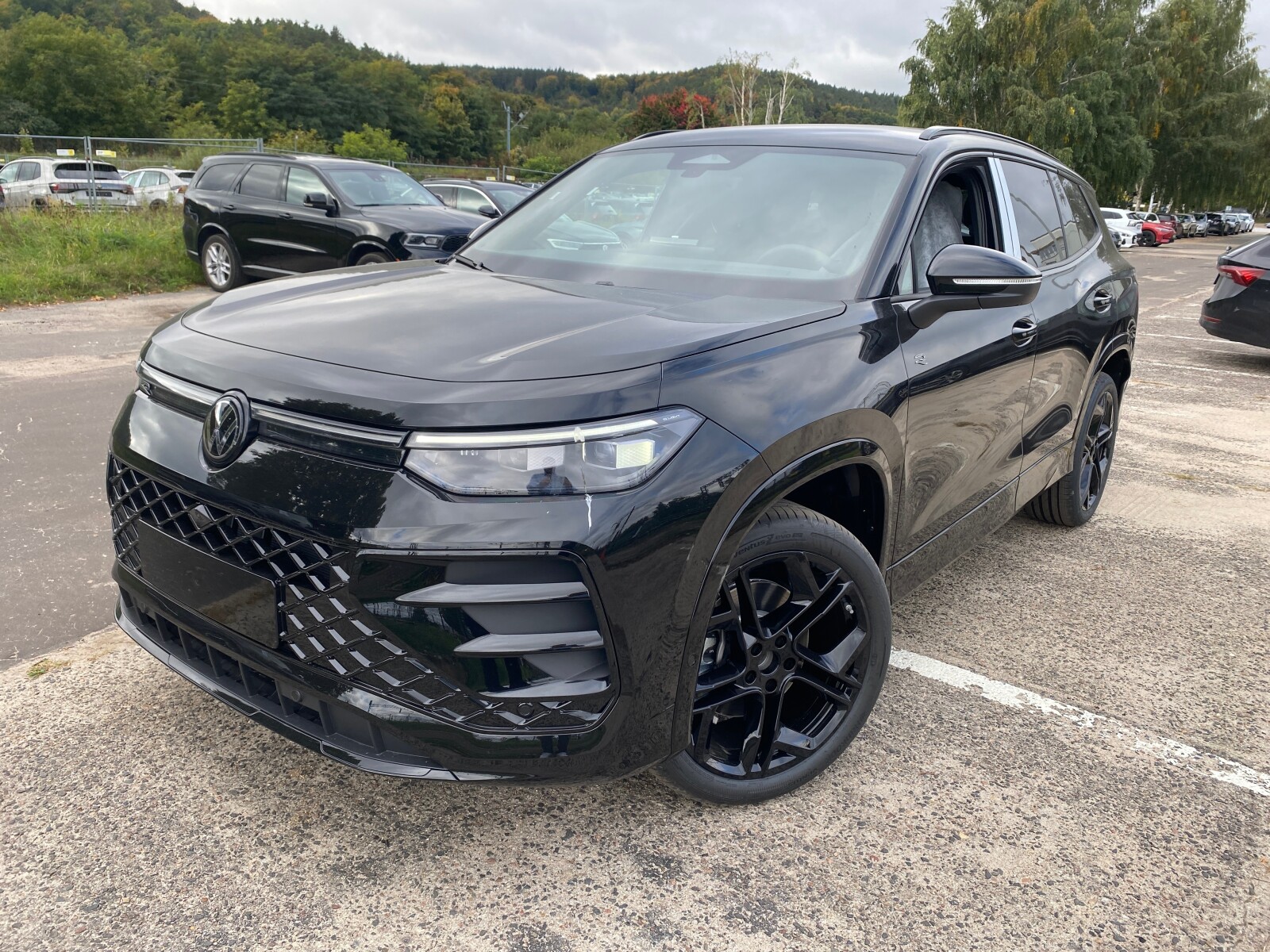
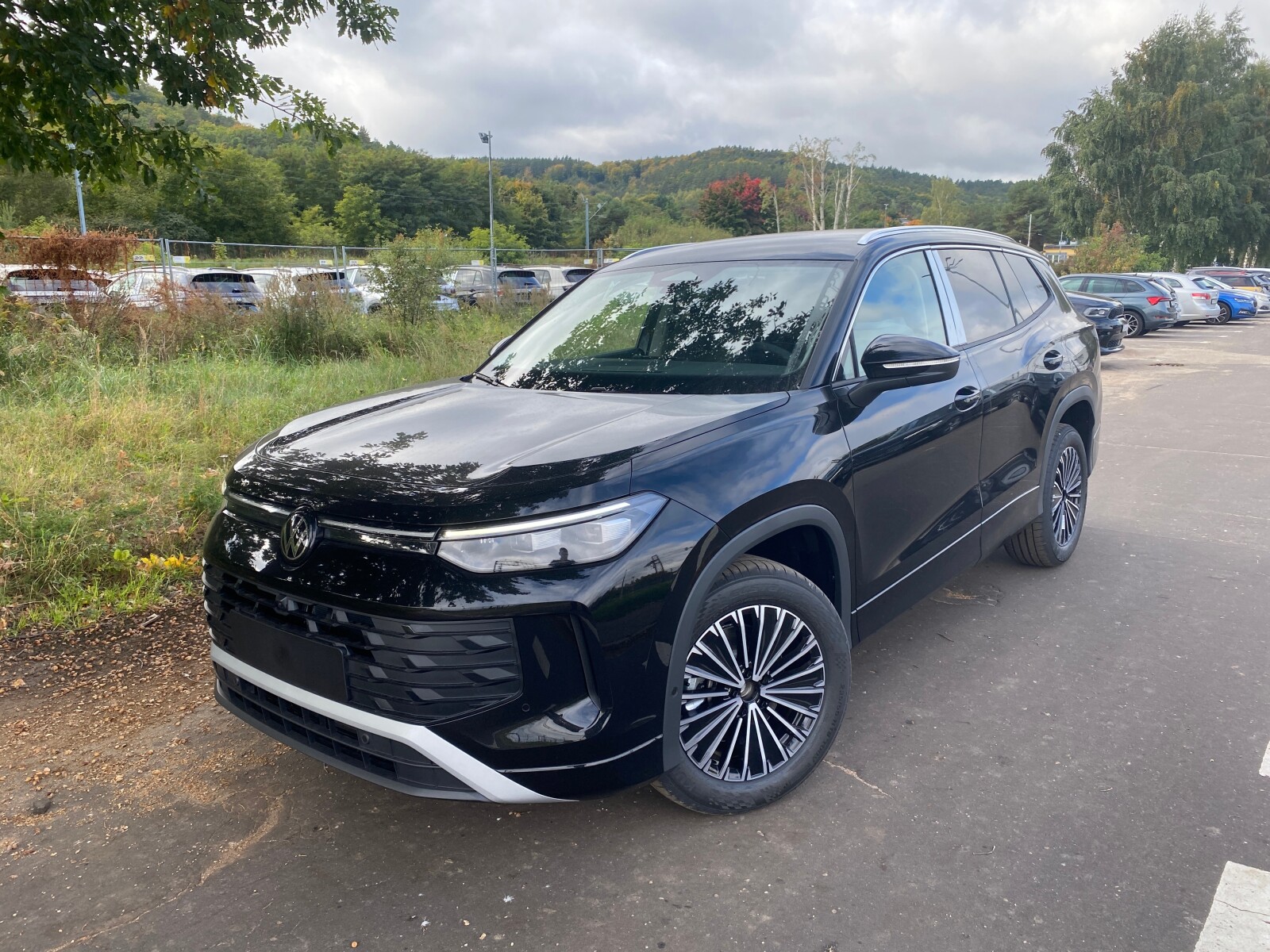
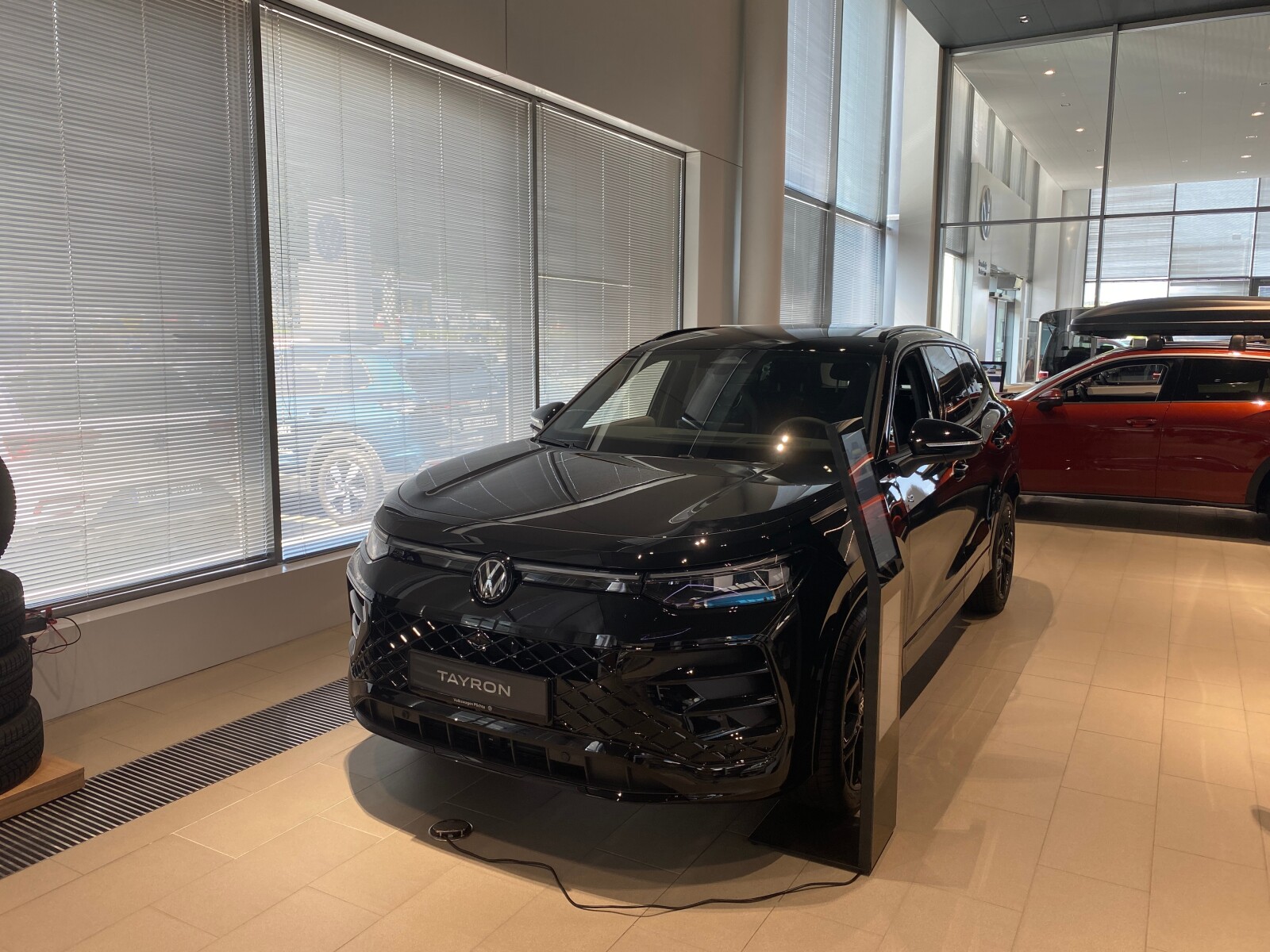
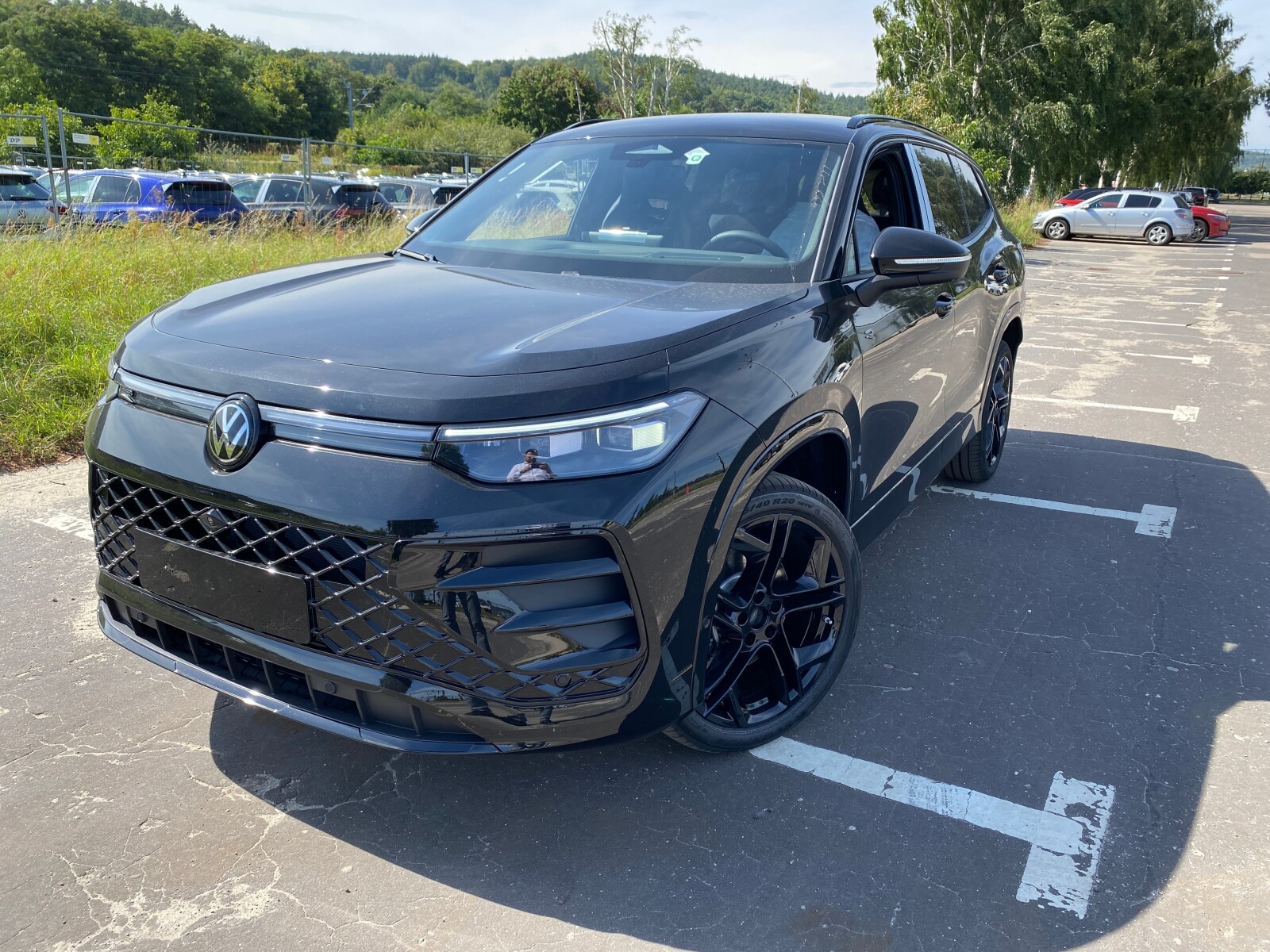
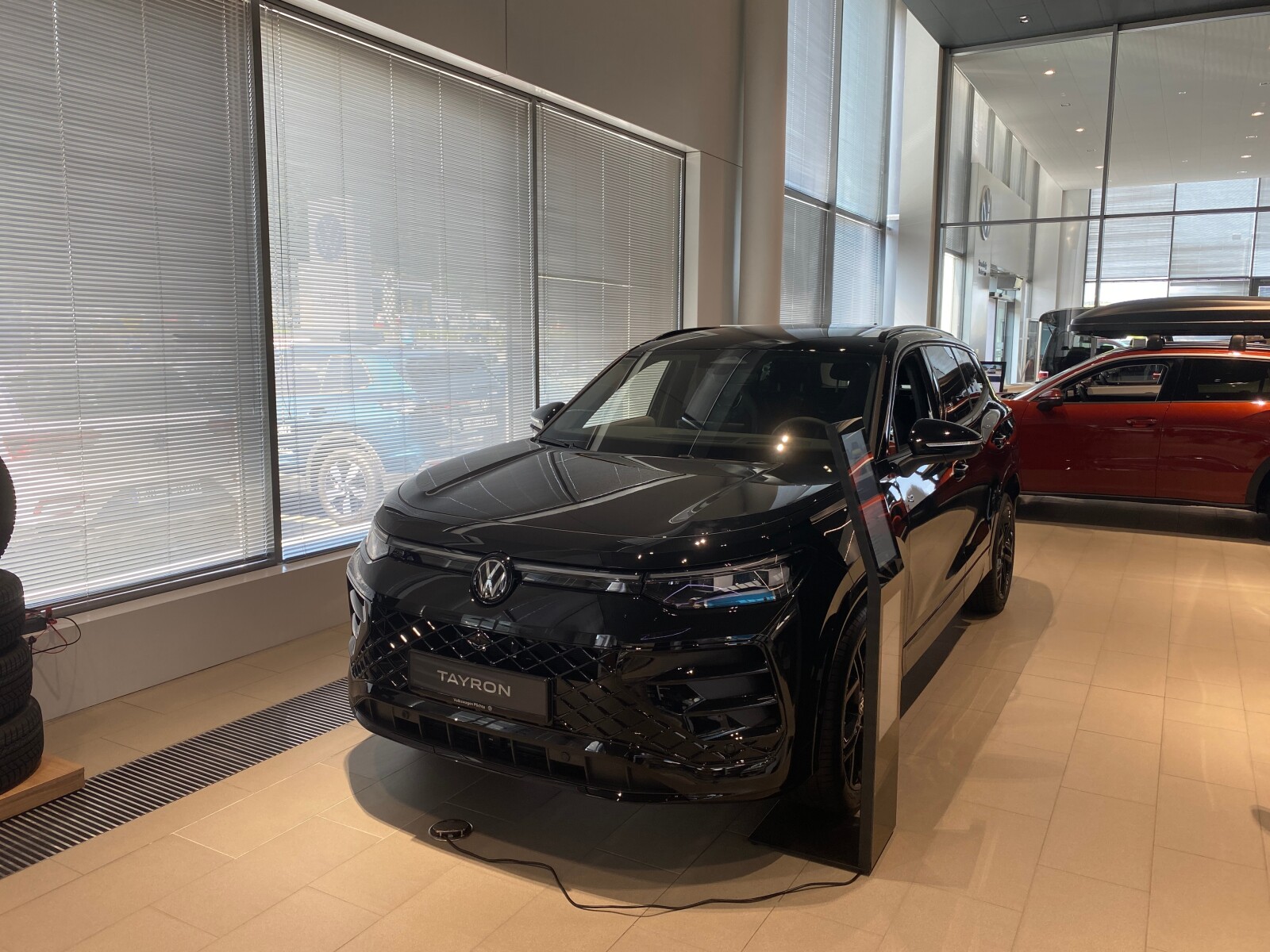
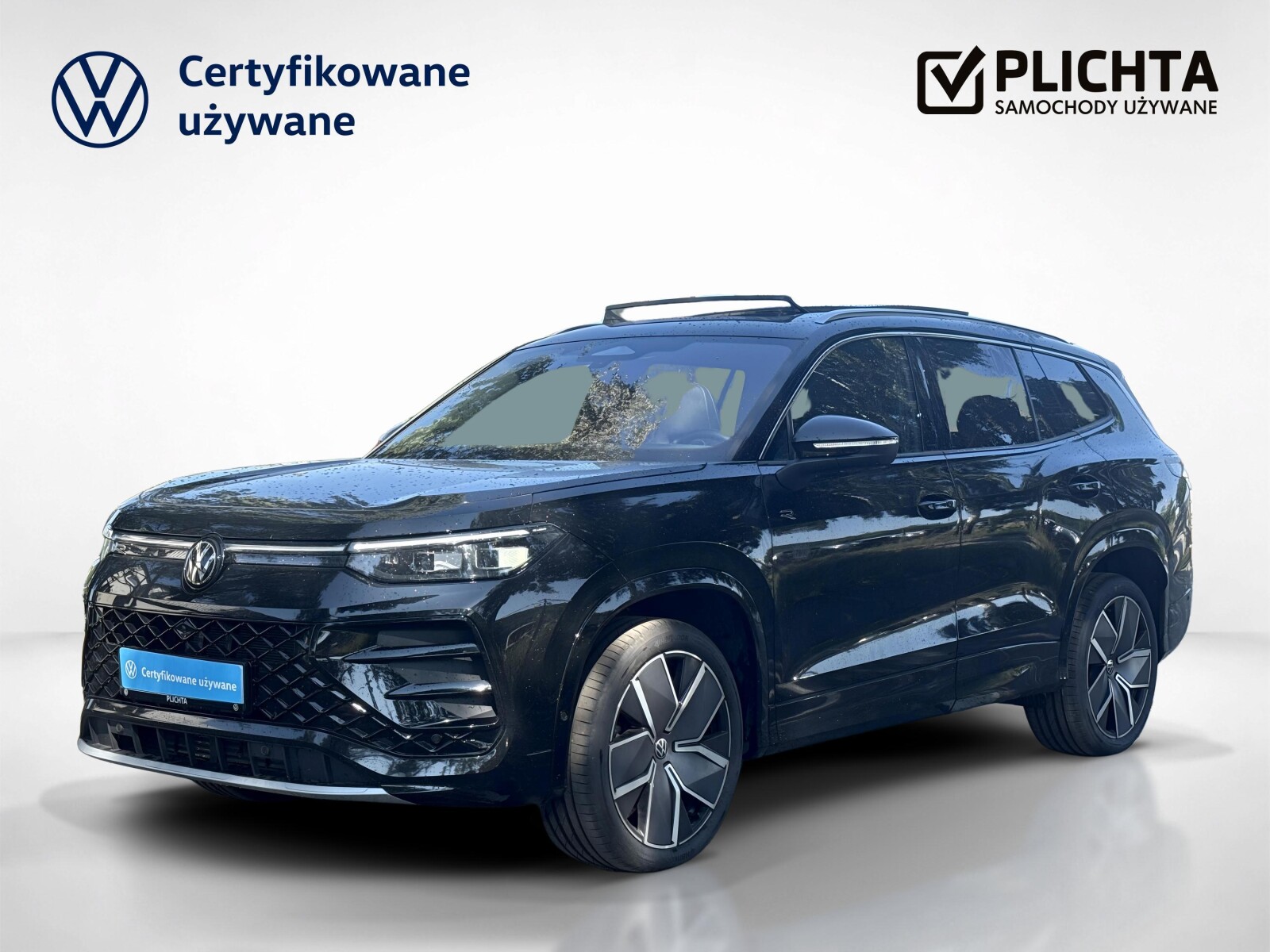
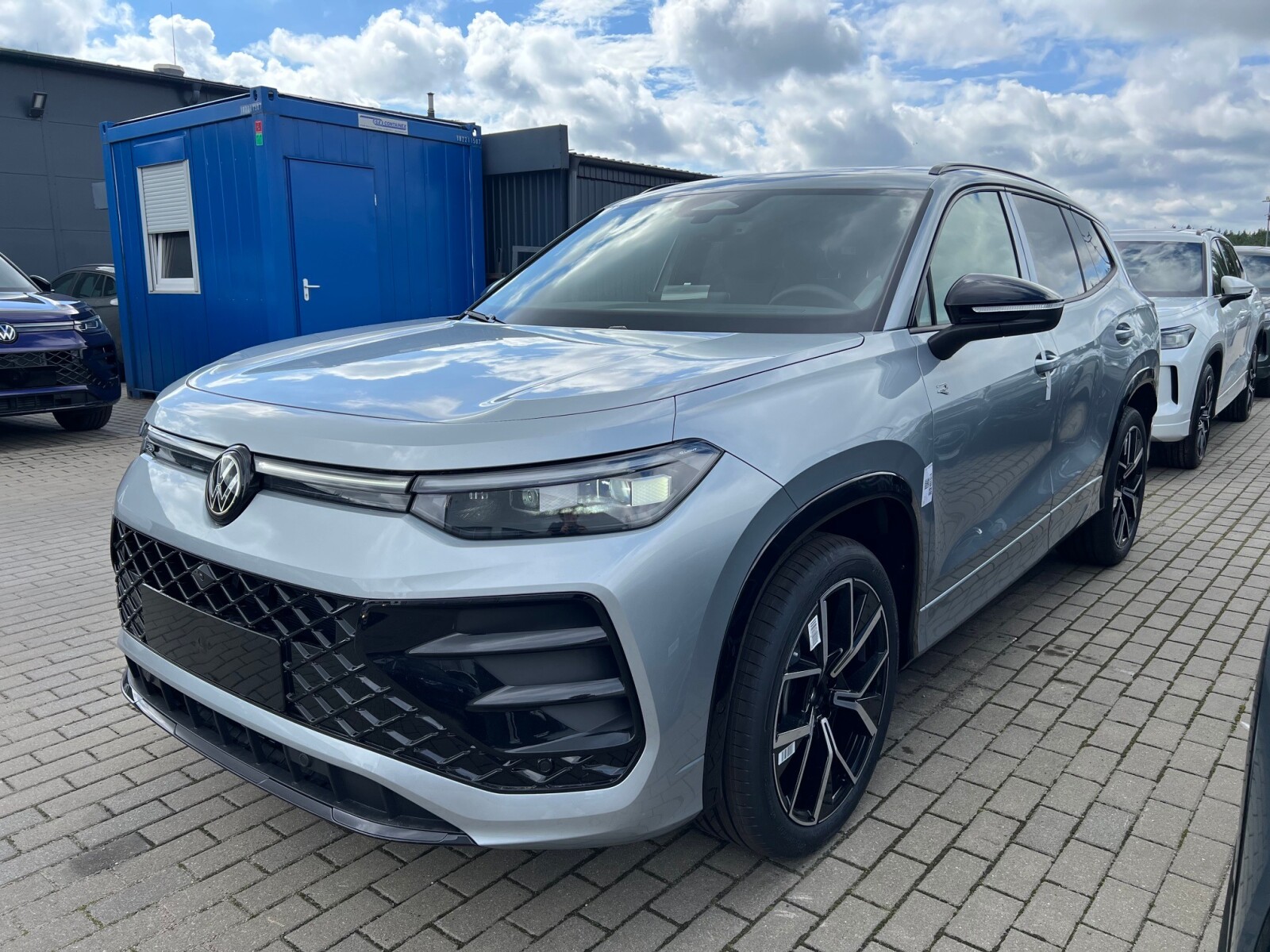
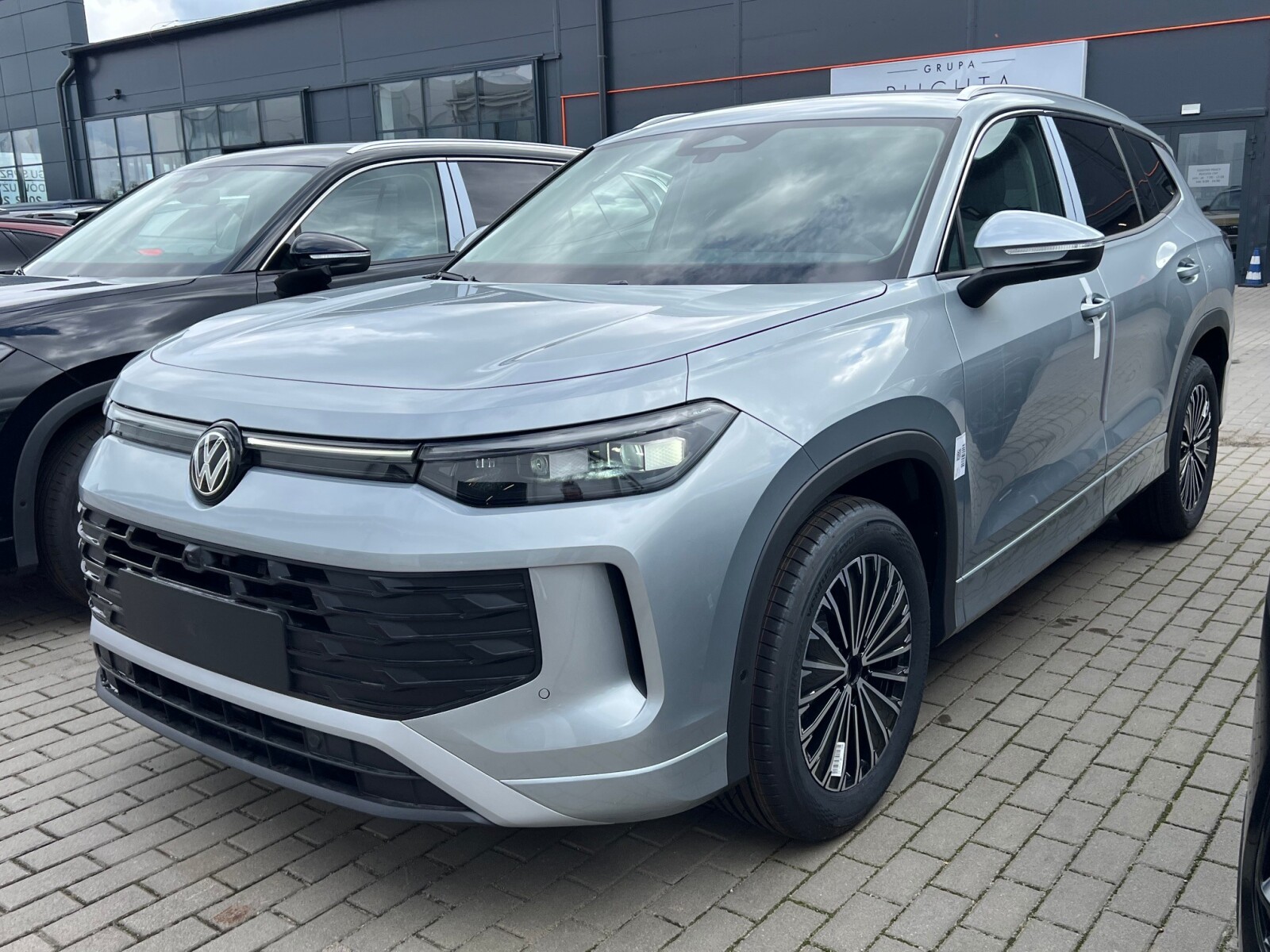
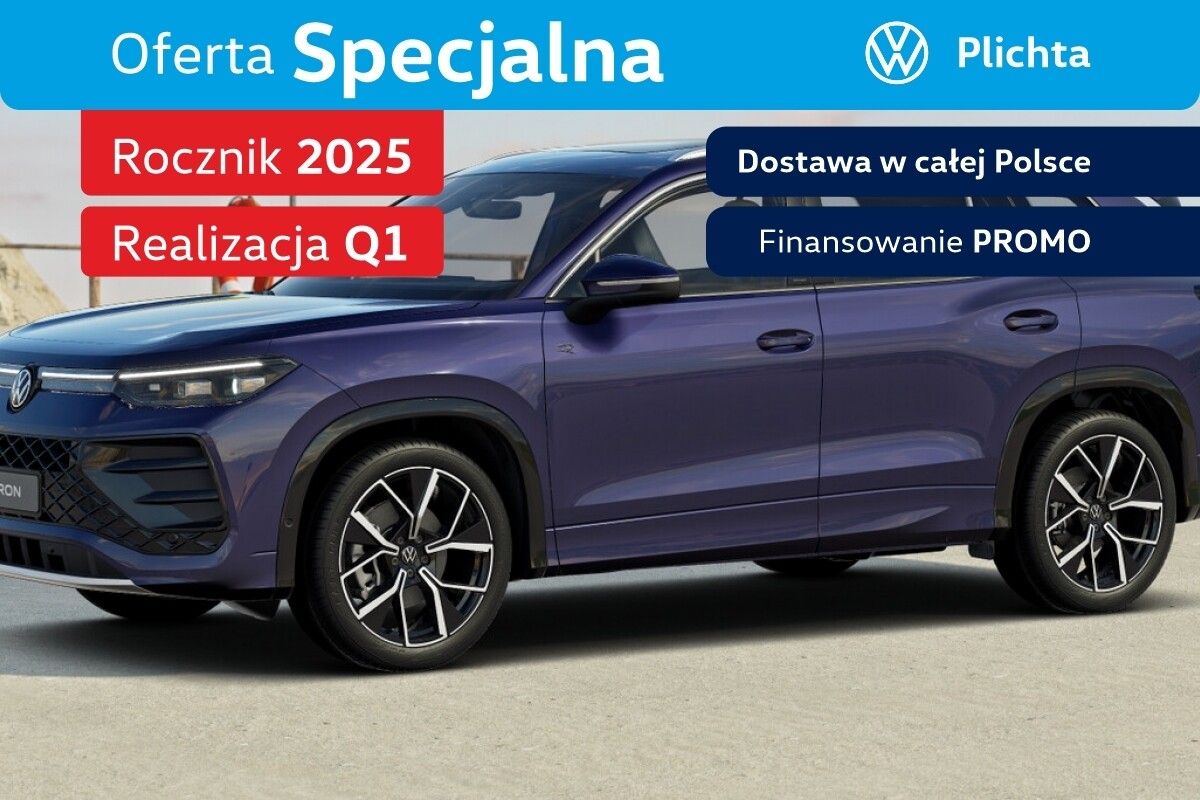
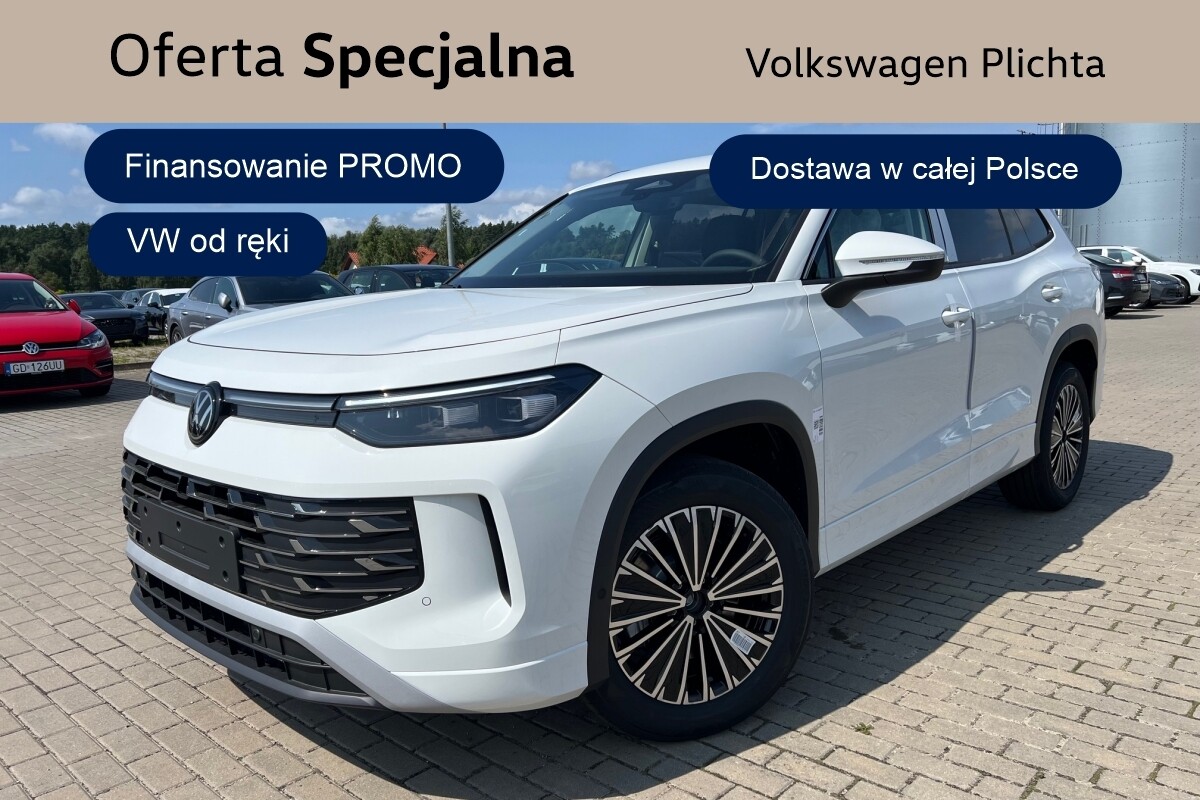
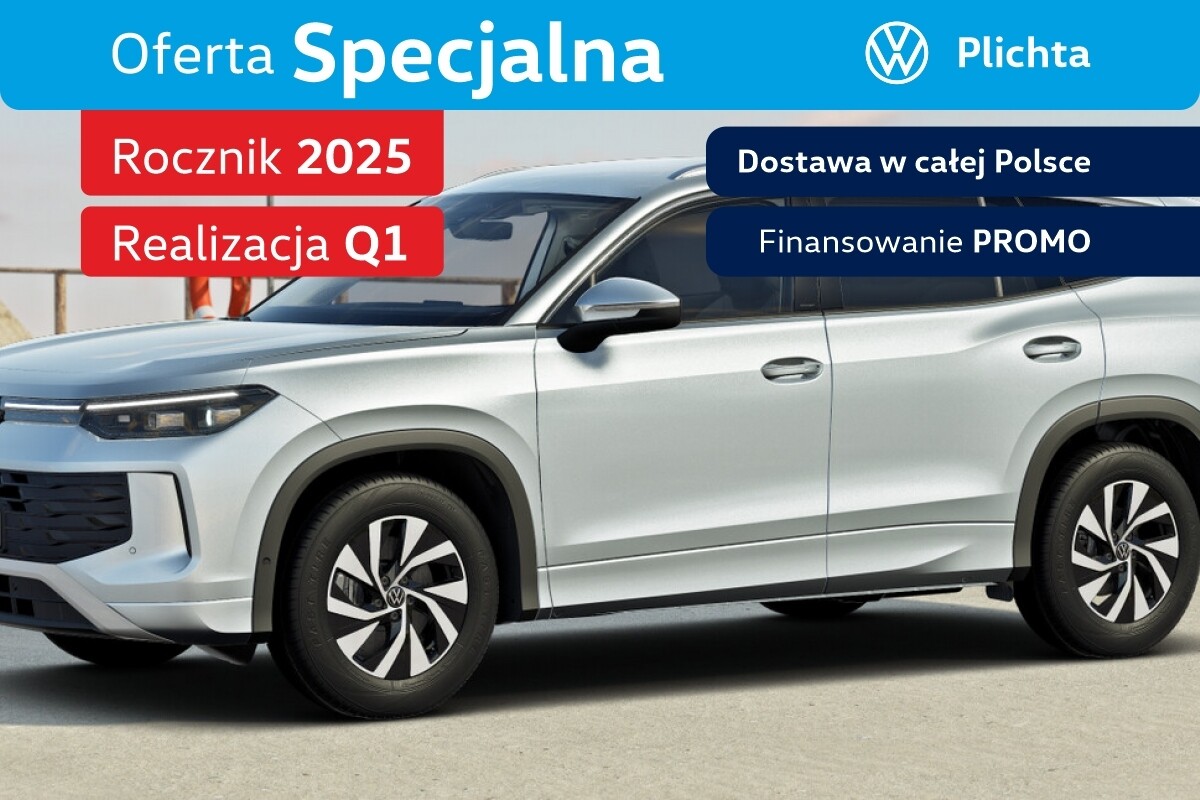
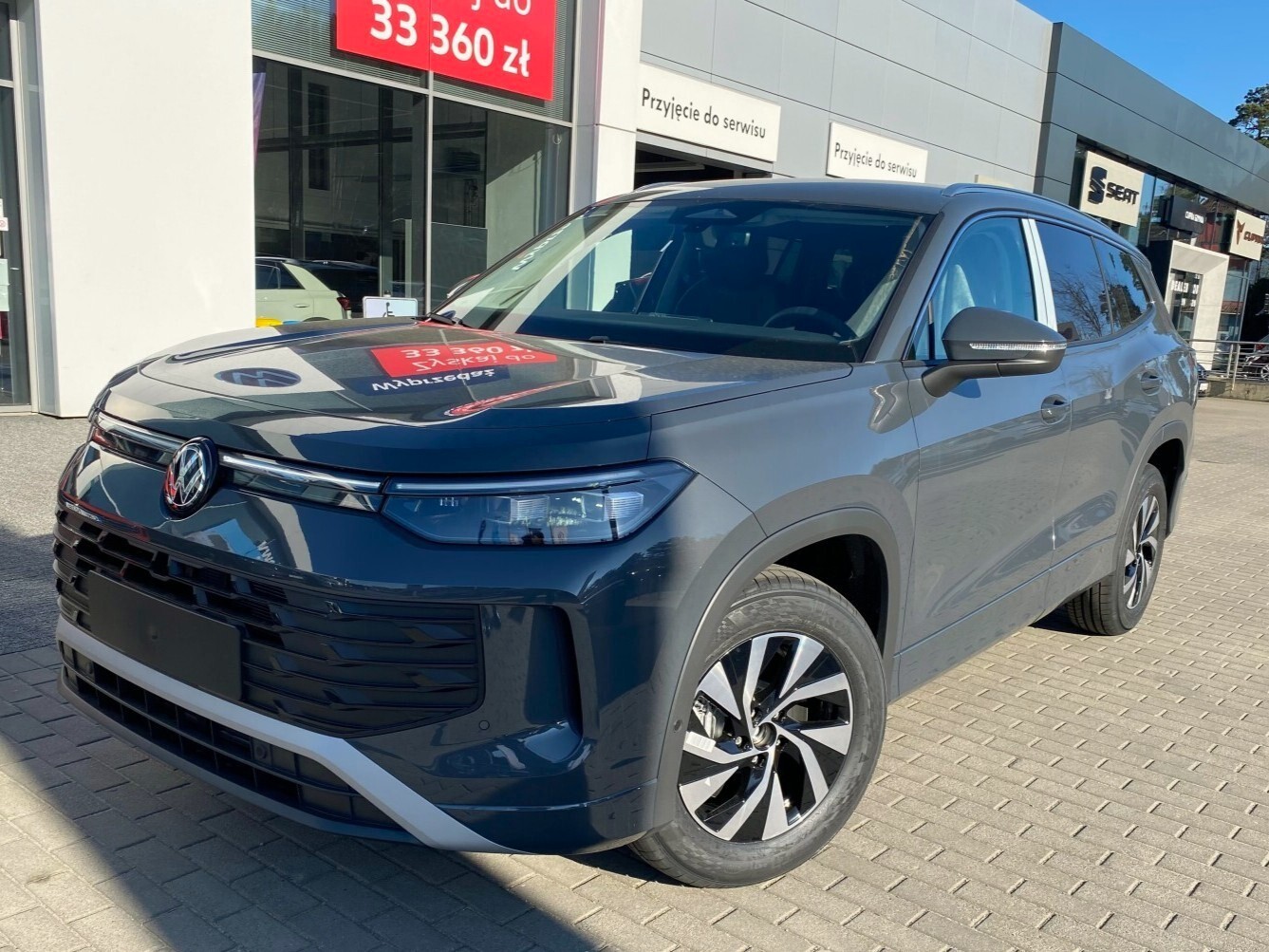
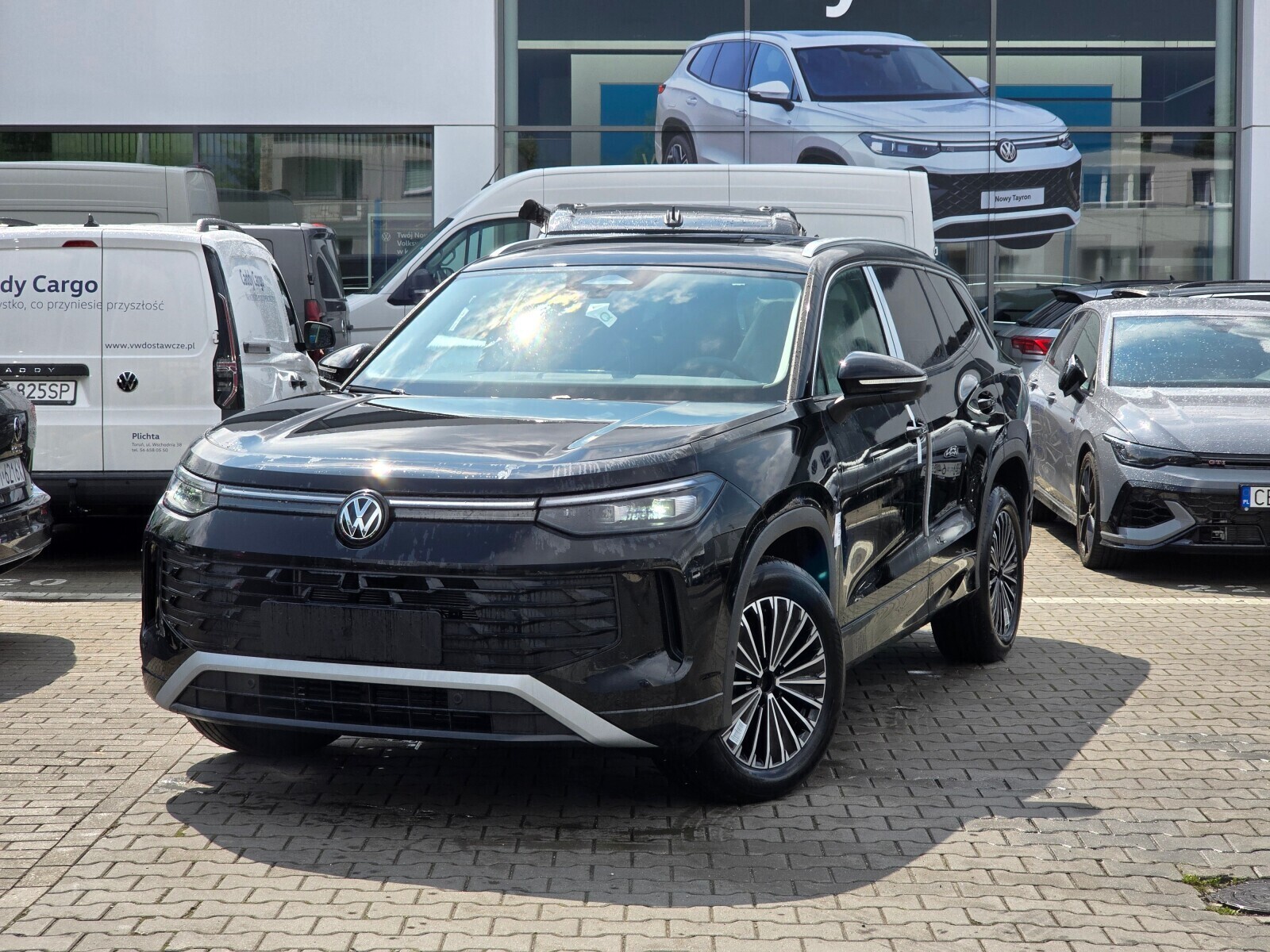
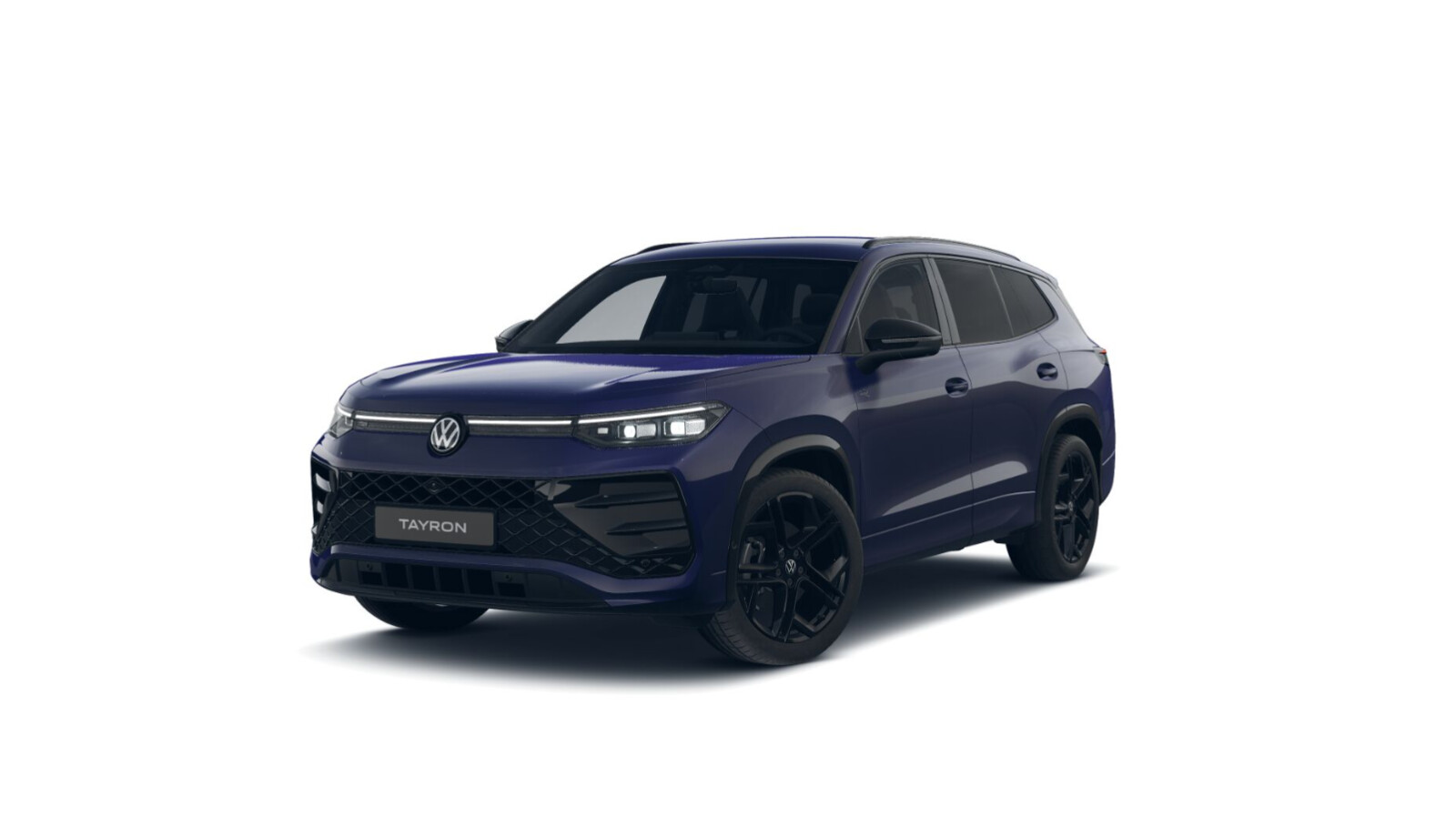
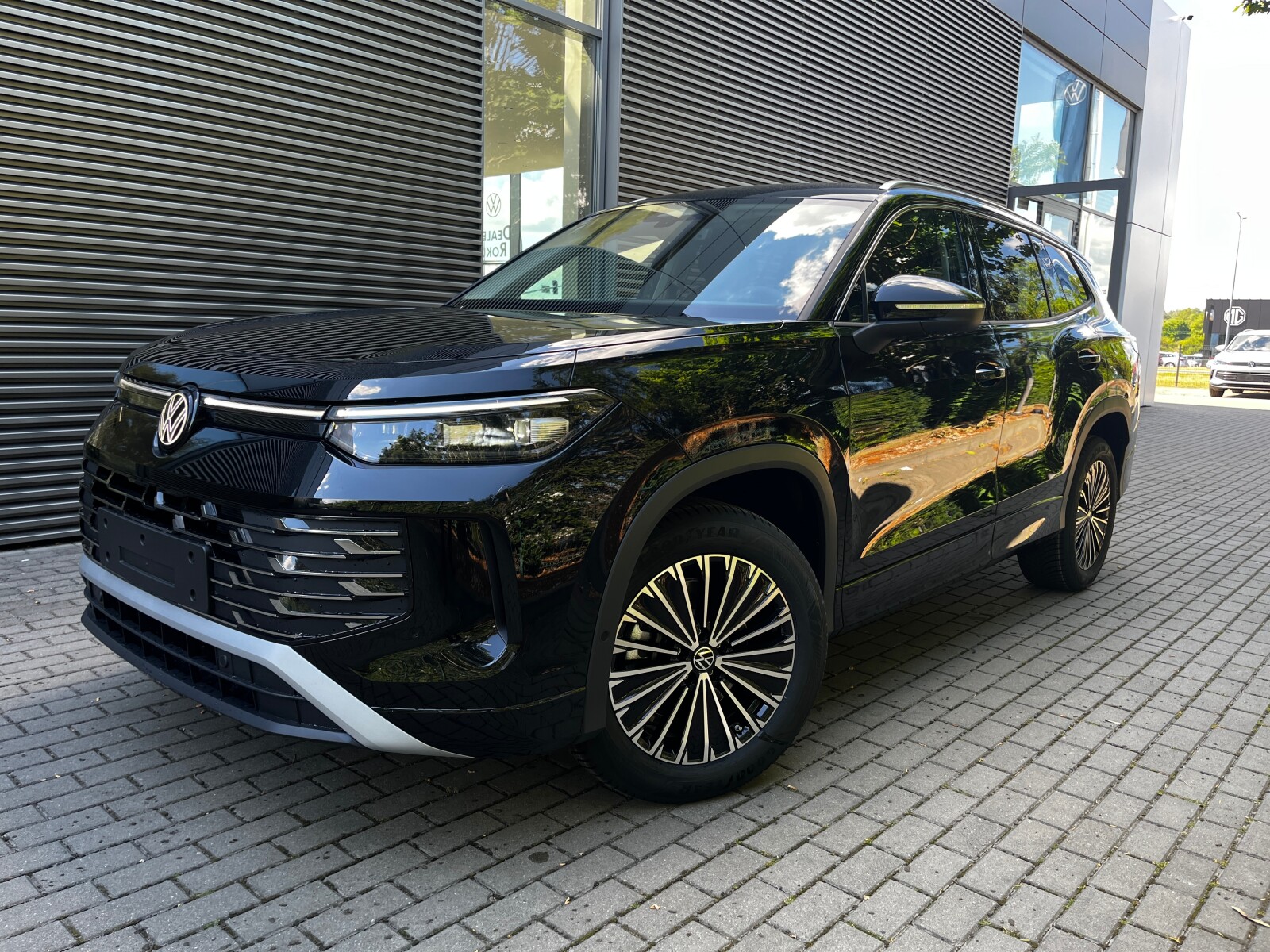
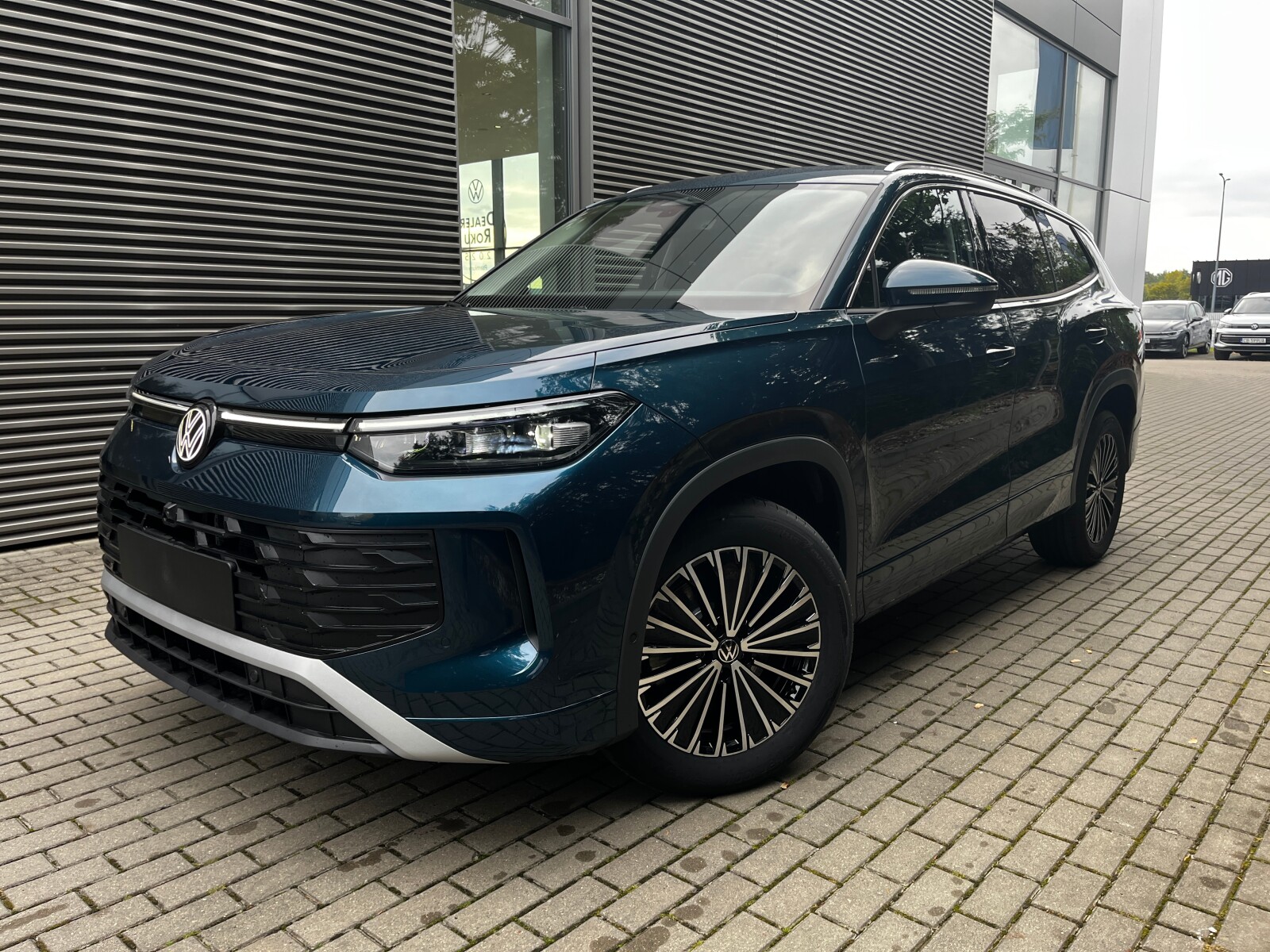
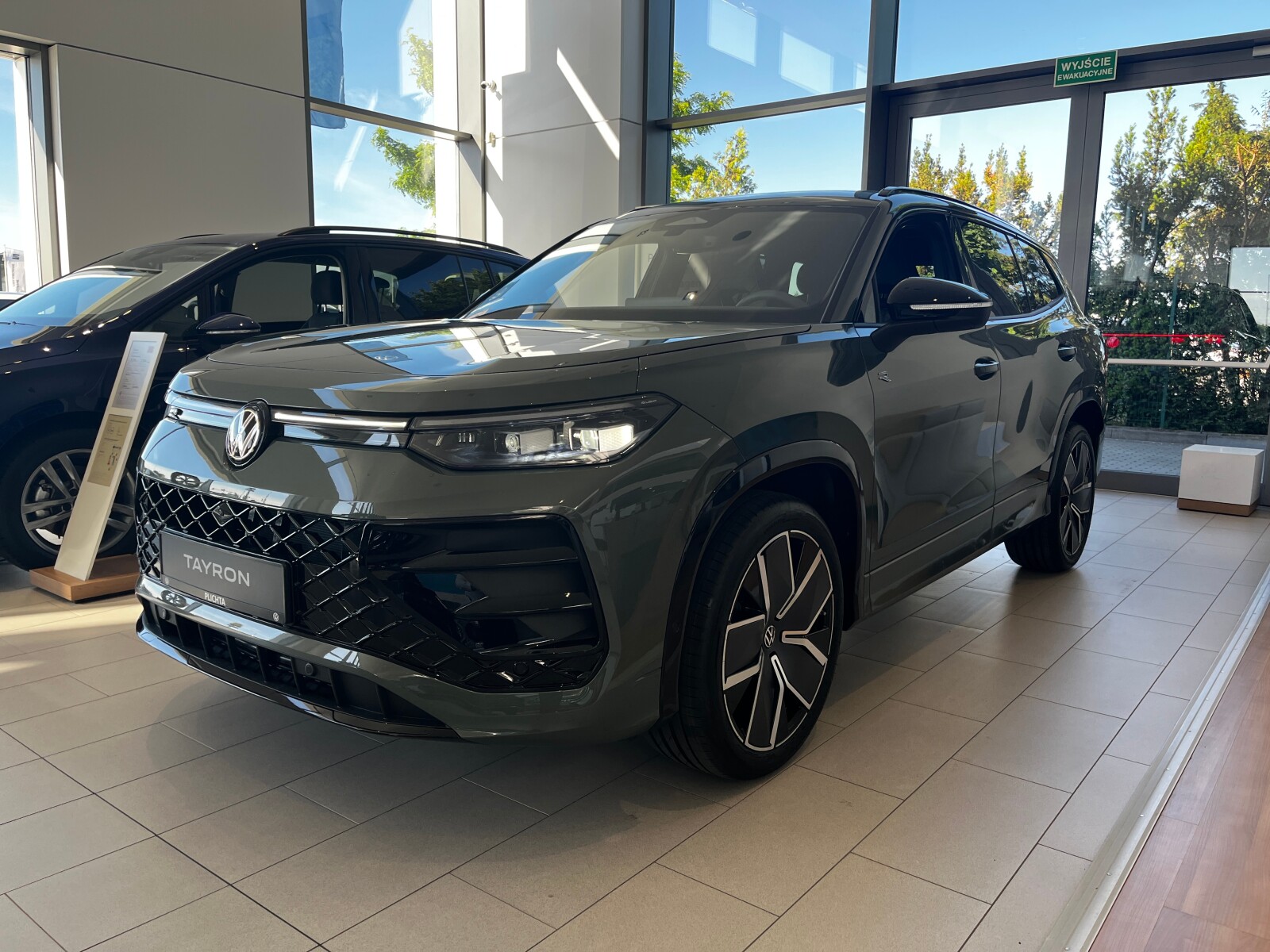
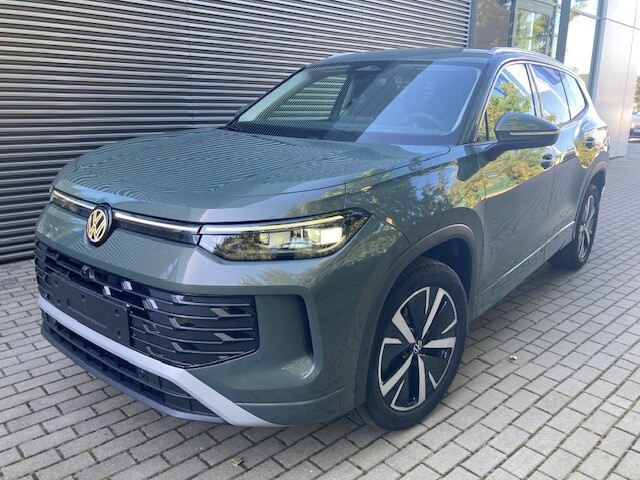
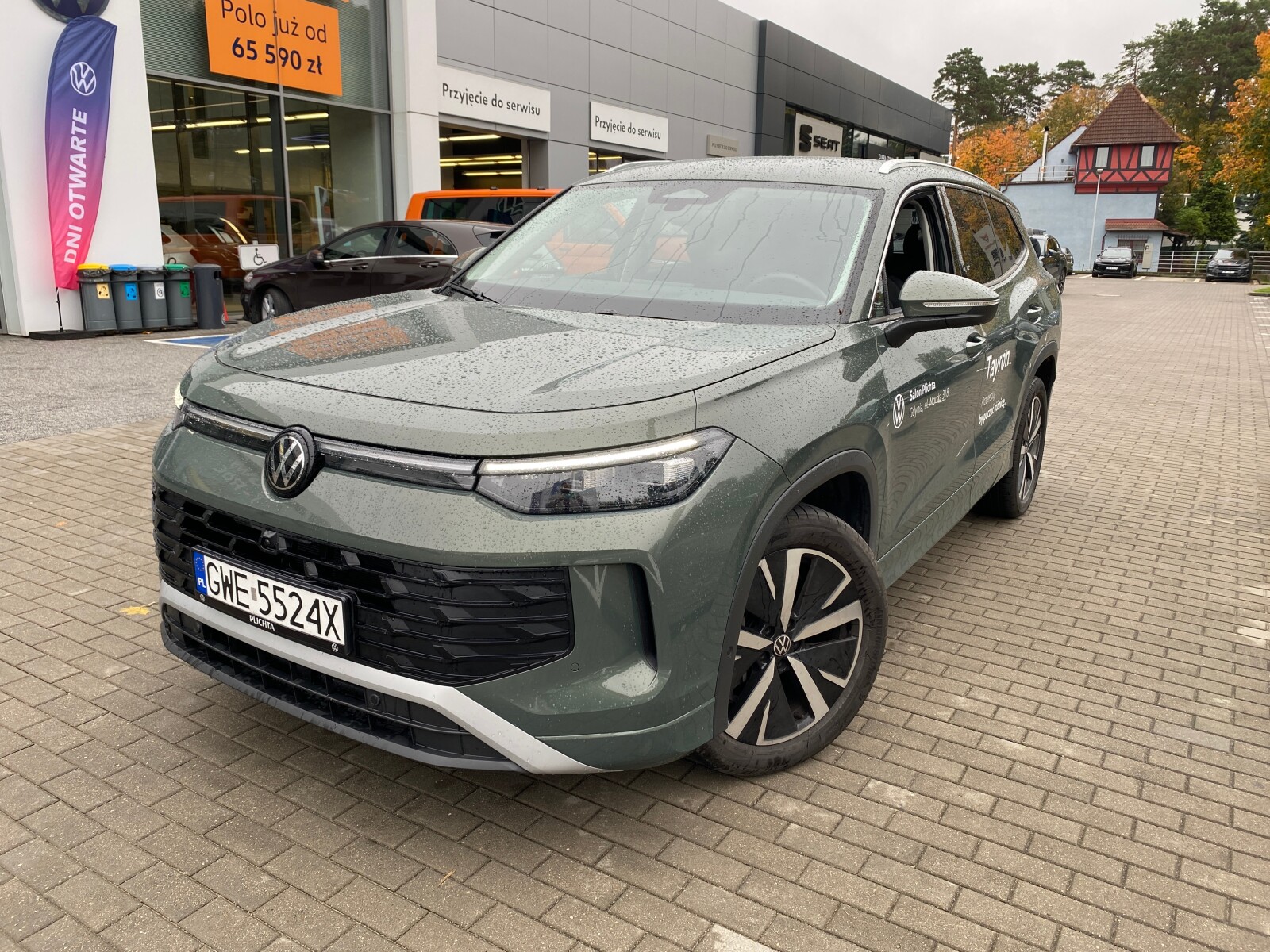
Volkswagen: Tayron, 2026, gasoline, automatic, 7K km, SUV, All Wheels Drive, 1,984 cm3, 204 hp, green, Used condition

plichta.com.pl
 Cisowa, Poland
 Cisowa, PolandCisowa, PolandCisowa, PolandCisowa, PolandCisowa, PolandCisowa, PolandCisowa, PolandCisowa, PolandCisowa, PolandCisowa, PolandSzadółki, PolandSzadółki, PolandSzadółki, PolandSzadółki, PolandSzadółki, PolandSzadółki, PolandSzadółki, PolandBrdyujście, PolandBrdyujście, PolandBrdyujście, PolandBrdyujście, PolandBrdyujście, PolandBrdyujście, PolandBrdyujście, PolandBrdyujście, Poland
The Volkswagen Tayron has carved a niche in the midsize SUV segment with its blend of practical space, comfortable ride, and modern tech. If you’re considering a Tayron, you’ll want to understand its generations, engine options, body styles, and typical price ranges to make an informed choice whether you’re buying new or used. This guide focuses on how to evaluate a Tayron in your city, with attention to brand reputation, model year differences, mileage, and value for money.
When evaluating any Tayron, consider factors such as year of manufacture, mileage, trim level, and drivetrain. Common questions include: Which engine should I choose—gasoline or diesel? Are there hybrid or all-wheel-drive variants available? How does the Tayron's ride comfort compare to rivals in the same class? Good starting points are the 1.5 TSI and 2.0 TDI engines, offering a balance of performance and efficiency. Body styles usually include a practical SUV hatch with decent cargo space suited for family use or daily commuting.
The Tayron has evolved through minor updates and option packages across its years. When comparing options, map the following: year of manufacture, mileage, engine type, transmission, and body color. Typical configurations include:
If you’re browsing in a city or country with strict emission standards, consider whether the Tayron meets local tax and fuel duties, and how that affects ownership costs over time. Compare prices across model years to gauge depreciation and decide whether a newer or lower-mileage example offers better value for your budget.
Prices for the Tayron vary by country, city, year, mileage, and condition. A late-model Tayron with moderate mileage in good condition typically sits in the mid-to-upper mid-range for its class, while older or higher-mileage units trend toward the lower end. Key factors driving price include:
Before negotiating, compare a few vehicles with similar mileages and configurations to understand the fair market value in your area. If you’re selling, present a clear summary of maintenance, recent repairs, and included features to maximize interest from buyers in your city.
Armed with these considerations, you can confidently compare Tayron models, estimate ownership costs, and decide which generation and configuration best fit your needs for daily driving, family trips, or long weekend getaways.
 Add as preferred sourceSee more from zvelta in Google Search Add as preferred source