 EN
ENDEALER
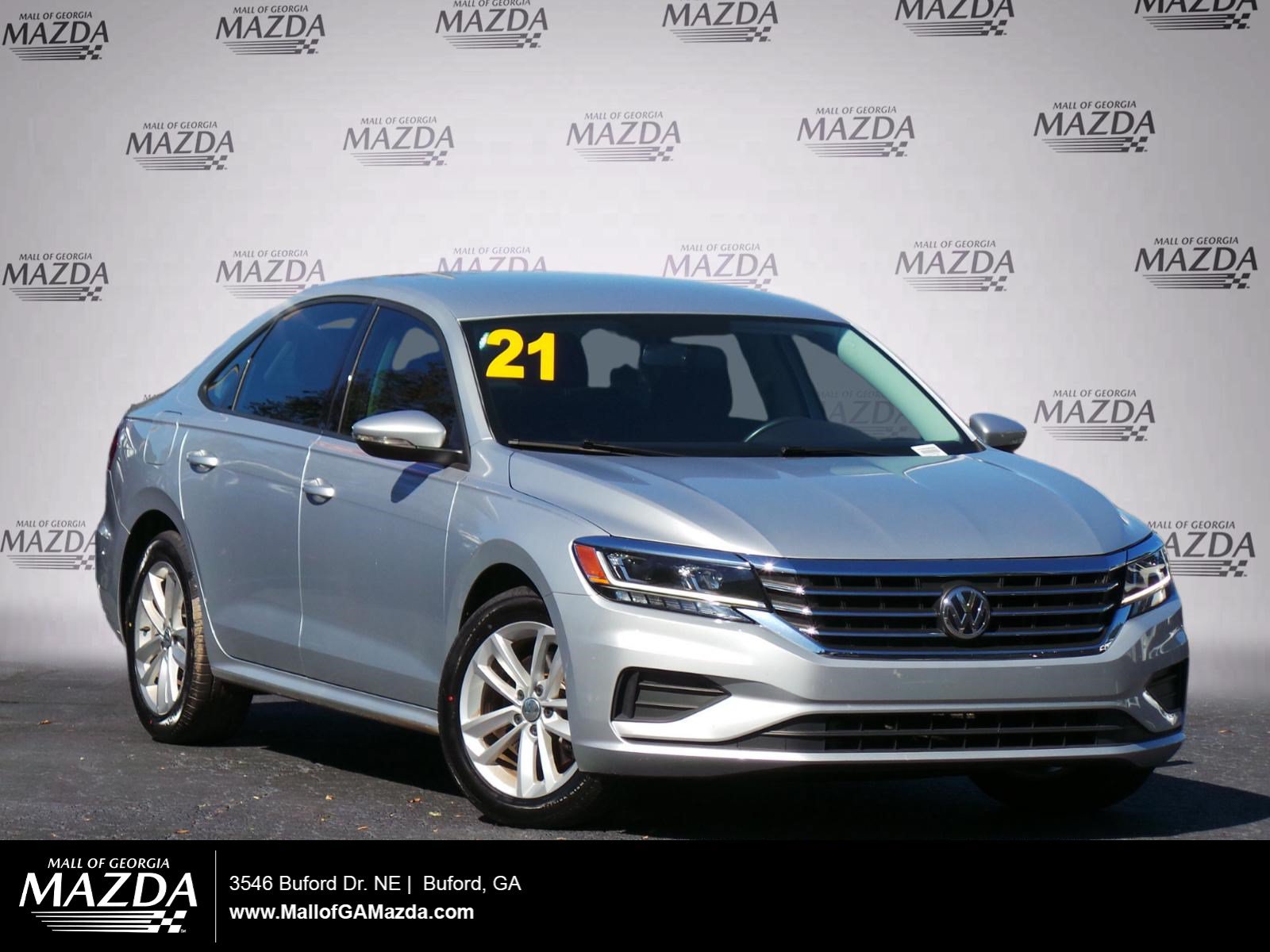
18.937 US$DEALER
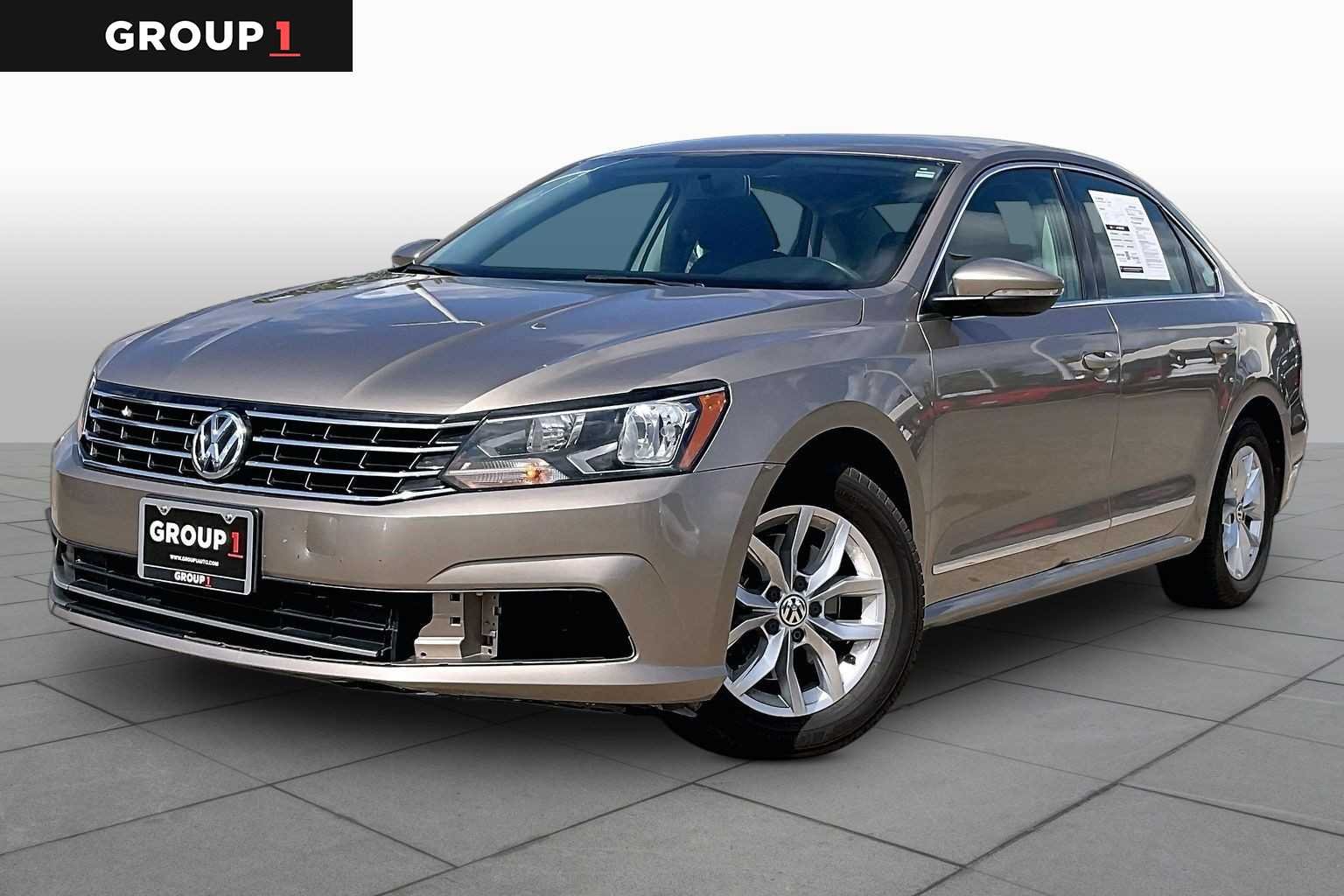
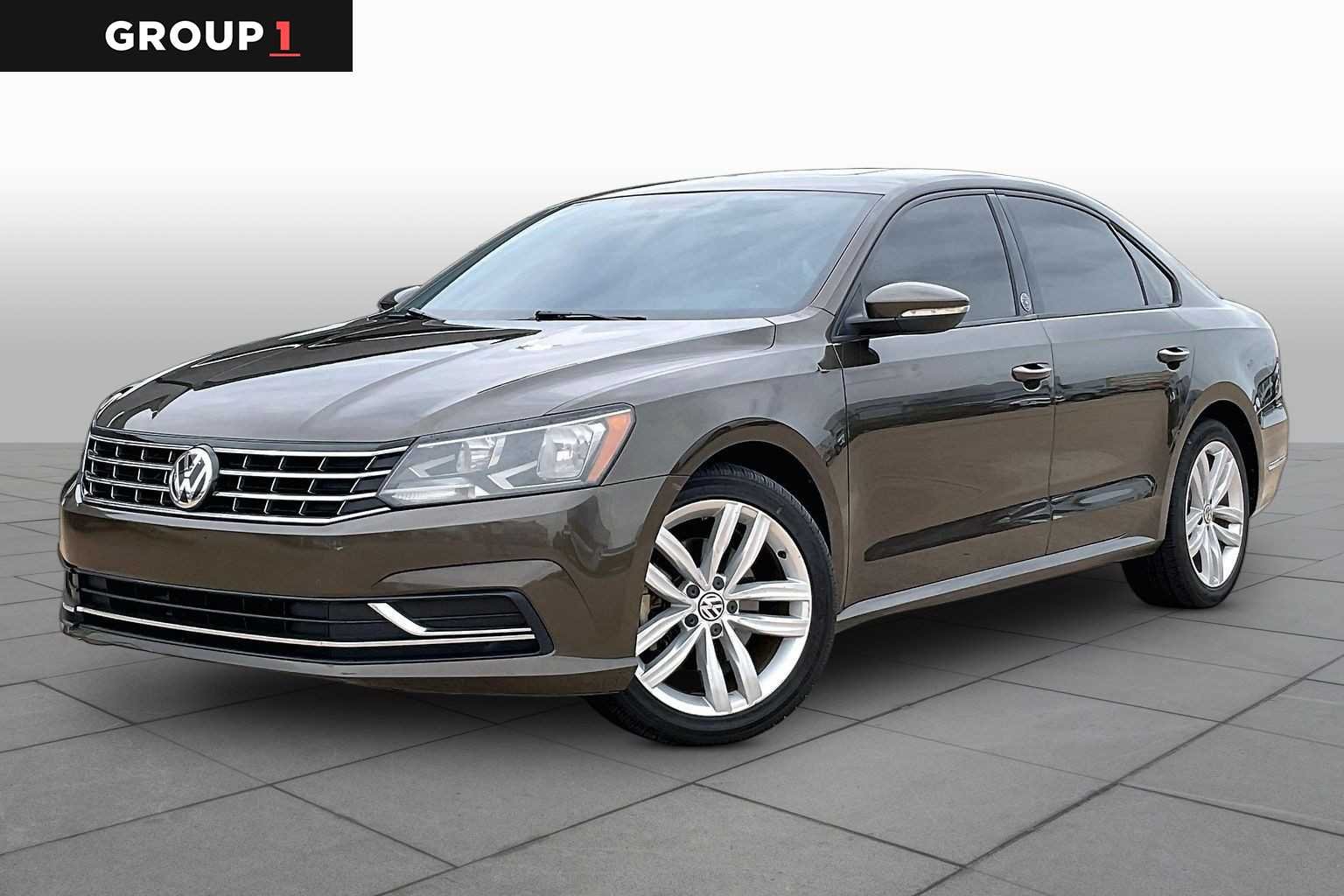
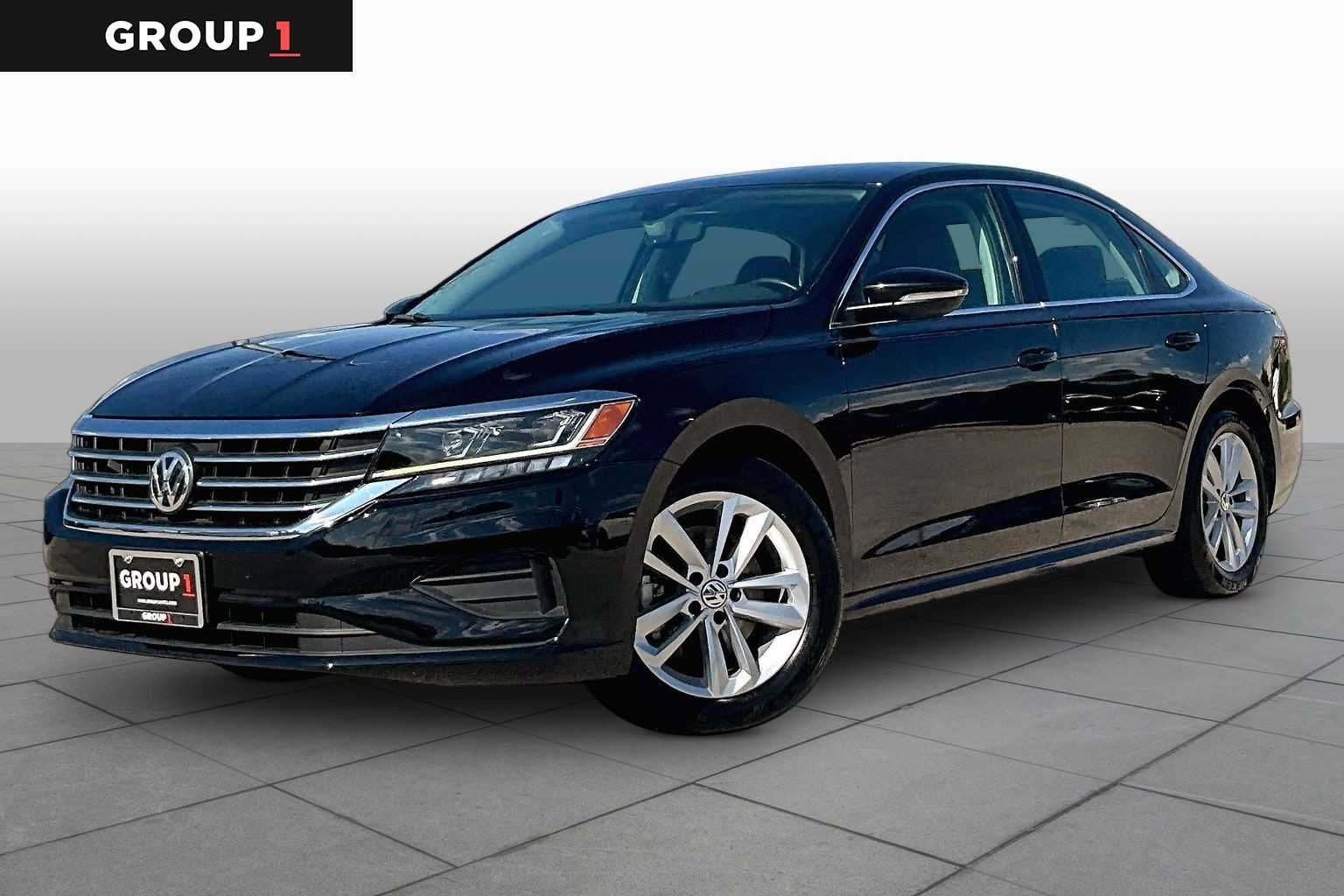
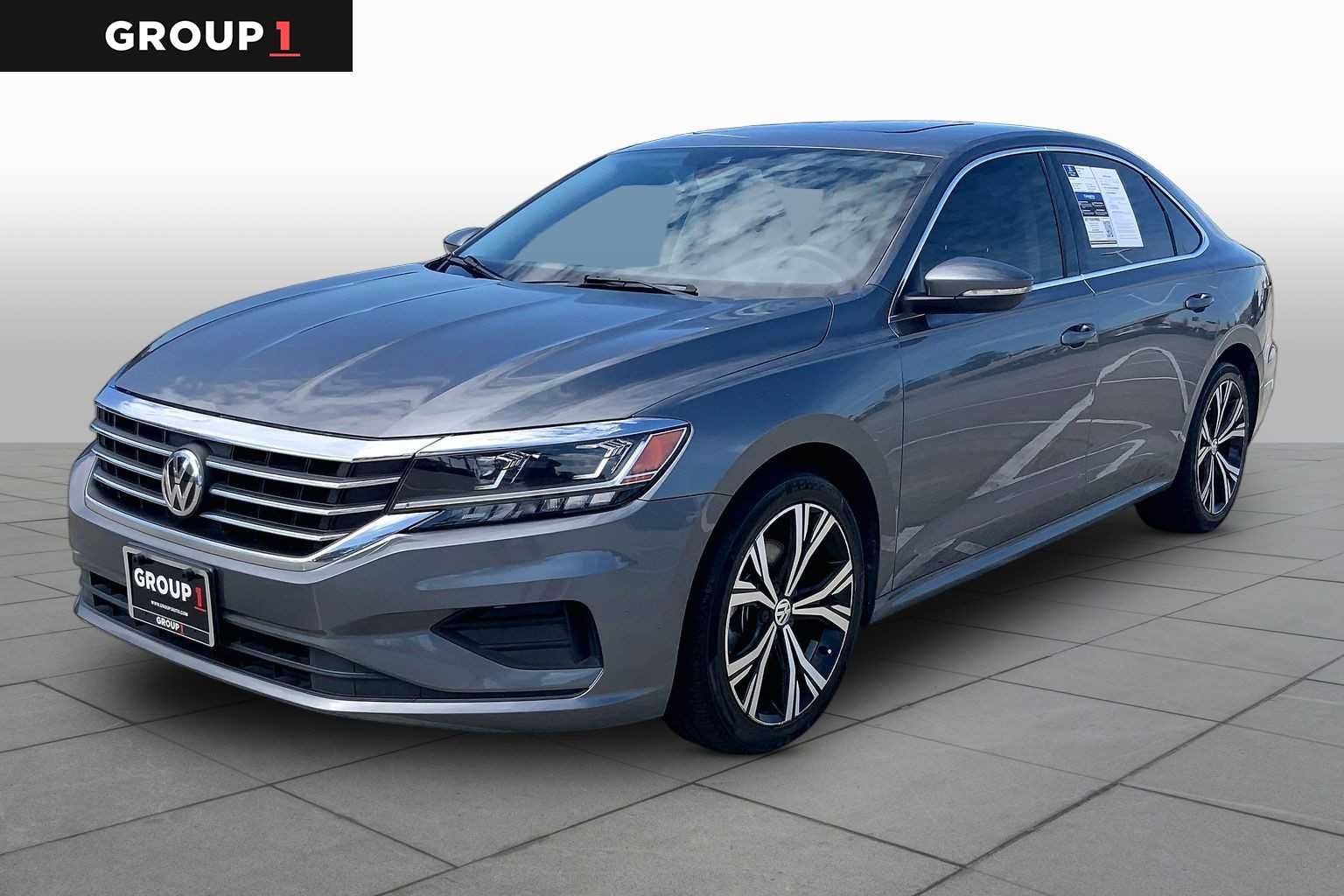
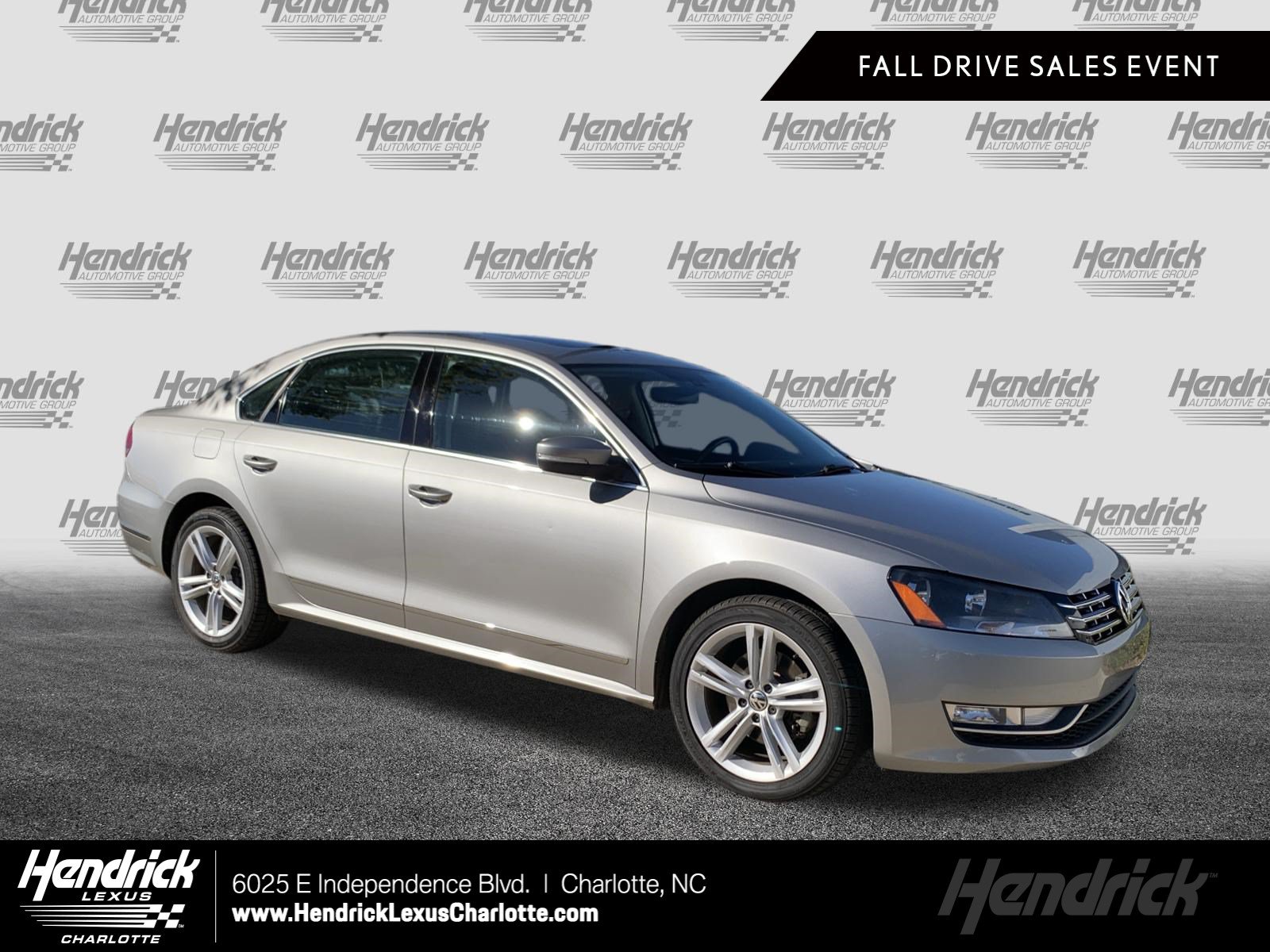
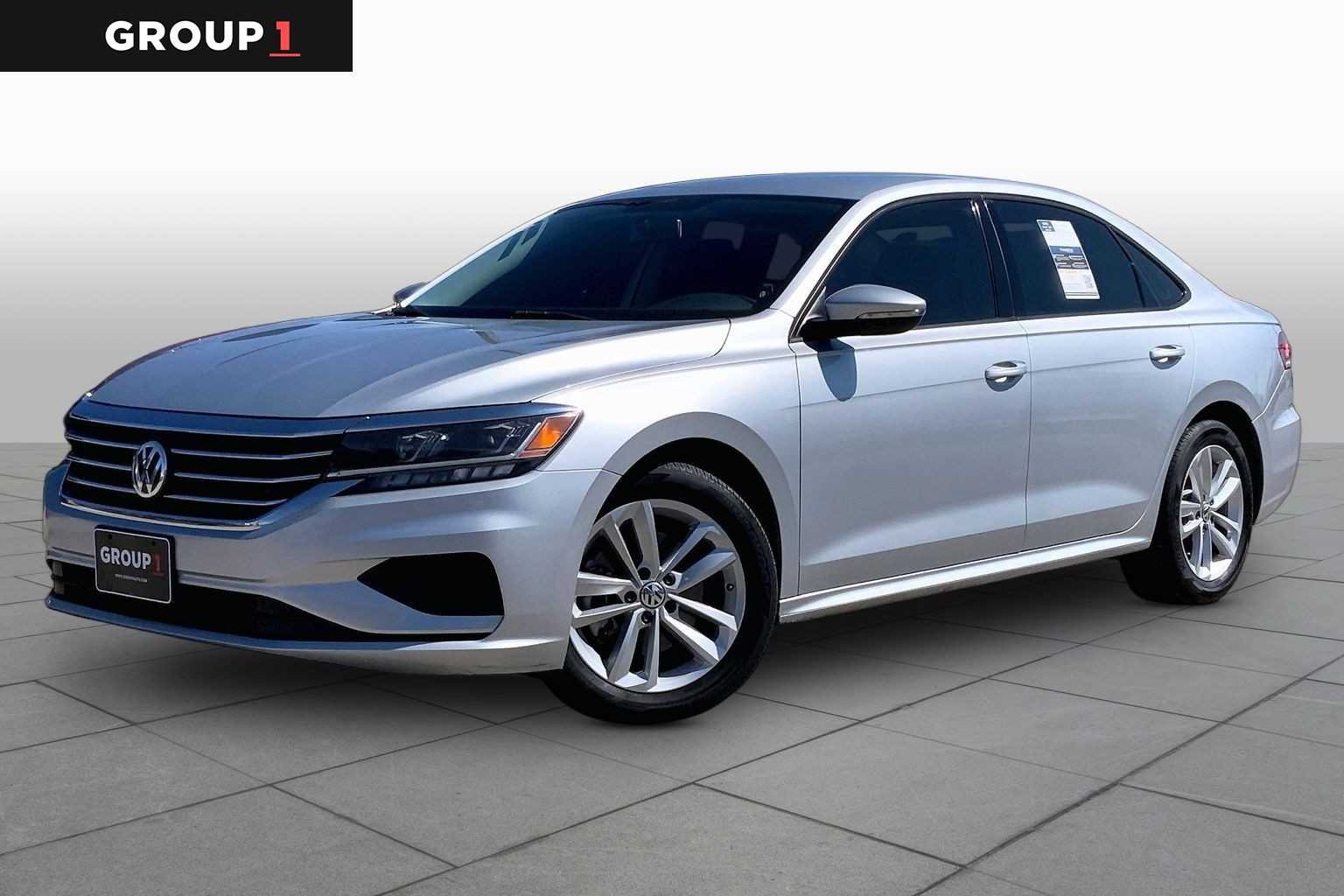
gasoline, automatic, 63K km, sedan, Front Wheels Drive, 2,000 cm3, 174 hp, silver, 2.0T S, Used condition, USA, In stock

HendrickCars.com
 Buford, United States
 Buford, United States
 Southwest, United States
 Mishawaka, United StatesChevrolet, United States
 Austin, United StatesMain Settlement, United StatesKingwood, United StatesCharlotte, United States
 Fallston, United States
 Apex, United StatesHouston, United States
 Houston, United States
 Houston, United StatesNorth Charleston, United StatesWestside, United States
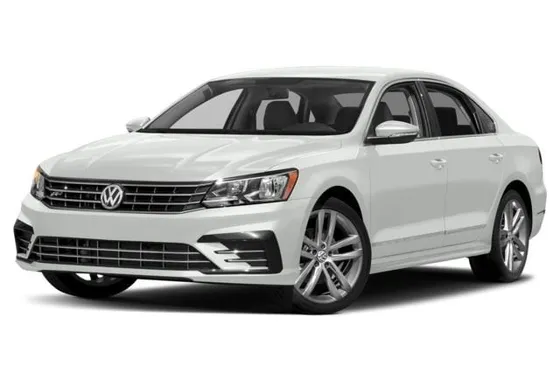 Pensacola, United States
 United States
 United States
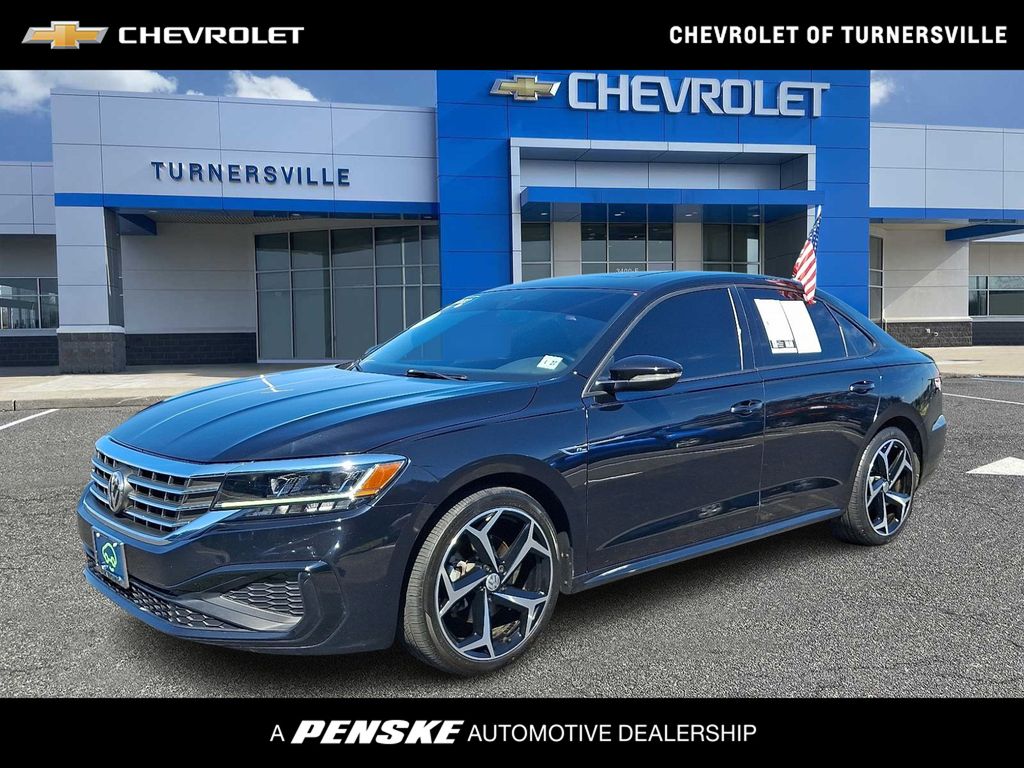 United StatesPasadena, United States
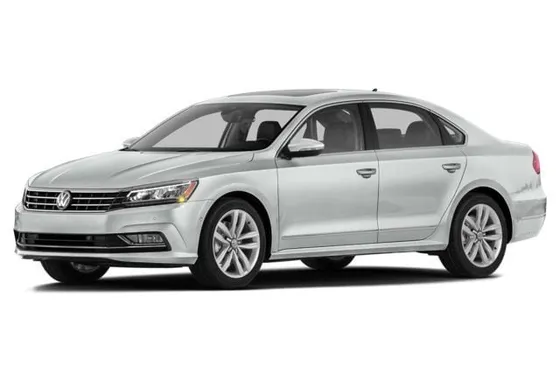 Fort Myers, United StatesFort Myers, United StatesAlamo Heights, United States
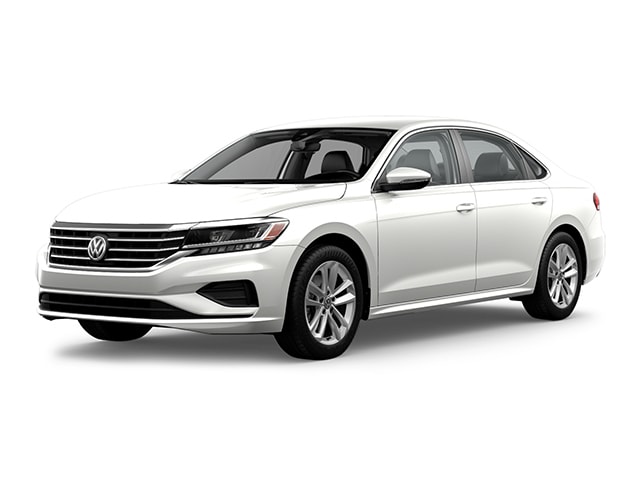 Glenwood Springs, United StatesEast Las Vegas, United States
The Volkswagen Passat remains a popular choice for buyers who want a comfortable, reliable sedan with sensible performance. If you’re shopping in major cities or country areas, knowing what to look for can save time and money. This guide covers buying and selling a VW Passat, focusing on generation options, fuel types, body styles, mileage expectations, and price segments that buyers in different markets often consider.
For many drivers, the Passat represents a balance between elegance and everyday practicality. Key strengths include a roomy interior, smooth ride, solid safety features, and strong resale value when well maintained. When comparing generations, you’ll notice newer models bring enhanced tech and efficiency, while older generations may offer lower upfront prices and cheaper maintenance parts.
A standard lineup includes petrol and diesel engines, with some markets offering mild-hybrid tech in later generations. Body options are usually sedan or wagon, appealing to families and professionals who need extra cargo space. In terms of ownership, consider factors like annual mileage, maintenance history, and service availability in your area, as these influence long-term costs and reliability perceptions.
When evaluating a VW Passat for sale, keep these criteria in mind:
If you’re listing a VW Passat for sale, emphasize:
In any market, a well-documented Passat with a clear history sells faster and often at a better price. Whether you’re buying for daily commuting or family trips, a Passat can be a reliable companion when properly cared for.
 Add as preferred sourceSee more from zvelta in Google Search Add as preferred source