 EN
EN

Frequently asked questions
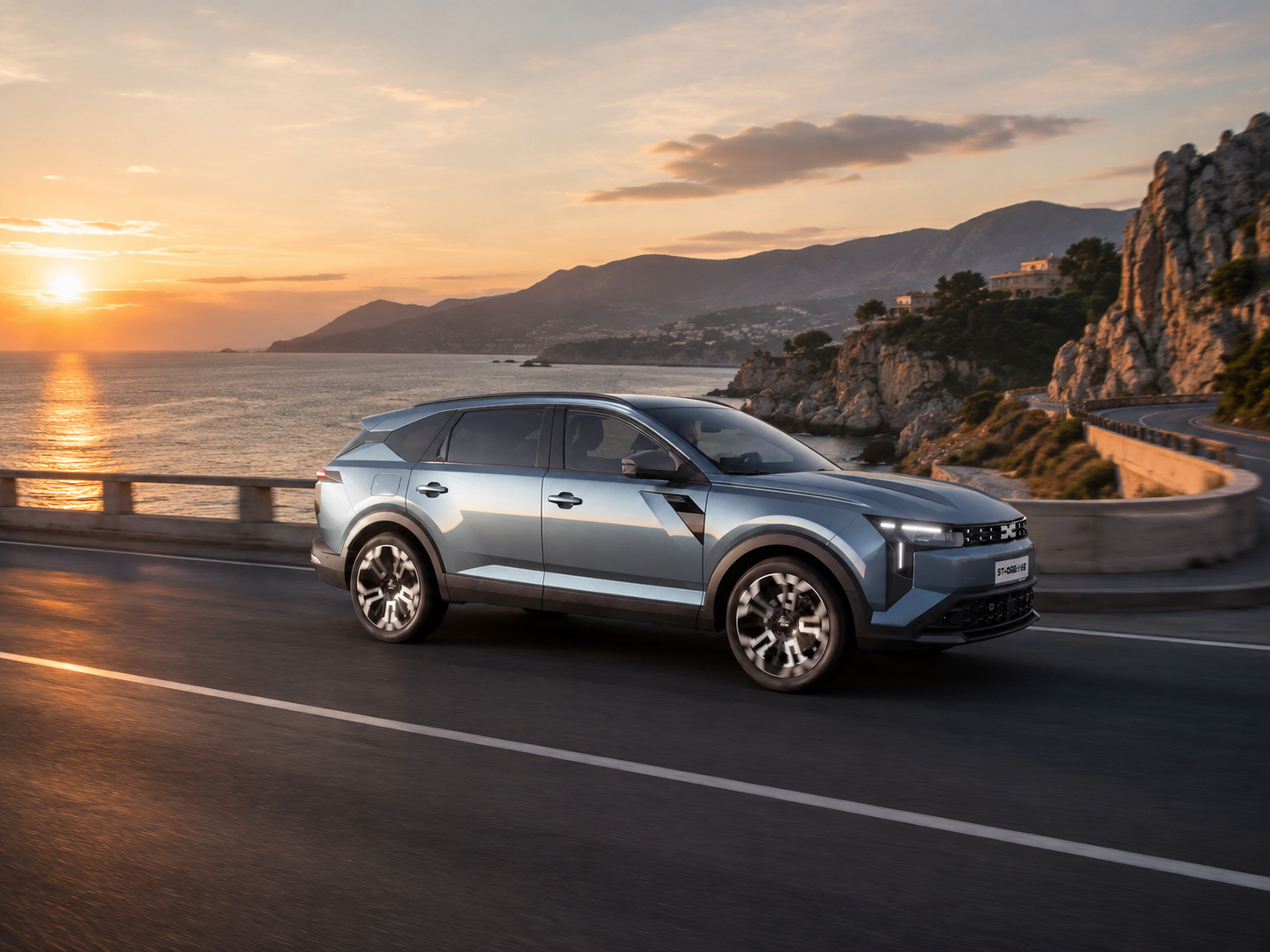
The Striker is a C-segment crossover positioned between an SUV, a wagon and a sedan. It is 4.62 metres long, 1.53 metres high, and has 19 cm of ground clearance in 4x2 form or 20 cm in 4x4 form.
The official model page lists Hybrid 155 and Hybrid 150, with the latter linked to an all-wheel-drive setup. zvelta previously also announced an LPG variant, but its detailed specifications have not yet been disclosed.
zvelta says the starting price will be below €25,000. Full country-by-country pricing and exact launch timing for all markets remain unknown; in the UK, orders are said to open in early 2027.
On July 8, 2026, Dacia revealed the Striker in its official press kit. Formally, it is a new C-segment model, but in concept it does not fit neatly into one familiar body style: the brand describes the Striker as a vehicle that sits between an SUV, a wagon, and a sedan. The main talking point is not just the body shape, but the price: Dacia says the starting price will be below €25,000.
For the brand, this is an important step. Dacia has already entered the C-segment with the Bigster, and the Striker is meant to broaden its audience with buyers who want a roomy car, but not necessarily a traditional SUV. In essence, the Striker is Dacia’s attempt to offer a more affordable alternative to family wagons and C-class crossovers, while keeping practicality and a reasonable price.
Two dates that explain the Striker launch
The first important moment came on March 10, 2026. That was when Dacia presented its futuREady strategic roadmap to 2030 and first showed the Striker as part of its C-segment push. In the same material, the brand said the Striker lineup would include a hybrid version, a Hybrid 4x4, and an LPG variant, and that the starting price should be below €25,000. More details are covered in the official Dacia material on the futuREady strategy.
The second moment was July 8, 2026. On that day, Dacia published the official New Dacia Striker press kit with production positioning, dimensions, ground clearance, design, and equipment highlights. Only after that can the Striker be considered officially unveiled, not just announced as part of a strategy.
What is the Dacia Striker?
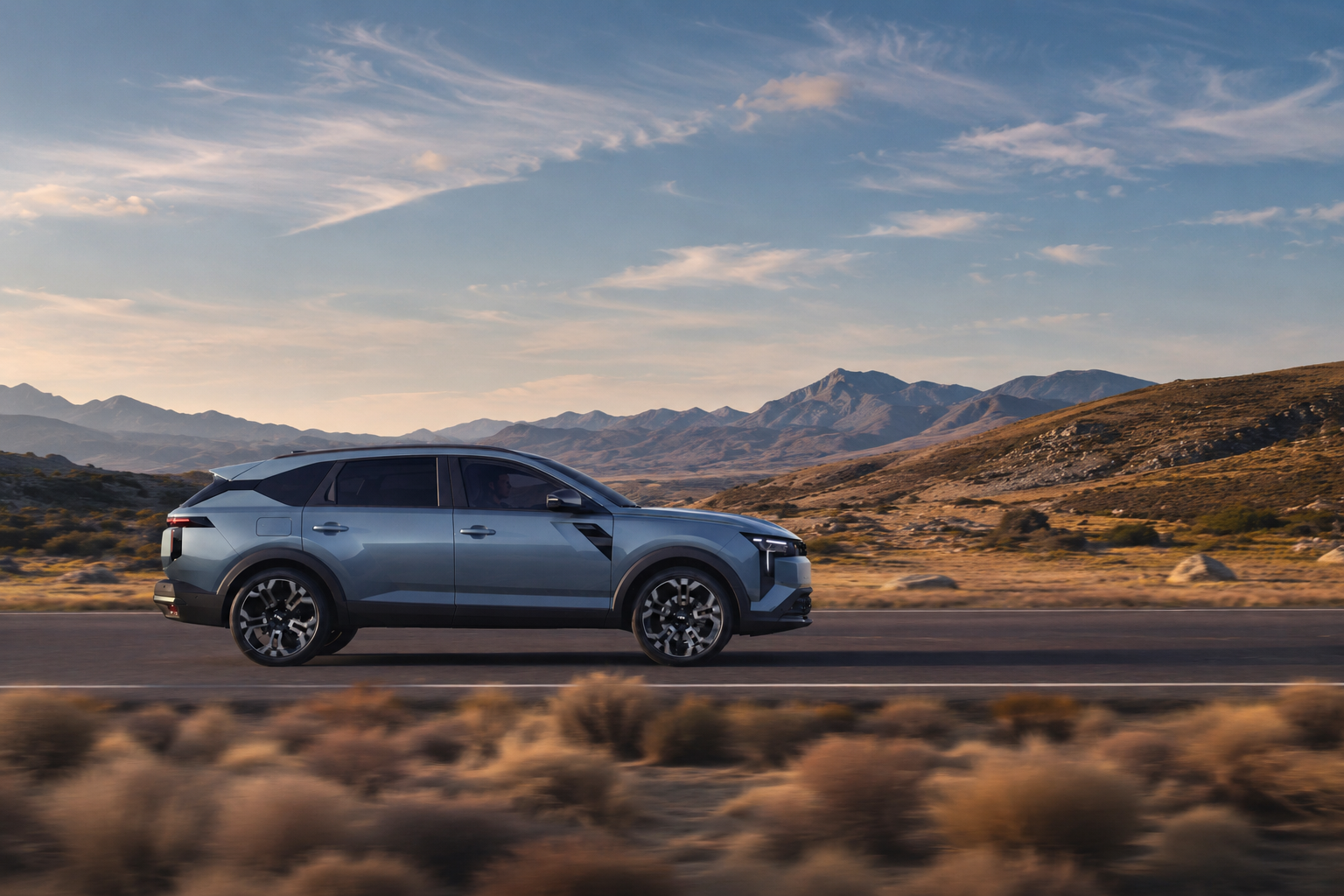
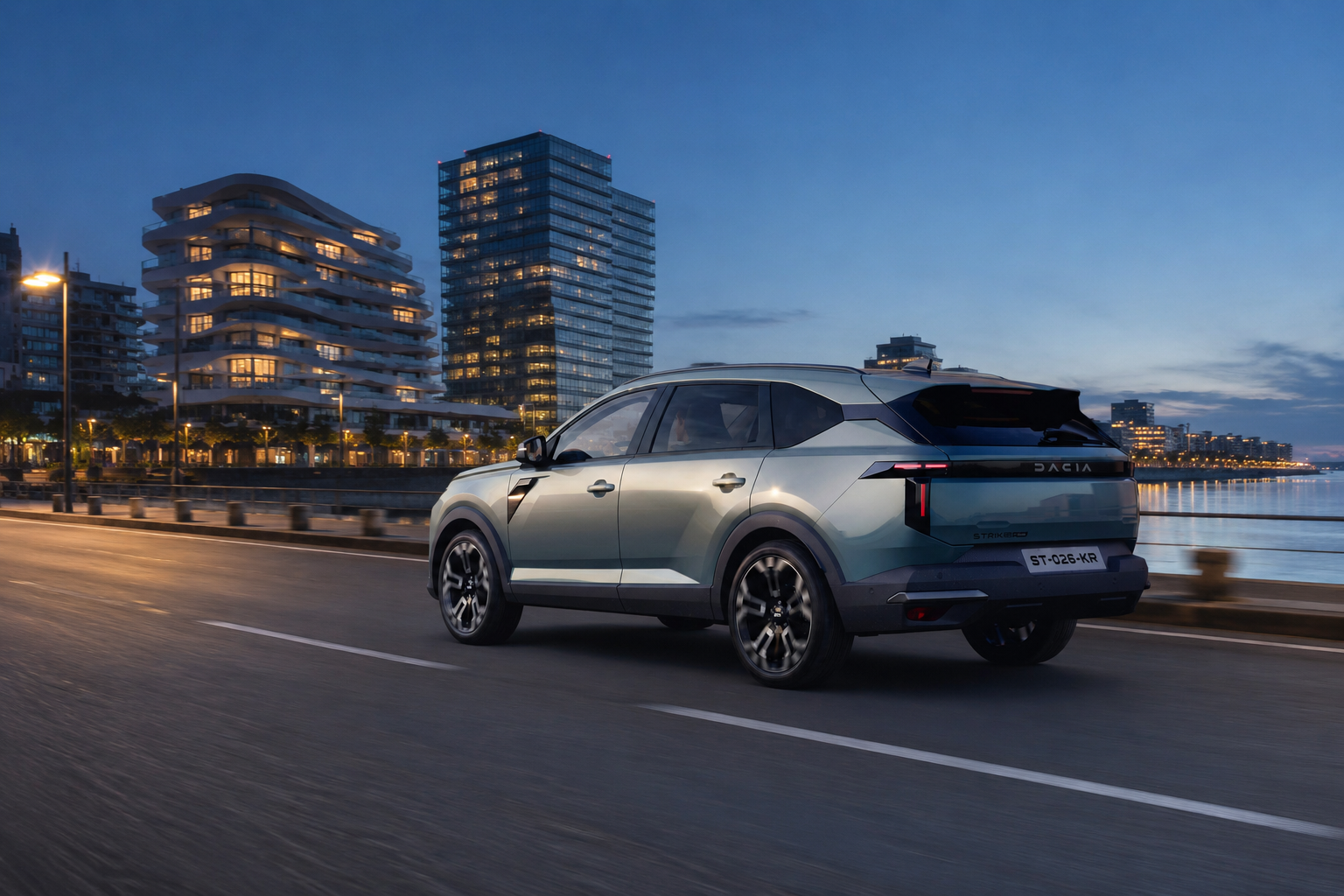
Dacia calls the Striker a crossover that combines three ideas: the raised driving position and off-road associations of an SUV, the practicality of a wagon, and the lower, more aerodynamic silhouette of a sedan. You can see that in the proportions: it measures 4.62 m in length, 1.53 m in height, and ground clearance is stated at 19 cm for the 4x2 version and 20 cm for the 4x4 version.
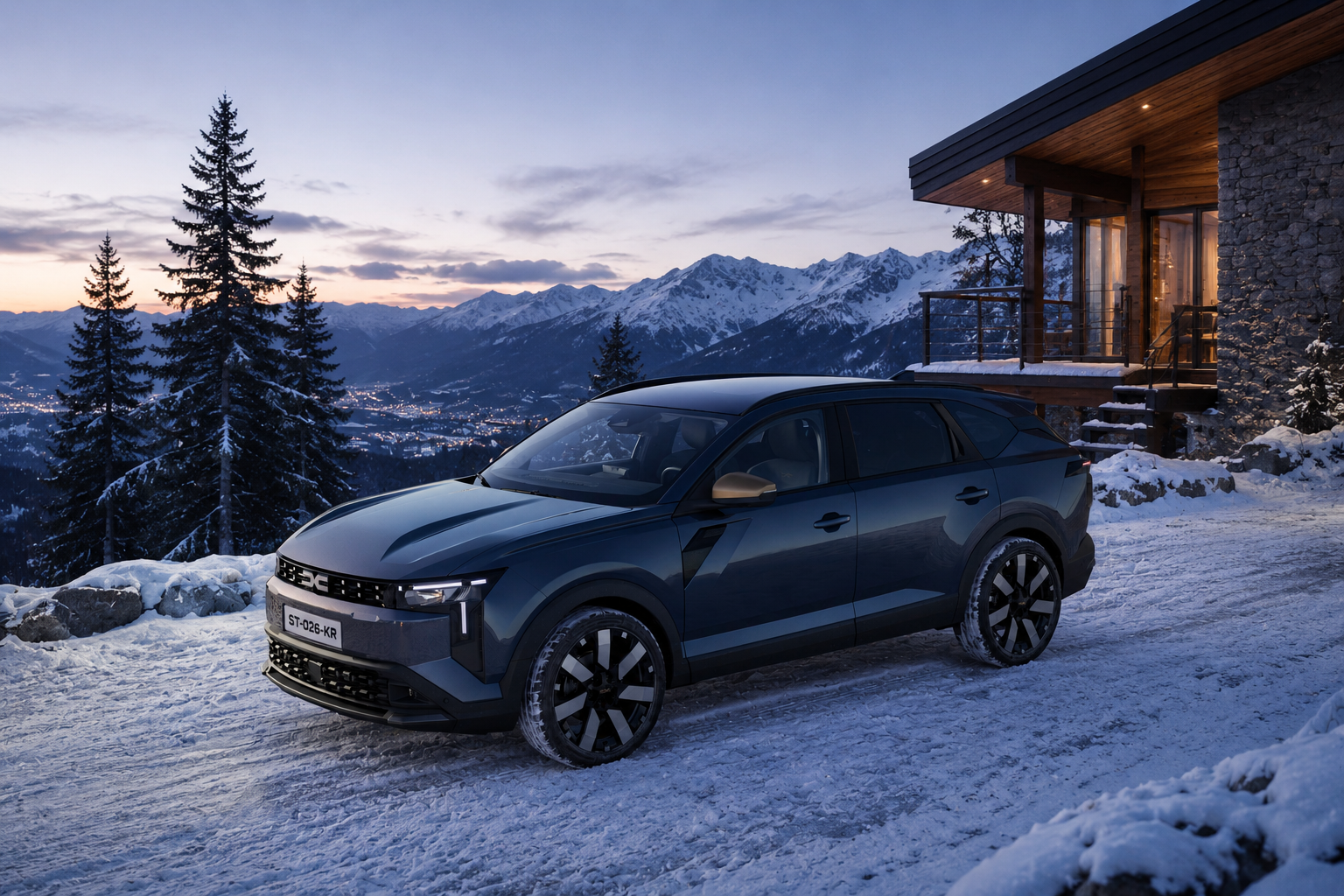
This layout keeps the Striker from moving straight into Bigster territory. The Bigster remains the more conventional SUV, while the Striker looks like a family car for buyers who want a large cabin and an easy seating position, but do not want to pay extra just for the SUV format. This is not a replacement for the Bigster, but a second model in the same size class with a different use case.
Parameter | What is officially known |
Full reveal date | July 8, 2026 |
First strategic announcement | March 10, 2026, as part of futuREady |
Segment | C-segment |
Length | 4.62 m |
Height | 1.53 m |
Ground clearance | 19 cm for 4x2 and 20 cm for 4x4 |
Wheels | 17-inch, with 18- and 19-inch options |
Powertrains | Hybrid 155, Hybrid 150 4x4; Dacia had previously also announced an LPG variant |
Claimed starting price | Below €25,000 |
Why the Striker matters to Dacia
In the futuREady strategy, Dacia clearly set out its goal of strengthening its position in the C-segment. The company wants to raise the share of cars in this class from one-fifth to one-third of sales over the next few years. Bigster alone is not enough for that: the SUV covers a popular format, but not every buyer wants a tall, bulkier body.
The Striker solves a different problem. It is meant to offer the space and practicality of a family car while staying closer to Dacia’s price logic. If the price really does remain below €25,000 at launch in Europe, the model will land in a zone where many C-segment wagons and crossovers are noticeably more expensive.
That is why the positioning is unusual. Dacia is not trying to call the Striker simply a wagon or simply an SUV. It is better for the brand to show that the buyer gets ground clearance, a roomy cabin, hybrid powertrains, and a more restrained running-cost profile than a heavier SUV. The real point of the Striker is not a new body-style label, but an attempt to give buyers more car for the price of a mainstream B-SUV.
Design: lower than an SUV, taller than a regular wagon
The Striker’s design is built around contrast. The upper part of the body is closer to a wagon or sedan: a stretched roof, a raked windshield, and a softer rear pillar. The lower section has protective cladding, high ground clearance, and more upright surfaces, which are the usual crossover cues.
The Striker is the first Dacia model with a new T-shaped LED light signature placed at all four corners of the car. At the front, it is integrated into a black gloss grille with the Dacia Link emblem; at the rear, it sits in a wide black strip with the Dacia name on the tailgate.
Interior, cargo area, and equipment
The model page on Dacia’s UK website does not yet disclose all the figures: some cargo-volume and cabin-space numbers are still missing. But it is already known that the Striker will get five full-size seats, folding rear seats, a three-piece modular cargo floor, and a hands-free electric tailgate opening function — a first for Dacia. These details are listed on the official Dacia Striker page.
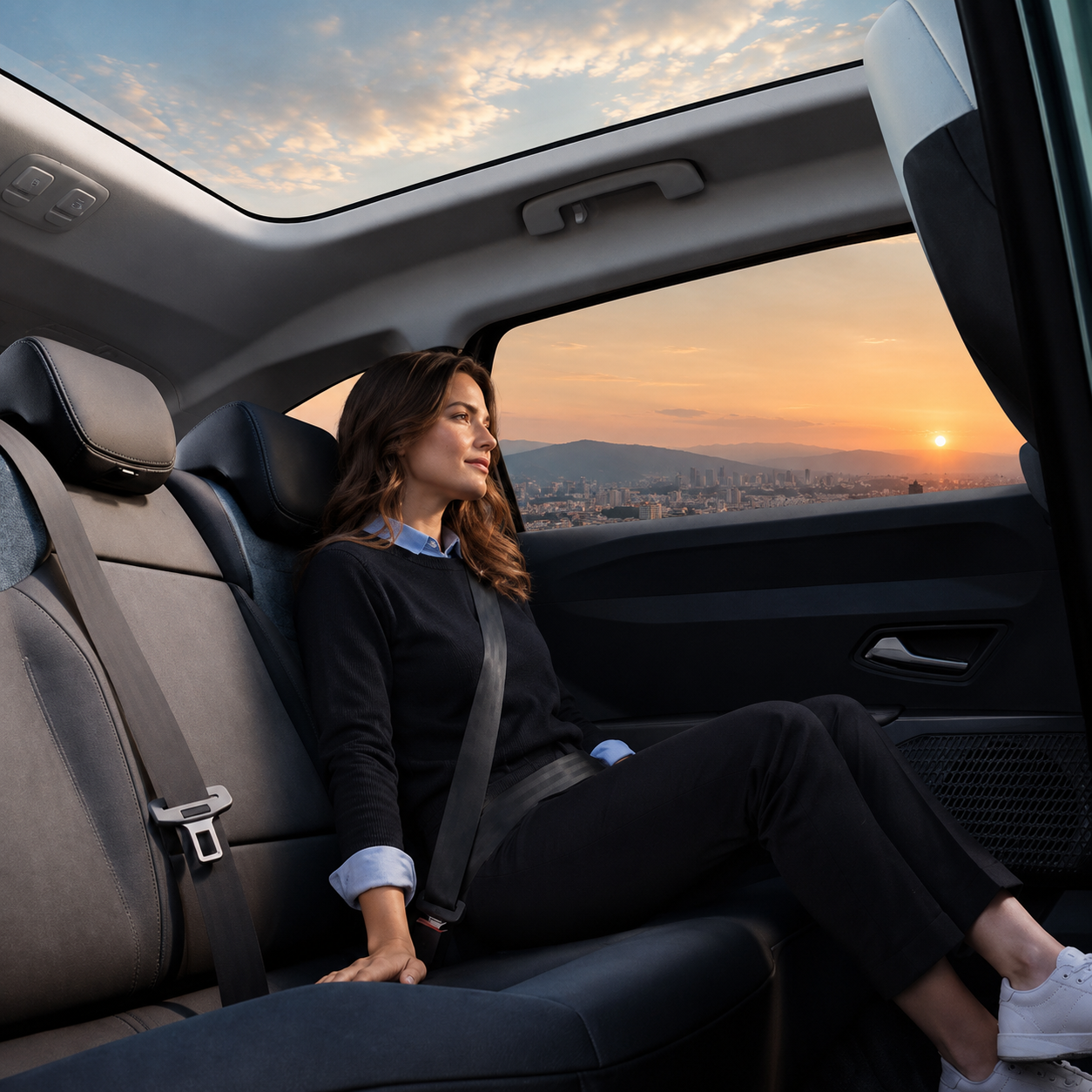
Also announced are the YouClip mounting system with attachment points in the cabin and cargo area, a central infotainment screen, a LightVisio display for driver information, a panoramic roof, and a set of driver-assistance features. Dacia lists a surround-view camera, adaptive cruise control, safe exit warning, and automatic rear emergency braking among them.
Which versions will the Striker get?
When it comes to powertrains, Dacia is focusing on hybrids. The official model page lists Hybrid 155 and Hybrid 150, with the latter tied to a more off-road-oriented setup and all-wheel drive. In the March strategy announcement, Dacia also mentioned an LPG version, but detailed specifications for that variant have not yet been disclosed in the July press kit.
This is an important caveat for buyers: Dacia has named the main powertrain types and some versions, but it has not yet revealed the full price list, exact trim levels by market, or all technical figures. So it is still too early to compare the Striker with specific rivals on fuel economy, cargo space, or final price.
Why a price below €25,000 matters
A price below €25,000 is the key to the Striker’s purpose. Dacia is not competing with premium SUVs and is not promising a complicated technology showcase. The model is meant to answer a more practical need: a roomy family car, ideally with a hybrid, decent ground clearance, and without a sharp jump in price.
For the market, this could be a notable moment. Many buyers in Europe have already grown used to the idea that new C-segment cars are getting more expensive, while wagons are gradually giving way to crossovers. The Striker is trying to occupy the middle ground: keep the logic of a wagon, add the stance and visual presence of a crossover, but stay away from the price of pricier SUVs.
What is still unknown
Dacia has not yet revealed the full country-by-country pricing, the exact start of sales in all markets, the full cargo volume, fuel consumption, or every trim level. For the UK, orders are already said to open in early 2027, but the European timetable by individual country will need to be checked separately after local announcements.
Right now, the Striker matters not as a fully priced car, but as a new move by Dacia into the larger and more profitable C-segment. If the brand keeps the promised price and does not strip the practical versions down to the bare minimum, the model could become one of the most notable affordable family cars of 2026–2027.