 EN
ENDEALER

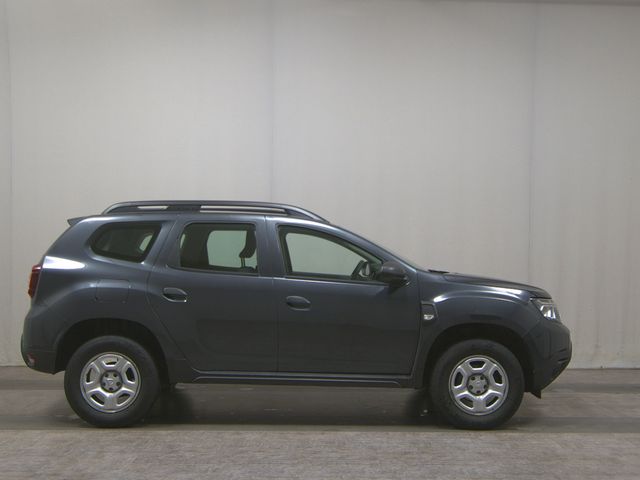
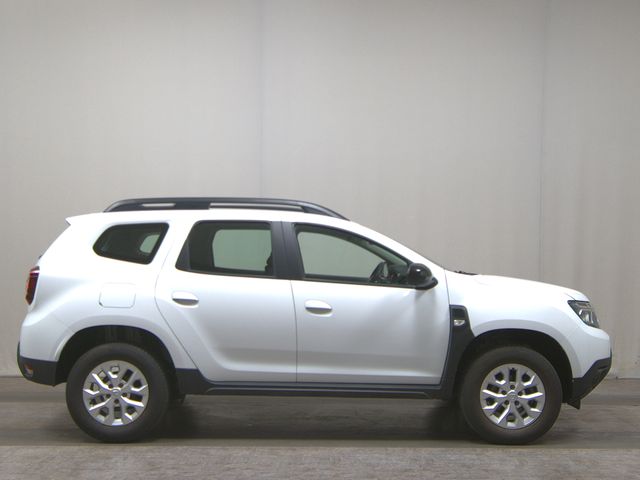
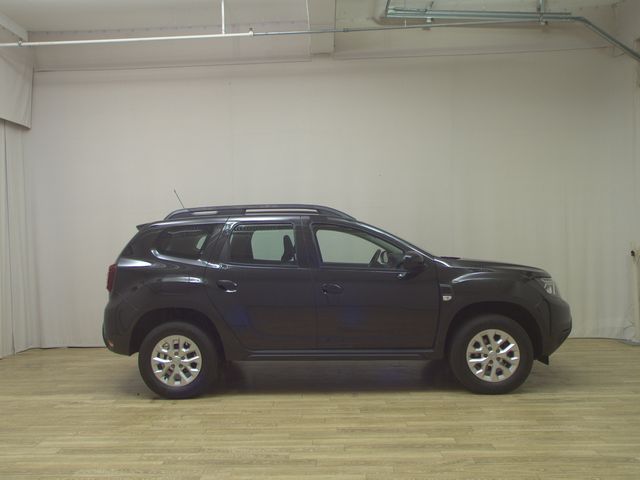
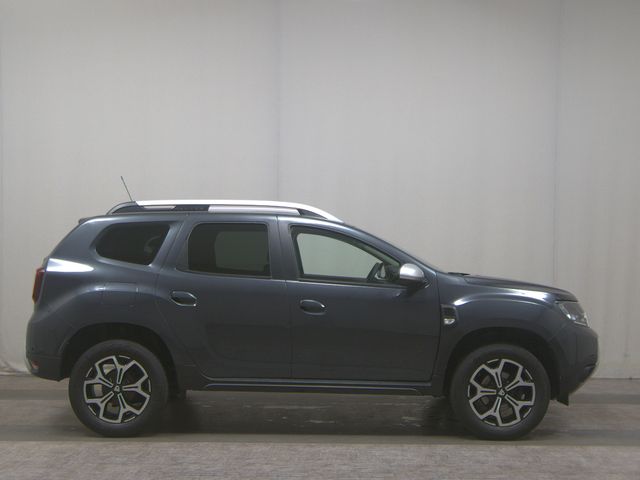
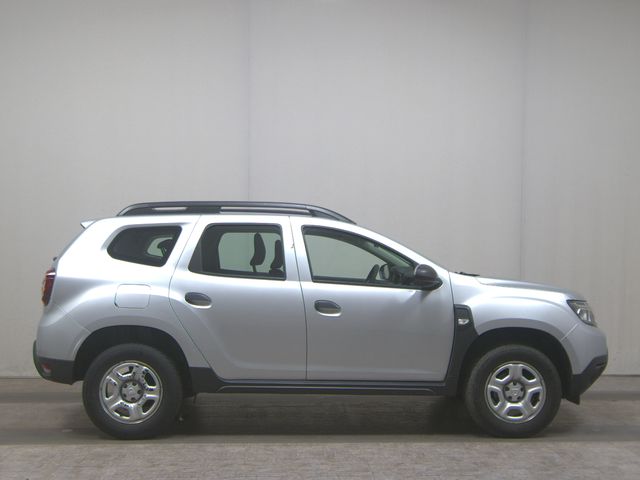
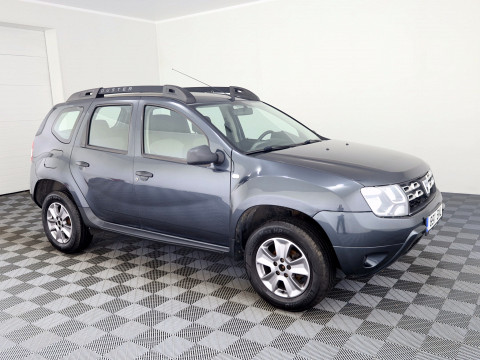
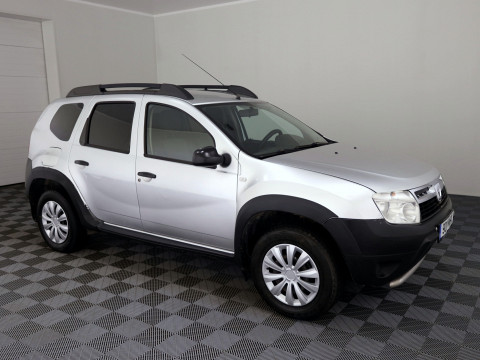
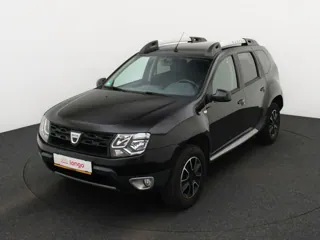
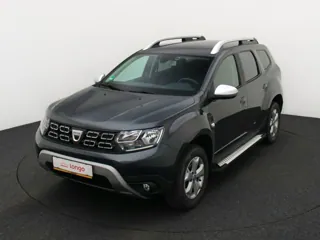
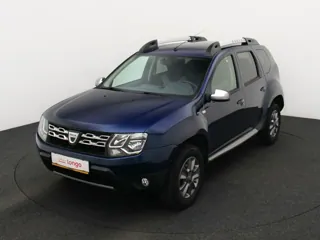
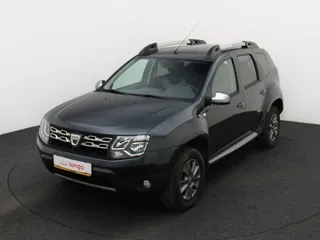
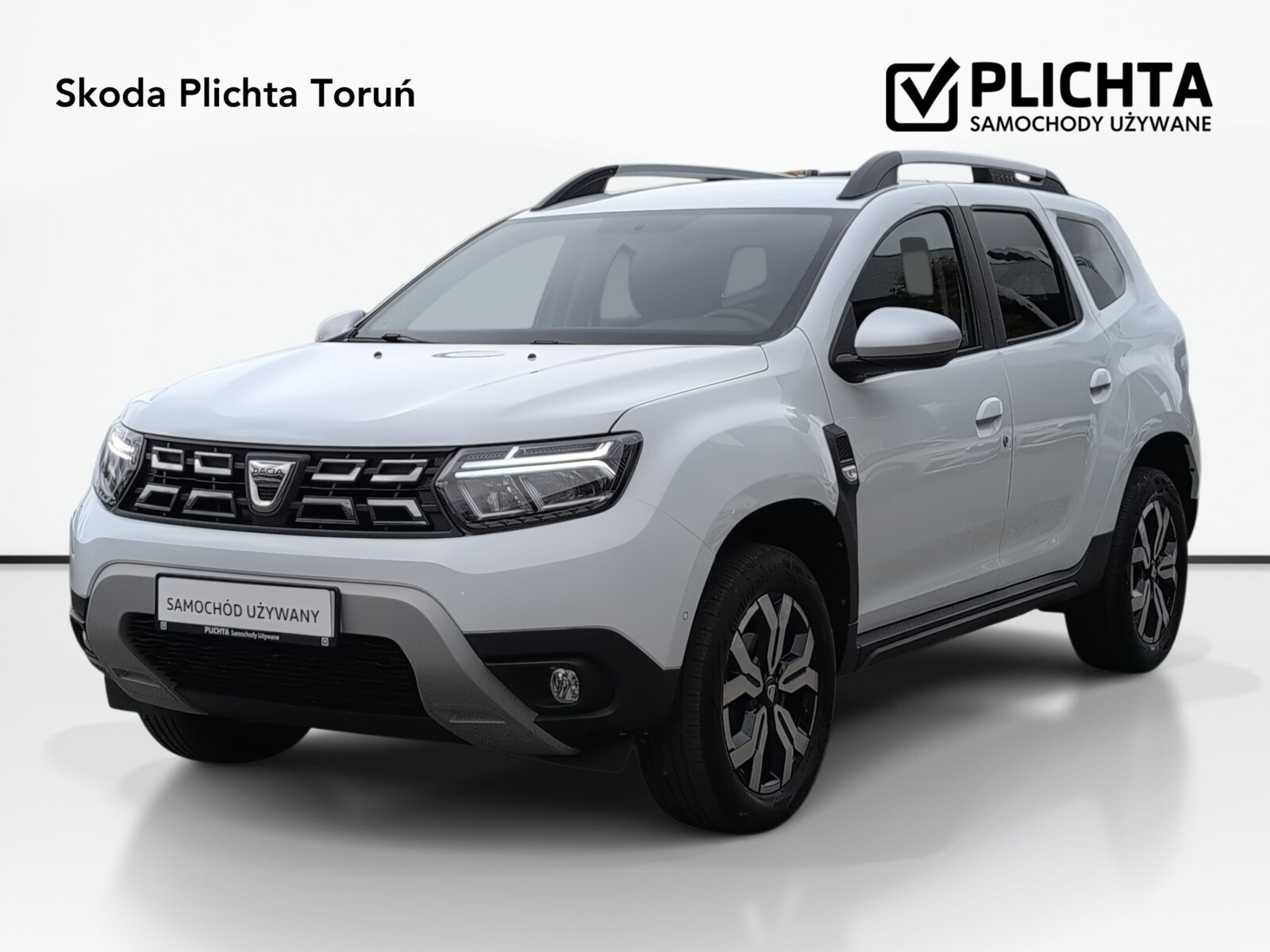
2022, gasoline, manual, 38K km, SUV, 131 hp, white, Prestige Go TCE 96kW(130CV) 4X2, Used condition, Europa, In stock, sale date 23.10.2026 06:45

CarOutlet.eu
 Spain
SpainAuction starts · 23 Oct, 06:45
Current bid€11,300
 SpainSpainSpain
 BelgiumBelgiumBelgium
 Netherlands
 Denmark
 FranceFranceFranceFrance
 Germany, Lower SaxonyGermany, Lower SaxonyGermany, Lower SaxonyGermany, Lower SaxonyGermany, Lower Saxony
 Estonia, HarjumaaEstonia, Harjumaa
 Lasnamäe linnaosa, EstoniaMiškiniai, EstoniaTorņakalns, EstoniaMiškiniai, EstoniaMiškiniai, Estonia
 Bielawy, Poland
Choosing a Dacia Duster is about balancing simplicity, reliability, and value. This compact SUV remains popular for those who want a practical family vehicle or a versatile daily driver. In many markets, the Duster comes with different generations, engines, body styles, and trim levels, so buyers and sellers alike focus on the essentials: year, mileage, fuel type, and price range. Whether you are in a bustling city or a quieter suburb, understanding these factors helps you compare offers, negotiate confidently, and select the best configuration for your needs.
The Duster’s appeal lies in its straightforward design and affordable ownership costs. Common questions include which engine to choose and whether a 4x4 variant is worth it for local conditions. For many buyers, the answer depends on the terrain, weather, and typical cargo. The model line often features gasoline and diesel options, with a practical manual or easy-to-use automatic. When selling, highlight service history, tires, brakes, and any recent maintenance to justify asking prices across different markets and years.
For buyers, comparing a few Duster offers side by side helps you understand value. Look at maintenance history, tire condition, brake wear, and any bodywork. For sellers, present a clear brief covering year, mileage, service records, and any upgrades to justify your asking price and attract serious inquiries.
In markets where the Duster is widely available, you’ll encounter a mix of new and used options, with prices spanning budget-friendly to mid-range. Start by listing your preferred engine and transmission, then evaluate fuel economy, reliability ratings, and local support for spare parts. When meeting sellers, request test drives and a vehicle history report. If negotiating, anchor on the most important data points: year, mileage, condition, and service history. Finally, consider nearby cities or regions where supply is greater, which can help you secure a better deal or quicker sale.
 Add as preferred sourceSee more from zvelta in Google Search Add as preferred source