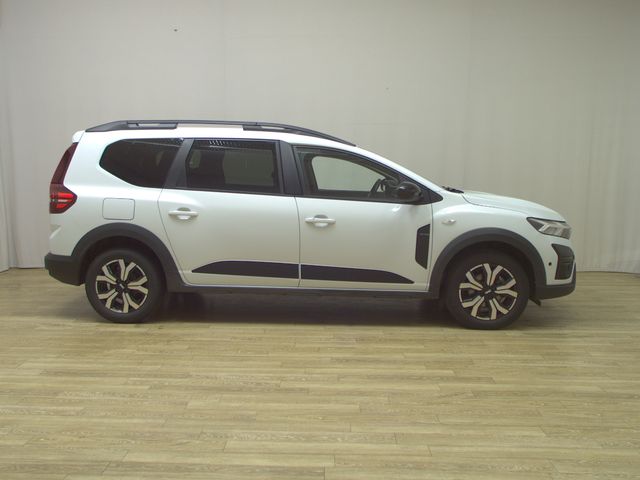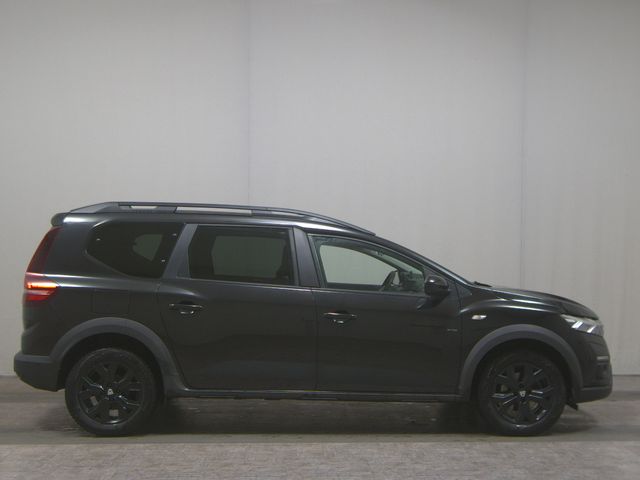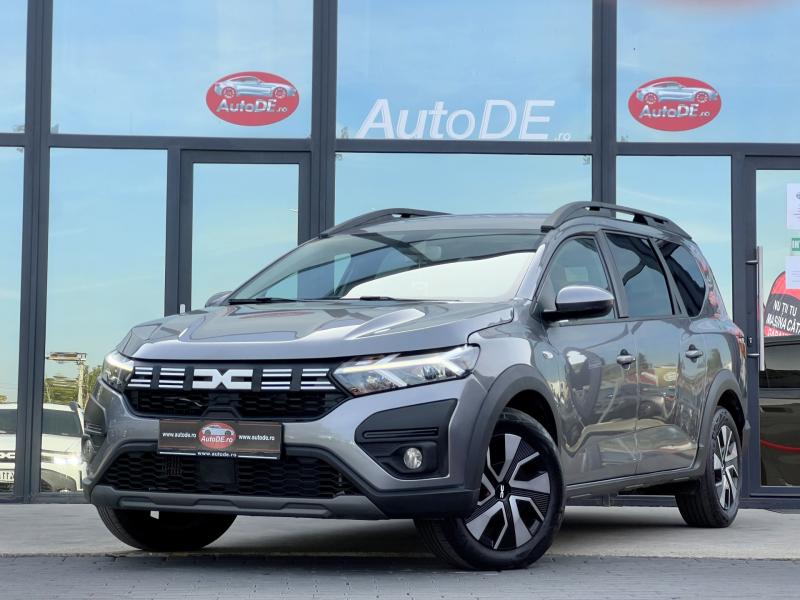


The Dacia Jogger is a versatile family car that combines practicality with affordable running costs. If you’re considering buying or selling a Jogger in your city, take a moment to think about the key factors that influence price, reliability, and daily usability. This guide walks you through choosing the right generation and configuration, understanding typical mileage ranges, and comparing the main variants of the Jogger in the context of your local market.
Why the Jogger stands out in today’s market
For many buyers, the Jogger represents a compelling choice because it blends a roomy family-friendly interior with efficient engines and a rugged, wagon-like body. Depending on the generation, you’ll find front- or all-wheel-drive options, a choice of petrol engines, and a flexible seating arrangement. If you’re selling, highlight practical features such as generous cargo space, easy-to-clean fabrics, and a reputation for low running costs. If you’re buying, look for a model with a well-documented service history and no major accident damage.
Key factors to consider when evaluating a Dacia Jogger
- Generation and model year: The Jogger’s styling and features evolved through its generations. Newer models typically offer improved infotainment, safety systems, and efficiency, while older ones may deliver maximum value on a tighter budget.
- Fuel and drivetrain: Petrol engines are common, with some variants offering optional all-wheel drive. Consider your daily needs, including driving in city traffic, highway trips, and occasional rough roads.
- Body type and space: The Jogger’s wagon-like body emphasizes cargo space and rear seat practicality. If you frequently transport people or bulky items, verify seat configuration and load length.
- Mileage and maintenance: In a city market, expect mileage to influence price more than the exact year. Check service stamps and confirm the timing belt (or chain) status, along with brake and tire wear.
- Country and city factors: Taxes, registration costs, and insurance can vary by location. In some markets, a higher mileage Jogger with full service history may still be a strong value.
How to compare prices and conditions in your city
When you’re weighing options, create a simple checklist: year, mileage, service history, number of previous owners, and the presence of any major repairs. Ask for confirmation of routine maintenance like oil changes, filter replacements, and fluid checks. Compare similar Jogger configurations — for example, two-wheel-drive petrol with a mid-range trim versus a higher trim with more equipment — to understand what you’re paying for.
Buying tips: what to test on a test drive
- Start-up and idle: Listen for any unusual noises that could indicate engine wear or exhaust issues.
- Transmission and drivetrain: If you choose a manual or automatic, ensure smooth gear changes without clunks or hesitation.
- Interior wear: Check seating, dashboard wear, and cargo-area condition; a well-kept cabin usually reflects careful ownership.
- Safety and electronics: Test the infotainment system, climate control, sensors, and cameras if available on the chosen trim.
Selling tips: presenting your Jogger in the best light
Highlight the model year, mileage, and full service history. Mention any recent maintenance, new tires, brakes, or updates to the infotainment system. Honest defect disclosure builds trust and can help you command a fair price in your local market.
If you’re comparing options across cities, search phrases like “Dacia Jogger price [city],” “Dacia Jogger 2020–2023 mileage,” or “Dacia Jogger reliability” to gather realistic expectations. A well-documented, well-maintained Jogger in good condition often remains highly attractive to buyers looking for practical, budget-friendly family transport across different countries and regions.