EN
EN

Frequently asked questions
McLaren has confirmed development of its first sports SUV and added it to the future range. Its name, design, platform, engine, dimensions, price and launch date have not been announced.
McLaren plans to invest approximately £500 million in UK engineering and production facilities. The program includes a new vehicle assembly site in the UK, while its existing centers will also be expanded or used.
McLaren plans to develop and build future engines within its own UK operation, but their configurations, power outputs and electrification have not been disclosed. The company expects to create 1000 new jobs by 2032.
On September 16, 2026, McLaren confirmed the biggest expansion of its automotive program to date: around £500 million will go toward new models, production facilities and engineering centers in the UK. For the first time, the plan officially includes a sports SUV — a type of vehicle that has never been part of the brand’s production range.
This is not a debut of a finished vehicle yet. McLaren has not shown the SUV’s design or announced its powertrain, dimensions, price or sales launch date. The bigger story is that the company is reshaping the way it develops and manufactures cars.
The key points in one minute
McLaren has officially confirmed development of its first sports SUV.
The investment program is valued at approximately £500 million.
A new vehicle assembly site will be established in the UK.
McLaren plans to develop and build future engines in-house.
The company expects to create 1000 new jobs by 2032.
What McLaren announced on September 16
The program’s main details are set out in an official UK government announcement. The funding will support expanded research, development and production. The company also intends to keep designing and building its current and future models in the UK.
Area | What has been confirmed | What has not yet been disclosed |
|---|---|---|
Investment | Around £500 million for UK engineering and production facilities | How the total will be allocated across individual projects |
First SUV | The model has officially been added to the future range | Name, platform, engine, dimensions, price and debut date |
Powertrains | Future engines are planned to be developed and built within McLaren | Configurations, displacement, power output and degree of electrification |
Production | A new vehicle assembly site in the UK | Location, capacity and launch date |
Jobs | 1000 new jobs at McLaren by 2032 | Hiring schedule by facility and area of expertise |
Why the first SUV changes McLaren’s position
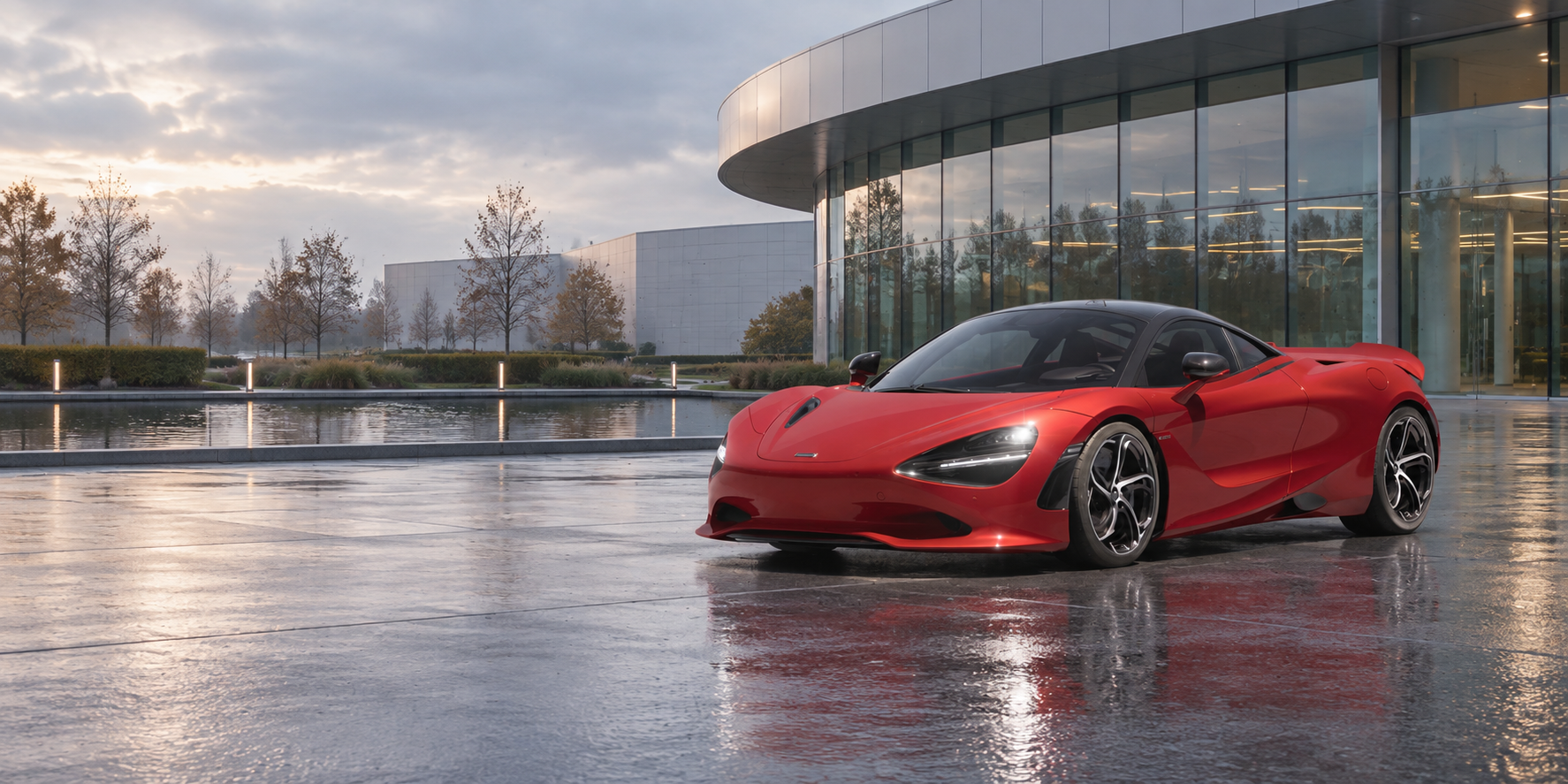
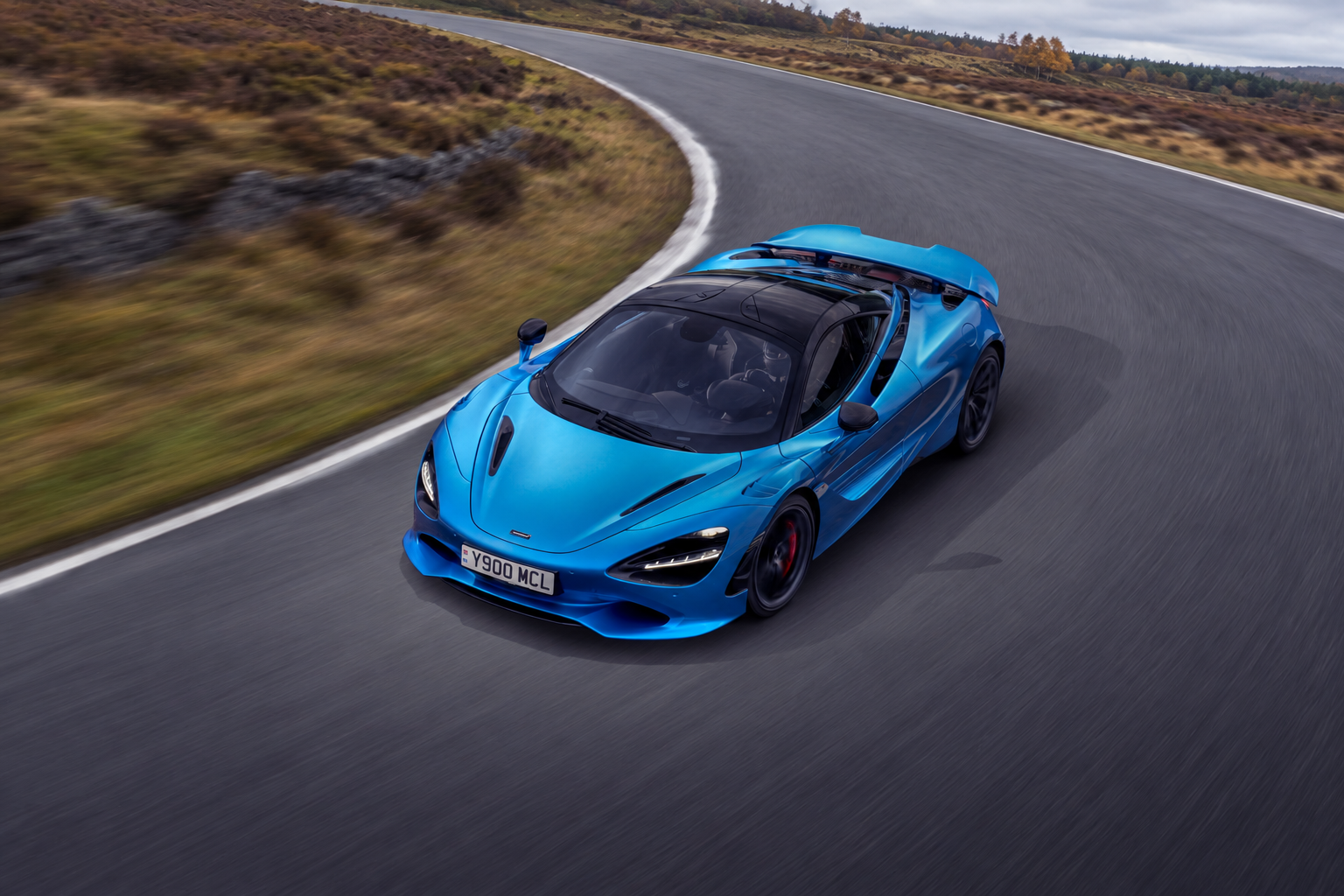
McLaren’s current road-car range is built around two-seat, mid-engined vehicles. For example, the official 750S page describes the Coupe and Spider as lightweight supercars with a four-litre V8 and rear-wheel drive. The Artura uses a V6 hybrid powertrain, while the GTS offers more luggage space but remains a two-seat, mid-engined car.
An SUV takes McLaren beyond those boundaries. It should give the brand a vehicle for buyers who need extra seats, easier access to the cabin and greater everyday practicality. A McLaren badge alone will not be enough, however: the vehicle will have to preserve the brand’s handling and engineering character despite a considerably greater body weight and height.
The future SUV does not yet have an official name or published technical specification. Earlier reports from specialist publications mentioned four doors, five seats, all-wheel drive and a hybrid V8, but the September 16 announcement did not confirm those details. They should therefore not be treated as final specifications.
Why McLaren wants its own engines and transmissions
Until now, McLaren has calibrated powertrains itself and adapted them to its cars, while production of key components has relied on external partners. The new program points to more complete control: the company intends to design and build future engines within its own UK operation.
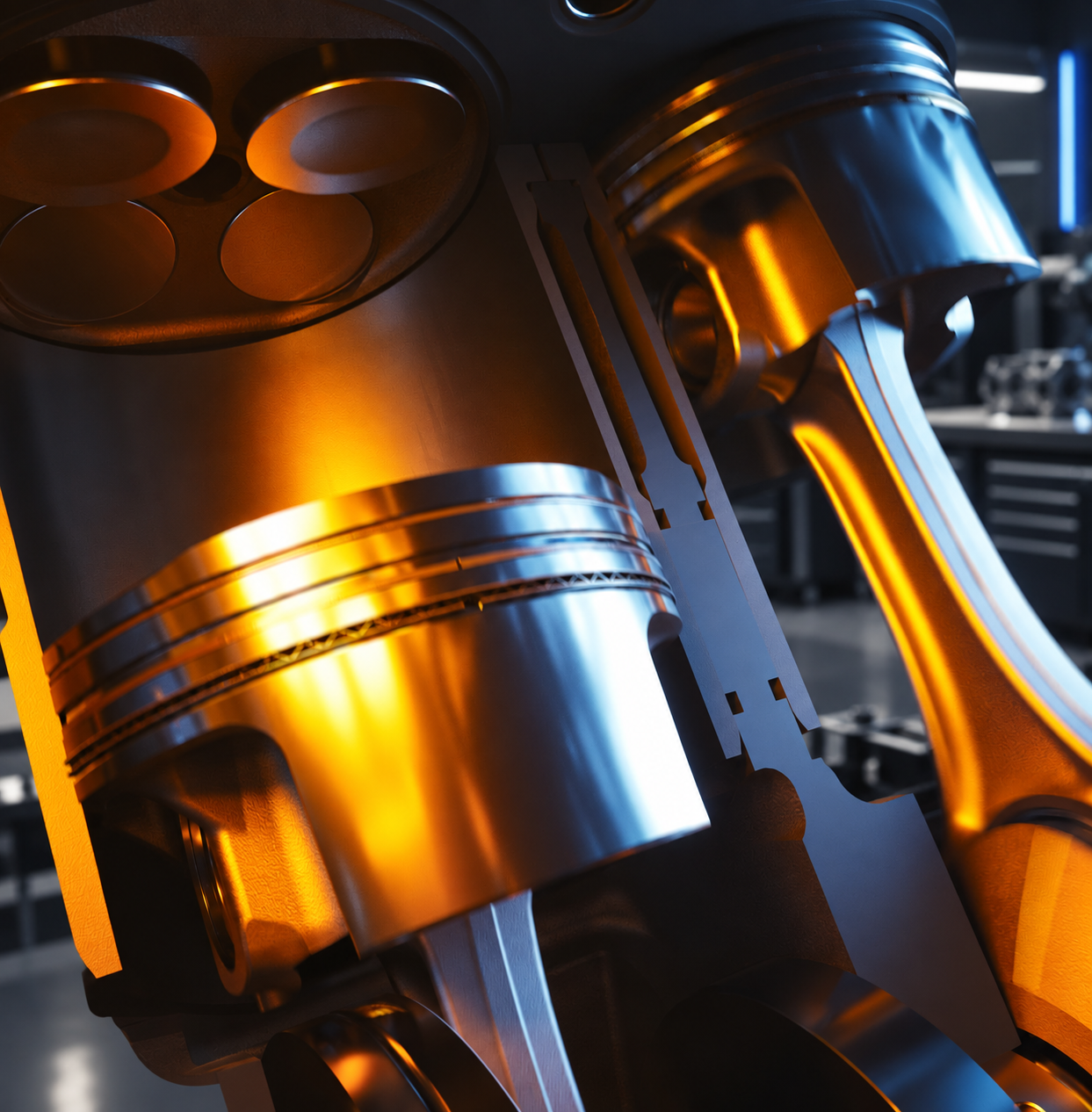
Specialist publications add that the first outcome should be two new engines and matching transmissions. Their layouts have not been announced. There is no official confirmation of which powertrain the SUV will use or whether it will be a plug-in hybrid. The move toward in-house production has been confirmed, but the specifications of the future engines have not.
For McLaren, this could make it easier to integrate the engine, gearbox, hybrid system and electronic control systems. At the same time, the company will take on higher costs and greater responsibility: it will need not only to develop the powertrains, but also to support their series production, quality control and servicing.
Where new McLaren models will be developed and built
The investment will cover several UK sites. The production center in Woking will continue building cars. The Composites Technology Centre in South Yorkshire will be expanded to increase its capacity for carbon-fiber work and future body structures. These facilities will be joined by the recently established design and innovation center in Bicester and the MIRA engineering and testing site in the Midlands.
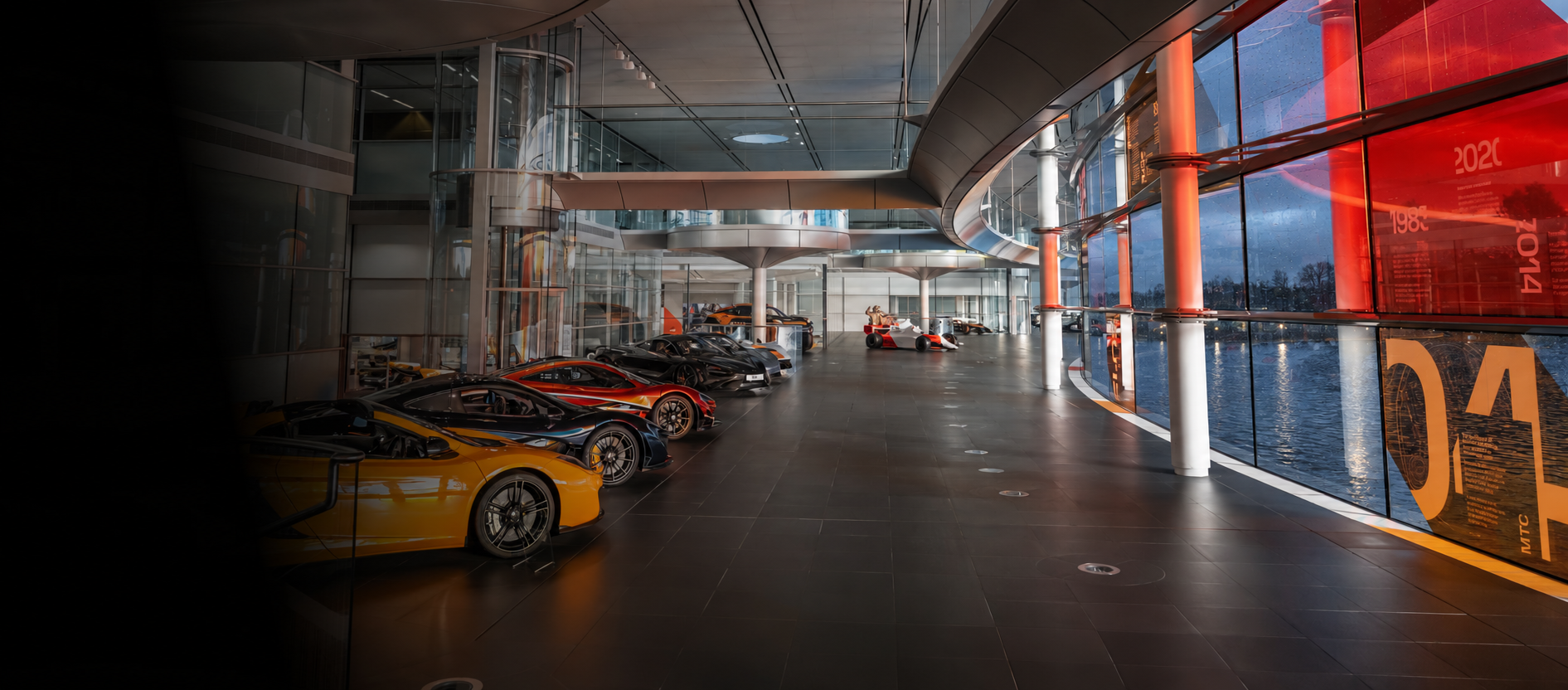
In addition to expanding its existing centers, McLaren will build another vehicle assembly facility. Its exact location and planned capacity have not yet been announced. The UK automotive industry body SMMT confirmed the investment amount and the creation of 1000 jobs. The government expects the program to support up to 3000 additional jobs among suppliers and other companies in the sector.
Where the confirmed facts end
The SUV, the investment, the new assembly site and the move to in-house production of future engines have all been officially announced. Everything concerning the model name, seating capacity, type of hybrid system, power output, price and launch date remains unconfirmed.
What will happen to the Artura, GTS and 750S
On September 18, 2026, Autocar reported that the GTS could leave production in 2027, while production of the Artura and 750S is expected to end by late 2028. The publication links the model changeover to preparations for a new supercar and the expansion of the range with an SUV.
McLaren has not publicly confirmed these timelines. The Artura, GTS and 750S remain part of the current range on the official website. The 2027 and 2028 dates should therefore be treated as specialist media reports, not as a production schedule published by the manufacturer.
What will change for buyers
Nothing in the immediate future: orders for the current models are still being accepted, while the SUV has not yet been unveiled. The announcement’s practical significance will become clearer once McLaren reveals the new model’s platform, powertrain and position within the range.
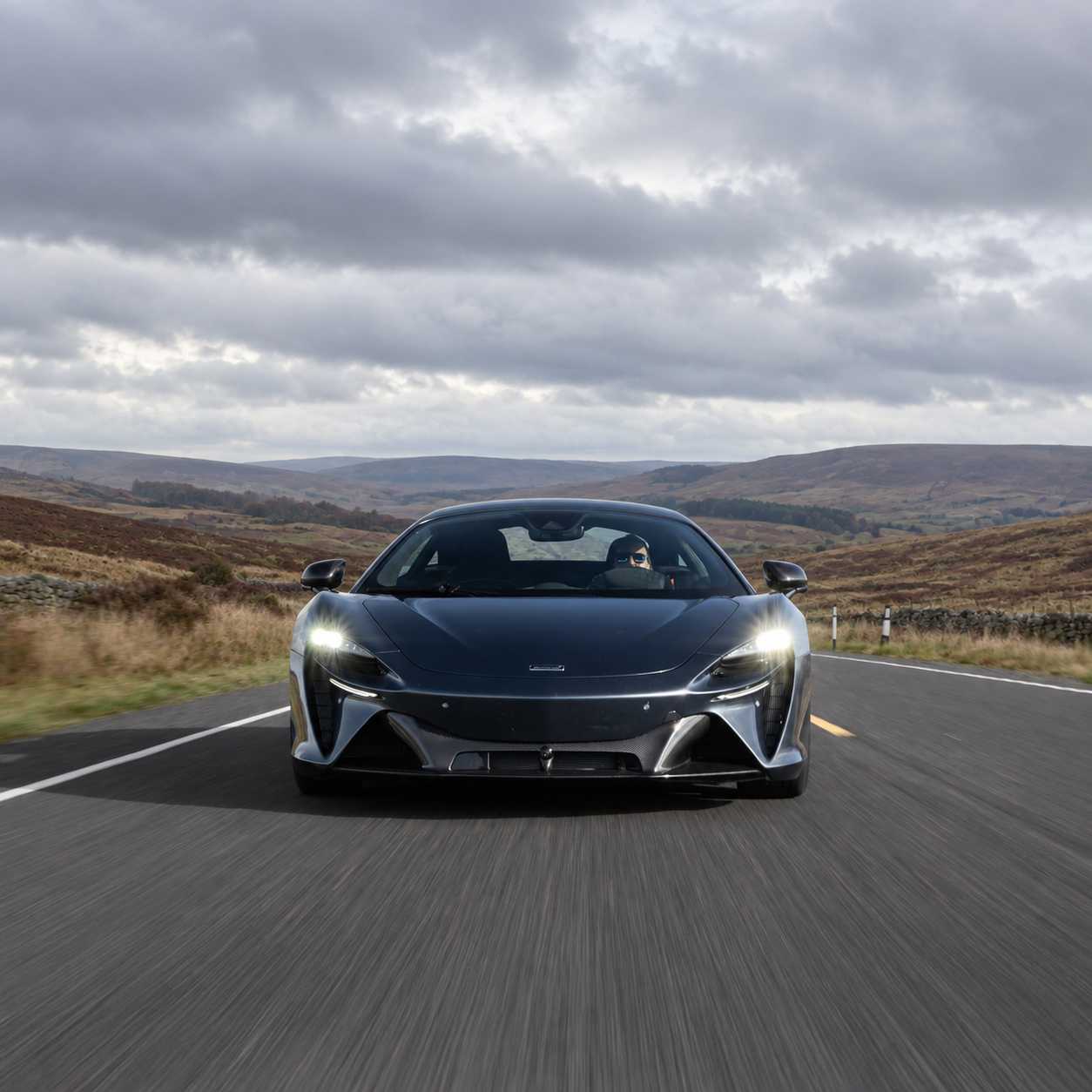
The scale of the change is already clear. McLaren is not preparing just one additional body style, but the production foundation for several new vehicles: in-house powertrains, another assembly site and an expanded engineering network. The first SUV will be the most visible result of this program, but it will not be the only one.