EN
ENDEALER
1.606.534 US$DEALER
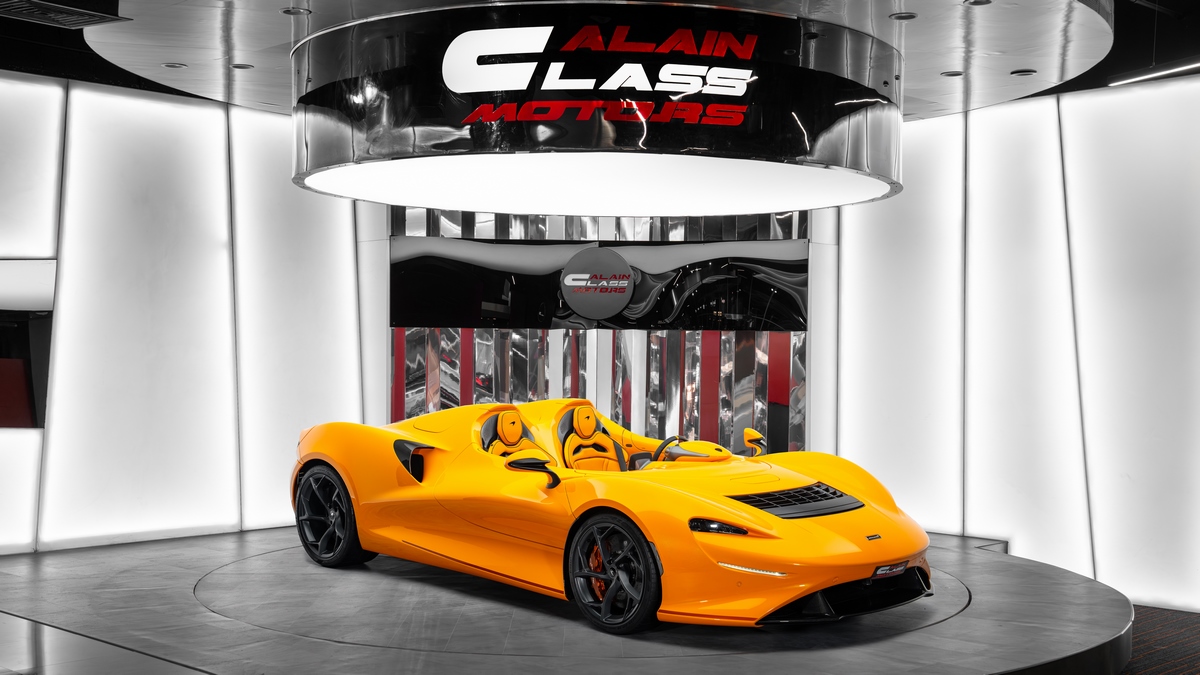
2021, 26 km, 4,000 cm3, 804 hp, Twin-Turbocharged 4.0L V8

AlAinClass.com
 United Arab Emirates, Dubai
 United Arab Emirates, DubaiUnited Arab Emirates, Dubai
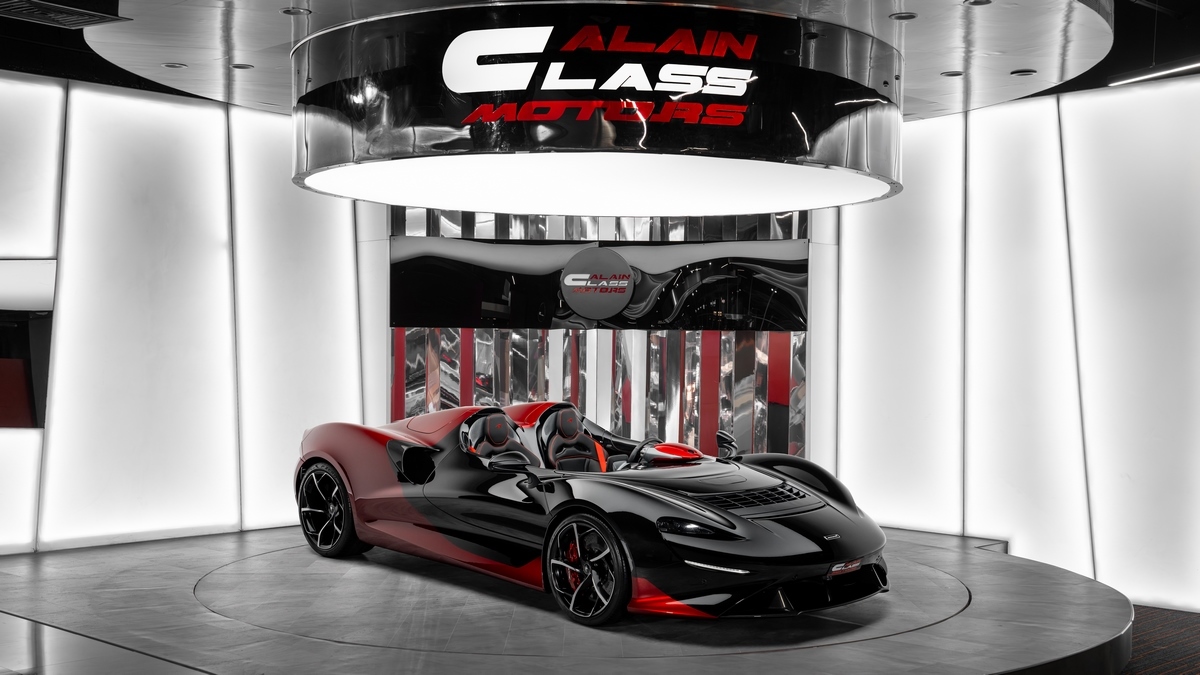
The McLaren Elva stands out in the supercar segment with its open-top design, lightweight construction, and track-inspired performance. If you’re considering purchasing a McLaren Elva, or you’re planning to sell one, it helps to understand what to look for in terms of generation, engine, body style, and mileage. This guide covers the essentials you’ll want to know when evaluating the Elva, as well as practical tips for buyers and sellers in key markets.
The Elva is a limited-production model built by McLaren, known for its distinctive roadster philosophy that emphasizes driver connection and speed. Buyers typically focus on the generation, engine output, and how the car has been configured for street use or track days. When you’re assessing a potential purchase, consider details such as the year, mileage, and previous ownership history, since these affect both price and reliability. Common questions include: which engine powers the Elva, how does the ride feel without a traditional windscreen, and what maintenance costs to expect over time?
If you’re shopping in city markets or broader regions, consider how local taxes, import duties, or registration costs influence the final price. Whether you’re targeting enthusiasts at a prestigious event or a private sale, the Elva’s marriage of lightweight construction and ultimate performance remains its strongest selling point. With careful verification of year, mileage, and provenance, you can secure a fair deal or attract serious buyers while keeping expectations aligned with current market realities.
 Add as preferred sourceSee more from zvelta in Google Search Add as preferred source