EN
EN

Frequently asked questions
The NX 250 is no longer listed. The gas lineup now starts with the turbocharged, all-wheel-drive NX 350. The NX 350h hybrid is available with front-wheel drive as well as all-wheel drive, and the NX 450h+ plug-in hybrid has gained a Premium grade.
The NX 350h does not require external charging because it charges itself while driving and braking. The NX 350 is also a gas-powered option with all-wheel drive and no reliance on charging. The NX 450h+ is intended for drivers with consistent charging access and routes that often fit within its electric range.
Lexus lists the NX 350 AWD at 24 mpg combined and 0–60 mph in 6.6 seconds. The NX 350h is rated at 40 mpg combined for front-wheel drive and 39 mpg for all-wheel drive, with 0–60 mph times of 8.2 and 7.2 seconds, respectively. The NX 450h+ has up to 37 miles of electric range, 84 MPGe and a 0–60 mph time of 6.0 seconds.
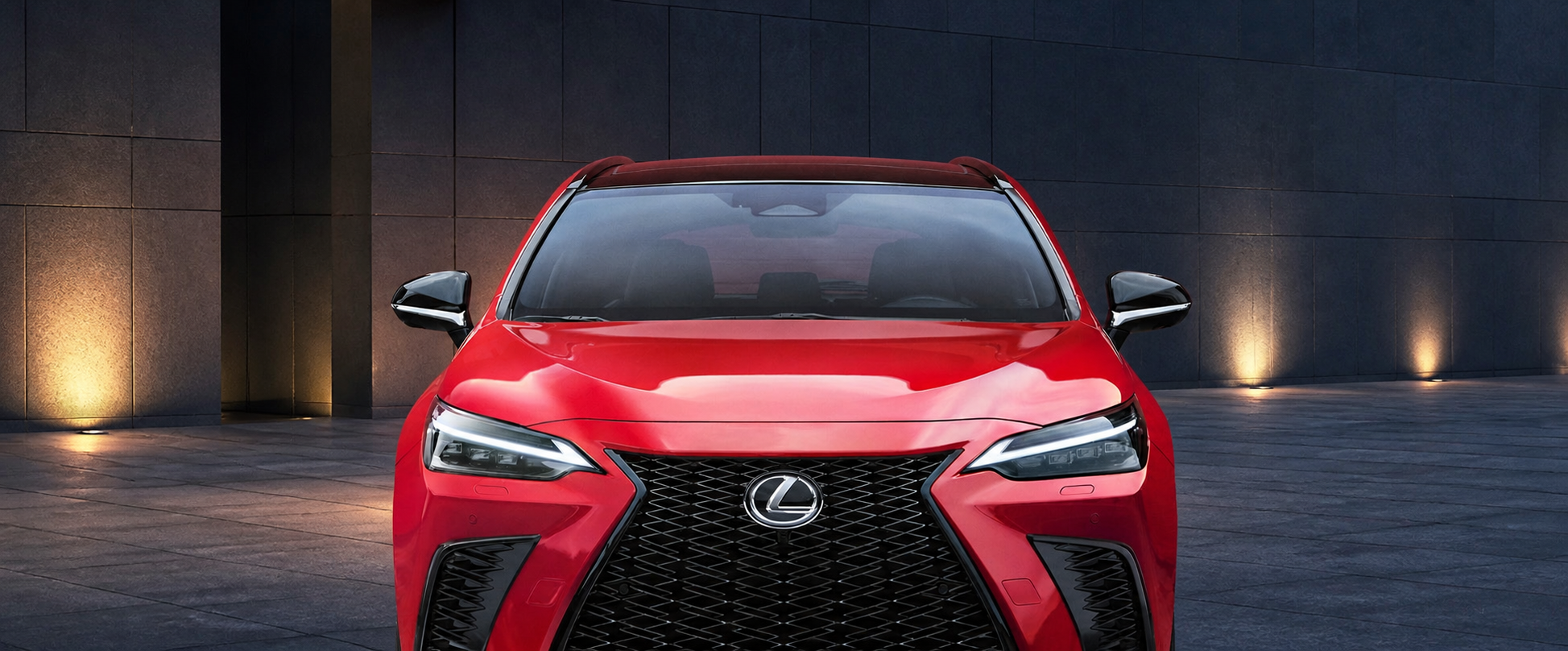
The familiar entry point has disappeared from the 2026 Lexus NX lineup in the United States: the NX 250 is no longer available. On August 28, 2025, Lexus USA announced the updated family lineup: the gas range now starts with the turbocharged, all-wheel-drive NX 350, the NX 350h hybrid is also available with front-wheel drive, and the plug-in NX 450h+ has gained a Premium grade. The decision now starts not with “which NX costs less,” but with whether you need charging and what your everyday driving actually looks like.
Below is a review of the announced US lineup specifically. Versions, equipment and prices may differ in other markets, so check the local catalog before ordering. The technical figures in the table come from the official Lexus USA announcement for the 2026 NX; they are not taken from dealer listings.
What exactly has changed
In the Lexus USA table for the 2026 model year, the NX 250 is no longer listed. The entry-level gas model is now the NX 350 AWD; this lineup does not include a naturally aspirated 2.0-liter version. At the same time, the NX 350h is no longer offered exclusively with all-wheel drive: front-wheel drive is now available. That is a significant change for drivers who want a hybrid without having to pay extra for AWD.
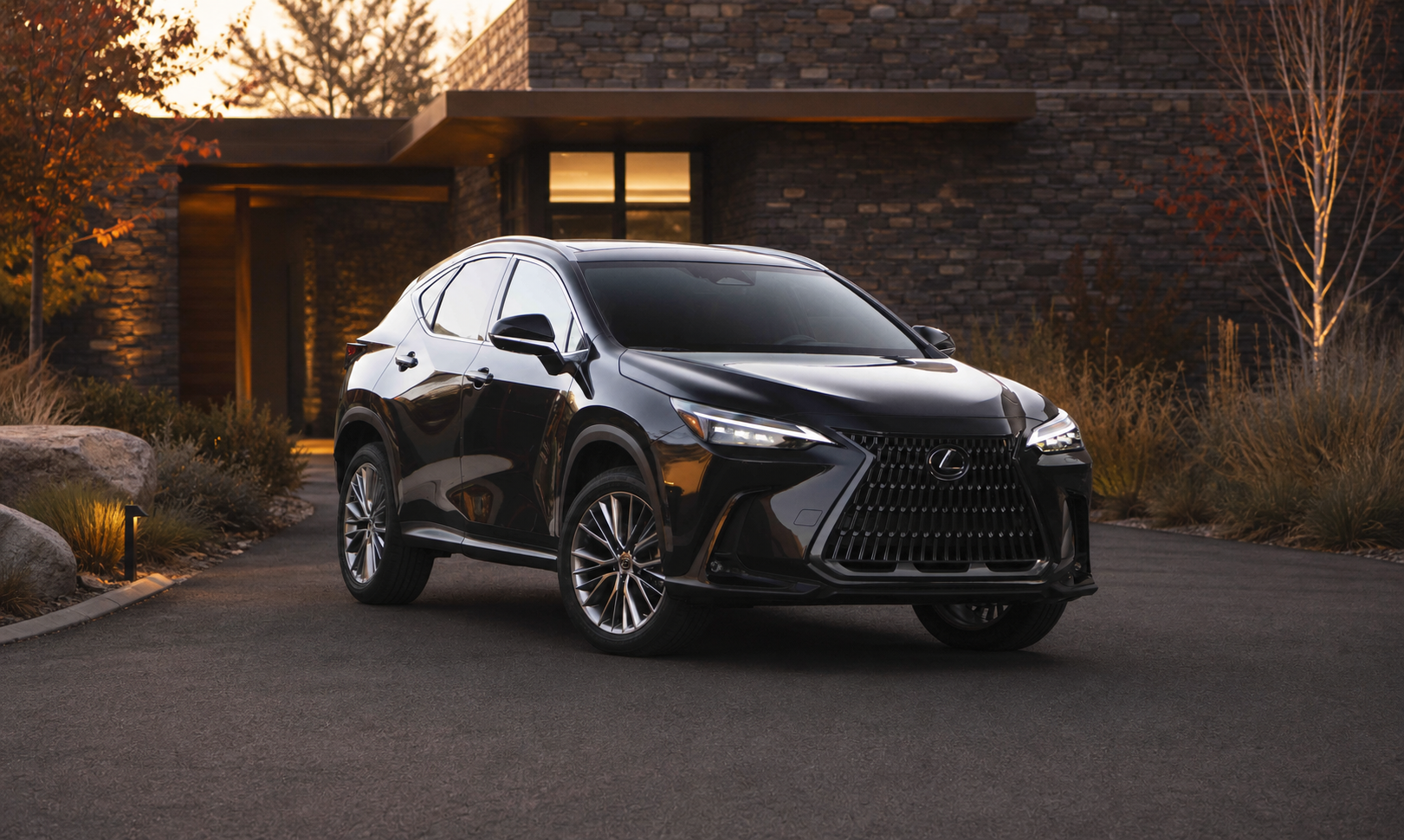
The NX 450h+ has gained a Premium grade. There is also a practical detail for the PHEV: Lexus says Level 1 and Level 2 charging cables are included as standard. However, having the cables does not replace having a reliable place to charge the vehicle.
Three powertrains, three use cases
US version | What Lexus lists | Official efficiency reference | When it makes sense |
|---|---|---|---|
NX 350 AWD | 2.4-liter turbocharged engine, 275 hp, 317 lb-ft, all-wheel drive | 24 mpg combined; 0–60 mph in 6.6 seconds | If you want a gas model with all-wheel drive, quicker acceleration and no reliance on charging |
NX 350h FWD / AWD | 2.5-liter hybrid system, 240 hp combined | 40 mpg for FWD and 39 mpg for AWD; 0–60 mph in 8.2 and 7.2 seconds, respectively | For daily city and highway driving when you want to reduce fuel consumption but have nowhere to charge or do not want to charge the vehicle |
NX 450h+ AWD | Plug-in hybrid, 304 hp, all-wheel drive | Up to 37 miles (approximately 60 km) of electric range according to Lexus; 84 MPGe; 0–60 mph in 6.0 seconds | If charging is regularly available and a significant share of your routes fits within the electric range |
The mpg and MPGe figures are North American measures provided by Lexus for comparing the versions. They should not be mechanically converted into expected fuel consumption in L/100 km: the result depends on climate, speed, route, tires and how consistently the PHEV is charged.
NX 350: gas power with no charging compromise
With the NX 250 removed, the gas-powered NX lineup starts with the 275-hp turbocharged NX 350 AWD. For buyers, that means a fixed combination of all-wheel drive and greater pulling power, but no longer the option of a simple entry-level front-wheel-drive model. This NX suits drivers who regularly travel long distances, encounter poor road surfaces or do not want everyday use to depend on an outlet.
NX 350h: not a “cut-down” NX, but a standalone choice
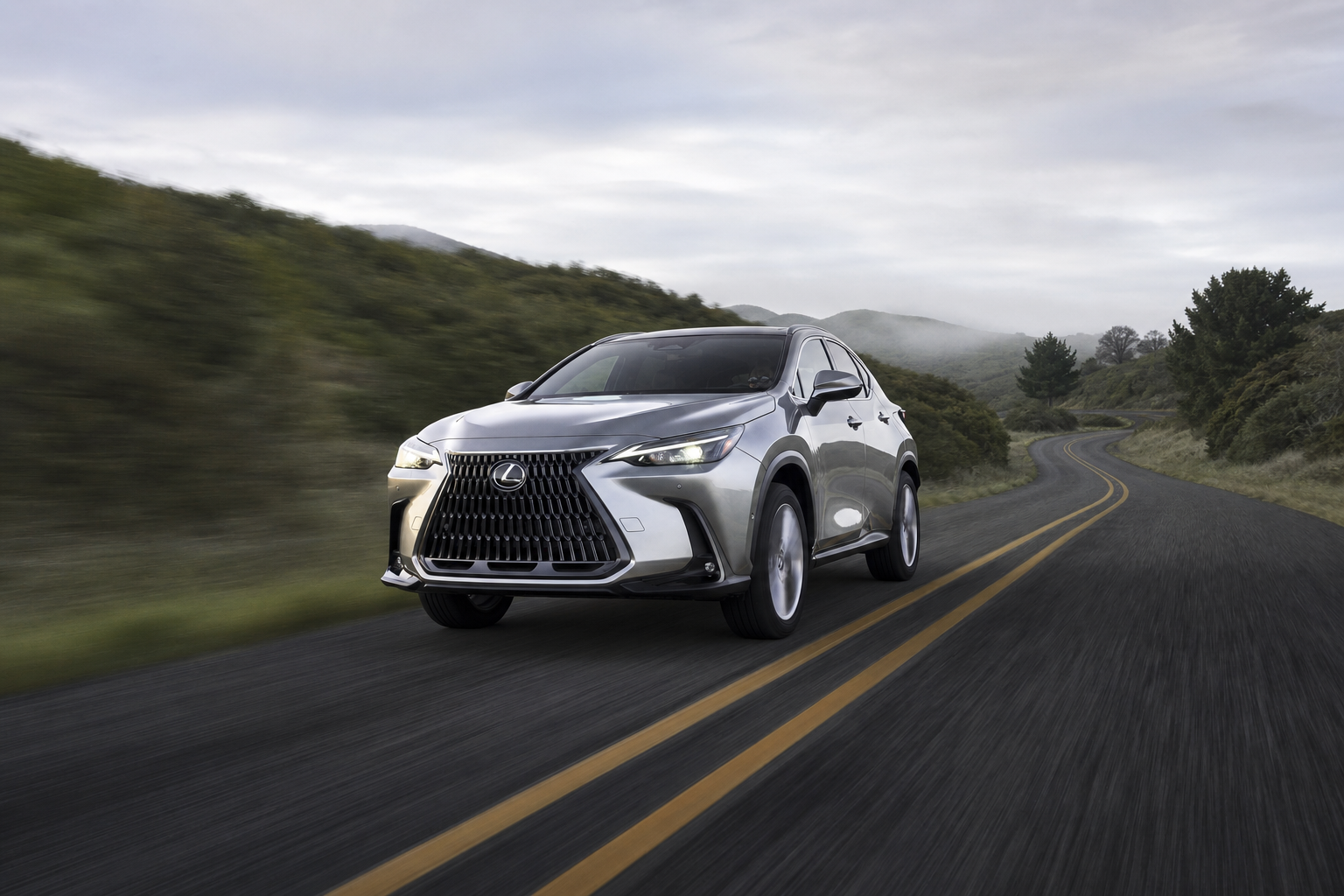
The hybrid requires no change in your routine. It charges itself while driving and braking, so its efficiency advantage does not depend on having a home charging station. According to the official figures, the front-wheel-drive NX 350h is 1 mpg more efficient than the AWD version in combined driving, while the all-wheel-drive model accelerates faster. Here, the choice can be based on road conditions rather than the trim level’s status.
NX 450h+: quick, but dependent on charging infrastructure
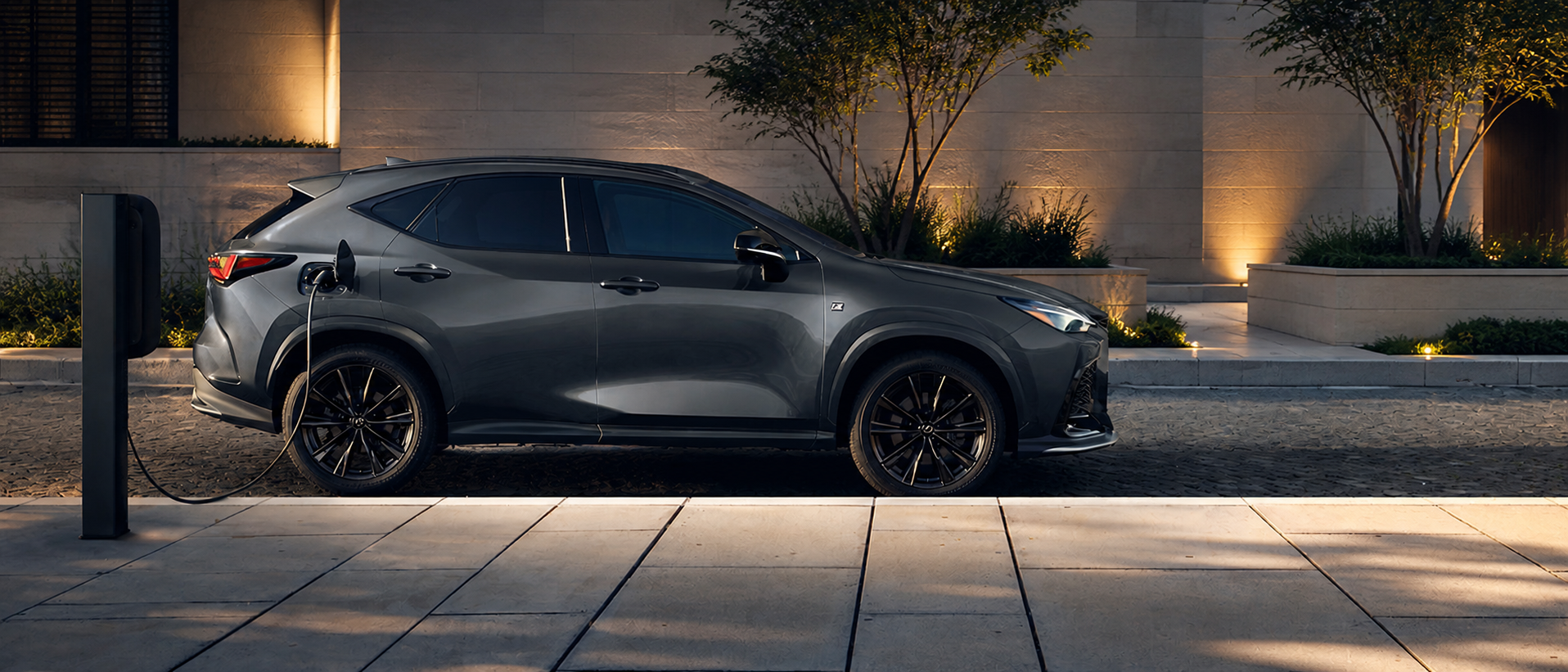
The plug-in hybrid is rated at 304 hp and up to 37 miles of electric range. In practice, the deciding questions are whether your route is predictable and whether you have consistent access to charging. On April 24, 2026, Lexus separately explained that fully charging the NX 450h+ from a 240-volt outlet with the standard 7-kW onboard charger takes approximately three hours under ideal conditions. Real-world charging times may differ.
Pre-purchase check: three questions to track for one week
Where will the vehicle be parked overnight, and can you charge it there without searching for an available public station?
How long are most of your weekday trips, rather than your least frequent long-distance journey?
Do you need all-wheel drive all the time, or will you use it only a few times per season?
If you do not have a clear answer to the first question, assess the NX 450h+ especially carefully. Its electric-mode advantage is realized not on paper, but through regular charging. In this situation, the NX 350h is often easier to live with: it is more efficient than the gas model without adding charging to your routine.

How to match the specifications to real-world needs
Comparing horsepower alone is not enough here. The NX 450h+ is more powerful and quicker than the listed NX 350, but its defining feature is the ability to cover some trips using electric power. The NX 350h is slower to accelerate, but offers a higher official efficiency rating without external charging. The NX 350 remains the straightforward choice for drivers who value the predictability of gas-powered operation and all-wheel drive.
To check current versions and specifications, visit the official Lexus NX page: the manufacturer may update model-year pages and specifications. Ask your local dealer separately about the availability of the specific powertrain and trim you want, as well as the PHEV charging connector and warranty terms—these details are not universal across all countries.
The takeaway
The absence of the NX 250 from the 2026 Lexus USA lineup does not make one powertrain automatically right for everyone. It makes the choice more straightforward. The NX 350 is for drivers who want a turbocharged gas engine and AWD without charging. The NX 350h is for regular fuel savings without changing their routes. The NX 450h+ is for drivers with convenient charging and repeatable short trips. Start by checking your weekly driving routine, then compare power and equipment.