EN
ENDEALER
24.406 US$DEALER
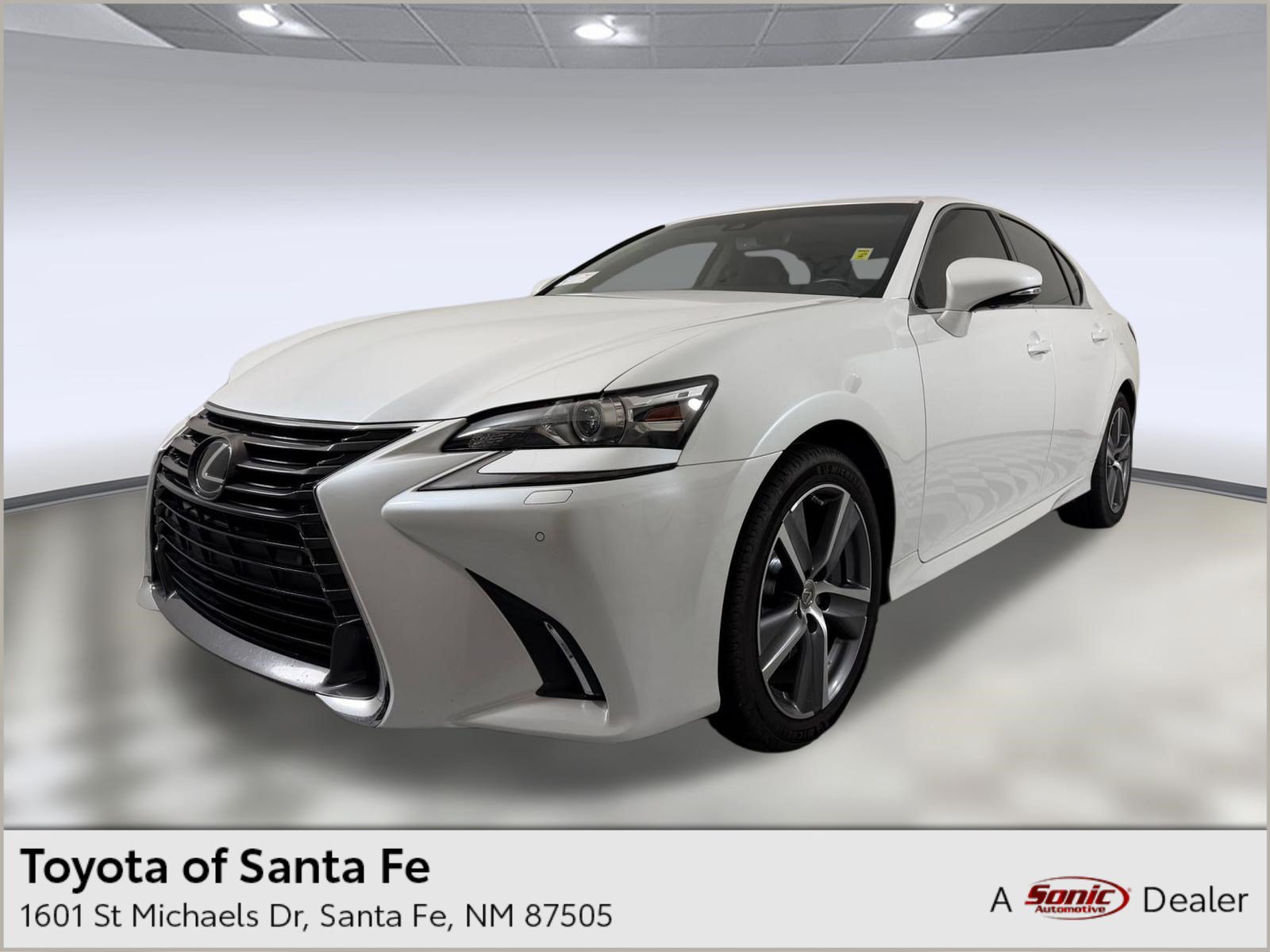
gasoline, automatic, 190K km, sedan, Rear Wheels Drive, 3,500 cm3, 4 hp, white, 3.5L V6 Cylinder Engine, Used condition, USA, In stock

Group1Auto.com
 Southwest, United States
 Southwest, United StatesAtlanta, United States
 Charlotte, United StatesCharlotte, United StatesCharlotte, United StatesCharlotte, United StatesCharlotte, United StatesGwinnett, United States
 Weldon, United StatesAdams Crossroads, United StatesHouston, United StatesDenver, United StatesNewport, United StatesRover, United States
 United States
 United StatesPasadena, United StatesSanta Fe, United StatesNorthglenn, United StatesCharleston, United StatesColma, United States
 Romania, Suceava
 Moldova, Chișinău MunicipalityMoldova, Chișinău Municipality
 Chisinau, Moldova
The Lexus GS has long been a favorite for drivers seeking a blend of luxury, performance, and reliability. If you’re considering a Lexus GS, you’ll want to understand the different generations, engine options, body styles, and what affects price in your city. This guide covers how to choose the right Lexus GS for sale in your country and city, with practical steps for comparing configurations, evaluating mileage, and getting a fair deal, whether you’re buying new or used.
The Lexus GS is typically offered as a mid-size luxury sedan with a range of powertrains, from efficient four-cylinder options to stronger V6s and, in some markets, hybrid variants. When evaluating a GS, consider:
Prices for the Lexus GS depend on market conditions, year, mileage, and equipment. If you’re buying in a specific country and city, look for:
Common questions buyers ask include:
Whether you aim to buy a well-maintained GS in a major city or sell a vehicle that’s served you well, focusing on the key factors above will help you reach a fair outcome. Keep an eye on market trends in your country and city, as demand for luxury sedans like the Lexus GS can shift with new model launches and economic conditions.
 Add as preferred sourceSee more from zvelta in Google Search Add as preferred source