EN
ENDEALER
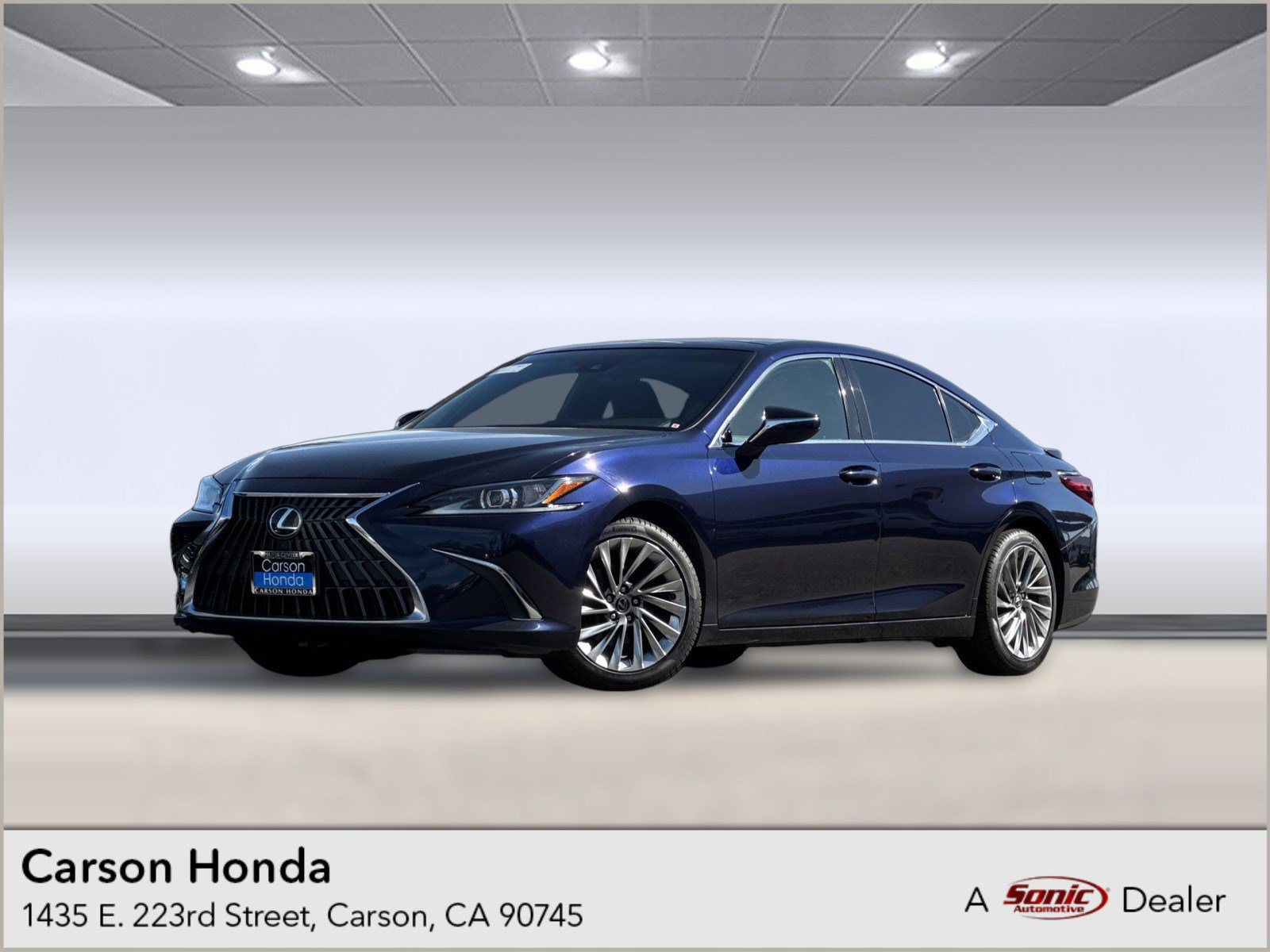
31.669 US$DEALER
32.169 US$
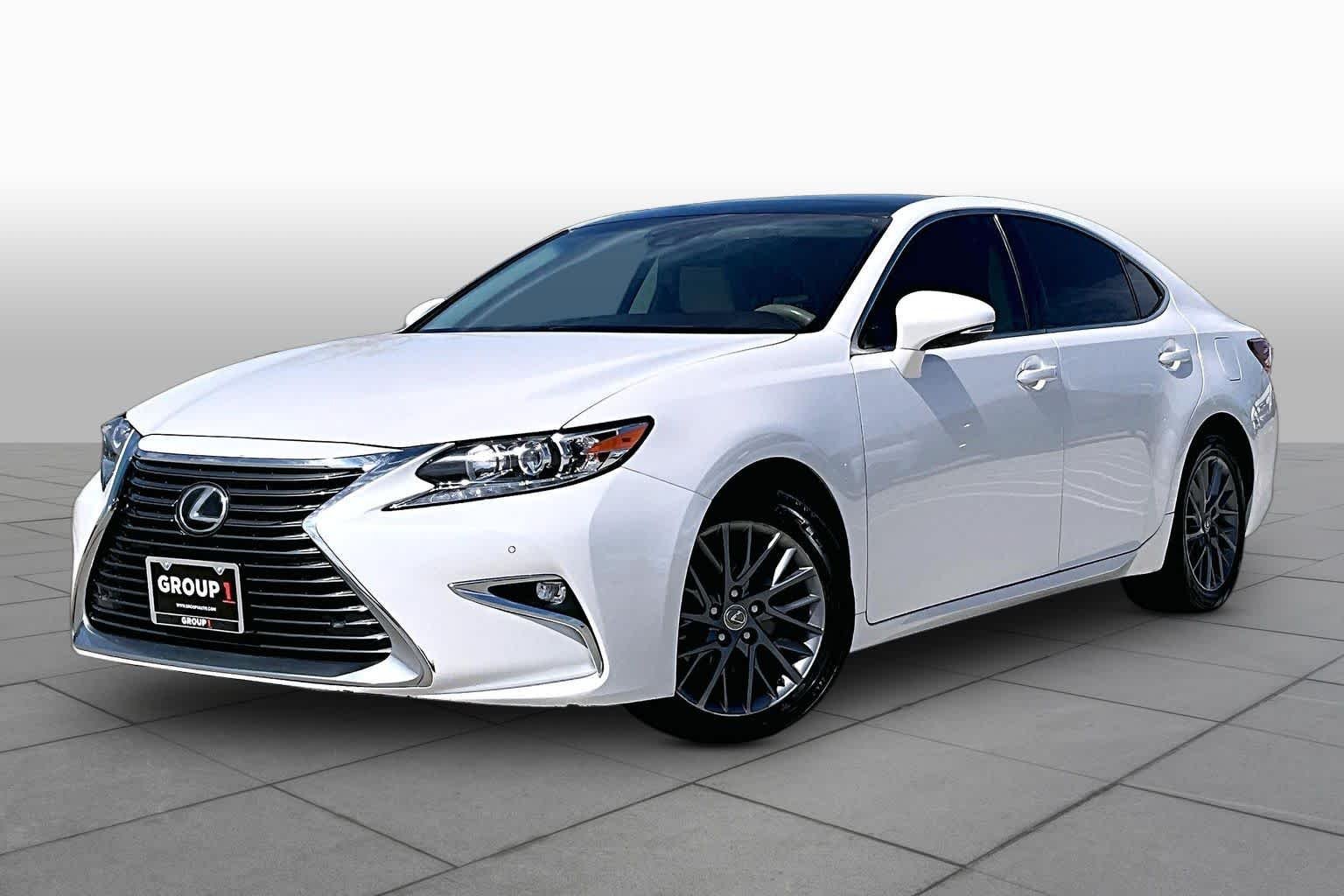
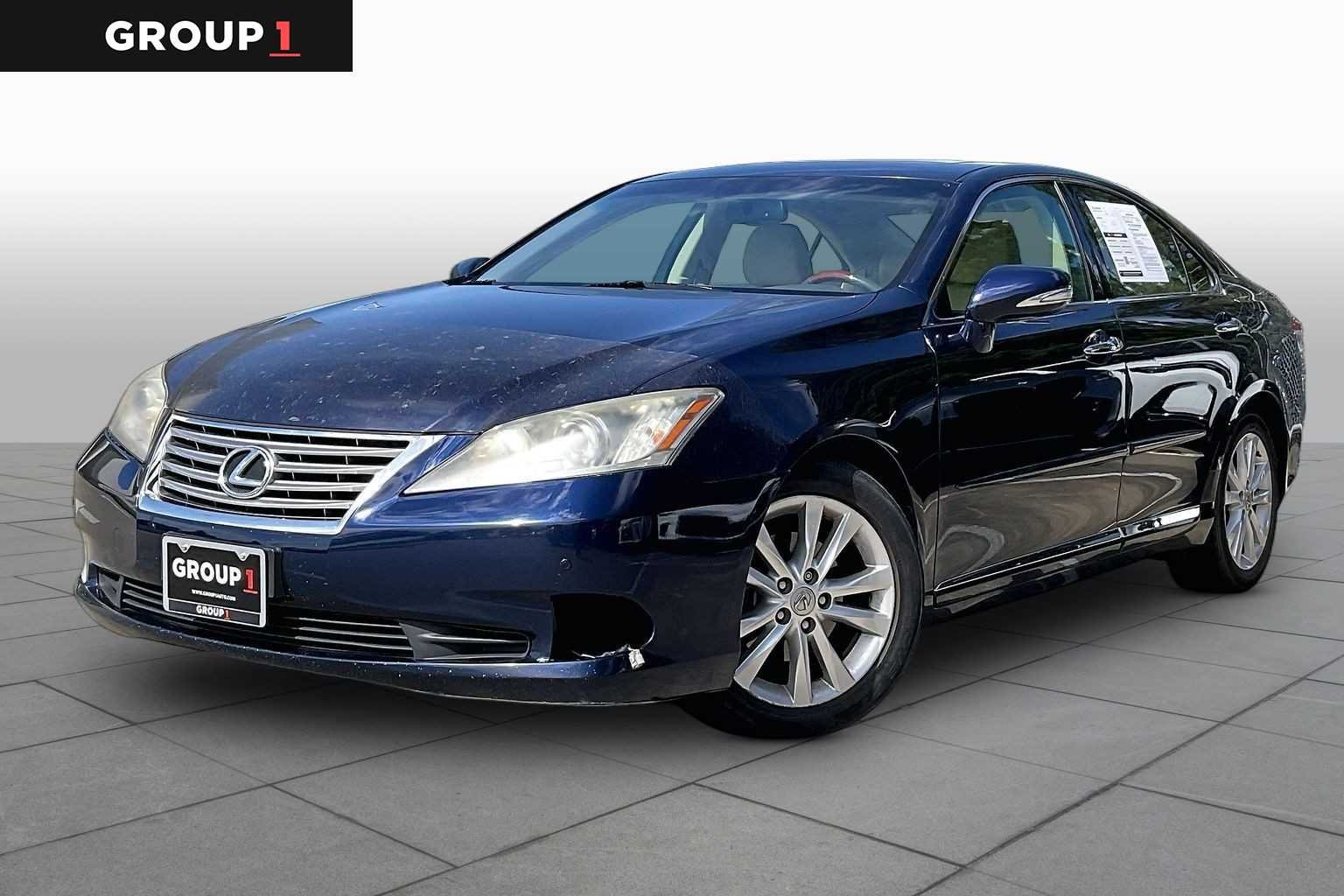
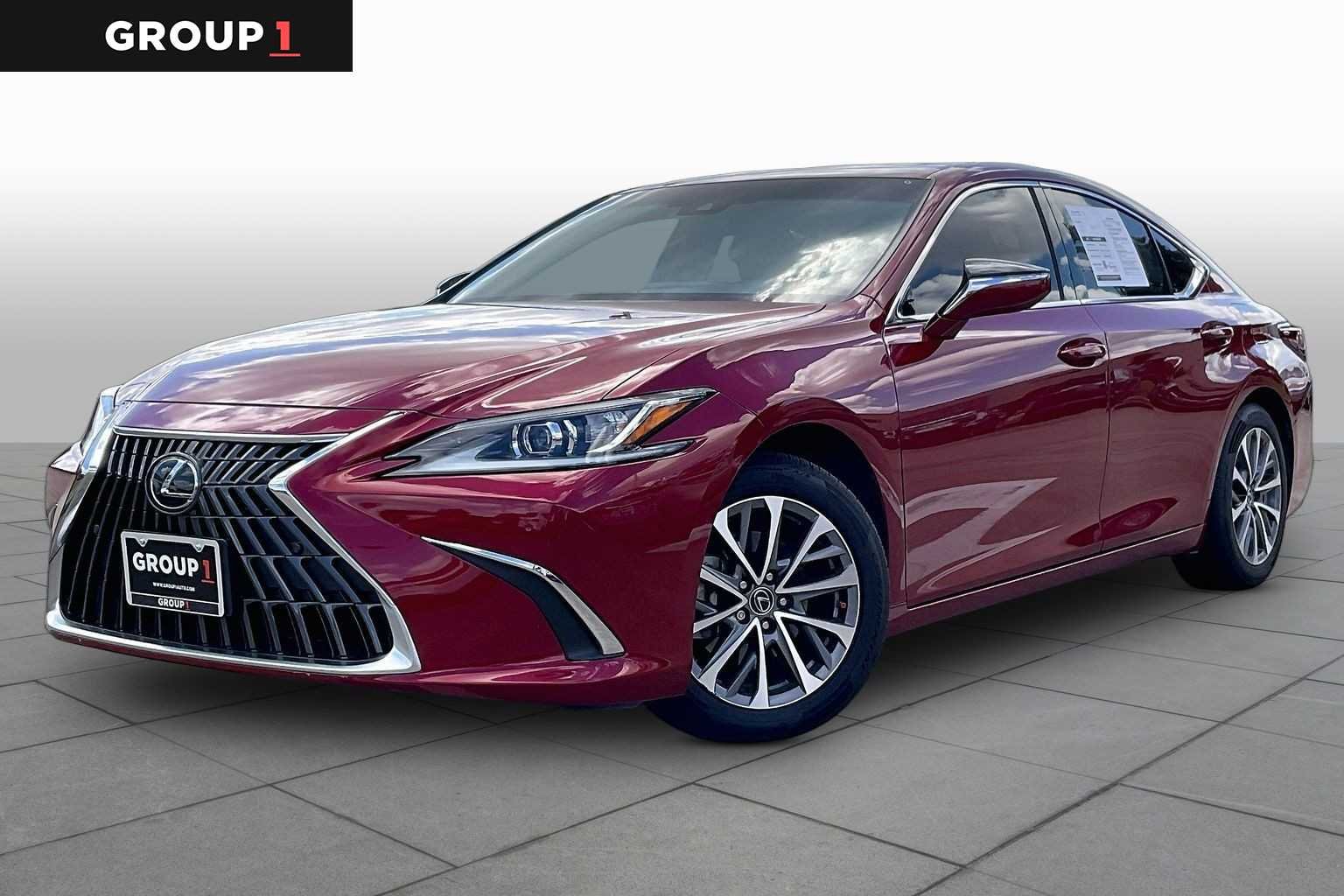
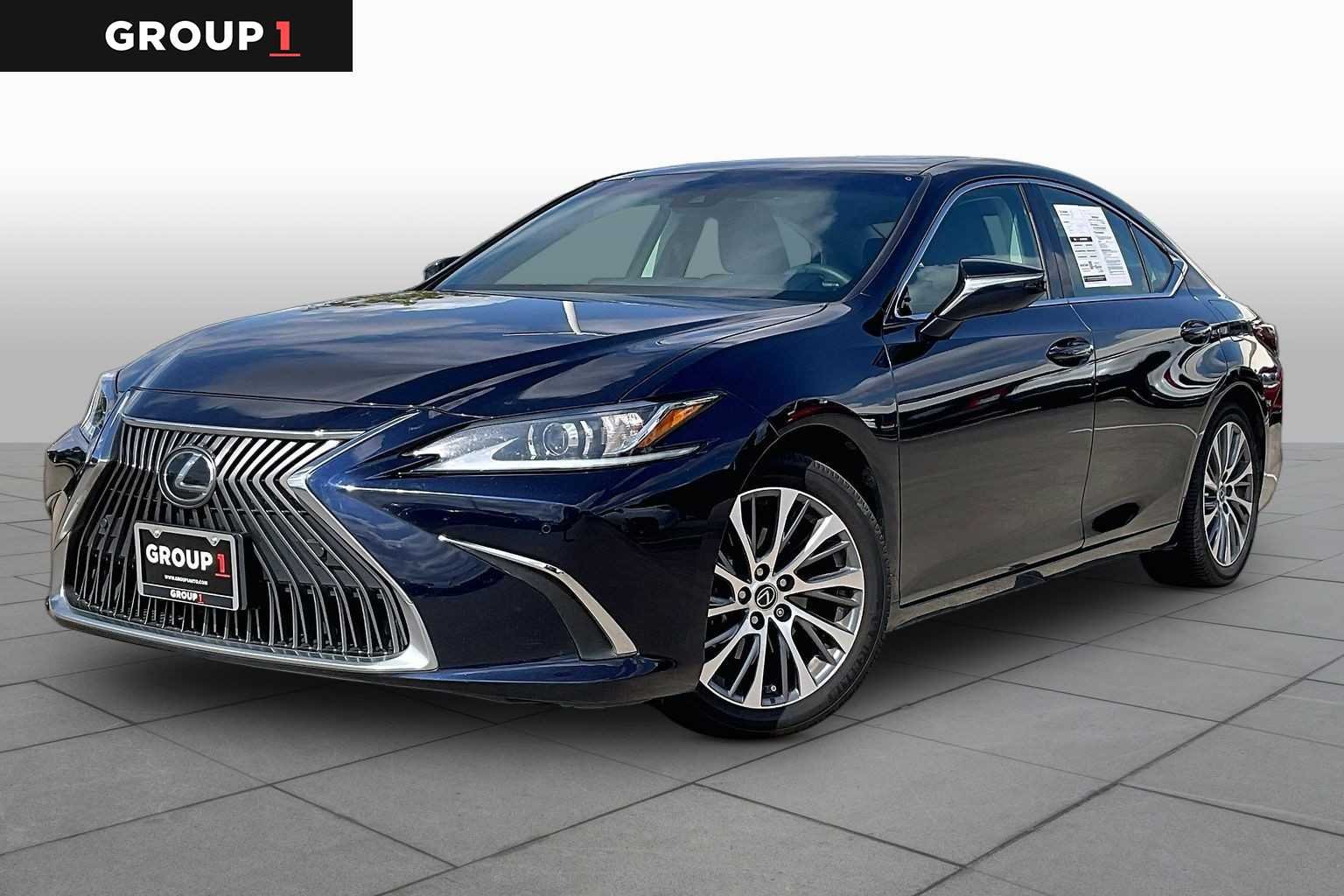
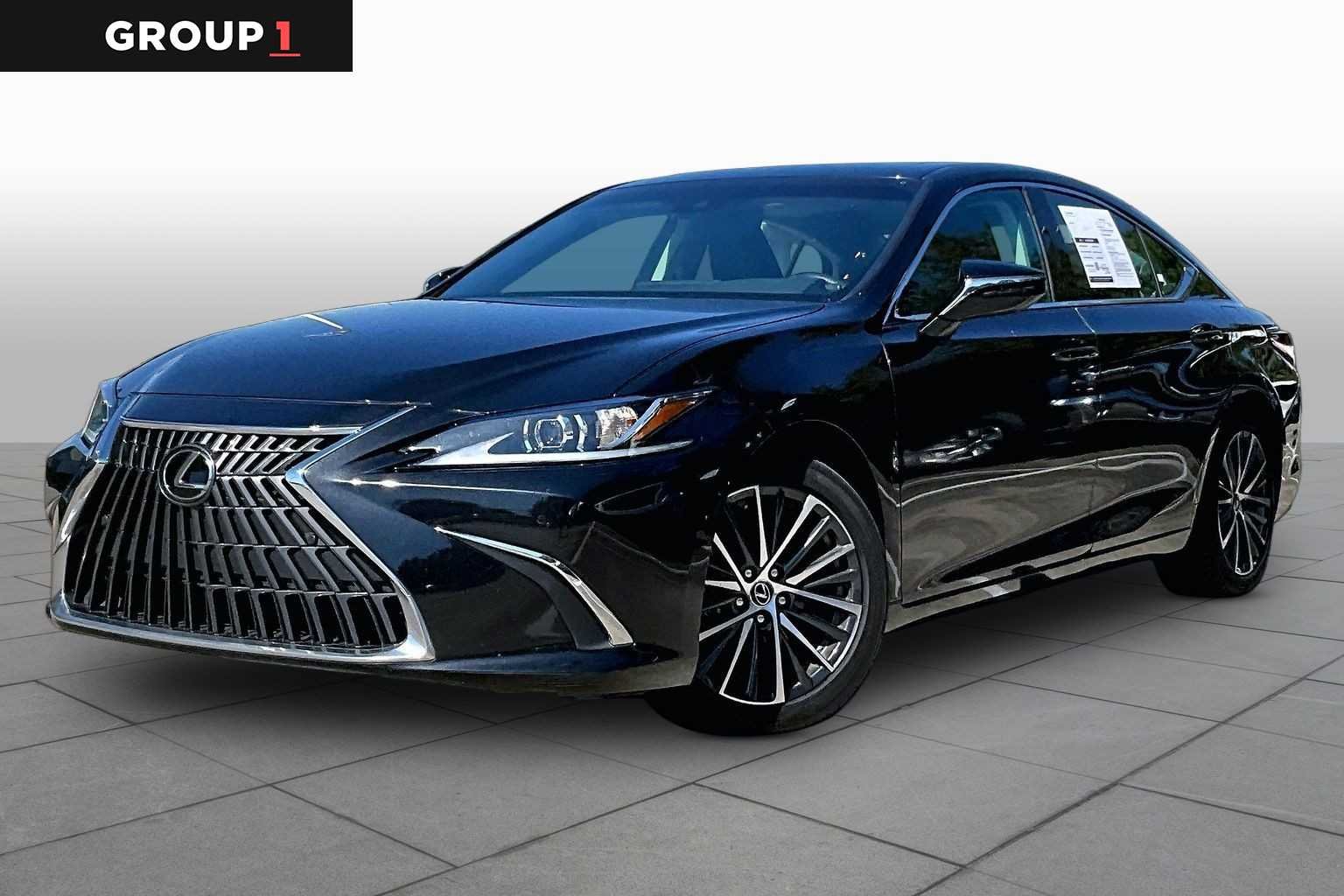
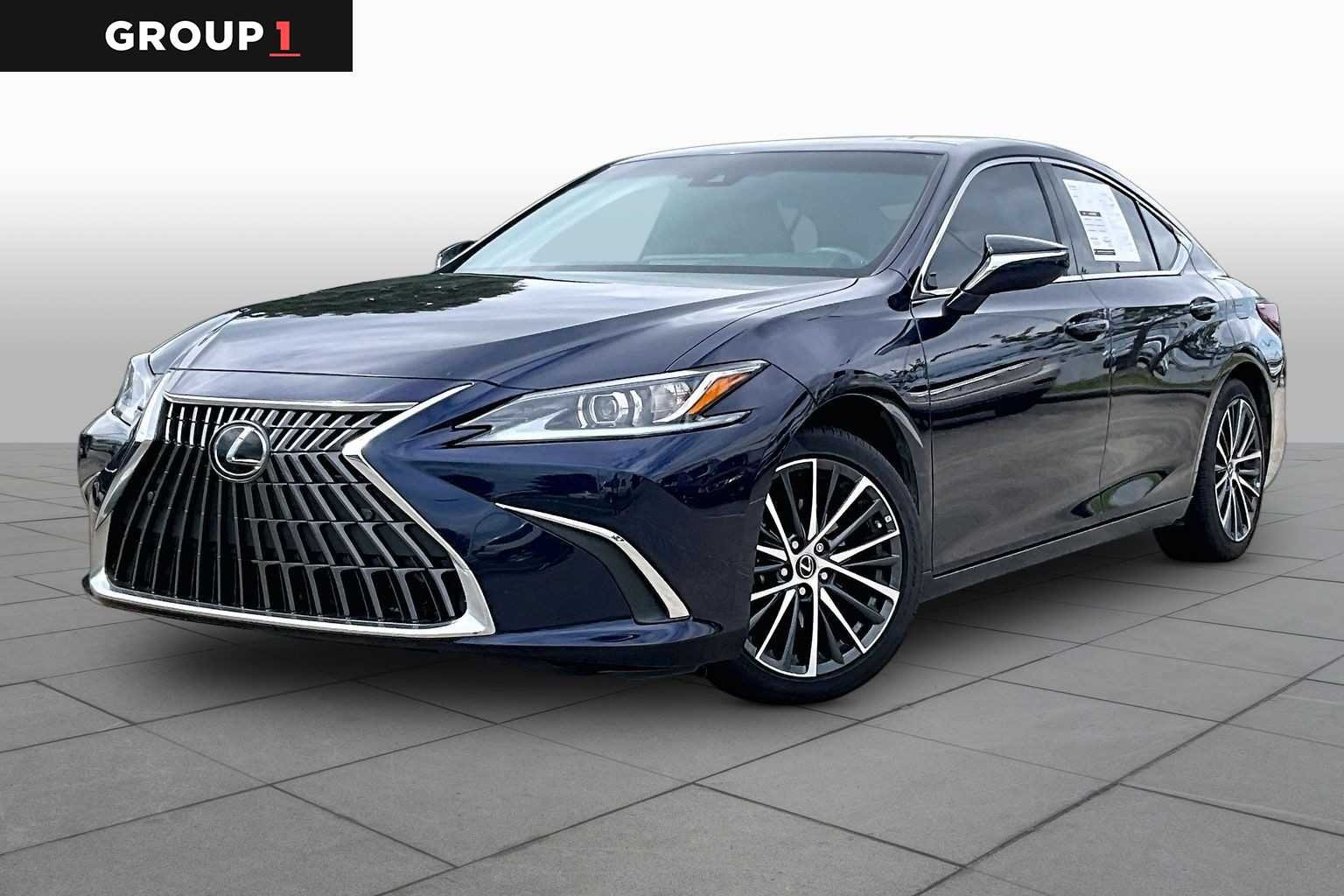
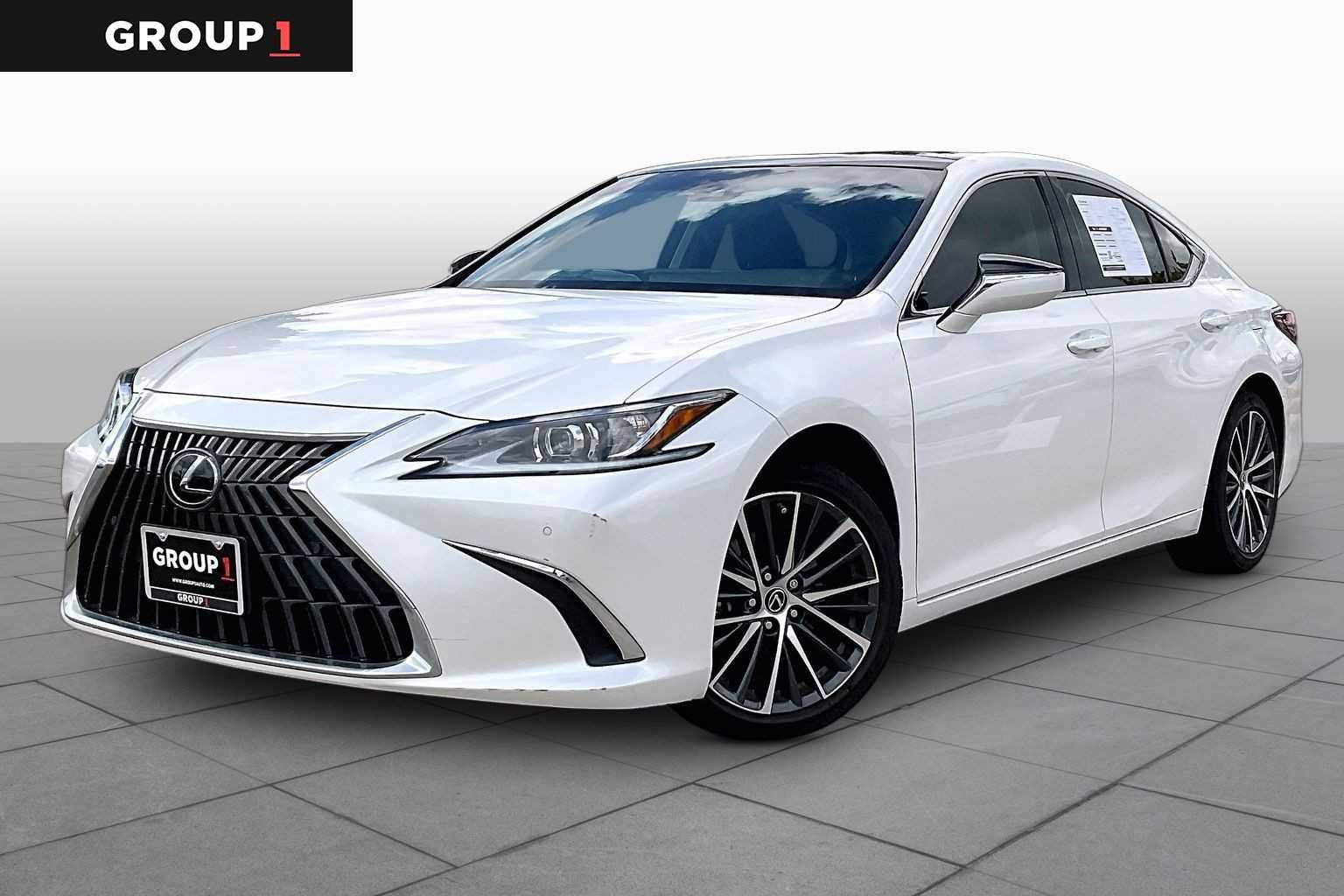
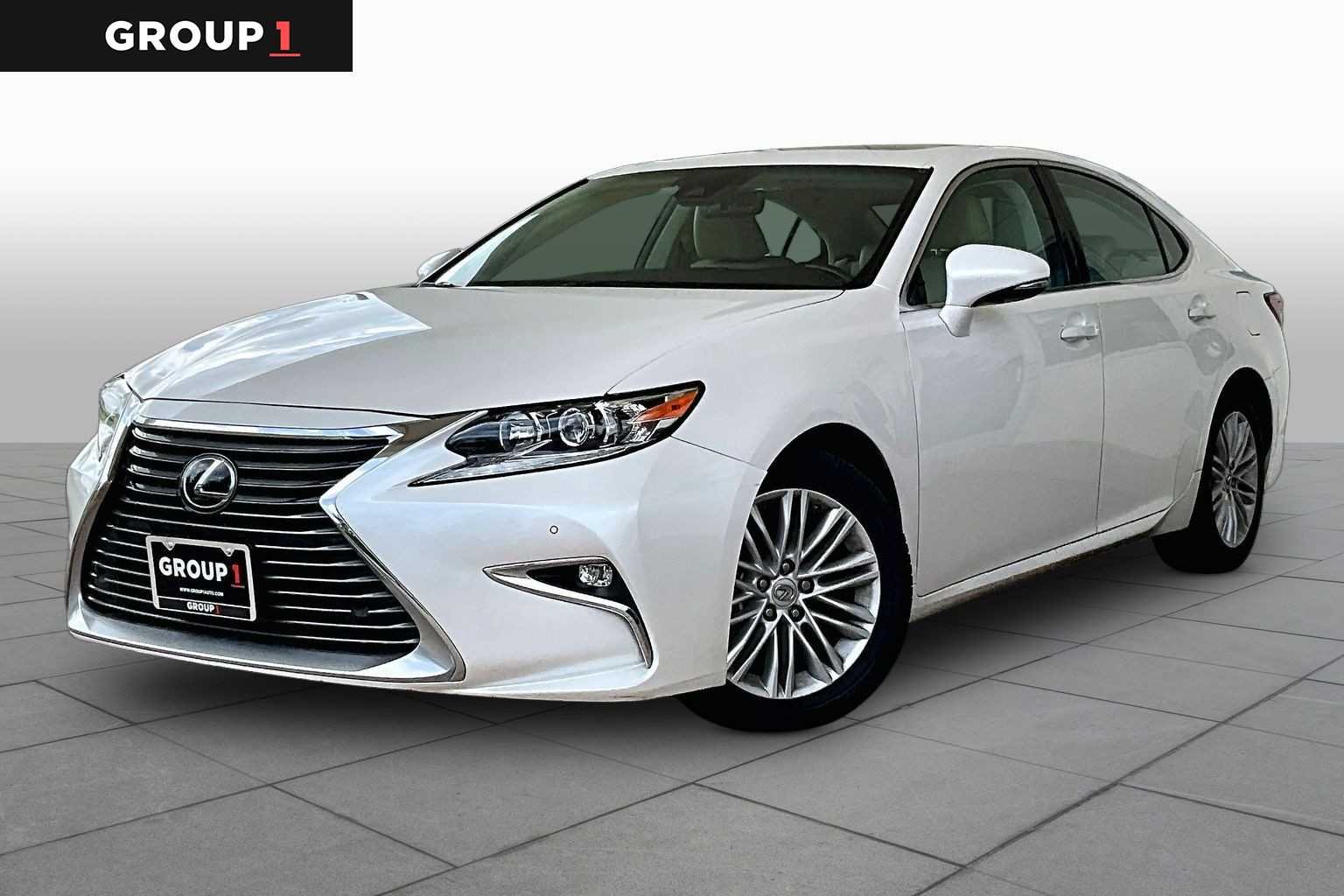
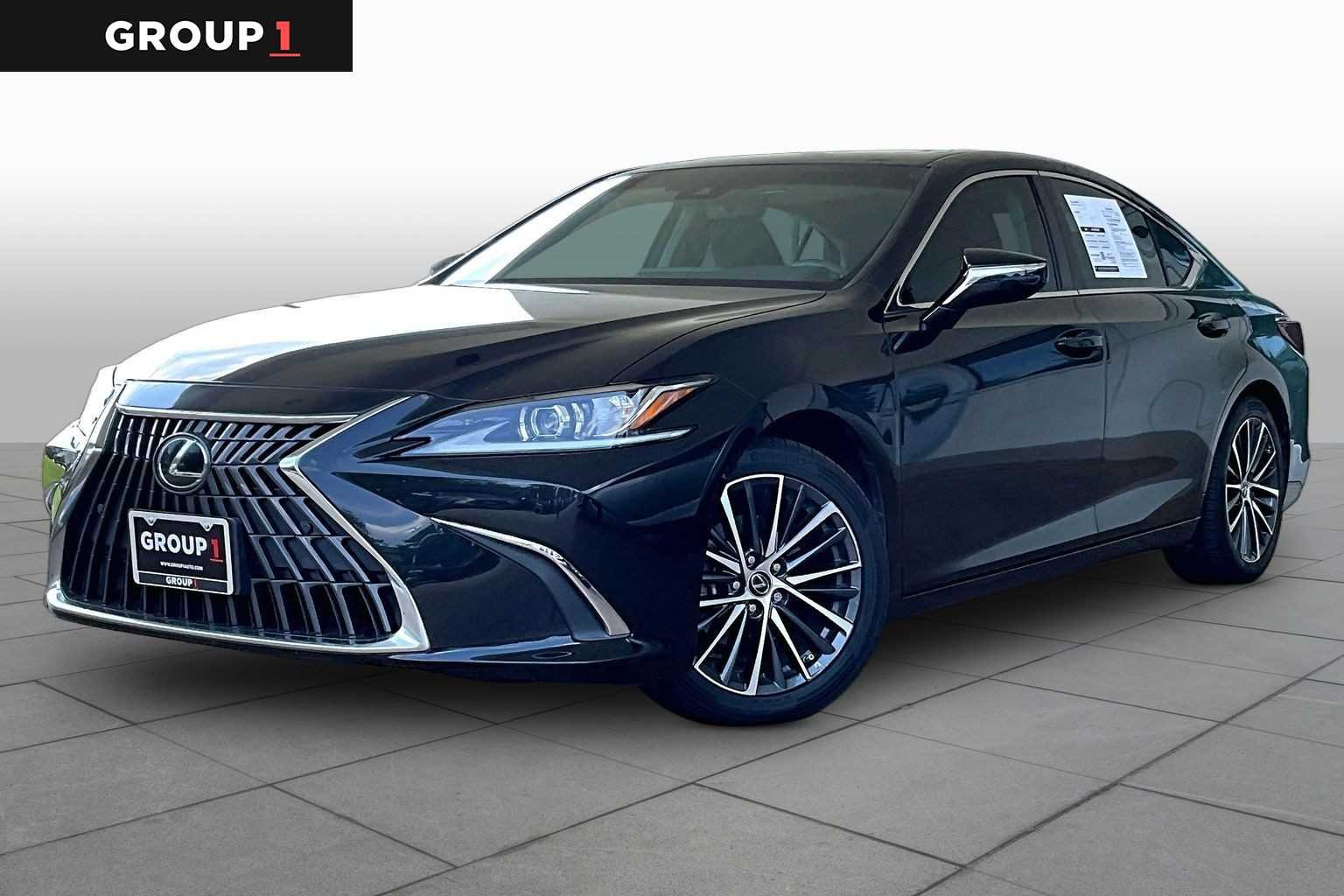
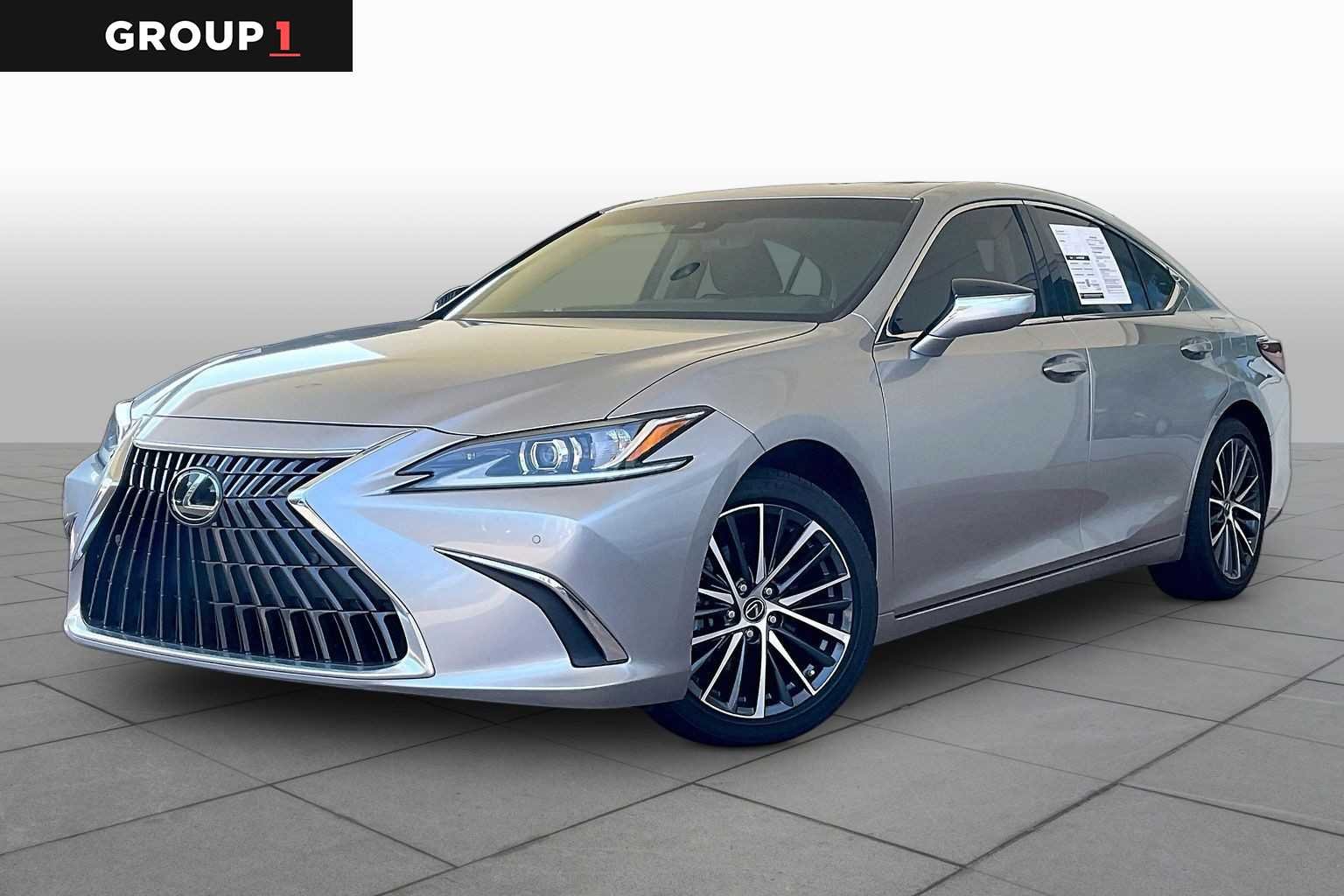
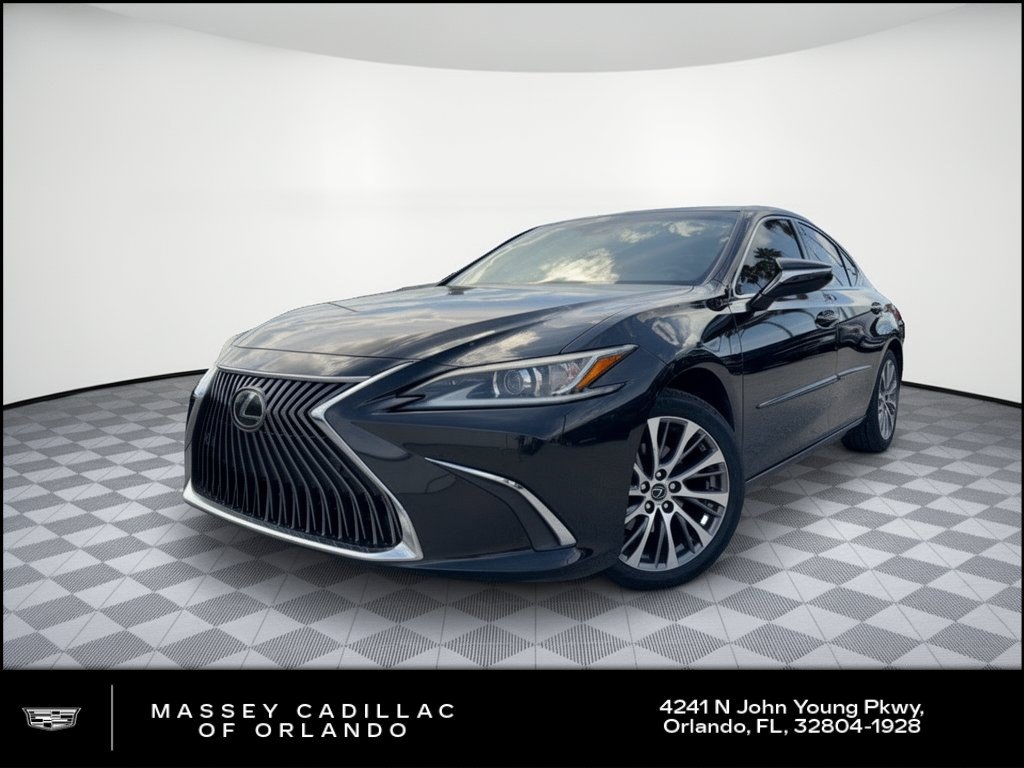
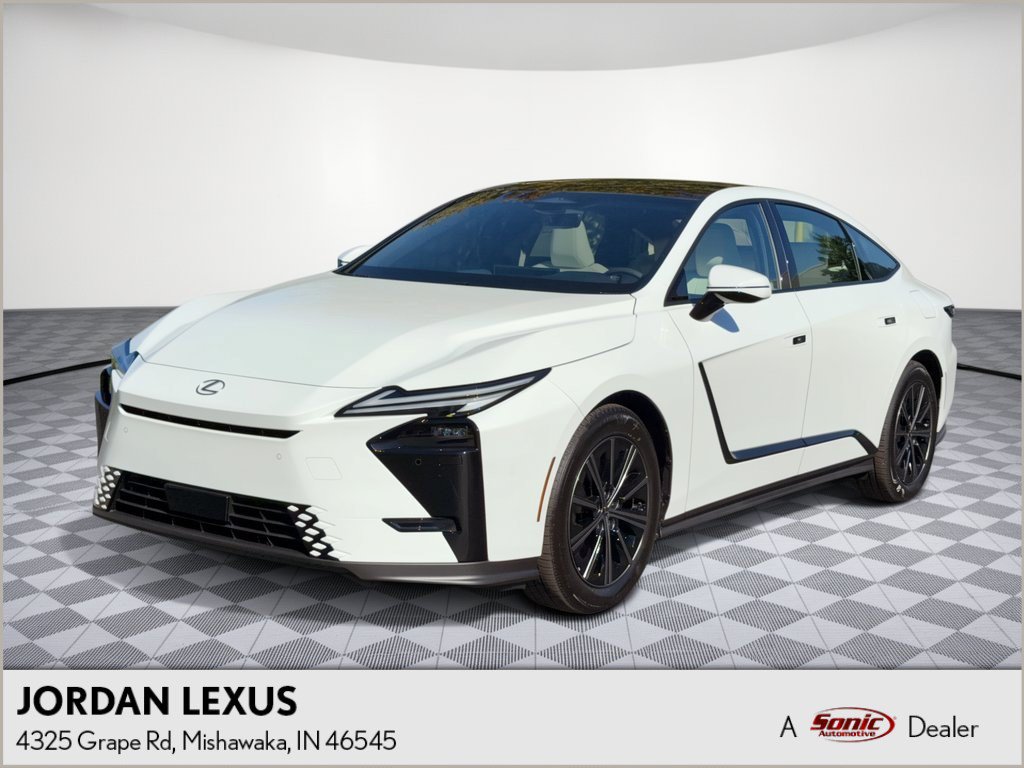
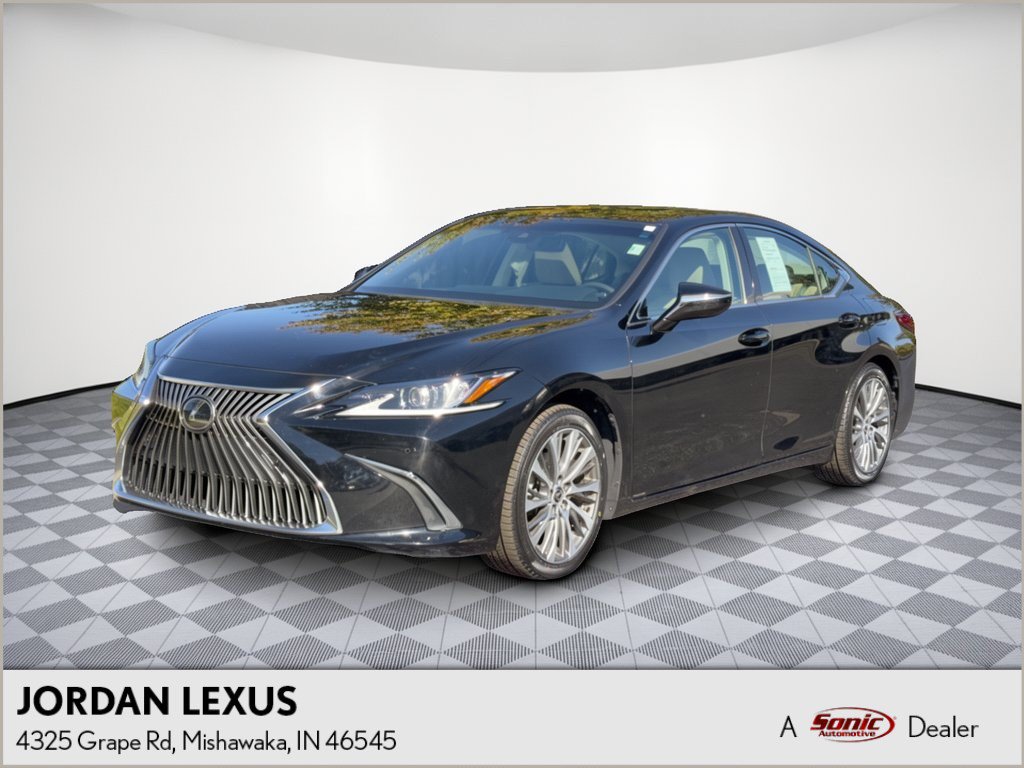
gasoline, automatic, 138K km, Front Wheels Drive, 3,500 cm3, blue, ES 350 Luxury, Used condition, USA, In stock
SonicAutomotive.com
 Carson, United States
 Carson, United States
 Brentwood, United States
 Southwest, United StatesSouthwest, United StatesSouthwest, United StatesSouthwest, United StatesSouthwest, United StatesSouthwest, United StatesSouthwest, United StatesSouthwest, United StatesSouthwest, United StatesSouthwest, United StatesSouthwest, United StatesSouthwest, United StatesSouthwest, United StatesSouthwest, United States
 Orlando, United StatesOrlando, United States
 Mishawaka, United StatesMishawaka, United StatesMishawaka, United StatesMishawaka, United StatesMishawaka, United StatesMishawaka, United StatesMishawaka, United States
The Lexus ES has long been recognized for its blend of refined luxury and everyday practicality. If you’re considering buying or selling a Lexus ES, understanding the different generations, engines, body types, and price ranges helps you make a smarter choice in your city. This guide covers common questions, practical tips, and what to look for when evaluating a Lexus ES in markets across various countries and cities.
The ES line from Lexus focuses on comfort, quiet cabins, and smooth highway manners. When shopping, pay attention to the model year, mileage, and whether you are looking at a newer generation with advanced safety features or a sportier trim with upgraded options. Typical configurations include a traditional sedan body and a powerful yet efficient engine setup that suits daily commutes and longer trips. Common questions buyers ask include which engine balance suits their needs, how mileage affects resale value, and what maintenance costs to expect for higher-mileage units.
If you’re selling, preparing the car for listing is key. A well-documented service history, a clean exterior and interior, and a complete set of spare keys matter. Potential buyers often compare competing listings in the same city and look for honest mileage claims and visible wear. Offering a fair price based on current market data helps attract serious inquiries.
When evaluating different Lexus ES models in your region, compare price ranges across generations, inspect for common wear items, and consider long-term ownership costs. If you’re deciding between a well-maintained older ES and a newer but higher-priced unit, weigh the expected depreciation, maintenance needs, and your daily use. In many markets, a well-kept ES with reasonable mileage offers reliable comfort and strong resale value.
In short, whether you aim to buy or sell a Lexus ES, knowing the nuances of the generation, engine options, mileage, and local market conditions will help you arrive at a confident decision. This model’s reputation for comfort and durability remains a solid reason to consider it for daily driving and long trips alike.
 Add as preferred sourceSee more from zvelta in Google Search Add as preferred source