EN
ENDEALER
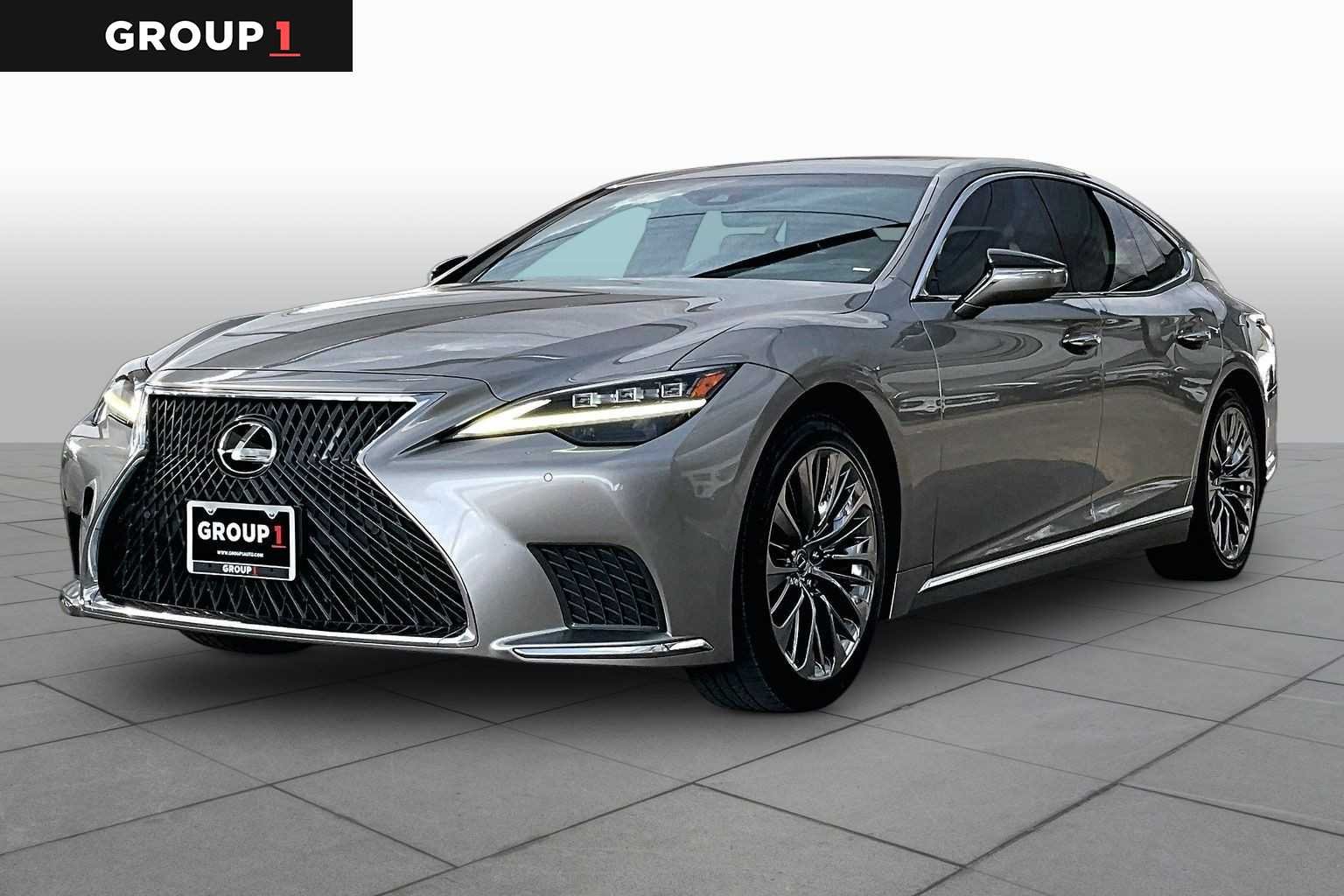
70.999 US$DEALER
71.608 US$
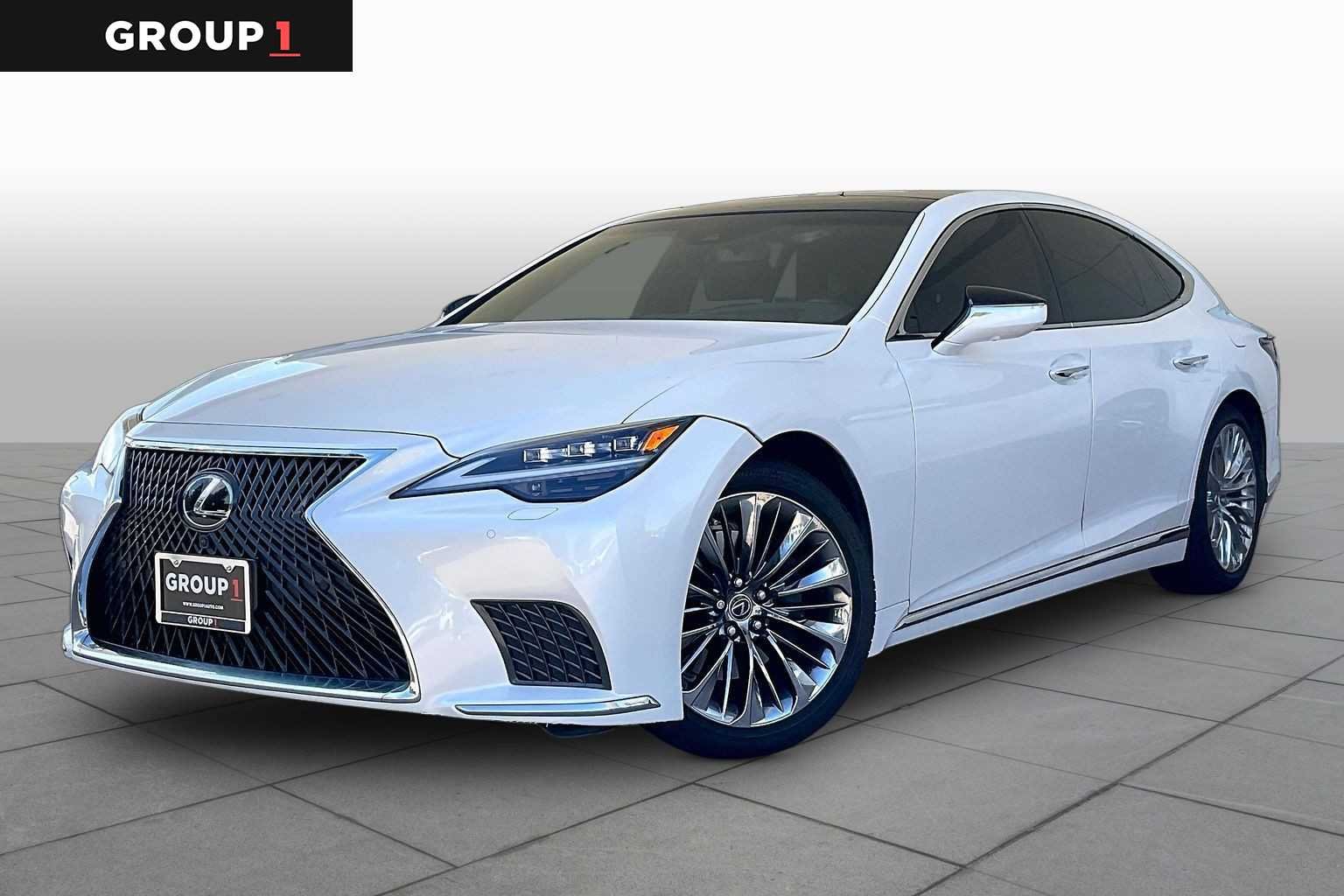
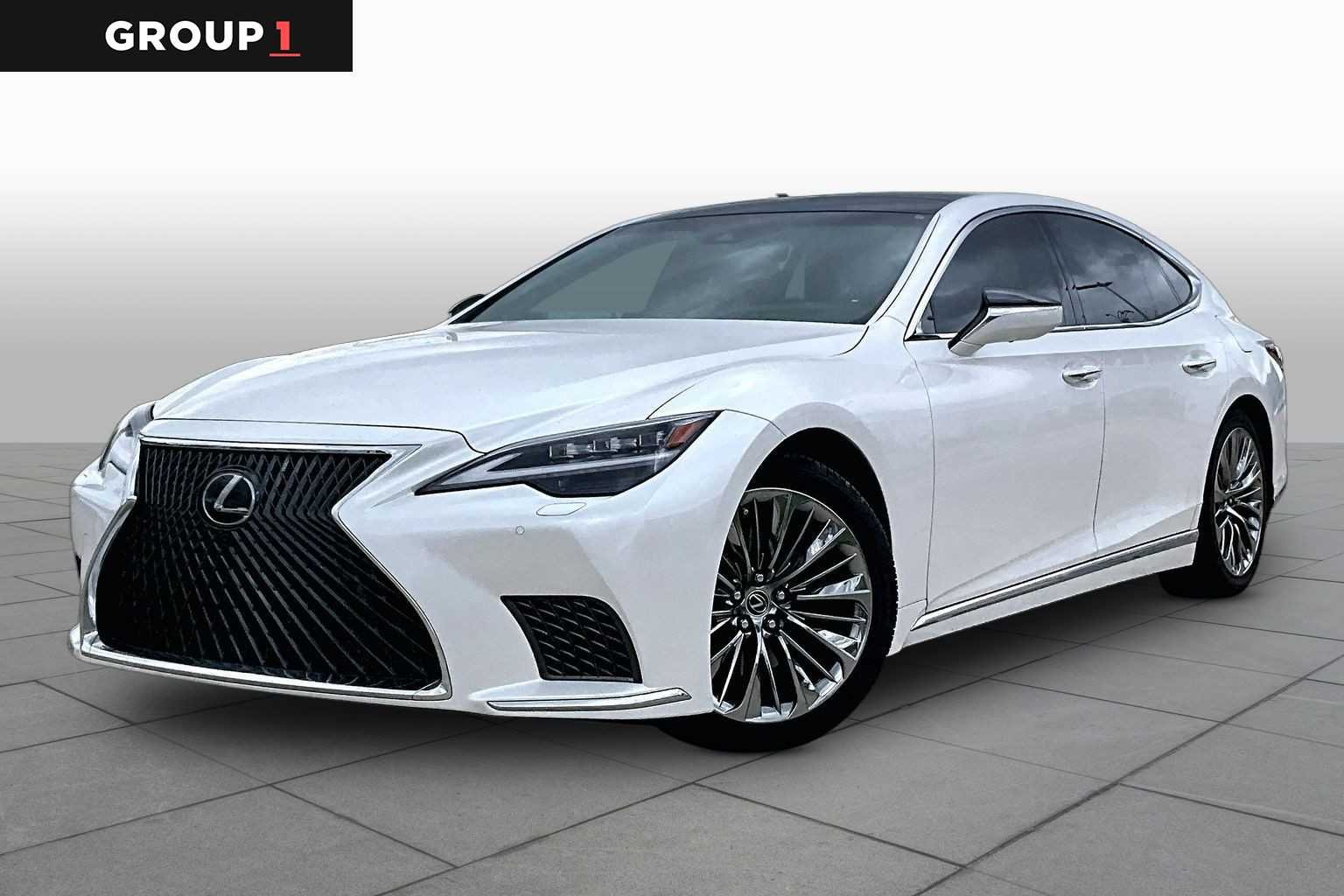
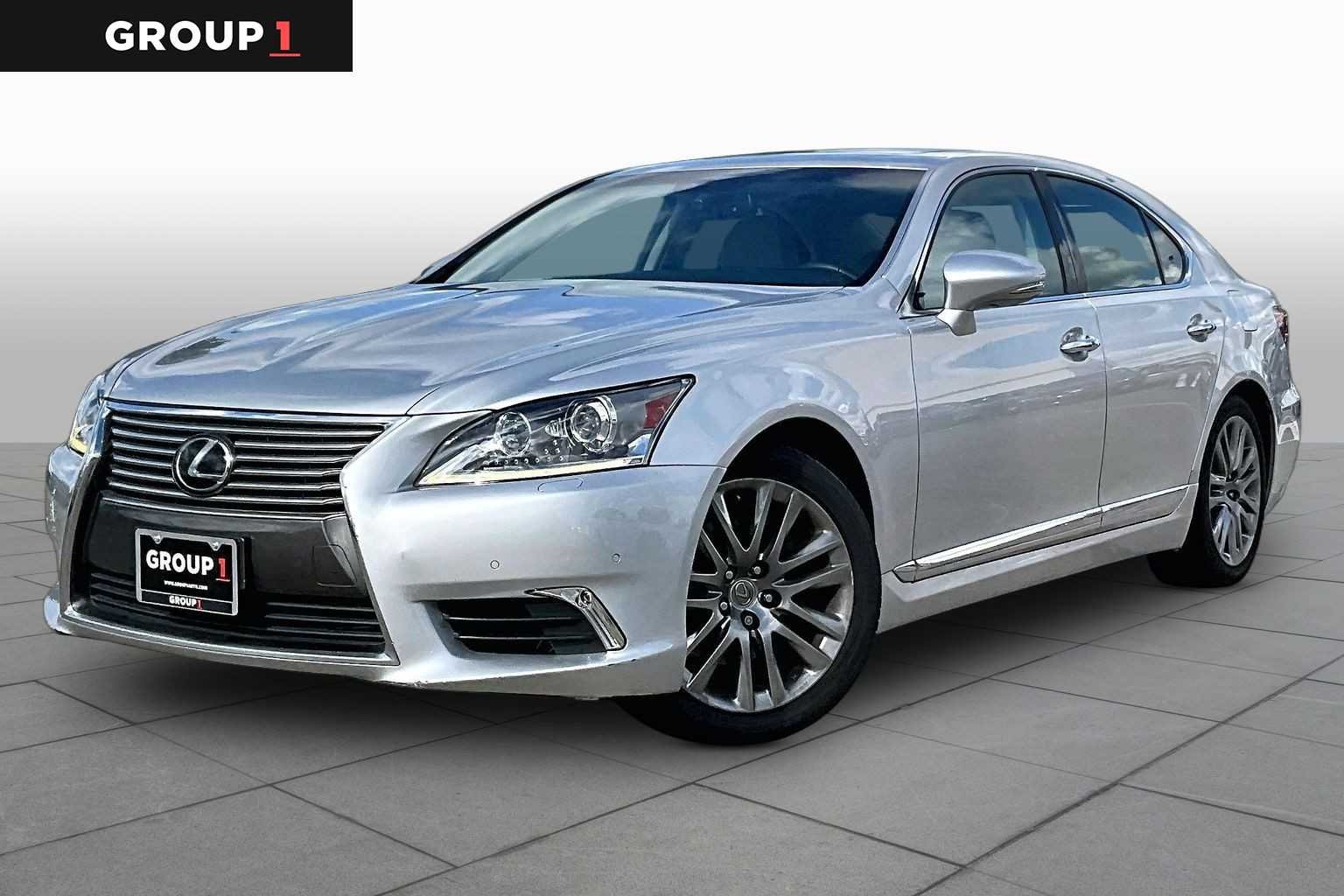
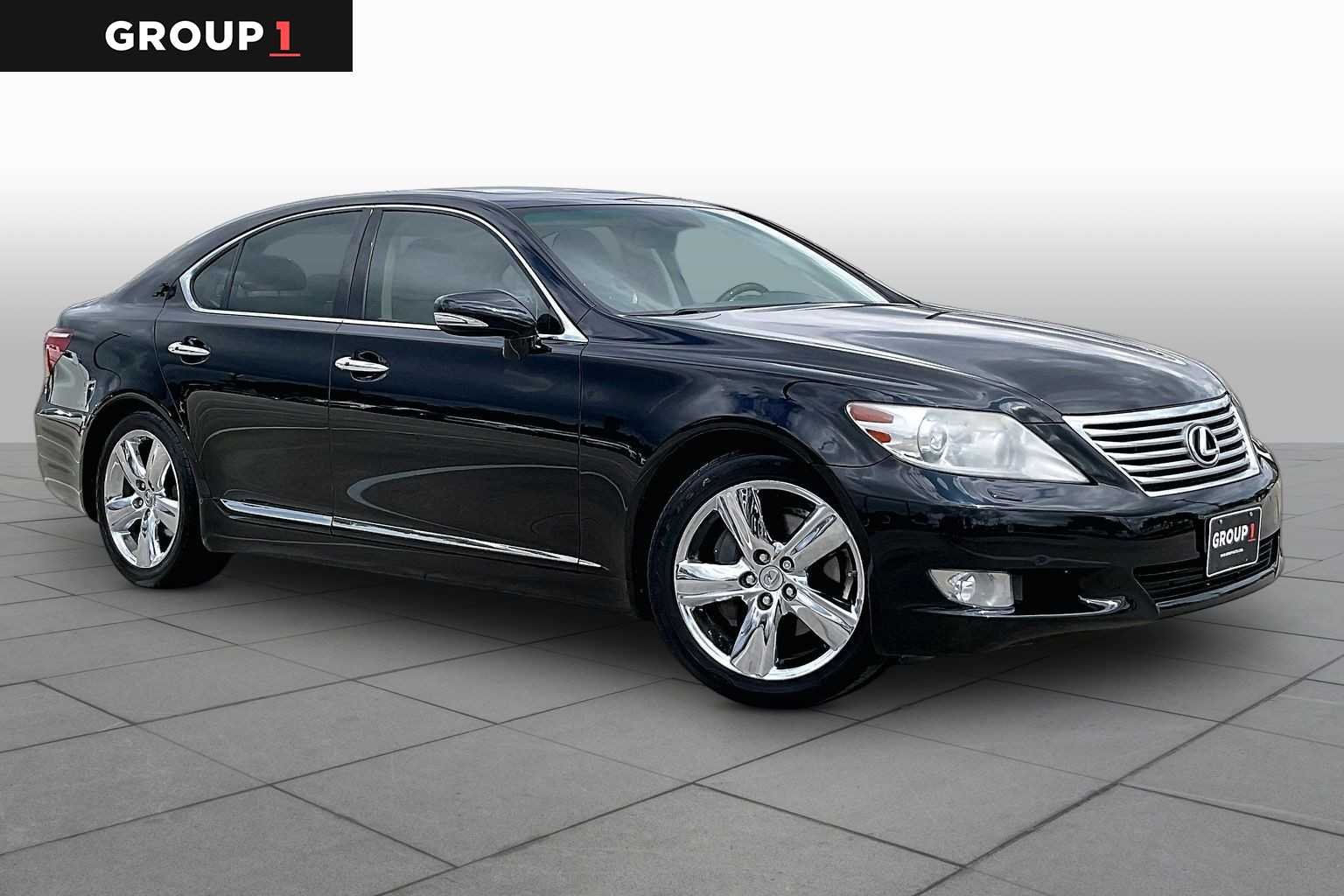
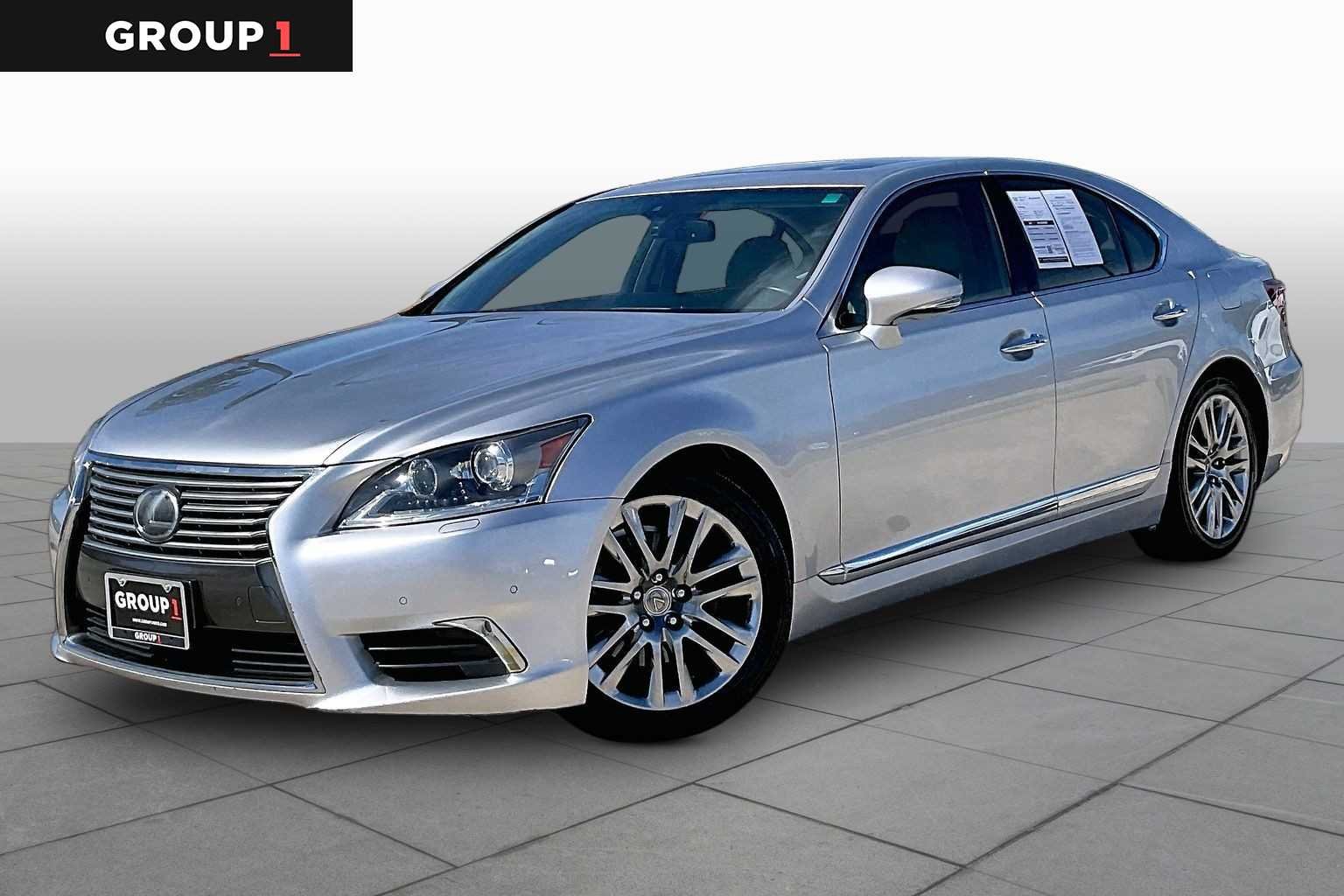
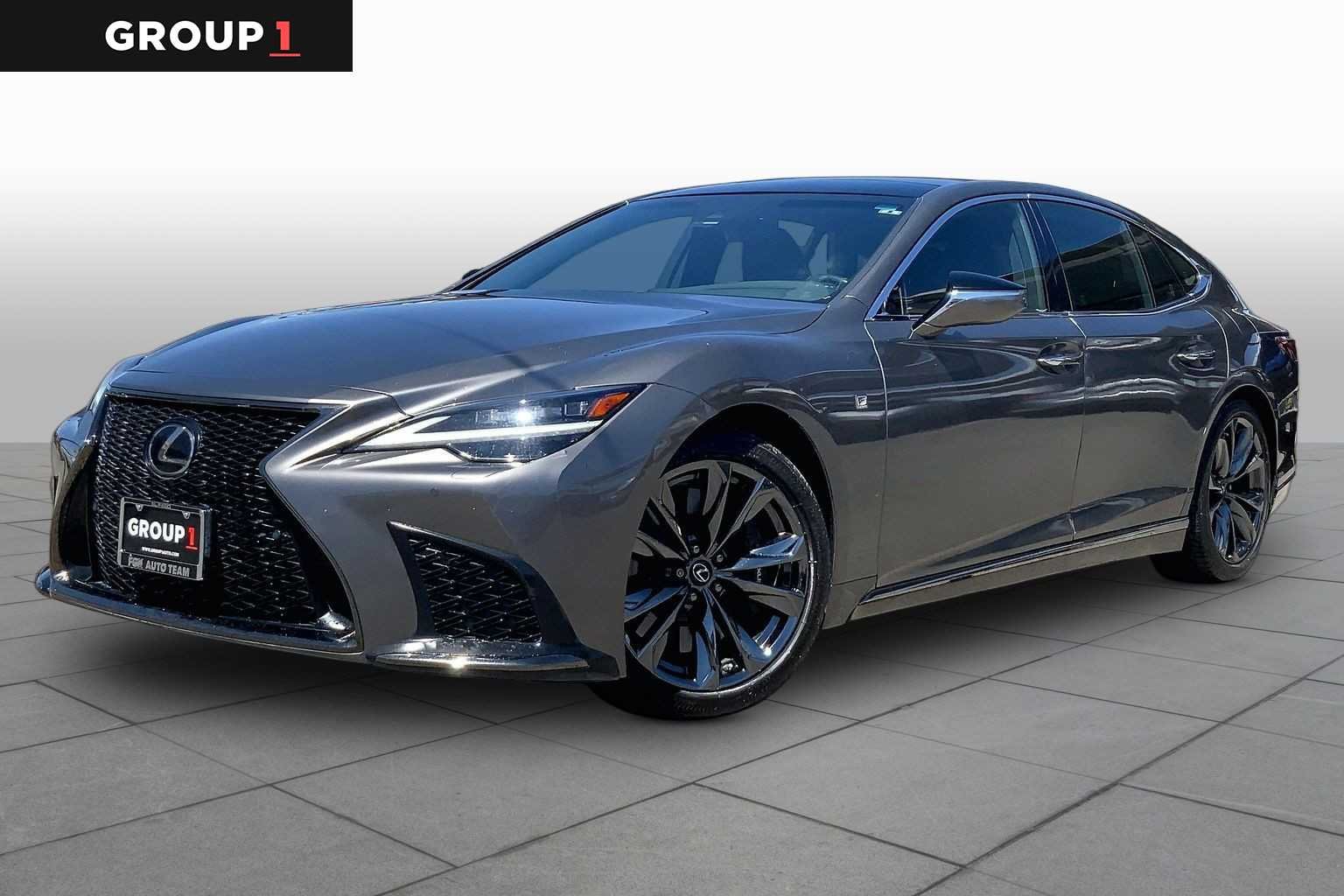
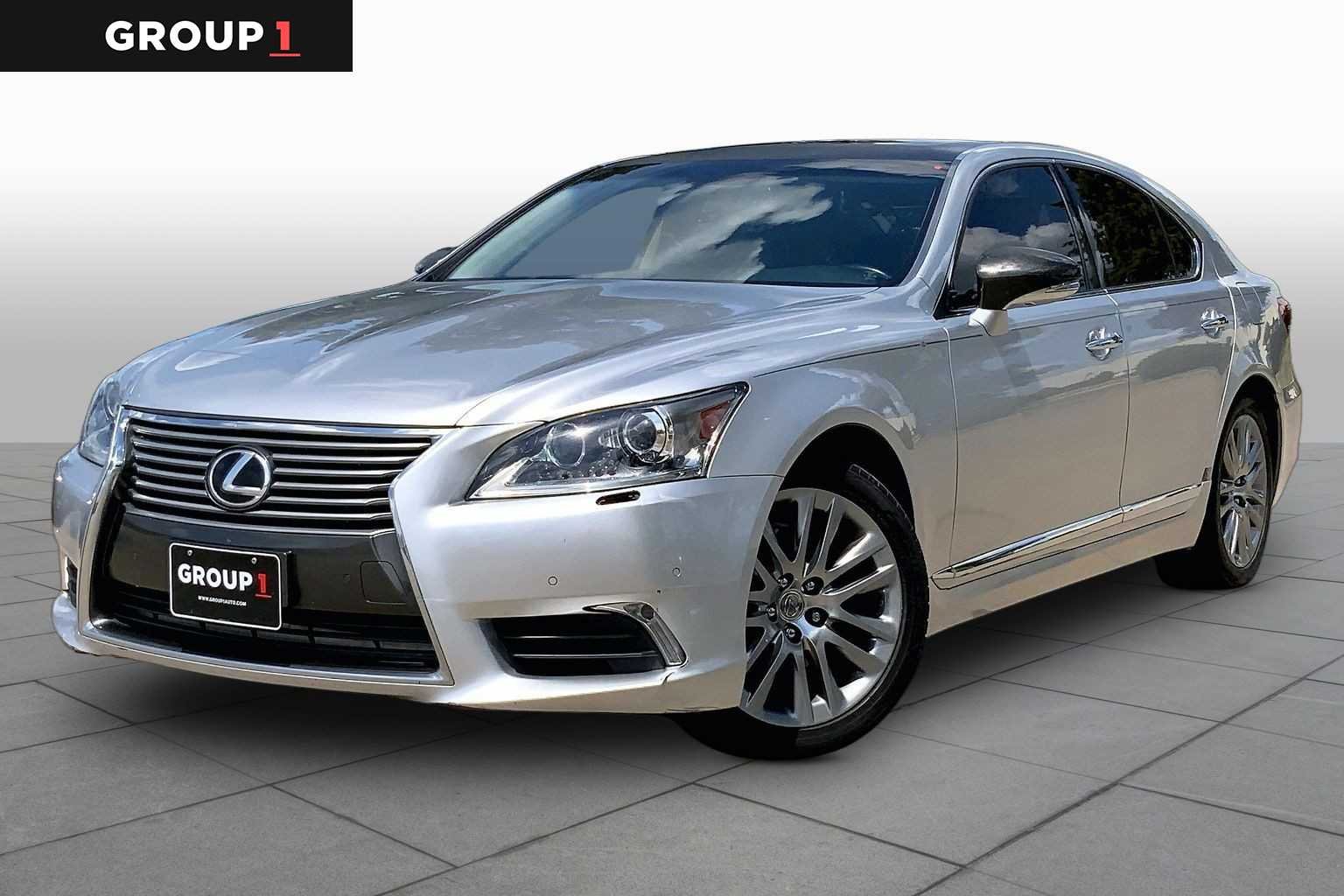
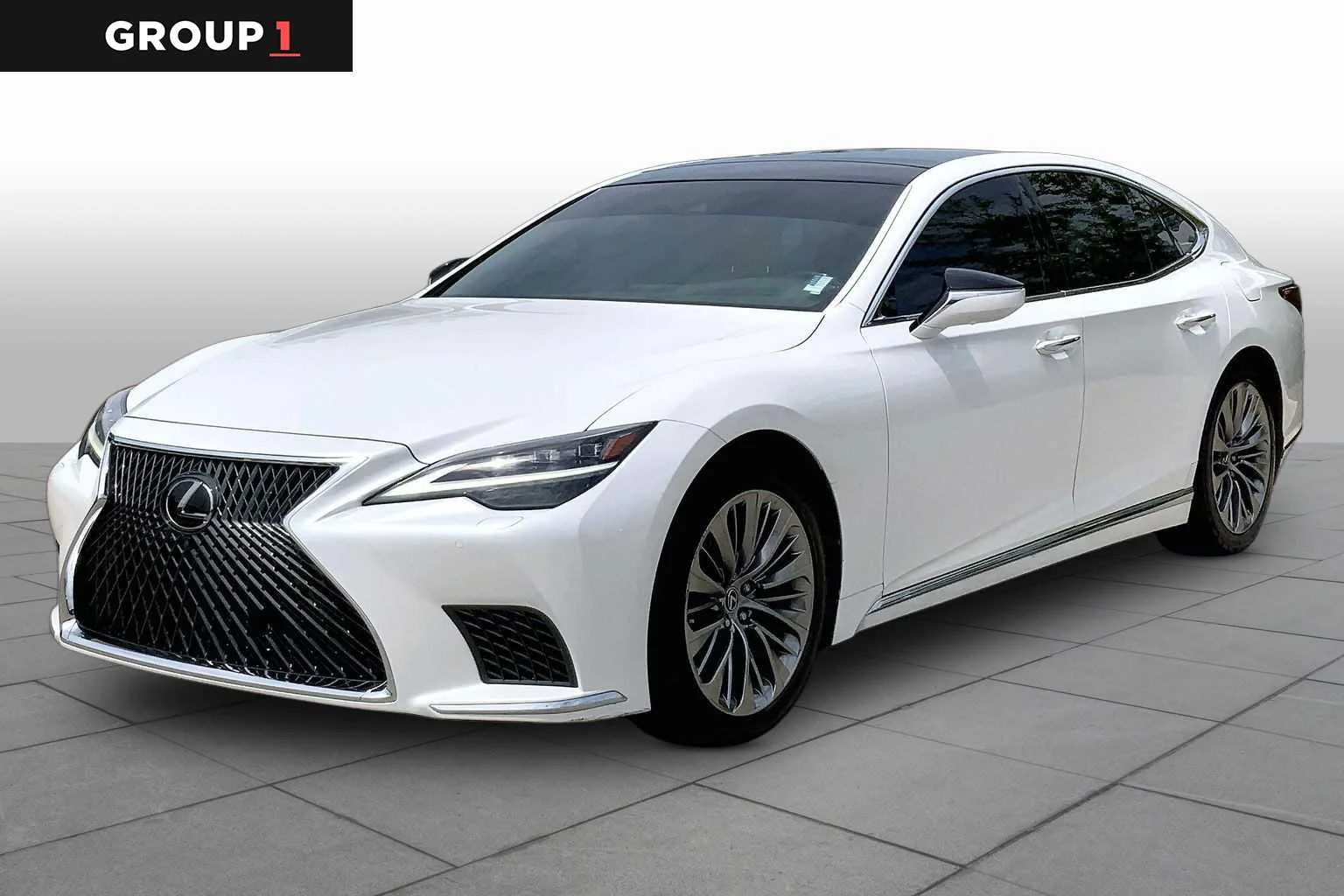
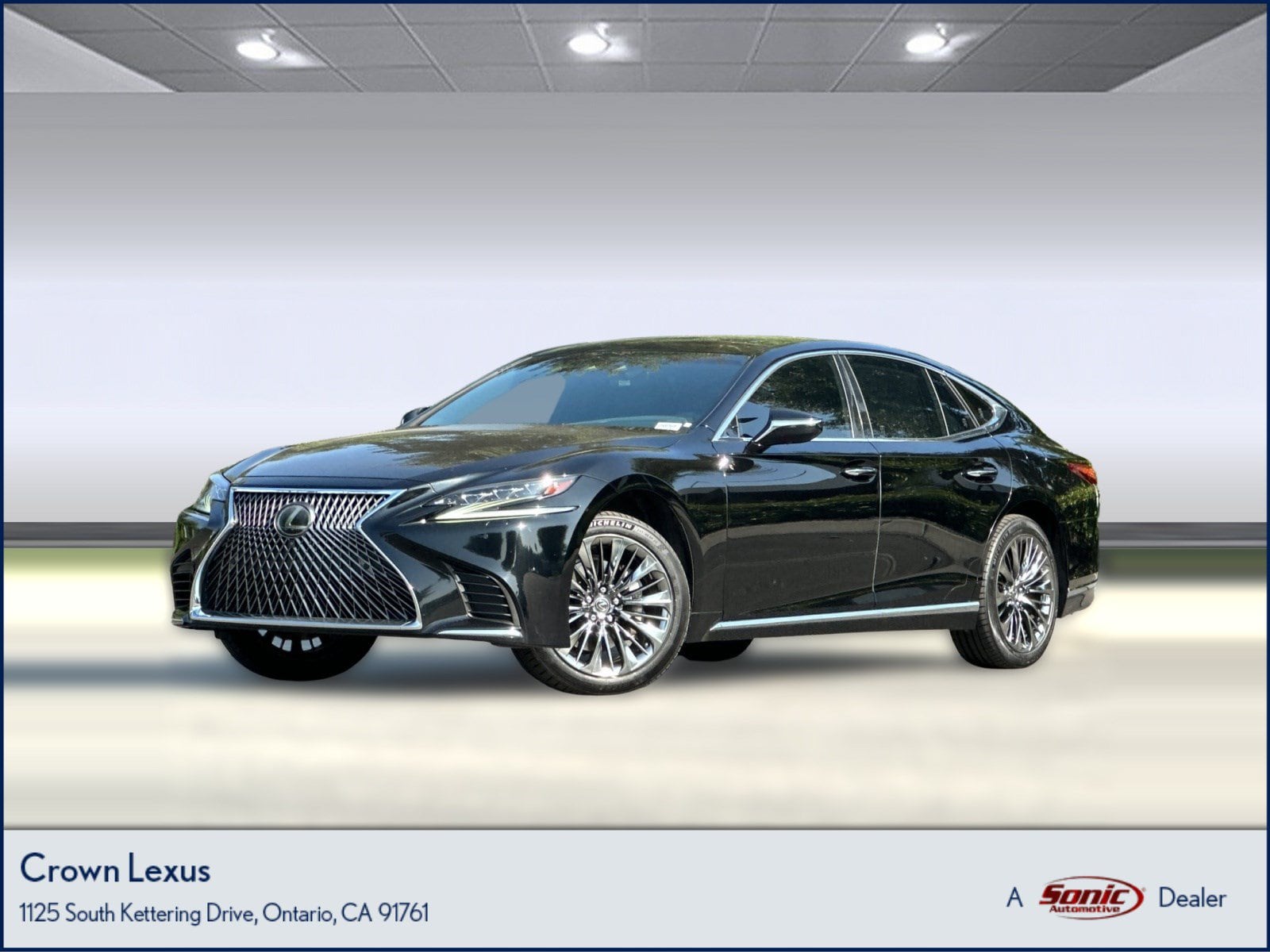
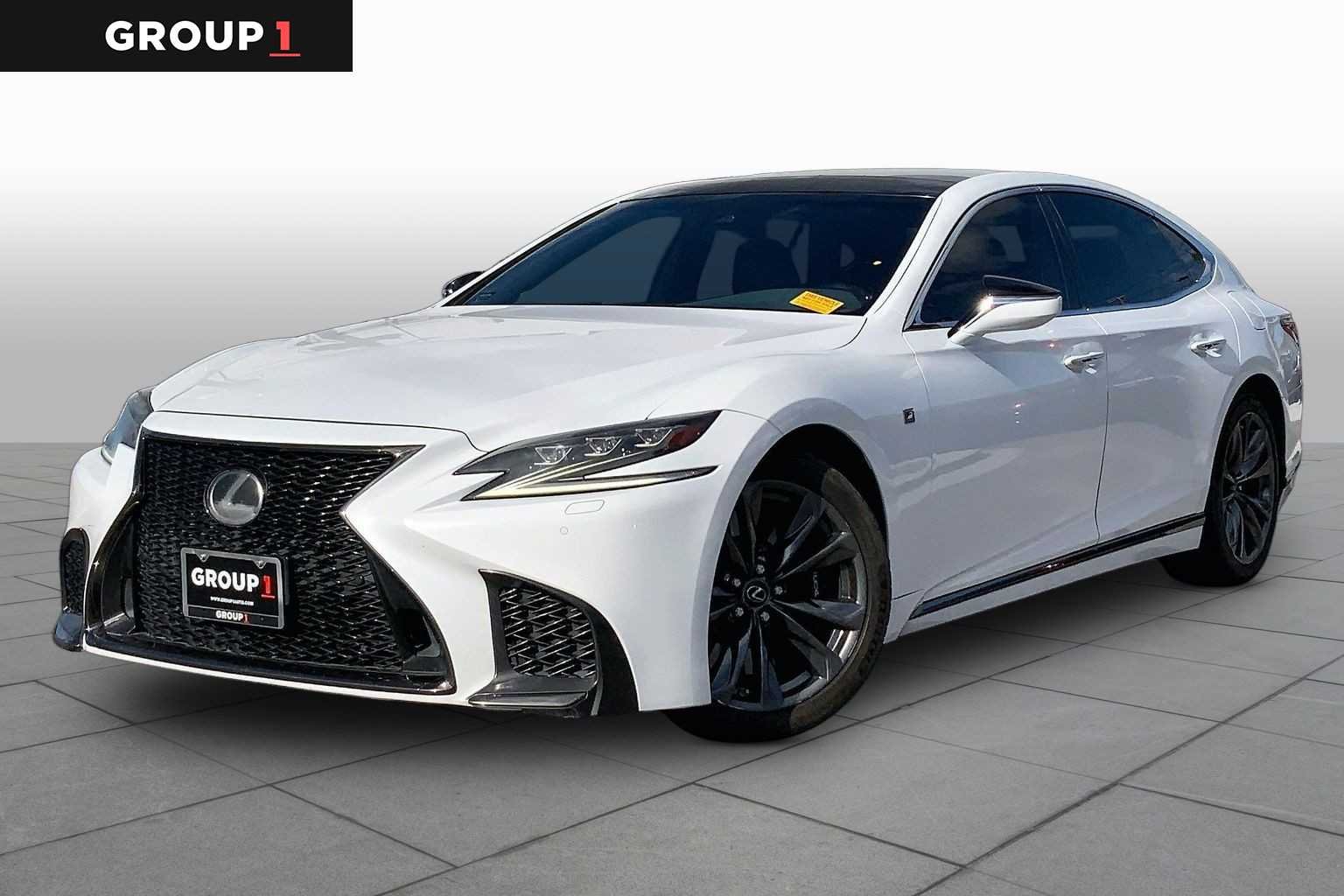
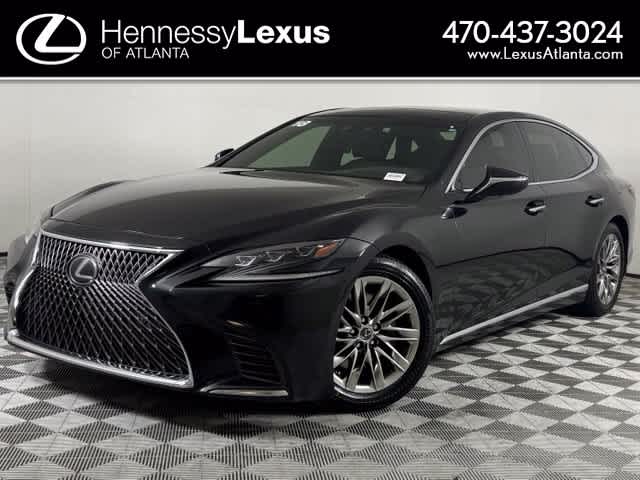
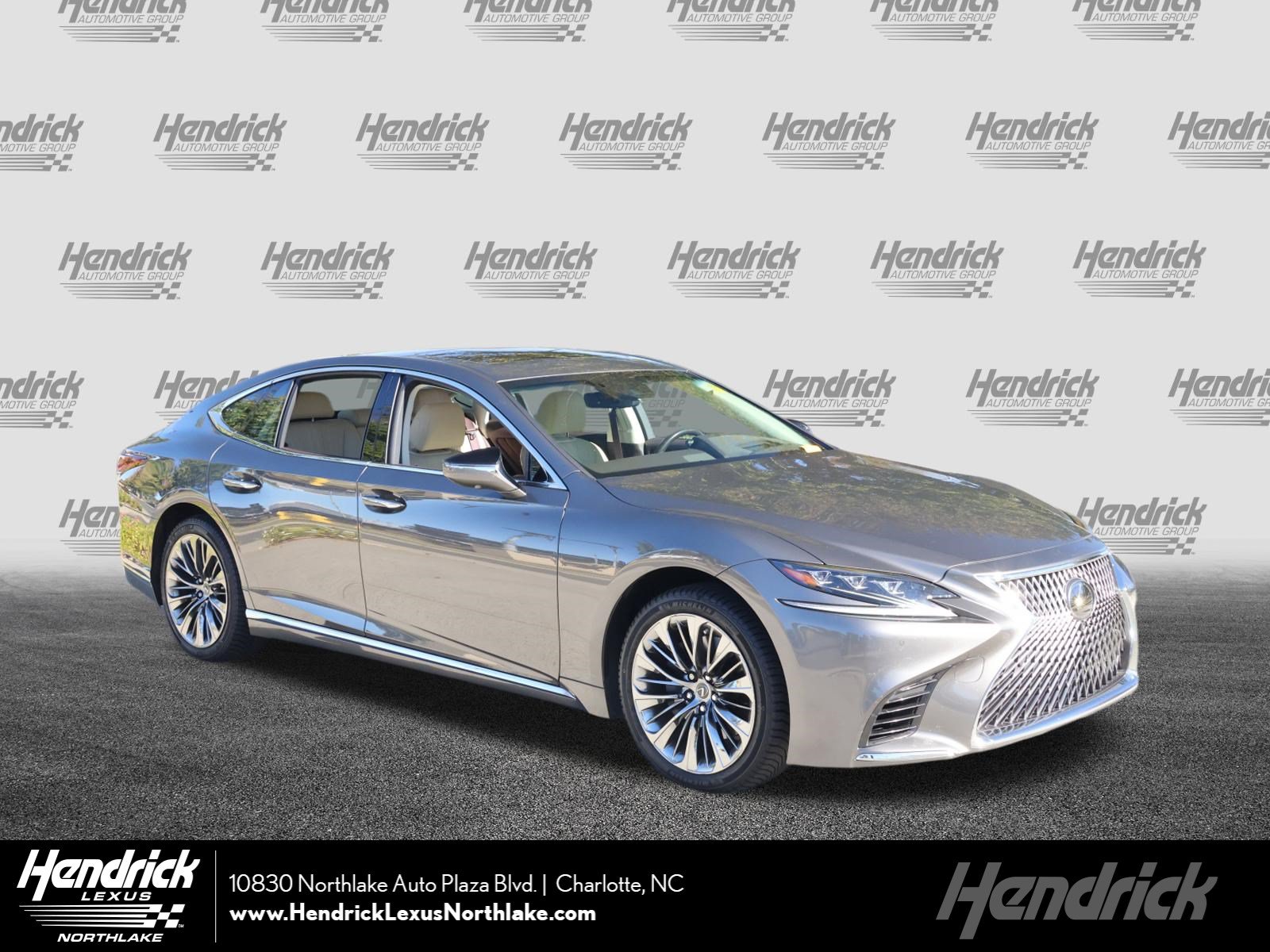
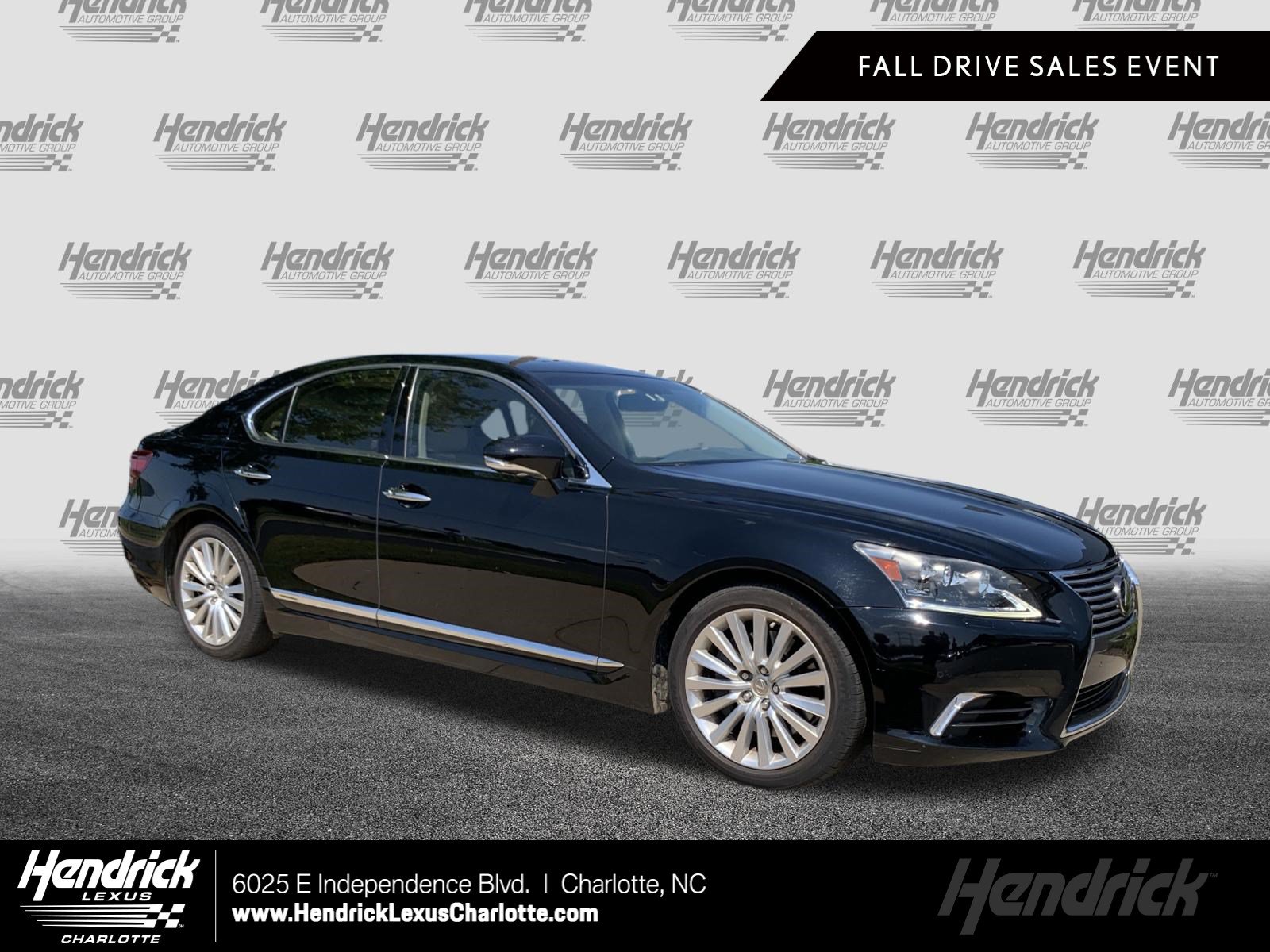
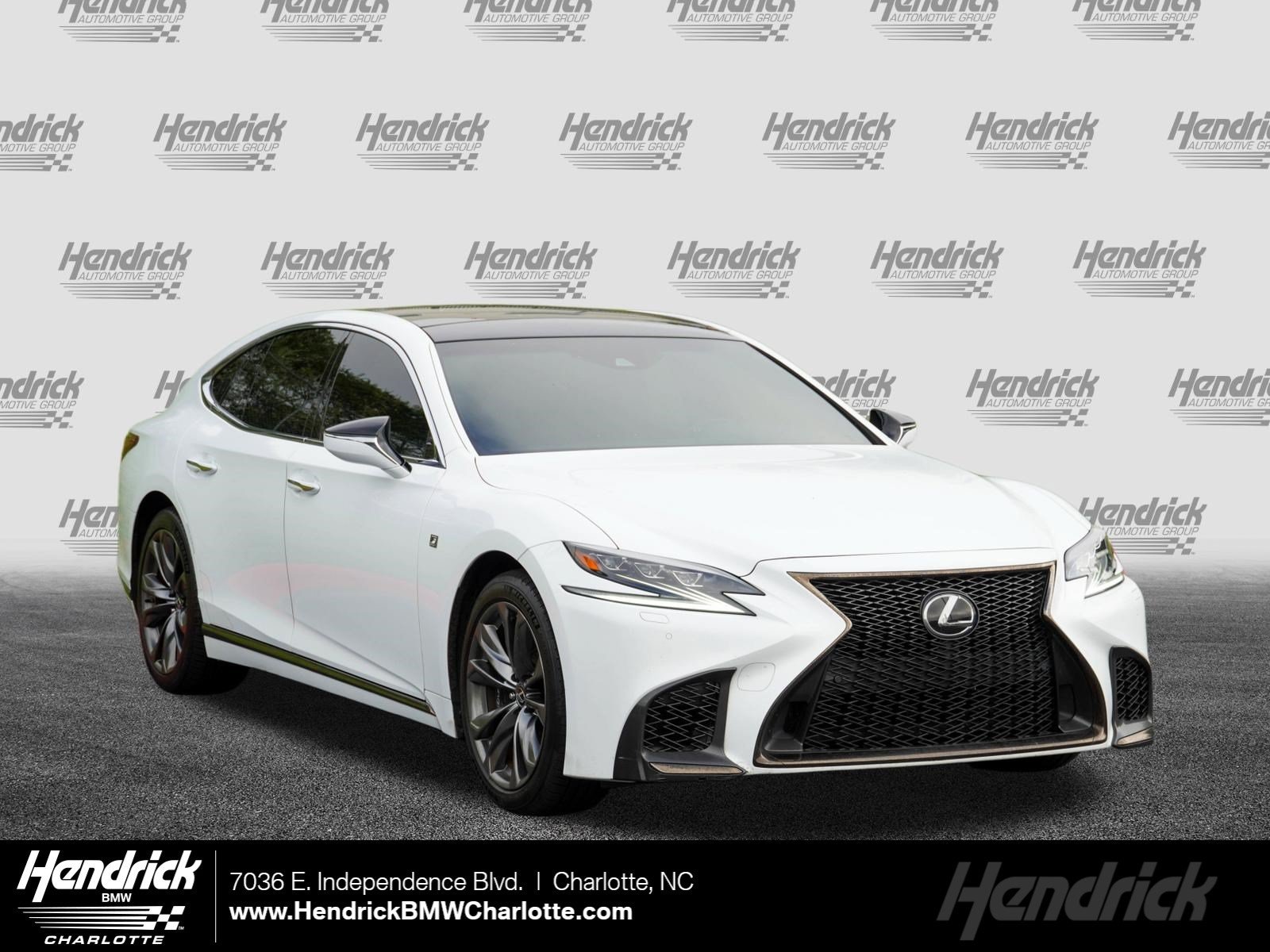
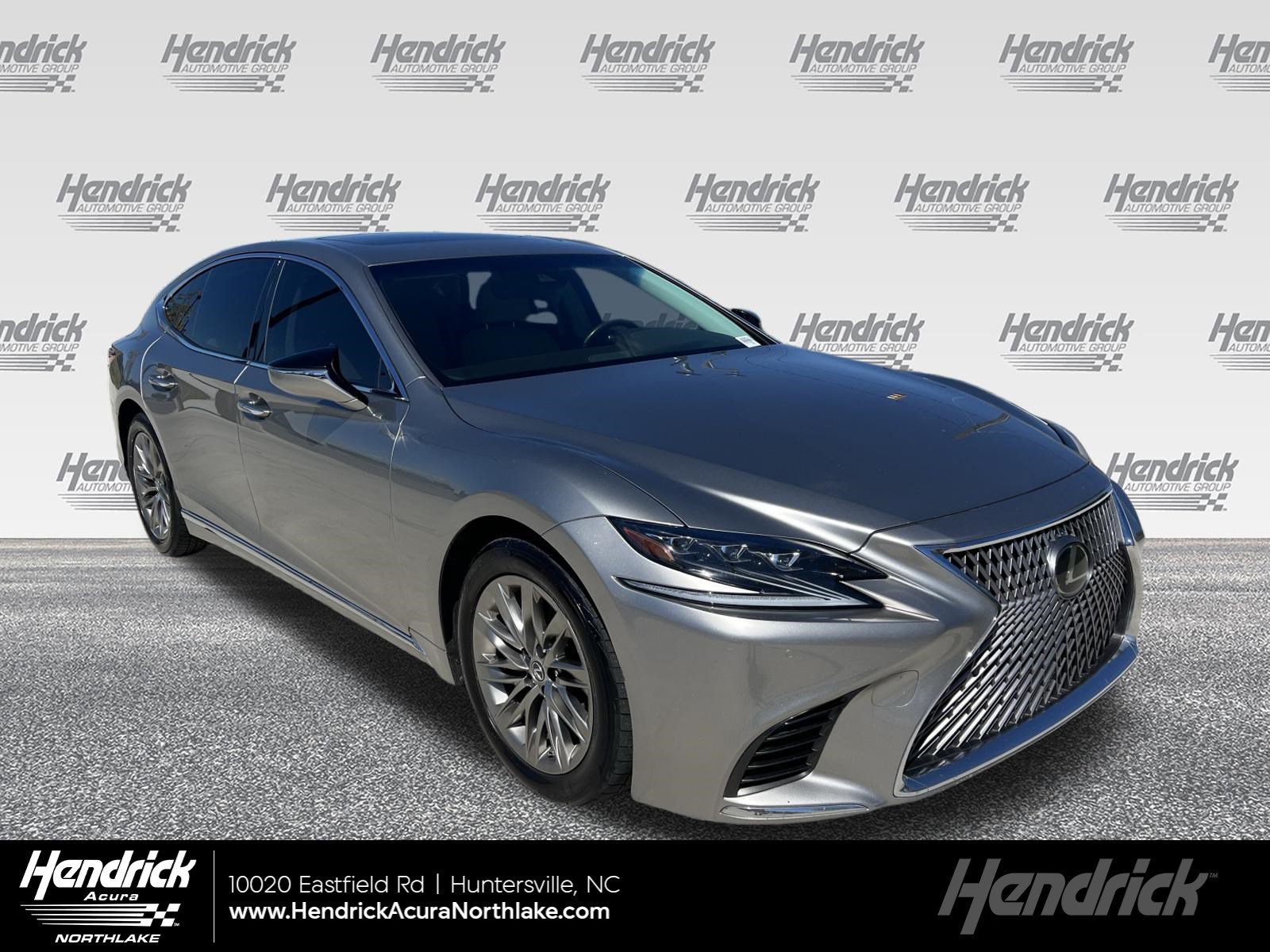
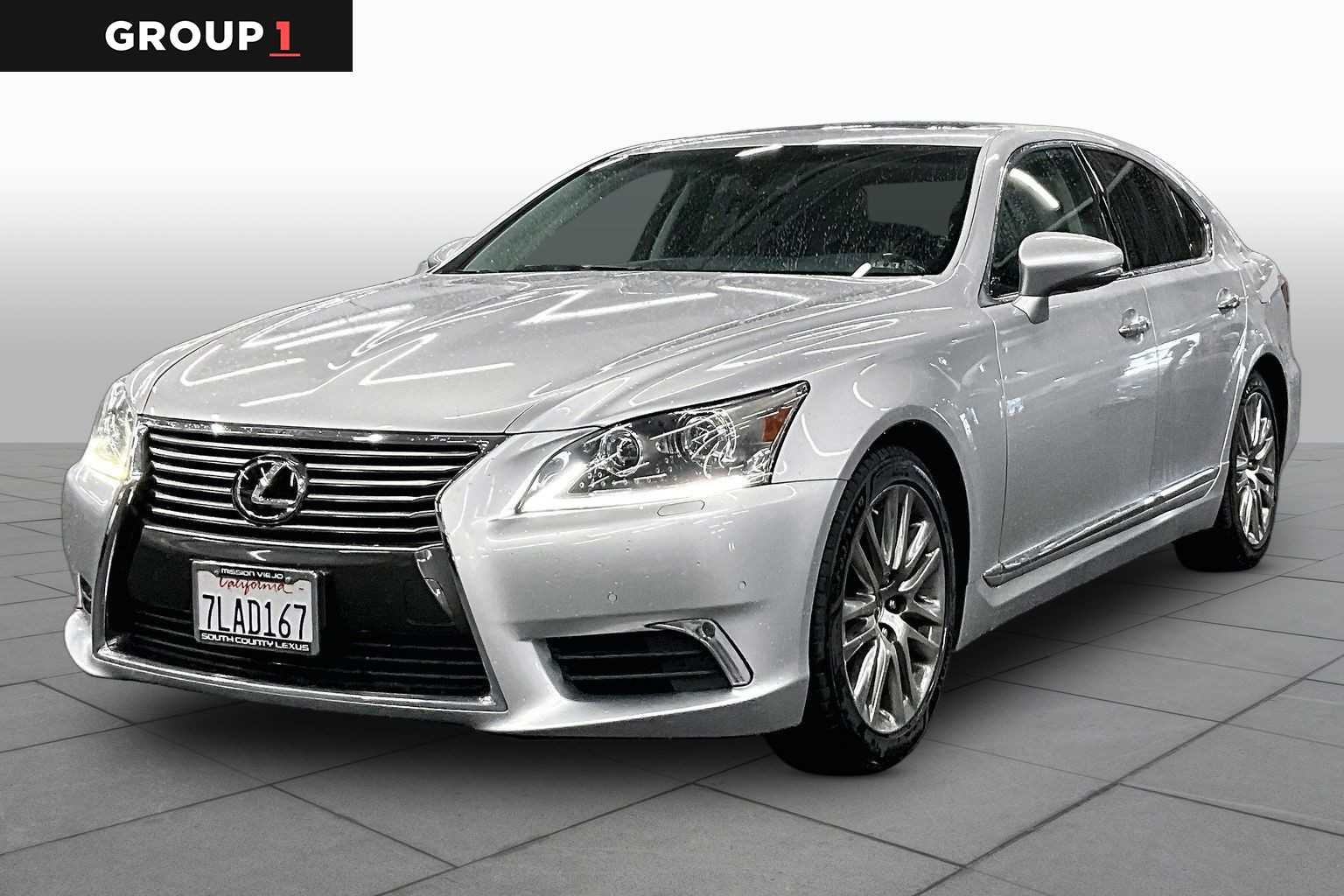
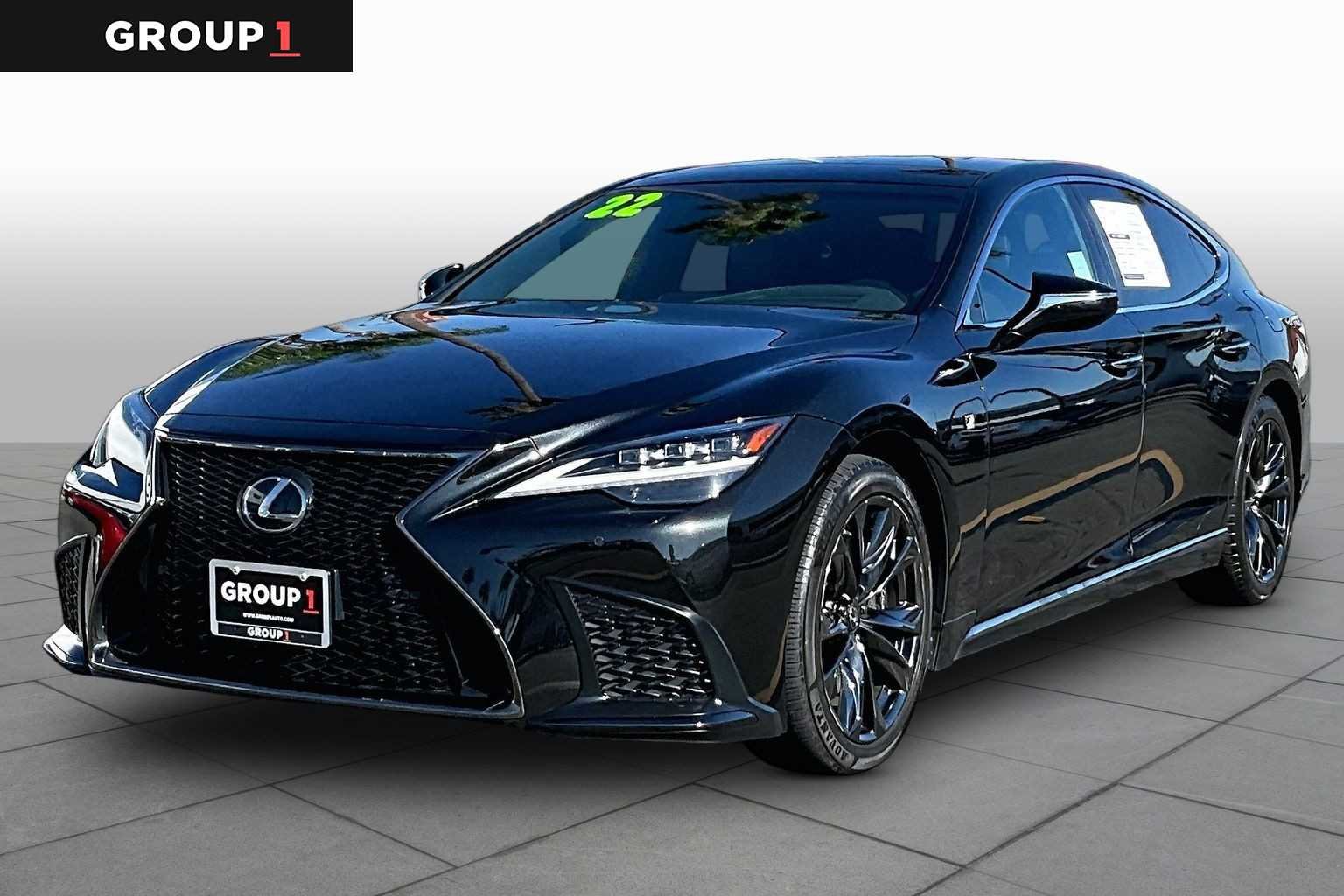
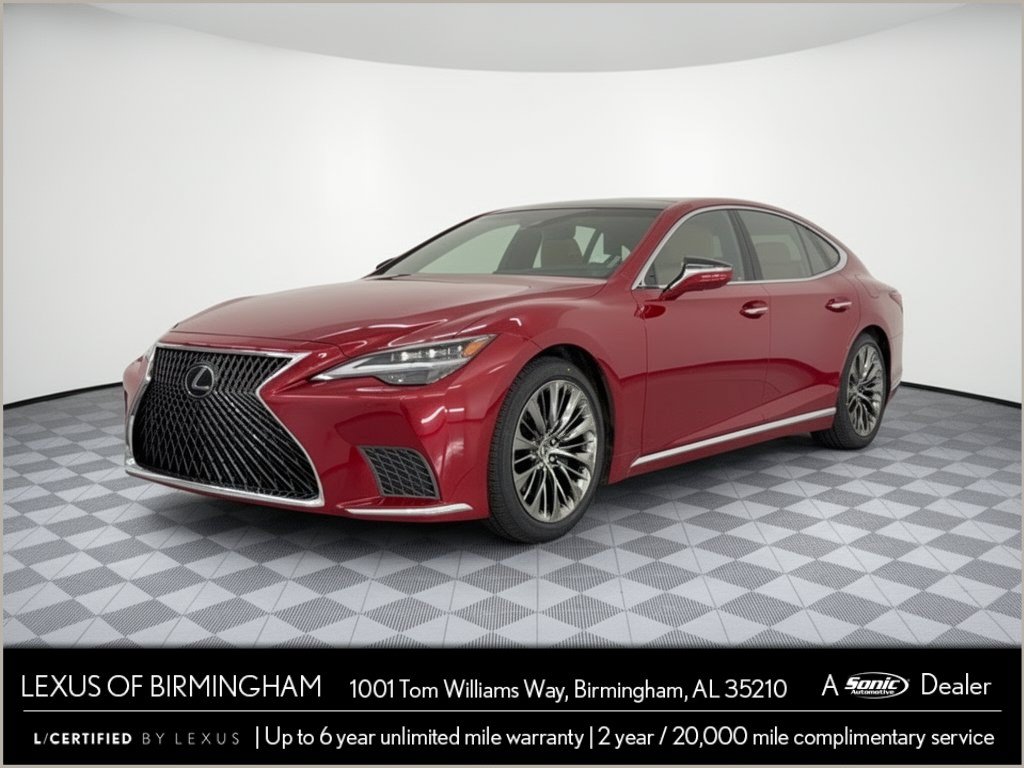
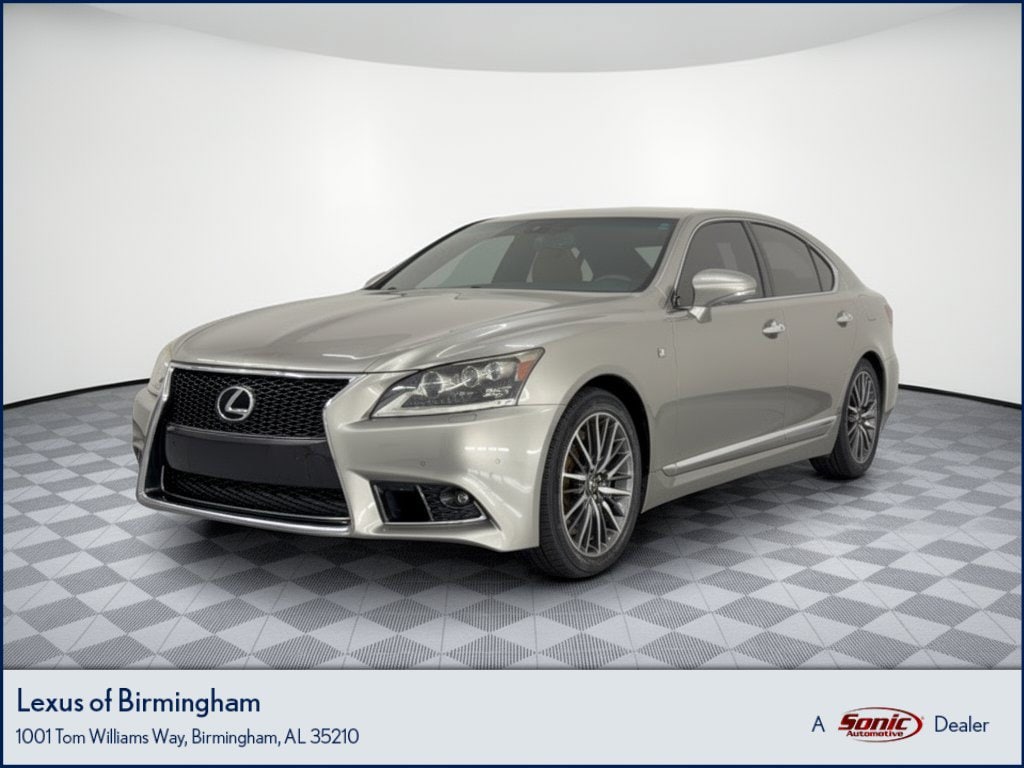
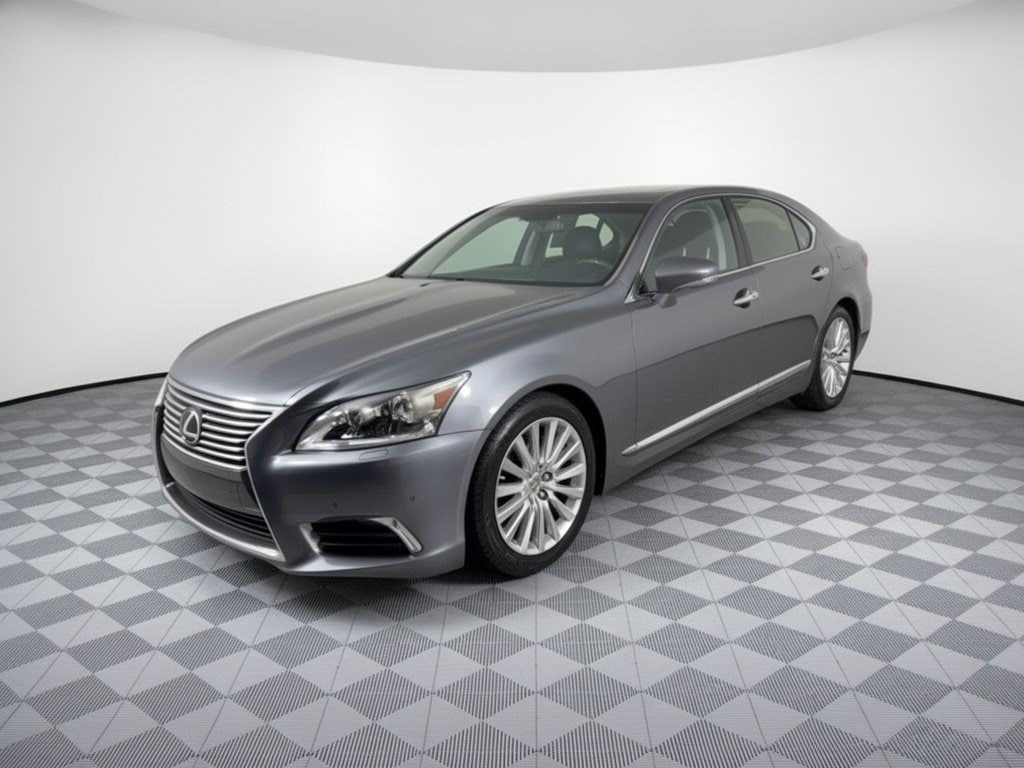
gasoline, automatic, 47K km, sedan, Rear Wheels Drive, 3,400 cm3, 416 hp, silver, 3.4L V6 Cylinder Engine, Used condition, USA, In stock

Group1Auto.com
 Georgetown, United States
 Georgetown, United StatesSouthwest, United StatesSouthwest, United StatesSouthwest, United States
 Chevrolet, United StatesChevrolet, United StatesChevrolet, United StatesLot, United StatesMain Settlement, United StatesMain Settlement, United StatesOntario, United StatesEl Paso, United StatesAtlanta, United States
 Charlotte, United StatesCharlotte, United StatesCharlotte, United States
 Macedonia, United StatesHuntersville, United StatesTustin, United StatesTustin, United StatesTustin, United States
 Birmingham, United StatesBirmingham, United StatesBirmingham, United StatesGreenville, United States
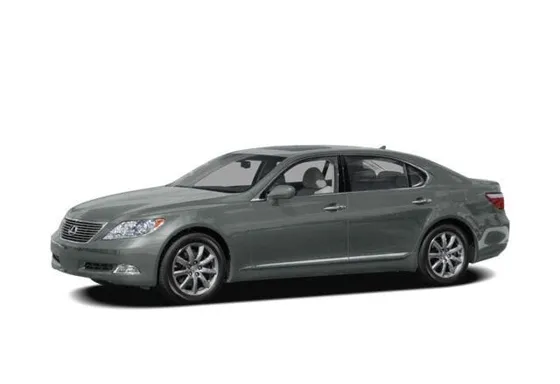
The Lexus LS stands as a flagship luxury sedan, combining refined comfort with solid reliability. If you’re in the market for a Lexus LS, the first step is identifying which generation and configuration fits your goals—whether you’re seeking a smooth daily driver, a premium long-range cruiser, or a collector-worthy model. In many countries, including key markets, you’ll encounter several generations (from early LS models to the current generation) with different engines, trims, and body styles. Prospective buyers often ask: which engine is best for long-term reliability? how do prices vary by year and mileage? which features are worth upgrading? and how does resale value look across generations? This guide answers those questions and outlines practical steps for buying or selling a Lexus LS.
The LS lineup has evolved through multiple generations. A typical decision framework looks at:
When evaluating a used Lexus LS, consider how the car was used—highway miles vs. city driving can impact longevity differently. Look for evidence of regular maintenance, clean service history, and any costly repairs already addressed (like suspension refurbishments, transmission work, or timing chain updates).
For buyers, the top concerns are reliability, ride quality, and total ownership cost. Sellers, meanwhile, want to present a transparent history: original mileage, service records, any parts replaced, and known issues. Practical tips include:
Prices for a Lexus LS vary by country, year, and mileage. In many markets, a well-maintained LS460 from the late 2000s can be competitive, while later LS500h hybrids may command premium in regions with strong hybrid adoption. When buying, set a budget range and negotiate based on documented maintenance. When selling, provide a clean service history, recent maintenance invoices, and high-quality photos from multiple angles to maximize interest.
If you’re considering a Lexus LS as a daily driver or a prestige car, you’ll appreciate its refined ride and comfort, strong dealer networks, and potential resale soundness when well cared for.
 Add as preferred sourceSee more from zvelta in Google Search Add as preferred source