 EN
EN

Frequently asked questions
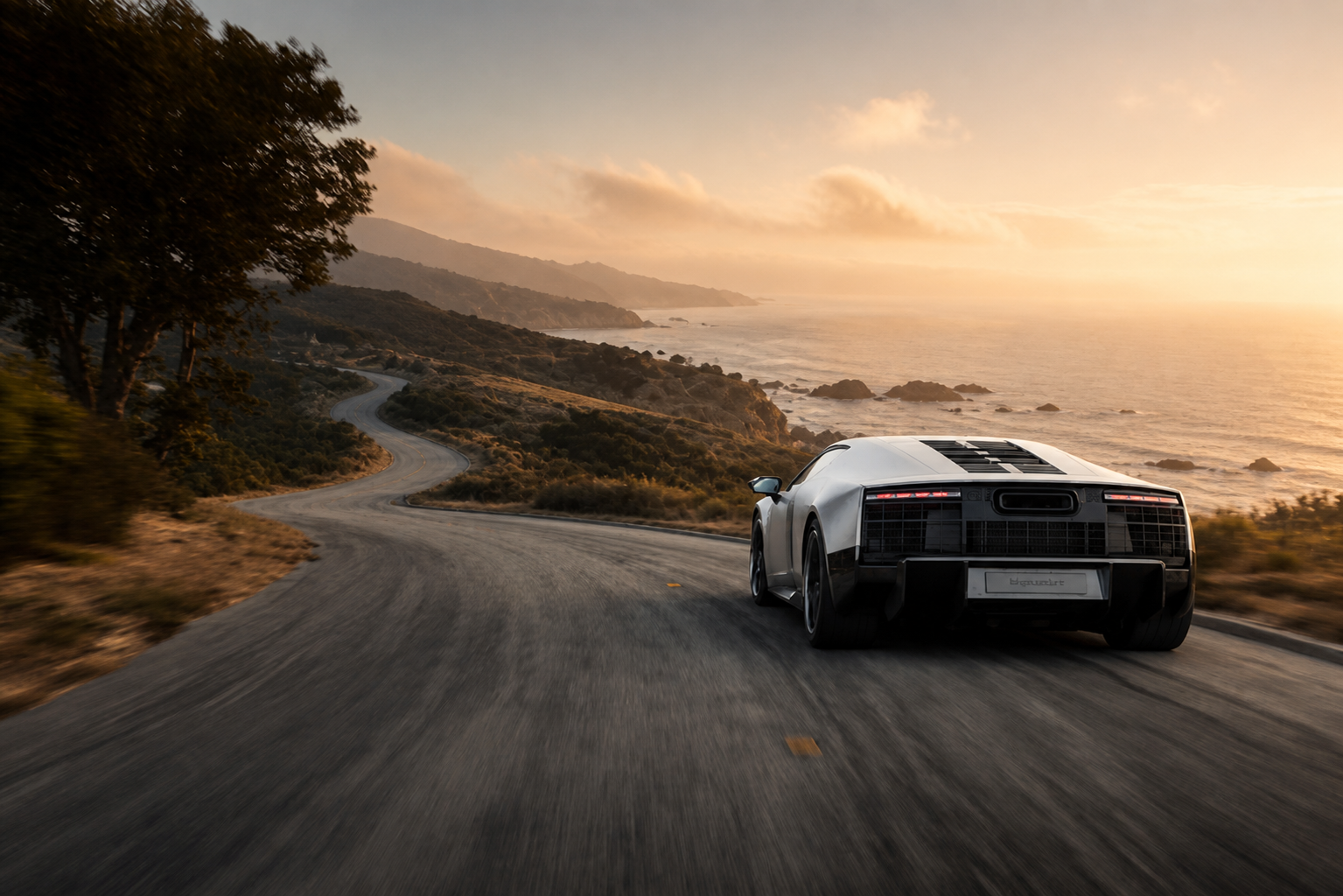
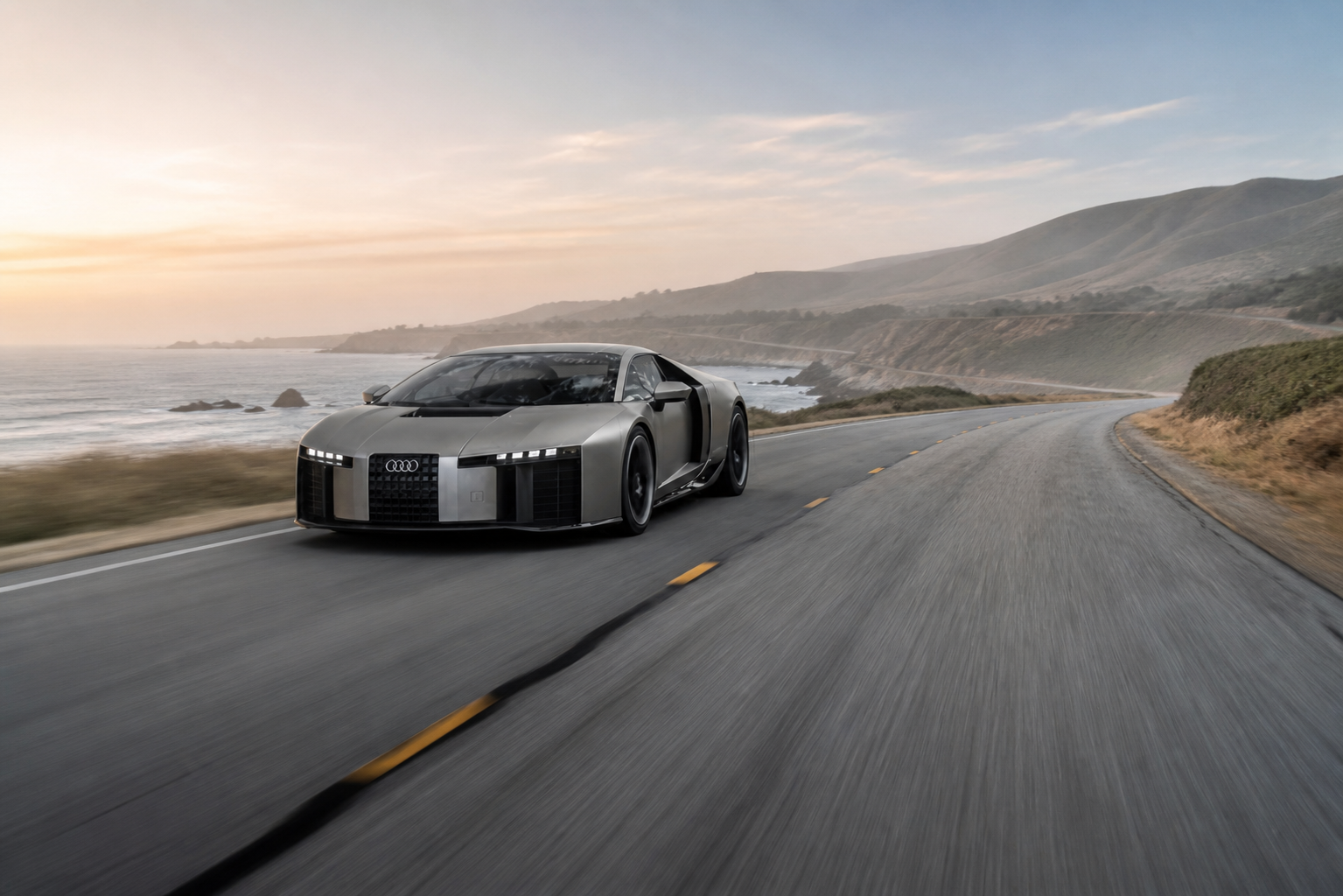
Audi states that the Nuvolari produces 1,001 PS (736 kW), accelerates from 0–100 km/h in 2.6 seconds and from 0–200 km/h in 6.8 seconds, and has a top speed above 350 km/h.
Production is limited to 499 units. Audi has scheduled the first deliveries for the first half of 2027, while official pre-orders in Europe are scheduled to begin in Q4 2026.
Audi has not yet revealed the price, battery capacity, electric-only range, detailed hybrid-system configuration, country quotas or complete market list. Final fuel-consumption and emissions figures may also change before deliveries begin.
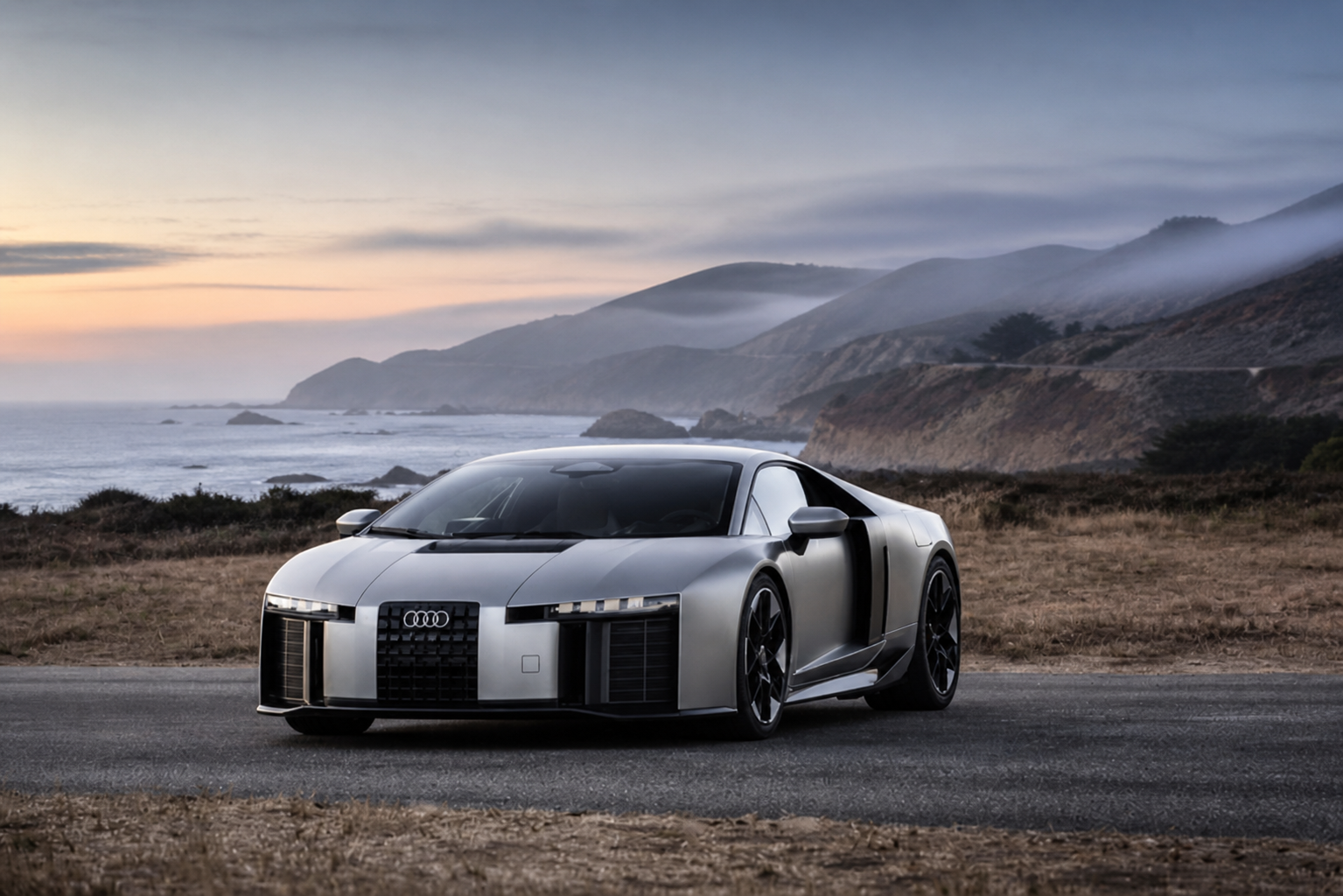
On June 4, 2026, Audi unveiled the Nuvolari as its first supercar with a high-performance hybrid powertrain. The manufacturer has already disclosed its power output, production run, delivery schedule and several key chassis and aerodynamic solutions. However, the price, hybrid system layout and electric-only range have not yet been revealed. Nuvolari should not be viewed as a fully order-ready car in every respect: the official website shows a pre-production prototype, and some figures are marked as preliminary.
Why does Audi need a car like this? Officially, the brand describes Nuvolari as the technological and design flagship of its renewal, as well as its first step into the high-performance segment. For buyers, this is not a promise that the same hardware will soon appear in regular Audi models. Rather, it is the point at which the company has chosen to demonstrate a new design language, hybrid architecture and approach to managing vehicle dynamics in a single model.
What Audi Has Already Revealed
Parameter | What was known as of August 26, 2026 |
|---|---|
Vehicle status | Pre-production prototype of a future production model |
Powertrain | High-performance hybrid; its detailed configuration has not yet been disclosed |
System output | 1,001 PS (736 kW) |
Performance | 0–100 km/h in 2.6 seconds, 0–200 km/h in 6.8 seconds, top speed above 350 km/h |
Production run | 499 units |
Deliveries begin | First half of 2027 |
Price and market allocation | Not announced |
Audi’s technical material dated June 30, 2026, confirms 1,001 PS, 736 kW, a 0–100 km/h time of 2.6 seconds and production limited to 499 cars. It also states that first deliveries are scheduled for the first half of 2027. These figures were published on Audi’s official Nuvolari page.
Why English-Language Texts Mention 987 hp
Audi quotes 1,001 PS, or metric horsepower, which is commonly rendered as 1,001 PS in English technical materials. Mechanical horsepower is slightly larger than metric horsepower, so the same output may be rounded to approximately 987 hp in the imperial system. This does not mean there are two different versions of the Nuvolari; the figures use different units of measurement.
Timeline: From Unveiling to First Deliveries
Date | Event |
|---|---|
June 4, 2026 | Audi unveiled the Nuvolari for the first time and called it the brand’s first hybrid supercar. |
June 30, 2026 | The company published detailed power and performance figures, along with the planned start of deliveries. |
August 25, 2026 | The Nuvolari made its North American debut at Monterey Car Week and took to U.S. roads for the first time. |
Q4 2026 | The start of official pre-orders in Europe is scheduled. |
First half of 2027 | Deliveries are scheduled to begin. |
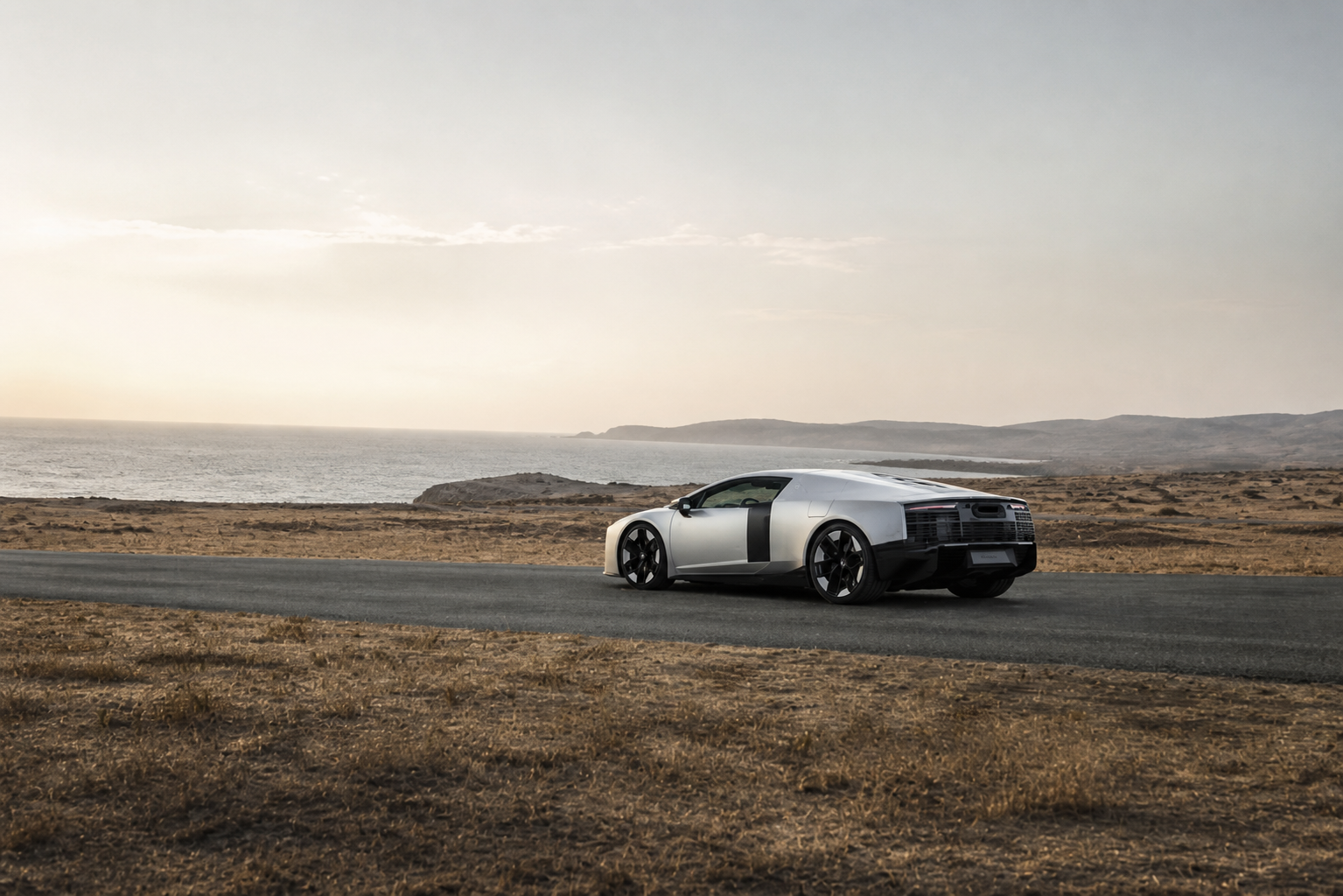
In its June 4 press release, Audi directly calls the Nuvolari its first hybrid supercar and a model that fully expresses the brand’s new design philosophy. This clarifies its role: the car is not intended to replace a specific production model, but to show the direction in which Audi wants to develop its high-performance vehicles.
What Makes the Nuvolari a Hybrid
The manufacturer has confirmed the presence of a high-performance hybrid powertrain and its combined output. Audi has not yet said which internal-combustion engine it uses, how many electric motors are included, the traction battery’s capacity or how far the car can travel without starting the internal-combustion engine. It would therefore be premature to assign the Nuvolari a specific configuration or electric range.
Audi lists preliminary WLTP figures of 11.3 l/100 km weighted fuel consumption, 7.8 kWh/100 km electricity consumption and 270 g/km of CO₂ emissions. These figures should not be read as the typical fuel consumption of a gasoline car: they depend on the test-cycle methodology and how the battery is used. Final certification figures may change before deliveries begin.
The Technologies Audi Has Described in Detail
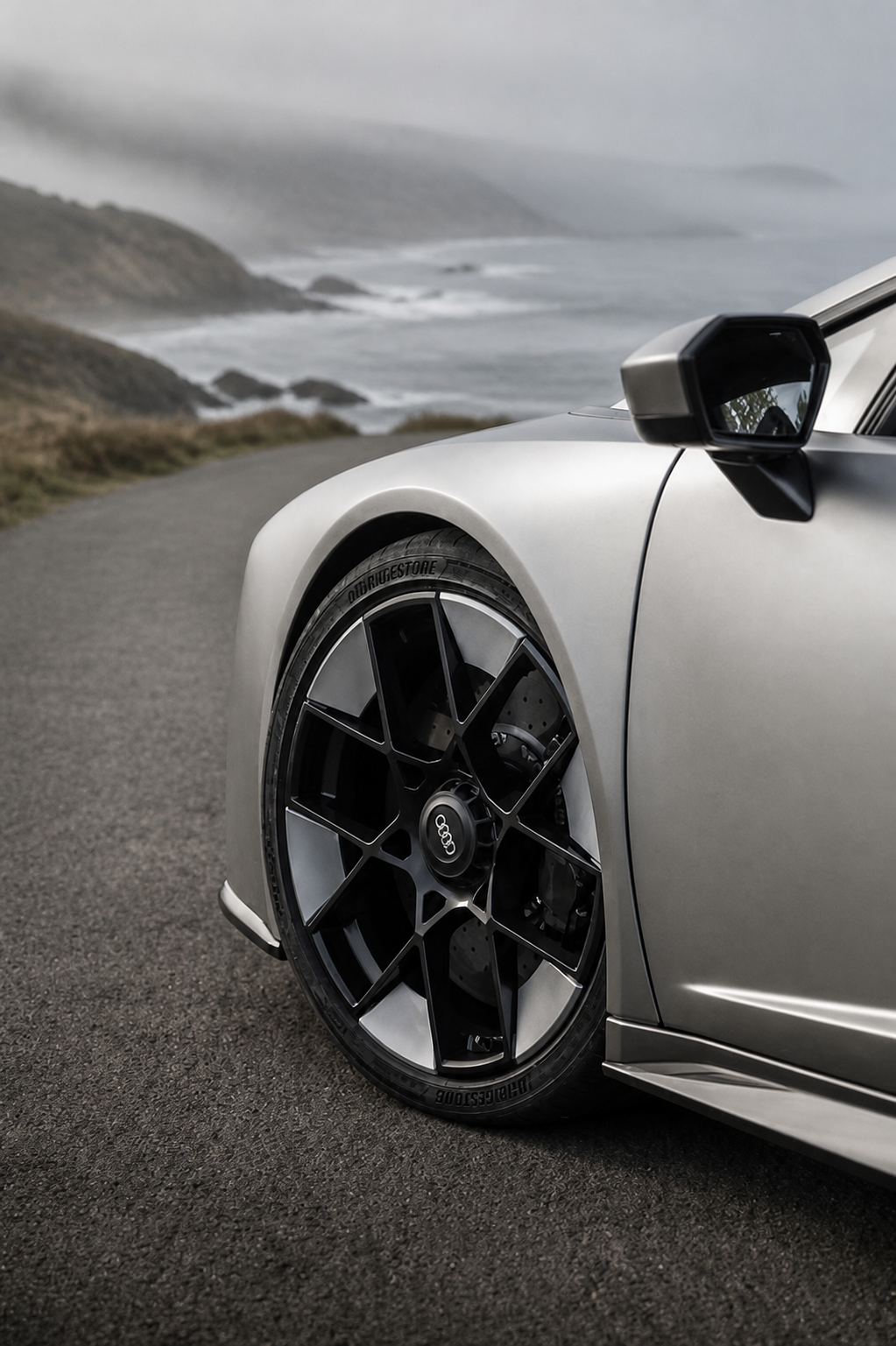
The Nuvolari features active aerodynamics, a body with exterior carbon-fiber panels and a new Audi Space Frame design. The brand also specifically cites the quattro predictive ride system, which, according to Audi, anticipates driving conditions and adjusts power distribution in real time. Audi also links these solutions to its experience in motorsport and Formula 1.
No further conclusion should be drawn from this alone. Audi has not named any models that will receive these technologies after the Nuvolari, nor has it published a plan to transfer them to its volume-production ranges. What has been confirmed is the set of solutions developed for the Nuvolari, not the future specification of other Audi vehicles.
What Remains Unknown
the vehicle’s price and the cost of options;
battery capacity and electric-only range;
the composition of the hybrid system and the output of its individual components;
country quotas and the complete list of markets;
final homologation figures for fuel consumption and emissions.
Why This Model Matters to Audi
For Audi, the Nuvolari is a way to enter a new segment through the substance of the product rather than the number of cars sold. A production run of 499 units will not create significant sales volume, but it allows the company to bring a hybrid powertrain, active aerodynamics, a carbon-fiber body and a new design idea together in one model. That is consistent with Audi’s official description of the car as a technological and design flagship.
On August 25, 2026, Audi took the Nuvolari onto roads near Carmel-by-the-Sea during Monterey Car Week. In its report on the North American debut, the company emphasized the importance of the United States to its strategy and called the Nuvolari the flagship of its technological and design renewal. For a potential buyer, however, the practical takeaway is straightforward: the key things to wait for are the final specifications, price and sales terms as the order opening approaches, not promises about future versions.