EN
ENDEALER
800 US$DEALER
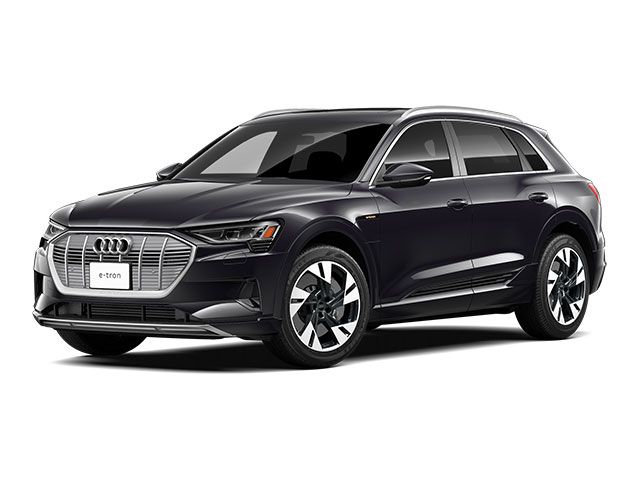
electric, automatic, 112K km, All Wheels Drive, grey, Used condition, In stock
SonicAutomotive.com
 Brentwood, United States
 Brentwood, United StatesBrentwood, United States
 Austin, United StatesRockville, United StatesRockville, United StatesRockville, United States
 Fallston, United StatesArlington, United StatesNashville, United States
 United States
 United States
 United States
 United States
 Northglenn, United States
 Grand Junction, United StatesRoseville, United StatesWalnut Creek, United States
 BelgiumBelgiumBelgiumBelgiumBelgiumBelgiumBelgiumBelgium
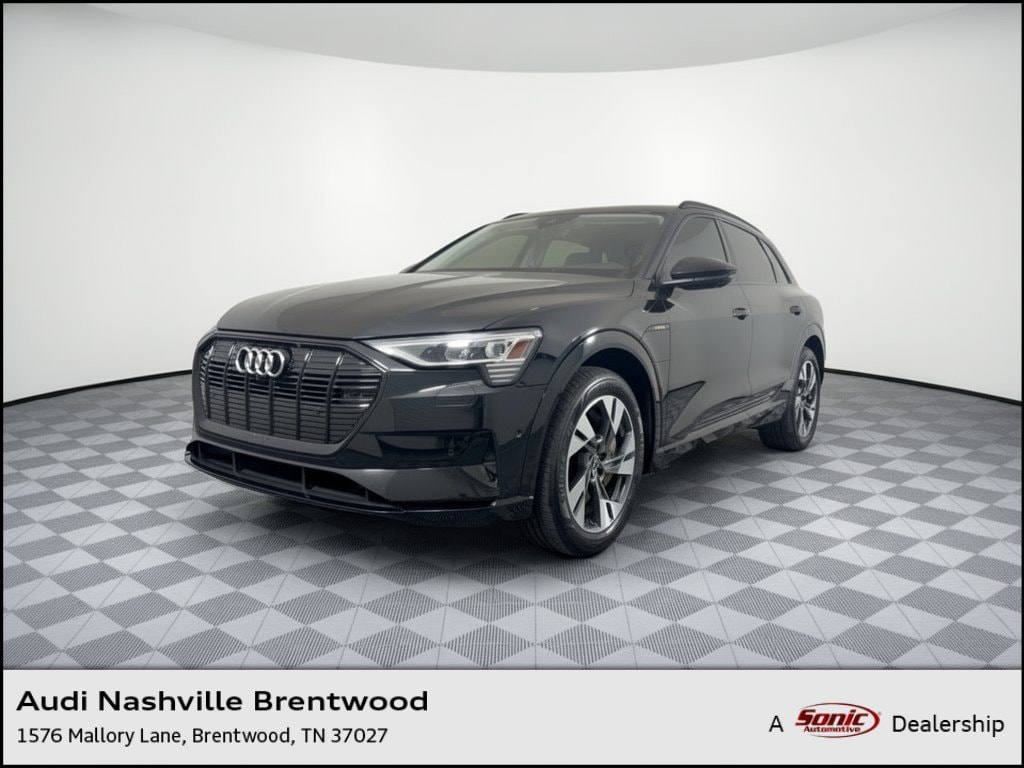
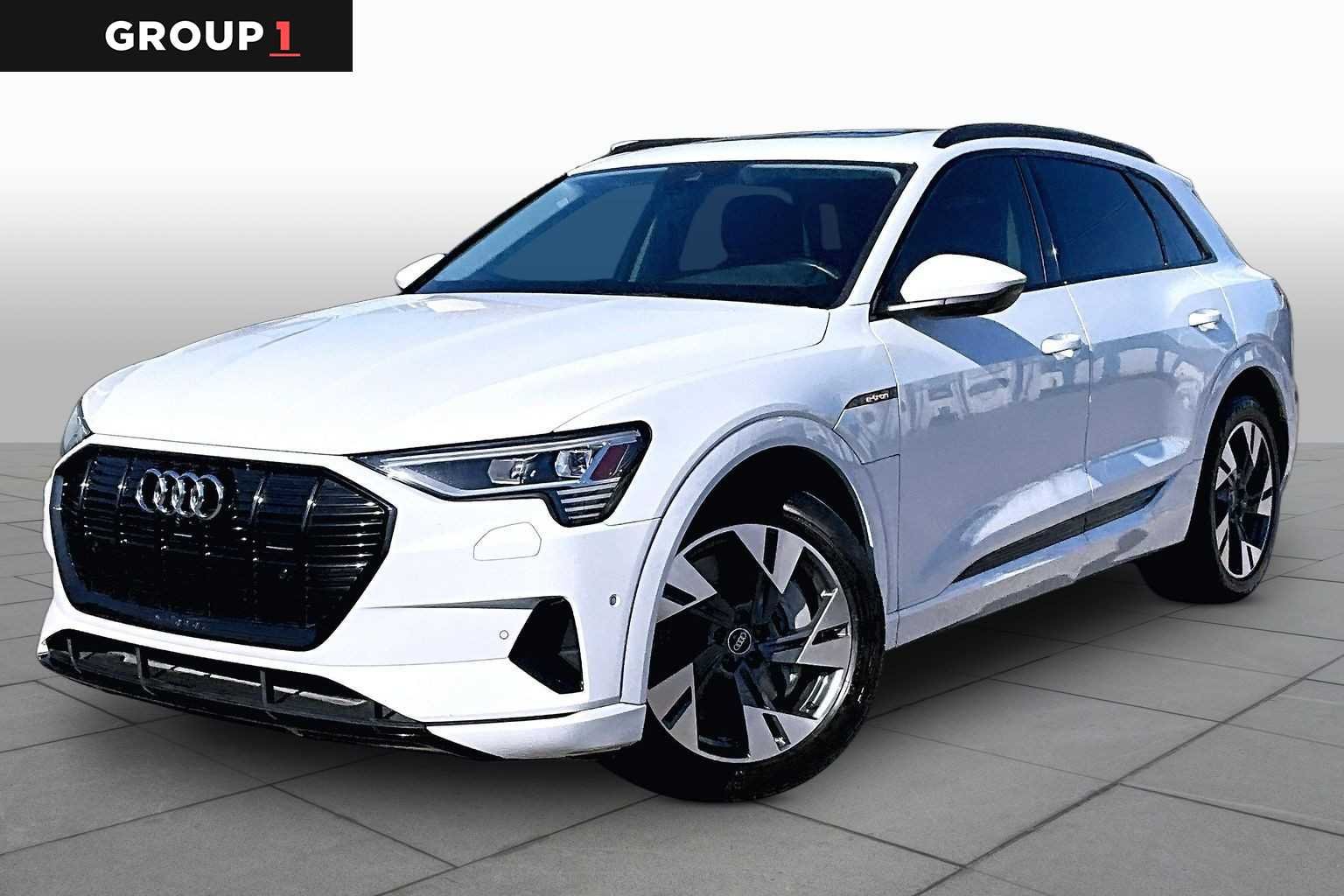
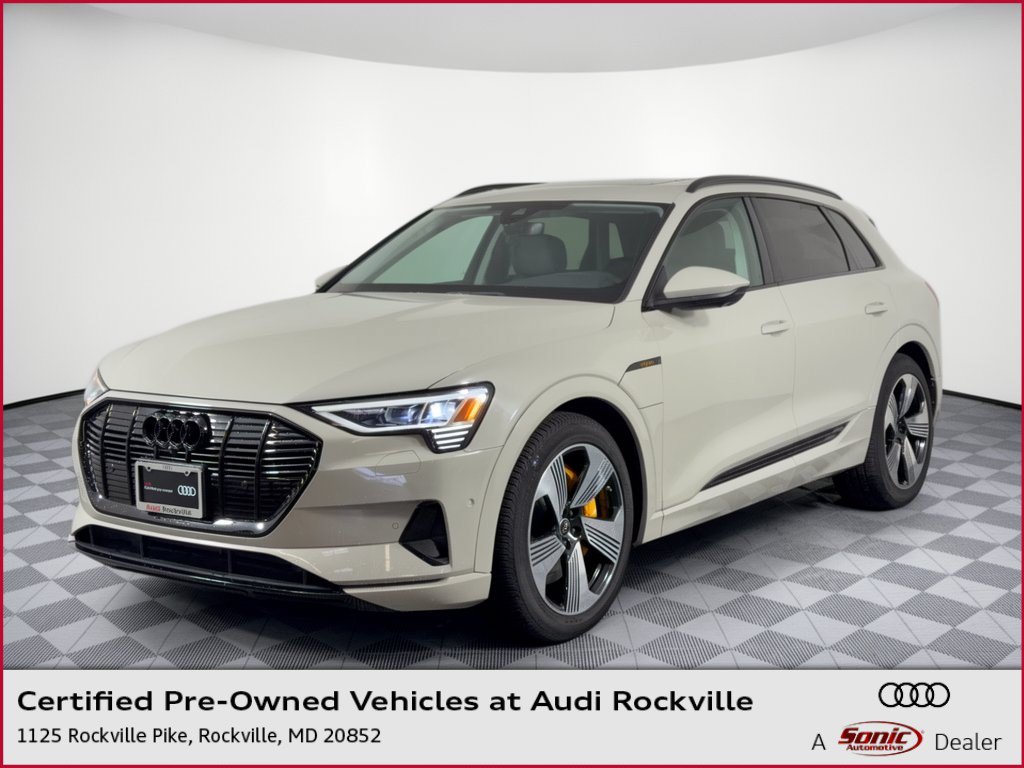
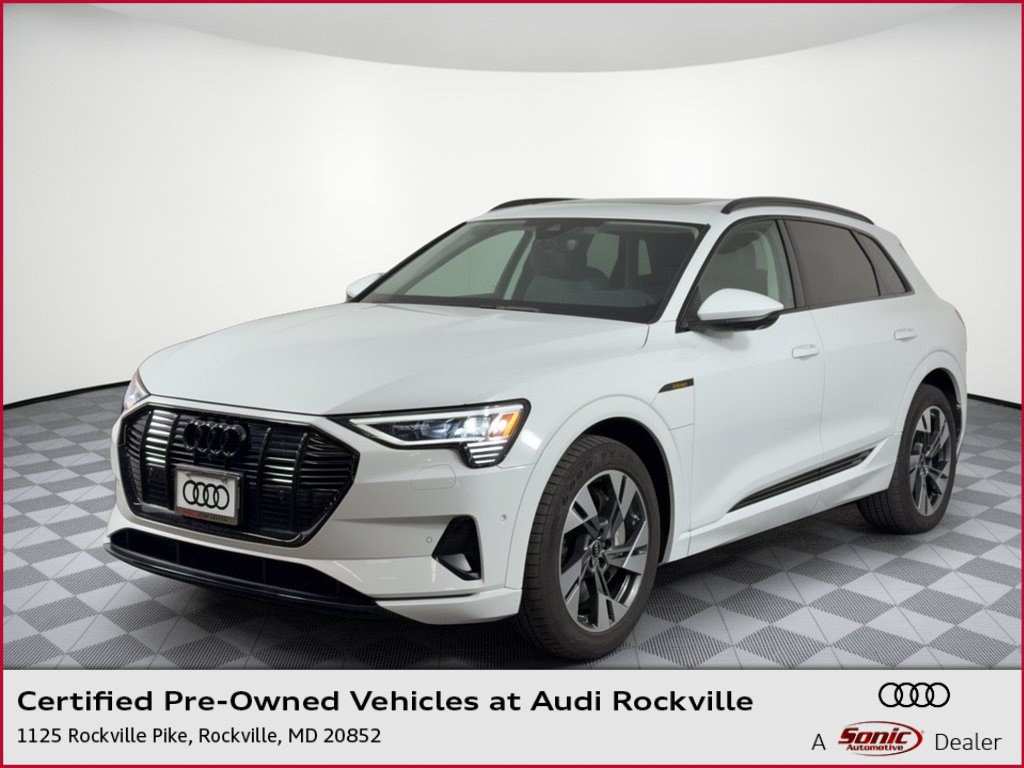
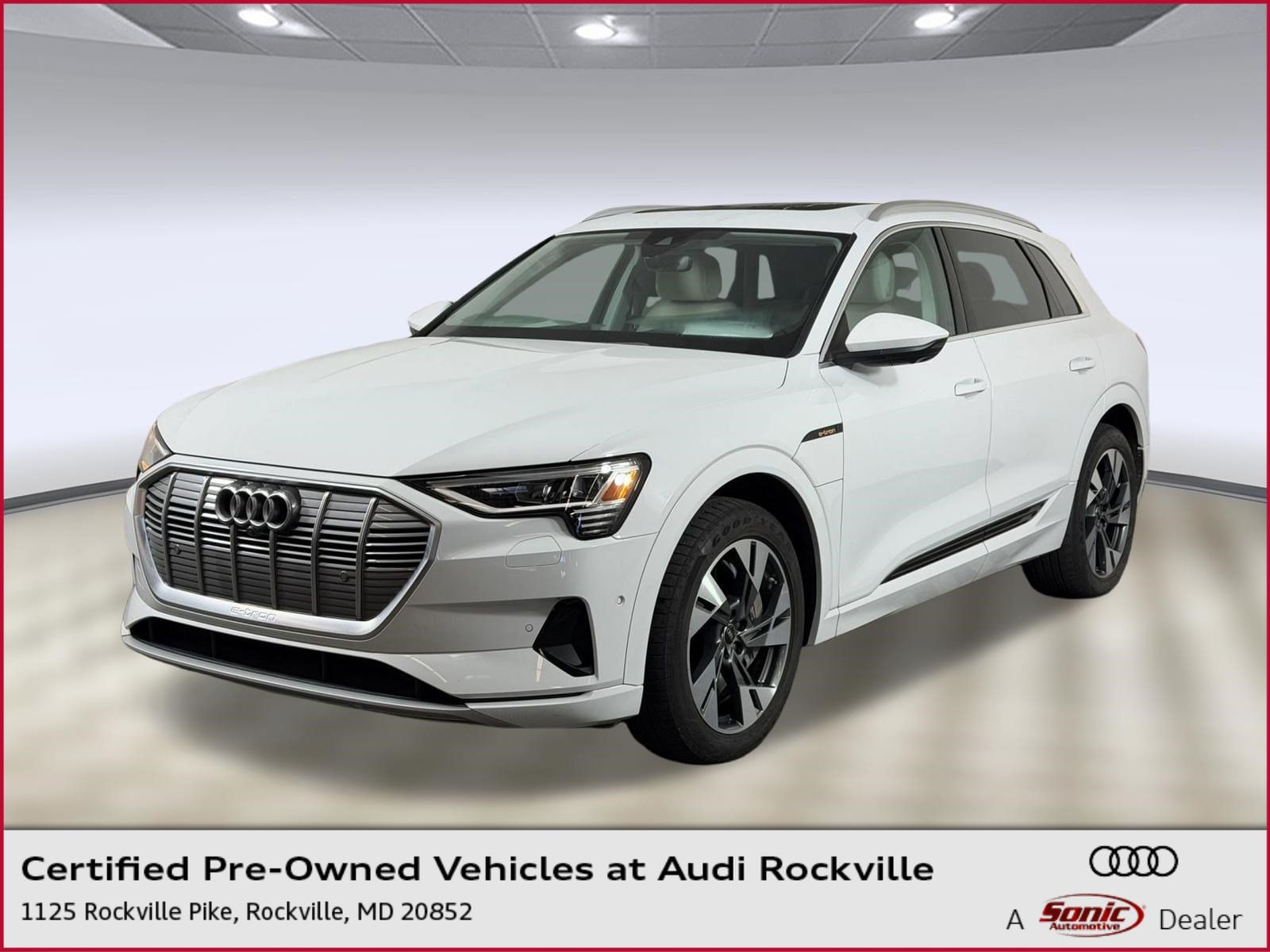
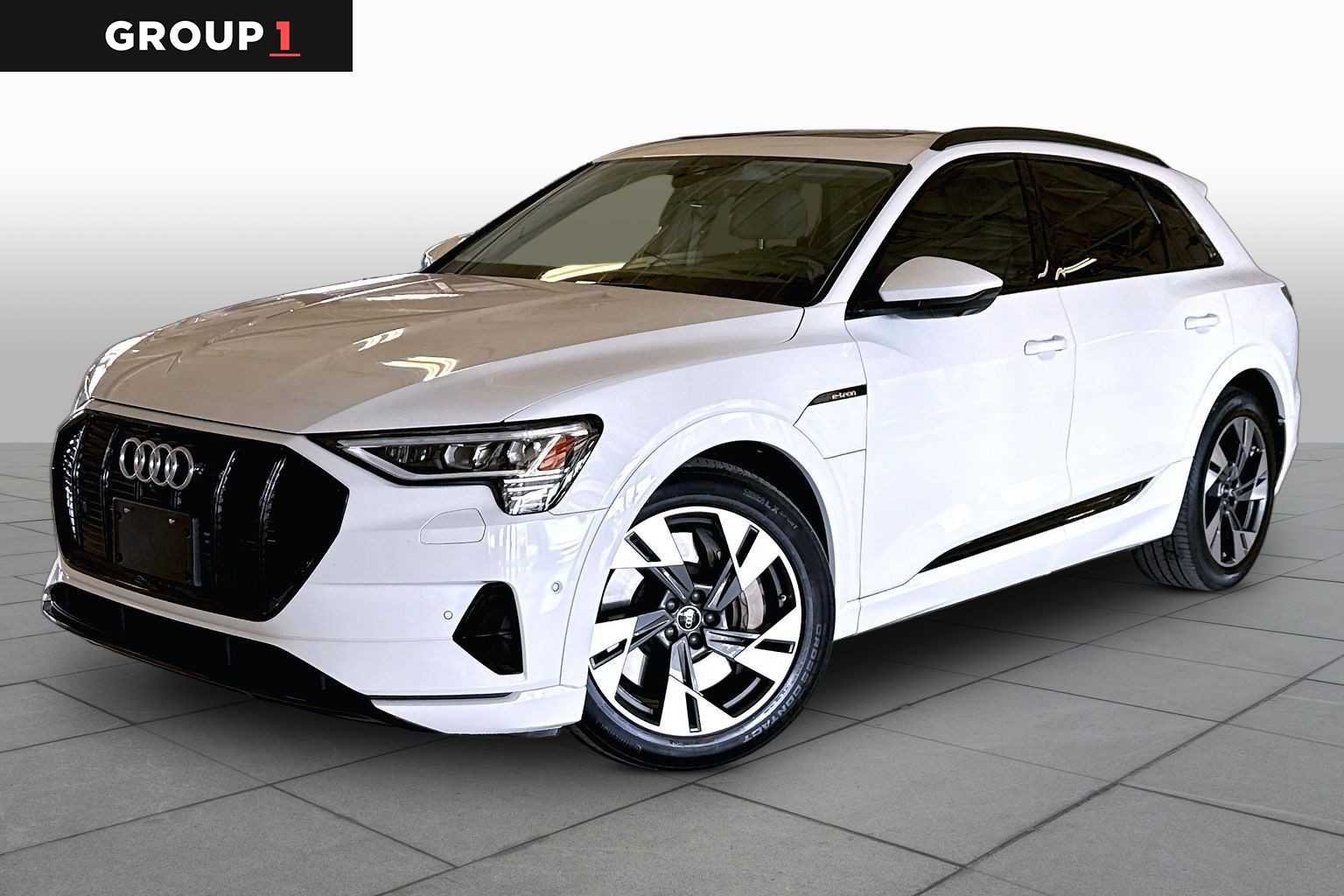
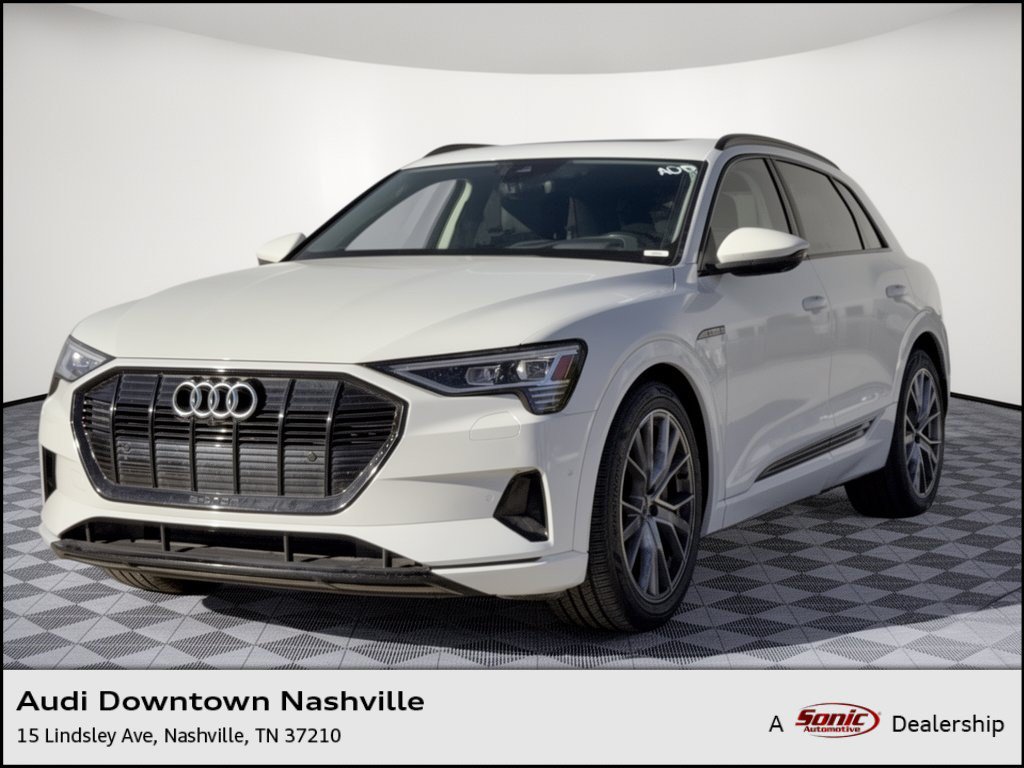
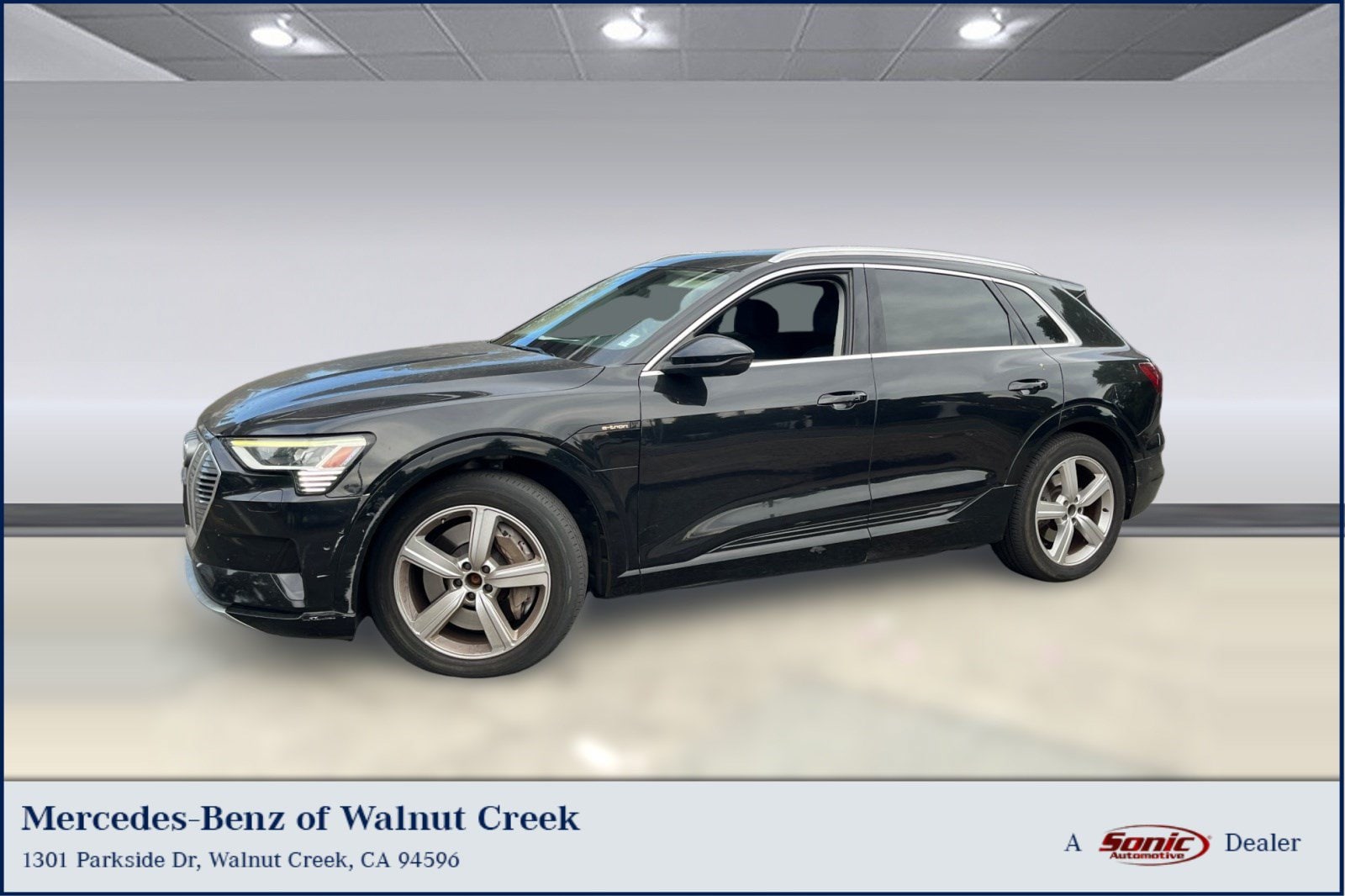
The Audi e-tron represents a fully electric future for one of the world's most trusted luxury brands. If you’re considering buying or selling this model, you’ll want to understand how different generations, battery options, and body styles affect price, reliability, and everyday usability. Below we cover what matters most to buyers and sellers, including battery range, charging options, powertrain variants, and practical considerations for your city and country.
When you search for an Audi e-tron, you’ll typically encounter two main body styles: SUV and sportback. Each generation brings tweaks to range, performance, and interior tech. For many, the deciding factors are year, mileage, price segment, and whether the car includes essential features like adaptive cruise control, premium audio, and driver assistance systems. Common questions include: how far can the e-tron travel on a single charge, what charging options are compatible with local networks, and how reliable is the electric drivetrain over time.
Key considerations:
Audi released variations of the e-tron with incremental improvements. While all variants are electric, buyers often compare:
For sellers, highlighting recent service history, battery health, and any remaining factory warranties can boost confidence. Buyers will also look at tires, brakes, and whether recent maintenance aligns with the vehicle’s blend of luxury and efficiency.
If you’re in a city with robust charging networks, buyers may prioritize range and charging speed. In regions with limited fast-charging access, the emphasis shifts to efficiency, battery health, and total cost of ownership. By understanding these factors, you can make informed decisions whether you’re listing an Audi e-tron for sale or evaluating a purchase for your daily commute.
In summary, the Audi e-tron remains a compelling option for electric luxury in many markets. By focusing on year, mileage, battery health, charging compatibility, and trim level, you’ll better navigate prices and buyer expectations while negotiating confidently.
 Add as preferred sourceSee more from zvelta in Google Search Add as preferred source