 EN
DEALER

15.498 US$DEALER
15.799 US$
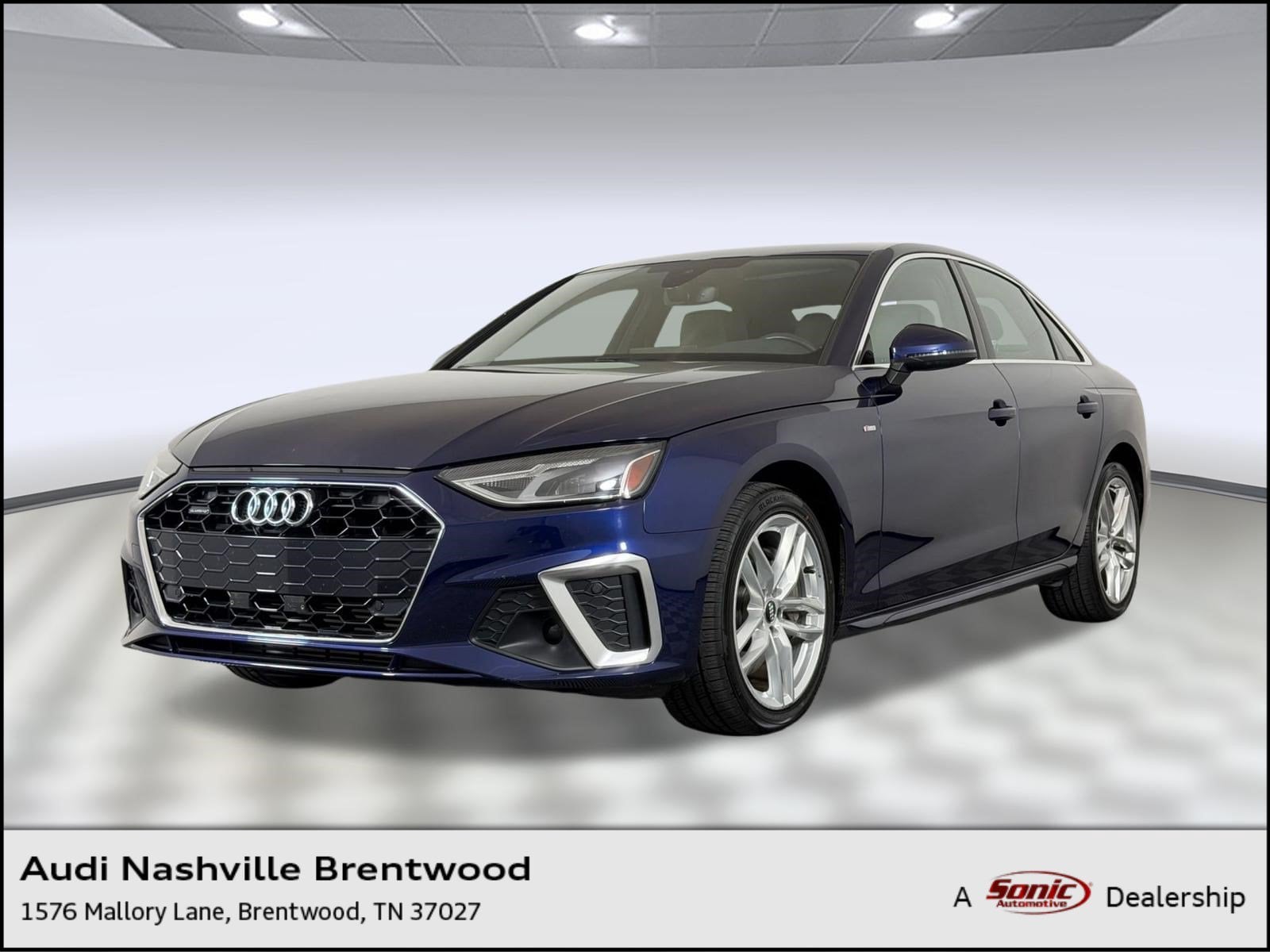
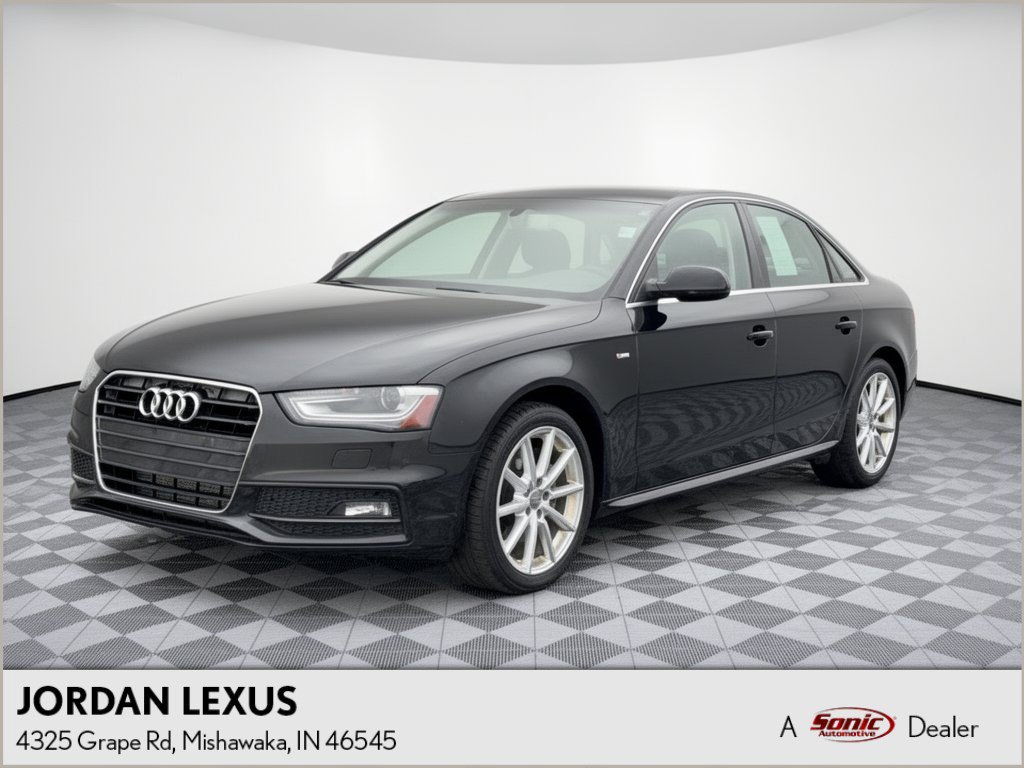
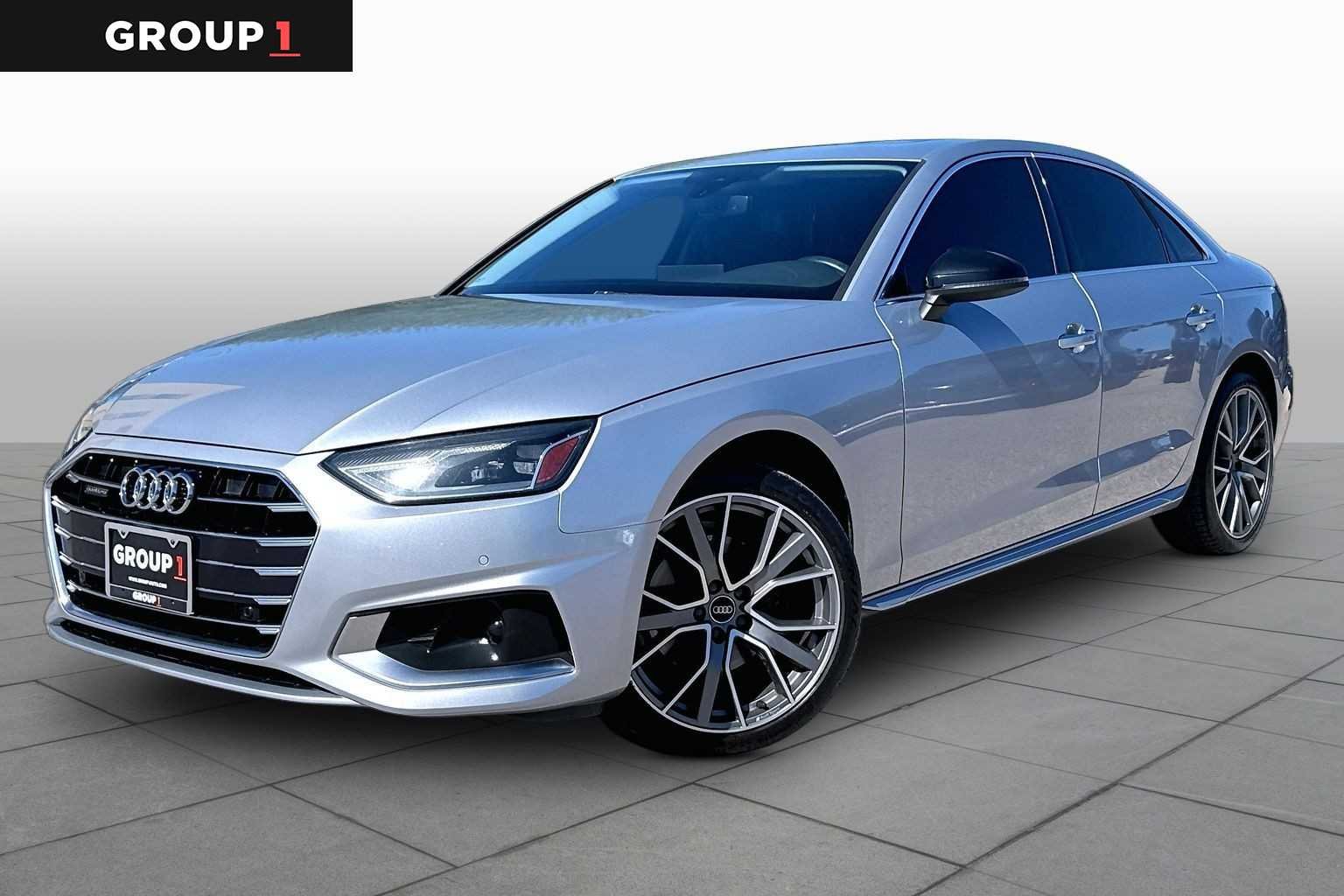
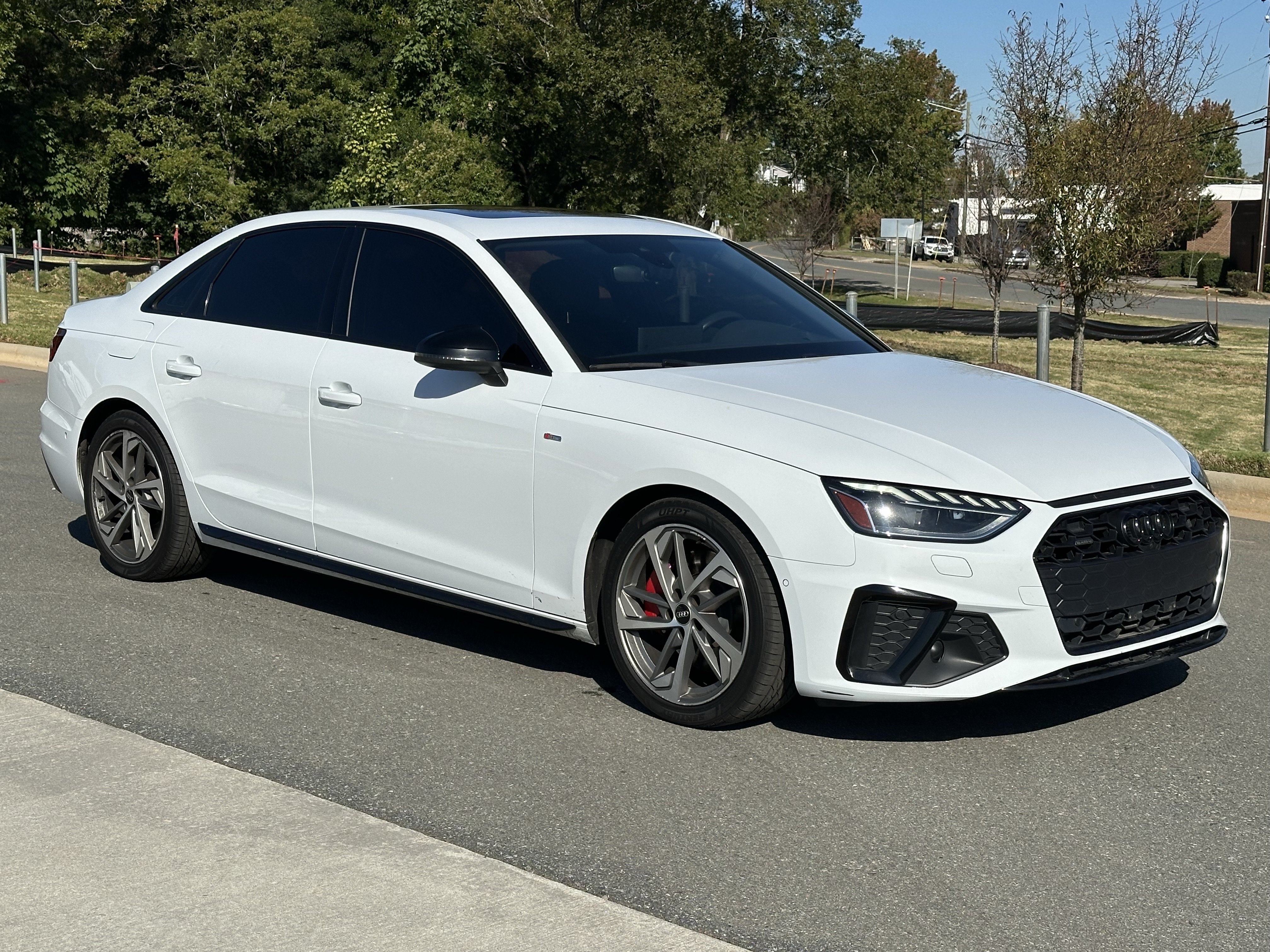
gasoline, automatic, 148K km, All Wheels Drive, 2,000 cm3, black, Premium Plus, Used condition, In stock
SonicAutomotive.com
 Brentwood, United States
 Brentwood, United StatesBrentwood, United StatesBrentwood, United StatesBrentwood, United StatesMishawaka, United States
 Austin, United States
 Main Settlement, United States
 Midtown, United StatesRockville, United StatesRockville, United StatesRockville, United StatesRockville, United StatesRockville, United StatesEl Paso, United States
 Metrocenter / North Roads Park, United States
 Belmont, United StatesCharlotte, United StatesCharlotte, United StatesCharlotte, United StatesCharlotte, United StatesCharlotte, United StatesMacedonia, United StatesWeldon, United StatesAdams Crossroads, United StatesHouston, United States
Audi A4 is one of the most popular business sedans on both the used and new car markets. In this guide, we look at what to pay attention to when buying an Audi A4 in different cities and countries, which generations buyers choose most often, and how they differ in engines, body styles, and technical features. We cover the key points from model year and mileage to price brackets and favorable sale conditions.
The A4 has been produced in several generations, and each has its own strengths. Depending on the model year and generation, you may find different levels of technology, comfort, and fuel economy. On the market today, there are petrol and diesel versions, as well as hybrid variants. Pay close attention to service history and the condition of the turbo system, clutch, and suspension, especially if the car already has substantial mileage.
The key factors that most buyers focus on are:
When buying an Audi A4 in any city, it is worth considering the availability of servicing and spare parts. In capitals and major regional centers, it is usually easier to find cars with a full service history and support from large dealer networks. In smaller regions, you may come across lower-mileage examples more often, but a careful technical inspection becomes even more important. Review prices across these segments:
From an ownership perspective, it is also worth thinking about how the car will fit into your everyday routine. A well-chosen A4 can feel easy to live with, comfortable on longer drives, and practical enough for daily errands or commuting. Before committing, ask yourself whether you value lower running costs, a richer equipment list, or a body style that better suits family or cargo needs.
Audi A4 prices vary depending on model year, mileage, and overall condition. In larger cities, you can find entry-level options with moderate mileage and basic equipment, while the premium segment usually includes newer versions with a full set of features. Consider the total cost of ownership, including insurance, fuel, and maintenance. It is a good idea to compare several listings, check the service history carefully, and see whether original parts were used.
A trustworthy listing usually feels transparent: clear photos, a detailed equipment description, documented maintenance, and consistent information about mileage and repairs all help you understand what kind of ownership experience to expect.
Audi A4 remains a solid choice for drivers who want to combine style, comfort, and practicality. Good preparation before buying will help you find a car that fits both your budget and your personal needs, while careful preparation for sale can help pass the car on to its next owner on the best possible terms.
 Add as preferred sourceSee more from zvelta in Google Search Add as preferred source