 EN
ENDEALER

66.799 US$DEALER
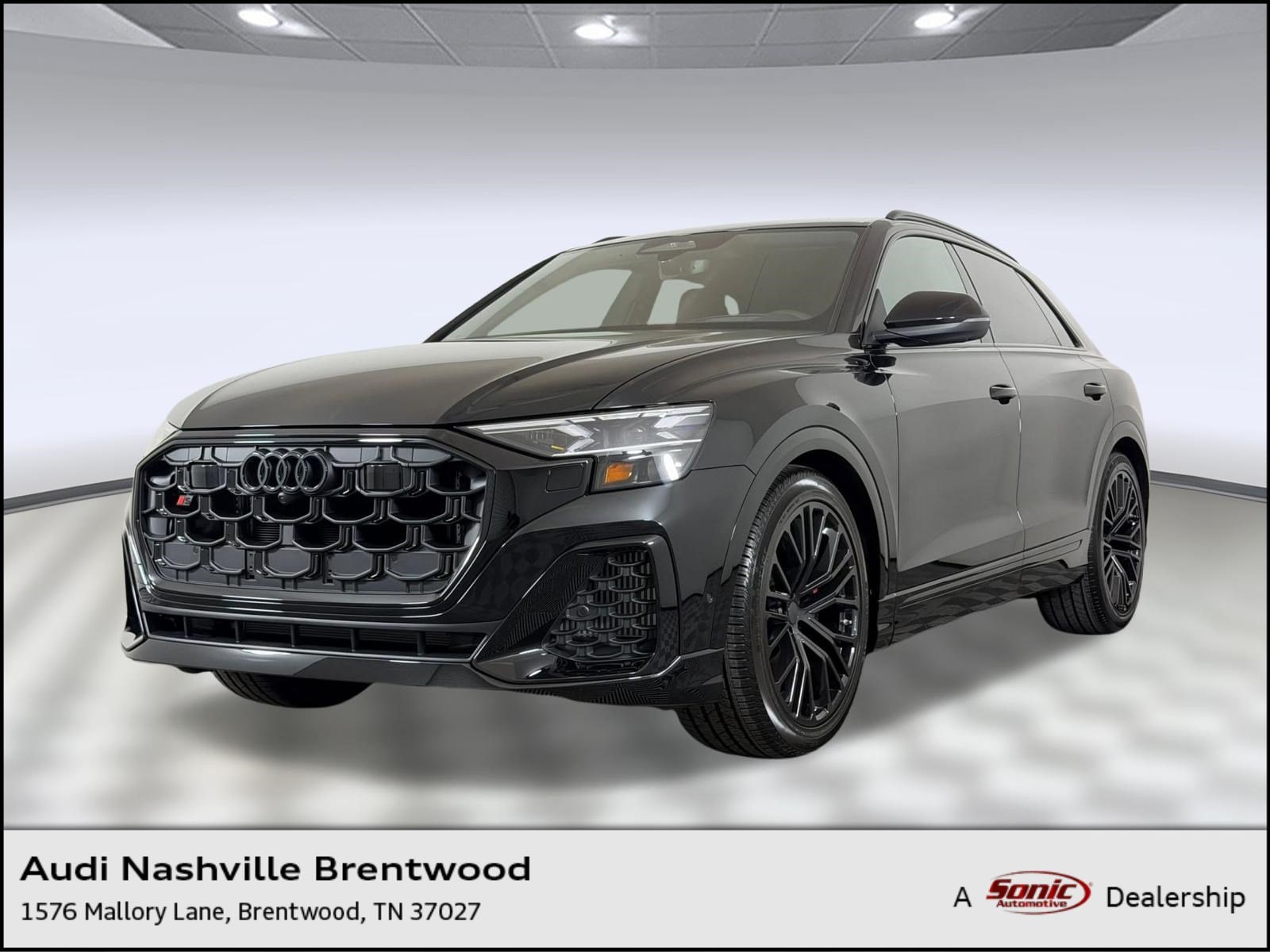
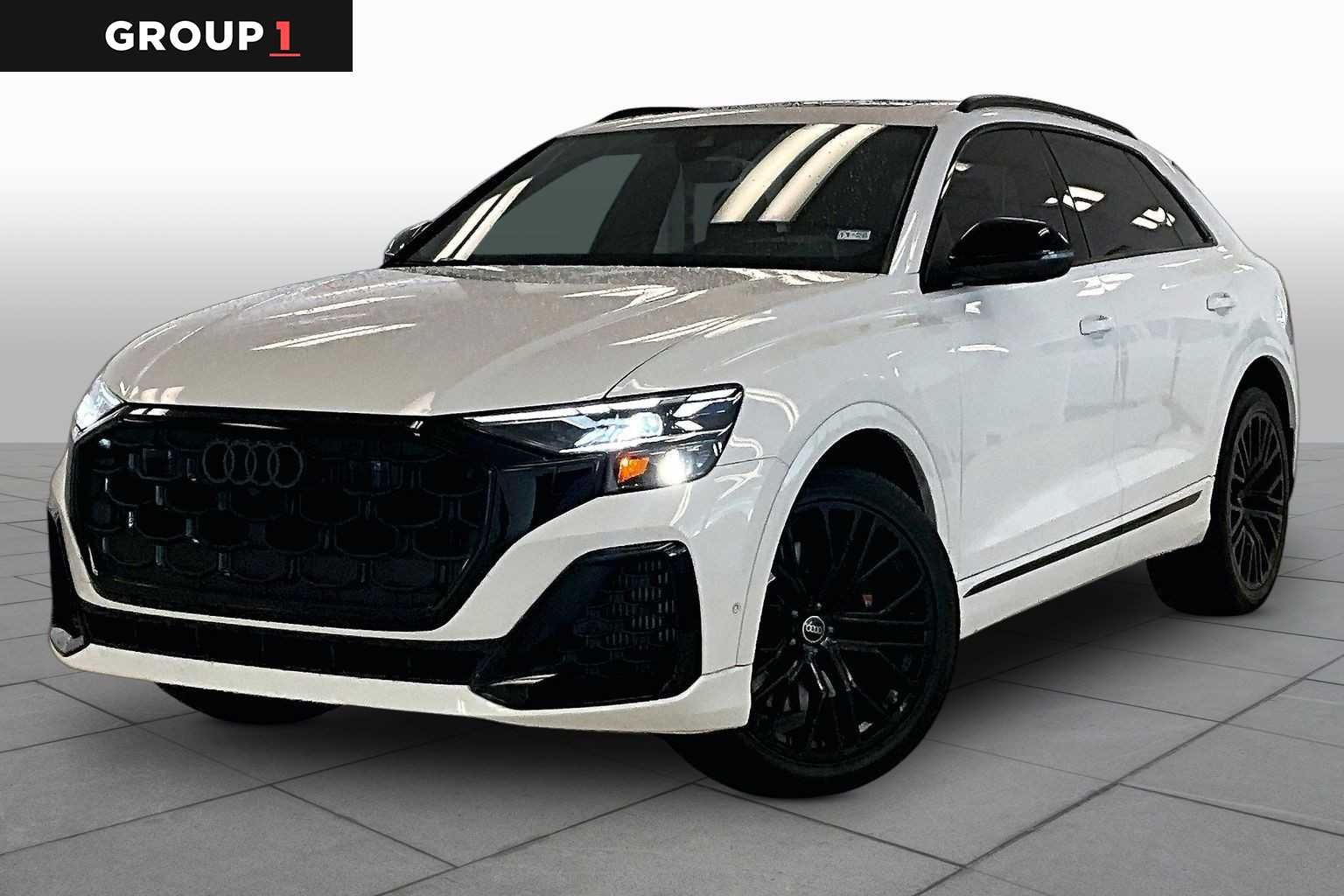
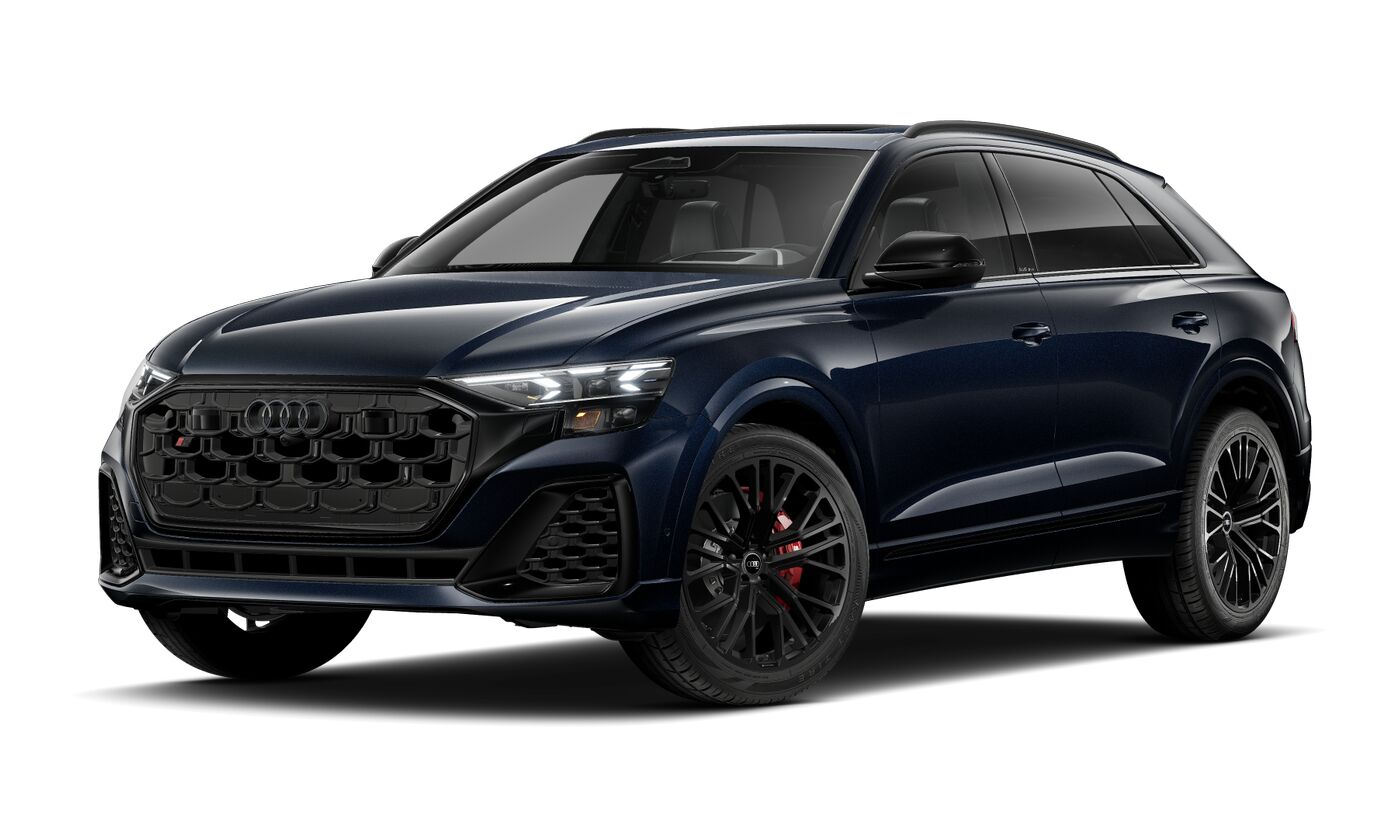
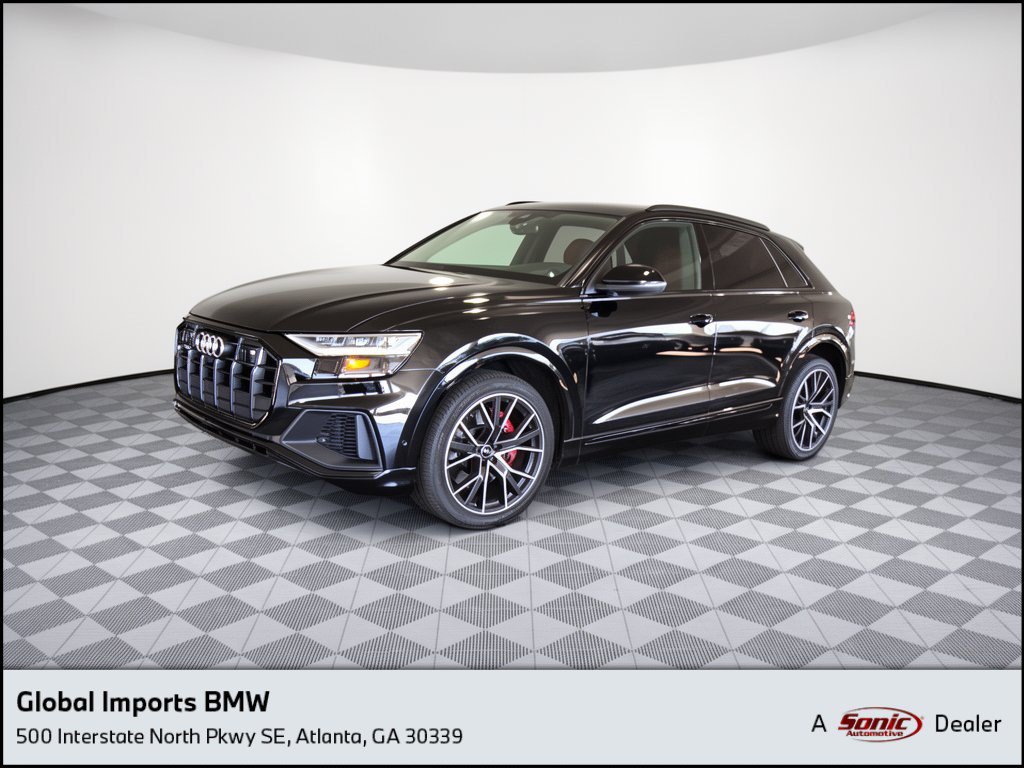
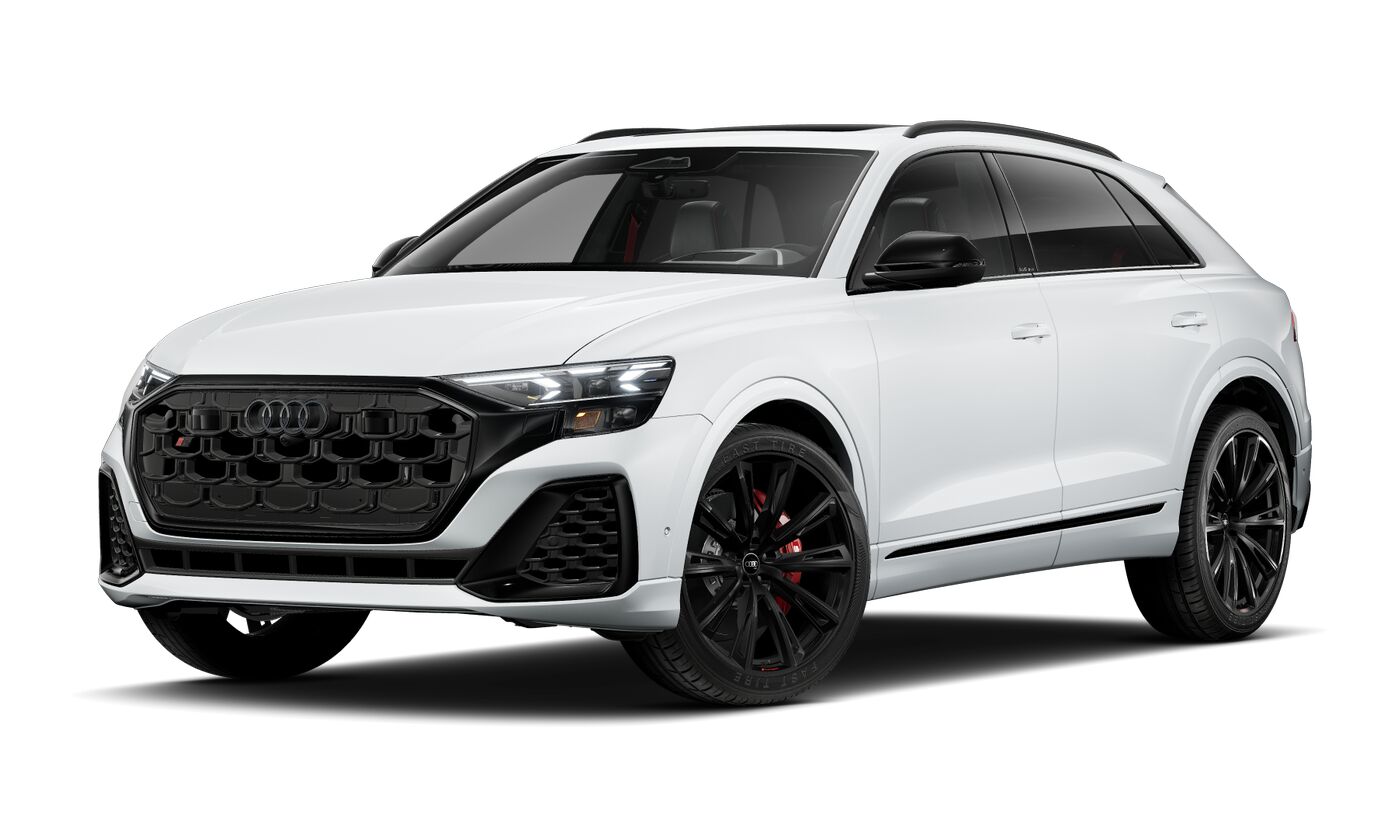
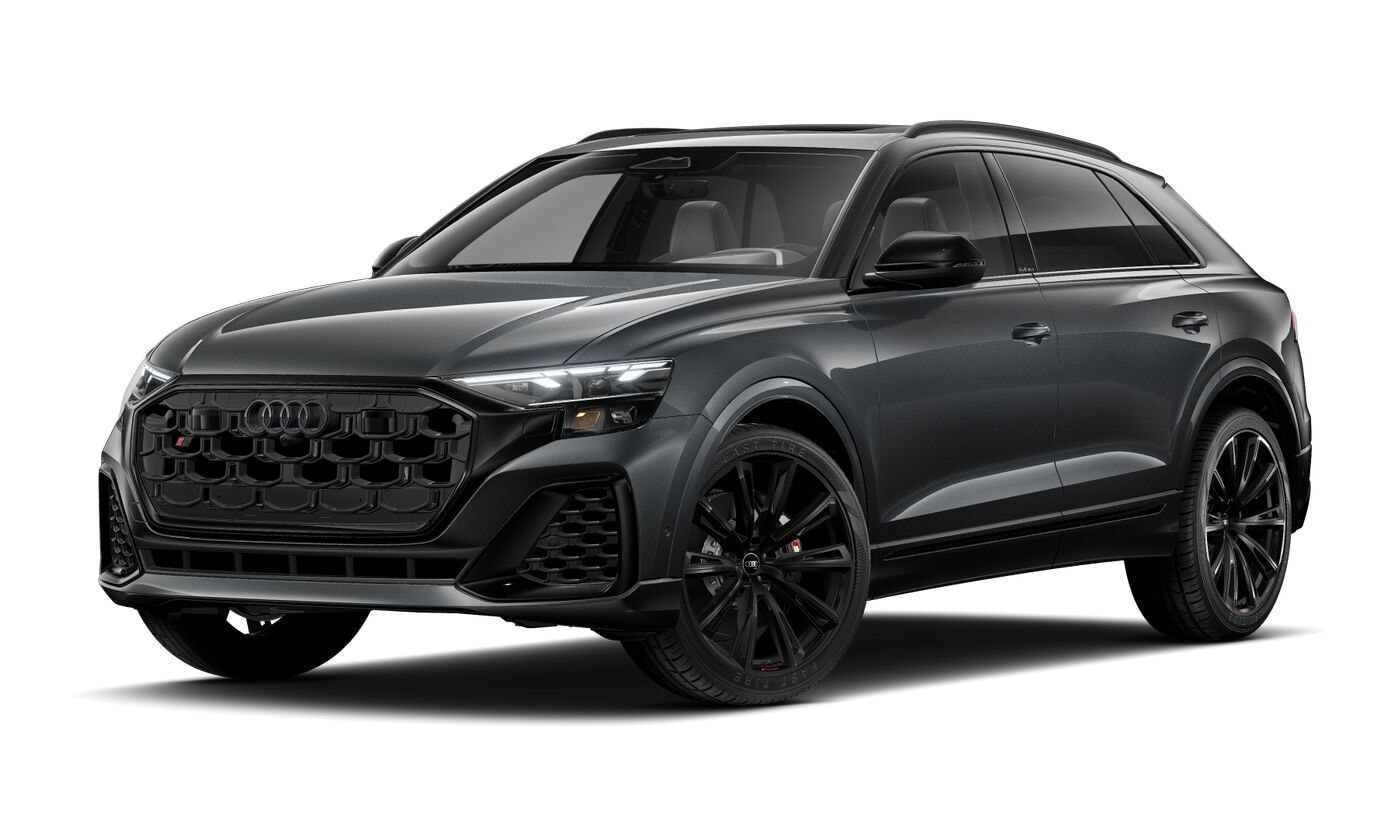
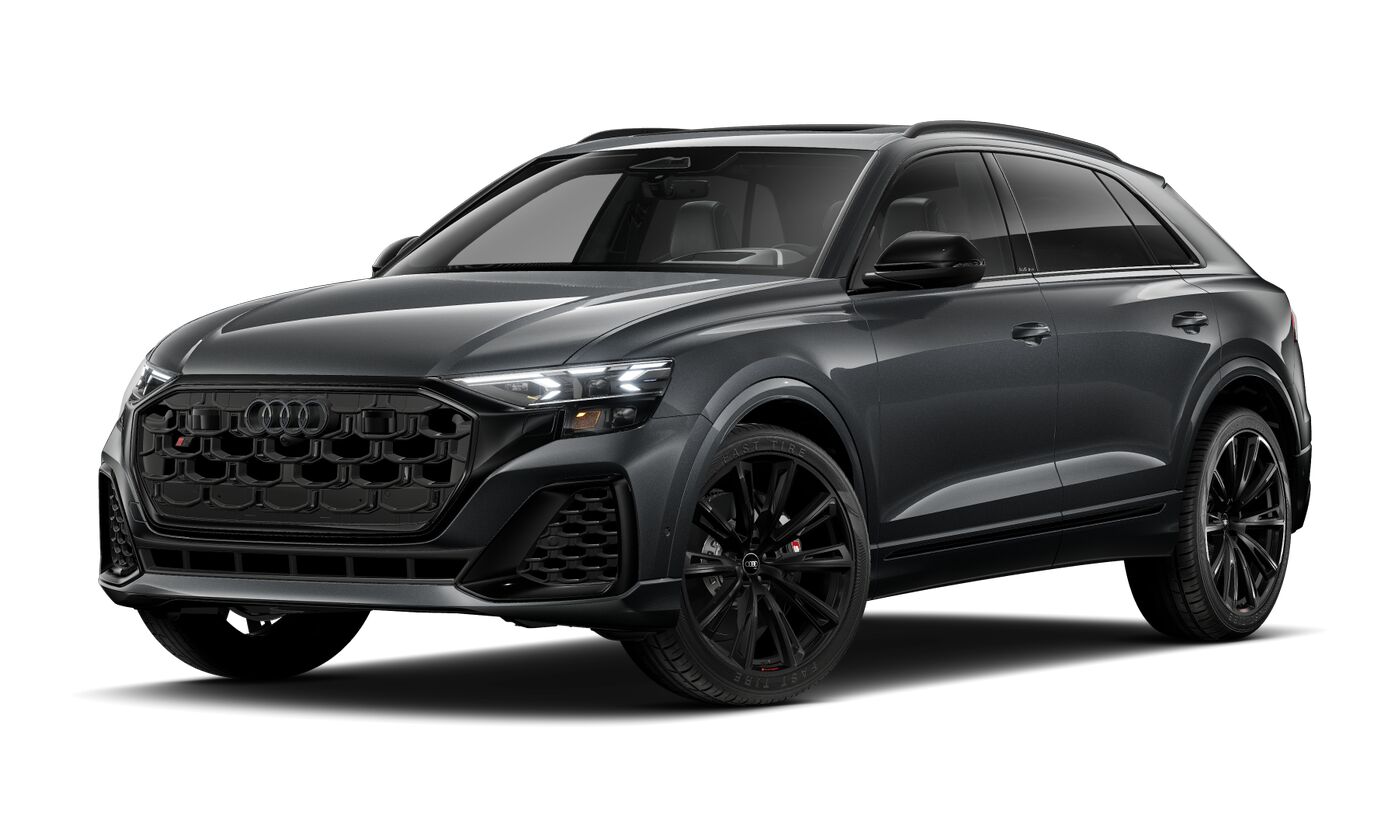
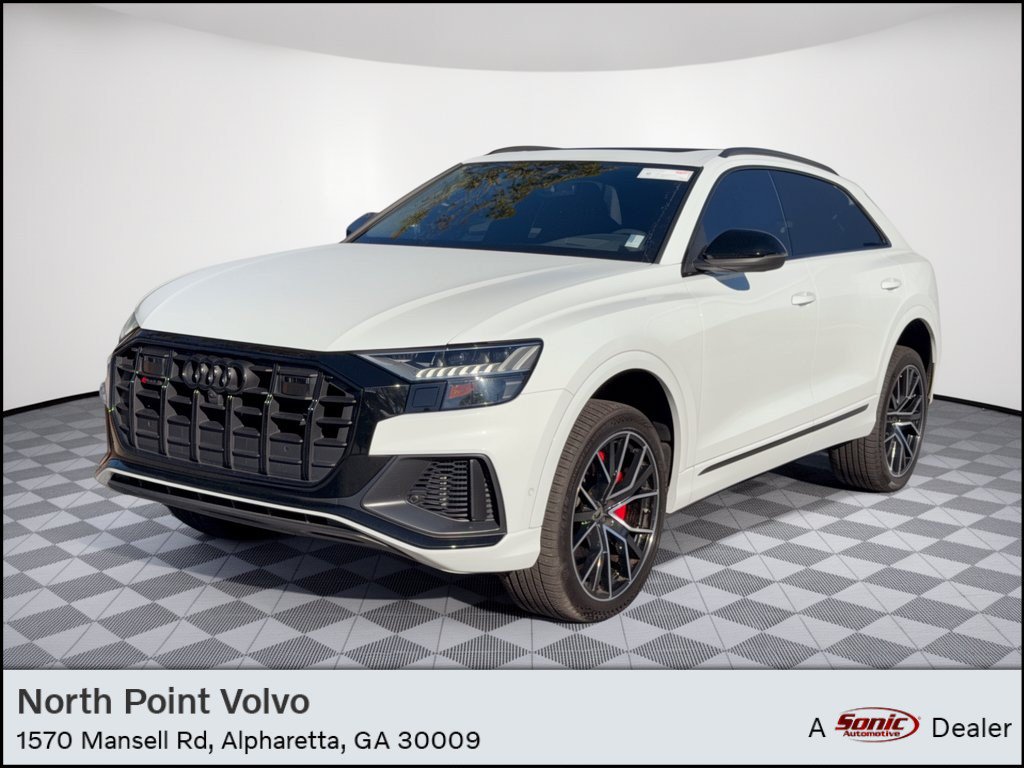
gasoline, automatic, 43K km, All Wheels Drive, 4,000 cm3, 500 hp, white, Used condition, In stock
SonicAutomotive.com
 Brentwood, United States
 Brentwood, United StatesBrentwood, United States
 Southwest, United States
 Austin, United StatesAustin, United StatesAustin, United StatesMain Settlement, United StatesMidtown, United StatesRockville, United StatesRockville, United StatesRockville, United StatesRockville, United StatesAtlanta, United StatesGarrison, United StatesCharlotte, United StatesCharlotte, United StatesCharlotte, United StatesCharlotte, United StatesCharlotte, United StatesCharlotte, United StatesCharlotte, United StatesCharlotte, United StatesCharlotte, United StatesCharlotte, United StatesAlpharetta, United States
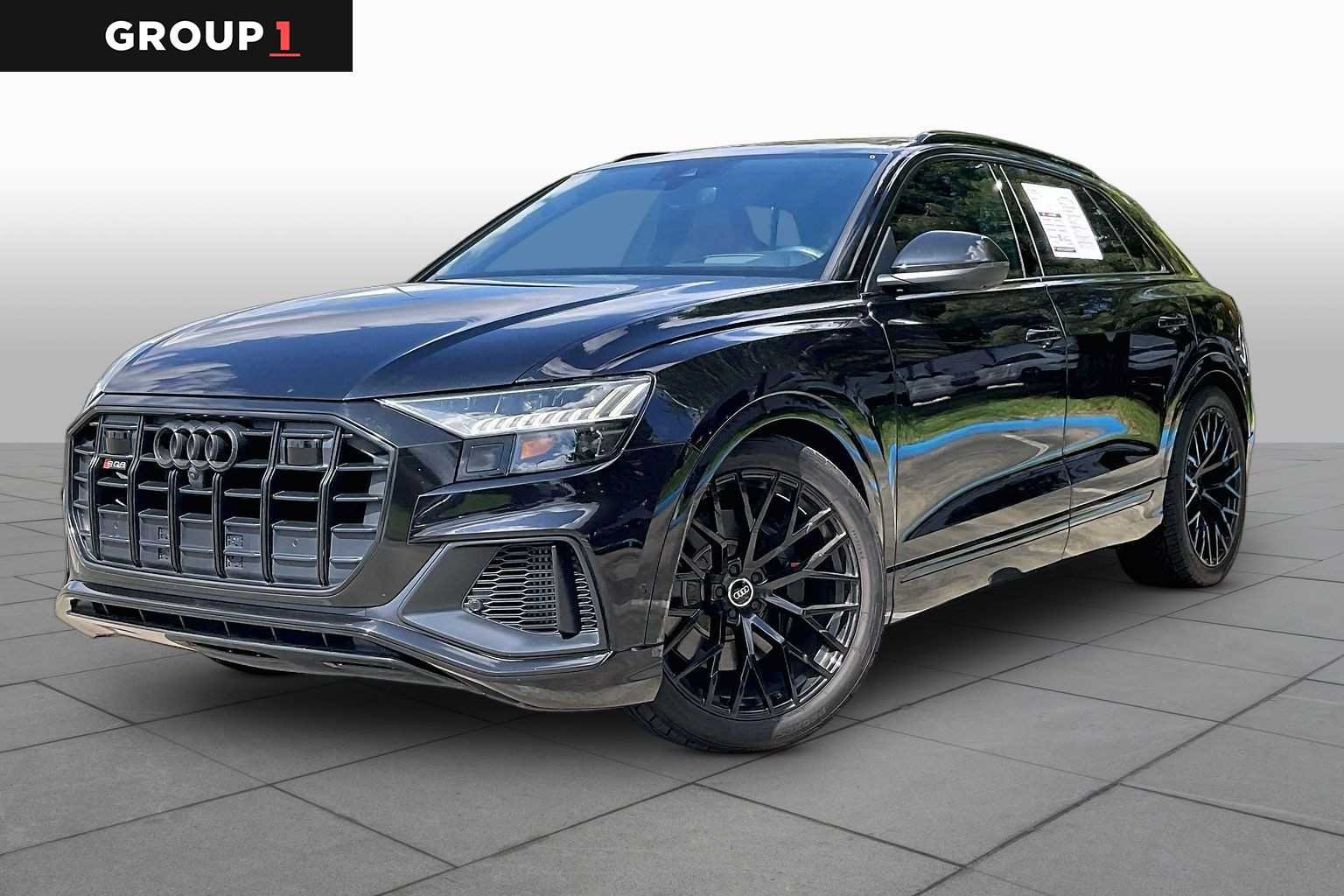
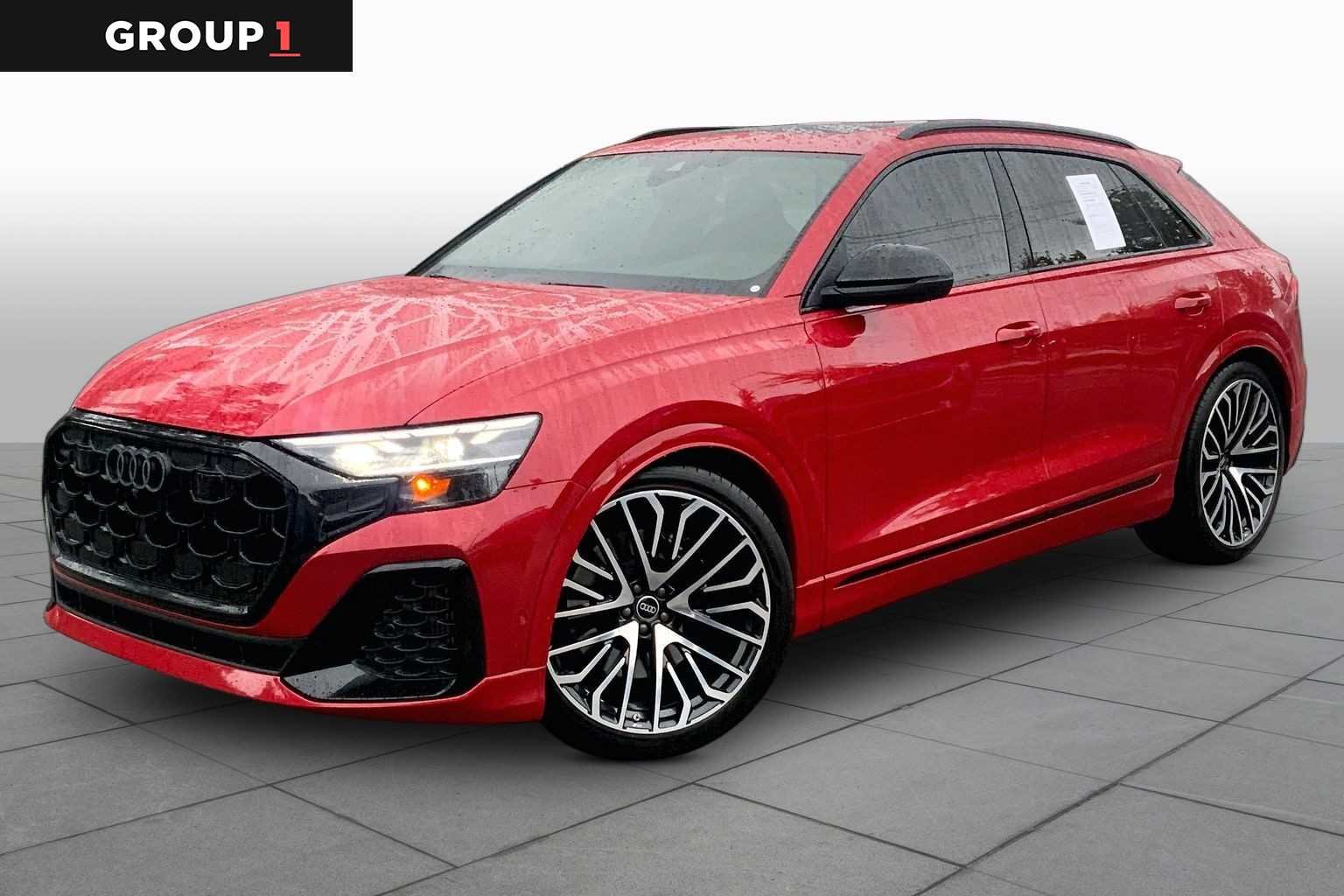
The Audi SQ8 stands out in the luxury SUV segment with a blend of power, comfort, and everyday practicality. If you’re in the market for a high-performance SUV in cities like Berlin, Madrid, or Milan, understanding the key aspects of the Audi SQ8 helps you compare generations, trims, and condition before buying. This guide focuses on the SQ8’s core details—brand, model, generation, fuel options, body type, year, mileage, and typical price ranges—so you can make an informed decision on a fair deal.
When shopping for an SQ8, buyers consider the engine options, transmission, and overall driving experience. Early generations prioritized a turbocharged V8 for strong acceleration, while newer variants emphasize efficiency and updated tech. Common questions include: which engine is best for daily driving, what mileage is reasonable for its age, and which body styles exist (SUV with coupe-like lines and premium interior).
Key factors to compare:
A practical approach is to inspect the vehicle history, confirm the trim level, and test the ride quality. Look for signs of engine wear, transmission smoothness, and brakes. Confirm the generation details, confirm the mileage aligns with the car’s age, and verify whether maintenance records exist for items like timing chains and turbochargers. When you are comparing units from different countries or cities, consider import duties, local taxes, and any climate-related wear.
If you are selling, present a clean history, documented maintenance, and clear photos of the engine bay and interior. A well-described listing with mileage, year, and the exact model variant helps attract serious buyers in any city.
 Add as preferred sourceSee more from zvelta in Google Search Add as preferred source