EN
EN

Frequently asked questions
Aston Martin CEO Adrian Hallmark said the V12 could remain in use until at least 2035, provided annual V12 sales stay below 1,000 cars. The article notes that this is based on his interview comments, not a separate legal document from the company.
The V12 is intended for flagship Gran Turismo models and limited editions. The Vanquish is its clearest confirmed application, while models such as Valour and Valiant are described as suitable for the engine. Aston Martin has not disclosed the full list of future V12 models.
The 5.2-liter twin-turbo V12 produces 835 hp and 1,000 Nm of torque. Aston Martin unveiled the new-generation engine on May 1, 2024, and introduced it in the production third-generation Vanquish on September 2, 2024.
Aston Martin has no plans to give up its twelve-cylinder engine any time soon. The company has already adapted its 5.2-liter twin-turbo V12 to current European and U.S. requirements, and the limited production volume should allow it to stay in use until at least 2035.
The key condition is to keep sales of V12 models below 1,000 cars a year. Aston Martin CEO Adrian Hallmark said this in an interview with Auto Express published on July 6, 2026. Car and Driver later summarized his remarks on July 8, and the topic surfaced again in automotive media on July 13.
This is not about bringing the V12 back across the entire brand lineup. The engine will remain the preserve of flagship Gran Turismo models and limited editions, while the core range will evolve around V8 units, 48-volt hybrid systems, and eventually electric vehicles.
Why the sub-1,000-car volume matters
Hallmark said that if annual V12 sales stay below 1,000 units, Aston Martin will be able to rely on small-volume exemptions at least through 2035. The company has not published a separate legal document explaining how the rules apply to specific models and markets, so the CEO's comments are still the main source for this figure.
Special conditions do apply in the European Union for small manufacturers. The European Commission's official page on CO2 standards for cars states that manufacturers responsible for fewer than 1,000 new registrations a year are exempt from the individual emissions target for the following year. Other low-volume companies can also request separate relief.
These rules do not mean that any engine is automatically allowed until 2035. Certification, pollutant-emissions requirements, fleet-average figures, and the rules of each individual market still have to be taken into account. Aston Martin expects to keep the V12 alive through a combination of technical updates and extremely limited production.
The new V12 arrived only in 2024
On May 1, 2024, Aston Martin officially unveiled the new-generation V12. In the announcement marking the start of a new V12 era, the company quoted output of 835 hp and 1,000 Nm of torque.
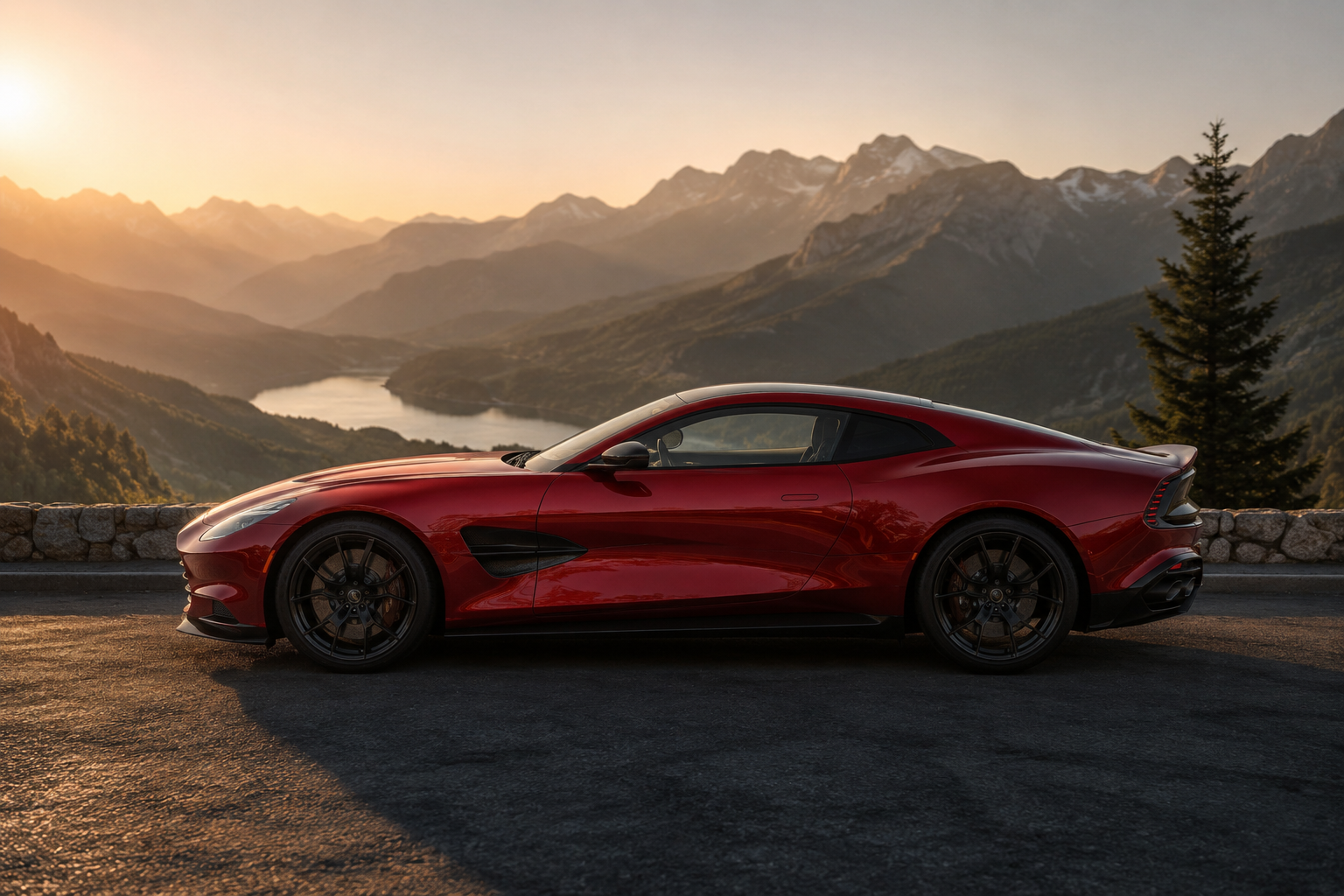
Although the 5.2-liter displacement and twin-turbo layout remained, the engine received revised cylinder heads, camshafts, intake and exhaust ports, new injectors, and lower-inertia turbochargers. The manufacturer immediately made it clear that this engine was intended for its most expensive and rarest models.
On September 2, 2024, the engine made its debut in the production third-generation Vanquish. According to the official Aston Martin Vanquish presentation, the car produces 835 hp, delivers 1,000 Nm, and can accelerate to 345 km/h. Production of the Vanquish itself was initially capped at fewer than 1,000 units a year.
Parameter | Confirmed data | Status |
V12 displacement | 5.2 liters | Officially confirmed by Aston Martin |
Induction | Twin turbochargers | Officially confirmed by Aston Martin |
Output in Vanquish | 835 hp | Officially confirmed by Aston Martin |
Torque | 1,000 Nm | Officially confirmed by Aston Martin |
Target annual V12 volume | Fewer than 1,000 cars | Statement from the CEO in an interview |
Expected V12 lifespan | At least until 2035 | Statement from the CEO in an interview |
Future V12 models | Full list not disclosed | Not yet known |
Where Aston Martin will keep using the V12
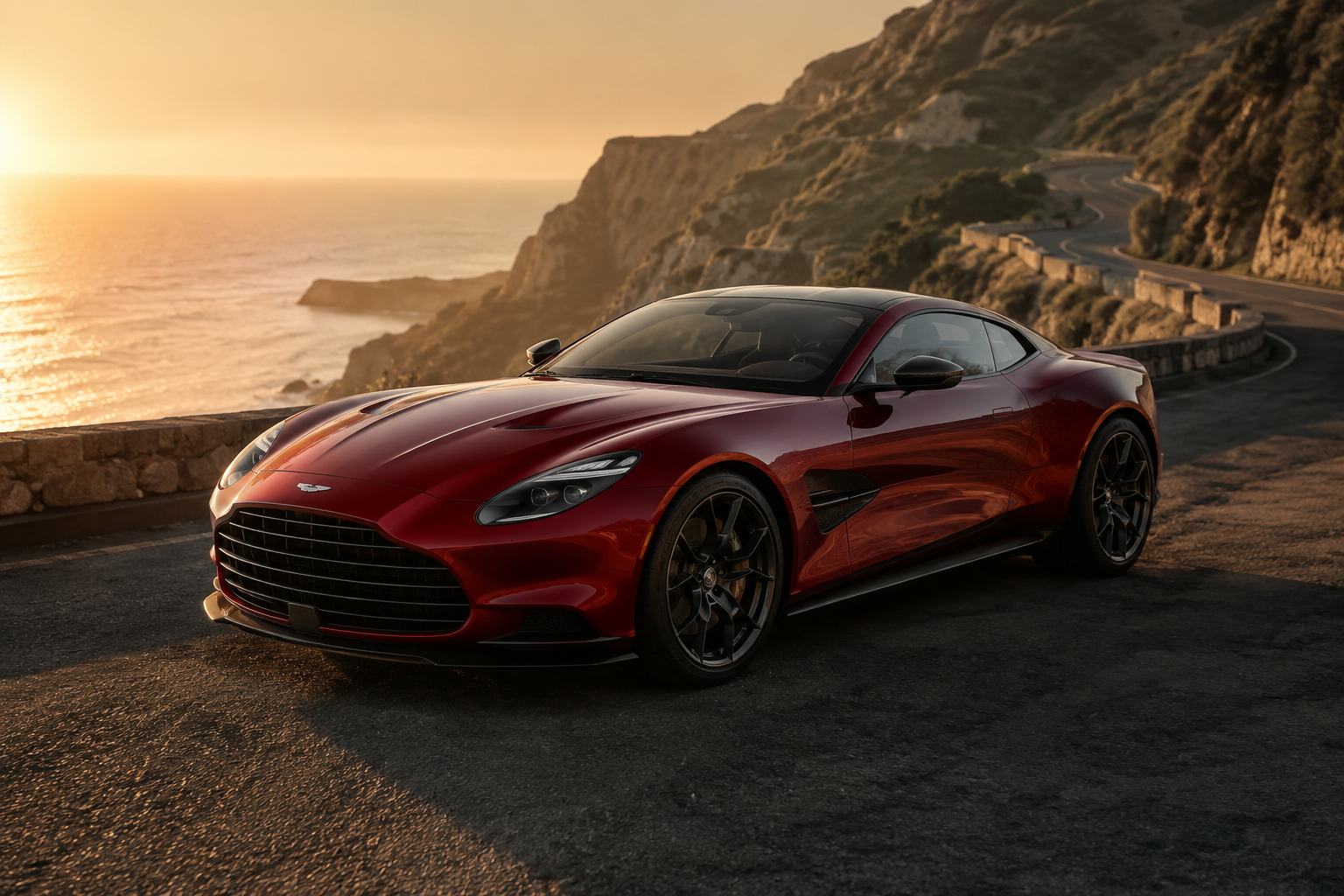
The clearest home for the engine remains the Vanquish. It sits at the top of the front-engined lineup and already fits the low-volume strategy. The V12 is also well suited to special projects such as Valour and Valiant, where a high price and limited run matter more than mass sales.
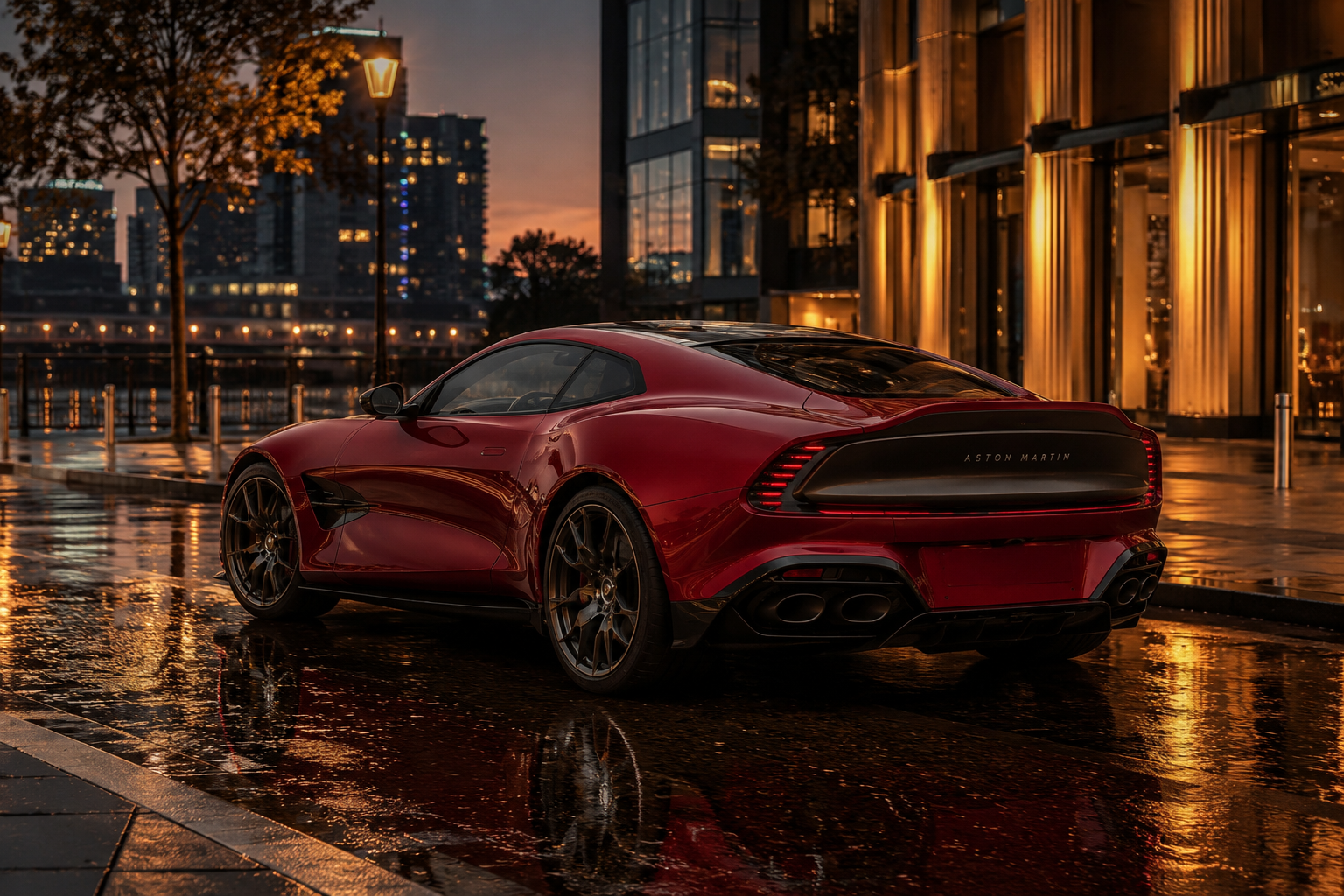
At the same time, the company has not promised that every future Vanquish generation will keep the same engine layout. Nor has it named any new limited editions that will follow the current models. The only confirmed point is the broader plan to continue building the V12 in small numbers.
Valkyrie is a separate case. Its naturally aspirated 6.5-liter V12 differs from the twin-turbo engine in the Vanquish and is not part of the same production program. That means plans for road-going and racing versions of Valkyrie cannot automatically be carried over to future Aston Martin Gran Turismo models.
New platform will unite sports cars and SUVs
Keeping the V12 is only one part of the new product strategy. In the Auto Express interview, Hallmark said Aston Martin is developing a modular architecture from scratch. It is meant to underpin the next generation of sports cars and SUVs.
According to the company chief, the new structure will make it possible to increase body rigidity without a major rise in weight. The stated development goals include stiffer suspension mounting points, rear-wheel steering, and shared components across different vehicle types.
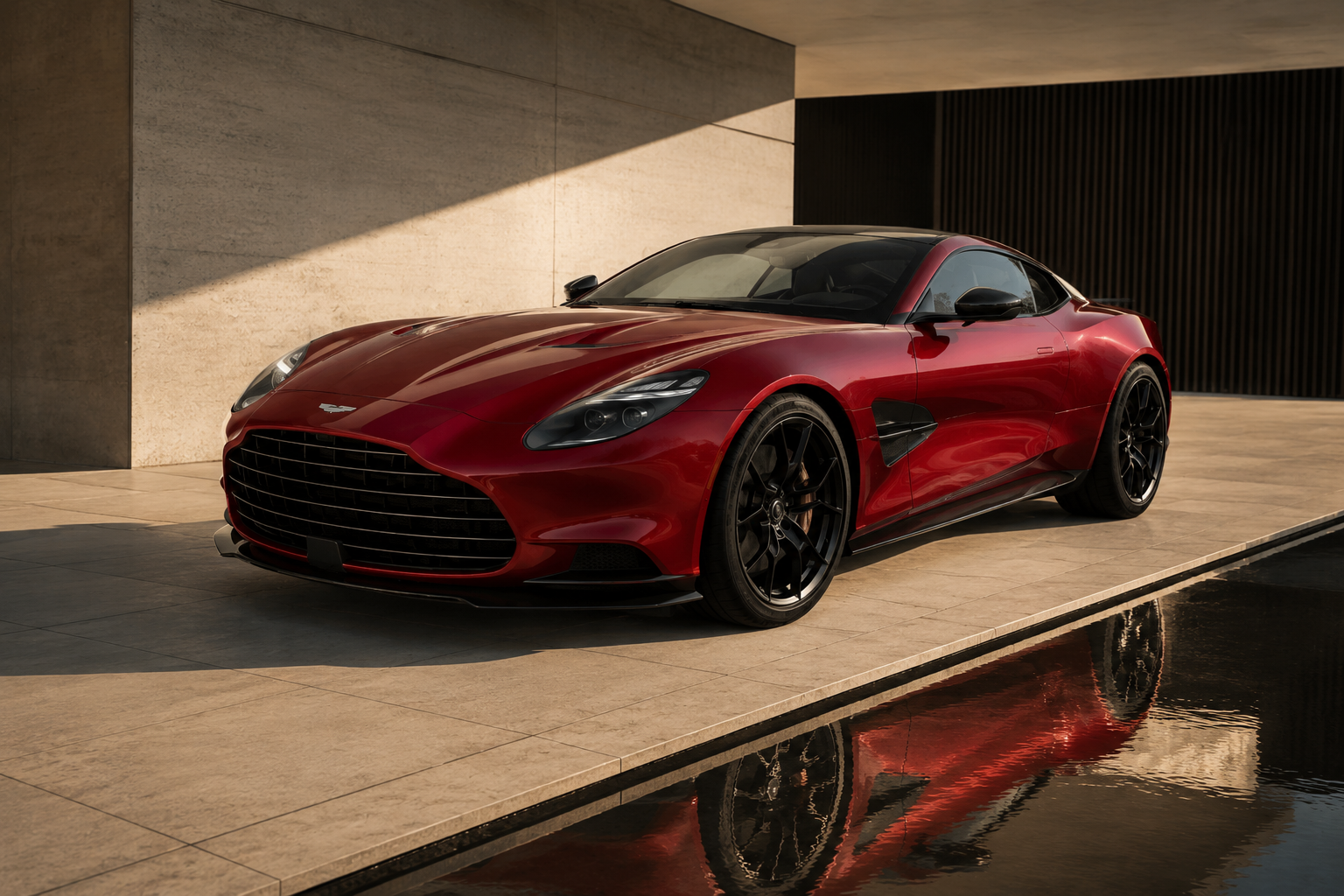
The first models based on this architecture could arrive in three to four years, roughly by the end of the decade. However, Aston Martin has not yet released an official schedule, named any specific cars, or disclosed the platform's specifications.
Why the core lineup will not use plug-in hybrids
According to Hallmark, the new architecture is not designed for plug-in hybrid systems. Management believes the weight of the battery pack and the complexity of PHEVs do not bring enough benefit, especially if owners rarely plug the car in.
Instead, future internal-combustion models are planned to use 48-volt mild-hybrid systems. This setup does not allow long stretches of electric-only driving, but it can assist the engine during acceleration, recover energy under braking, and power auxiliary equipment.
This decision does not apply retroactively to Valhalla. The mid-engine supercar was already developed as a full plug-in hybrid with a V8 and three electric motors. It will remain a separate technology project, not a template for the entire next lineup.
Aston Martin's electric car will come later
The new platform is supposed to accommodate a fully electric powertrain, but the launch of a production EV has been pushed into the 2030s. The company has not given an exact date and has not said whether the first electric model will be a sports car or an SUV.
Aston Martin had previously planned to launch its first electric car much earlier. The revised timeline shows the brand is choosing a mixed strategy: keeping rare V12 models, gradually introducing mild hybrids, completing the Valhalla launch, and preparing an architecture for battery-powered vehicles in parallel.
What the strategy means for buyers
Having a V12 in the lineup will not make Aston Martins more accessible or more common. On the contrary, limited production will make the cars even rarer and concentrate the engine in the most expensive versions. Buyers will also need to factor in regional rules, since availability of a specific model may differ between Europe, the U.S., and other markets.
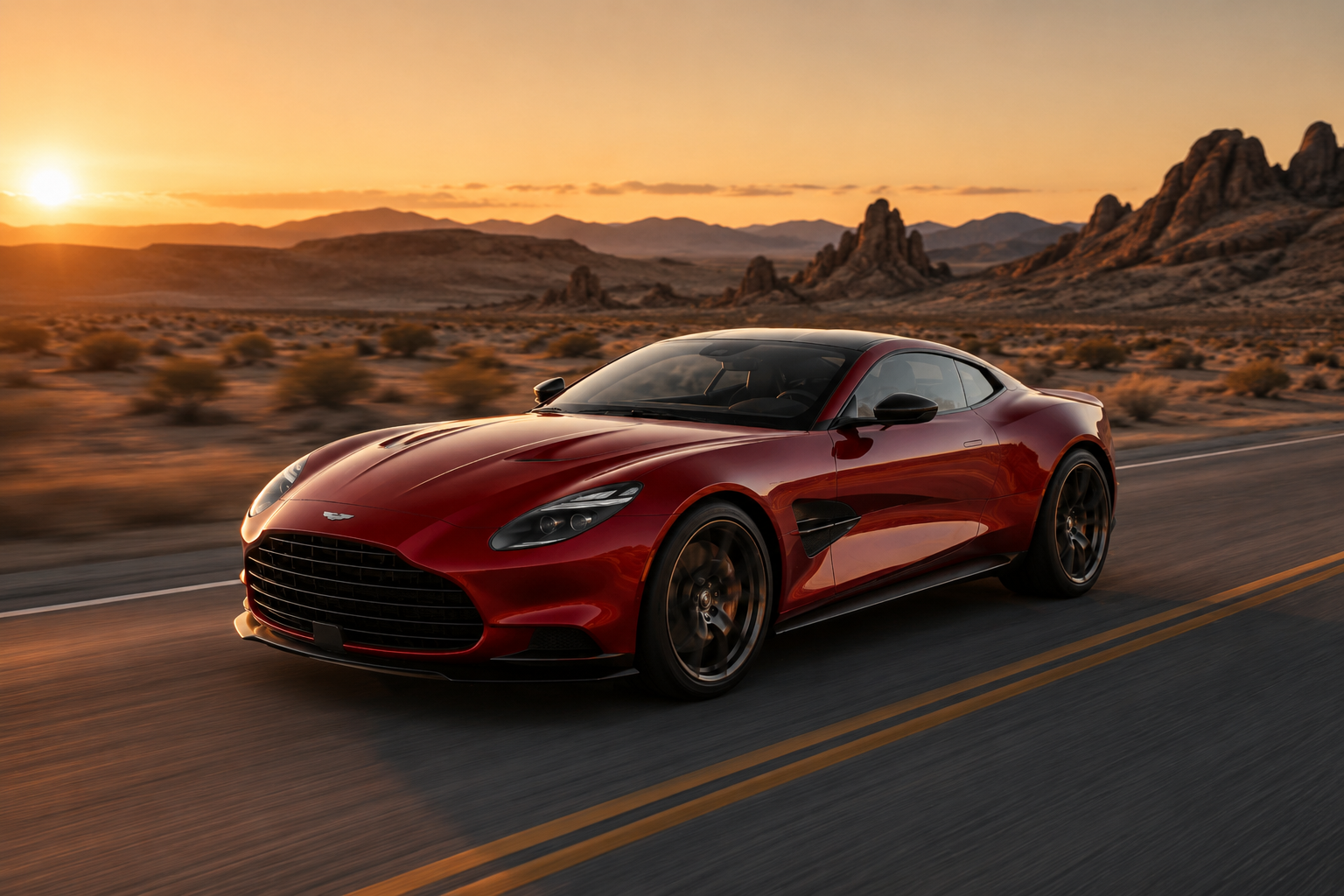
Until 2035, the V12 is likely to remain not the backbone of Aston Martin's business, but the brand's technical and emotional peak. The main sales volume will come from V8 models, SUVs, and gradually electrified powertrains.
What is confirmed right now is the updated engine, its use in the Vanquish, and management's intention to keep annual V12 volume below 1,000 cars. Future model names, launch timing, and the specifications of the 48-volt system have not yet been revealed.