 EN
ENDEALER
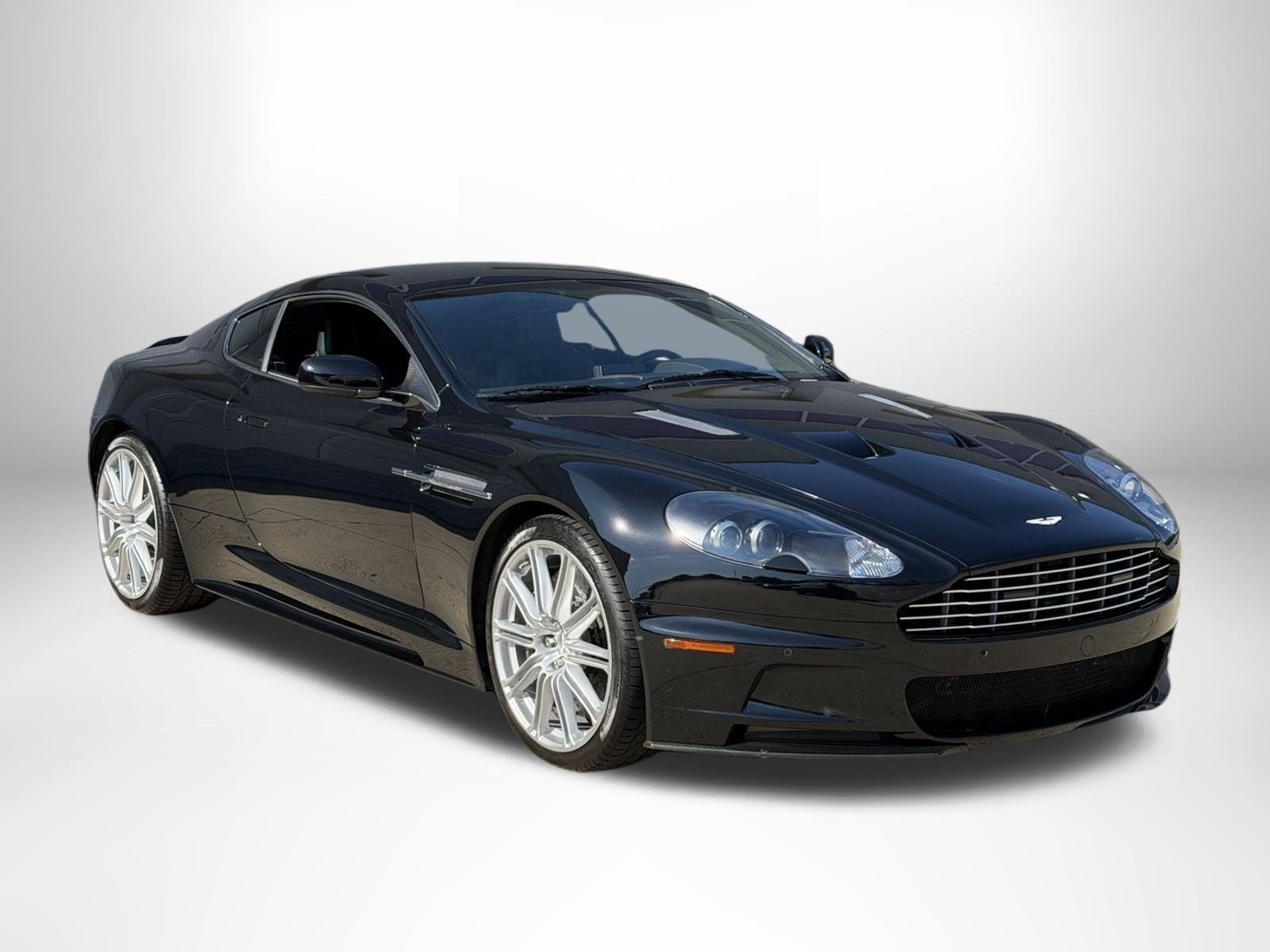
246.894 US$DEALER
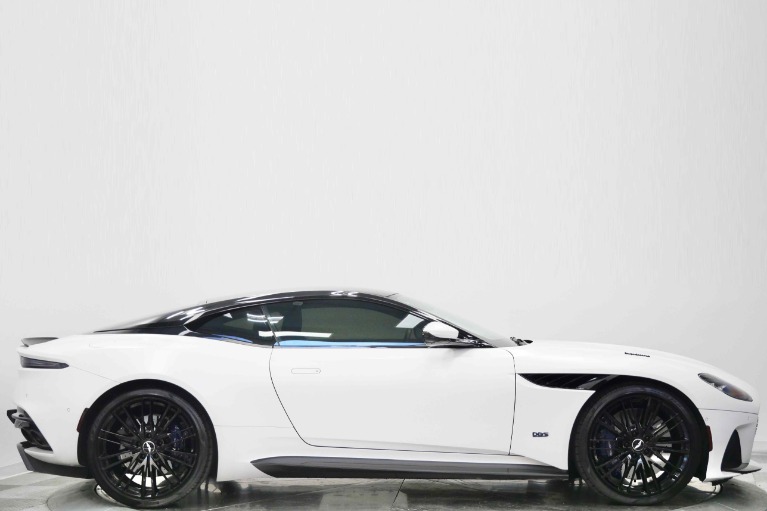
gasoline, manual, 19K km, coupe, Rear Wheels Drive, 6,000 cm3, 510 hp, Used condition, United Kingdom, In stock

HendrickCars.com
 Charlotte, United States
 Charlotte, United States
 United States
 United Arab Emirates, DubaiUnited Arab Emirates, Dubai
 United Arab Emirates, Dubai
The Aston Martin DBS stands as a focal point of luxury and performance in the grand tourer segment. For buyers and sellers, understanding the DBS from its latest generations to its classic iterations helps you make informed decisions in the market. This guide highlights important factors such as generation differences, engine choices, body styles, and regional price ranges that impact what you can expect when buying or selling in various cities and countries.
The DBS is typically positioned in the higher end of the performance spectrum, with a focus on a refined chassis, potent V12 or V8 powertrains, and a striking designer silhouette. When evaluating a DBS, consider the generation, year, and mileage as primary indicators of value and maintenance needs. The model name is often associated with luxury, heritage, and limited production numbers, which can affect both price and resale appeal. Buyers commonly ask:
When you search or compare DBS listings, sort by mileage and year to gauge depreciation curves and ownership costs. Key checks include:
If you’re looking to buy or sell an Aston Martin DBS, focus on the balance of performance, luxury, and provenance. With careful evaluation of generation specifics, engine configuration, and regional market conditions, you can secure a favorable deal in your city.
 Add as preferred sourceSee more from zvelta in Google Search Add as preferred source