EN
EN

Frequently asked questions
According to the owner, after entering Kazakhstan on 16 July 2026, the vehicle displayed a verification request the next day. Navigation, multimedia, the electronic glove compartment and fuel-filler flap controls were unavailable for more than 30 hours. The powertrain and brakes continued to work.
zvelta said an integrated protection mechanism was activated when the vehicle was detected abroad. The company described it as a measure against theft, loss and illegal export. The available explanations do not establish whether the restriction was imposed by an operator or activated automatically.
On 26 July 2026, zvelta said owners could use a Cross-Border Protection section in the app to request an unlocking code. The company also said it was developing an OTA switch to enable or disable the protection in advance, but the rollout date and compatible software versions had not been disclosed.
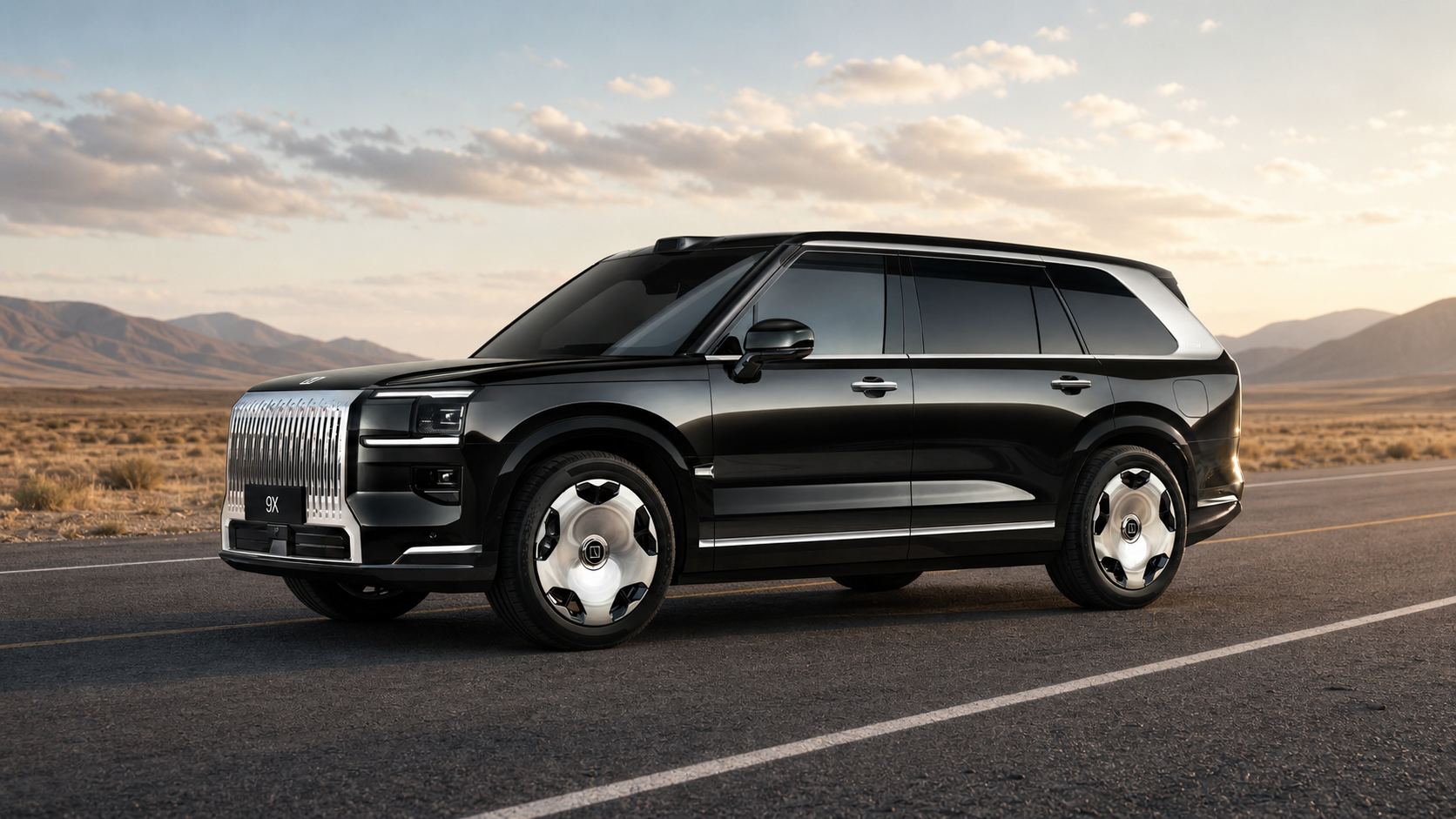
A Zeekr 9X owner's journey from China to Europe became a test of where driver control ends and software platform control begins. On 16 July 2026, the vehicle entered Kazakhstan. The following day, according to the owner, the central screen displayed a request to complete a verification process. Navigation, multimedia, the electronic glove compartment and fuel-filler flap controls became unavailable for more than 30 hours.
The vehicle was not completely immobilised. Zeekr said that the powertrain and brakes continued to work. It is therefore more accurate to describe the incident as a restriction of certain digital and electromechanical functions rather than a remote lockout of the entire vehicle. For someone travelling internationally, the distinction is largely theoretical: if documents are inside a locked compartment and the built-in navigation will not start, continuing the journey is still difficult.
What happened: a timeline with exact dates
Date | Event | Information status |
|---|---|---|
08.07.2026 | The owner left China's Henan province, heading towards Europe. | The owner's account in specialist publications |
16.07.2026 | The Zeekr 9X crossed the border into Kazakhstan. | The owner's account in specialist publications |
17.07.2026 | The screen displayed a request to contact a service centre to remove the restriction; some functions stopped working. | The owner's account; the exact time was not confirmed by the manufacturer |
23.07.2026 | Zeekr said the trigger was an integrated protection mechanism activated when the vehicle was detected abroad. | The brand's official comment reported by the media |
26.07.2026 | A “Cross-Border Protection” section appeared in the Zeekr app, allowing owners to obtain an unlocking code themselves. | Zeekr's official statement |
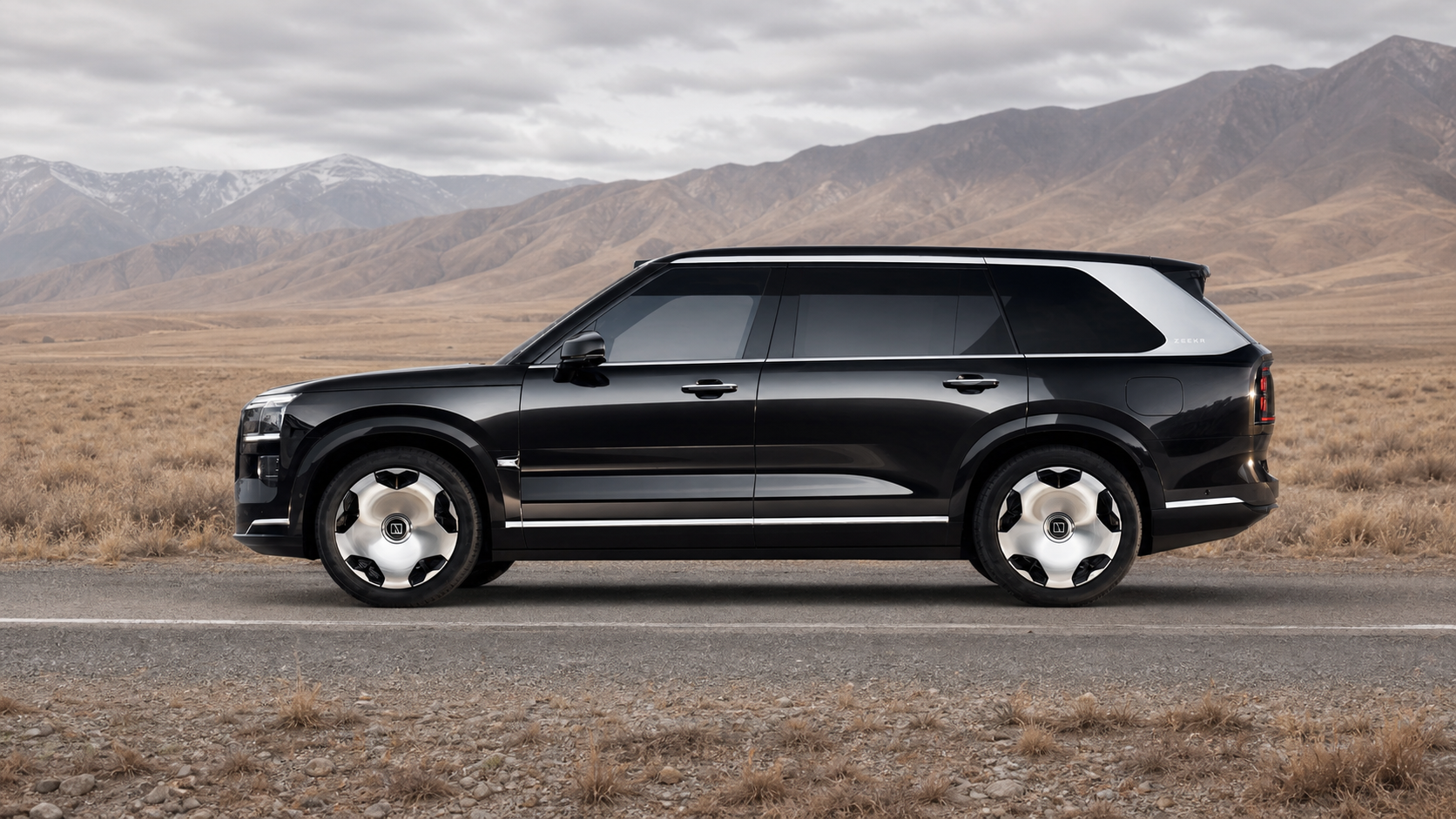
The restriction lasted more than 30 hours, according to the owner. Zeekr confirmed that the protection system had been triggered and said the warning was removed from the vehicle after verification, but it did not publish its own minute-by-minute report of the incident.
Which functions did the system restrict?
According to the owner's reports and the company's subsequent comment, navigation, entertainment functions, electronic glove-compartment opening and the usual in-car control of the fuel-filler flap became unavailable. Zeekr clarified that the flap could be opened using an emergency procedure: hold the physical hazard-warning button for five seconds. According to the brand, the charging port could be opened by pressing on its cover.
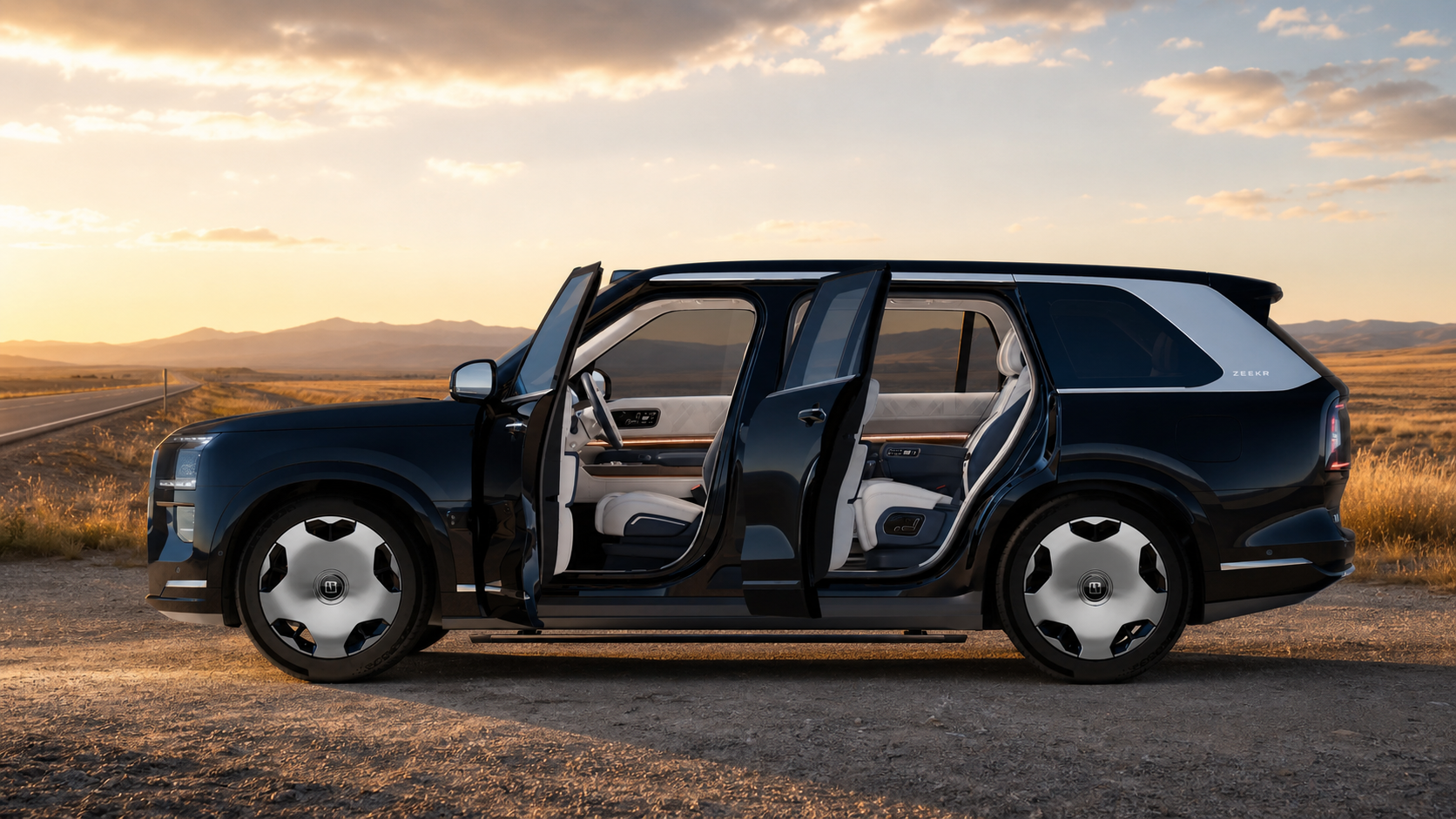
This explanation highlights another issue with connected cars: a mechanical backup may exist, but the driver needs to know in advance where it is and how to use it. An instruction that is available only through a locked interface or requires contact with support offers little help on an unfamiliar road.
Why did Zeekr intervene?
The manufacturer described the mechanism as a measure against theft, loss and illegal export of vehicles. The system determined that the car was outside its home region and started a verification process. However, the published explanations do not establish whether an operator issued the command or whether the restriction was activated automatically under a predefined rule.
The Zeekr 9X itself is not an experimental prototype: the brand officially began sales of its flagship hybrid SUV on 29 September 2025. Many everyday operations in its cabin depend on the screen and electronic systems, so restricting the infotainment system affects more than music and online services.
There is no evidence that Chinese authorities ordered the restriction of functions on this particular Zeekr 9X. China does have separate regulations governing automotive data. The guidance on the secure transfer of automotive data abroad, prepared by eight government agencies, was approved on 30 January and published on 3 February 2026. It covers data handling and cross-border transfer procedures, but the available materials do not link the document to the specific restriction of vehicle functions in Kazakhstan.
How Zeekr is changing the system after the incident
On 26 July 2026, the company announced two changes. The first has already been implemented: owners can open the Cross-Border Protection section in the app, submit a request and receive a code without the lengthy support process previously required. The second is still in development: Zeekr says it will deliver an OTA switch that allows owners to enable or disable this protection in advance.
According to the brand, the function will be disabled by default after the update. If the owner enables it, the system may restrict some capabilities when the vehicle travels abroad, but the unlocking code will remain available in the app. The OTA update rollout date and the list of compatible software versions have not yet been disclosed.
OTA updates are not an informal way to modify a vehicle without oversight. A joint notice from China's Ministry of Industry and Information Technology and the State Administration for Market Regulation, published on 28 February 2025, requires manufacturers to register updates, verify their safety and remain responsible for the vehicle's compliance with mandatory requirements.
Who ultimately controls a connected car?
The physical owner controlled the Zeekr 9X's movement, but access rules for some functions were set by the manufacturer's software. Before the new section appeared in the app, the restriction could be removed only after verification and receipt of a code. This is an asymmetric model: the driver owns the car, while the manufacturer retains the technical ability to change the availability of digital functions.
This type of control has a clear purpose: making theft and grey-market exports more difficult. The risk arises when the trigger conditions are not explained in advance and a digital verification process affects things needed on the road. The promised switch addresses the main weakness of the previous system: the decision to enable protection should be made not only by a software rule but also by the owner.
What to check before buying or driving abroad
Whether the model is officially sold in the destination country and whether the warranty, mobile app and built-in connectivity remain available.
Whether the settings include an international travel mode and whether geographic restrictions can be disabled in advance.
How to open the fuel or charging port, doors and electronic compartments manually if the screen fails.
Whether a code can be obtained without mobile internet. Zeekr has not clarified whether the new process works fully offline.
Where to keep the passport, insurance and registration documents. The electronic glove compartment is a poor place for the only set.
Who to call from another country and whether the hotline supports the owner's language and international numbers.

The main lesson from the incident is not that a connected car is necessarily unsafe, but that its real boundaries are defined by more than the key and the documents. Servers, the user account, the sales region, the manufacturer's rules and the driver's ability to override an automated decision all matter. Zeekr acknowledged that the previous system was not transparent enough; what matters now is not the announcement of a switch, but its actual arrival on vehicles.