 EN
ENDEALER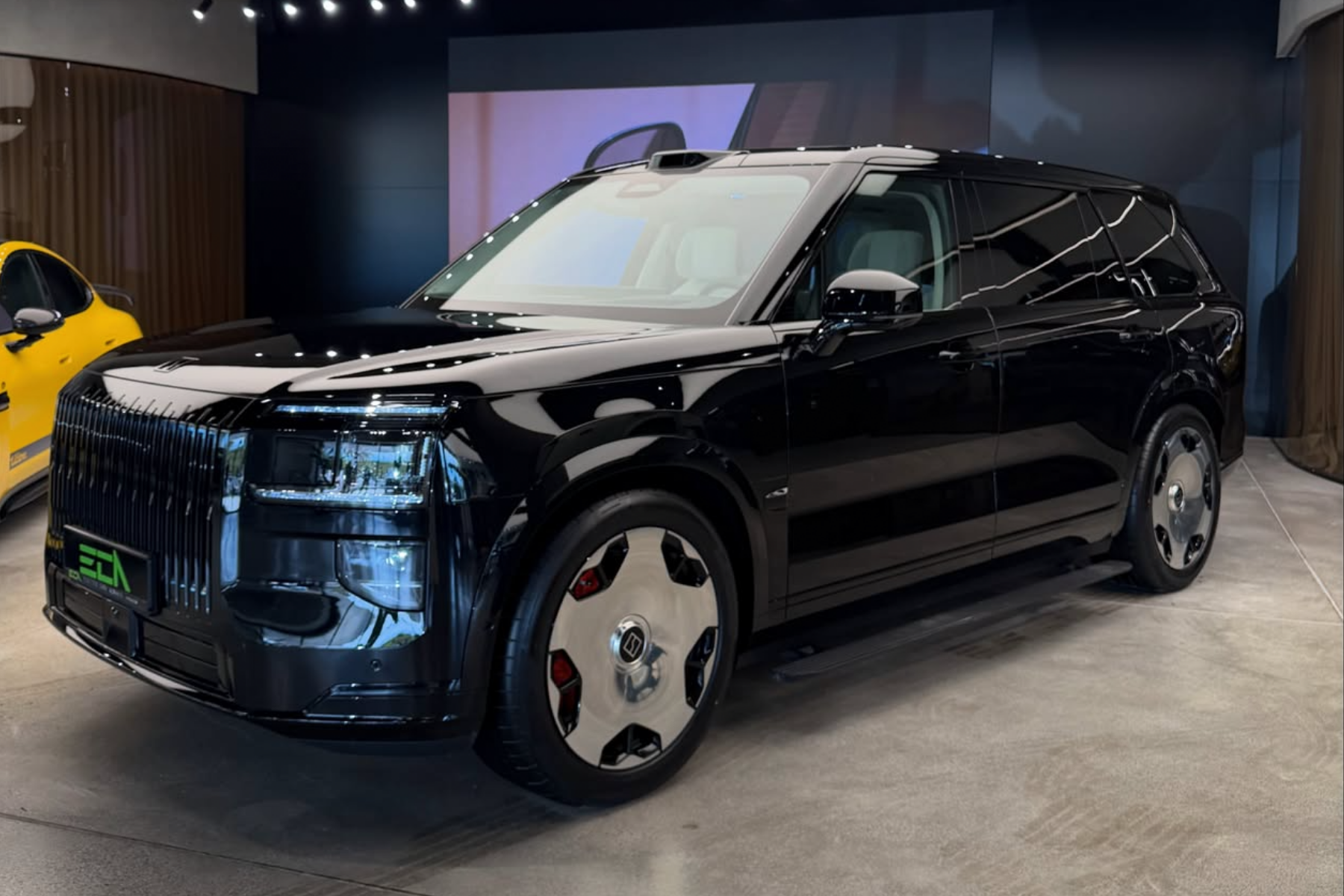
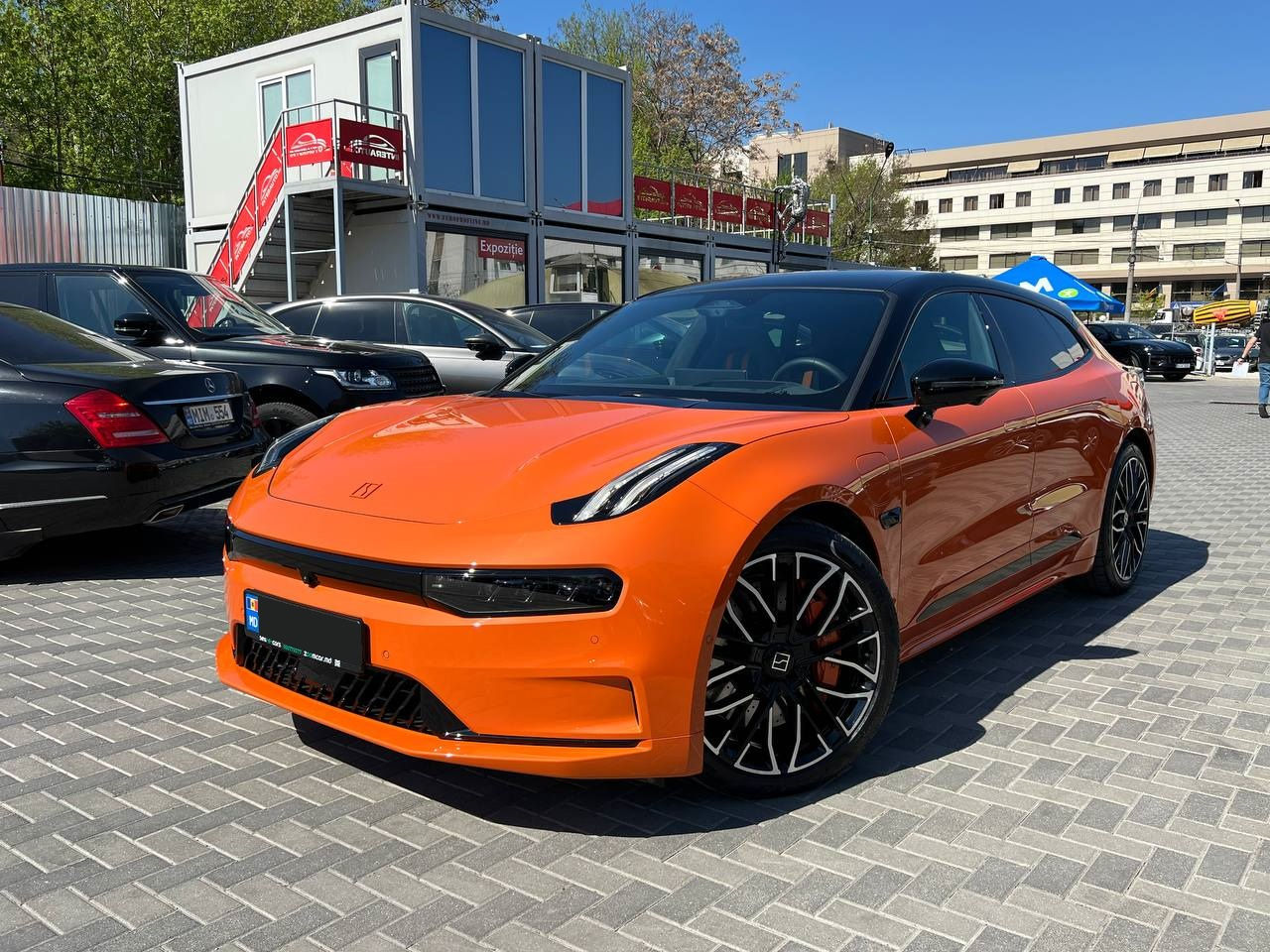
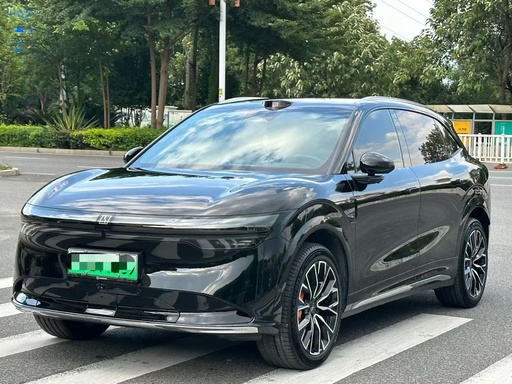
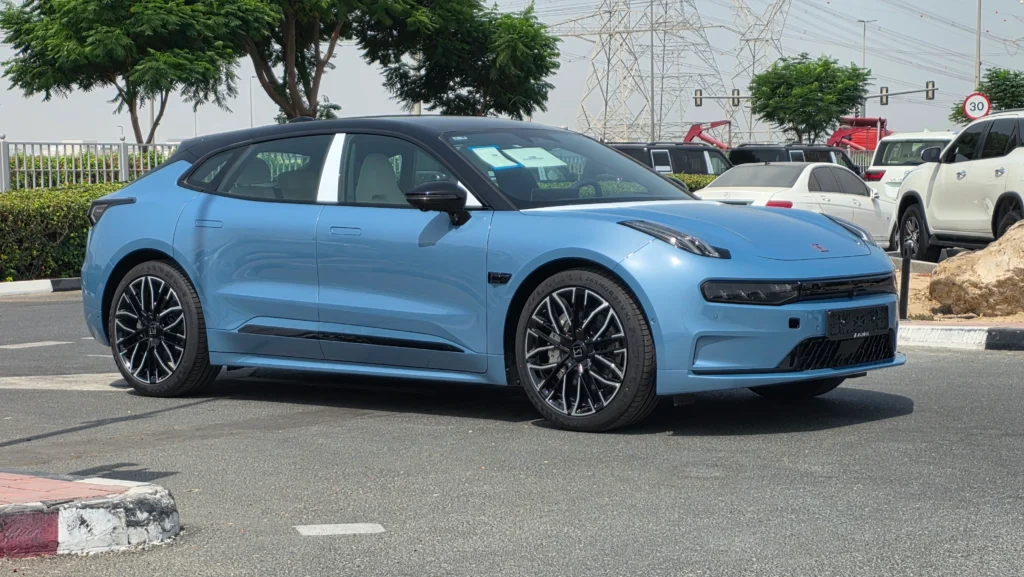
2026, hybrid, SUV, All Wheels Drive, 897 hp, Used condition, In stock

eca.al
 Albania, Tirana
 Albania, Tirana
 Moldova, Chișinău Municipality
 Ukraine
 UkraineUkraine
 UkraineUkraine
 United Arab Emirates, Dubai
When you’re in the market for a Zeekr, you’re looking at a modern electric car brand that emphasizes tech, comfort, and efficiency. Whether you’re comparing different Zeekr models or deciding between a specific year and mileage, understanding the nuances helps you make a confident choice. This guide walks through the most common questions buyers and sellers ask, from model generation and body type to real-world prices and maintenance considerations in your city.
Zeekr offers several configurations that cater to different needs. Consider the following factors when you compare models:
Buyers often ask which Zeekr balances price with features. If you target mid to higher price segments, you’ll likely prioritize premium interior materials, advanced driver-assistance systems, and longer-range batteries. For budget-conscious buyers, look for base trims that still include essential safety tech and reliable performance.
Prices for Zeekr models can vary by country, city, year, and mileage. A typical scenario in many markets includes:
When shopping, compare listed prices for similar mileage and condition. A Zeekr with low miles and a recent generation often carries a premium, while a higher-mileage example can offer significant savings for buyers who plan shorter daily commutes. Sellers should highlight recent maintenance, battery health, and any installed upgrades to justify asking prices.
If you’re selling, prepare a clear history of servicing, any replacements, and recent battery tests. Transparent documentation builds buyer trust and can help secure a smoother sale.
New Zeekr models come with the latest features and full manufacturer warranties. Certified pre-owned (CPO) programs can offer a balance between price and reassurance, with inspected battery health and extended warranties in many markets. Weigh the value of the remaining warranty, potential maintenance costs, and the available financing options before choosing.
Buying or selling a Zeekr involves balancing price, mileage, and condition. By focusing on model generation, body type, range, and year, you can navigate listings more effectively, whether you’re in a busy city or a quieter suburb.
 Add as preferred sourceSee more from zvelta in Google Search Add as preferred source