EN
EN

Frequently asked questions
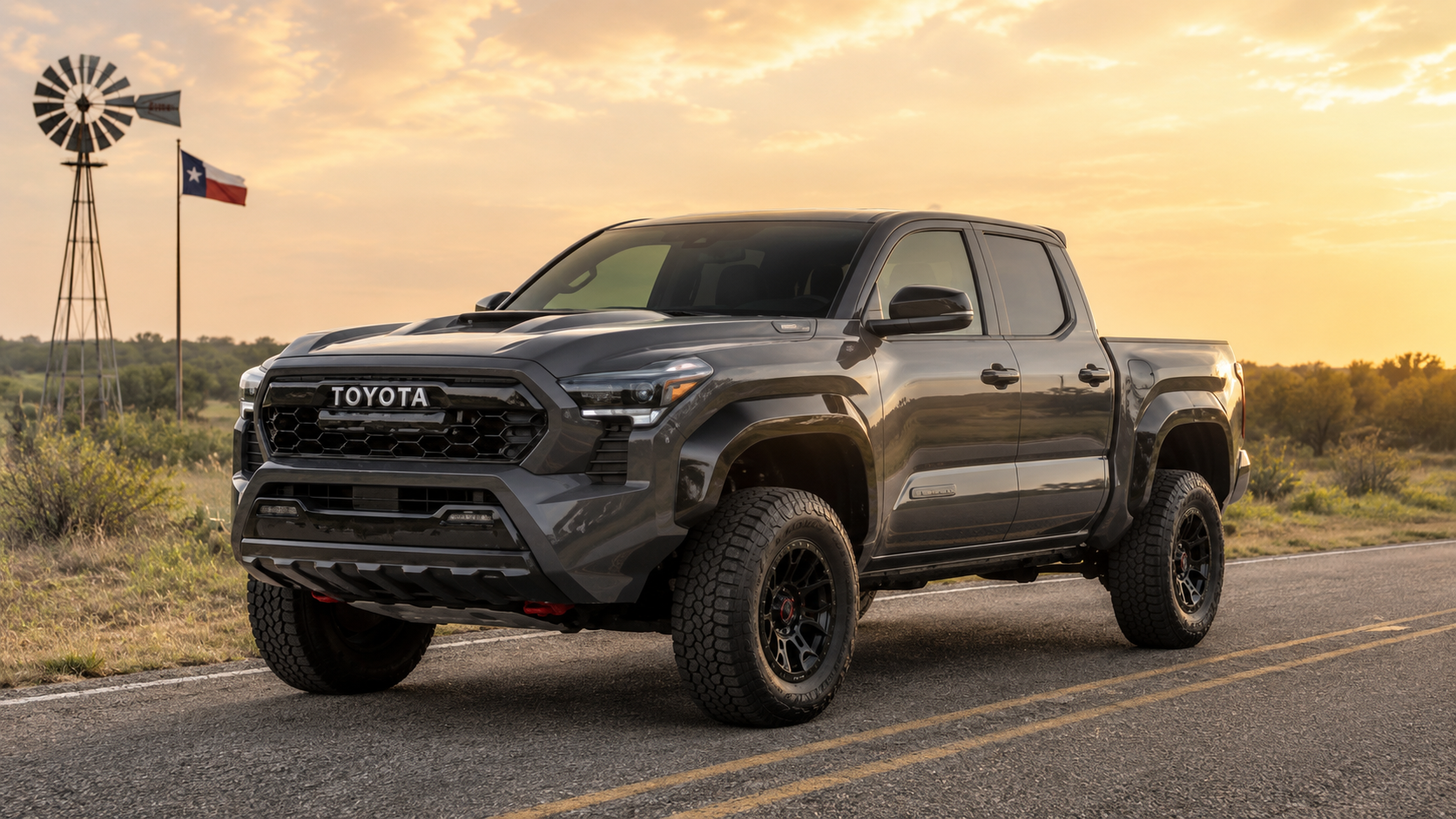
Toyota plans to move Tacoma production to its San Antonio, Texas, campus over roughly four years. The new assembly line is scheduled to start in 2030.
Toyota did not announce any Tacoma price, trim-level, or technical-specification changes tied to the assembly move. Future pricing or specification changes remain unconfirmed.
Buyers can check the vehicle’s VIN, documents, and delivery history. For used vehicles, service records and registration may also help show the vehicle’s origin.
On July 6, 2026, Toyota Motor North America announced an expansion of its manufacturing campus in San Antonio, Texas. The company will invest $3.6 billion in a new assembly line designed to support Toyota Tacoma production. This is not an immediate relocation: Toyota plans to move Tacoma production from Toyota Motor Manufacturing Baja California to Texas over roughly four years, with the new line scheduled to start in 2030.
For buyers, this news matters for more than just the phrase “made in the USA.” Assembly location affects supply chains, plant utilization, VIN structure, availability of certain batches, and the political backdrop around automotive production in North America. At the same time, Toyota did not announce any change to Tacoma prices, trim levels, or technical specifications because of the assembly move.
What Toyota actually confirmed
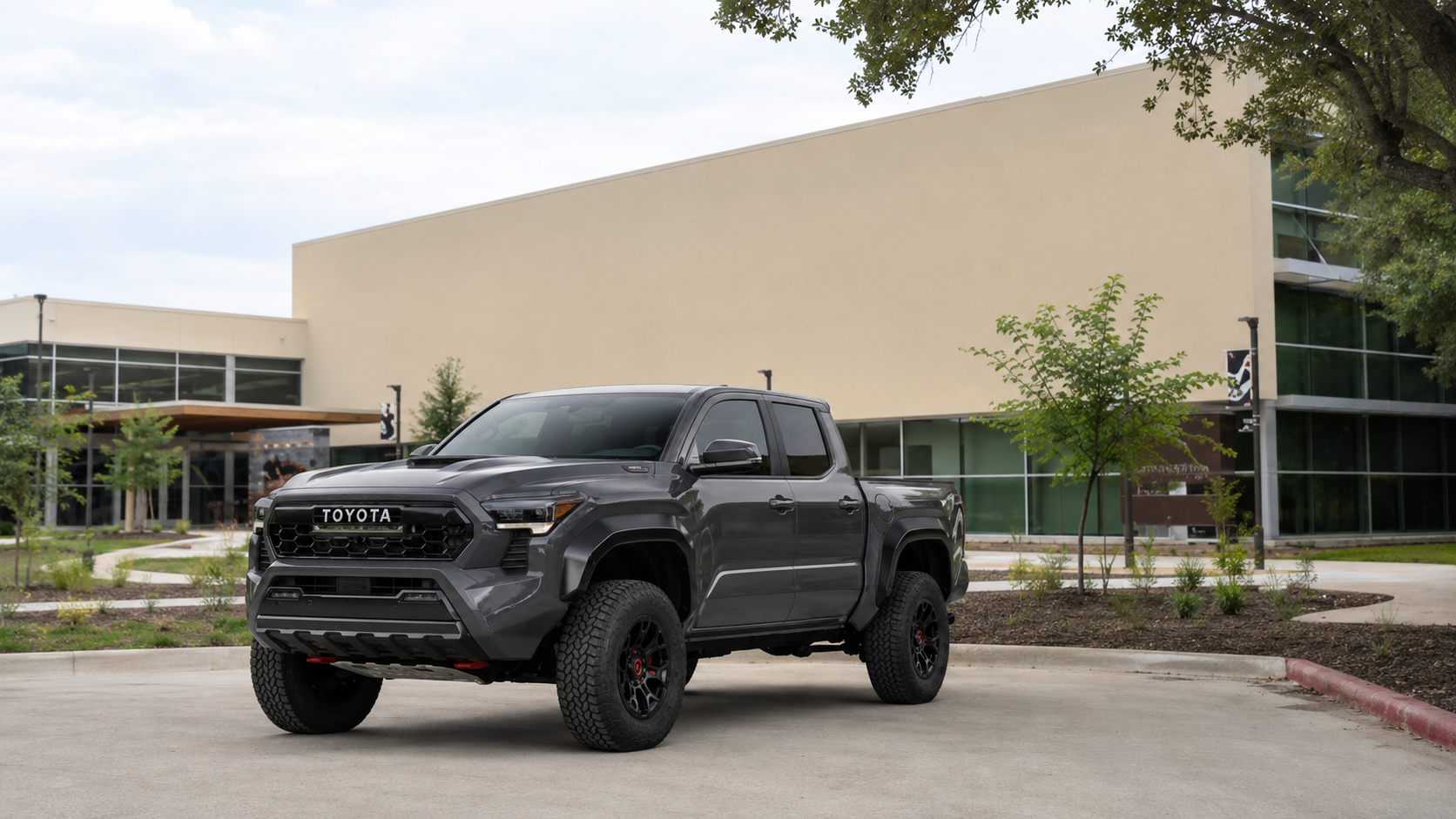
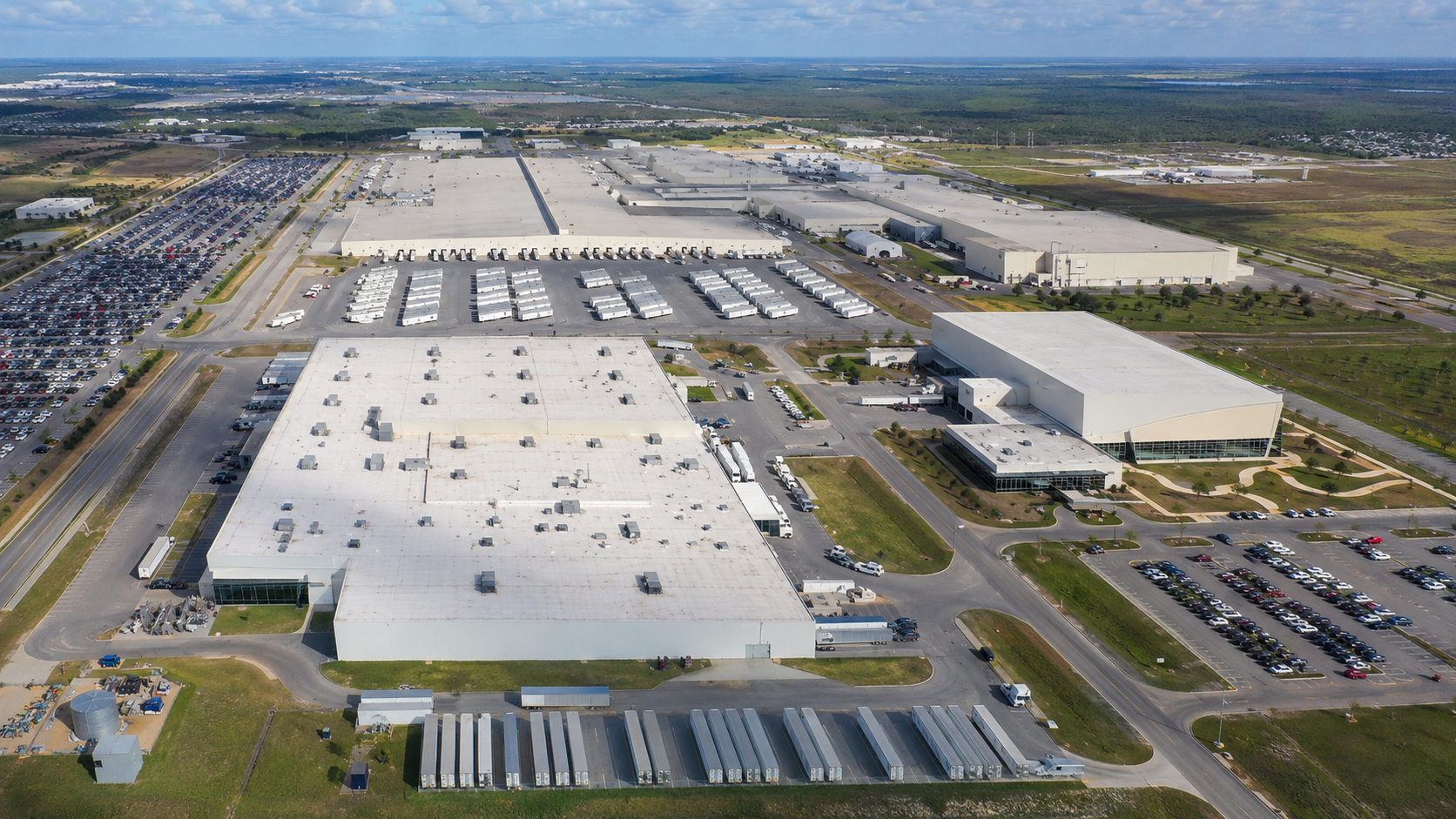
In the official Toyota Motor North America release, the company said the expansion will add 2.5 million square feet of manufacturing space to the Toyota Texas campus and create 2,000 new jobs. Toyota also clarified that Tacoma will be assembled in Texas alongside Tundra and Sequoia.
Point | Officially disclosed |
U.S. announcement date | July 6, 2026 |
Investment | $3.6 billion |
Where production is being expanded | Toyota Texas campus in San Antonio |
What will be added | A second vehicle assembly line |
Expansion area | 2.5 million square feet |
New jobs | 2,000 |
Target line start | 2030 |
Tacoma transfer period from Baja California | About four years |
Why this is more than just moving a model from Mexico
Tacoma already had ties to Texas: Toyota’s San Antonio plant historically built body-on-frame models for the North American market. Production of Tacoma later shifted to Mexico, while the Texas site focused on Tundra and Sequoia. Now Toyota is effectively reversing course, but not from scratch: the company is using an existing large campus rather than building a completely separate plant.
According to the Toyota Motor Manufacturing Texas page, the San Antonio facility was founded in 2003 and began operations in 2006. In 2025, it produced 197,506 vehicles. The site currently assembles Tundra, Tundra HEV and Sequoia HEV, and rear axle production is expected to start in fall 2026.
That is why the Tacoma decision looks like an expansion of the San Antonio campus’s role in Toyota’s body-on-frame lineup. After the new line starts up, Tundra, Sequoia and Tacoma are expected to be assembled in San Antonio. For Toyota, that creates more flexibility within North America, especially if pickup demand changes faster than international logistics can be reshaped.
Short timeline: how Tacoma is coming back to Texas
Toyota’s decision looks major, but it did not happen overnight. The San Antonio plant has worked with the brand’s body-on-frame models for years, so Tacoma is returning not to a new Toyota site, but to an already operating manufacturing cluster.
Date or period | What happened |
2003 | Toyota laid the foundation for Toyota Motor Manufacturing Texas in San Antonio. |
2006 | The Toyota Texas plant began vehicle production. |
2025 | The San Antonio site produced 197,506 vehicles. |
July 1, 2026 | Toyota Motor North America reported U.S. sales for June and the second quarter of 2026. |
July 6, 2026 | Toyota announced in the U.S. a $3.6 billion investment to expand the San Antonio plant. |
July 7, 2026 | Toyota’s global press office confirmed the investment and the plan to launch a second assembly line. |
Fall 2026 | Rear axle production is expected to begin at Toyota Texas. |
2030 | Toyota plans to launch a new Tacoma assembly line in San Antonio. |
Why Toyota is making the move now
There is a market backdrop to the decision. On July 1, 2026, Toyota Motor North America said its U.S. sales in June 2026 reached 212,793 vehicles, up 10.1% in volume from June 2025. For the second quarter, the company sold 673,971 vehicles. These figures were published in the official Toyota sales report for June and the second quarter of 2026.
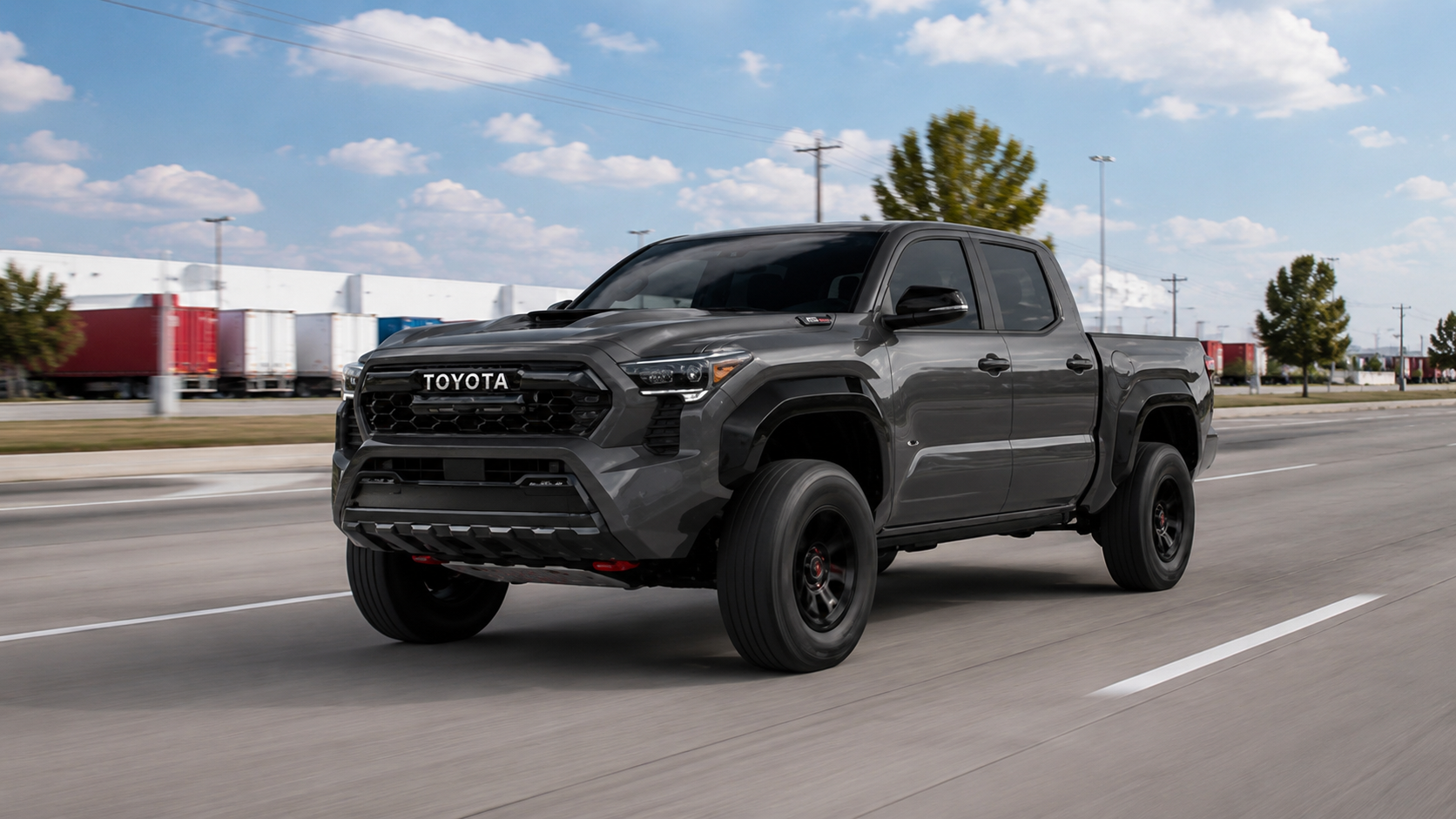
Those numbers do not directly say that Tacoma drove the expansion. But they show Toyota announcing a major manufacturing investment against a backdrop of steady U.S. demand. For a pickup competing in the popular midsize segment, local assembly may be a way to better control volumes and delivery timing.
What is still unknown
Toyota disclosed the investment, location, timing and overall production plan, but not every detail. There is still no official information on which Tacoma versions will be first off the new line in Texas, how output will be split between plants during the transition, or whether supply patterns will change for different markets.
The exact month the new line will start in 2030 has not been disclosed.
The Tacoma versions that will be assembled first in San Antonio have not been named.
No price changes for Tacoma tied to the production move have been announced.
Toyota has not said how production volumes will be split between plants in each year of the transition period.
Quick take for buyers: what to know about Tacoma after Toyota’s news
Should you wait for a Texas-built Tacoma?
If you need the vehicle now, the production move itself does not make current Tacomas any less relevant. The new line in San Antonio is scheduled only for 2030, and the transition period should take about four years.
Will prices change because production is moving?
Toyota did not announce any Tacoma price revision tied to the Texas plant expansion. Any conclusion about future pricing at this point would be speculation, not a confirmed fact.
Will the Texas-built Tacoma be different in terms of specs?
There are no official details yet about technical differences for Texas-built Tacoma models. The company confirmed the production plan but did not reveal separate versions, trim levels, or equipment changes.
How can you tell where a specific vehicle was built?
Buyers should check the VIN, the vehicle documents and the delivery history. For a used vehicle, service history, body condition, mileage and the absence of serious damage are also important.
Why does the country of assembly matter at all?
It does not replace checking the vehicle’s condition, but it helps you better understand the origin of a specific example. During the 2026-2030 transition period, Tacoma may more often appear with different production locations.
What does this mean for buyers
In the next few years, the market may see Tacomas from the same generation but with different production locations at the same time. For a new vehicle, that is usually visible in the documents and VIN; for a used one, it also shows up in the service record, delivery history and registration. So buyers should look not only at model year and trim, but also at the origin of the specific vehicle.
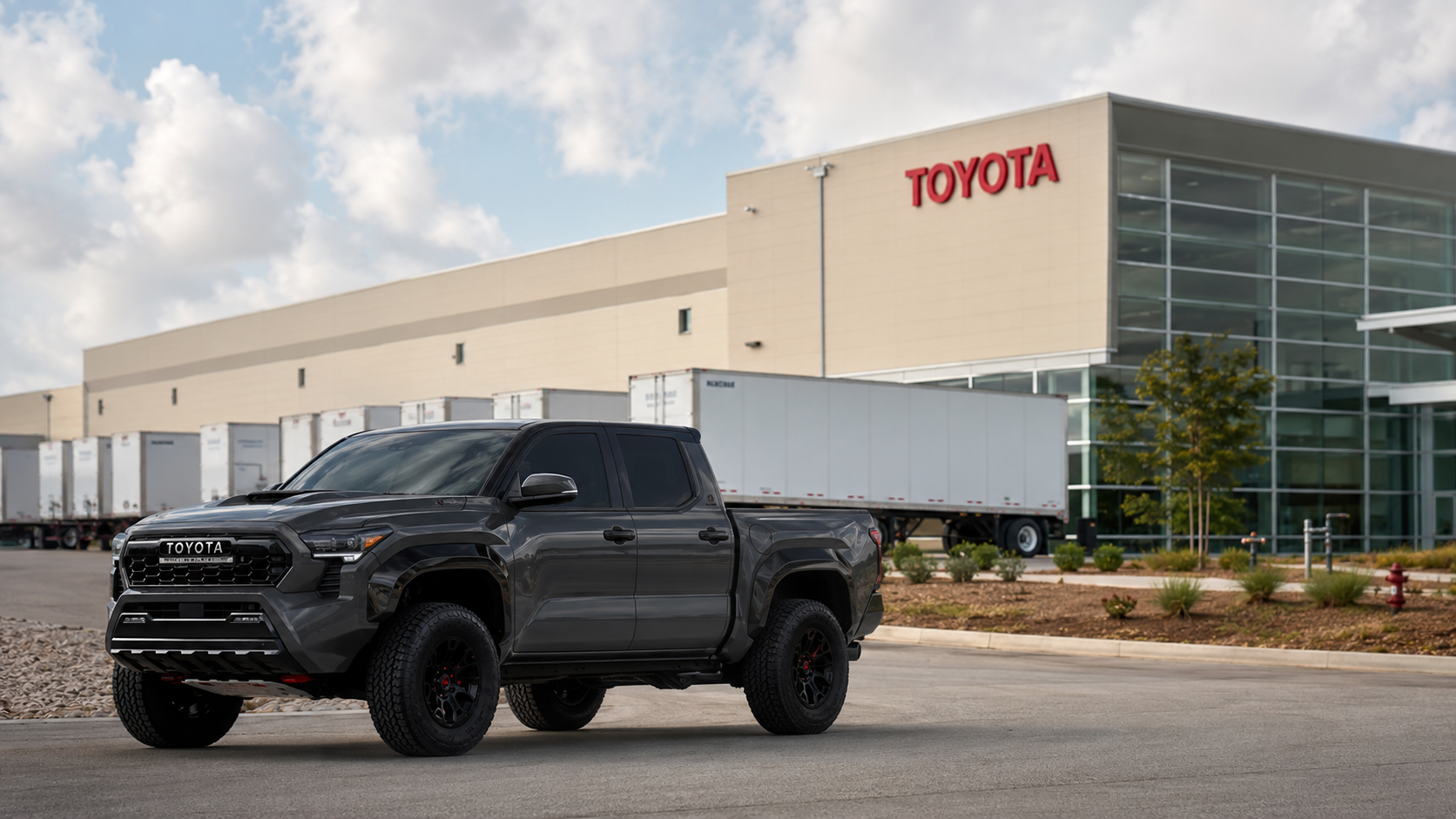
For the used-car market, the country of assembly should not be the only argument for or against a purchase. Much more important are the vehicle’s condition, a clear history, no major damage, a correct VIN and understandable service records. But Toyota’s news makes Tacoma’s origin a more noticeable detail: during the 2026-2030 transition period, it may appear more often in listings and in buyers’ questions.
The main takeaway is simple: Toyota is not just moving part of Tacoma production from Baja California to Texas. The company is strengthening an existing manufacturing hub in San Antonio and preparing it to serve as an assembly center for body-on-frame models for the North American market. For buyers, that is not a reason to expect immediate changes in pickup specs, but it is a reason to pay closer attention to the VIN, build date and production site of a specific vehicle.