 EN
ENDEALER
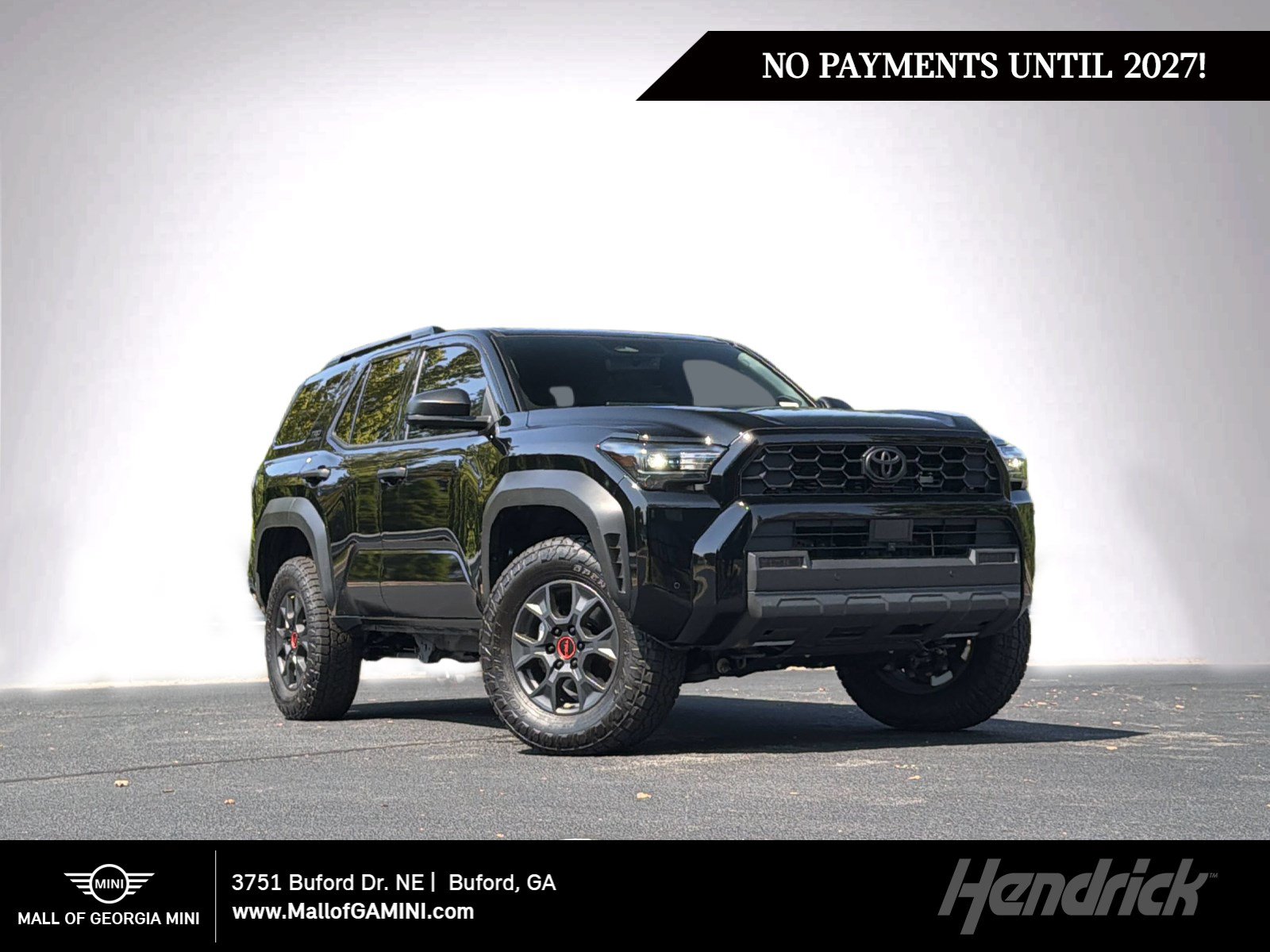
60.937 US$DEALER
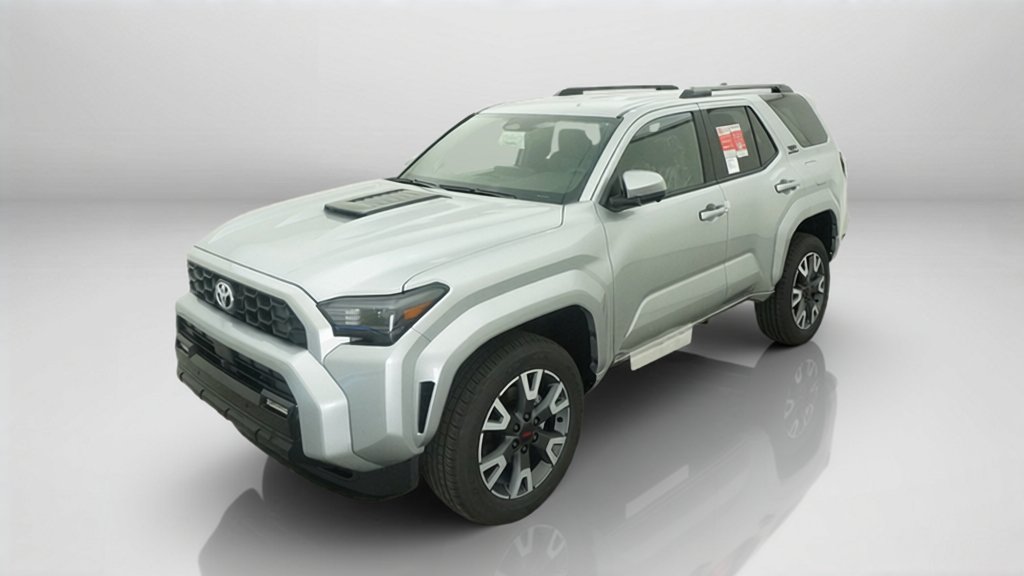
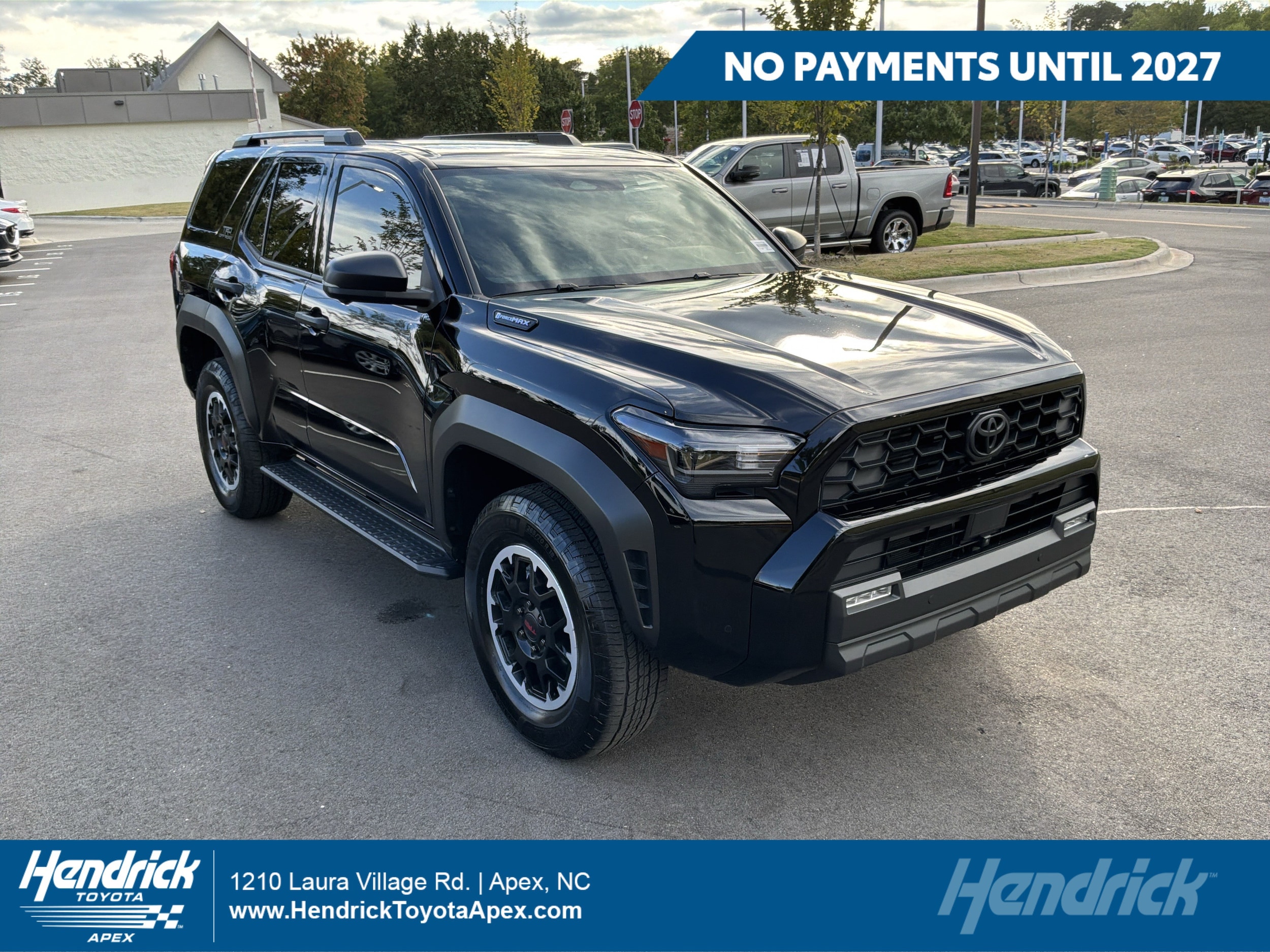
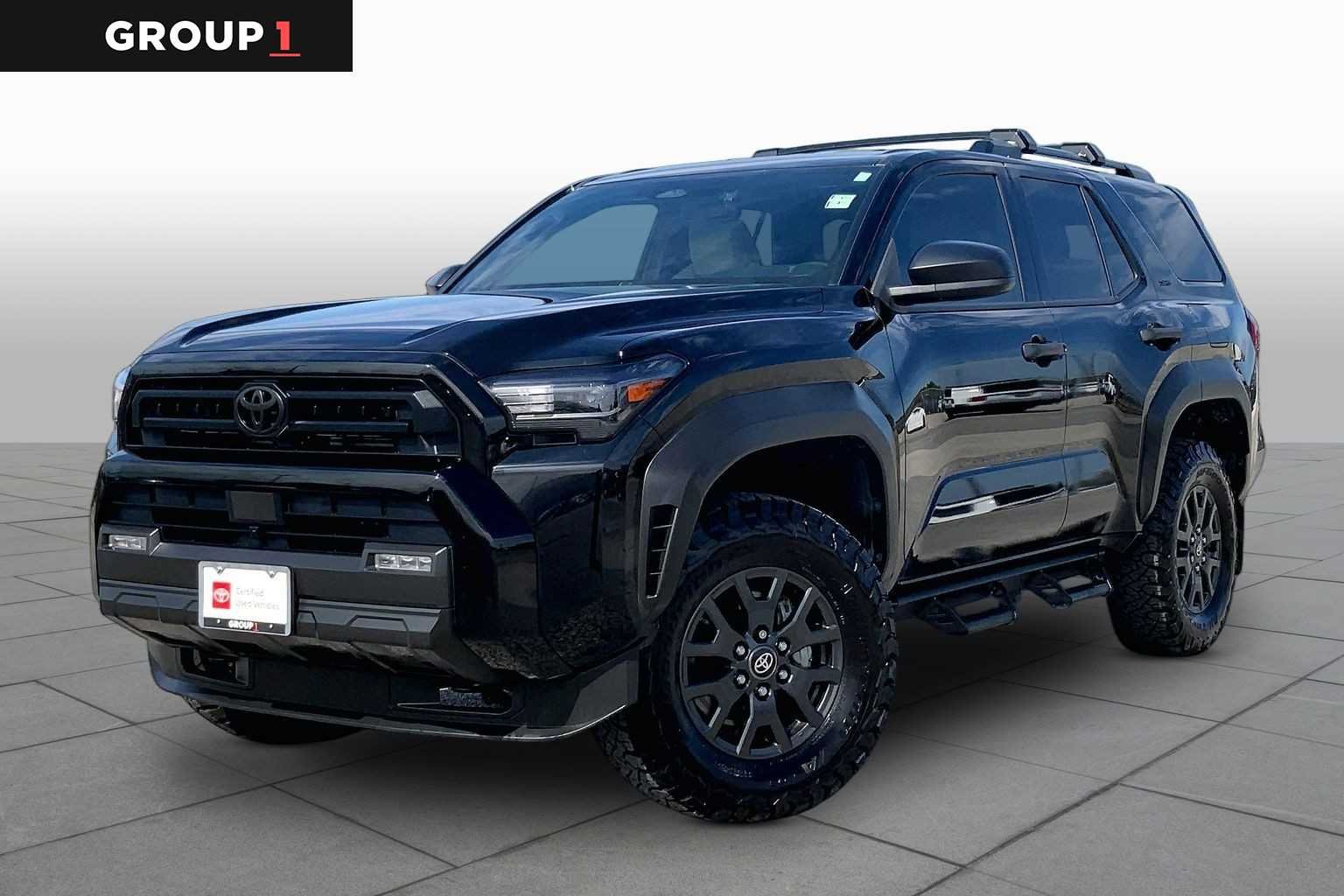
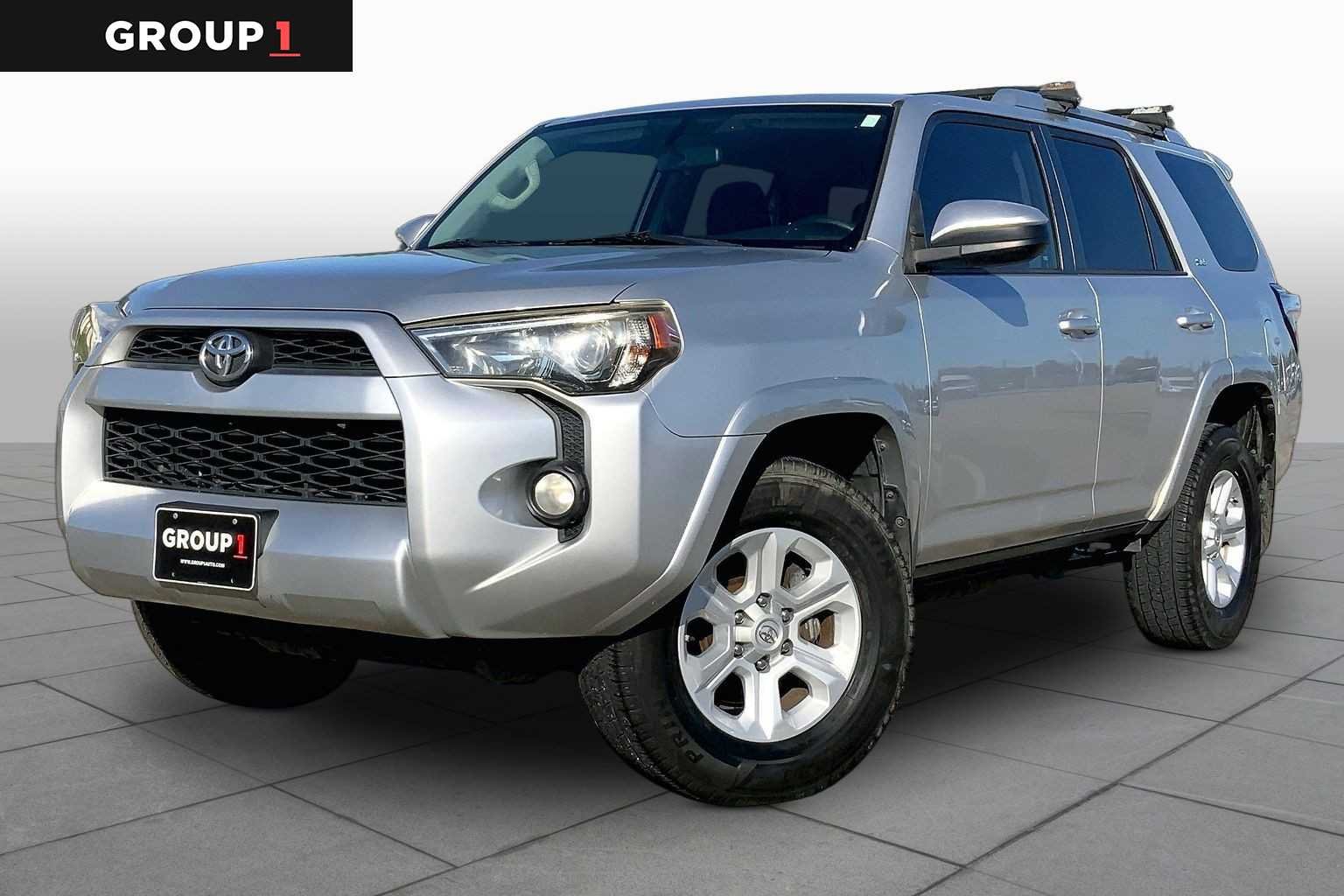
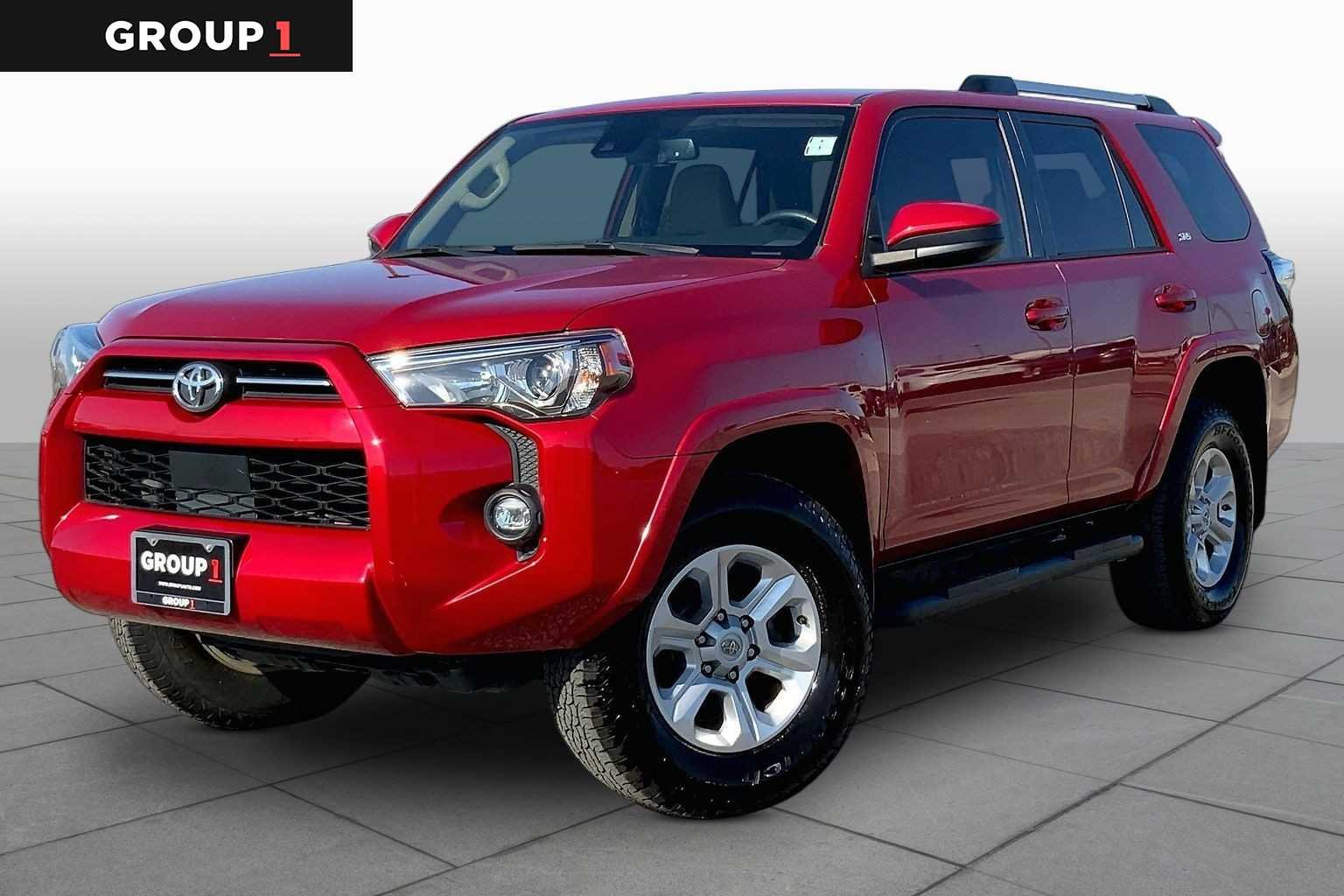
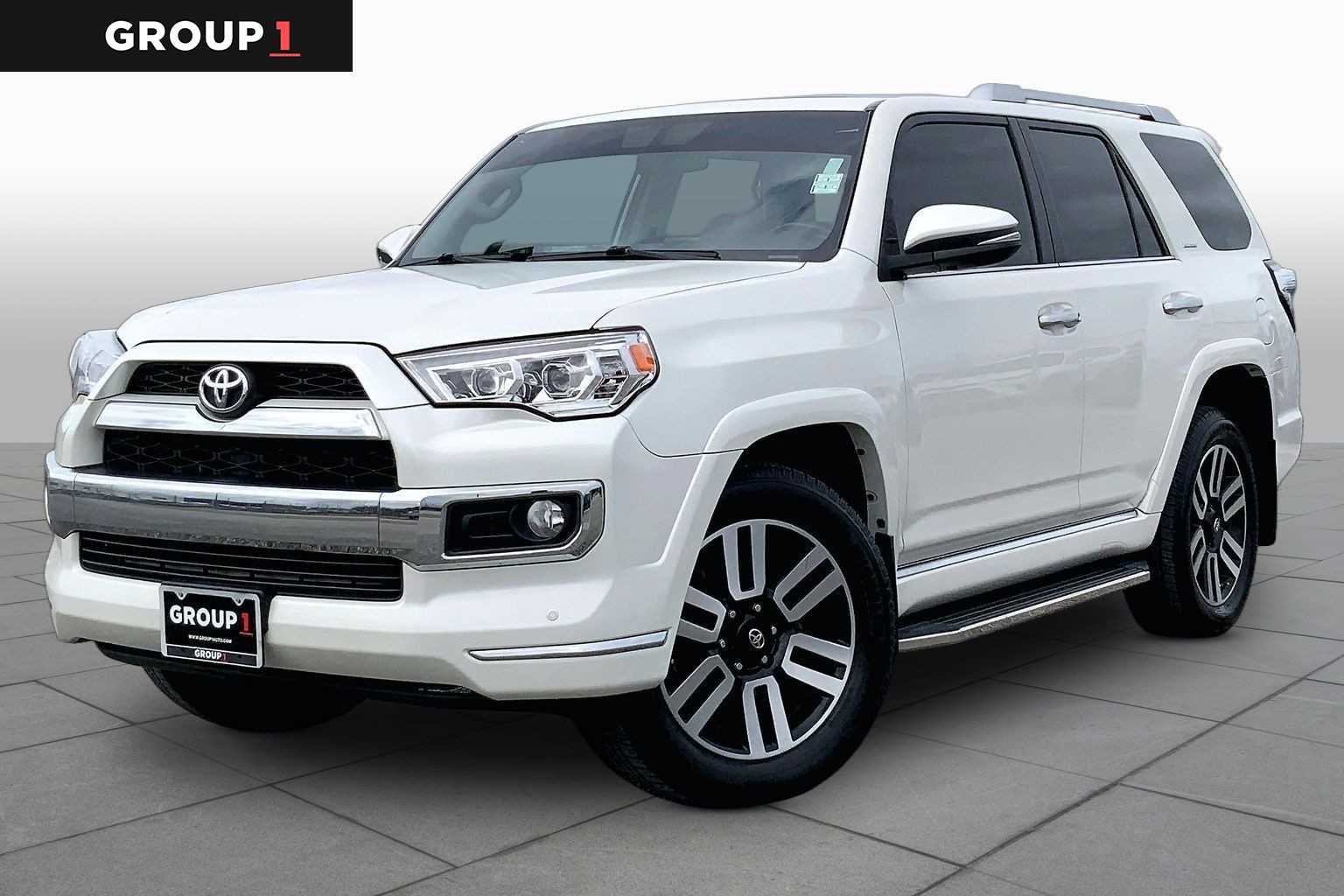
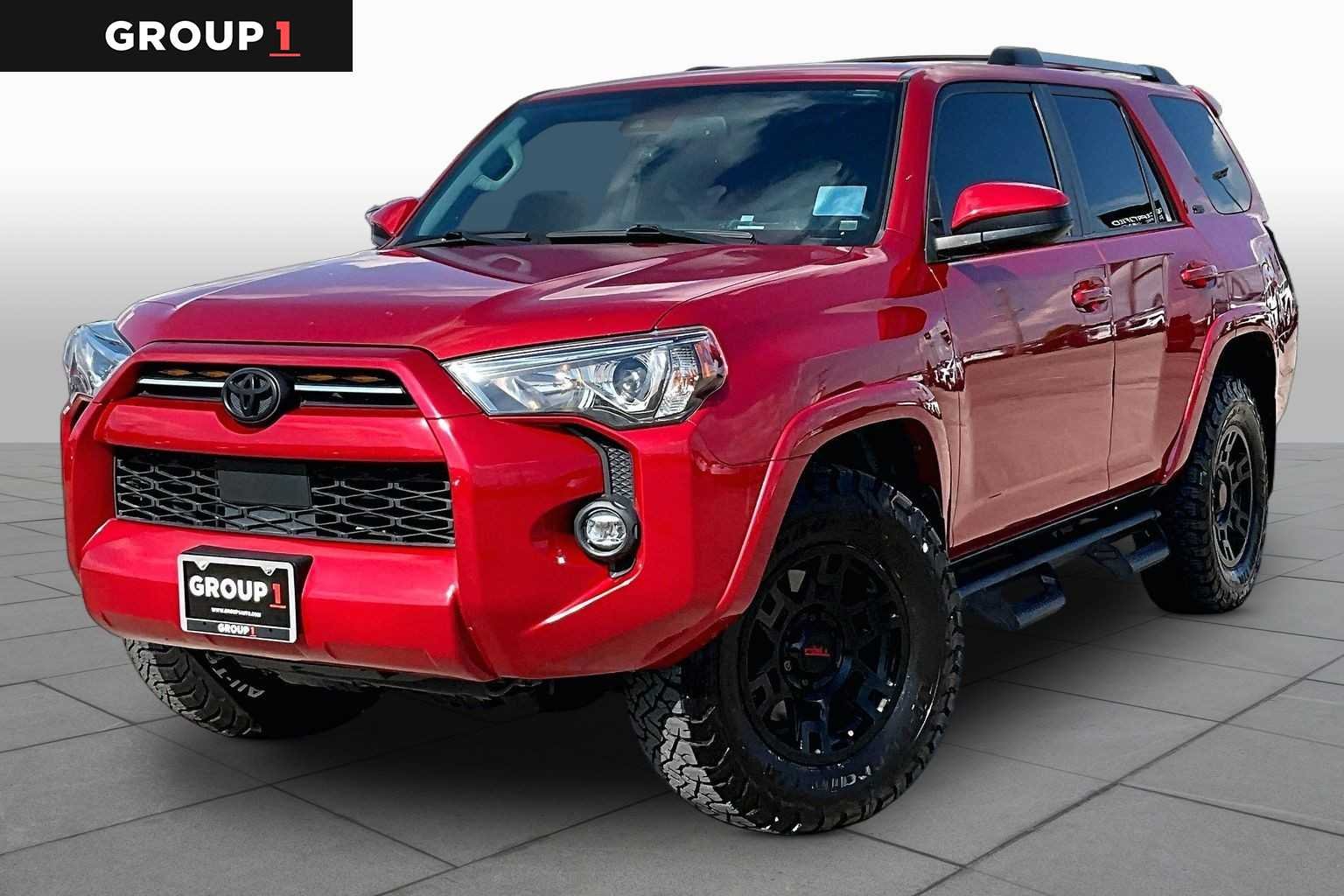
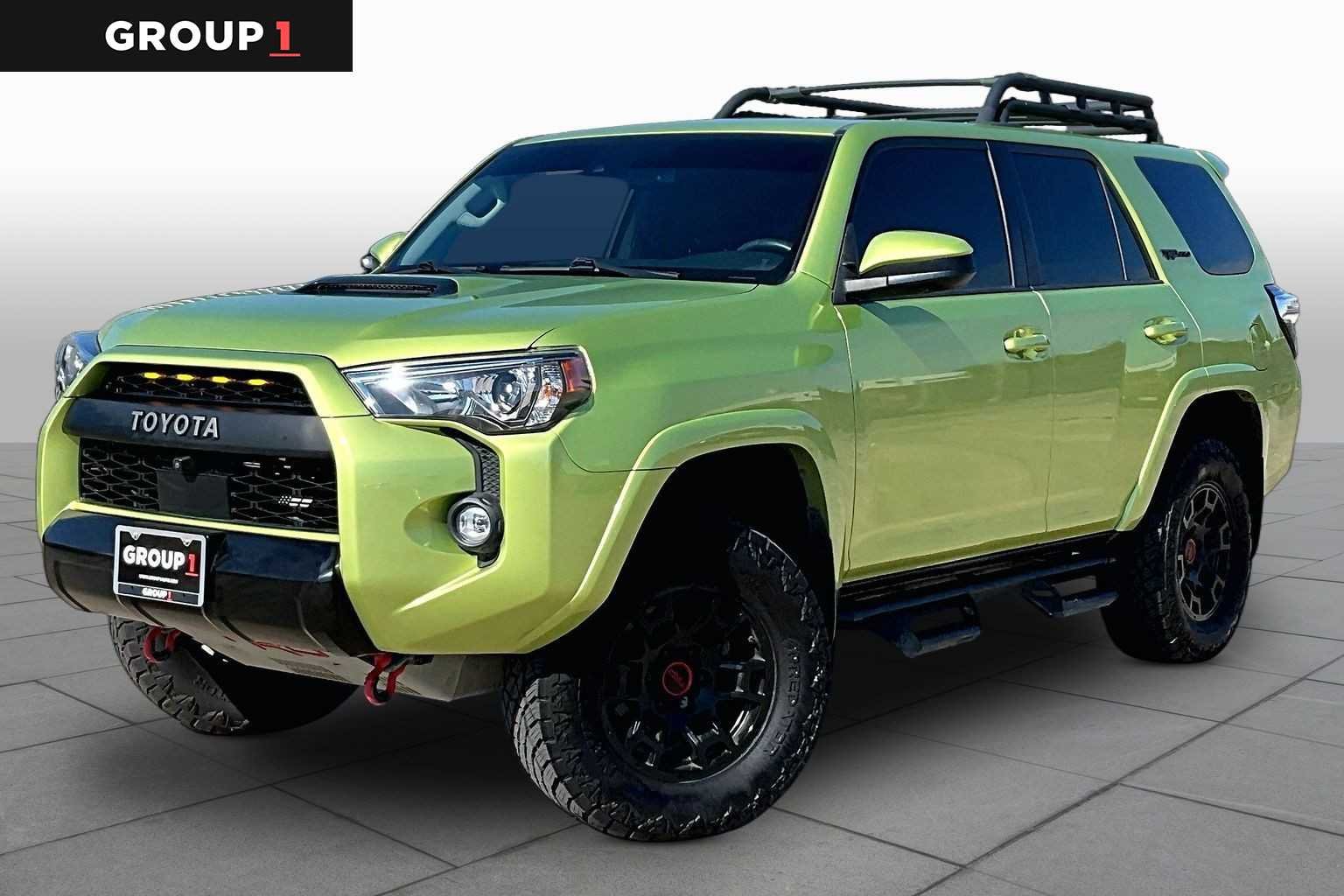
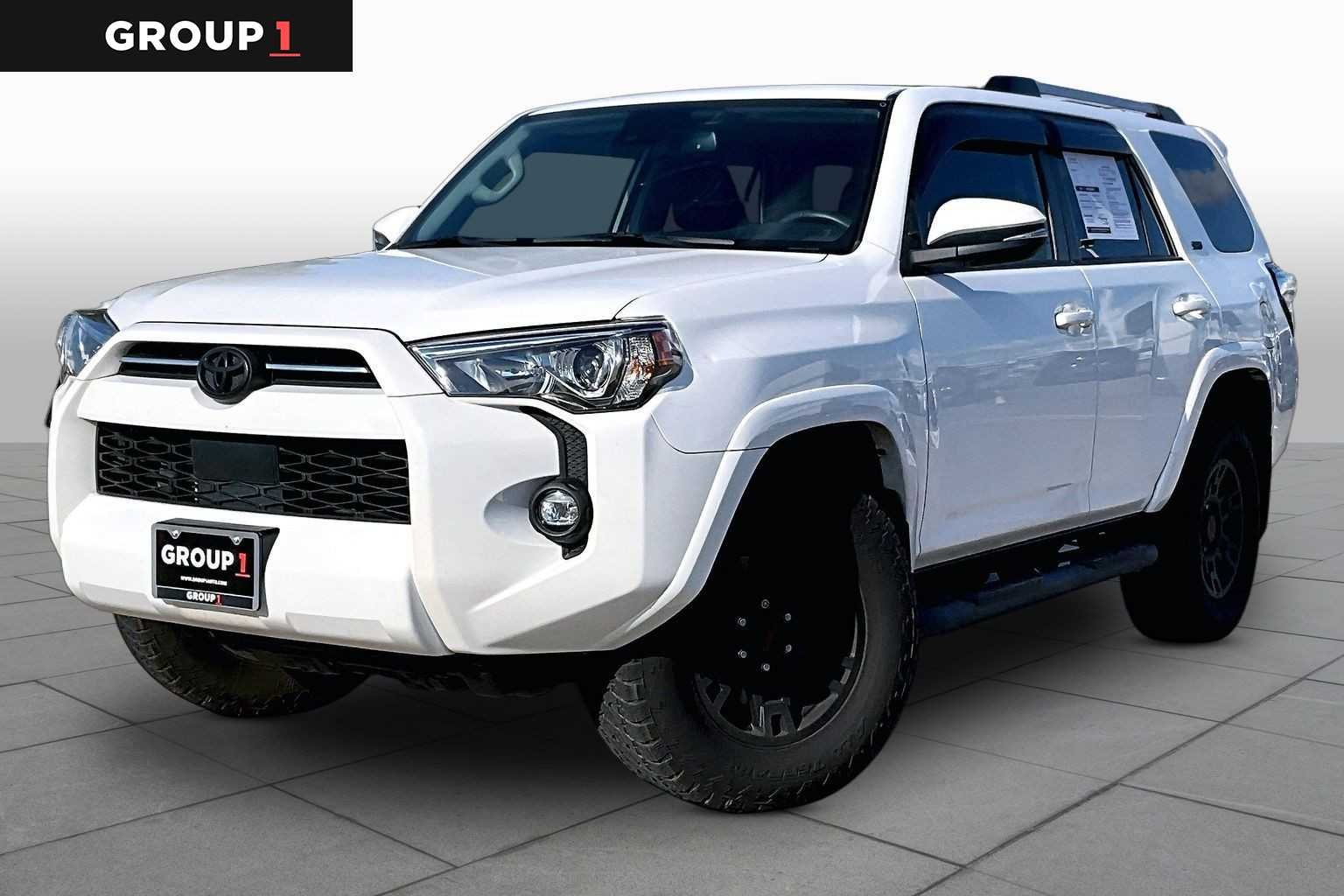
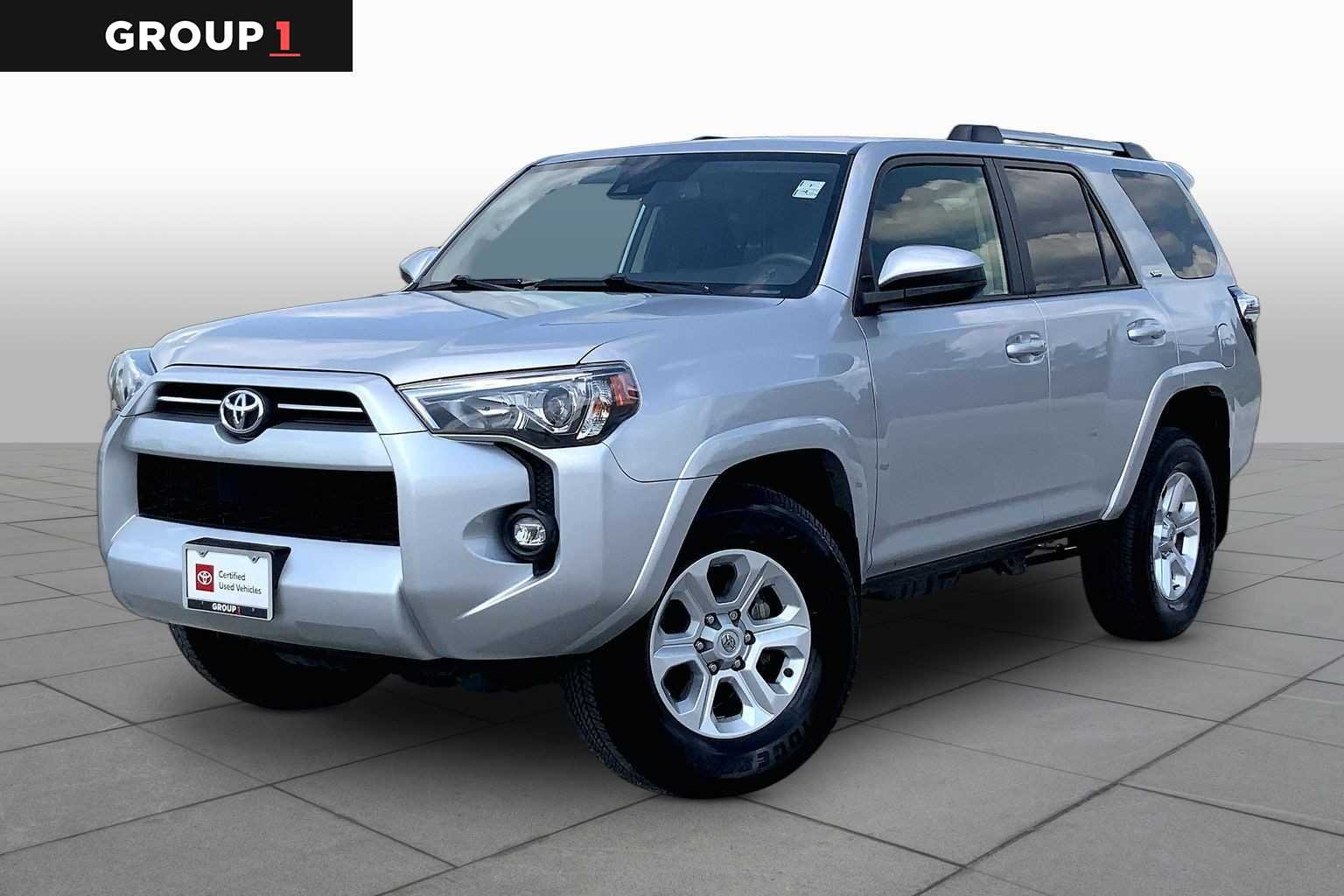
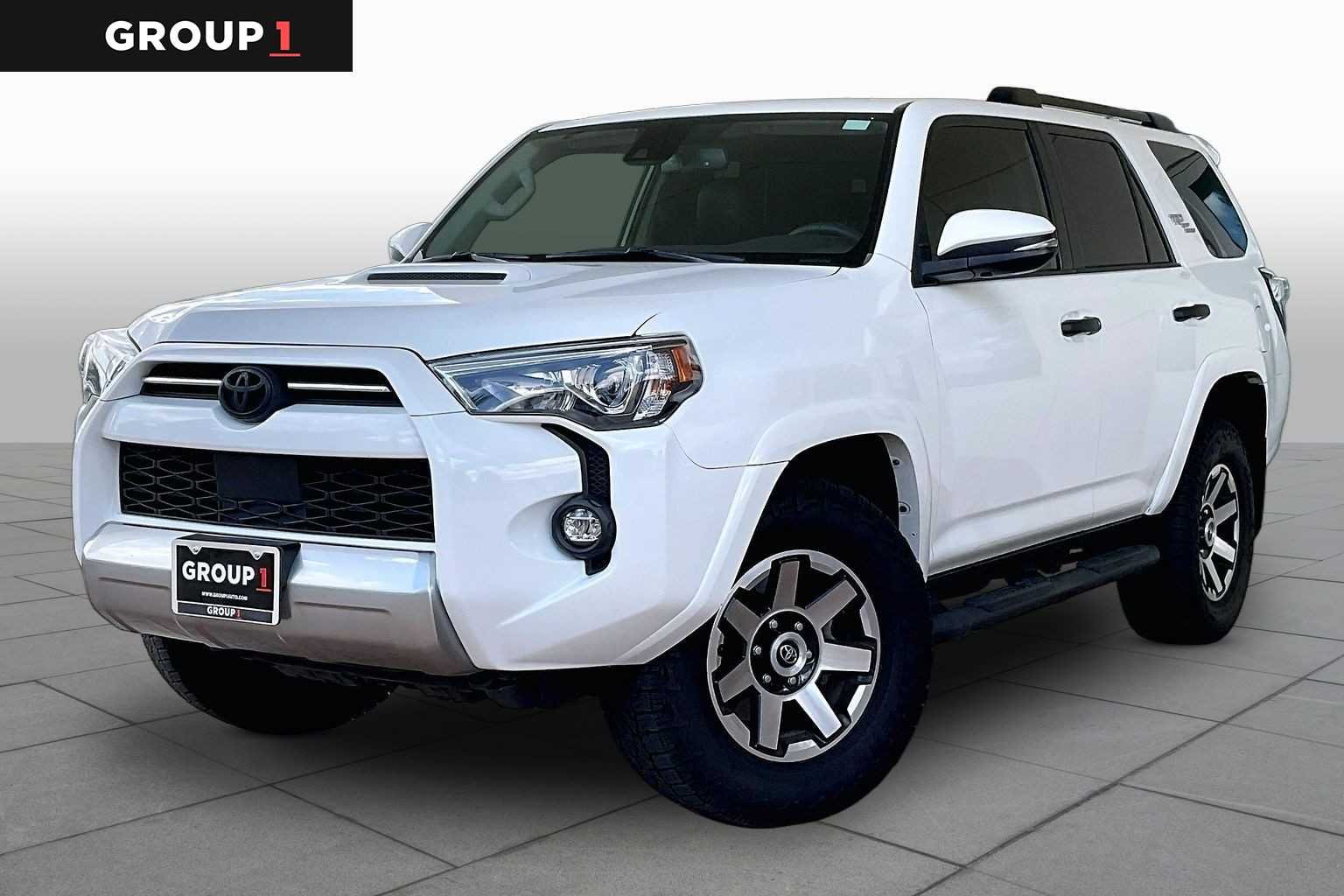
automatic, 19K km, SUV, All Wheels Drive, 2,400 cm3, 278 hp, black, Hybrid TRD Off Road Premium, Used condition, Japan, In stock

HendrickCars.com
 Buford, United States
 Buford, United States
 Rock Hill, United States
 Rock Hill, United States
 Rock Hill, United States
 Rock Hill, United StatesApex, United StatesApex, United StatesBrentwood, United StatesBrentwood, United States
 Southwest, United StatesSouthwest, United StatesSouthwest, United StatesSouthwest, United StatesSouthwest, United StatesSouthwest, United StatesSouthwest, United StatesSouthwest, United StatesSouthwest, United StatesSouthwest, United StatesSouthwest, United StatesSouthwest, United StatesSouthwest, United StatesSouthwest, United StatesSouthwest, United StatesMishawaka, United States
When you’re in the market for a Toyota 4Runner, understanding the model range, configurations, and market prices helps you make a confident choice. This midsize SUV blends rugged off-road capability with everyday practicality, making it a strong option for those who need dependable performance in cities like New York, Los Angeles, or Chicago, as well as in more rural areas. In this guide we cover generations, fuel types, body styles, typical mileage expectations, and how to evaluate condition when buying or selling in the United States.
The 4Runner has evolved through multiple generations, each bringing new engines and trims. The most common engines include V6 gasoline units paired with rear- or four-wheel drive. Body styles typically feature a traditional SUV silhouette with a roomy interior and a truck-like cargo area. When shopping, you’ll see options ranging from base trims to higher-end Limited and TRD models, which differ in comfort features, suspension tuning, and off-road equipment.
Prices for a Toyota 4Runner depend on generation, mileage, condition, and optional upgrades. Typical price bands in major markets can be grouped as follows:
When evaluating a used 4Runner, check maintenance records, note any rust or frame concerns, inspect the timing belt/chain (where applicable), and verify the four-wheel-drive system operation. A thorough test drive should cover acceleration, braking, steering feel, and off-road suspension behavior if you plan to use it beyond paved roads.
For most buyers, the V6 gasoline engine delivers a reliable blend of power and efficiency for everyday driving and light towing. If you anticipate heavy off-road use, higher trims with better suspension, tires, and protective equipment may be preferable. Consider whether you want 4x4 with a manual transfer case option (where available) or an automatic system, as this can influence maintenance costs and driving feel.
Urban buyers should weigh fuel economy, parking comfort, and interior technology. Sellers often highlight features such as touchscreen infotainment, backup cameras, and advanced driver-assistance options. When negotiating, compare current market listings for similar miles and trim levels, and be prepared to walk away if the price does not reflect the vehicle’s condition and service history.
If you are selling a Toyota 4Runner, provide a transparent history, disclose any repairs, and present recent service receipts. A clean title and updated maintenance increases buyer trust and can shorten the selling process.
In short, the Toyota 4Runner remains a versatile choice for buyers who value durability, squarely aimed at both daily driving and weekend adventures. A careful evaluation of generation, mileage, fuel type, and overall maintenance will help you land a fair deal in any major city.
 Add as preferred sourceSee more from zvelta in Google Search Add as preferred source