 EN
ENDEALER
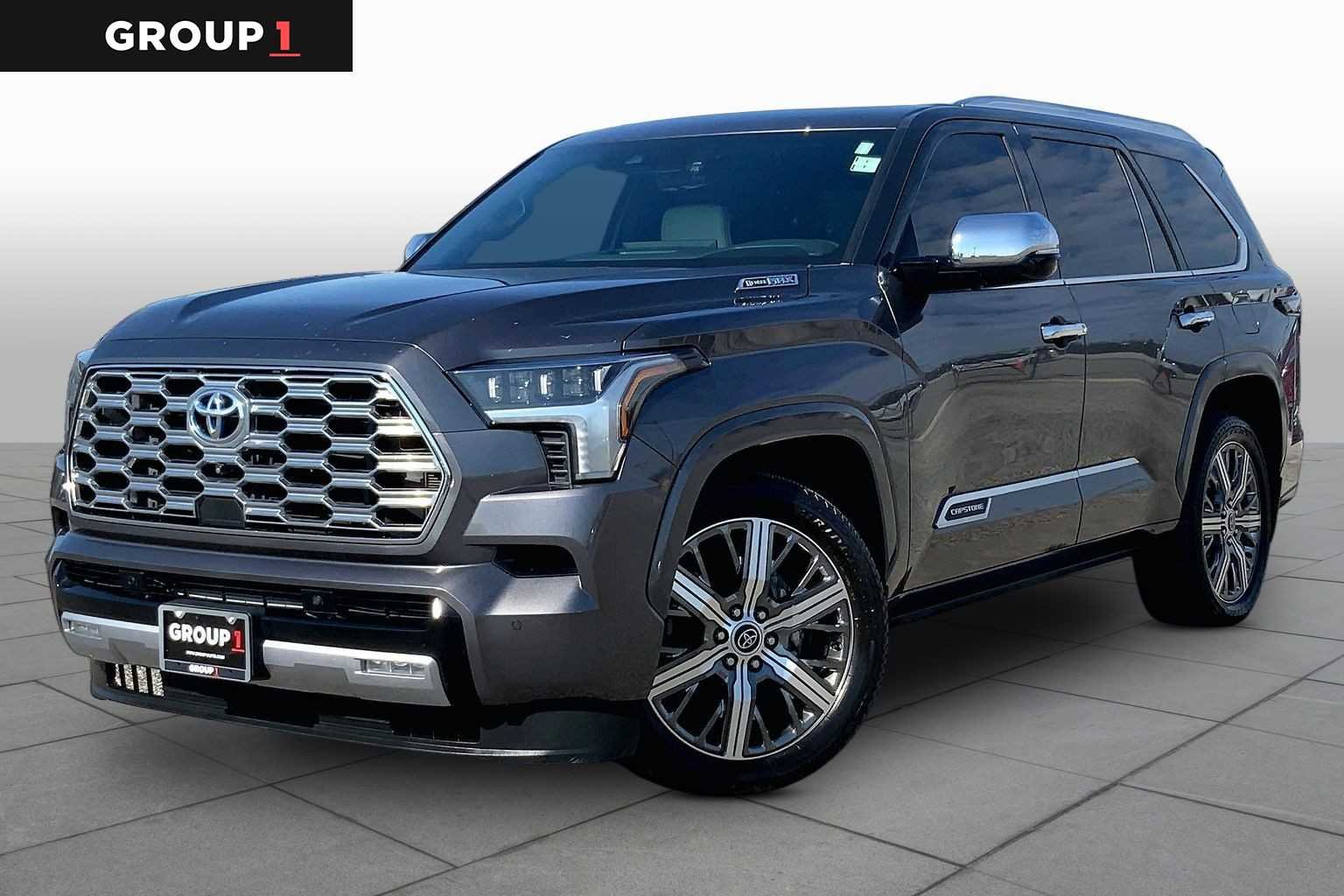
57.225 US$DEALER
58.725 US$
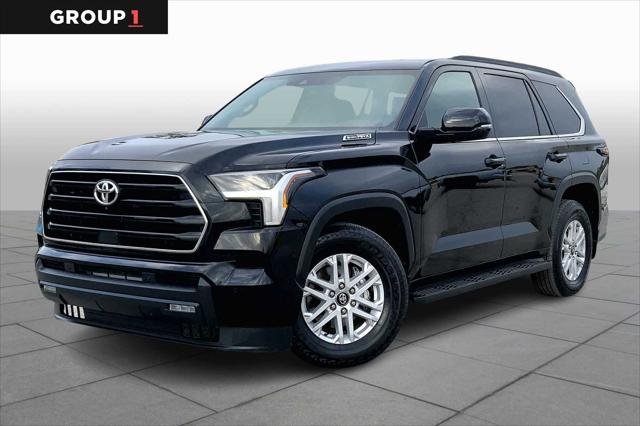
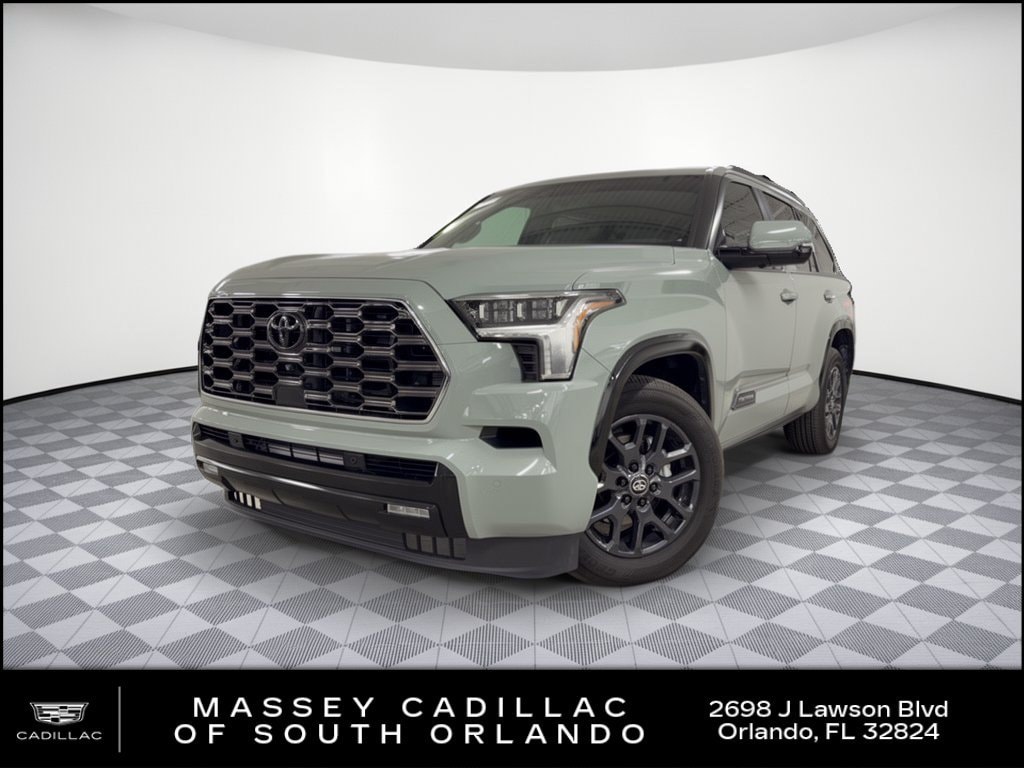
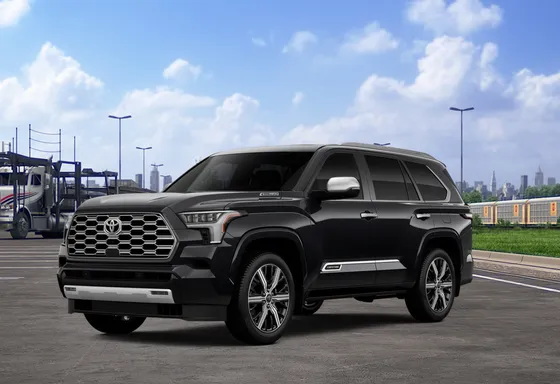
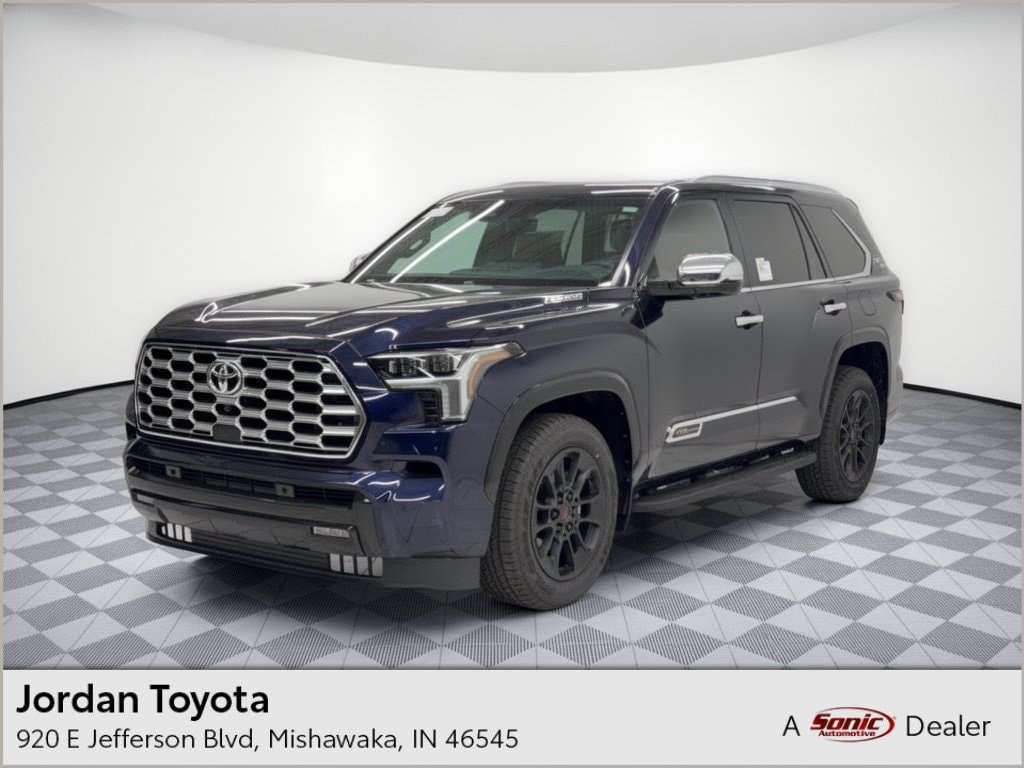
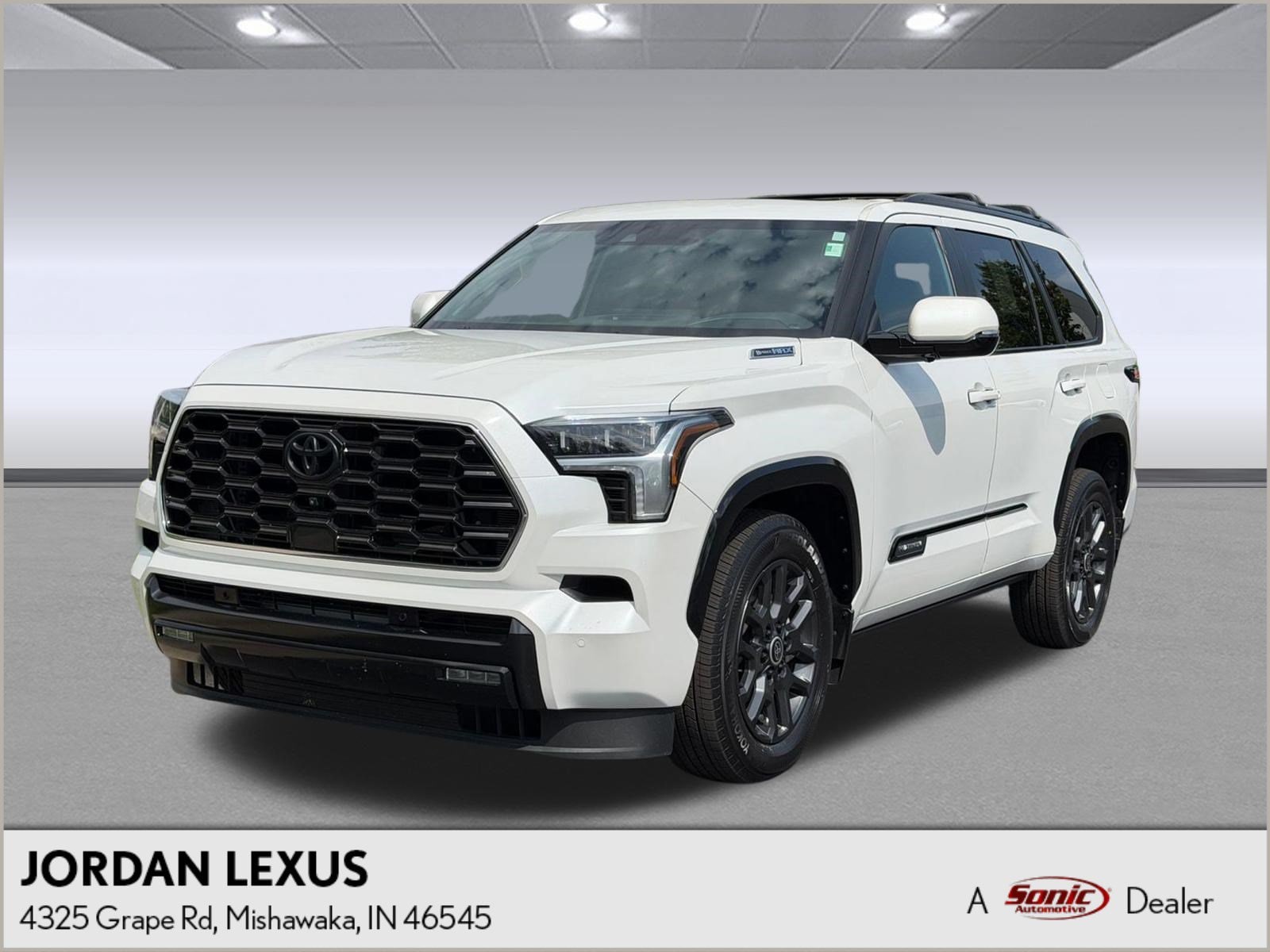
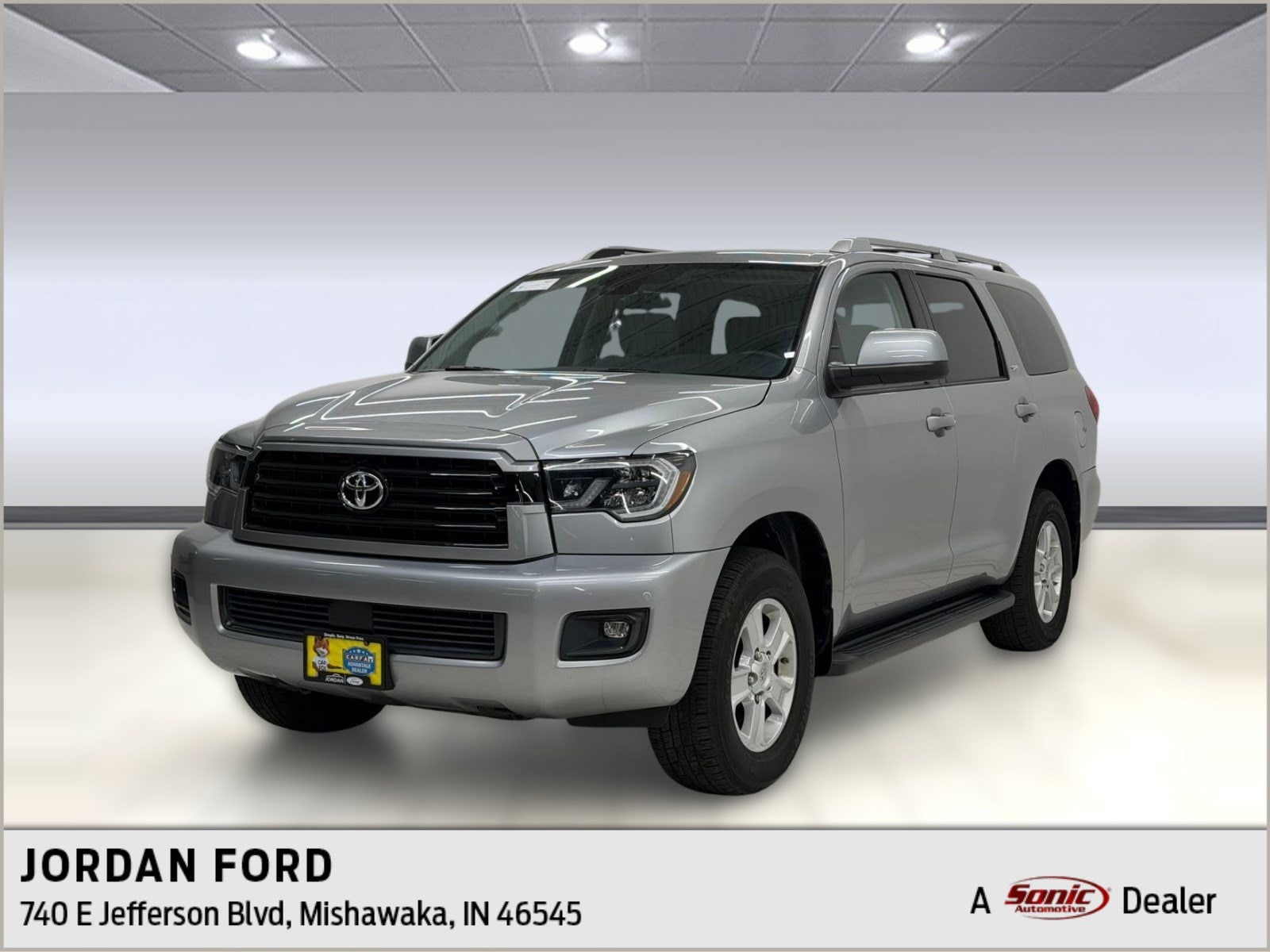
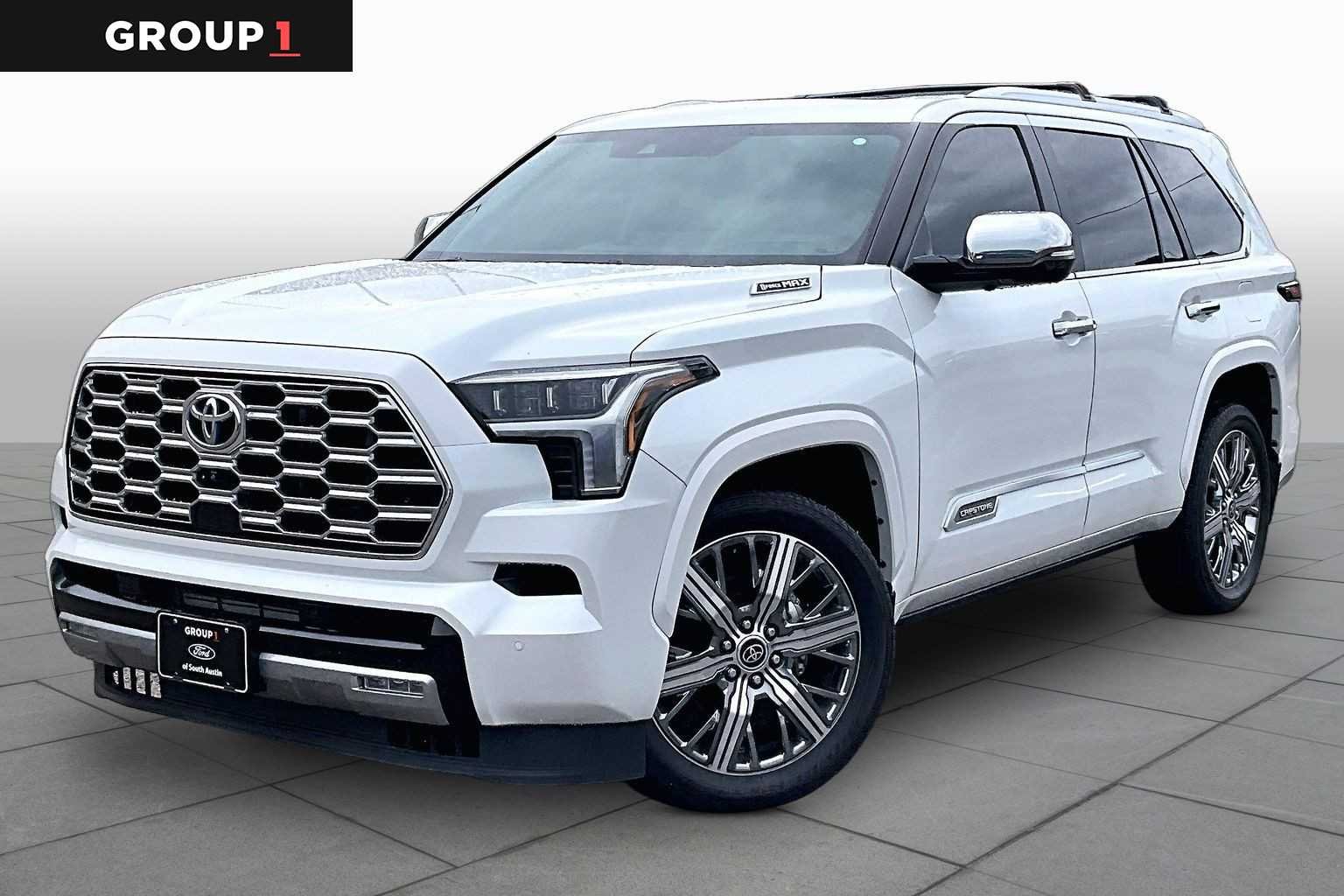
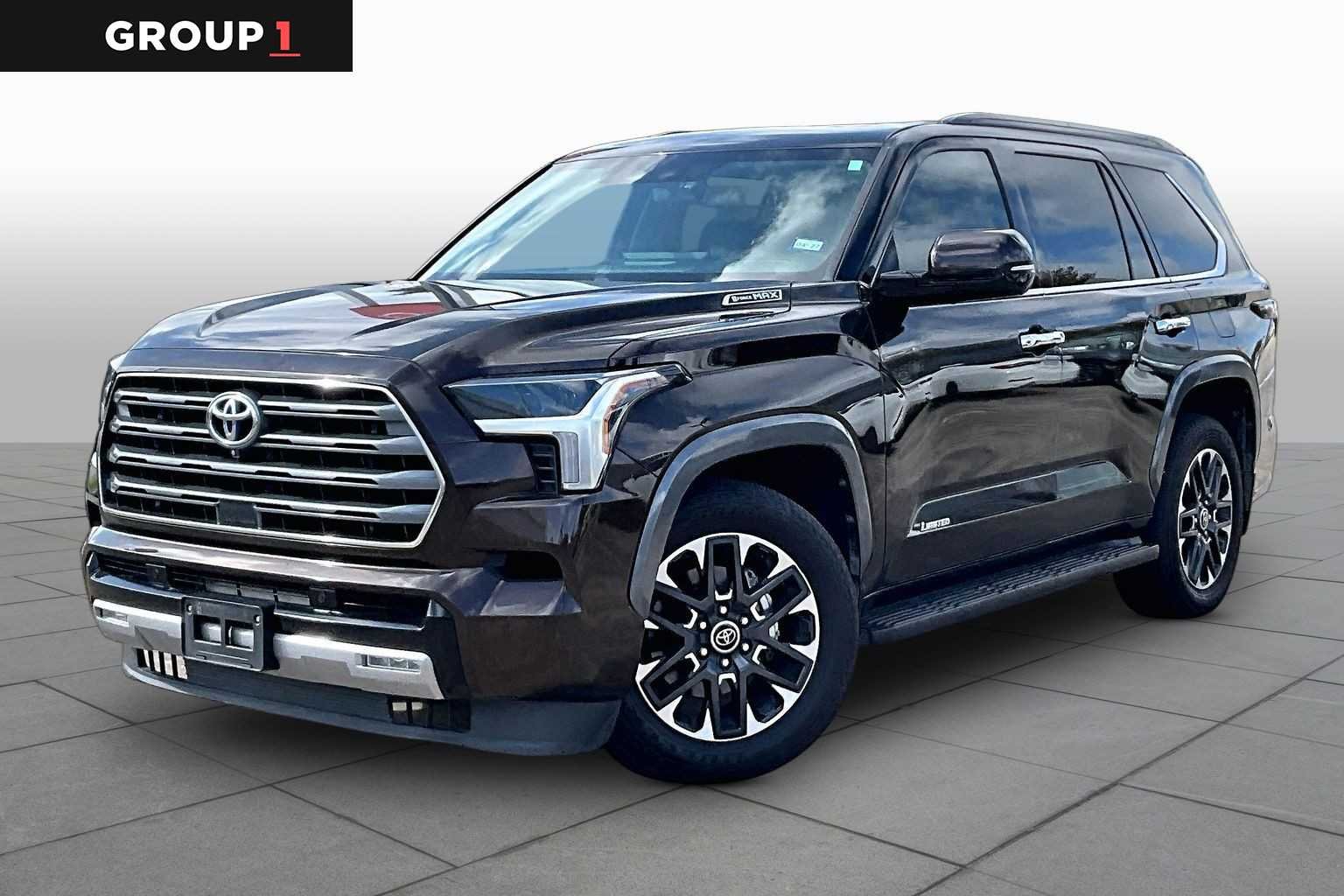
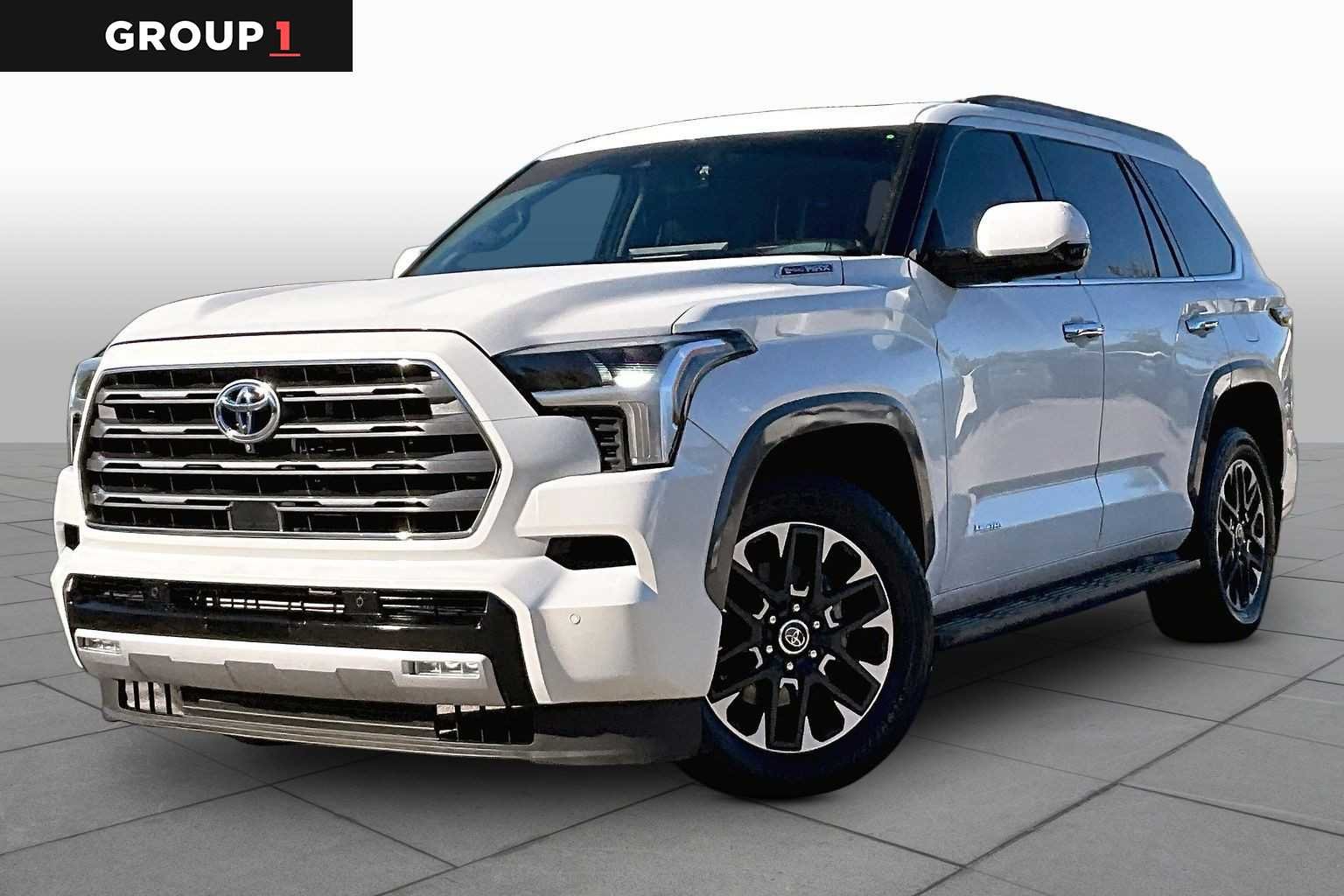
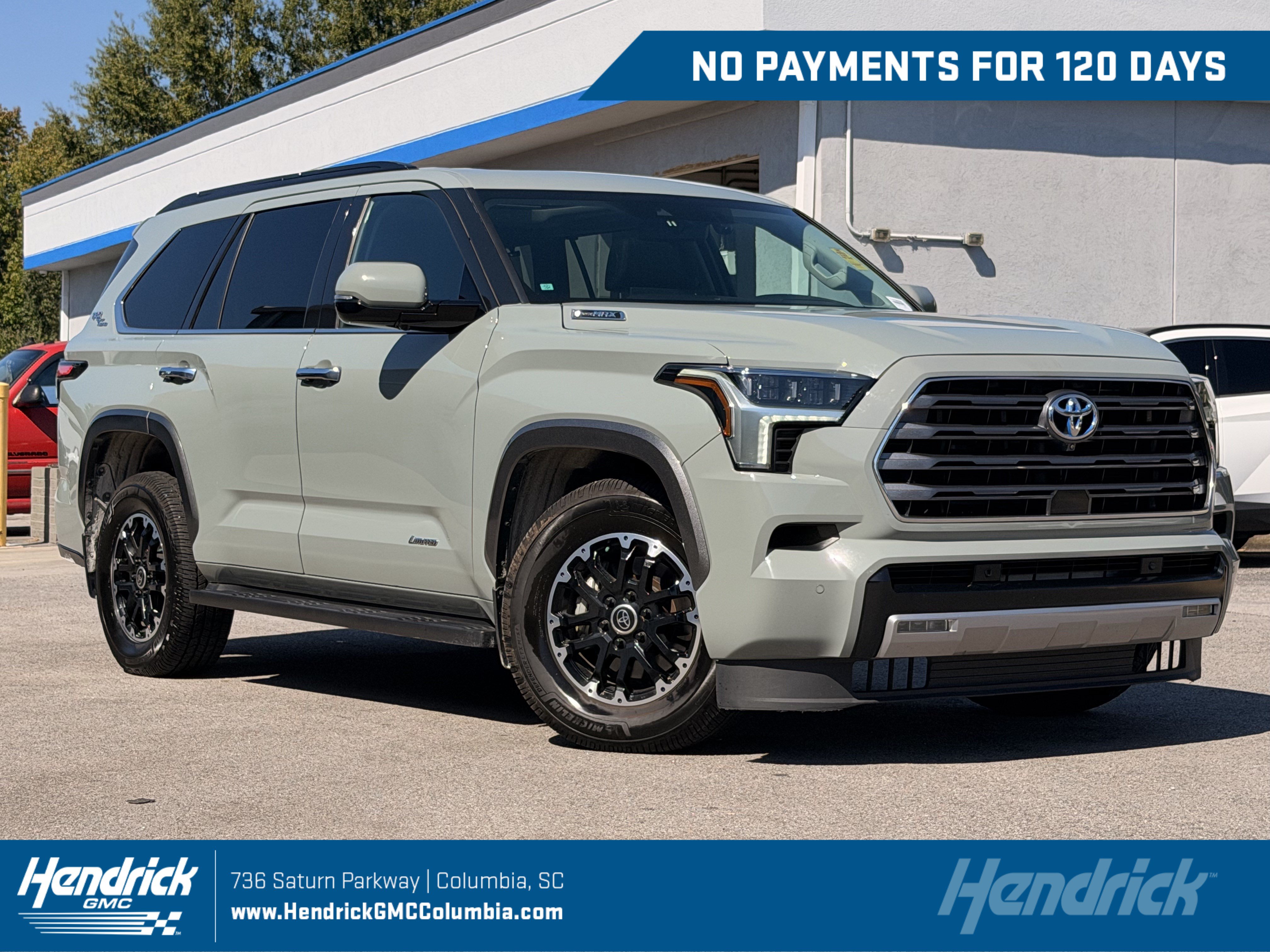
hybrid, automatic, 99K km, SUV, All Wheels Drive, 3,400 cm3, 437 hp, grey, Used condition, USA, In stock

Group1Auto.com
 Southwest, United States
 Southwest, United StatesSouthwest, United StatesOrlando, United StatesMishawaka, United StatesMishawaka, United StatesMishawaka, United StatesMishawaka, United StatesMishawaka, United StatesMishawaka, United States
 Chevrolet, United StatesAustin, United StatesMain Settlement, United StatesMain Settlement, United StatesMain Settlement, United StatesMain Settlement, United StatesMonrovia, United StatesCadillac, United States
 Atlanta, United StatesColumbia, United StatesColumbia, United StatesConcord, United StatesConcord, United StatesConcord, United StatesConcord, United StatesConcord, United States
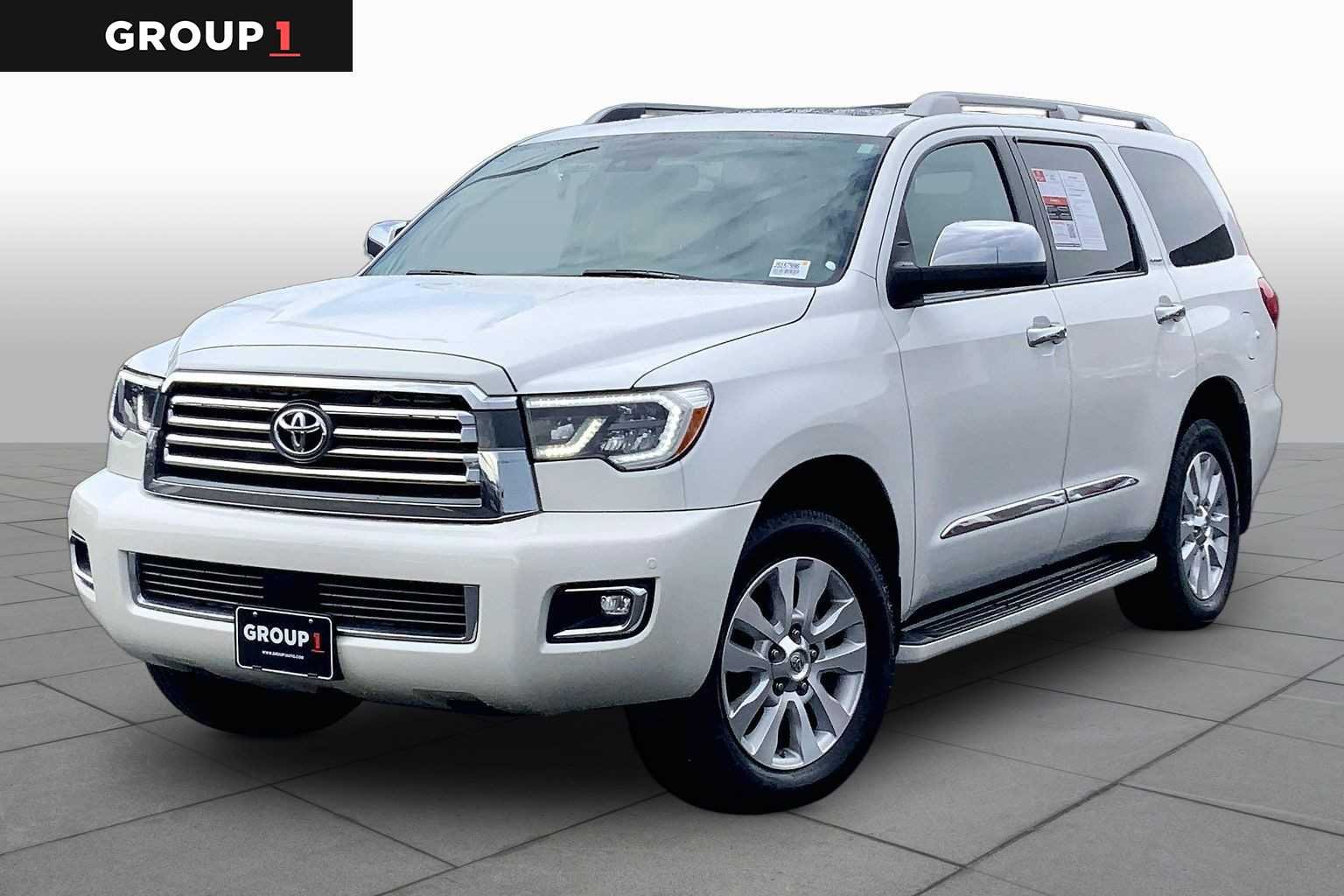
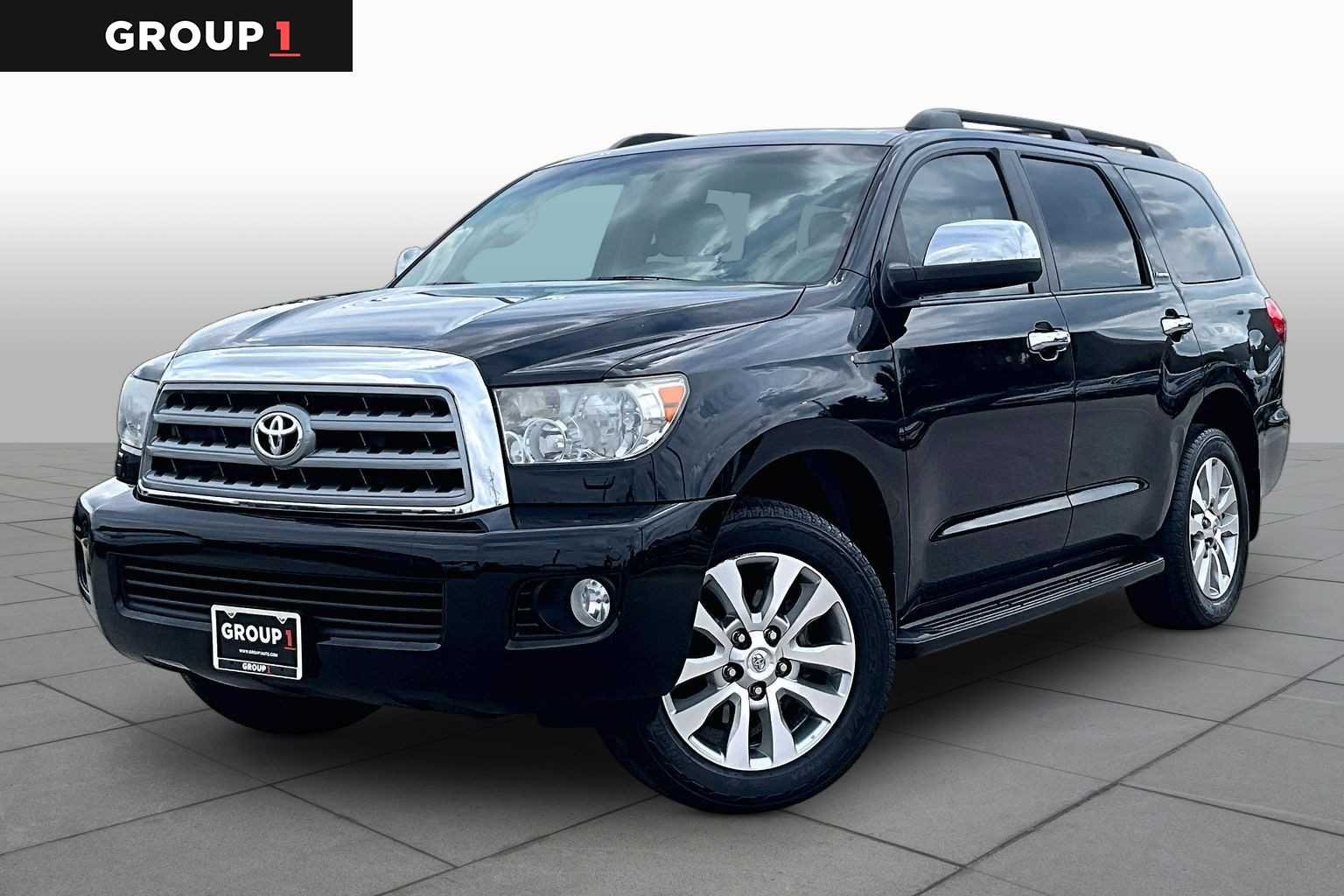
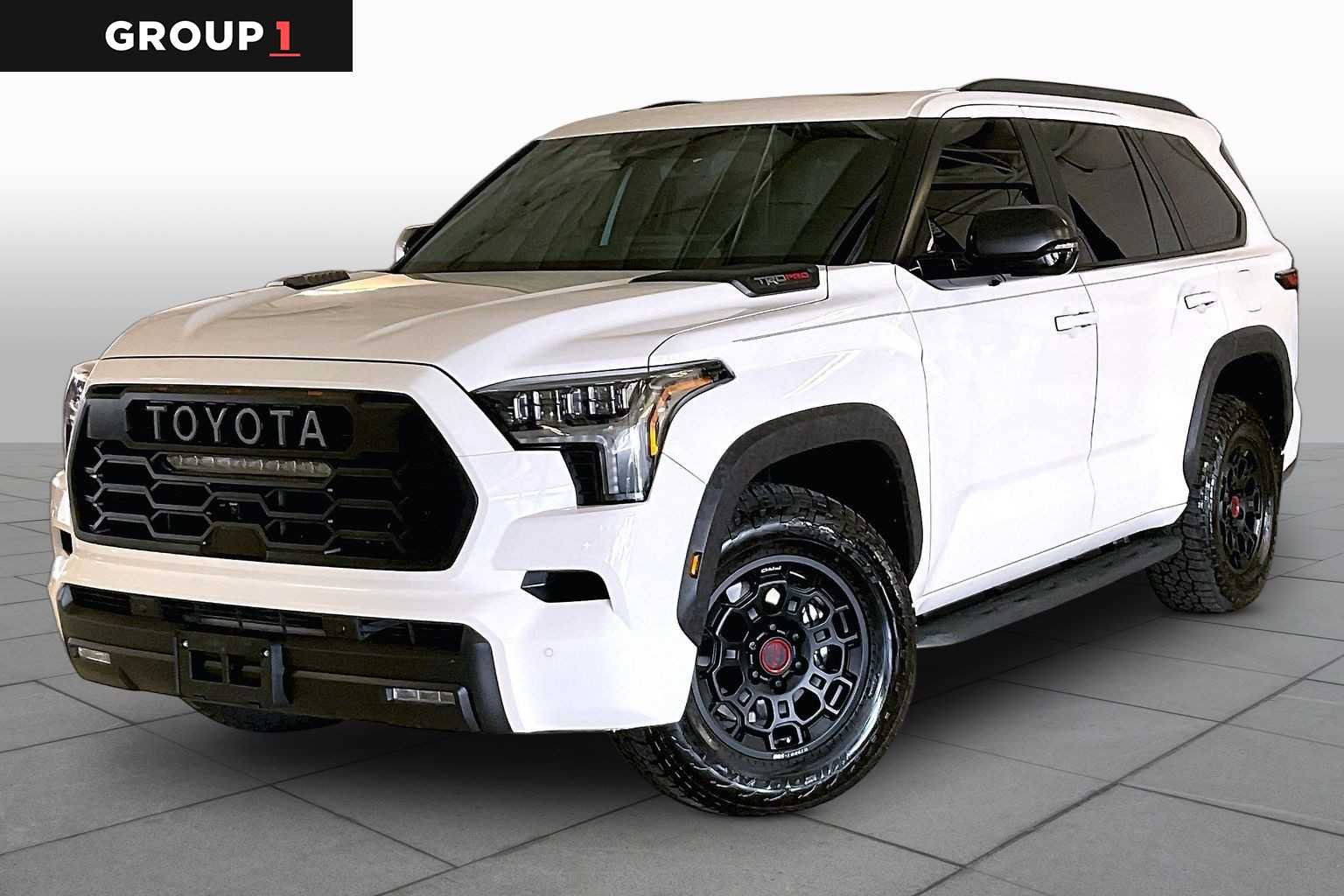
The Toyota Sequoia remains a strong choice for families and adventurers who need a full-size SUV with rugged capability and dependable engineering. If you’re considering a Toyota Sequoia, you’ll want to understand how generations differ, what fuels and drivetrains are common, and how price and mileage influence your decision in different markets. This guide covers practical tips for buyers and sellers, focusing on the Sequoia’s design, typical configurations, and what to look for when you’re evaluating vehicles in key cities and regions.
Toyota introduced the Sequoia as a larger companion to the Tundra pickup, with several generations offering different engine choices and interior layouts. In practice, expect these common themes:
For buyers, knowing the generation helps compare pros and cons, especially when considering used models. Sellers can highlight drivetrain options, mileage, and maintenance history that align with the vehicle’s generation.
The most common Sequoia configurations involve different engine choices and trims. When shopping, consider:
When evaluating a used Sequoia, verify service records for timing belt/chain (if applicable), cooling system maintenance, and the condition of suspension components, given the vehicle’s weight and intended use.
Prices for the Toyota Sequoia vary by generation, mileage, and market demand. In urban areas with strong SUV markets, you’ll often find well-maintained examples with documented service histories. Typical price ranges to consider:
When buying, compare local listings in cities with demand for family-size SUVs, and don’t overlook certified pre-owned programs that provide extended warranties and vehicle history checks.
For sellers, presenting a transparent maintenance record, recent service, and a clear disclosure about any past accidents or repairs helps build trust and can support a quicker sale at a fair price. Buyers should aim for a vehicle that aligns with their space needs, daily drive expectations, and budget while considering long-term ownership costs.
 Add as preferred sourceSee more from zvelta in Google Search Add as preferred source