 EN
EN

Frequently asked questions
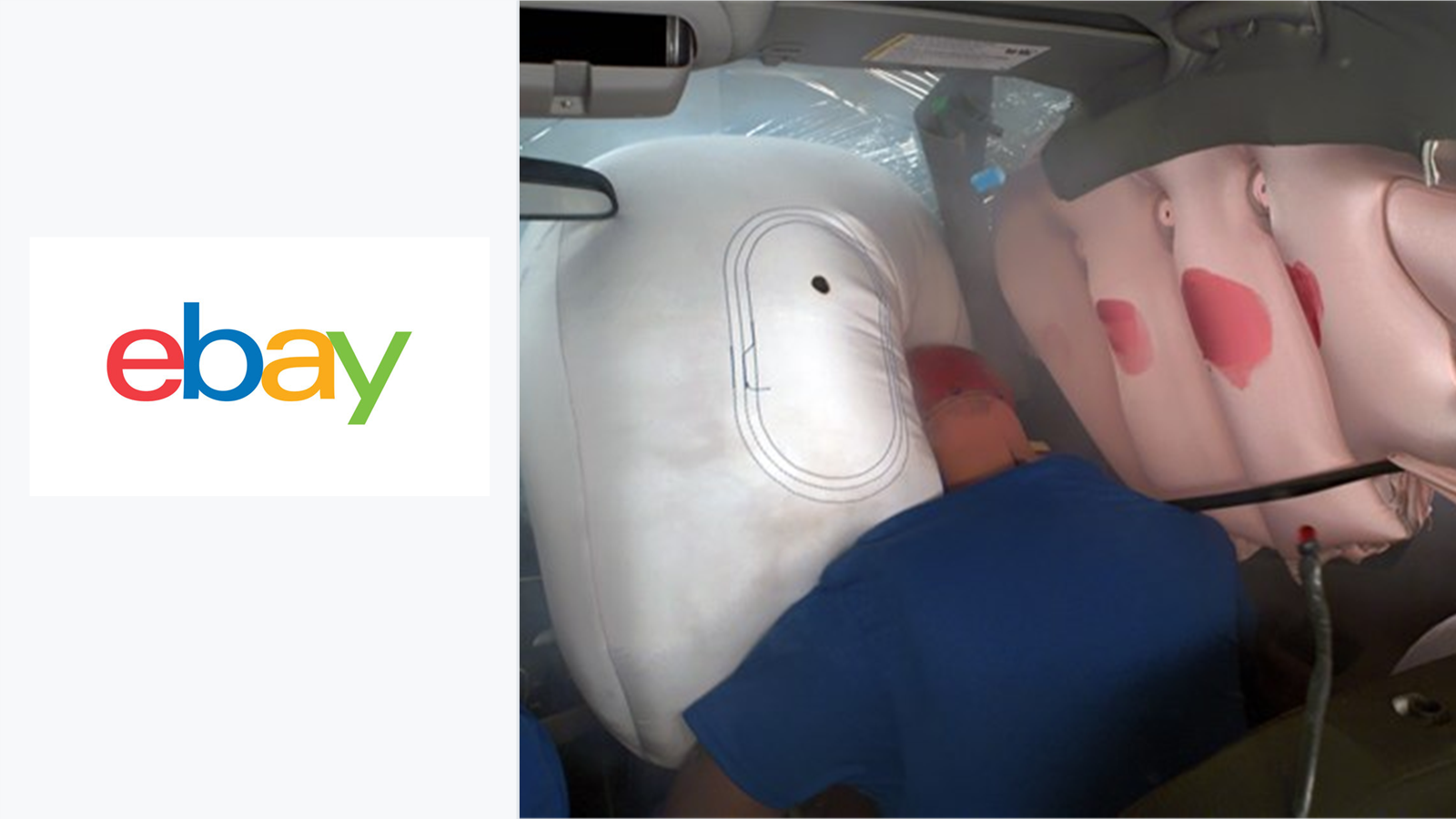
Starting September 24, 2026, eBay will prohibit all sellers from listing or selling airbags, inflators, and steering-wheel module covers, including new, used, deployed, refurbished, and recalled parts.
Control units, crash sensors, diagnostic modules, and passenger sensors are permitted outside the United States if they do not contain an airbag or inflator. In the United States, these parts are permitted only for pre-approved sellers.
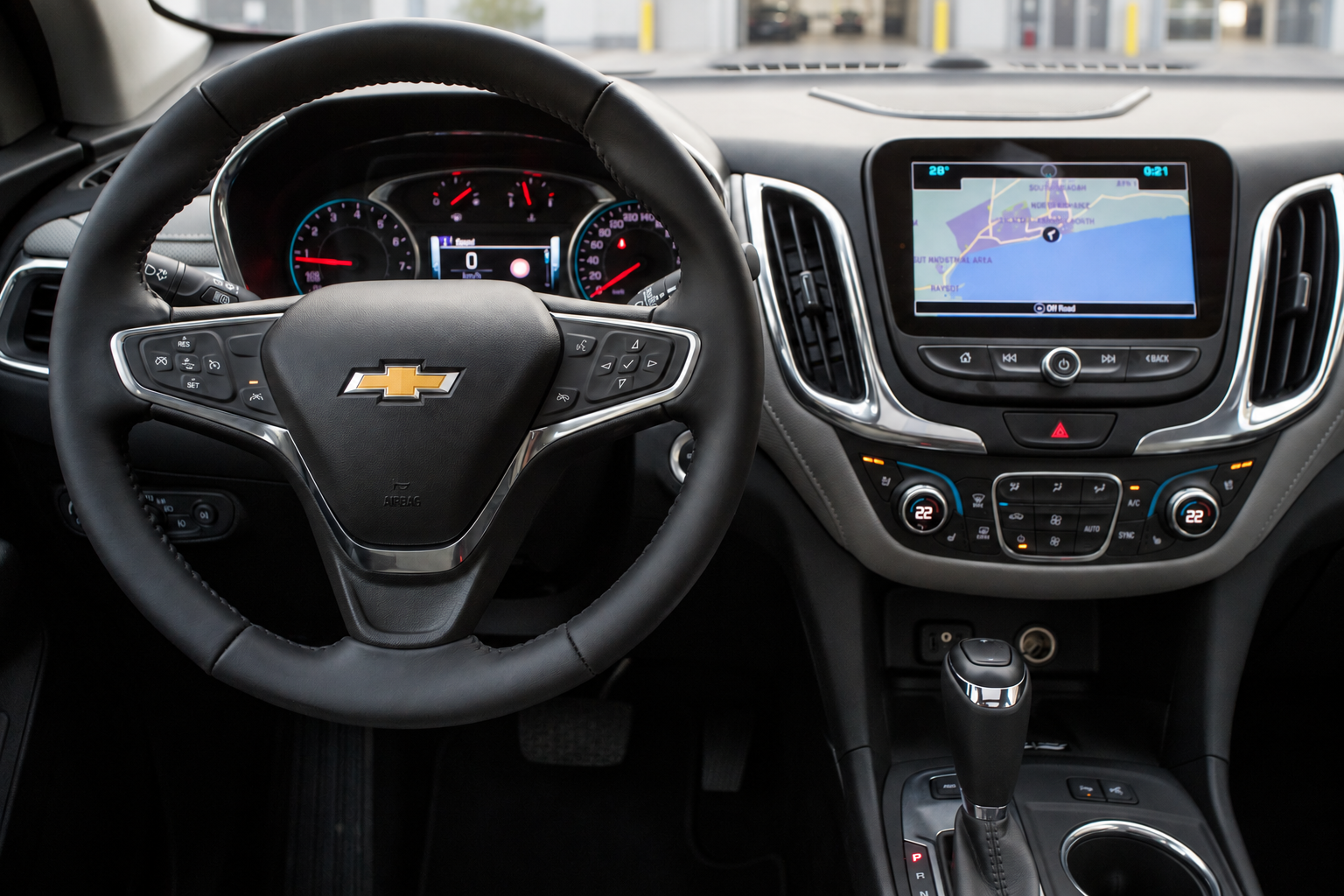
The appearance of the steering wheel and a switched-off SRS warning light cannot establish the origin or safety of an installed module. NHTSA says DTN60DB is not linked to a specific vehicle VIN, so the absence of an open recall does not confirm that the part is safe; only a specialist can determine its origin.
Starting September 24, 2026, eBay will no longer allow sellers to list or sell airbags, inflators, or steering-wheel module covers. The ban applies to all sellers and covers new, used, deployed, refurbished, and recalled airbags. This is a marketplace policy change, not a ban on professional repairs to passive safety systems.
The ban is not yet in effect. In its official eBay notice, the company gave sellers 30 days to review active, scheduled, and draft listings. After the deadline, eBay will remove any remaining offers itself. These removals will not negatively affect an account’s policy-compliance history, but relisting a prohibited part may lead to selling restrictions.
Which Parts Will Disappear and Which Will Remain
The phrase “airbag ban” does not cover every component of the system. eBay distinguishes between parts containing a pyrotechnic inflator and supporting components. This difference matters especially to repair shops and sellers of used parts.
Component | Outside the United States | In the United States |
|---|---|---|
Complete airbag assembly | Prohibited for all sellers | Prohibited for all sellers |
Inflator | Prohibited for all sellers | Prohibited for all sellers |
Steering-wheel airbag module cover | Prohibited for all sellers | Prohibited for all sellers |
Control unit, crash sensor, diagnostic module, passenger sensor | Permitted if the part does not contain an airbag or inflator | Permitted only for pre-approved sellers |
The current eBay policy for vehicles, parts, and accessories also clarifies that the ban covers refurbished and previously deployed airbags. As a result, descriptions such as “for rebuilding,” “for parts,” or “housing only” do not make a module acceptable if the listing falls into a prohibited category.
What Sellers Should Check Before September 24
Review active listings, scheduled listings, and drafts.
Remove airbags, inflators, and module covers, even if they are new or were removed from a functioning vehicle.
For a control unit or sensor, confirm that it does not contain a pyrotechnic component.
Do not create a new listing after removal: eBay warns that selling restrictions may follow.
Why eBay Tightened the Rules
The decision followed an investigation into dangerous replacement inflators marked DTN60DB. An inflator is designed to fill the airbag rapidly during a crash. In cases known to NHTSA, it ruptured and sent metal fragments into the passenger compartment, turning a safety system into a source of severe injuries.
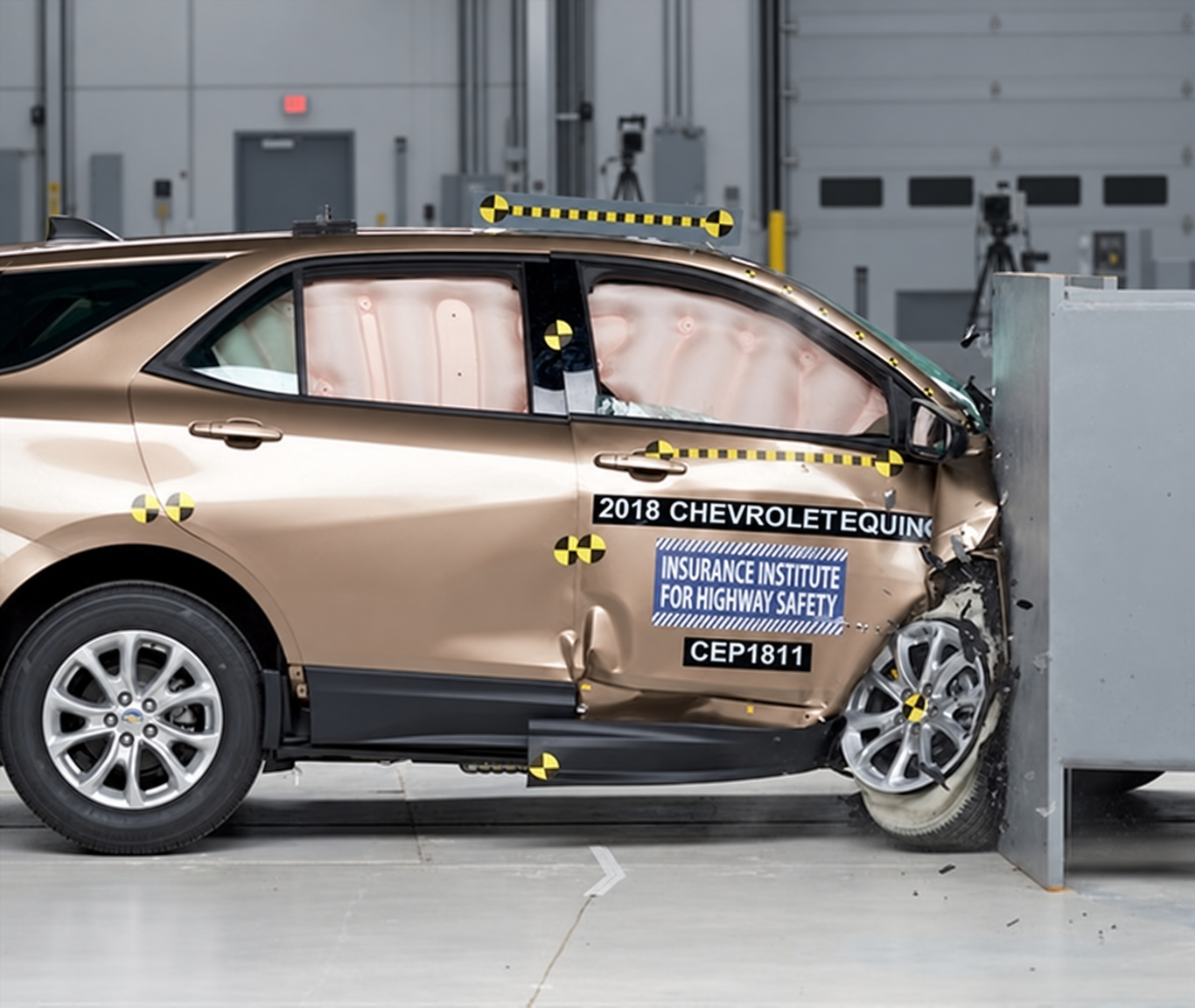
On April 2, 2026, NHTSA published a preliminary defect determination, and on April 29 it announced a final ban on the sale and import of DTN60DB in the United States. According to the agency’s September 3 update, these components had been linked to 11 deaths and three cases of severe injuries in 14 crashes. The most recent reported fatality occurred on August 27, 2026, in Dallas, involving a 2018 Chevrolet Equinox.
Earlier ruptures were identified in Chevrolet Malibu and Hyundai Sonata vehicles. The agency expressly warns that the list may be incomplete: dangerous modules entered vehicles as non-original replacement parts after earlier crashes or the theft of the original airbag. DTN’s manufacturer disputed the products’ origin and suggested they might have been counterfeit. NHTSA considers all investigated inflators marked DTN60DB defective, regardless of who actually manufactured them.
This Is Not a New Stage of the Takata Recall
DTN60DB is a separate issue involving non-original replacement parts. NHTSA says original airbags replaced by manufacturers as part of the Takata campaign are not covered by this warning. The similarity is the risk of an inflator rupture, but the causes, parts, and inspection process are different.
What the Ban Means for Car Owners
After September 24, it will no longer be possible to buy an airbag module through eBay, but dealers, manufacturers, and professional suppliers will continue operating through their own channels. For used-car owners, the practical takeaway is different: the origin of an installed module cannot be assessed from the appearance of the steering wheel or from a switched-off SRS warning light.
The risk is higher if the vehicle has been involved in a crash that deployed its airbags, declared a total insurance loss, experienced steering-wheel theft, or received repairs at a shop without documentation showing where the parts came from. A vehicle-history report can help identify such events, but it does not guarantee that every repair is recorded.
Checking a Used Car
Request the accident history and look specifically for records of airbag deployment.
Ask for the repair order and invoice for the replacement module; the documents should identify the supplier and part number.
If the repair history is unclear, have the vehicle inspected by the brand’s dealer or a shop experienced with SRS systems.
Do not disassemble the steering wheel yourself or apply voltage to the inflator terminals.
The NHTSA page on deadly replacement inflators includes another important detail: DTN60DB is not linked to a specific vehicle VIN. Therefore, the absence of an open recall when checking the VIN does not confirm that the installed part is safe. Only a specialist can determine its origin.
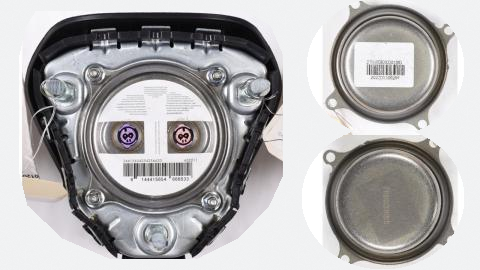
If a technician finds a DTN60DB inflator, the U.S. regulator recommends not driving the vehicle until an original part is installed. Removing the steering-wheel cover or inspecting the inflator yourself is dangerous: accidental deployment can cause serious injury.
What the eBay Ban Does Not Solve
Removing the category cuts off one major sales channel, but it cannot automatically identify modules that have already been installed. NHTSA does not have a complete list of vehicles containing DTN60DB because the parts were imported and installed outside the manufacturer’s normal supply chain. For the same reason, a traditional recall campaign with direct notice to every owner is unlikely.
The ban also does not mean that every used vehicle has a dangerous airbag. The need for an inspection arises from a combination of factors: a previous deployment, unclear repairs, and missing documentation for the replacement module. For a buyer, documented repair history matters more than a seller’s claim that the SRS warning light is off.