EN
EN

Frequently asked questions
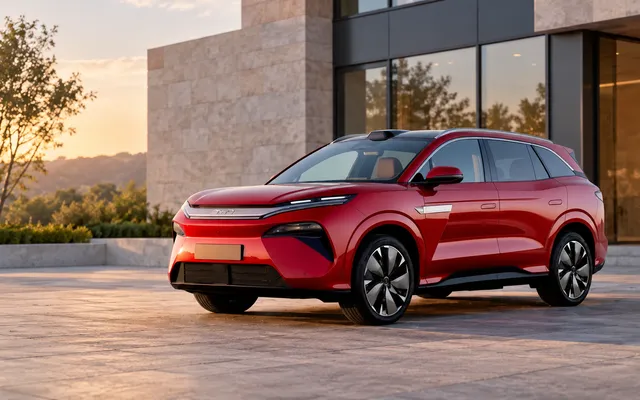
A future electric model inspired by the 2CV has been confirmed, with a focus on simplicity, affordability, versatility and accessible urban mobility.
More details are expected at the Paris Motor Show in October 2026.
The battery capacity, driving range, motor output, dimensions, final price, production timing and final production name have not been officially confirmed.
Citroën is bringing back one of the most beloved ideas in European motoring: the 2CV.
Not as a museum piece. Not as a limited-run toy for collectors. And, at least based on what Citroën has said so far, not as a lazy retro copy either. The brand has officially confirmed a future electric model inspired by the spirit of the legendary 2CV — a car built around simplicity, affordability, practicality and freedom of movement.
For Citroën, this is more than a nostalgic badge. It is a chance to answer one of the biggest questions in the European car market right now: can electric cars become genuinely affordable again?
What Citroën Has Officially Confirmed
Citroën announced the project as part of Stellantis’ new FaSTLAne 2030 strategic plan. The company says the future model will reinterpret the original 2CV philosophy for a new generation: electric, simple, versatile and desirable.
The brand also confirmed that more details will be revealed at the Paris Motor Show in October 2026.
Topic | Current Status |
|---|---|
Model | Future Citroën model inspired by the 2CV |
Powertrain | Electric |
Positioning | Affordable, simple, versatile urban mobility |
Official reveal details | More information expected at Paris Motor Show, October 2026 |
Production date | Not officially confirmed by Citroën for this exact model |
Battery | Not announced |
Range | Not announced |
Motor output | Not announced |
Final price | Not announced by Citroën |
Citroën CEO Xavier Chardon described the challenge as “reinventing the 2CV of tomorrow” and said the original car became an icon because it gave people freedom. His key message is important: the new car is not meant to live from nostalgia alone. It should carry the same idea into today’s world — electric, essential, affordable and human.
Why the 2CV Still Matters?
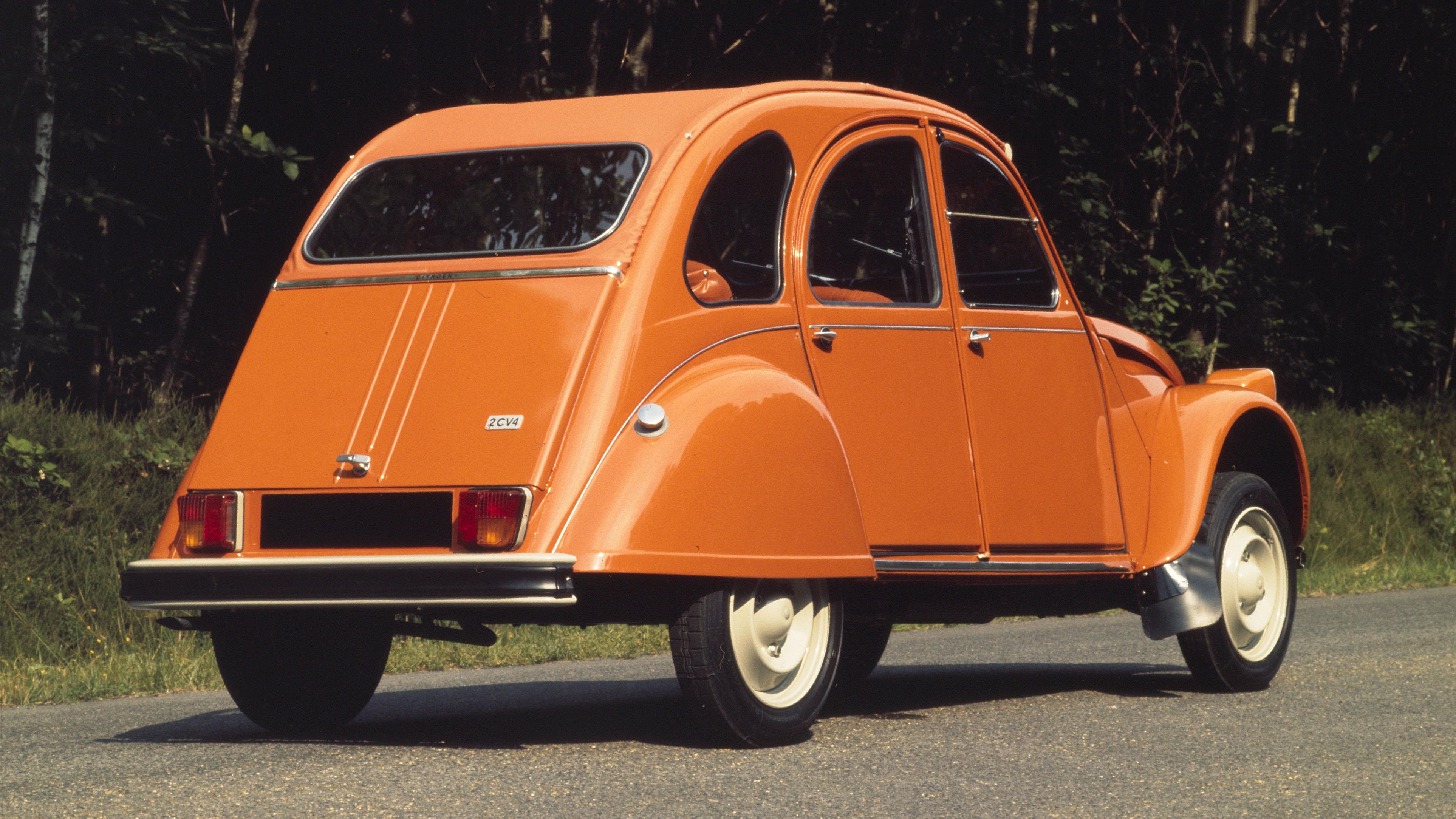
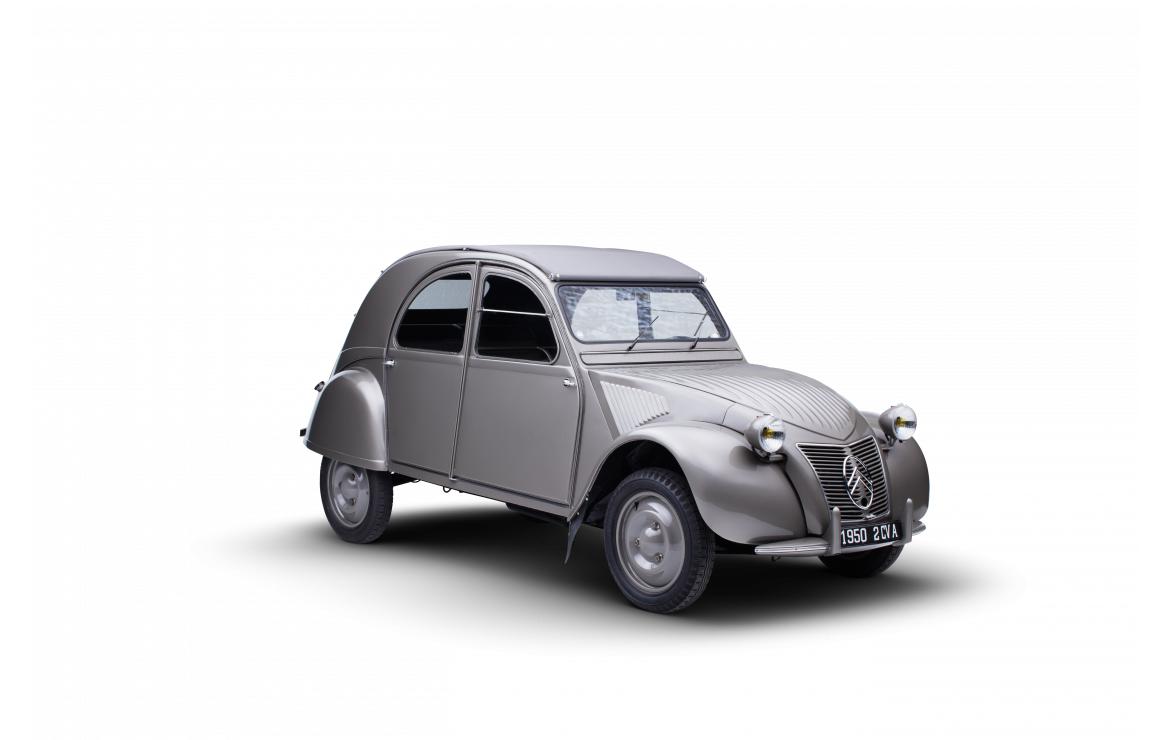
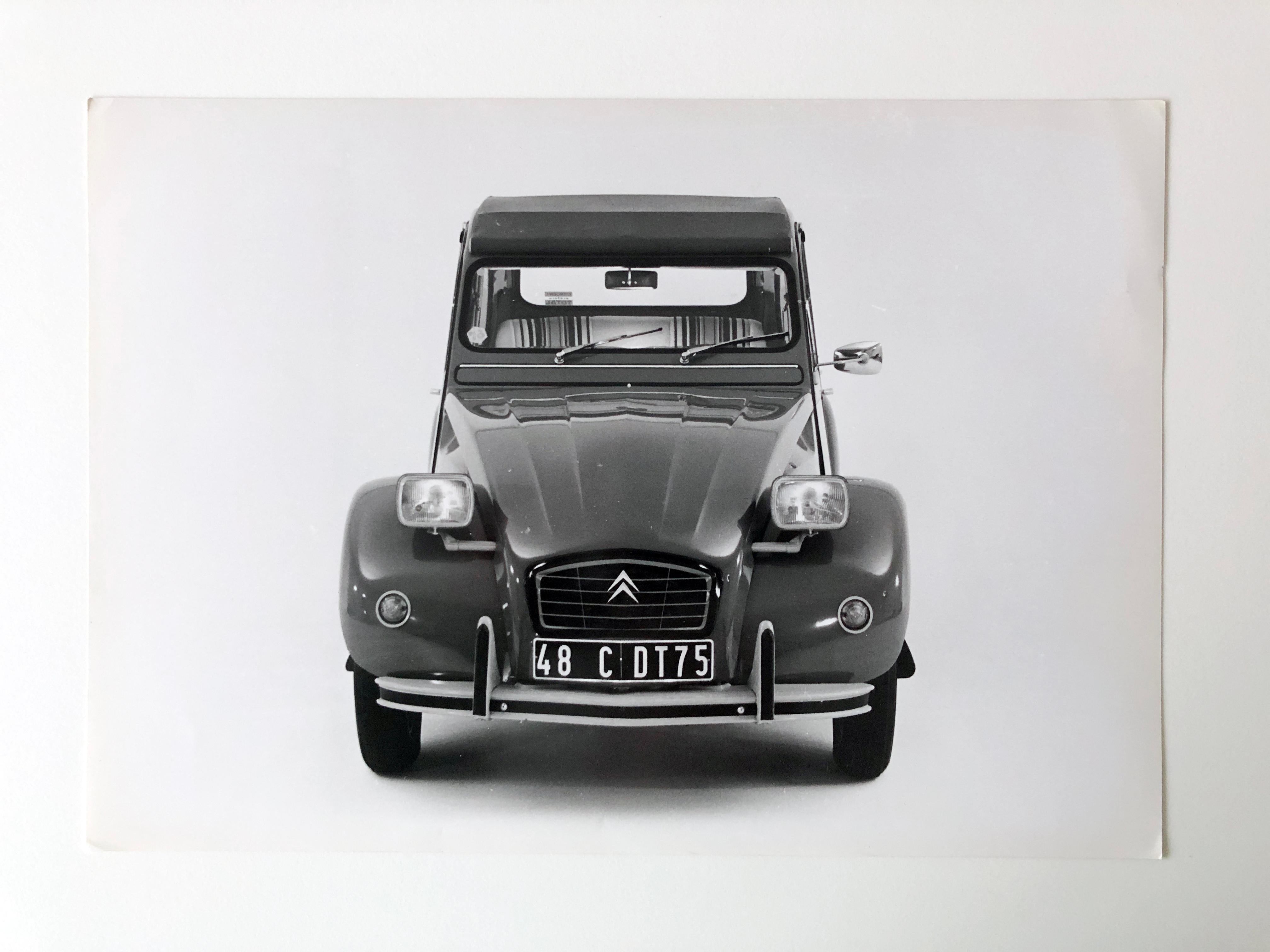
The original Citroën 2CV was never designed to impress wealthy buyers. It was built to be useful.
It was simple, light, inexpensive to run and easy to live with. It gave ordinary people mobility at a time when car ownership was still out of reach for many households. That is why the 2CV became more than just a car. It became a symbol of accessible freedom.
That context matters today because the European EV market has a pricing problem. Many electric cars are still too expensive for buyers who simply want a small, honest city car. Bigger batteries, stricter safety rules, complex electronics and rising manufacturing costs have pushed even basic models upward in price.
Citroën clearly sees the 2CV idea as relevant again. In its official release, the company says the future model will focus on the same essential values that defined the original: affordability, lightweight design, practicality, versatility and a distinctive character.
The Bigger Stellantis Plan Behind It
The 2CV project is not happening in isolation. Stellantis has unveiled FaSTLAne 2030, a five-year strategic plan backed by €60 billion of investment. The plan is built around sharper brand management, global platforms, powertrain technology, partnerships, manufacturing optimization and regional execution.
At the same time, Reuters reports that Stellantis plans to launch a new category of small, low-cost fully electric vehicles in Europe. Production of the compact “E-Car” is planned to start in 2028 at the Pomigliano d’Arco plant in Italy, with a target price of around €15,000, according to a source cited by Reuters.
This is where the story becomes especially interesting. Citroën has confirmed the 2CV-inspired electric model. Stellantis is also building a low-cost E-Car program for multiple brands. But Citroën has not yet published the full technical link between the two, so it is better to describe the new 2CV-inspired model as part of Stellantis’ wider push toward affordable electric mobility — not as a fully specified €15,000 production car just yet.
What We Know vs. What Is Still Unknown
Confirmed | Not Confirmed Yet |
|---|---|
Citroën is developing a new model inspired by the 2CV | Final production name |
The car will be electric | Battery capacity |
It will focus on accessible mobility | Driving range |
It will be simple, versatile and affordable in spirit | Power output |
More details are coming at Paris Motor Show 2026 | Exact dimensions |
Stellantis is preparing a low-cost E-Car program | Final launch markets |
Stellantis E-Car production is planned for 2028 in Italy | Whether the 2CV-inspired model will use the exact E-Car setup |
Why a €15,000 Electric Car Would Be a Big Deal?
A small EV priced around €15,000 could be one of the most important products in Europe’s electric transition.
Reuters notes that Stellantis wants to revive Europe’s shrinking entry-level car segment with compact, low-cost electric vehicles. The company sees demand for small, stylish vehicles made in Europe for European buyers, especially as regulations and safety requirements have made even basic cars more expensive.
That is exactly where a modern 2CV could fit.
Most buyers do not need a huge SUV for everyday city use. They need something easier to park, cheap to charge, practical enough for daily life and pleasant enough to feel special. The original 2CV succeeded because it understood real people. A new electric 2CV has to do the same.
Design: Retro, But Not Just Retro
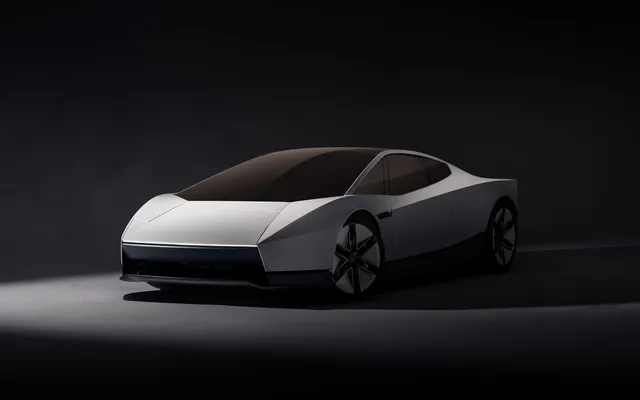
Citroën has not released the full design yet, but the official language is clear: the future model will be inspired by the original 2CV’s philosophy, not by nostalgia alone.
Autocar reports that Citroën showed an early preview at Stellantis Investor Day and that the design hints at the original car’s familiar rounded silhouette, interpreted in a more modern way.
That balance will be crucial. If the car looks too retro, it risks becoming a fashion object. If it looks too generic, Citroën wastes one of the strongest emotional assets in its history. The sweet spot is clear: enough 2CV character to make people smile, but enough modern usability to make people seriously consider buying one.

Possible Rivals
The new electric 2CV will arrive in a market where several European brands are already trying to make small EVs more emotional and more affordable.
Model | Positioning |
|---|---|
Renault 5 E-Tech | Retro-inspired electric hatchback with strong emotional appeal |
Fiat Grande Panda | Practical compact car with accessible positioning |
Dacia Spring | One of Europe’s cheapest EVs |
Future Stellantis E-Car models | Low-cost compact EVs for Europe |
Citroën 2CV-inspired EV | Simple, electric, characterful mobility inspired by an icon |
The difference is that the 2CV name carries a very specific meaning. It is not just “old and cute.” It stands for a car that made mobility possible for more people. If Citroën protects that idea, the model could have a stronger identity than many small EV competitors.
Why This Could Work
The market does not need another electric car that tries to be everything at once.
It needs more cars that know exactly what they are.
A new Citroën 2CV does not have to be fast. It does not need a massive battery. It does not need to pretend to be premium. Its job should be much simpler: make electric mobility feel light, friendly, useful and attainable.
That is a powerful position. Especially now, when many buyers are tired of cars becoming larger, heavier, more expensive and more complicated.
The original 2CV became iconic because it solved a real problem with charm. The new one has to do the same.
Conclusion
Citroën’s decision to bring back the 2CV idea is one of the most meaningful moves in the affordable EV segment.
For now, the important facts are clear: Citroën has officially confirmed a future electric model inspired by the legendary 2CV, more details will come at the Paris Motor Show in October 2026, and the project fits into Stellantis’ wider push toward smaller, more affordable electric cars in Europe.
The rest — price, range, battery, dimensions and final production timing — still needs official confirmation.
But the direction is promising. If Citroën gets this right, the new 2CV could become more than another retro revival. It could become the car that reminds Europe what a small, clever and genuinely accessible electric vehicle should feel like.