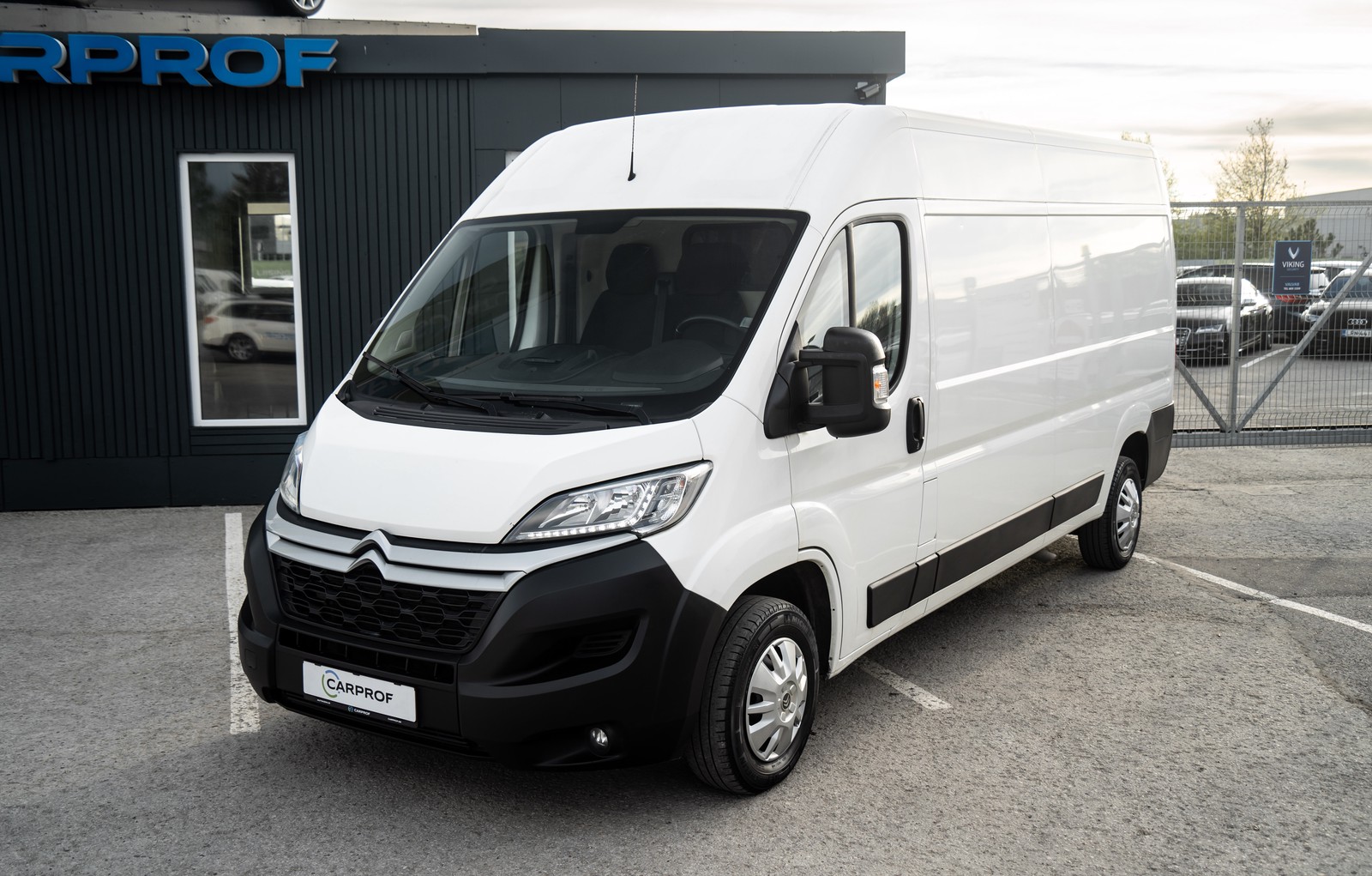


The Citroen Jumper is a versatile cargo van that many businesses rely on for daily operations. If you’re in the market to buy or sell a Jumper, it helps to understand the common configurations, generations, and price ranges typical for different countries and cities. This guide covers what to look for when evaluating a Jumper, how to compare options, and practical tips for securing a fair deal whether you’re dealing locally or online.
Why the Citroen Jumper remains popular for commercial use
The Jumper has earned a reputation for practicality, generous cargo space, and straightforward maintenance. Available in several body lengths and roof heights, with practical diesel engines that balance performance and efficiency, it suits delivery services, trades, and shuttle duties alike. When considering a purchase or a sale, keep in mind the key factors that influence value: year, mileage, condition, service history, and how it’s been used.
- Popular generations to know include early models with simple mechanicals and newer updates that offer improved loading, comfort, and efficiency.
- Common body types are panel van configurations with varied wheelbase lengths and roof heights to fit different cargo requirements.
- Engine options favor diesel configurations for reliability and torque in urban routes or longer hauls.
How to evaluate a used Citroen Jumper
For buyers, the main considerations are year, mileage, and service history. A Jumper that has been well maintained, with regular visits to a service center and documented mileage, is typically more reliable in the long run. Look for signs of heavy urban usage, rust in the cargo area, and the condition of the chassis. For sellers, presenting a clear maintenance record, recent replacements (like timing belts or glow plugs), and a clean interior can help you command a better price.
Common questions buyers ask
- What is the typical price range for a Jumper in your country and city?
- Which fuel type is most common and economical for daily driving?
- How does mileage affect the asking price for different generations?
- Are there engineering updates in newer generations that improve payload or efficiency?
Comparing prices and configurations by country and city
Prices for Citroen Jumper vans differ by market, influenced by factors such as year, mileage, and whether the vehicle is a standard panel van or a crew/cab variant. In many regions, a reliable high-mileage Jumper from an earlier generation can be found at an attractive price, while newer models with lower mileage may carry a premium. When shopping, consider:
- Year and generation, with earlier generations often priced lower but potentially higher maintenance needs.
- Mileage bands (e.g., under 100,000 km versus over 200,000 km) that noticeably affect value.
- Body length and roof height, which determine cargo capacity and resale appeal.
- Fuel efficiency and service costs, particularly with diesel engines common in urban fleets.
If you’re selling a Jumper, highlight its cargo space, service records, and any recent upgrades. Clear photos of the interior, cargo area, and engine bay help buyers assess condition quickly. For buyers, request a diagnostic report, test drive in city and highway conditions, and a review of the vehicle’s maintenance history.
In summary, whether you’re buying or selling a Citroen Jumper, focus on the generation and mileage, verify service history, and compare prices across local markets to ensure a fair deal.