 EN
ENDEALER
7.059 US$DEALER
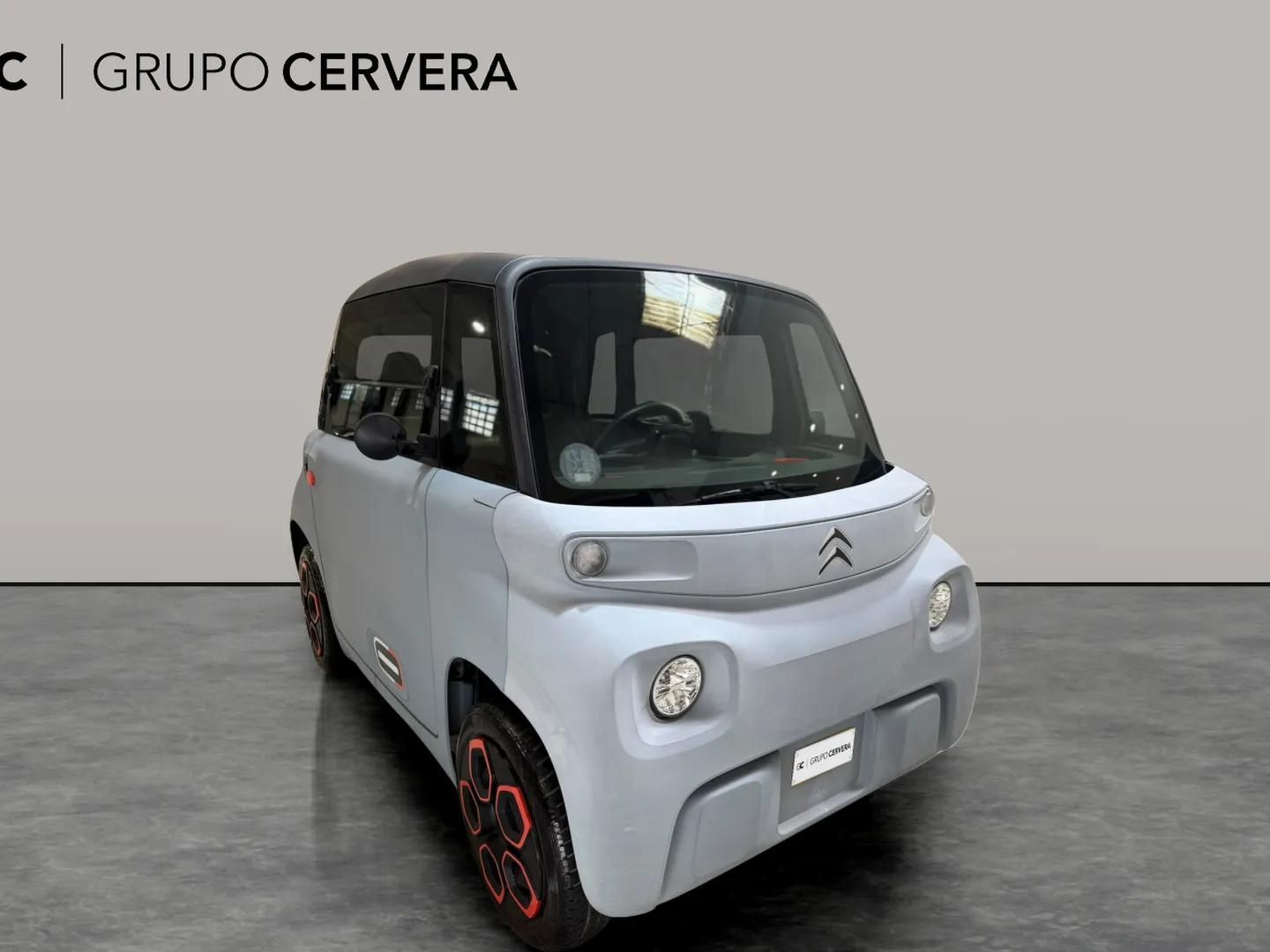
2022, electric, automatic, 26K km, hatchback, Front Wheels Drive, 8 hp, ZEV, blue, MY AMI Colour 6 kW (8 CV), Used condition, In stock

GrupoCervera.com
 Spain, Castille and León
 Spain, Castille and LeónSpain, Castille and León
 FranceFrance
The Citroën AMI stands out as a compact, electric city car designed for short trips, easy parking, and budget-conscious urban drivers. If you’re considering buying or selling an AMI in your city, you’ll want to understand how its unique characteristics—such as its lightweight build, electric drivetrain, and ultra-compact footprint—affect price, maintenance, and practicality. Below, we explore key decision points for buyers and sellers in common urban markets and provide realistic expectations on cost, performance, and ownership.
The AMI is built around efficient urban mobility. With its small size and simple two-seat layout, it thrives in crowded streets and tight parking spots. Pros often cited by drivers include minimal running costs, easy maneuverability, and accessibility for new drivers or as a second car. When shopping in urban areas, check:
Prices for the AMI vary by country and city, reflecting local demand, taxes, and incentives for electric vehicles. Typical talking points for buyers or sellers include:
When evaluating AMI listings, use practical comparisons:
If you’re looking to buy or sell a Citroën AMI, focus on practical urban usability, total costs of ownership, and local market conditions. A well-presented AMI with clear battery health and documented service history can offer strong appeal to city dwellers seeking affordable, emissions-free mobility.
 Add as preferred sourceSee more from zvelta in Google Search Add as preferred source

