 EN
ENDEALER

44.995 US$DEALER
49.995 US$
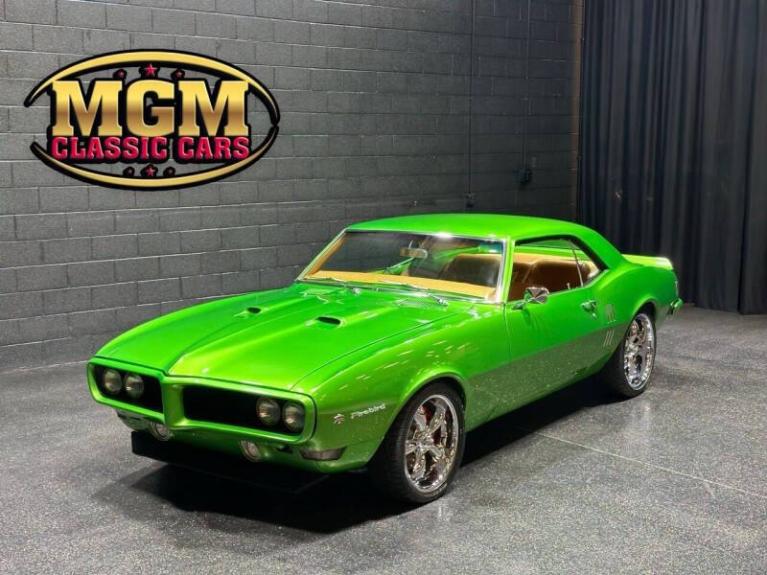
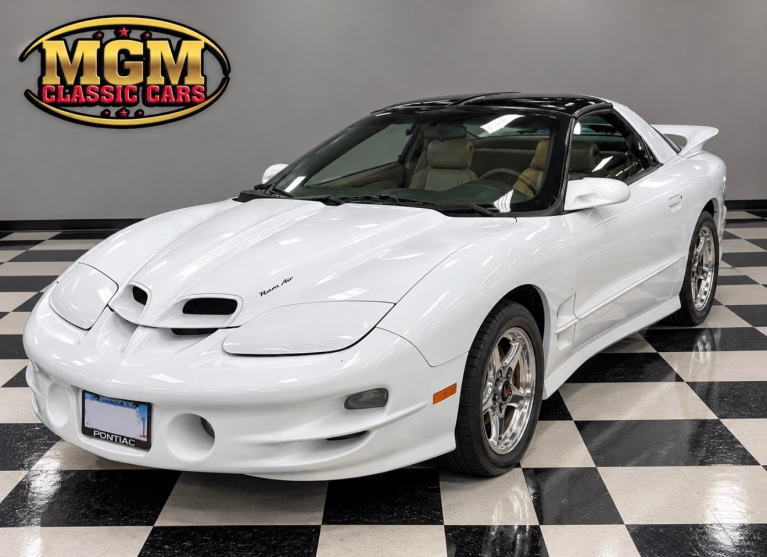
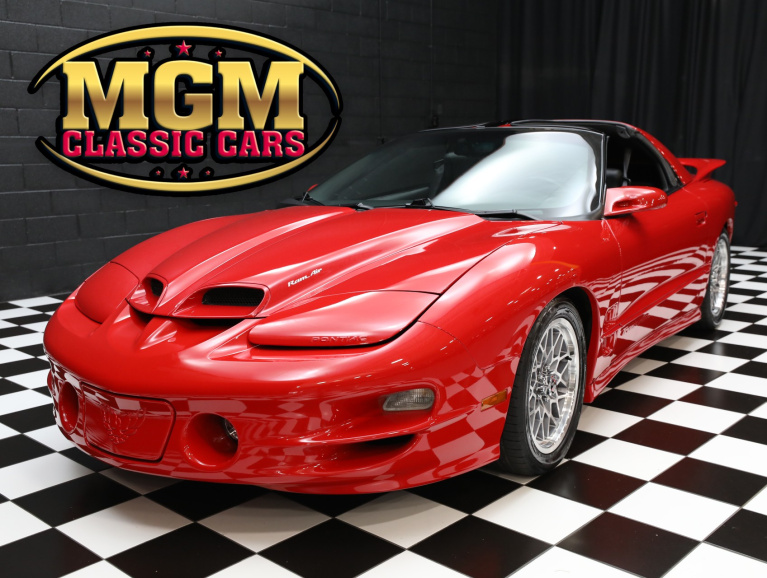
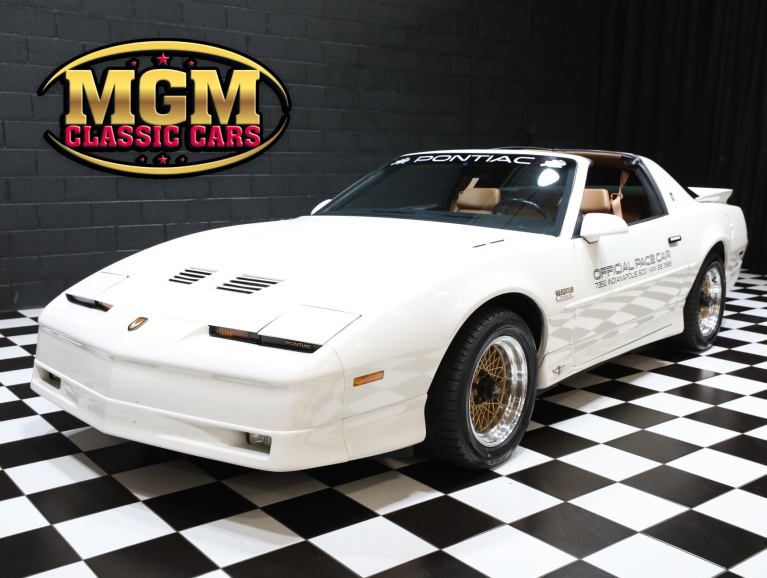
manual, 3K km, 5,020 cm3, 502 V8

Inventory.ClassicSandBeyond.com
 Wayne, United States
 Wayne, United StatesMontgomery, United States
 Tallahassee, United States
 United StatesUnited StatesUnited StatesUnited StatesUnited StatesUnited StatesUnited StatesAddison, United StatesAddison, United StatesUnited StatesUnited StatesUnited StatesUnited StatesAddison, United StatesUnited StatesAddison, United States
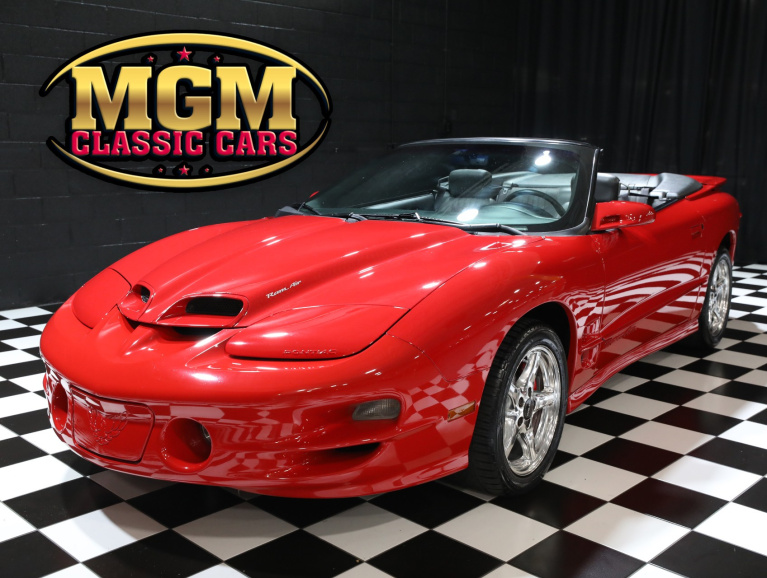
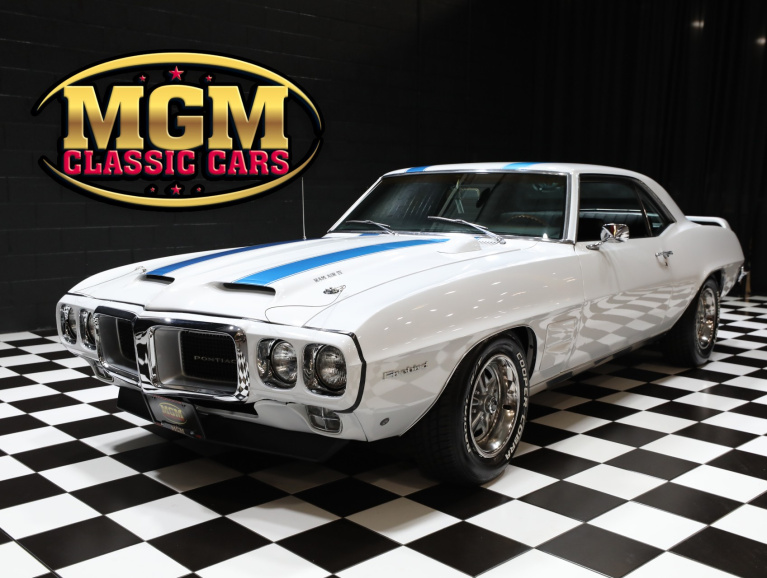
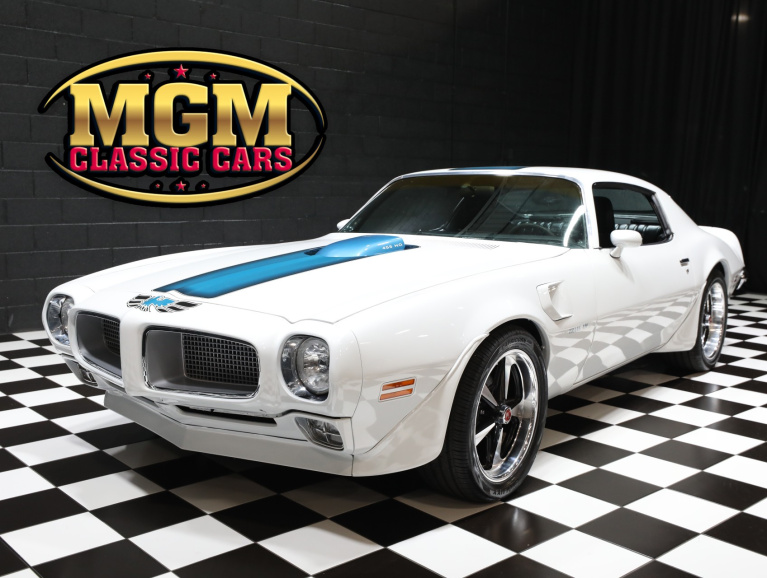
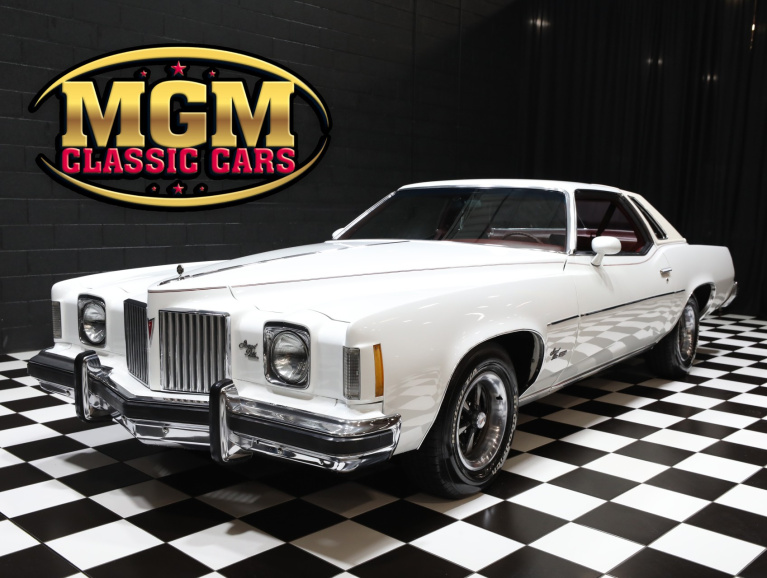
Pontiac has a storied place in automotive history, with a range of models that appealed to different drivers. If you are considering buying or selling a Pontiac, knowing the model, generation, fuel type, body style, year, and mileage helps you make a confident decision. This guide walks through choosing the right Pontiac based on your needs, how to compare variants, and what to expect in price ranges across cities and countries where these cars are available.
When selecting a Pontiac, start by identifying your priorities: daily commuting, weekend trips, or classic car hunting. Common Pontiac generations and body types include coupes, sedans, and sporty hatchbacks, each with distinct character and performance. For fuel considerations, many Pontiac models offered gasoline engines with varying displacements, while some rare configurations may feature larger V6 or V8 options. Determine your ideal mileage range and vehicle age to balance reliability with value.
Key questions to guide your choice:
Pontiac’s catalog spans a few notable names and generations, each with unique pros and cons. When evaluating options, compare: year, mileage, body type, and price segment. Buyers typically look for mid-range sedans or coupes with a balance of comfort and performance, while collectors may seek earlier generations in good condition. Sellers should price cars in a competitive range by considering current market demand in the destination country or city.
Typical comparisons include:
For buyers, a careful inspection is essential. Check service history, confirm the fuel system, and test drive to feel the ride and handling. Ask for documentation on maintenance, recall fixes, and any after-market modifications. If you are selling, present a clear service history, showcase recent maintenance, and provide honest notes about any imperfections. High-quality photos and a transparent description help attract serious inquiries.
A practical checklist can help both sides:
Market conditions vary by region, so it’s useful to know where Pontiac models most commonly appear and how demand shifts. In some countries and major cities, older Pontiac models may remain popular among enthusiasts, while others prioritize late-model sedans with modern conveniences. When listing a Pontiac for sale, tailor the description to the local audience: highlight fuel efficiency for urban areas, or performance potential for enthusiasts. For buyers, consider local maintenance networks, availability of replacement parts, and road conditions that could affect long-term ownership.
In summary, whether you are buying or selling a Pontiac, clarity on model generation, mileage, year, and fuel type helps you set fair expectations and find the right match. With thoughtful comparison, honest listings, and a focus on your goals, you can navigate the Pontiac market confidently across different cities and countries.
 Add as preferred sourceSee more from zvelta in Google Search Add as preferred source