EN
ENDEALER
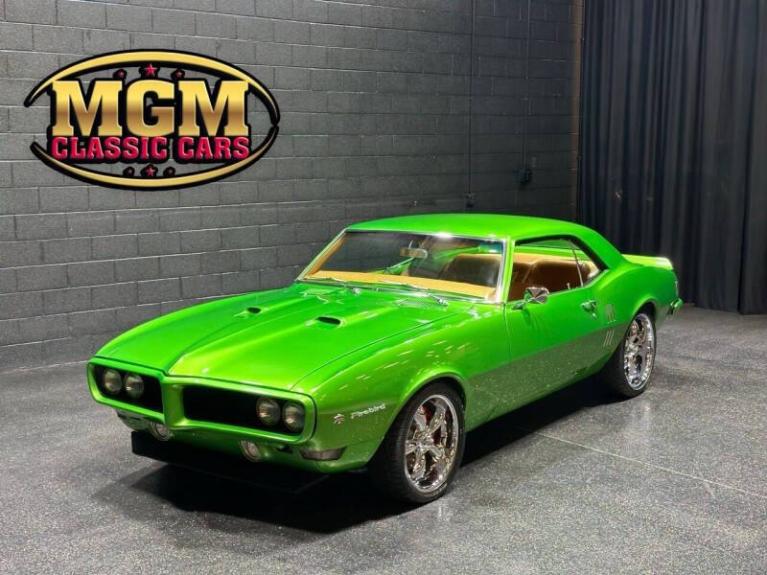
69.994 US$DEALER
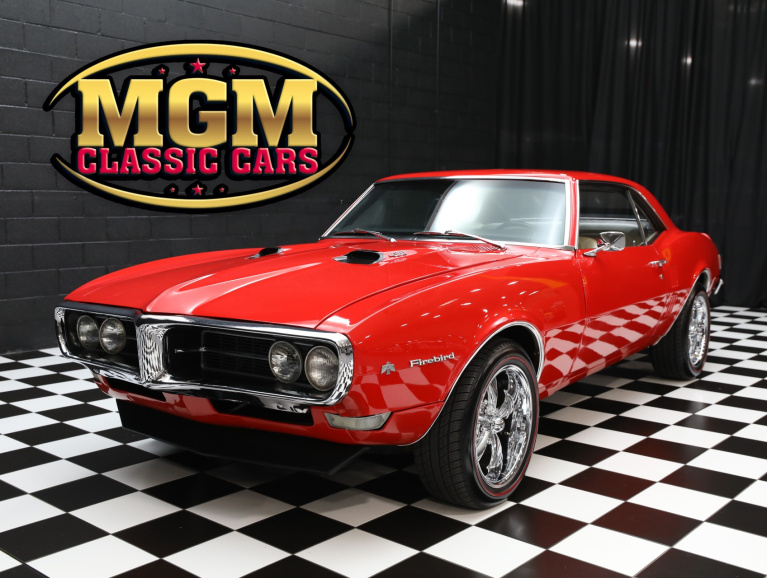
coupe, 6,000 cm3, green, V8 6.0L, Used condition, In stock

MgmClassicCars.com
 United States
 United StatesUnited StatesUnited StatesUnited StatesUnited StatesUnited StatesAddison, United StatesUnited StatesUnited StatesUnited StatesUnited StatesAddison, United StatesAddison, United States
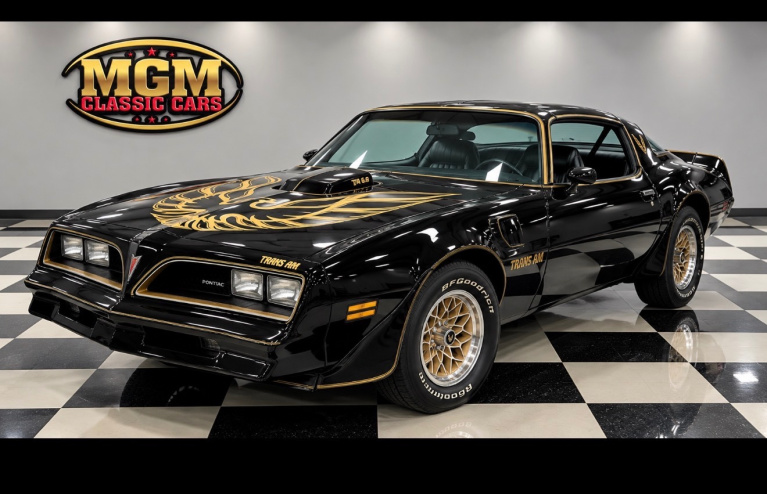
The Pontiac Firebird remains a legendary muscle car that draws attention at car shows and on the road. If you’re considering purchasing or selling a Firebird, there are several factors worth weighing. From the model year and generation to mileage, condition, and price segment, having a clear understanding helps you make a smart decision whether you’re in the United States or planning a regional swap in cities with a strong enthusiast scene. In this guide, we cover what to look for, how to compare options, and what to expect when negotiating a sale or a purchase.
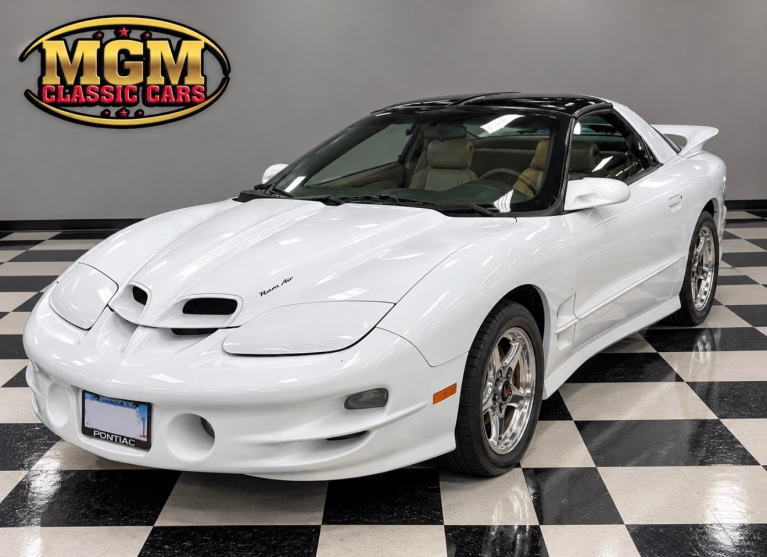
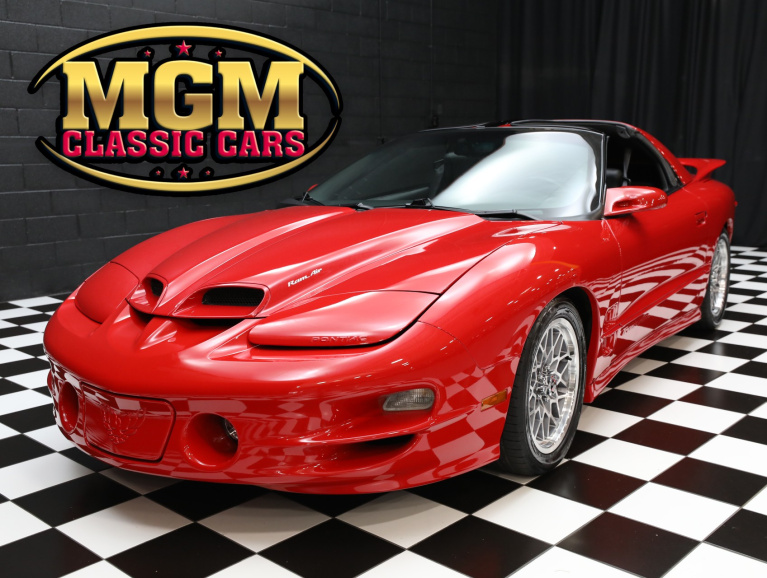
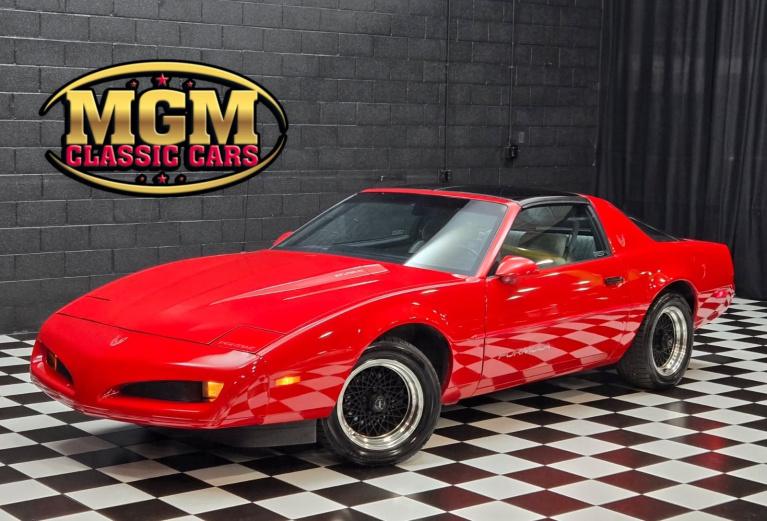
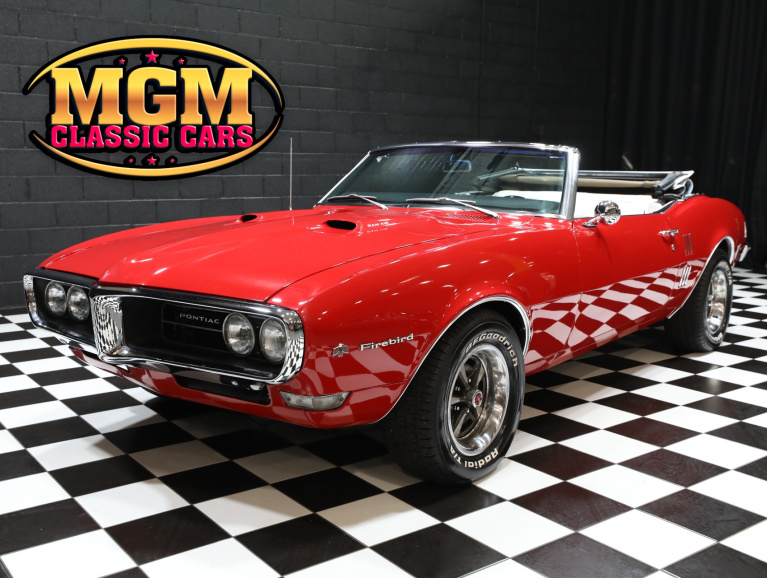
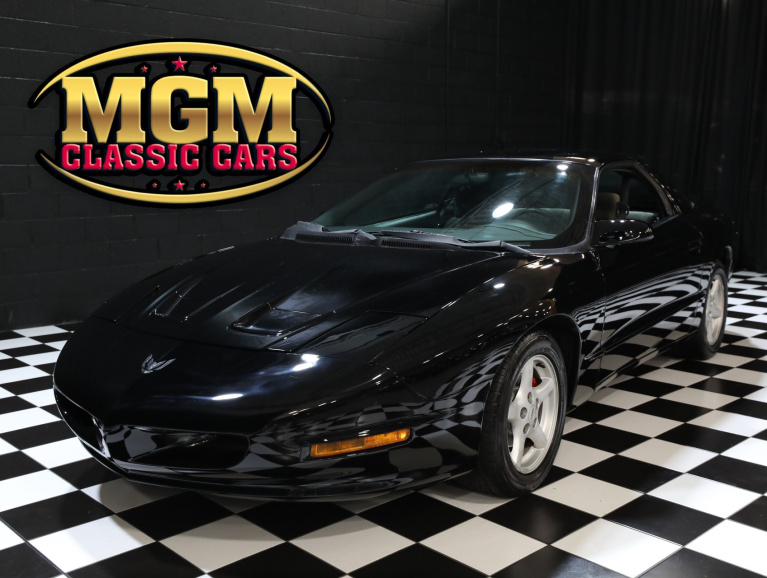
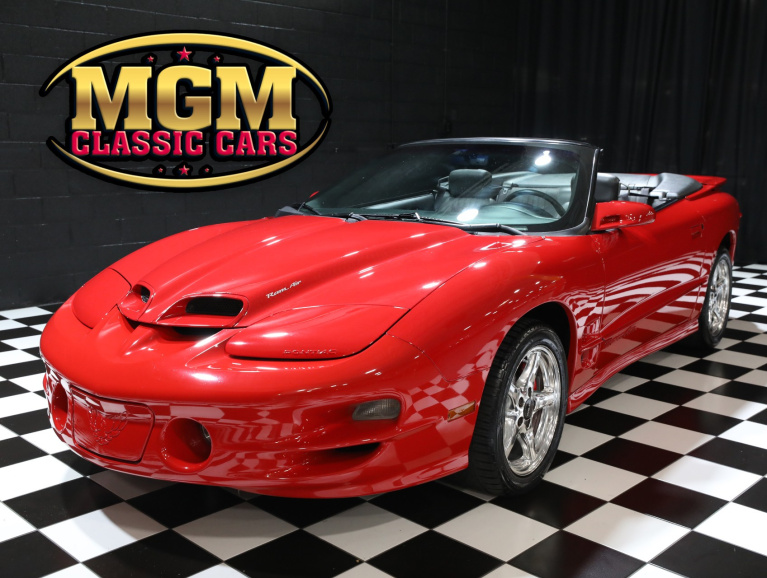
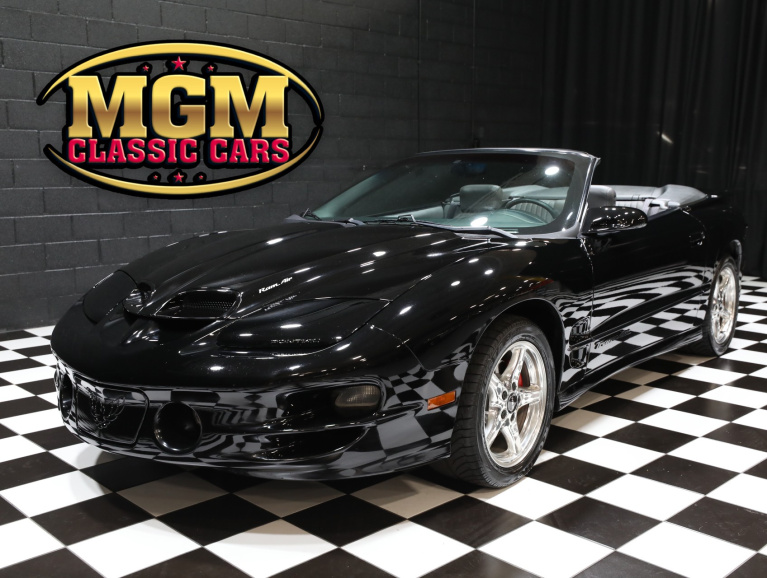
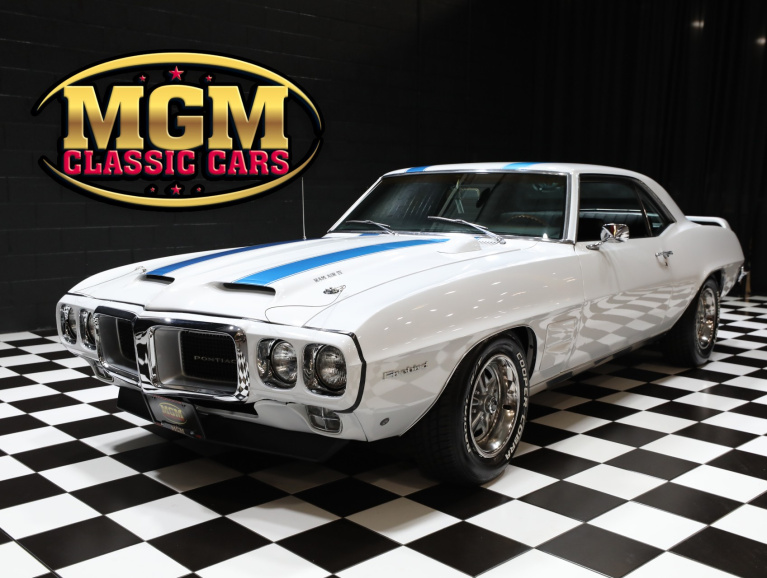
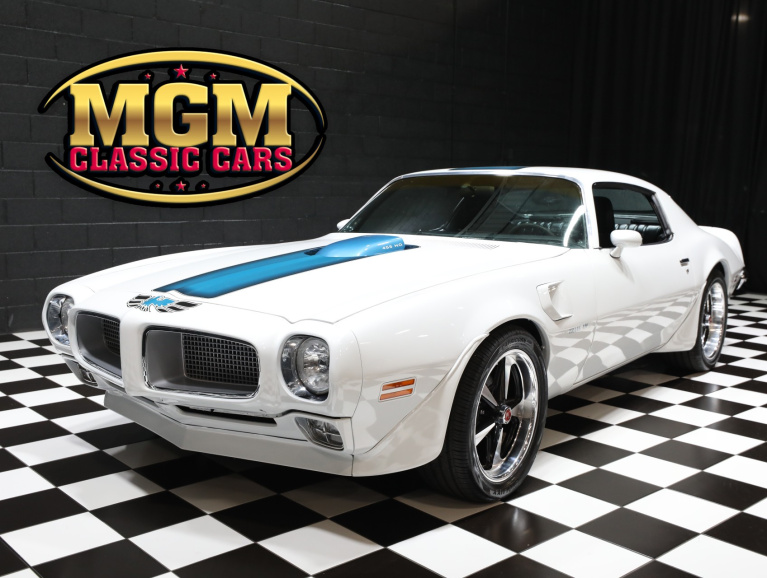
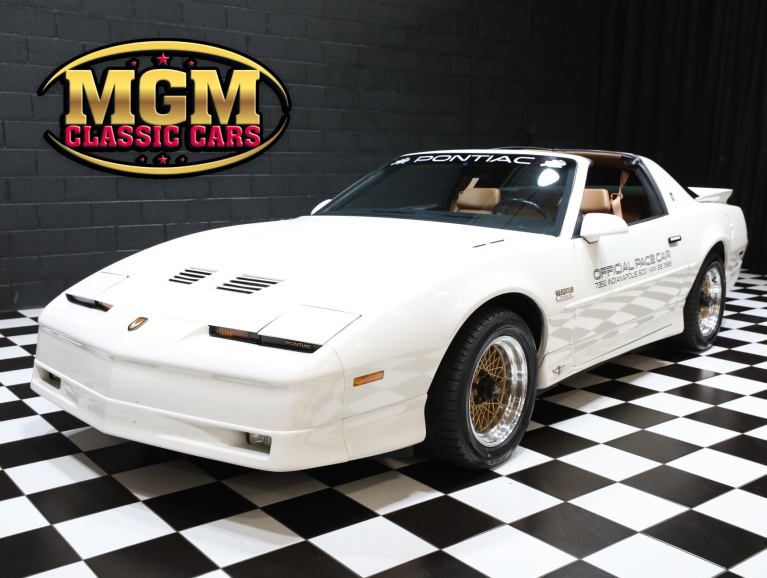
The Firebird, produced in multiple generations, is known for bold styling, strong V8 options, and that classic American pony-car profile. Common body styles include two-door coupes with aggressive lines and powerful engines. When evaluating a Firebird, collectors often consider the year, mileage, and originality of the drivetrain and interior. A well-preserved example with low miles, documented maintenance, and original parts can command a premium in the current market. For buyers, this means looking for assets like clean frames, intact serial numbers, and receipts for major work.
When you’re shopping in cities with active car communities, you’ll often see a mix of show-ready restorations and daily drivers. Decide whether you want a project car you can restore yourself or a turnkey example that’s ready to enjoy. Understanding the cost of maintenance and parts for the chosen generation helps set realistic expectations for ownership.
For buyers, a Firebird with a well-documented history, minimal rust, and a thorough mechanical inspection is a solid starting point. Common concerns include rust around wheel arches and floor pans, as well as wear in the suspension components and braking system. Ask for service records, check the frame and chassis for signs of damage or repainting, and confirm that the engine runs smoothly without unusual noises.
Price ranges vary by year, mileage, original condition, and rarity. A well-preserved mid-generation Firebird can command thousands more than a more common version with higher mileage. If you’re unsure about a specific listing, consider a pre-purchase inspection by a specialist who understands classic Pontiacs. This can provide a detailed assessment of the engine, transmission, and body integrity before you commit.
When preparing a Firebird for sale, focus on authenticity and documentation. Clean titles, original parts, and complete service histories help buyers trust the car’s provenance. A thorough cleaning, rust treatment, and minor cosmetic refreshes can improve curb appeal without altering the car’s character. High-quality photos that show the engine bay, undercarriage, and interior details are essential for attracting serious buyers.
Pricing a Firebird accurately requires researching comparable cars by year, mileage, and condition in your region. Provide transparency about any restoration work or parts replacements. If you own a rare variant, consider listing it with a specialist or at a classic-car auction where enthusiasts actively bid for well-maintained examples.
Prices for Pontiac Firebirds can vary by country, city, and market demand. In regions with a strong classic-car community, buyers may be willing to pay a premium for a car with strong documentation and original factory specs. For ongoing maintenance, locate specialists familiar with Pontiacs, and stock up on common consumables and period-correct parts to preserve value. Whether you’re buying or selling, a Firebird with clear provenance and solid mechanical health offers the best long-term ownership experience.
 Add as preferred sourceSee more from zvelta in Google Search Add as preferred source