 EN
ENDEALER
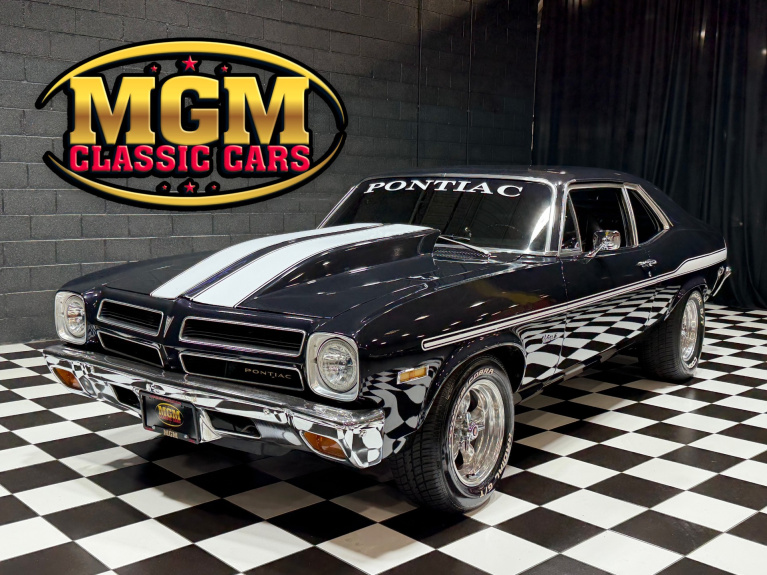
42.995 US$DEALER
coupe, 468, Used condition, In stock

MgmClassicCars.com
 United States
 United States
The Pontiac Ventura is a classic muscle car that draws attention from collectors and enthusiasts who value era-appropriate styling and V8 performance. If you’re considering buying or selling a Ventura, you’ll want to understand the main variants, what to look for in different generations, and how current market conditions affect price and availability in your city. This guide focuses on practical steps to evaluate a Ventura in real-world situations, whether you’re in a large metro area or a smaller market with a dedicated fan base.
A Ventura buyer typically considers the first or second generation, with notable differences in chassis, engines, and trim options. Common configuration factors include:
When assessing a Ventura, pay attention to the engine bay for signs of rebuilds, the frame for rust, and the interior for authentic materials. Documentation of ownership history, maintenance receipts, and any restoration work adds credibility and can influence your negotiating position. If you план to drive the car regularly, verify that mechanicals like the transmission, suspension, and braking systems are up to standard or can be serviced locally with available parts.
To find a fair deal, compare several listings that share similar year ranges, mileage, and condition. Focus on:
In major markets, you’ll often see Ventura models priced according to condition bands. A car in driver condition with cosmetic flaws will sit lower in the market, while a well-preserved or restored example with documented provenance can fetch a premium. When comparing, also factor ongoing costs such as insurance for classic cars and the cost of maintenance or restoration.
Whether you’re new to Pontiac Ventura models or returning to add a second generation to your collection, a thoughtful approach to evaluating generation, body type, and condition will help you make a confident decision. By understanding listed mileage, known common issues, and the market’s current appetite for classic American performance cars, you can navigate listings more effectively and secure a favorable deal.
 Add as preferred sourceSee more from zvelta in Google Search Add as preferred source