
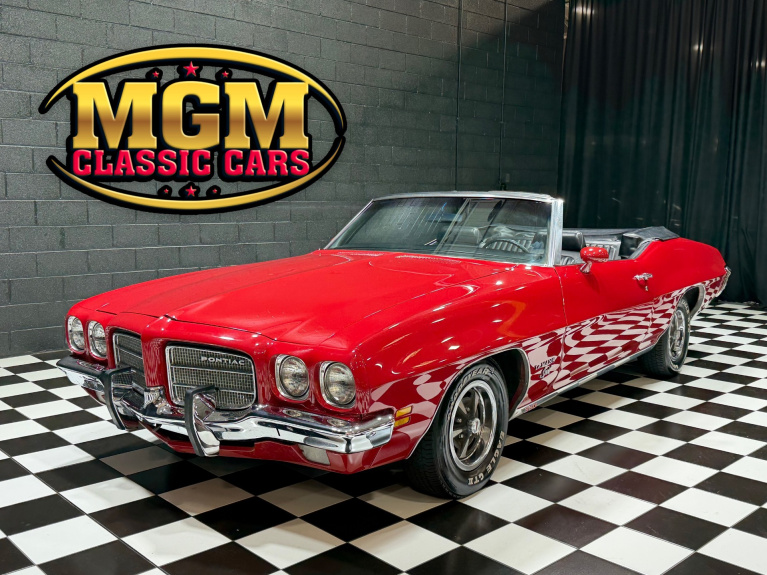
The Pontiac LeMans has a storied place in American automotive history, appealing to collectors and everyday drivers alike. If you’re considering purchasing a Pontiac LeMans or preparing one for sale, it helps to understand the model’s generations, typical engine choices, body styles, and how mileage and year affect value in today’s market. This guide focuses on practical factors that buyers and sellers care about, including price ranges across generations, common configurations, and what to inspect when evaluating a LeMans in the US.
Pontiac LeMans generations and common configurations
The LeMans name was used across several eras, with notable generations earning collector interest. When shopping or pricing, look for:
- Generations: early mid-1960s models known for classic muscle styling, late-1960s to early-1970s variants with strong V8 options, and later re-imagined versions that carried the badge.
- Fuel and powertrains: bold V8s remain a major draw, while some later variants may offer V6 or larger displacement engines depending on the year and market.
- Body types: coupes and sedans are common, with convertibles also sought after by enthusiasts.
What affects price and value
Knowing how year, mileage, and condition impact price helps you buy smarter or list confidently:
- Year and generation: older, well-restored cars attract collectors and may command higher prices in good condition.
- Mileage: lower mileage typically supports higher asks, but complete restoration or documented maintenance can offset higher miles.
- Condition and originality: matching numbers, documented history, and original parts influence resale value.
- Documentation: receipts for major work, service history, and provenance add credibility and can raise perceived value.
Buying tips: how to choose a Pontiac LeMans
If you’re aiming to buy, consider these practical steps:
- Inspect critical components: engine, transmission, braking system, suspension, and electricals are substantial cost areas.
- Verify authenticity: check VIN, engine code, and trim to confirm the generation and options.
- Test drive for behavior: listen for unusual noises, check steering response, and assess road handling.
- Compare price segments: depending on year, restoration quality, and originality, prices vary significantly from entry-level to collector-grade.
Selling tips: prepping your LeMans for the market
For sellers, clear presentation and honest condition reporting improve buyer confidence:
- High-quality photos: show exterior finishes, interior condition, undercarriage, and engine bay.
- Honest condition notes: disclose known issues and recent maintenance or restoration work.
- Highlight desirable features: original drivetrain, rare options, and matching numbers can justify higher asks.
- Competitive pricing: research recent sales or listings in your city to set a fair, attractive price.
In markets across the US, buyers and sellers of Pontiac LeMans cars weigh the same key factors—generation, engine choice, body style, year, mileage, and price. Whether you’re seeking a weekend cruiser or a collectible project, a well-researched approach and solid documentation help you reach your goals.