


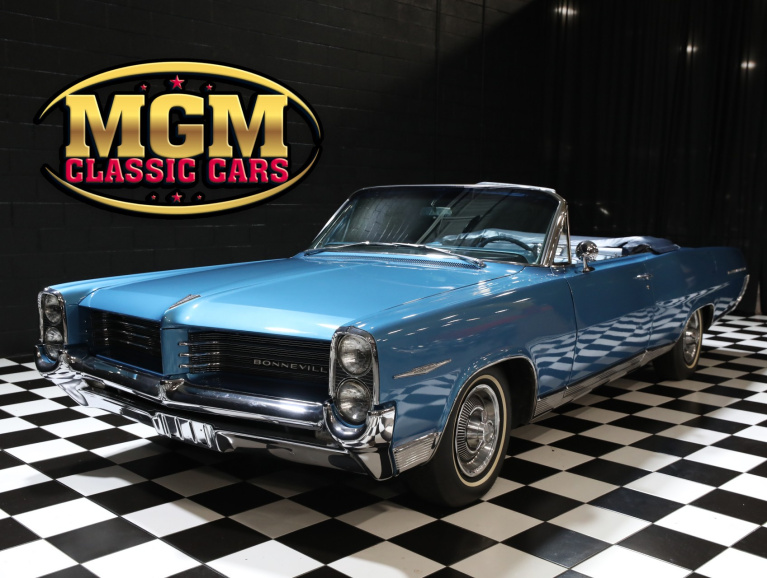


The Pontiac Bonneville is a classic cruiser that drew attention for its comfortable ride, roomy interior, and distinctive styling. If you’re considering buying or selling a Bonneville, understanding the different generations, engines, and body configurations helps you make a smarter decision. In this guide, we cover what buyers and sellers in your city can expect in terms of price ranges, mileage, and popular configurations, along with practical tips to evaluate condition and value.
Generations, specs, and what to look for when buying
For Bonneville enthusiasts, the key details often come down to the generation, engine choice, and body style. Early models emphasized classic American luxury with V6 or V8 options, while later generations focused on smoother suspensions and upgraded interiors. When shopping, check:
- Year and mileage: A lower-mileage car in a later generation may command a higher price, but well-kept older models can offer excellent value.
- Engine and fuel: Depending on the generation, you might encounter V6, V8, or V6 supercharged variants. Fuel economy varies accordingly, so consider your daily driving needs.
- Body style: Bonnevilles have sedan configurations with varying trim levels. Look for signs of wear in upholstery and dashboards, which can indicate overall condition.
- Maintenance history: Routine servicing, timing belt/chain replacement, and transmission health are crucial for long-term reliability.
Where the Pontiac Bonneville fits in today’s market
Whether you’re buying in a large city or a smaller town, the Bonneville appeals to collectors and practical buyers alike. In markets with classic car enthusiasm, you’ll find competitive asking prices, especially for well-preserved or low-mileage examples. For daily drivers, a later generation with better ergonomics and reliability can be a sensible choice, even if it commands a premium over rarer original models.
Price and value considerations
- Year and generation: Later generations generally command higher prices, provided the car is in good condition.
- Mileage: Lower mileage typically raises value, but detailed maintenance records can help a higher-mileage car feel like a better deal.
- Condition: A well-maintained interior, solid undercarriage, and rust-free frame are strong value indicators.
- Documentation: Service receipts, restoration notes, and original parts can boost resale confidence.
If you’re comparing options, ask sellers about fuel type, transmission, and any aftermarket improvements. Compare similar years and mileage across different bodies and trim levels to gauge real-world value. A thorough test drive and a pre-purchase inspection by a qualified technician will help you identify potential issues before making an offer.
Selling your Pontiac Bonneville
When listing a Bonneville, emphasize cosmetic condition, mechanical health, and a clear history. High-quality photos of the exterior and interior, along with documentation of maintenance, can reduce buyer hesitation. Be transparent about any flaws, estimate restoration needs, and set a competitive price based on your local market and recent sales of comparable Bonneville models.
Buying or selling a Pontiac Bonneville is about balancing nostalgia with practical value. By understanding generation differences, engine options, and the current market in your city, you’ll be well-positioned to make a confident decision.
 Add as preferred source