EN
ENDEALER
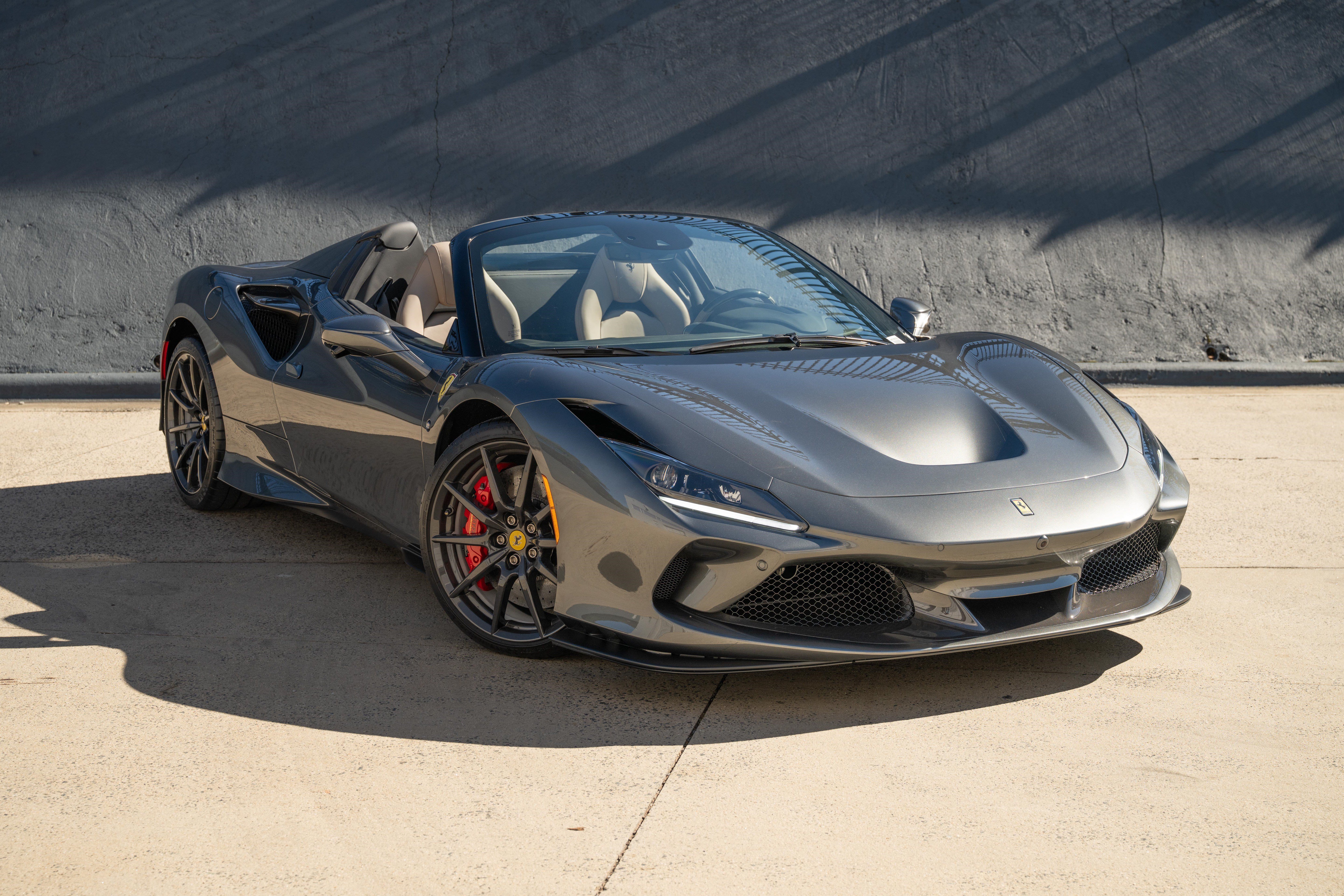
700.894 US$DEALER
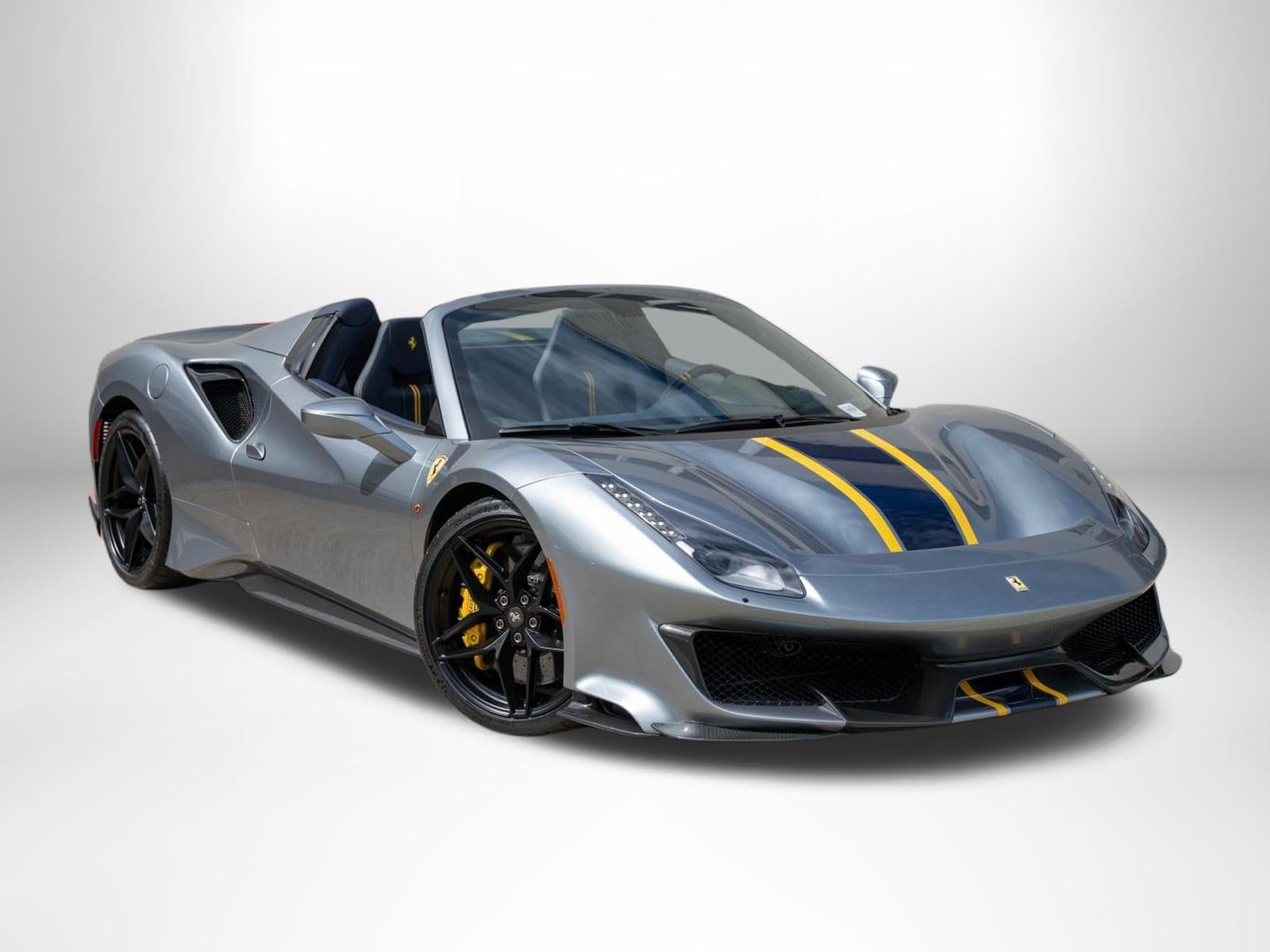
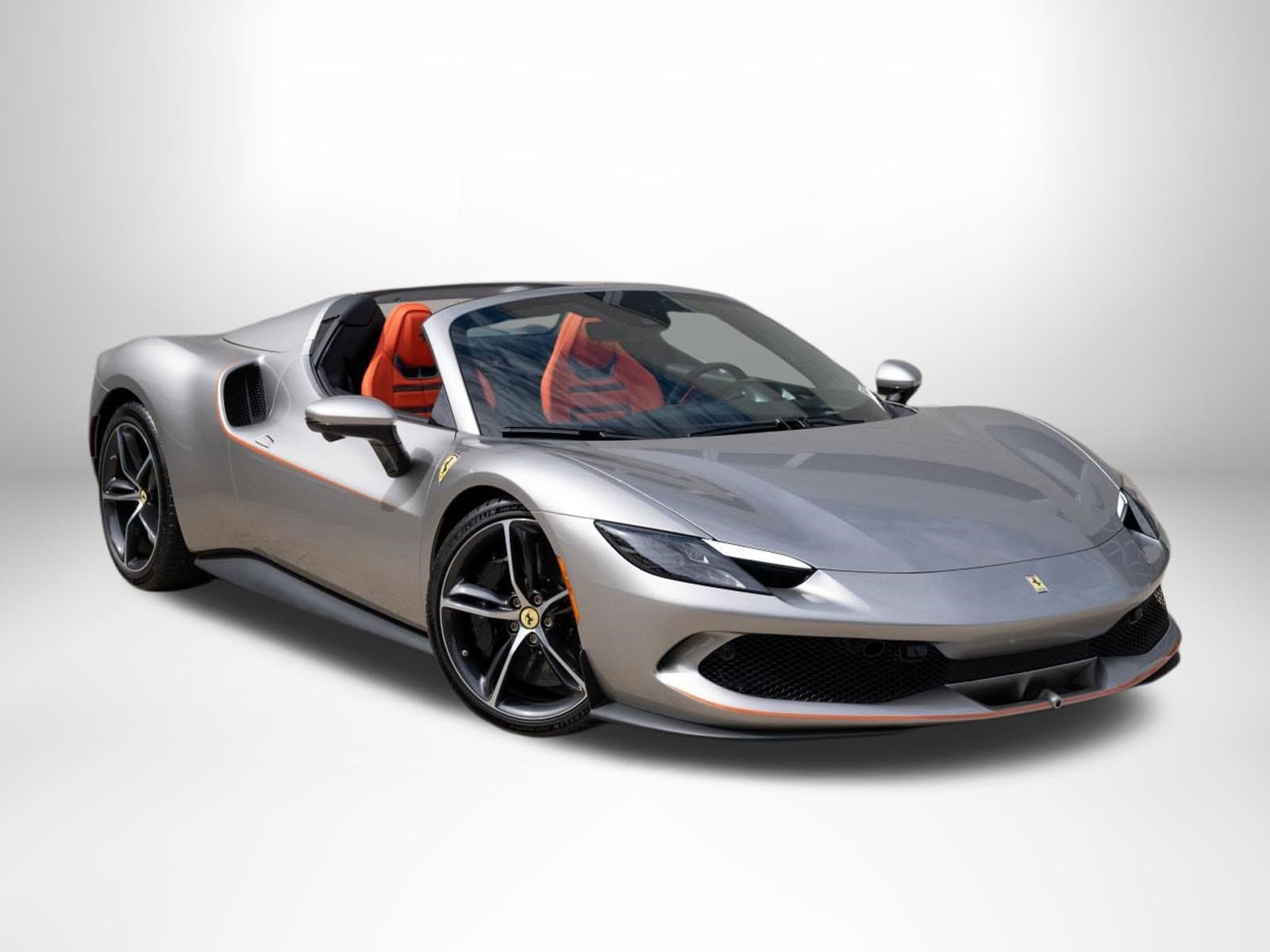
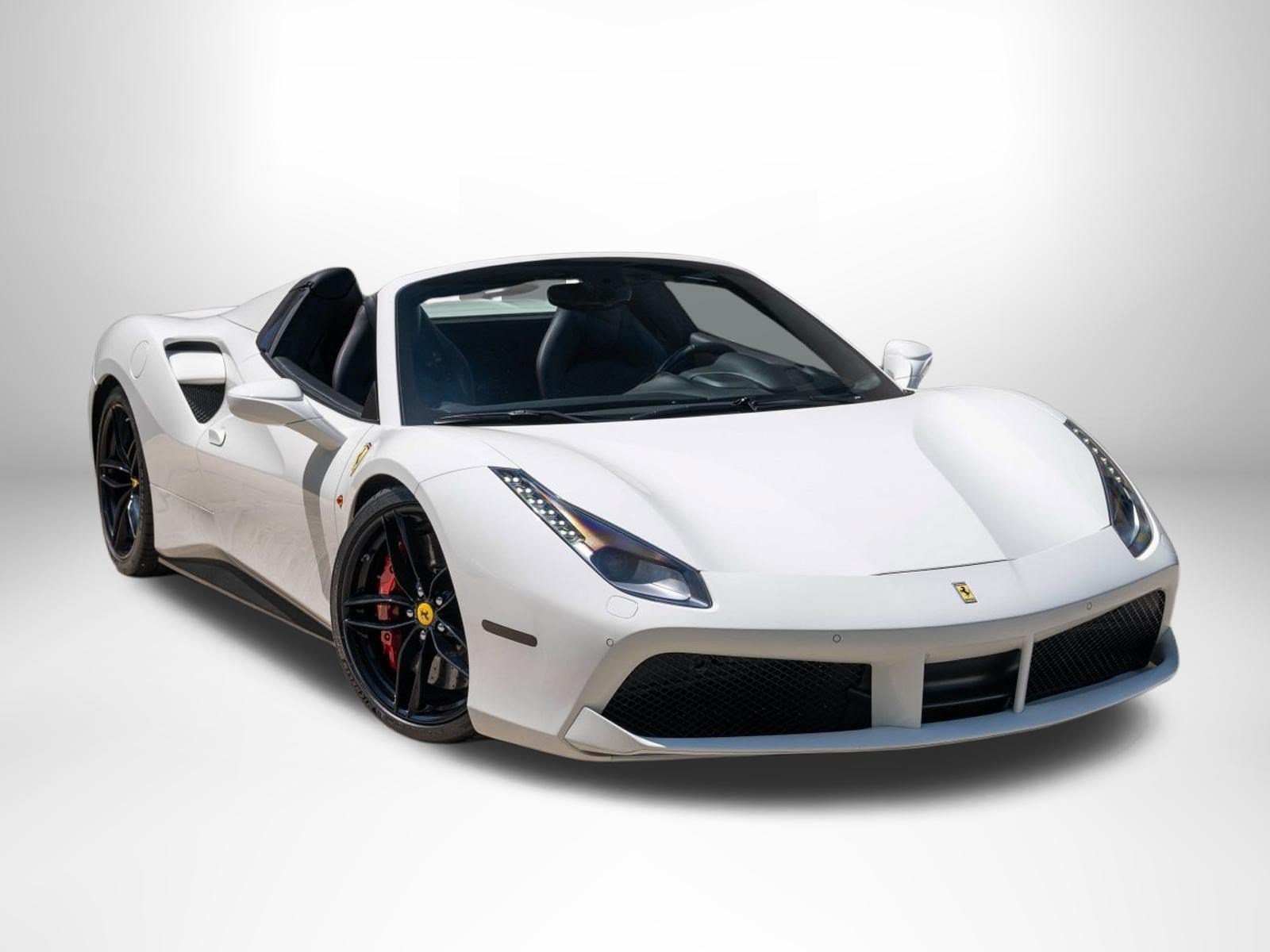
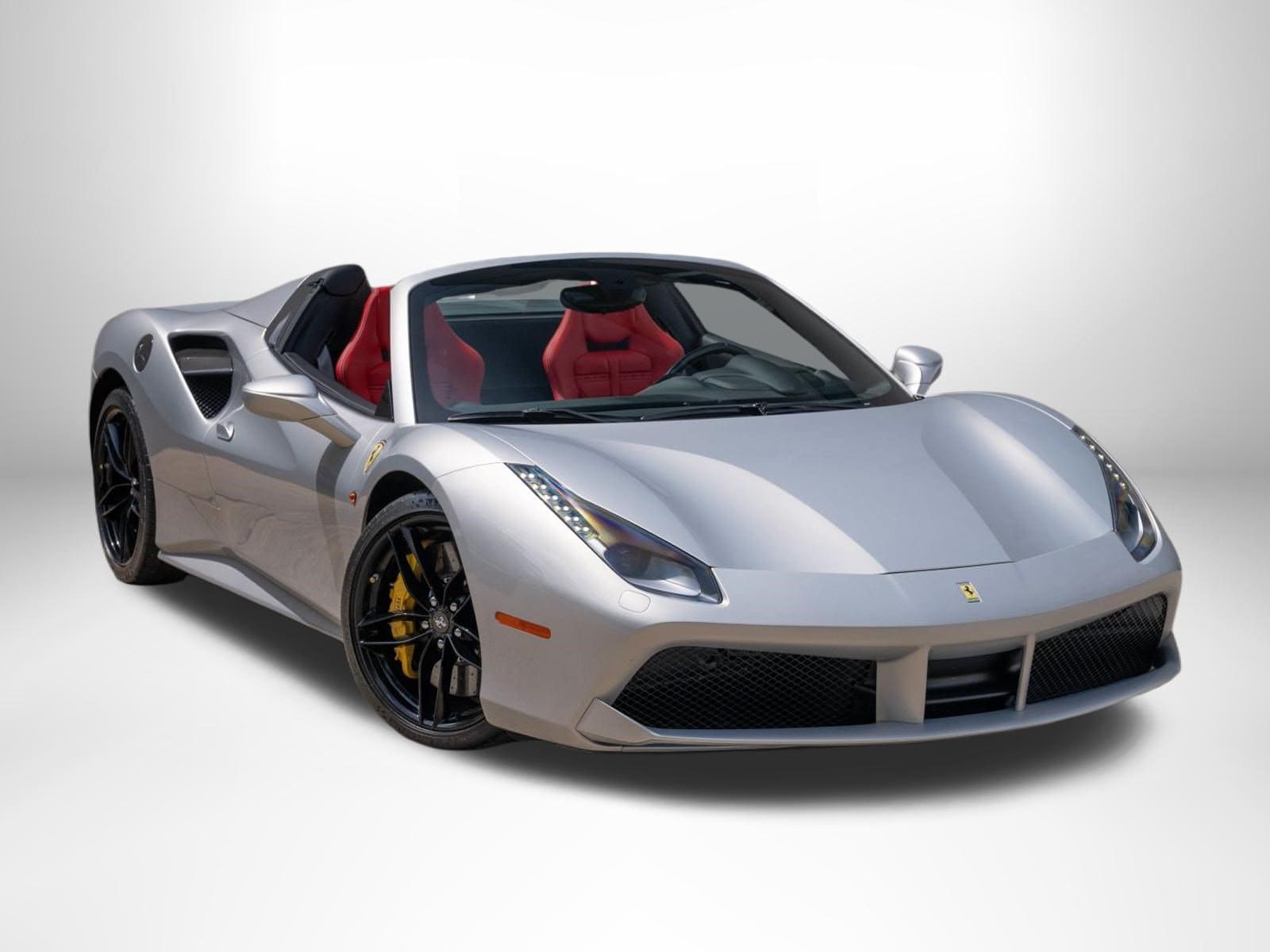
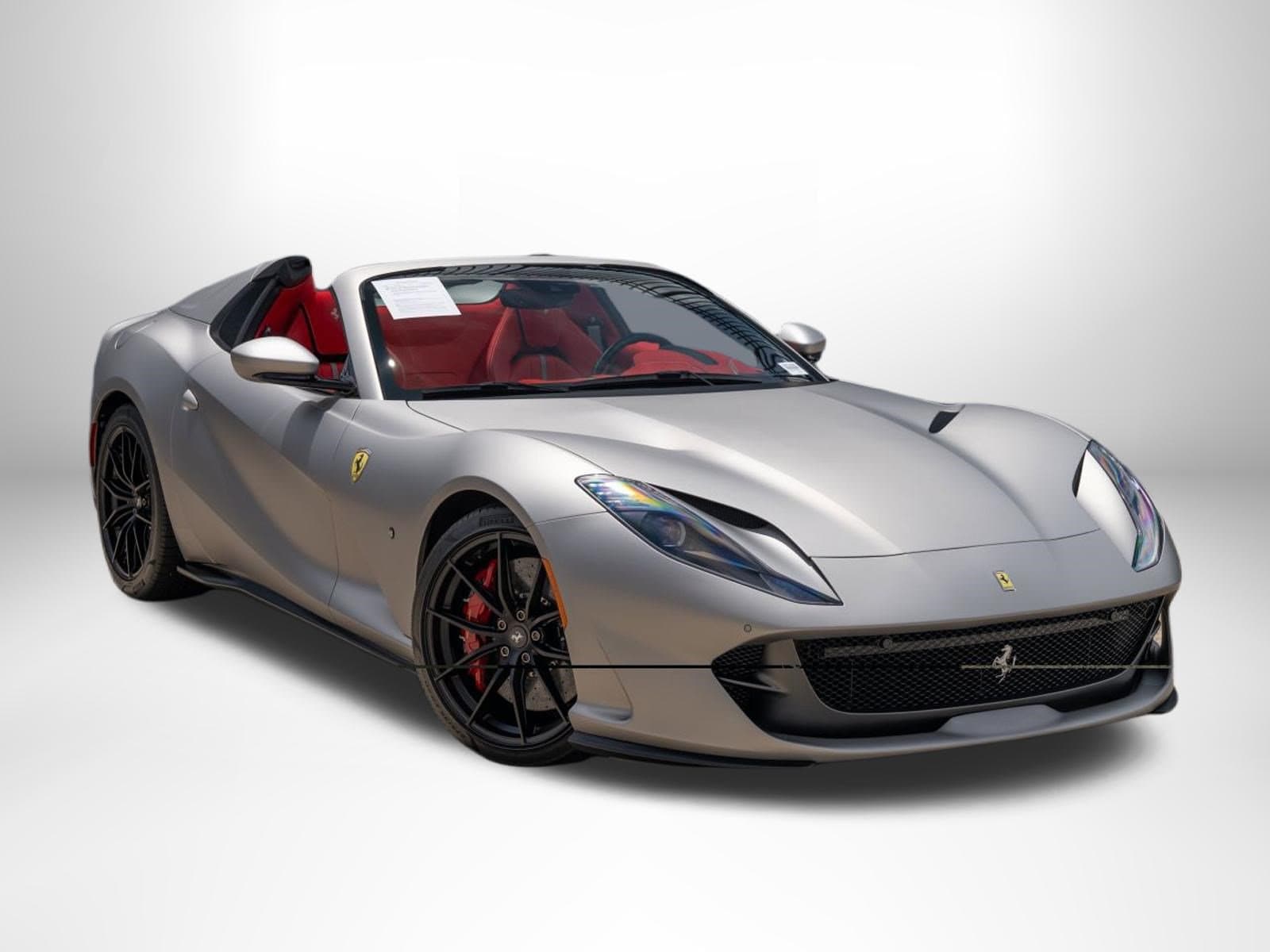
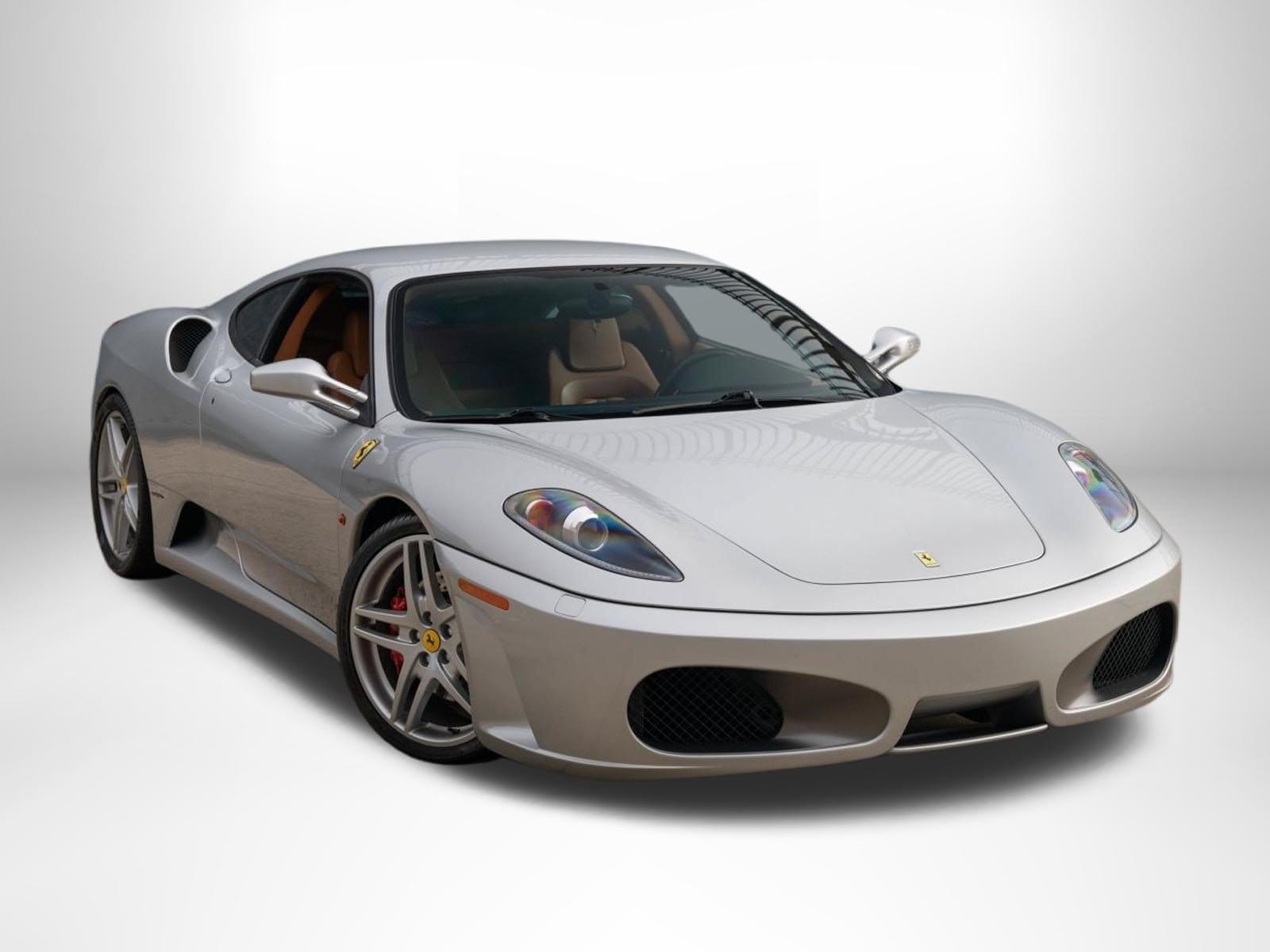
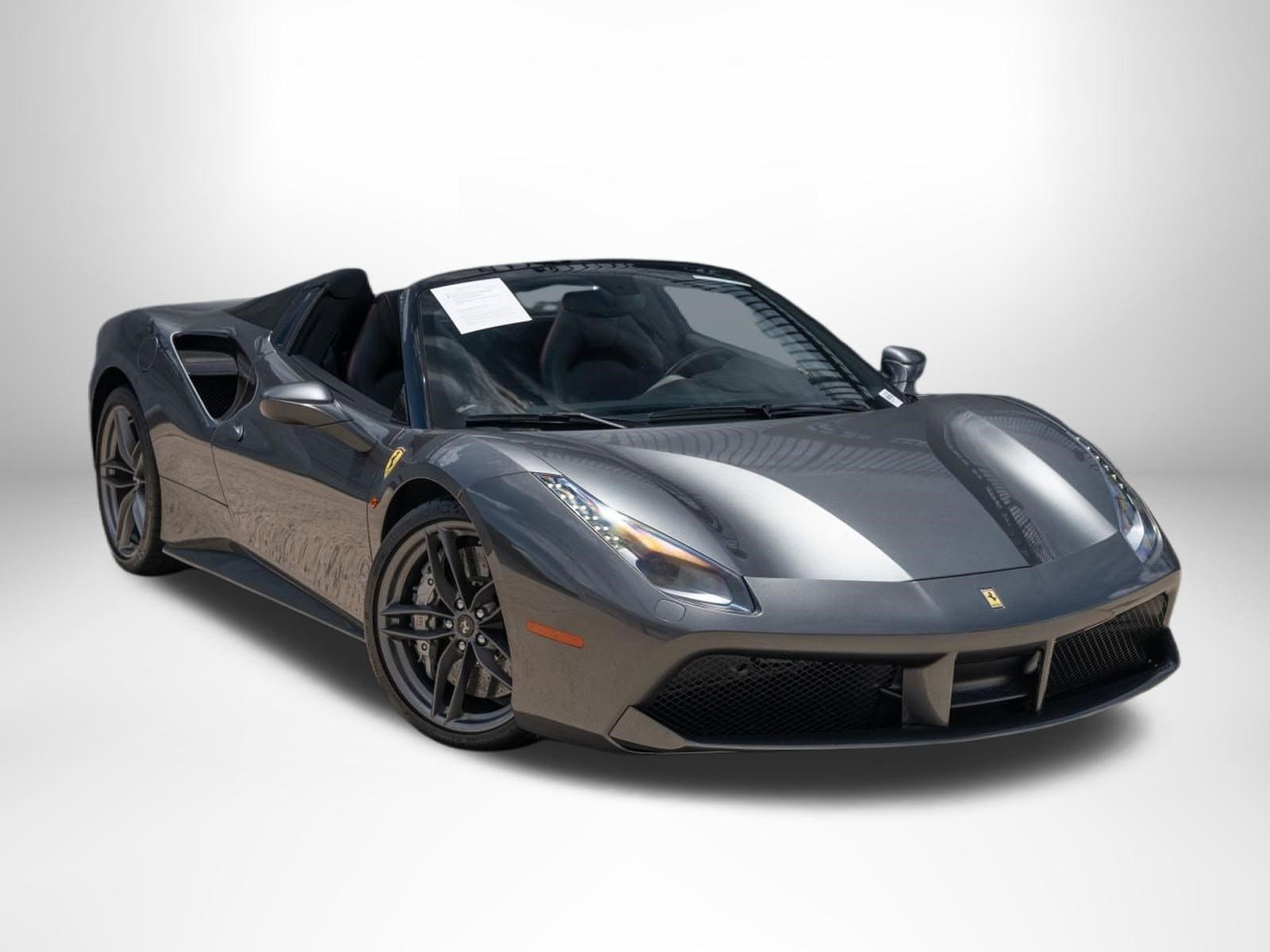
gasoline, automatic, 2K km, cabriolet, Rear Wheels Drive, 3,900 cm3, 711 hp, silver, Used condition, In stock

HendrickCars.com
 Charlotte, United States
 Charlotte, United StatesCharlotte, United StatesCharlotte, United StatesCharlotte, United StatesCharlotte, United StatesCharlotte, United StatesCharlotte, United StatesCharlotte, United StatesCharlotte, United StatesCharlotte, United StatesCharlotte, United StatesCharlotte, United StatesCharlotte, United StatesCharlotte, United StatesCharlotte, United StatesCharlotte, United StatesCharlotte, United StatesCharlotte, United StatesCharlotte, United StatesCharlotte, United StatesCharlotte, United StatesCharlotte, United StatesCharlotte, United StatesCharlotte, United States
 Franklin, United States
When you are considering a Ferrari, you are usually seeking high performance, iconic design, and a brand with a storied history. This guide helps you navigate the process of choosing a Ferrari, whether you are in a bustling city or a quieter suburban area. We cover popular models, key choices for new and used options, and practical tips to ensure you get a car that matches your goals, your budget, and your driving expectations.
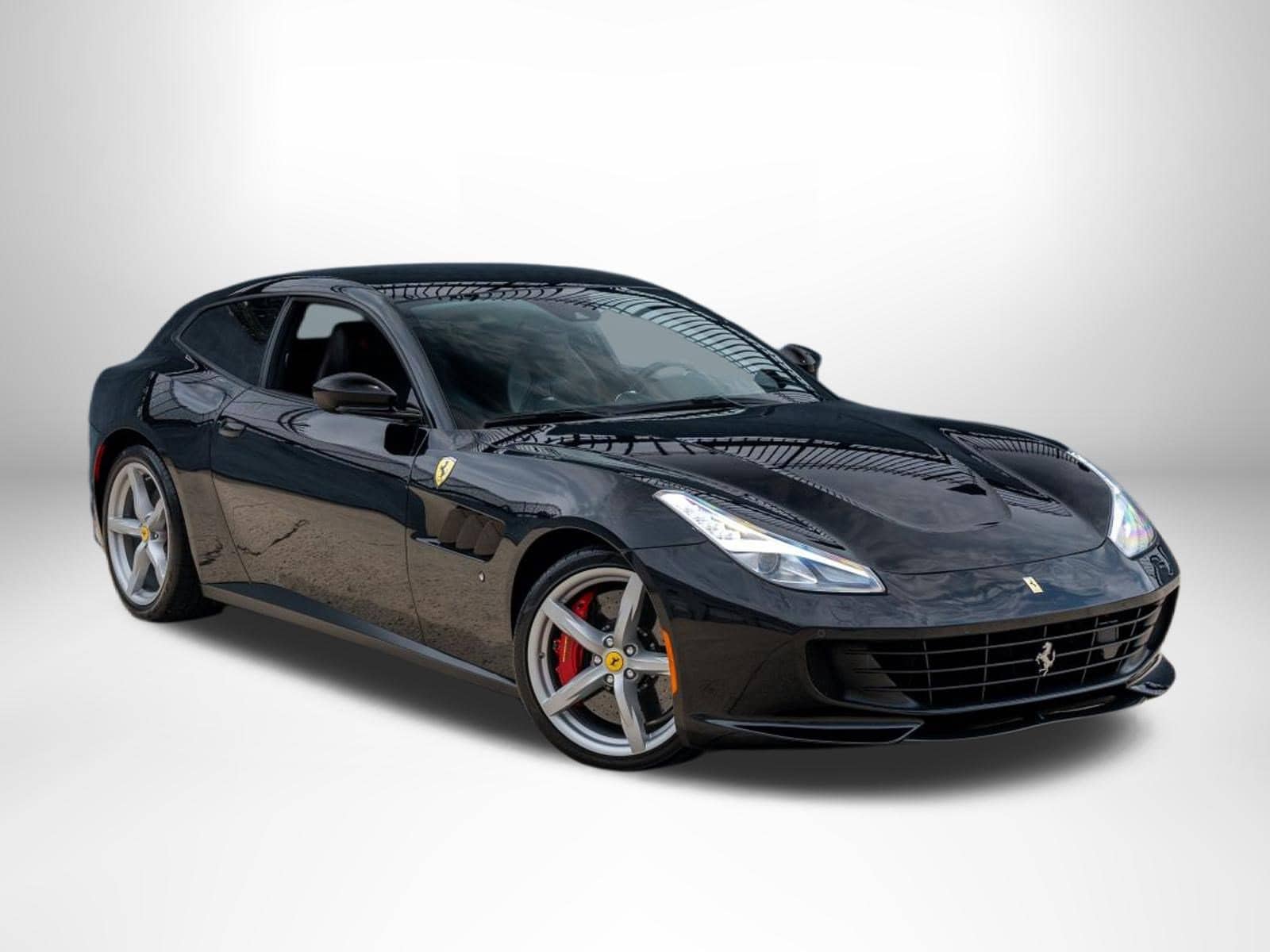
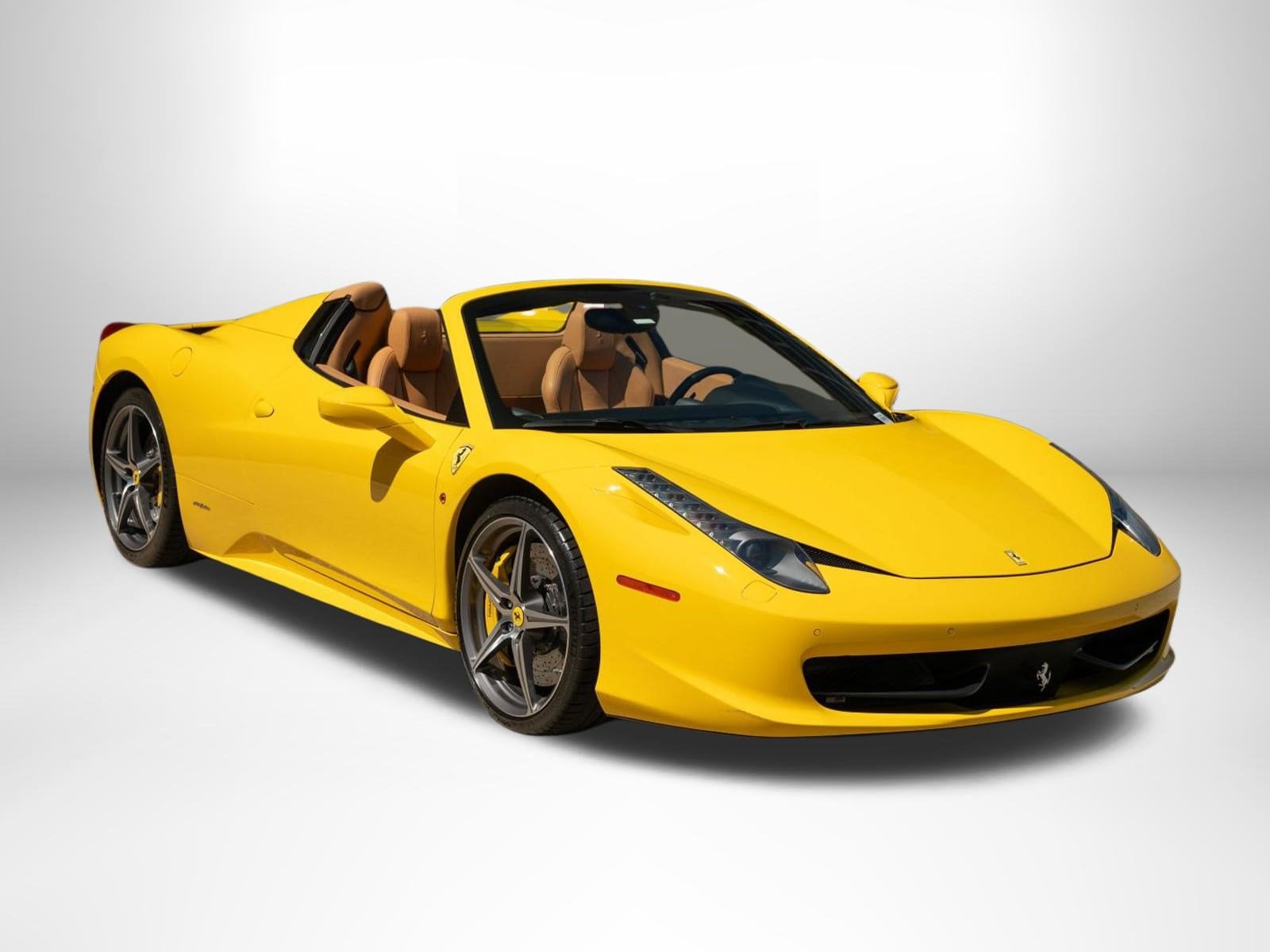
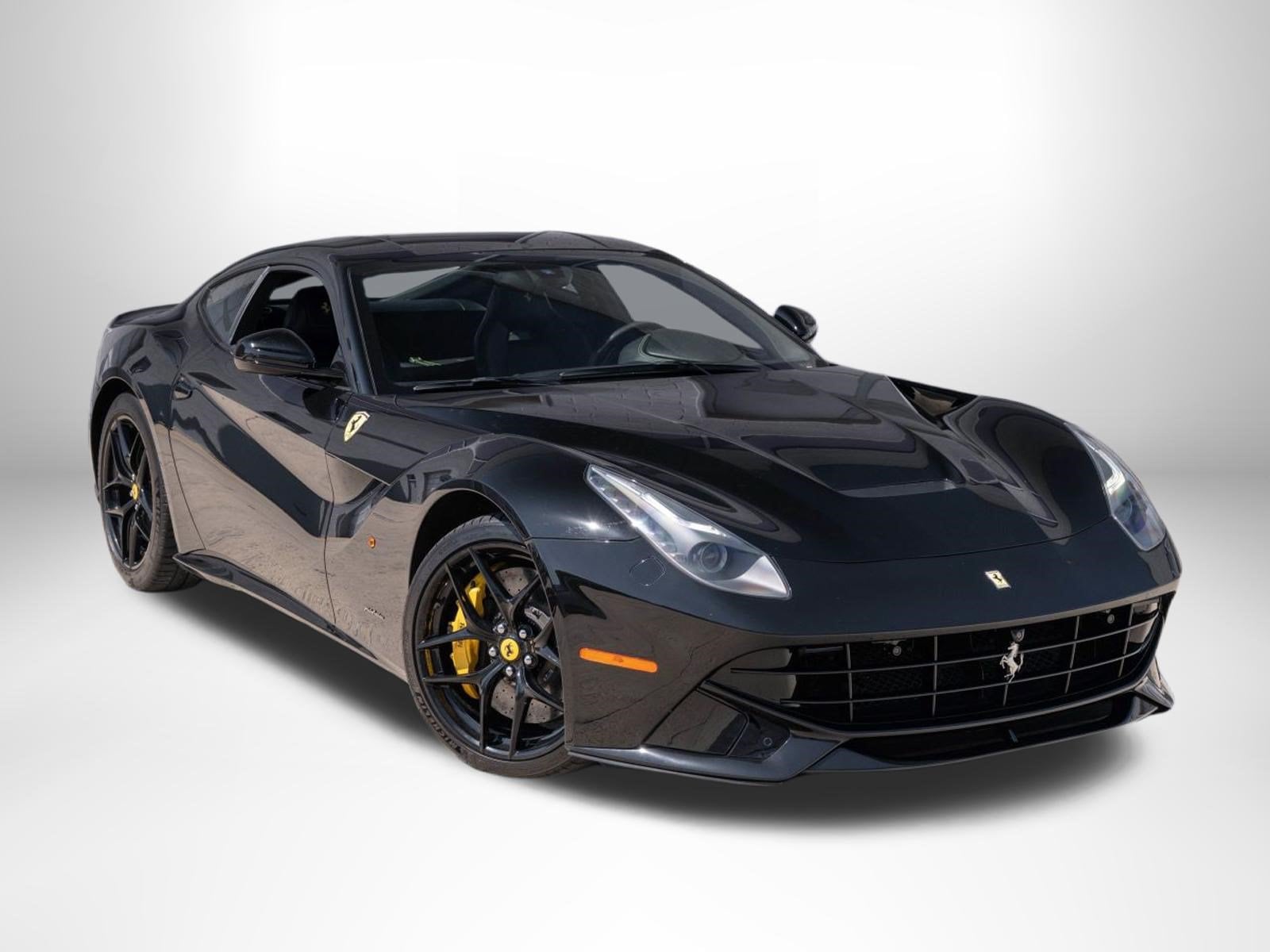
Ferrari spans several generations and body styles, from two-seat sports cars to grand tourers. Typical searches involve questions like which engine to pick, whether a V8 or V12 is best for daily driving, and how a mid‑engine layout affects handling. Consider model names across generations, the most common body types (two-seater coupes, convertibles, and two-door GTs), and how fuel type can influence upkeep and reliability. If you are buying in a specific market, pay attention to year, mileage, and price segment, as those details help you compare options accurately.
In many markets, Ferrari models are in high demand. Buyers often search for the best balance of rare models, mileage, and overall condition. For a specific city, it helps to look at listings with transparent history and seller notes about service campaigns or recalls. When evaluating price, compare against similar models in the same generation, noting any aftermarket modifications that may influence value. If you plan to sell, emphasize service history and low-mileage examples to appeal to collectors or enthusiasts who value provenance.
 Add as preferred sourceSee more from zvelta in Google Search Add as preferred source